For years, fashion’s pace accelerated in lockstep with social media. Trends arrived and vanished within weeks. The viral loop transformed runway details into mass-market colours and silhouettes overnight. Micro-trends, ultra-fleeting aesthetic motifs that existed for only a few seconds, became standard currency. The industry appeared to move rapidly.
That era is now showing signs of fatigue. Several forces are slowing fashion’s cycle of visual novelty. Consumers are demanding longevity, designers are pushing back against disposable aesthetics, and market saturation has diminished the impact of instant hype. This shift does not mean fashion has stopped evolving, but the velocity of change is decluttering the calendar. What was once frantic and repetitive is becoming measured and intentional.
The quiet death of micro-trends marks a deeper recalibration in how fashion interacts with society, culture, and meaning.
Fashion’s micro-trend era is fading as consumers demand longevity, sustainability, and slower style cycles rooted in meaning and durability.
What Were Micro-Trends?
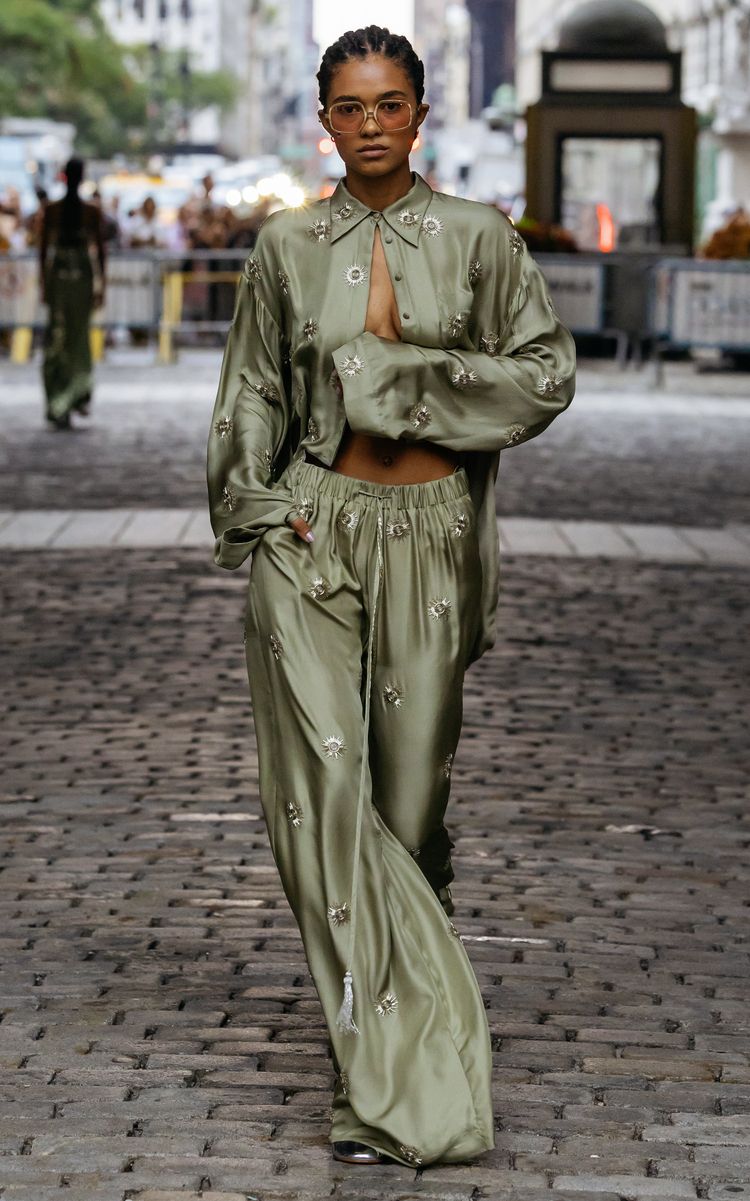
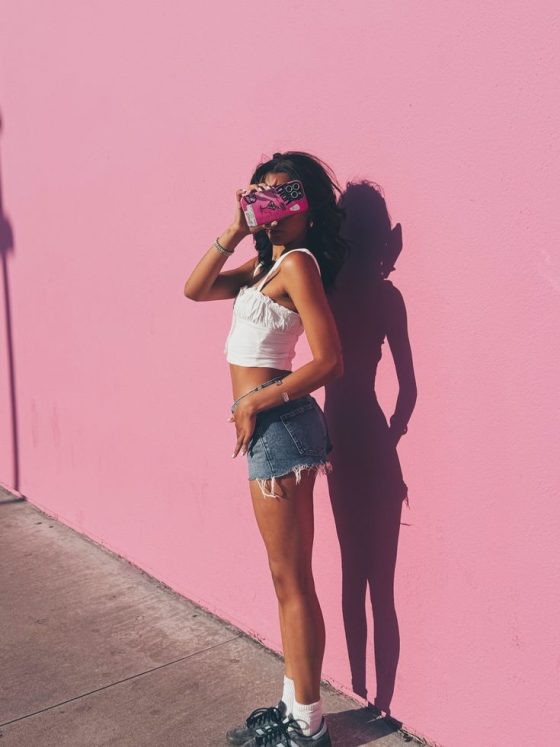
Micro-trends were by-products of an attention economy built for speed. Platforms like TikTok and Instagram amplified stylistic signals, compressing trend life cycles into weeks or even days. Hemlines, logos, bags, shoe silhouettes, and even specific colour gradients became identifiable movements with near-instant adoption.
Designers, brands, and influencers responded reflexively. Collections were dissected in real time. Retail calendars accelerated to capture momentary interest. Micro-trends blurred the lines between luxury spectacle and street-level reproduction. Fashion’s traditional runway–retail feedback loop collapsed into an unending present tense.
But this speed carried consequences. Consumption became erratic. Wardrobes reflected immediacy rather than intention. Trend churned outpaced personal identity formation. Buying wasn’t just frequent; it was reactive.
Why That Model Is Losing Momentum
- Consumer Fatigue and the Search for Meaning
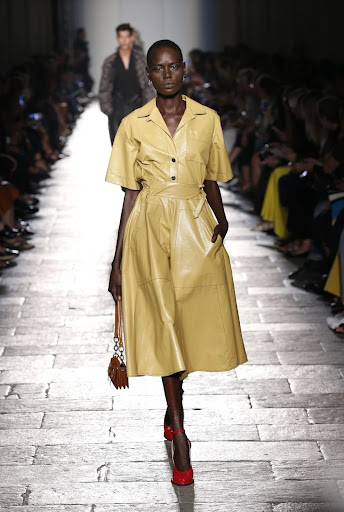
Increasingly, shoppers resist clothing that feels ephemeral. The psychology of fashion suggests that when trends cycle too fast, individual style can fracture. Consumers begin to crave garments that endure beyond a single “moment”. Research on fashion consumption behaviour shows that preferences for durable, versatile pieces rise when trend overload leads to decision fatigue. People want simplicity and coherence.
Such simplicity doesn’t end the excitement in fashion. It reframes it. Instead of chasing novelty, many now seek refinement: pieces that resonate with personal aesthetic frameworks rather than algorithmic popularity.
- Sustainability as Structural Constraint
Micro-trends thrived in an era of fast, cheap production. When clothing is inexpensive and disposable, rapid replacement feels easy. But sustainability concerns have introduced structural friction into the system. Environmental impact metrics, regulatory scrutiny, and consumer awareness have shifted industry calculus.
Brands face pressure to demonstrate traceability, material responsibility, and durability. Producing garments with extremely short life cycles is increasingly recognised as incompatible with climate commitments and waste-reduction goals. As a result, trend programming is becoming less frequent and more strategic, favouring seasonless designs over arbitrary novelty.
- Editorial and Market Realignment
Top fashion institutions are also recalibrating. Some global fashion weeks and media platforms are prioritising curated themes and storytelling over trend enumeration. Coverage now emphasises craftsmanship, material innovation, and cultural context rather than daily “trend hits”.
Retail calendars are adjusting, too. Rather than constant “drops”, many designers focus on capsules, seasonal anchors, and extended silhouettes that have relevance. This reorientation acknowledges that visibility does not always require velocity.
ALSO CHECK OUT:
- The Global Journey of Cotton Beyond the Plantation Narrative
- The 5-Piece Capsule Wardrobe: Building Style Around Archetypes, Not Trends
The Cultural Cost of Speed
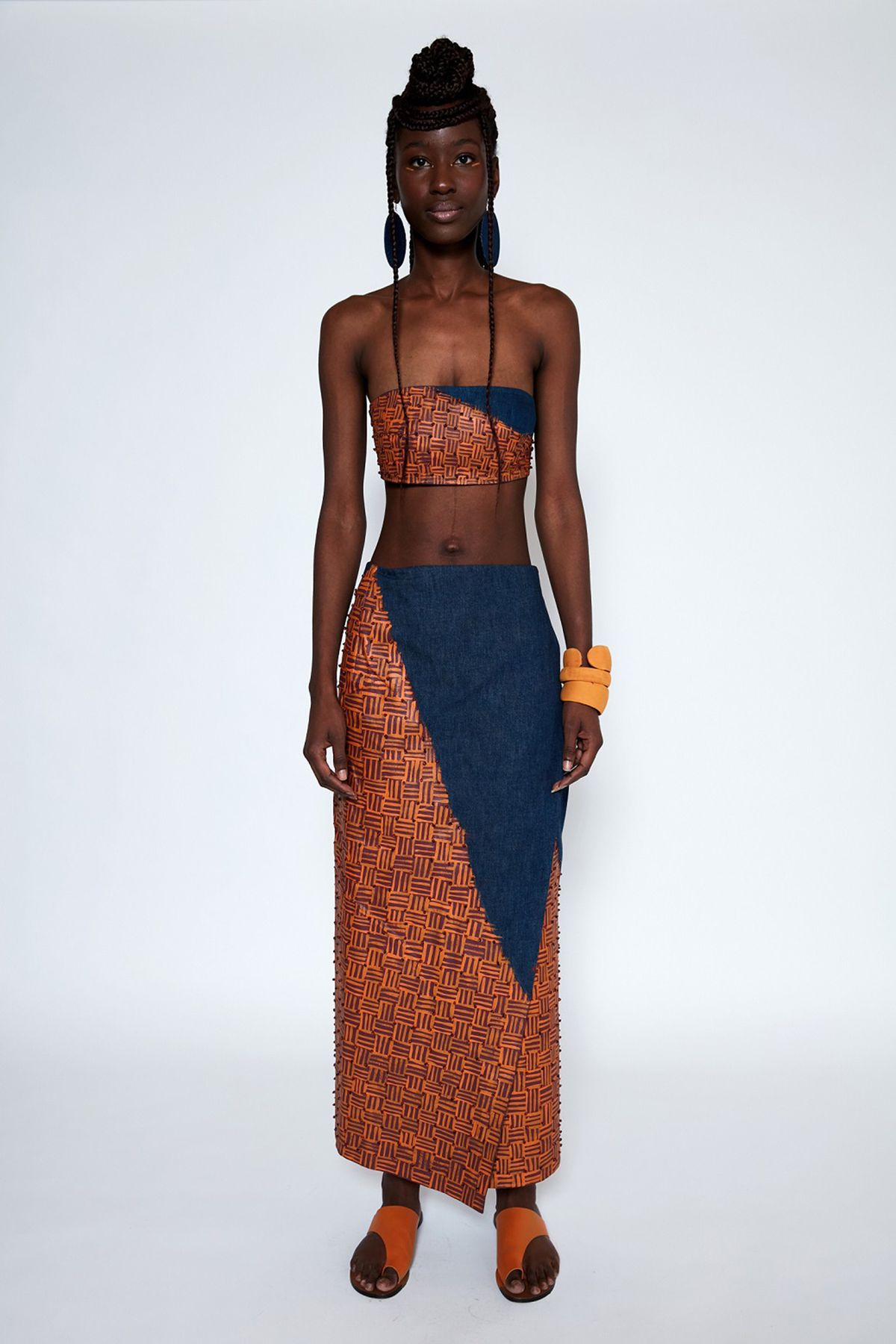
Microtrends emerged from rapid signalling, the ability to quickly communicate status, affiliation, or taste. But speed erodes meaning. When every detail is meaningful only for a moment, meaning itself becomes diluted.
This phenomenon reflects broader cultural shifts. In a world where digital attention moves in milliseconds, sustaining depth is difficult. Fashion’s own acceleration was partially a response to this environment. But increasingly, cultural dialogue recognises the limits of speed-based visibility.
A slower pace allows fashion to function as a reflective expression rather than performative consumption. Clothing becomes a site for identity development instead of instant messaging.
What Replaces Micro-Trends
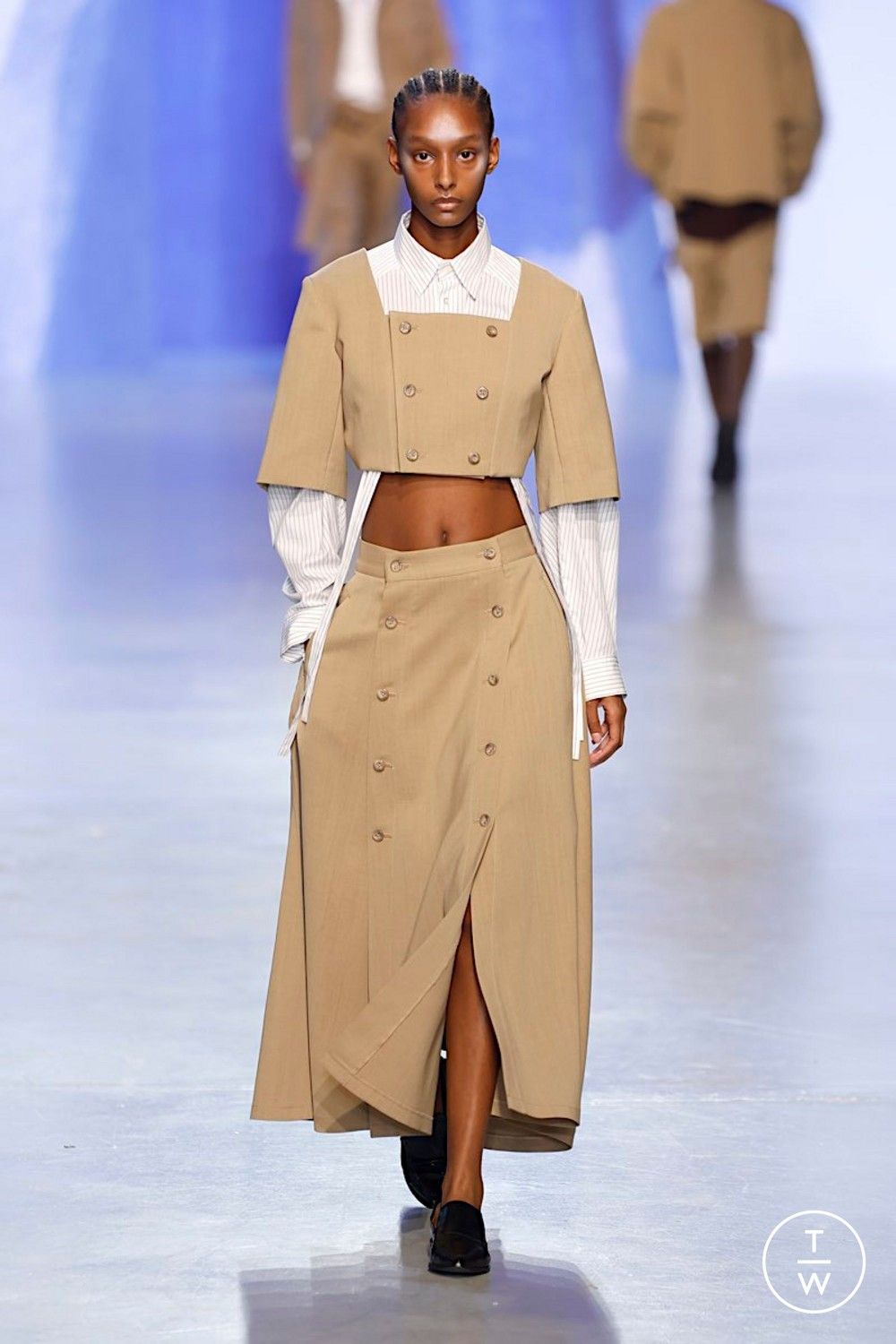
The decline of micro-trends does not signal stagnation. It signals maturation. A few modes are emerging in their place:
Archetype Anchoring
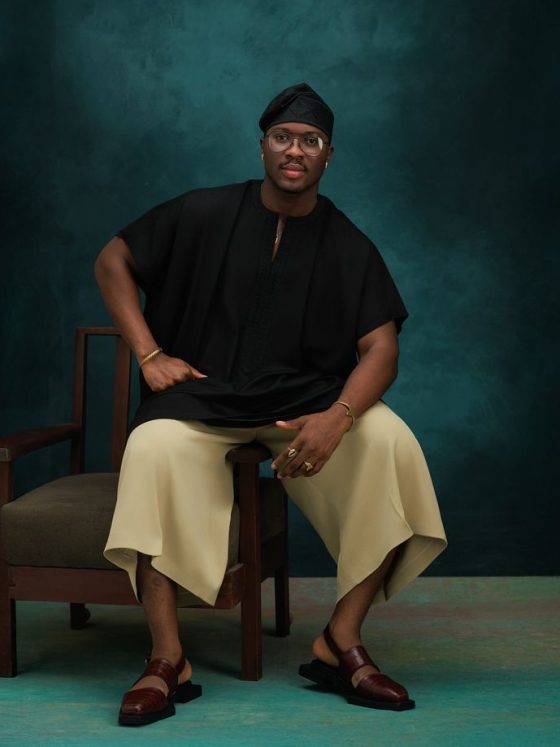
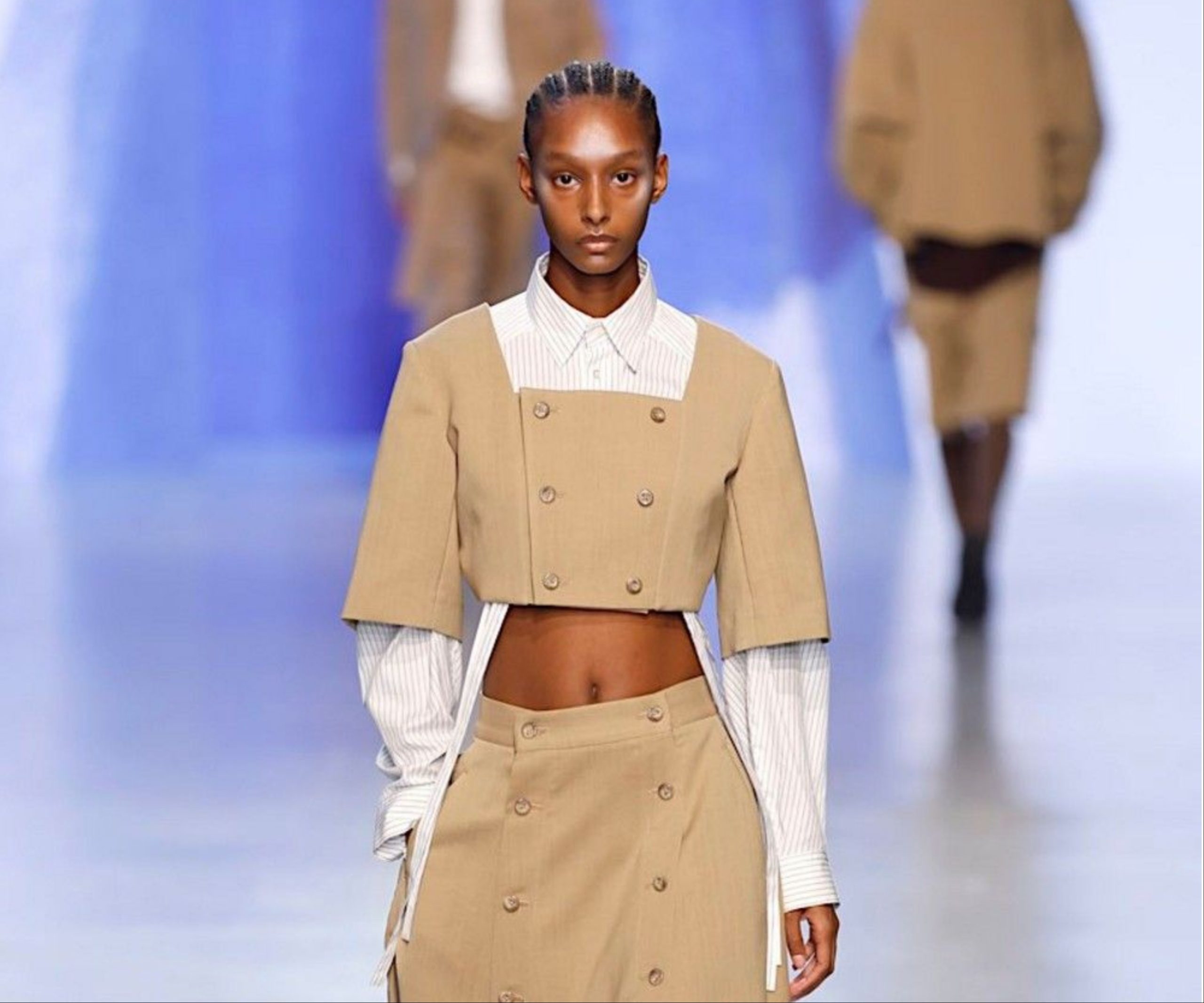
Rather than reacting to fleeting details, wardrobes reference structural forms that recur across eras, tailored jackets, classic shirting, and foundational knits. These anchors provide stability.
Seasonless Narratives
Instead of trend waves tied to precise dates or weeks, designers are exploring collections that transcend calendar confines, encouraging long-term resonance.
Material and Craft Focus
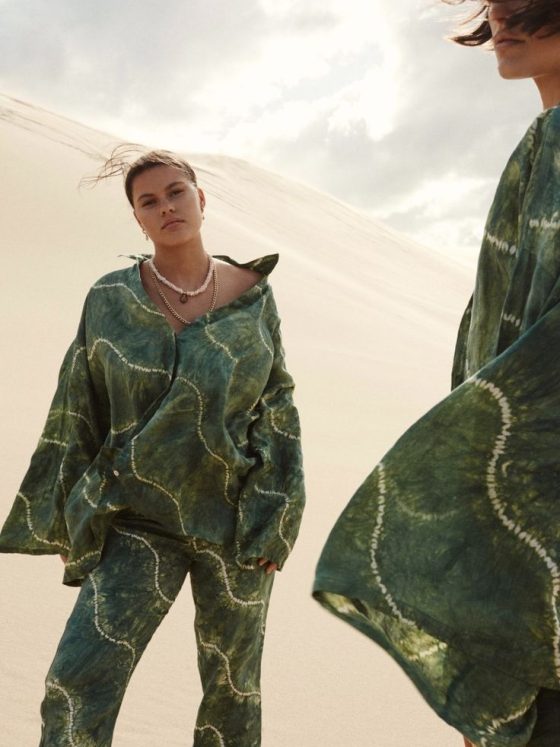
Attention shifts from surface novelty to substance: textiles, dyeing techniques, construction quality, and tactile intelligence take precedence over logo placement.
Contextual Stories
Fashion language increasingly engages cultural, historical, and environmental narratives, anchoring garments within broader human discourse rather than isolated aesthetics.
The Future of Fashion’s Tempo
A slower fashion tempo does not imply sluggishness in innovation. On the contrary, it suggests a transition from rapid style iterations to deeper creative exploration. Designers have the opportunity to innovate not through perpetual reinvention of form, but through intentional refinement of meaning.
Consumers benefit too. A more measured cadence allows wardrobes to evolve organically, with less pressure to conform to ephemeral codes. This cultivates consistency, coherence, and personal authorship.
The quiet death of micro-trends is not a retreat from change. It is a recalibration of pace. Momentary distractions no longer compel fashion, but lasting frameworks now guide it.
Conclusion
The decline of micro-trends is revealing something fundamental: fashion is not slowing down because it has less to say. It is slowing down because it is beginning to say something more substantial.
The industry is maturing past the rapid churn of arbitrary novelty toward an economy of intentional design, meaning, and resilience. Styles will still evolve, but with more context and less noise. The wardrobe no longer needs to be signalled rapidly to prove relevance. It needs to perform coherently over time.
This quiet transition may not be headline-grabbing, but its impact on how we dress, consume, and think about clothing could be one of the defining shifts of contemporary fashion.
See the looks shaping the season — browse Fashion Trends with OmirenStyles.
FAQs
- Why are micro-trends disappearing from the fashion industry?
Micro-trends are declining due to consumer fatigue, sustainability concerns, and the growing demand for long-lasting, versatile clothing rather than short-lived viral styles.
- How has TikTok influenced the rise and fall of micro-trends?
TikTok accelerated trend cycles by amplifying niche aesthetics quickly, but overexposure and rapid turnover led to burnout and reduced long-term appeal.
- What is replacing micro-trends in modern fashion?
Seasonless design, wardrobe archetypes, material innovation, and investment dressing are replacing fast-moving micro-trends with more enduring frameworks.
- How do micro-trends impact sustainability in fashion?
Micro-trends encourage rapid consumption and disposal, increasing textile waste and carbon output, which conflicts with sustainability goals and circular fashion efforts.
- Is slow fashion becoming mainstream in 2026?
Slow fashion principles, including durability and intentional purchasing, are gaining momentum as consumers prioritise quality and responsible production over constant novelty.