In the crowded 2026 market, simply being a clothing brand is not enough to succeed. To stand out, brands need to capture the customer’s entire aesthetic experience, from morning to night. The industry is shifting away from seasonal collections toward a holistic brand ecosystem in which clothing, beauty, and home design blend.
Vogue’s 2026 Trend Forecast on Fashion-Wellness Fusion notes that luxury now means living seamlessly, not just owning a single product. Today’s consumer is not just purchasing a dress; they are embracing a lifestyle that values mental wellness, craftsmanship, and sensory enjoyment.
When a brand connects fashion and beauty, it earns loyal followers, not just customers. This approach, called the ‘Sovereign Lifestyle’, means every detail is intentional, every scent is unique, and every piece of clothing reflects the wearer’s identity. In 2026, brands that take this approach will set the standard for a higher quality of life.
Discover how the Holistic Brand Ecosystem is redefining 2026 luxury. From ‘skin-first’ beauty to intentional fashion, learn why lifestyle branding is the new baseline. Explore the shift from selling products to curating a worldview of wellness, heritage, and artisanal integrity.
Why Beauty and Fashion are Inseparable
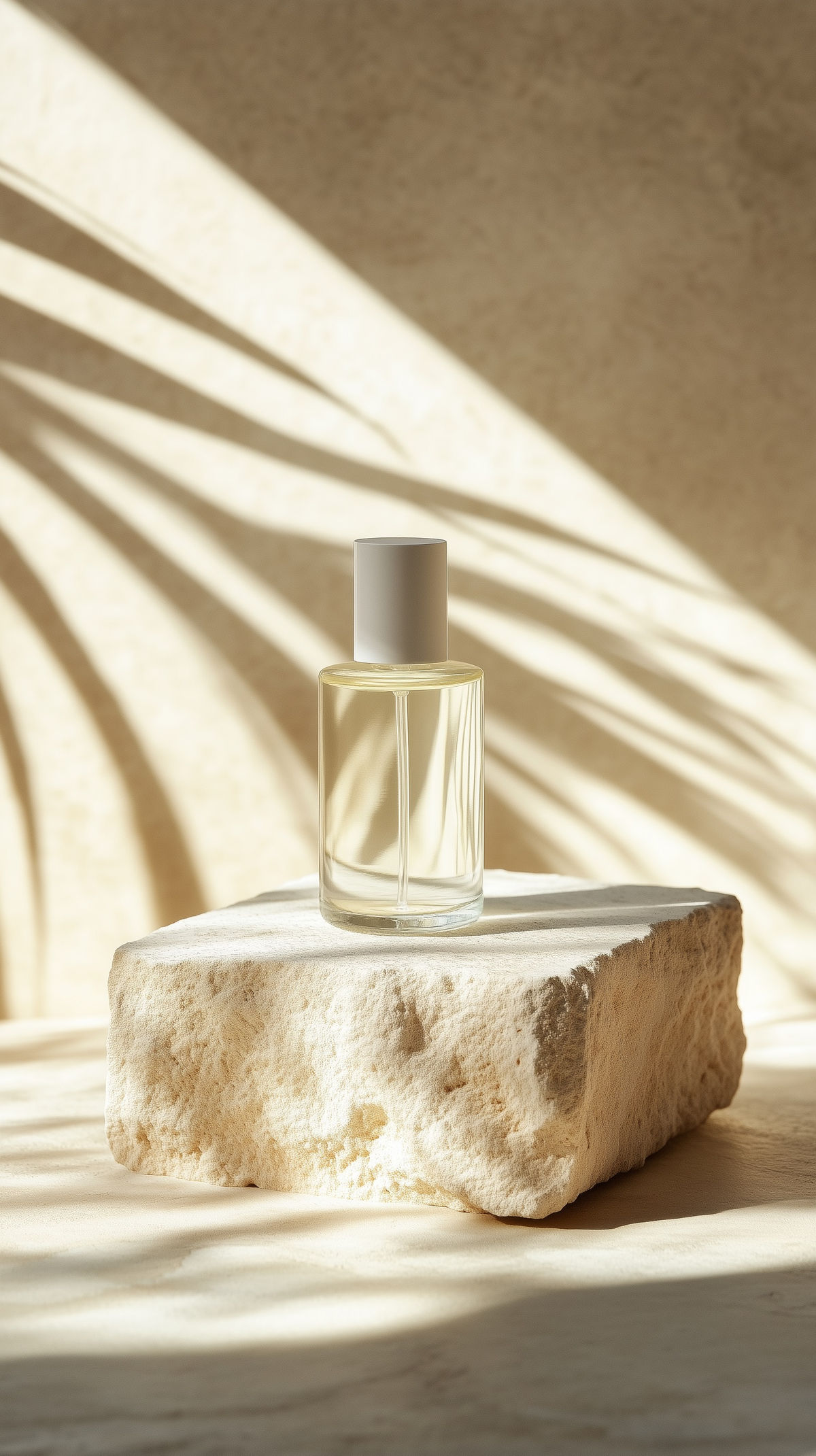
In 2026, the idea of the ‘Total Look’ has changed. Now, it’s not just about matching your shoes with your bag. It’s about making sure your skin’s glow matches the shine of your silk. Luxury brands are creating a holistic brand ecosystem in which skincare and cosmetics reflect the same ideas as their clothing lines. We call this ‘Biological Branding’.
Global leaders are already setting the gold standard for this 2026 shift:
- Hermès Beauté: By moving from leather goods to a careful, refillable makeup and skincare line, Hermès showed that a ‘logo’ can truly become a ‘lifestyle’.
- Loewe Home Scents: With Jonathan Anderson, Loewe turned the ‘smell of a vegetable garden’ into a high-fashion status symbol. This shows that lifestyle branding is about creating the feeling of home.
- Valentino Beauty: By using ‘Couture Clash’ in their beauty line, Valentino shows that a brand can keep its bold, high-fashion style even in everyday spaces like the bathroom.
According to McKinsey’s 2026 Luxury Report, brands that offer both fashion and beauty see a 45% increase in ’emotional stickiness’. This is the kind of loyalty that keeps customers coming back. It means every item we sell invites people to a bigger, more beautiful way of living.
The Home as a Runway
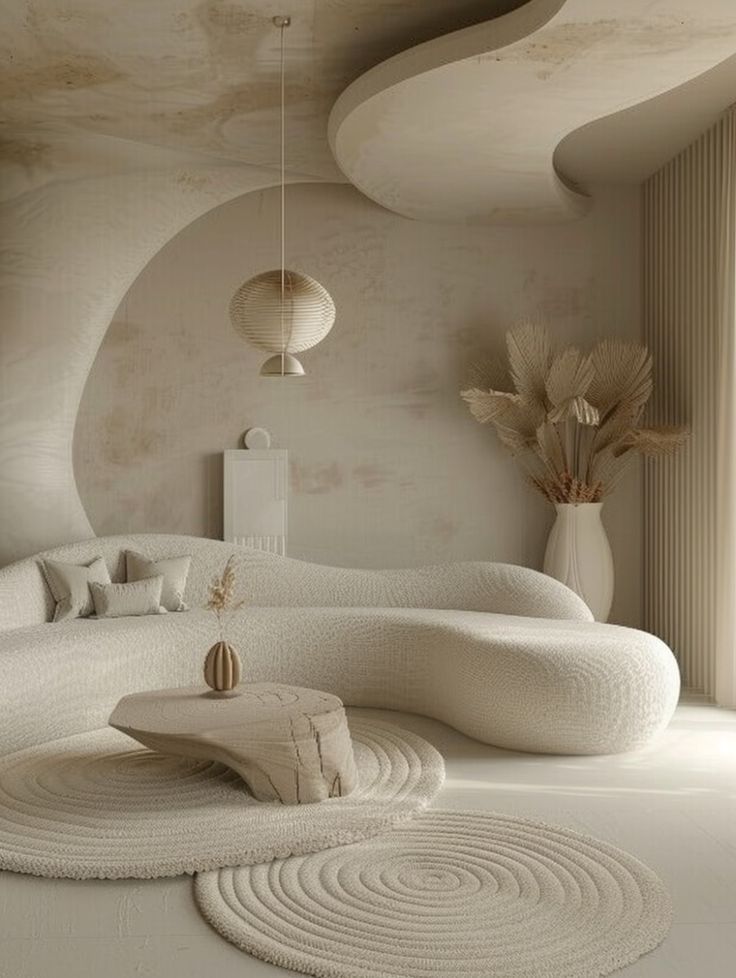
In 2026, the home is not just a setting for fashion, but it continues it. There is a clear shift as runway textures like lush velvets, raw linens, and hand-worked leather move into our living rooms. This is the ‘Collected Home’ movement, which turns away from matching catalogue furniture and instead creates spaces that feel personal, storied, and thoughtfully curated.
Top fashion houses are now treating ‘Home’ as their most crucial category expansion. It’s about building a holistic brand ecosystem that surrounds the consumer. For example:
- Fendi Casa: They have mastered turning fashion into furniture, using Fendi’s signature craftsmanship to design interiors that feel like a high-fashion studio.
- Armani/Casa: Giorgio Armani’s vision now shapes entire interiors, showing that a brand’s identity can be experienced at home, not just in clothing.
- Missoni Home: Their famous patterns in home textiles show how a fashion print can set the mood for a whole room.
According to House Beautiful’s 2026 Decor Forecast, the ‘Silent Luxury’ trend is now part of home design. People are choosing unique pieces with clear origins, such as a hand-carved coffee table or a rug that looks like windblown grass. For our readers, the top style goal is now a well-designed sanctuary, not just a great suit.
ALSO READ:
The Social Blueprint: Why Lifestyle Branding Rules the Algorithm
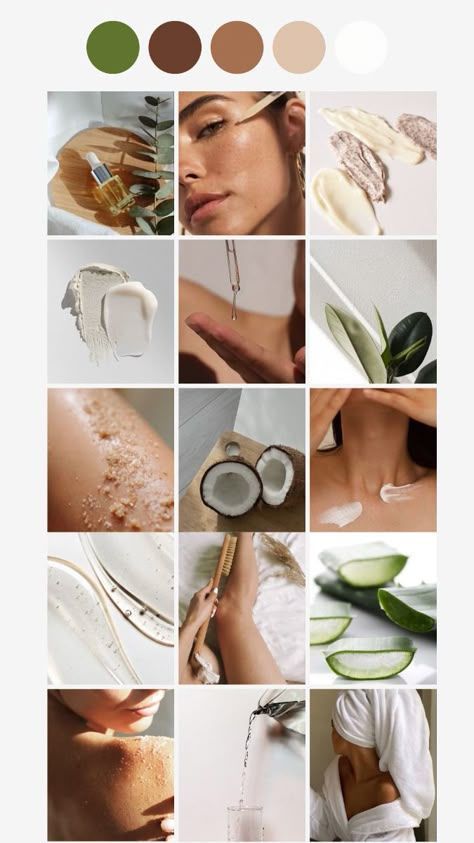
In 2026, social media algorithms have changed. They no longer highlight a single ‘outfit of the day’ (OOTD) post. Now, platforms like TikTok, Instagram, and niche communities reward ongoing content series and strong visual styles. That’s why building a holistic brand ecosystem is the best way for modern brands to grow.
When a brand moves into beauty or home decor, it creates a complete content loop. Customers share more than just a new coat; they show the unboxing next to a matching candle or their beauty routine while wearing the brand’s loungewear. This kind of ‘visual coherence’ is what the 2026 algorithm sees as valuable, authentic storytelling.
We are seeing a shift toward content created with AI but checked by people. High-end consumers now prefer ‘micro-influencers’ who showcase their whole lifestyle, rather than celebrities who promote only one product.
This means our writing must act as a ‘vibe curator’. We are no longer just reviewers; we are the architects of a brand’s social identity. We help our readers understand that in 2026, your ‘lifestyle’ will be your most valuable social currency. As noted by Pulsar Platform, the most visible trends are no longer just ‘looks’; they are entire systems of living.
Conclusion
In 2026, the brands that succeed will be those that go beyond selling products and become part of daily life at home. Lifestyle branding is no longer just a luxury; it is now essential for digital survival. When companies create a holistic brand ecosystem, they move from being a one-time purchase to becoming part of a customer’s identity. For today’s consumer, a thoroughly and thoughtfully curated life, not just a piece of clothing, makes the strongest statement.
Actual editorial authority in 2026 is an act of storytelling. To see how our publication decodes heritage-inspired craftsmanship, modern inclusivity, and the lifestyle ecosystems of the future for the global reader, explore the intentional world of Omiren.
FAQs:
- What exactly is a “Holistic Brand Ecosystem” in 2026?
A: It is a strategy where a brand expands beyond its core product (like clothing) into categories like beauty, wellness, and home decor. The goal is to create a seamless “Brand World” where every part of the customer’s life, from their morning skincare to their living room furniture, reflects the same aesthetic and values.
- Why are fashion brands suddenly launching skincare and home scents?
A: In 2026, loyalty is driven by identity, not just products. By offering beauty products and home items, brands increase “emotional stickiness.” Research shows that brands with a holistic ecosystem experience a 45% increase in customer retention because they become an inseparable part of users’ daily rituals.
- Does “lifestyle branding” make products pricier?
A: Not necessarily, but it increases the perceived value. Consumers in 2026 are buying fewer items but want those items to “matter. A brand that sells a lifestyle is seen as an authority on “how to live well,” allowing them to justify premium pricing through superior storytelling and artisanal integrity.
- How does this trend affect social media and the algorithm?
A: The 2026 algorithm favours serialised content— videos and posts that show a complete, cohesive way of life. A “morning routine” that features a brand’s robe, coffee mug, and face oil performs better than a single photo of a dress because it keeps viewers engaged in a narrative for longer.
- Is this shift only for major luxury houses?
A: Actually, it’s a massive opportunity for Artisanal and niche publications. Readers are moving away from “faceless” corporations and toward “human-centric” brands. Lifestyle branding allows smaller creators to build a “sovereign lifestyle” that feels more authentic, raw, and trustworthy than mass-produced luxury.