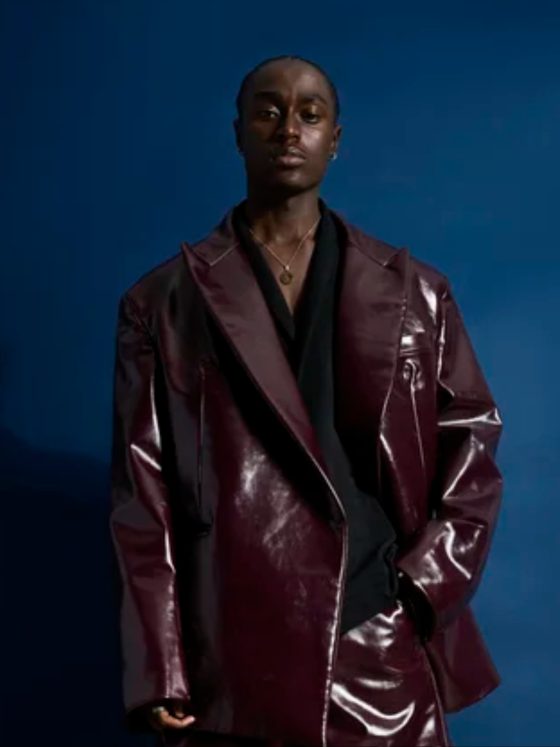
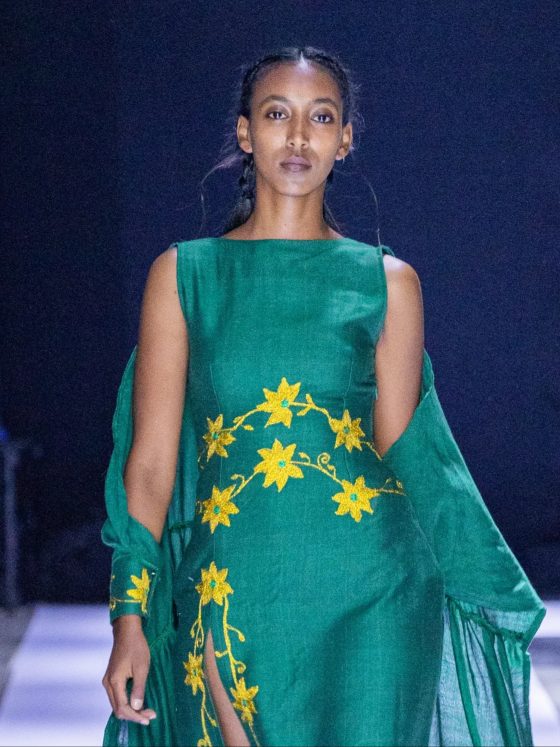
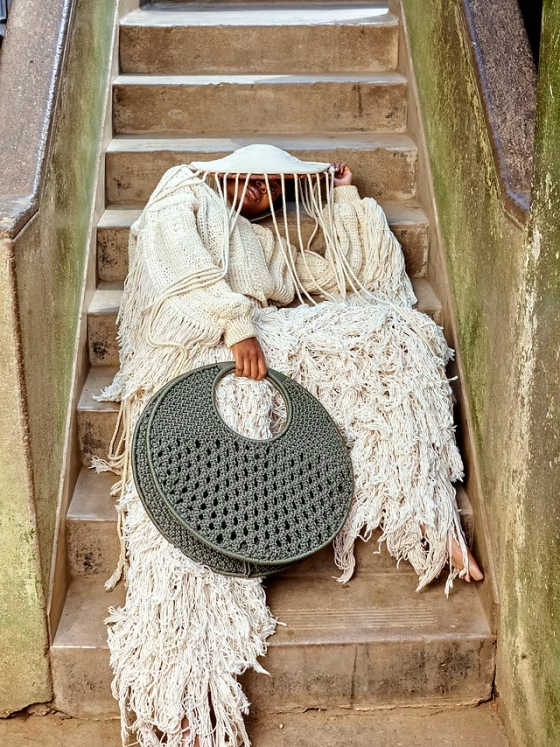
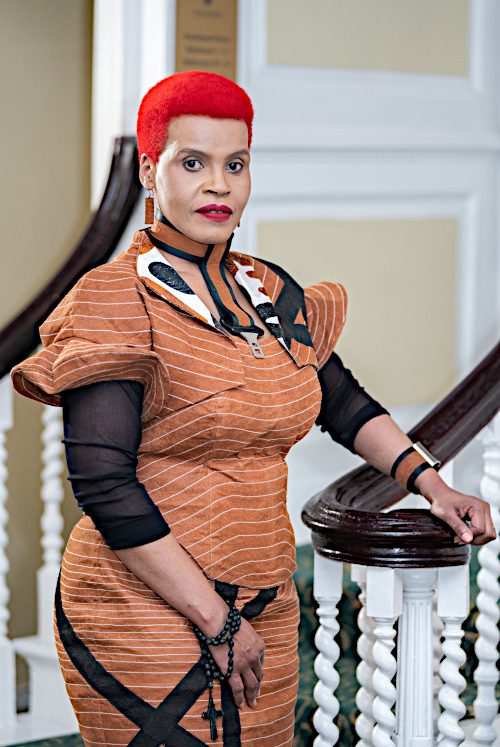
Do you think centuries-old African textiles can walk the Paris runway not as inspiration, but as couture? That is the story of Imane Ayissi, a Cameroonian designer who has transformed traditional African fabrics into high-fashion pieces that now stand beside the biggest luxury houses in the world.
In a field long dominated by European heritage brands, Ayissi’s presence signals a shift. His work combines precision tailoring, cultural storytelling, and sustainable sourcing, challenging stereotypes of what African fashion should look like.
This article explores his rise from Cameroon to Paris, the cultural philosophy behind his designs, the sustainability principles driving his collections, and how users can experience and purchase his work.
Discover how Imane Ayissi fuses African heritage with Paris haute couture, spotlighting craft, sustainability, and global luxury fashion.
The Journey from Cameroon to Paris Haute Couture
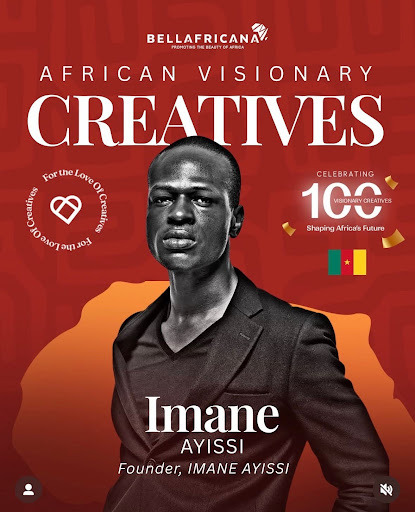
Imane Ayissi was born in Yaoundé, Cameroon, into a family that combined artistry and sport, his father a champion boxer, his mother a celebrated Miss Cameroon. Creativity surrounded him early, but it was fashion that shaped his path. After a period working as a model in Europe, Ayissi founded his label in 2004.
In 2020, his brand became one of the very few African labels ever invited to present on the official Paris Haute Couture Week calendar, a milestone that placed sub-Saharan craftsmanship at the centre of global fashion. His shows in Paris are cultural conversations about Africa’s place in the luxury industry.
What sets Ayissi apart is not just the fact that he reached haute couture status, but that he did it without abandoning African textile traditions.
From his atelier in Paris, he continues to draw materials and inspiration from artisans across the continent, working with weavers, dyers, and cooperatives from Ghana, Burkina Faso, Madagascar, and Cameroon.
The Craft: African Textiles Reimagined as Couture
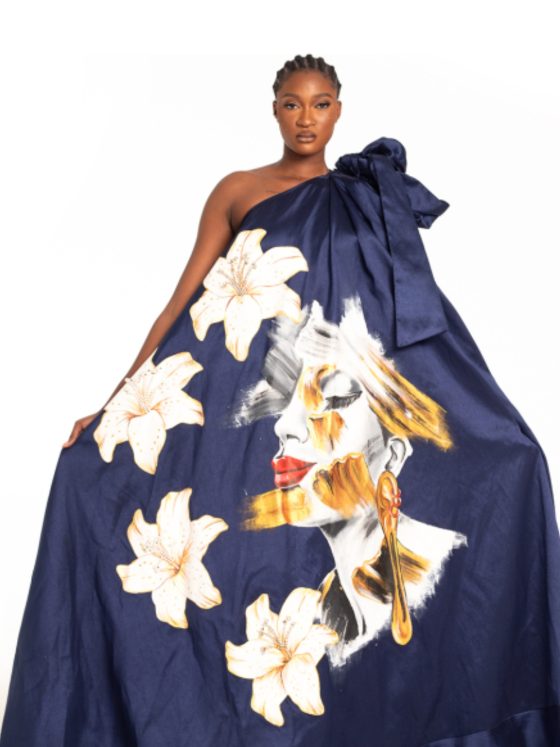
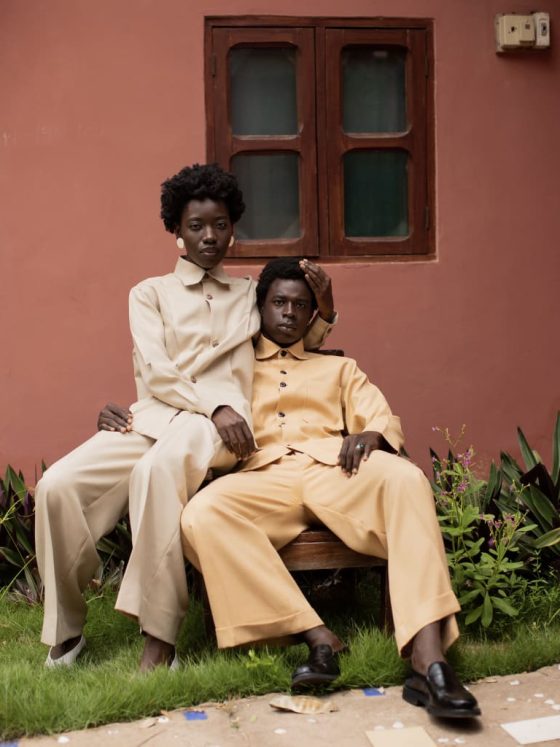
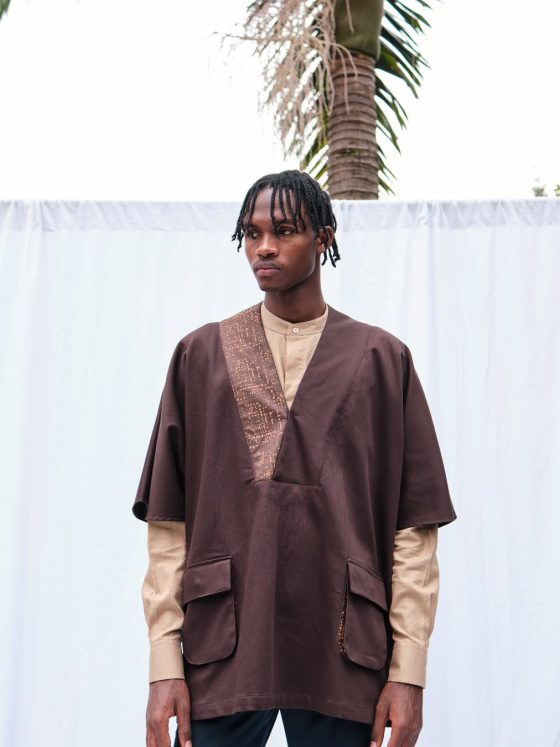
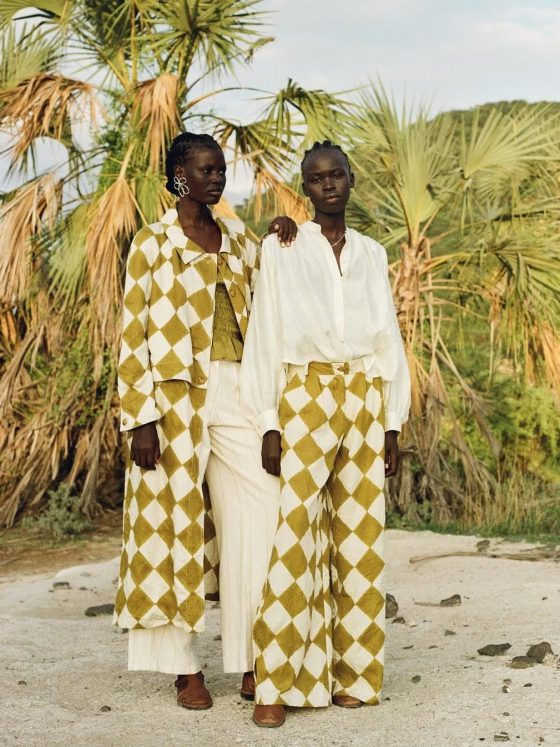
Ayissi’s collections are a visual study in how heritage can meet high fashion. Each season, his garments reinterpret African dress forms the wrapper, the kaftan, and the robe – but are executed with the discipline of Parisian couture.
Fabric choice is central to his philosophy. He often uses:
- Kente cloth from Ghana, woven by hand and restructured into modern silhouettes.
- Faso Dan Fani, a cotton textile from Burkina Faso, known for its texture and craftsmanship.
- Raffia from Madagascar, used to create light, sculptural fringes.
- Obom bark cloth from Cameroon, reworked into delicate appliqués and panels.
These textiles are not treated as exotic materials; they are equal in value to silk, lace, or organza. Through this parity, Ayissi’s work challenges global fashion to reconsider the hierarchy of materials and aesthetics.
A Commitment to Sustainability and Ethical Production
Long before sustainability became a marketing term, Imane Ayissi was practising it out of respect for craft. His production process relies on small-scale artisan partnerships, where natural fibres and dyes replace industrial alternatives.
He sources from cooperatives that employ eco-friendly techniques, such as hand-weaving, low-impact dyeing, and natural raffia. Each piece is constructed with longevity in mind, intended to be worn and preserved, not replaced. This ethical foundation distinguishes his brand from fast-moving luxury labels that chase trends.
Ayissi also advocates for economic inclusivity within the fashion value chain. By commissioning fabrics directly from African weavers and dyers, his collections support sustainable livelihoods. This model of production strengthens the cultural and financial infrastructure of African fashion industries, extending the meaning of sustainability beyond materials to people.
ALSO READ:
- MaXhosa Africa: South Africa’s Luxury Knitwear Brand with Global Appeal
- ORÍKÌ Group: The Nigerian Farm-to-Skin Beauty Brand Growing Into a Global Wellness House
Global Recognition and Cultural Relevance
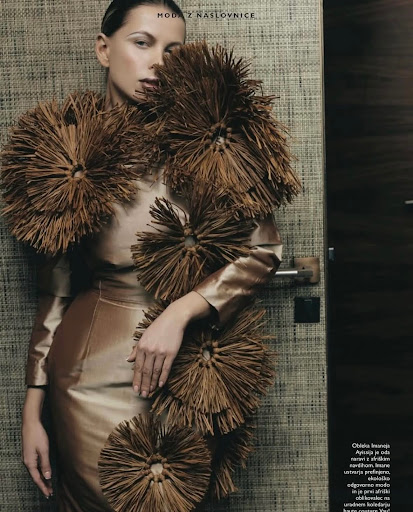
Over the years, Imane Ayissi’s collections have been featured in Vogue, The New York Times, and Business of Fashion. He has exhibited at the SCAD FASH Museum of Fashion + Film in Atlanta and continues to be a regular name at Paris Couture Week.
While precise revenue figures are private, his global visibility has grown consistently, supported by museum exhibitions, celebrity clients, and luxury stockists. Yet, he maintains an independent voice, refusing to dilute his vision to fit into Western aesthetics.
When asked about his creative mission, Ayissi has said, “Africa is not a country; it’s a continent. Each fabric has a story.” That statement reflects the essence of his brand: Pan-Africanism through fabric. His work is less about national identity and more about representing the continent’s diversity.
Promoting Pan-Africanism through Fashion
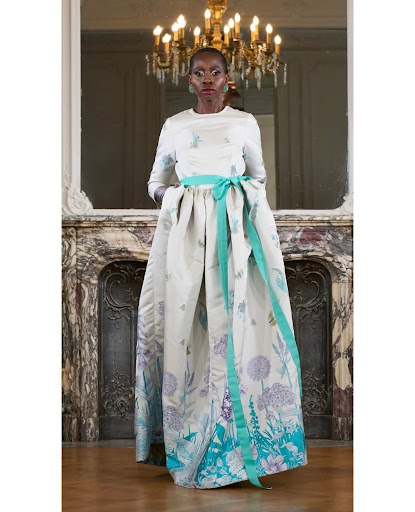
Every Ayissi collection operates like a cultural essay in motion. Instead of focusing on a single country, he brings together multiple African textile traditions into a single narrative. A show might juxtapose Ghanaian Kente with Burkinabé cotton, wrapped in a silhouette reminiscent of Cameroonian ceremonial robes.
Through this, he achieves three things:
- Representation: He gives African artisans global visibility within couture contexts where they are rarely acknowledged.
- Dialogue: His collections start conversations about Africa’s creative independence, away from the mimicry of Western styles.
- Continuity: By translating ancient crafts into wearable art, he ensures that these traditions evolve with the times.
Ayissi’s Pan-African vision extends beyond the runway. His collaborations often include training young tailors and craft workers in Cameroon, encouraging them to view their local traditions as sources of innovation, not nostalgia. In that sense, his brand functions both as a business and as cultural activism.
How to Access Imane Ayissi’s Creations
For those inspired to own an Imane Ayissi piece, understanding the nature of haute couture is essential. These are bespoke garments, often handmade for specific clients, not mass-produced fashion.
Pricing:
While prices vary depending on materials and detail, haute couture pieces generally range from several thousand to tens of thousands of euros. These costs reflect the artisanal time, fabric rarity, and craftsmanship involved. Ready-to-wear versions, when available, fall in a more accessible luxury range but remain exclusive.
Where to buy:
- The best point of contact is the designer’s official site: imane-ayissi.com.
- Orders can be made through direct contact with the Paris atelier for made-to-measure requests.
- Selected luxury stockists occasionally carry capsule collections or show pieces.
- For clients outside Europe, communicating with the atelier for fittings and customisation is the recommended route.
Tips for buyers:
- Begin consultations early, as couture orders require time for design discussions and fittings.
- Keep in mind that maintenance requires professional cleaning and storage due to the delicate fabrics.
- View your purchase not only as clothing but as a heritage piece, a tangible part of Africa’s evolving narrative in global fashion.
For clients who may not purchase immediately, following Ayissi’s seasonal collections online offers insight into how African aesthetics are shaping modern couture. His work also inspires a broader appreciation of African textiles for those who support local designers or study fashion design themselves.
For those who wish to experience his work, explore his official website, imane-ayissi.com. Each collection is a reminder that true luxury begins where craft meets meaning.
Africa’s fashion is leading!! Explore the designers, fabrics, and movements transforming the world of style on OMIREN.
FAQs
- Is Imane Ayissi a sustainable fashion designer?
Yes. Imane Ayissi is widely recognised for his sustainable approach to haute couture. He sources eco-friendly fabrics such as hand-woven cotton, raffia, and bark cloth from artisan cooperatives across Africa. His collections emphasise ethical production, natural dyes, and the preservation of traditional weaving techniques rather than mass manufacturing.
- Where can I buy Imane Ayissi clothing?
Imane Ayissi’s pieces can be ordered directly from his official website, imane-ayissi.com, where clients can contact his Paris atelier for custom or made-to-measure couture. Selected luxury boutiques and exhibitions occasionally feature his work, though availability remains exclusive due to limited production.
- How much does an Imane Ayissi dress cost?
Prices vary depending on fabric and craftsmanship. Haute couture gowns often start at a few thousand euros and can reach tens of thousands for fully customised designs. Ready-to-wear or limited-edition pieces, when available, fall within the accessible luxury range. Each garment reflects the labour-intensive artistry that defines couture.
- What makes Imane Ayissi’s designs unique?
Ayissi’s collections blend African heritage textiles like Kente, Faso Dan Fani, and Obom bark cloth with Parisian haute couture construction. He reinterprets traditional silhouettes using modern tailoring and high-fashion draping, creating timeless pieces that celebrate Africa’s cultural depth while appealing to global luxury audiences.
- How does Imane Ayissi promote African culture globally?
Through his couture shows in Paris and exhibitions worldwide, Ayissi presents African textiles as luxury materials equal to European fabrics. He collaborates with artisans from across the continent, supports fair trade, and uses fashion to narrate Africa’s diverse histories. His work positions African creativity as a central, not peripheral, part of global fashion.