Can you hear the sound of the machine that manufactured the cloth if you place it next to your ear?
That simple, silent test reveals the truth: most luxury vehicles exude speed. But the ultimate luxury, the quiet kind, represents human time, hands, and profound intent. This subtle authority stems from the handwoven African fabric.
This movement is an authentic ancestral craft. Every thread, from Aso-Oke’s complicated geometry to Bogolan’s natural, deep hues, is the result of a thoughtful, slow decision. This is more than just sourcing; it is an act of artisanal sovereignty, with each garment serving as a manifesto for ethical luxury. We’re finally valuing what can’t be automated.
Explore the ancestral craft of handwoven African fabrics (Kente, Adire). This is the new Artisanal Sovereignty, where ethical luxury meets global design authority.
The Fabric as Authority
Scarcity is the most basic indicator of true luxury, and nothing in today’s business is more scarce than the time and talent required for Ancestral Craft. The intrinsic excellence of handwoven African fabric begins and ends with its material construction, a clear contrast to the low-density, mass-produced weaves that dominate the worldwide market. This weave is more than just handcrafted; it is a higher level of textile engineering.
The Physics of Prestige
1. Kente Cloth (Ghana, Togo):
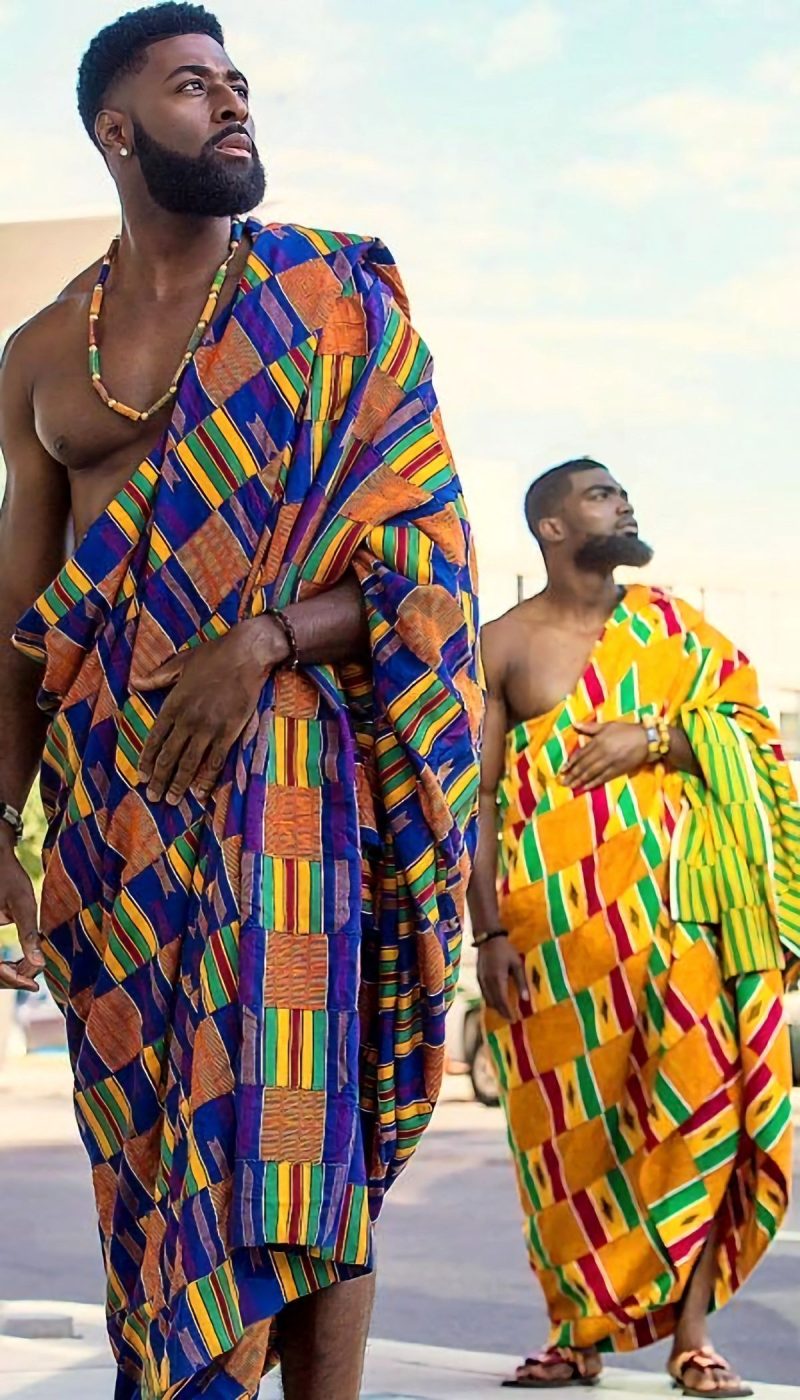
Kente is traditionally woven on narrow strip looms and achieves its complexity and legendary endurance using techniques such as extra weft float. This approach allows the weaver to pack in several threads and produce dense, complicated geometric blocks, making the fabric stiffer, heavier, and highly durable: a physical representation of royalty and rank.
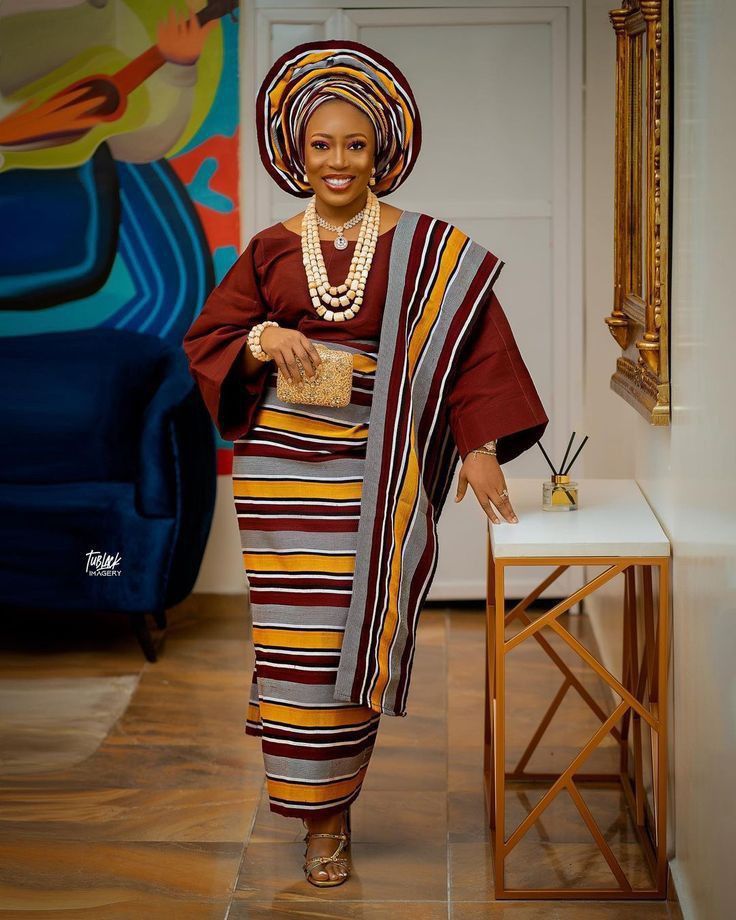
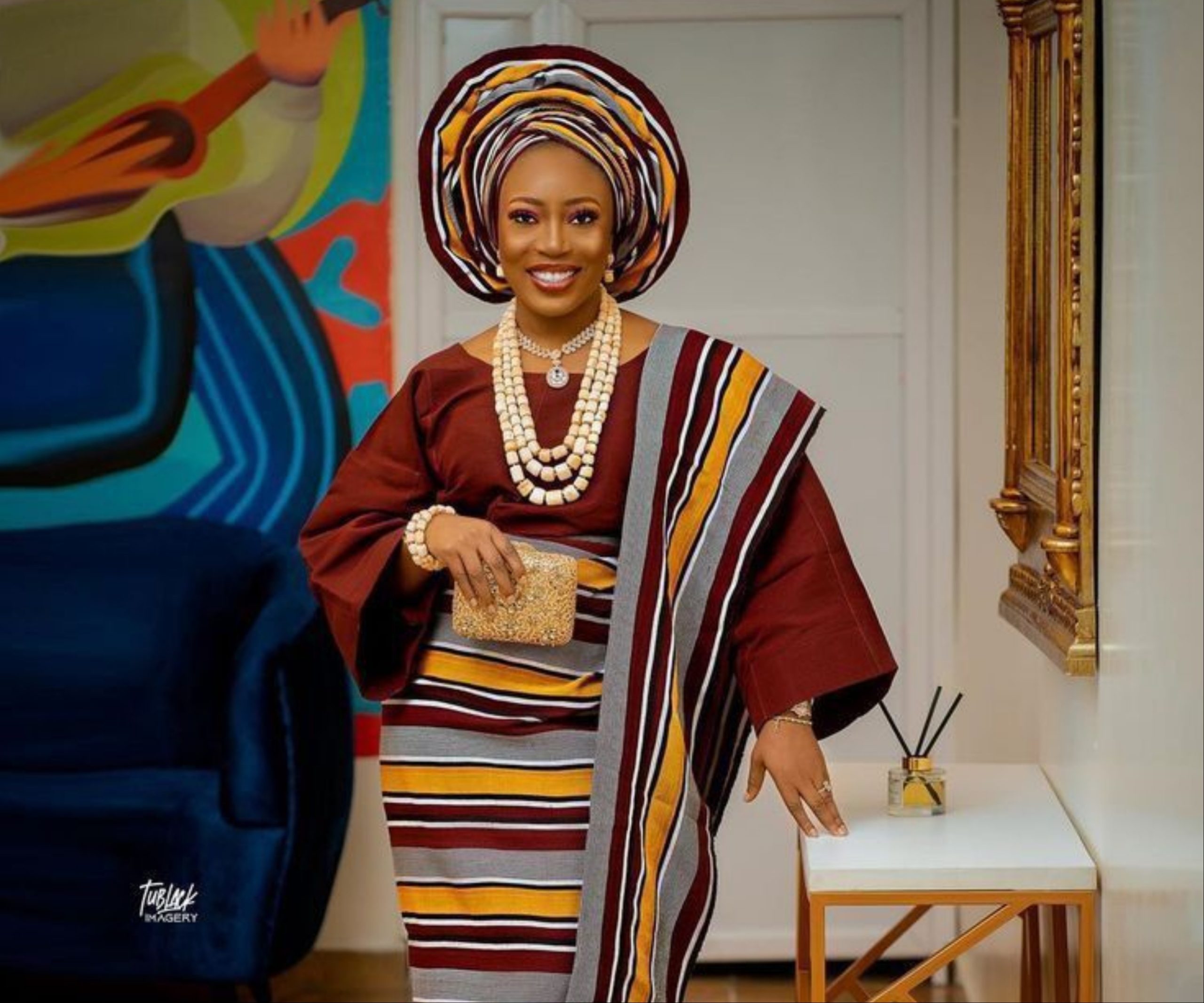
‘Top cloth’ or ‘high status’, Aso-Oke is a thick, highly valued fabric with small strips skillfully woven, often with metallic threads or intricate lace-like designs. Its durability and richness make it frequently regarded as a family heirloom.
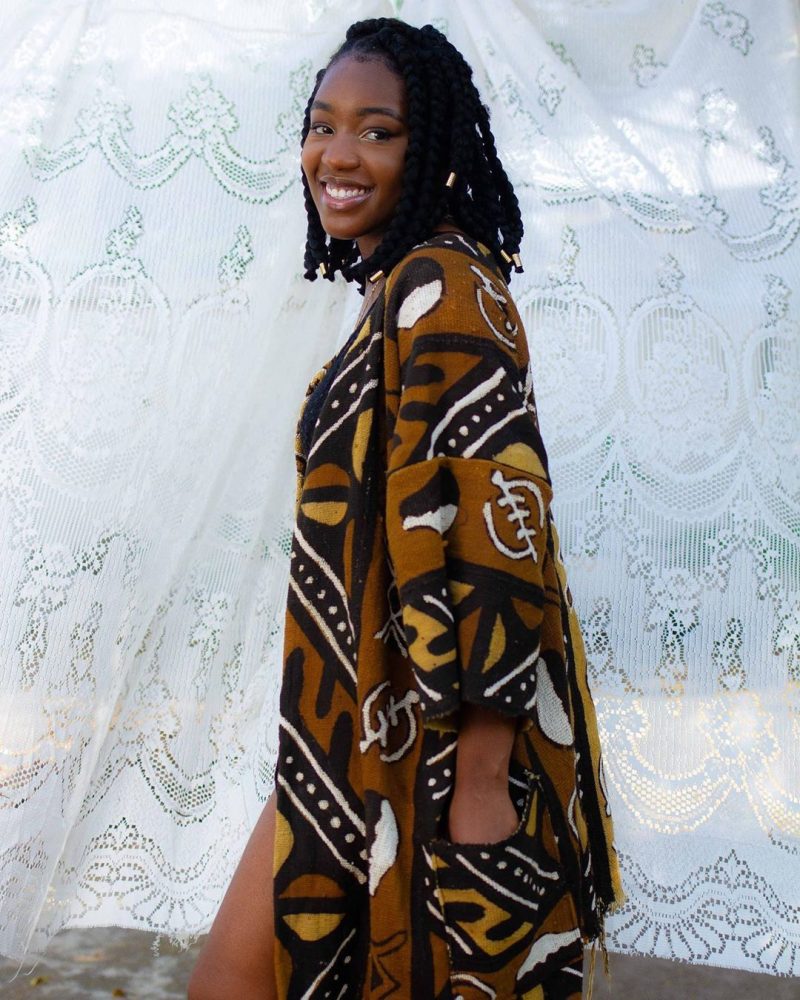
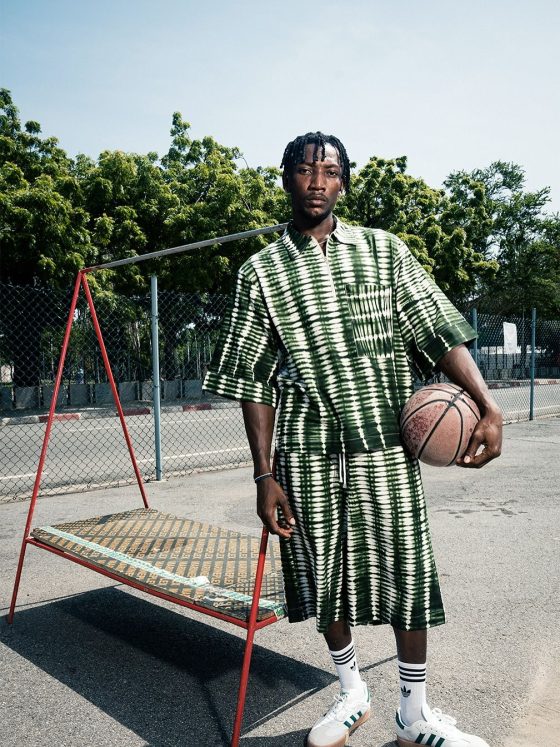
Literally ‘made with soil’, the cotton is handwoven and dyed with fermented river mud and plant extracts. This arduous, multiple-dipping method not only generates the fabric’s unique graphic patterns but also chemically attaches the dye to the fibre, ensuring a depth of colour and colourfastness that synthetic procedures struggle to reproduce.
The finished cloth has an incomparable texture, character, and density that factory machinery cannot imitate, indicating an act of artisanal sovereignty. Whereas machine-made perfection is sterile and repetitive, culturally rooted perfection is characterised by the inconsistencies and distinctive touch of the human hand. This is the demonstrable, intrinsic worth that establishes these textiles as the undisputed foundation of modern ethical luxury.
The Investment in Artisans
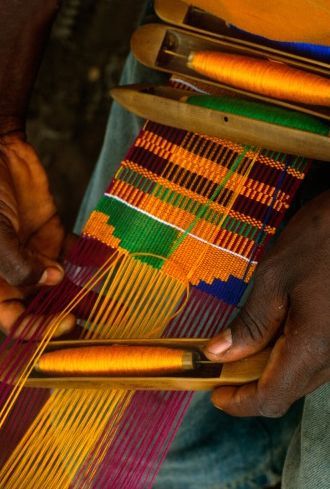
Handwoven African fabric has an economic and ethical worth that goes beyond its aesthetic appeal. In a society steeped in the “fast fashion” approach, this craft exemplifies the bold idea that slowness is the better supply chain.
Reframing Scarcity as Value
True luxury is characterised by what can’t be replicated at scale. The long, handmade process of making these fabrics adds exclusivity to the fabric’s DNA, justifying the premium price of Ethical Luxury.
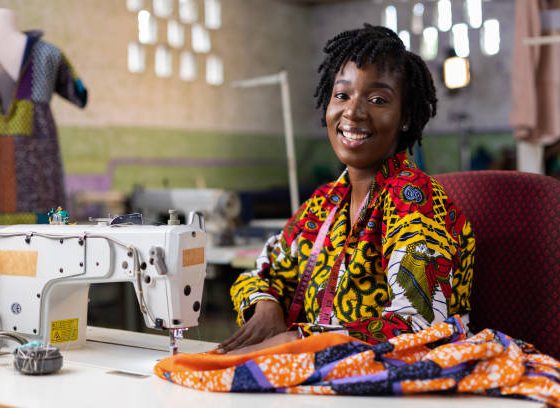
- Weeks of Hand Labour: The creation of a single piece of Bogolan or a sophisticated Aso-Oke textile requires weeks of precise, multigenerational talent. This is in stark contrast to power-loom production, where a single machine can generate 50 meters of fabric every day, compared to the slow output of a handloom.
- The Weaver’s Signature: Each handwoven piece bears the distinct physical stamp of the weaver’s ability, tension, and dedication, a palpable link to the human hands that created it. This acceptance of irregularity represents a rejection of machine-made uniformity; in this light, the human fingerprint is the mark of excellence.
- Decoupling from Exploitation: Choosing to invest in these textiles immediately benefits local manufacturing hubs and weaving cooperatives. This strategy requires pricing that reflects equitable pay, cultural knowledge, and actual scarcity, which frequently empowers women and strengthens rural communities. The purchase represents an investment in artisanal sovereignty, which protects ancient traditions from extinction.
This change asserts that African luxury is not a cheaper alternative to Western brands but a category all its own, where lineage equals luxury and the devotion to a low-waste, high-quality, sustainable product is a hereditary tradition.
ALSO READ:
From Craft to Couture
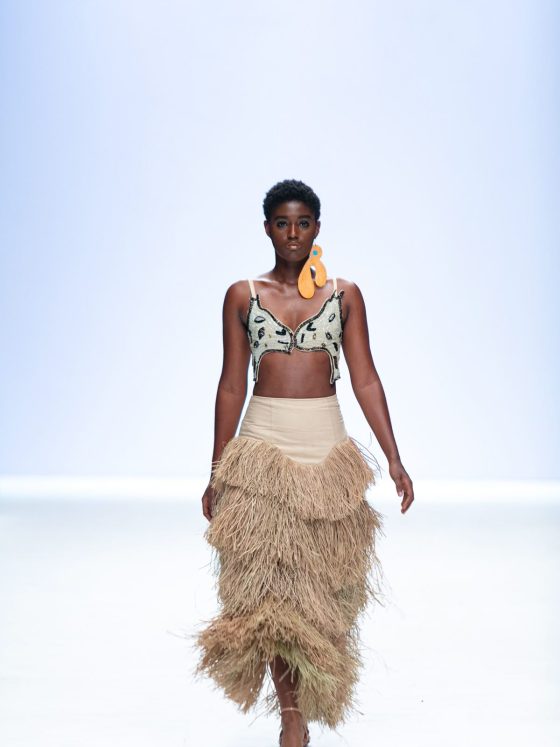
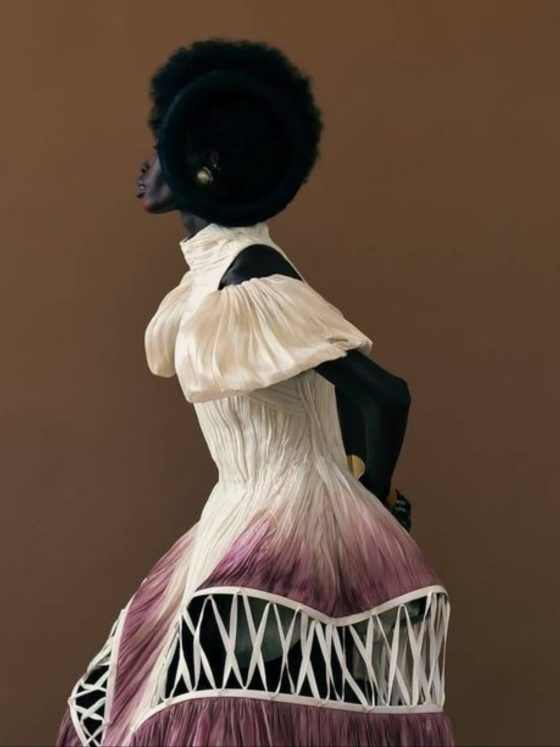
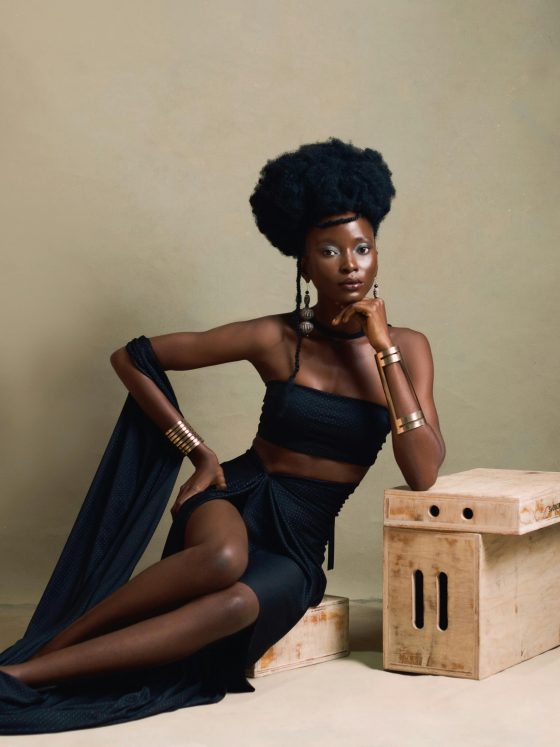
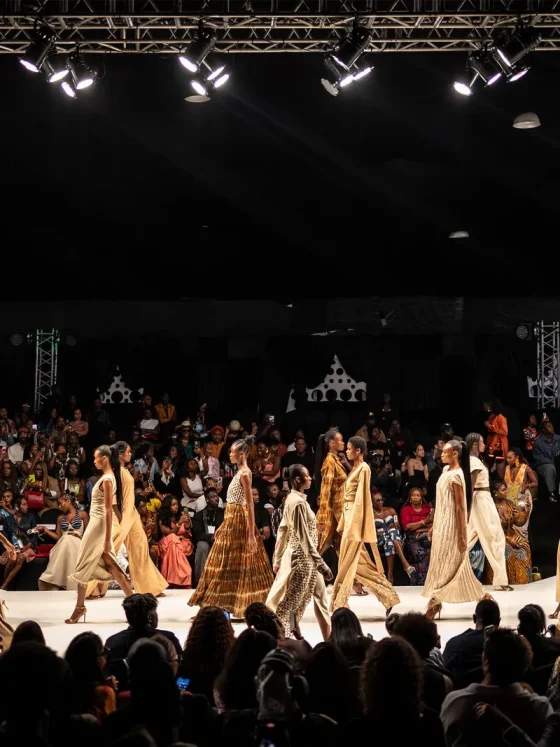
The emergence of handwoven African fabric is evident in its seamless transition from the loom to the most exquisite silhouettes on the global stage. This is the peak of the Afropolitan aesthetic, a design that refuses to be limited to “ethnic” clothing and instead demands a seat at the table of high fashion.
The New Design Authority
Designers have adapted these complicated, culturally rooted materials, proving that the most ancient textile techniques are, in fact, the most modern:
- The Kenneth Ize Thesis: Kenneth Ize established his international reputation by reinventing Nigerian Aso-Oke. By incorporating this dense, strip-woven linen into fluid, modern tailoring. Such as draped shirts and unstructured suits. He emphasised that the fabric’s strength resided in its versatility, not its devotion to tradition. His work is a compelling visual argument for artisanal sovereignty.
- The Couture Integration: Designers such as Imane Ayissi (Cameroon), the first sub-Saharan designer on the official Paris Fashion Week calendar, use materials like Bogolan and raffia to anchor their luxury creations, demonstrating that luxury can be both traditional and radically environmentally responsible. Even large brands like Hermès and Dior have accepted this authority, infusing the spirit of Algerian and Malian fabrics into their high-end designs.
Explore the complete analysis on the future of ethical luxury and the economic power of ancestral craft at Omiren Styles.
Conclusion
The period of undervaluing time, skill, and cultural output has ended. The handwoven African fabric is the most powerful and lasting emblem of this market correction. This is more than just gorgeous prints; it represents a fundamental change in which material science meets moral imperative.
Designers and customers are investing in artisanal sovereignty by focusing on ancestral craft and the slow, deliberate process of weaving a sustainable, high-quality future that protects generational talent while correcting historical market imbalances. This ensures that the genuine value of luxury is grounded in the unique human touch rather than in automatic speed. The thread of provenance has woven itself into the global fabric, and its imprint is irreversible.
Frequently Asked Questions (FAQs)
- What is meant by “artisanal sovereignty” in this context?
A: Artisanal sovereignty refers to the economic and cultural authority held by the artisan communities. It ensures that the creative and commercial value derived from ancestral craft, such as the weaving of Kente or Aso-Oke, remains with the communities of origin, fostering fair trade and protecting skills from mass-market appropriation.
- How do these handwoven fabrics contribute to ethical luxury?
A: They are the cornerstone of ethical luxury because their production model is inherently sustainable: they use natural, often organic fibres; they rely on low-impact, traditional dyeing methods (like natural mud for Bogolan); and the high quality and durability contribute to circular fashion by lasting generations, reducing waste.
- What is the material difference between handwoven and power-loomed fabrics?
A: The core difference is in density and character. Handwoven fabrics possess a unique, slightly irregular texture, weight, and density that result from the human touch, making them more resilient and rich in character. Power-loomed fabrics, while uniform, often lack the depth, complexity, and sheer longevity achieved through the slow, intentional process of Ancestral Craft.