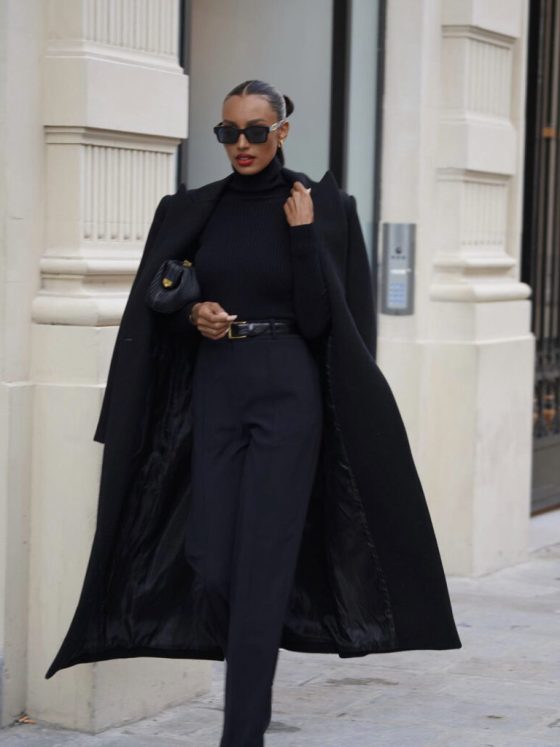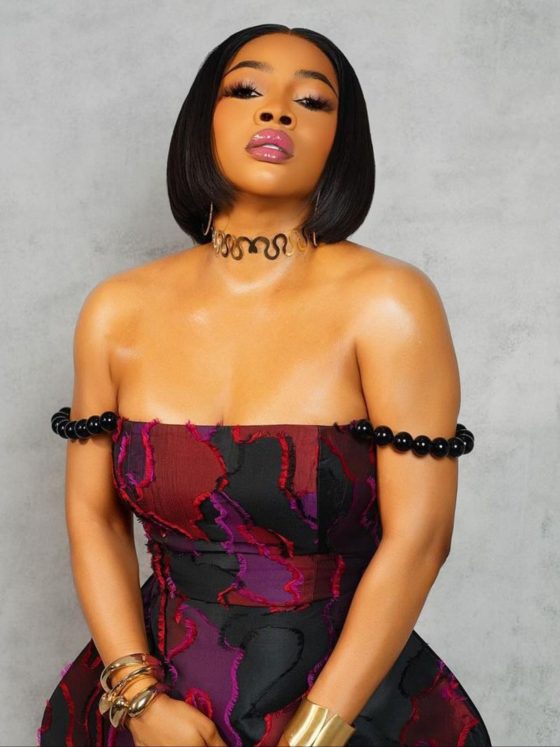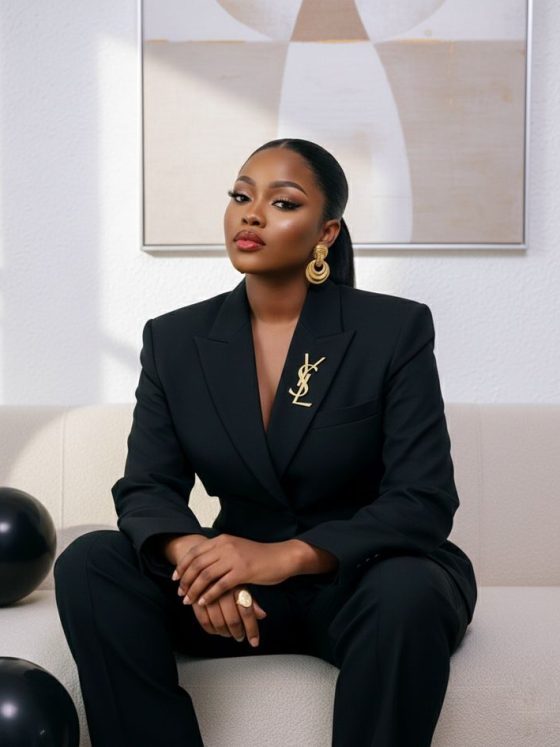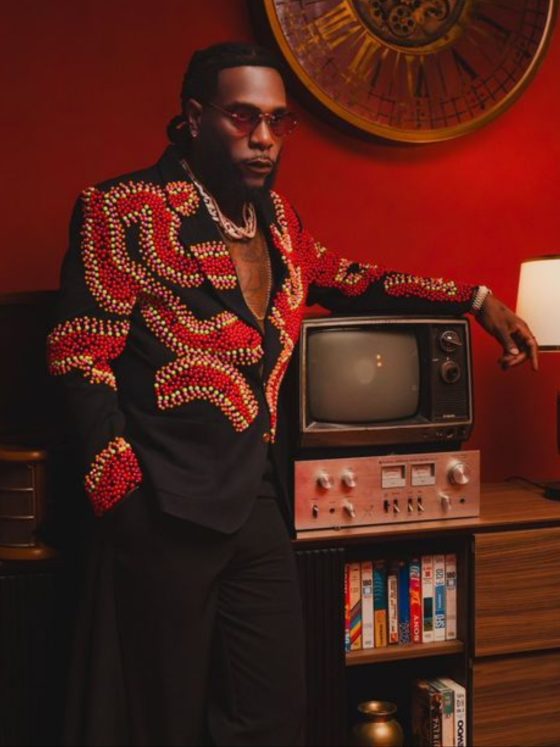
Influence in fashion is not only about visibility. It is about taste, restraint, instinct, and the ability to shape how people dress without announcing it. Some wardrobes do this quietly. Others do it boldly. The most powerful ones do it consistently.
Across the global fashion landscape, African celebrities have built wardrobes that speak fluently to the world. Their style is not confined by geography or trend cycles. It moves easily between cities, cultures, and seasons, shaping how modern fashion understands elegance, ease, and presence.
This is not a celebration of excess or spectacle. It is a close look at how influential wardrobes are built, maintained, and expressed, and why these closets matter far beyond red carpets.
Inside the wardrobes of influential celebrities, led by African tastemakers whose style choices quietly shape modern global fashion.
Style as Intent, Not Performance
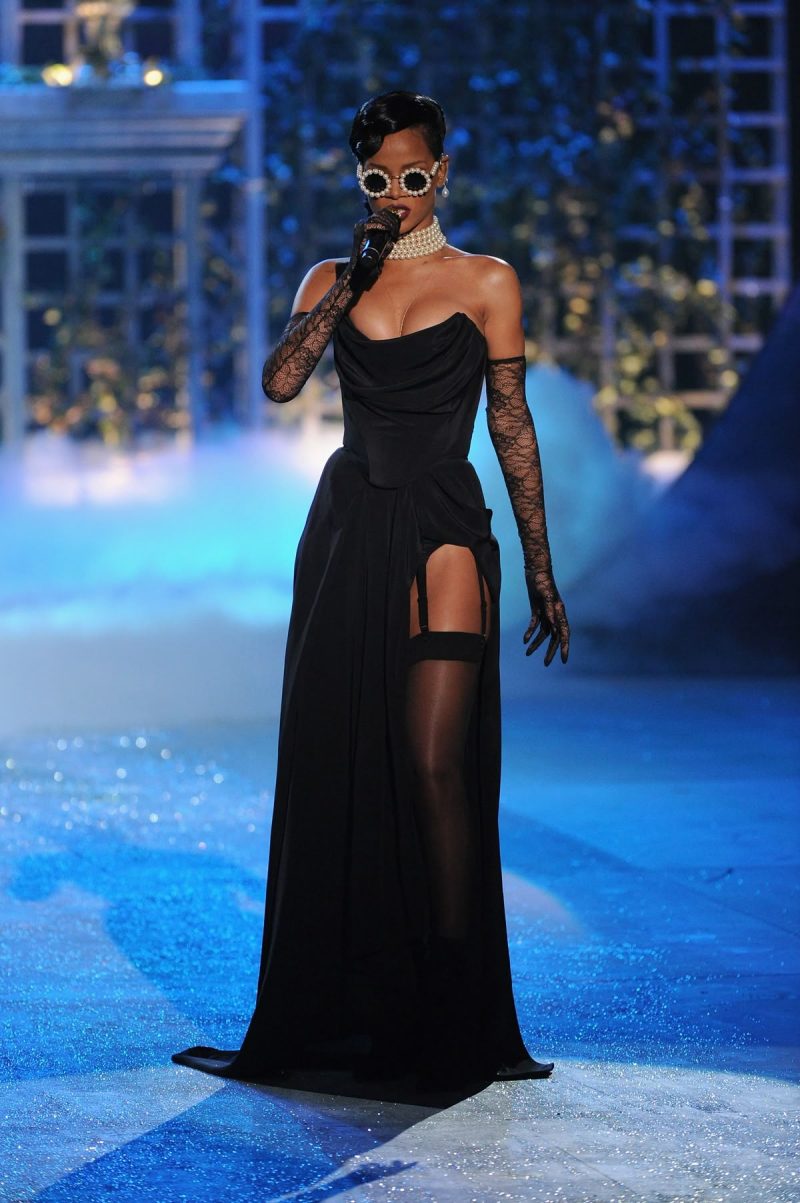
The most compelling wardrobes share one thing: intention.
Consider Rihanna, whose fashion presence has long surpassed celebrity dressing. Her wardrobe operates on instinct rather than approval. She wears couture with the same confidence as oversized denim or a simple slip dress. What makes her style influential is not risk-taking alone, but clarity. Every look feels owned.
Her approach has reshaped how luxury houses view their audience. Fashion no longer moves in one direction: runway to street. It circulates. Rihanna’s wardrobe lives comfortably in that loop.
This sense of intention is what separates influence from attention. The clothes never feel like costumes. They feel like decisions.
Consistency as a Style Language
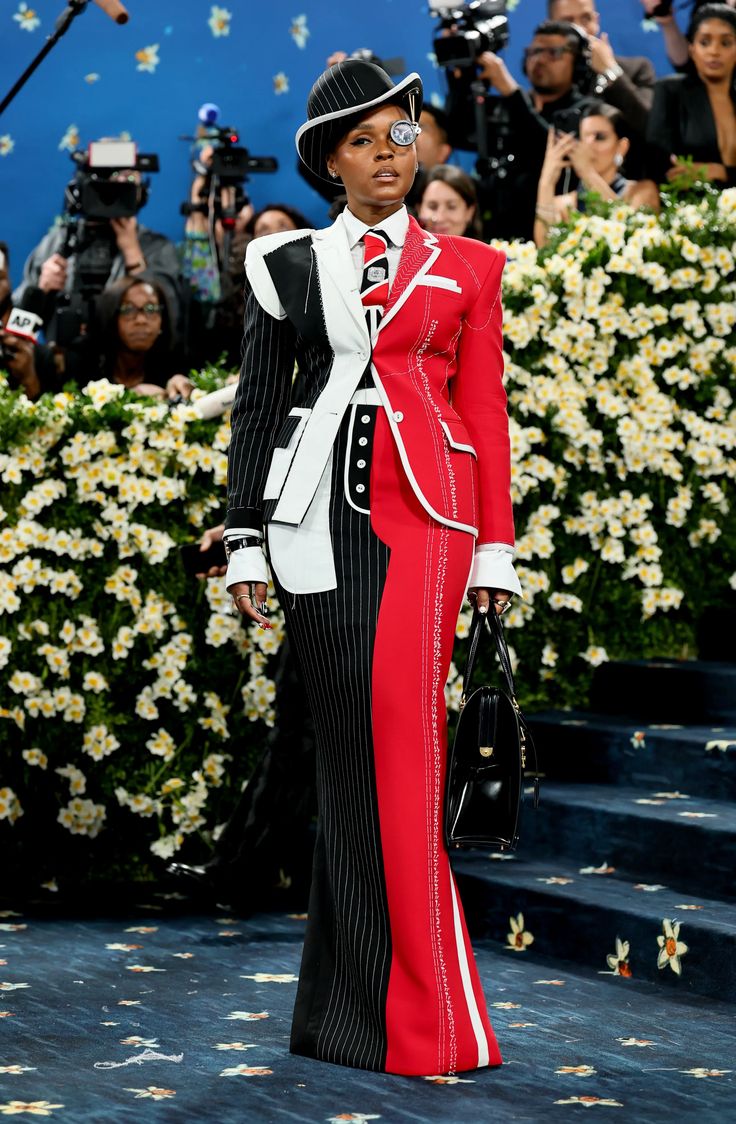
Influence does not require constant reinvention. In many cases, it is built through repetition, refined over time.
Janelle Monáe’s preference for sharp tailoring and a restrained palette has become a recognisable visual signature. Her wardrobe proves that consistency can be powerful when rooted in self-awareness. The repetition is not limiting; it is defining.
Similarly, Michelle Obama’s fashion choices during her years in public office demonstrated how style can remain personal within structured roles. Her wardrobe balanced ease with polish, making fashion feel accessible without losing authority.
These closets show that influence grows when style becomes a language, not a reaction.
Heritage Without Explanation

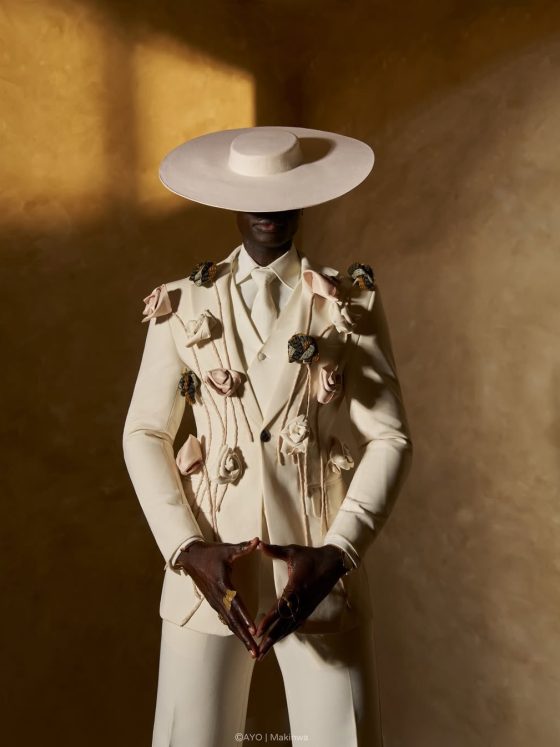
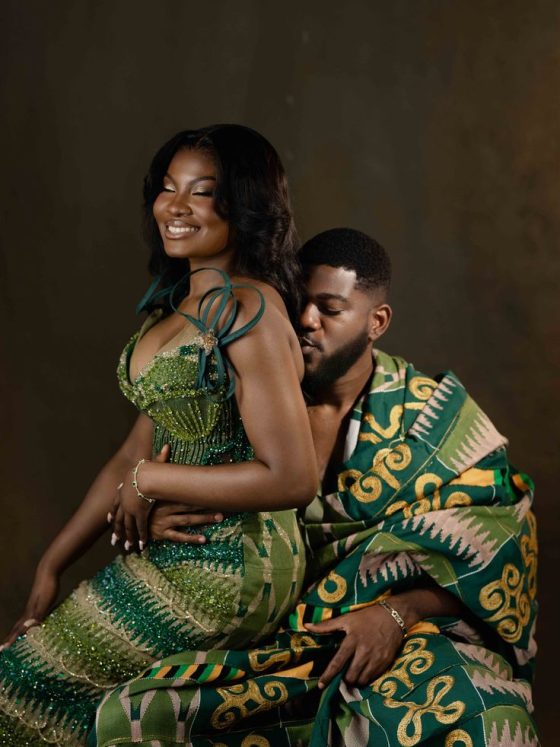
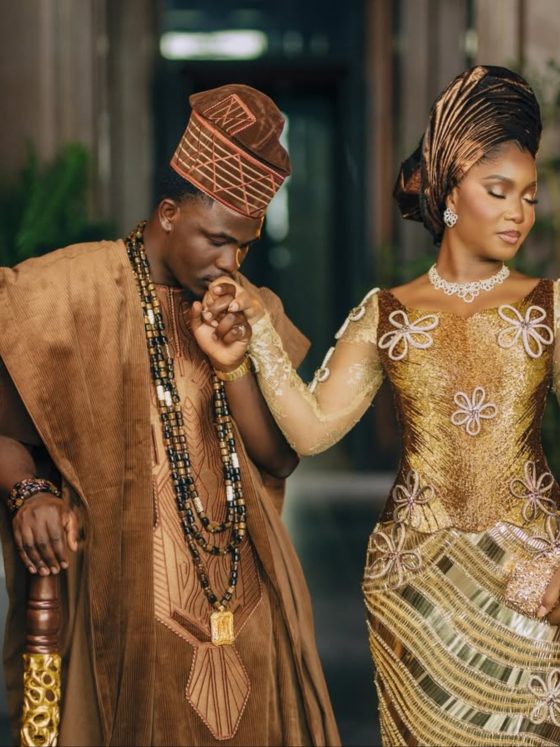
One of the quiet strengths of African fashion influence lies in how heritage appears without needing explanation.
When Beyoncé appears in garments that reference traditional craftsmanship or collaborates with designers drawing from cultural archives, the clothes do not come with footnotes. They simply exist confidently in the global fashion space.
This approach matters. It removes the burden of justification. Heritage becomes texture, not topic.
Designers, stylists, and wearers all contribute to this shift. Clothing is allowed to carry memory and meaning while still functioning as modern fashion.
READ ALSO:
Everyday Dressing and Real Influence
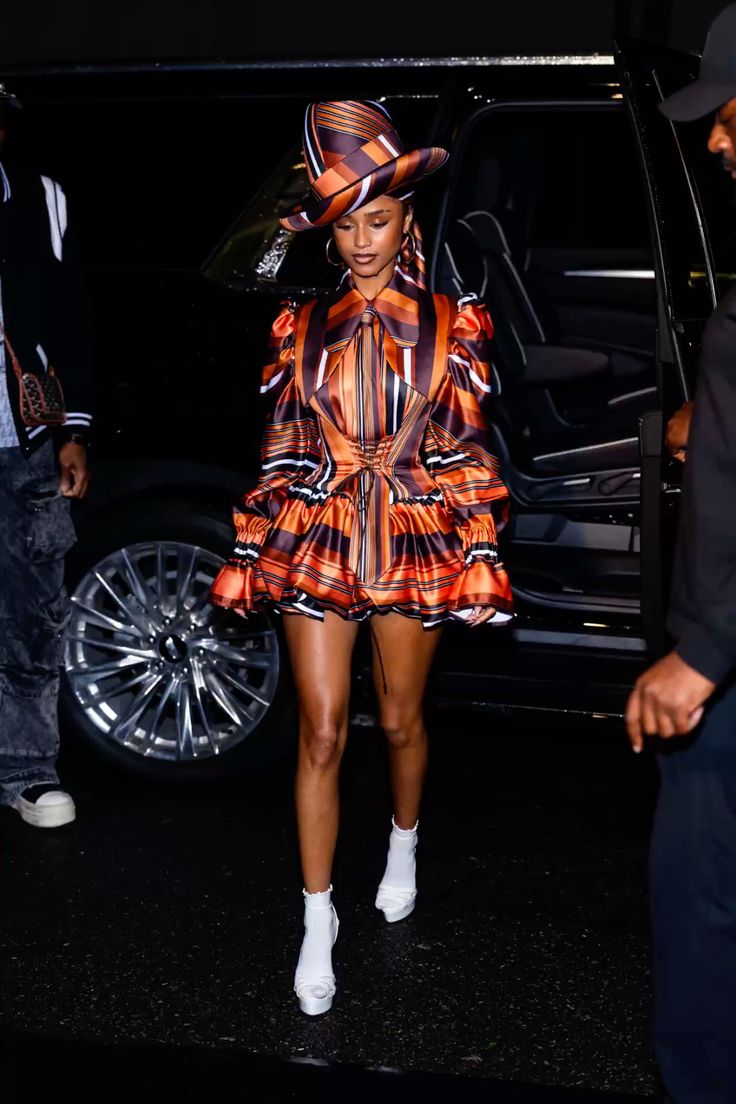
True influence often appears outside formal settings.
Airport outfits, off-duty street style, and travel looks frequently reach more people than editorial spreads. They feel attainable. They move.
Artists like Tyla understand such concepts instinctively. Her everyday wardrobe leans into relaxed silhouettes, archival references, and playful styling choices that feel current without chasing trends. The clothes look lived in, not styled for effect.
This aspect is where influence multiplies. When fashion feels wearable, it travels faster.
Wardrobes That Shape Industry Conversations
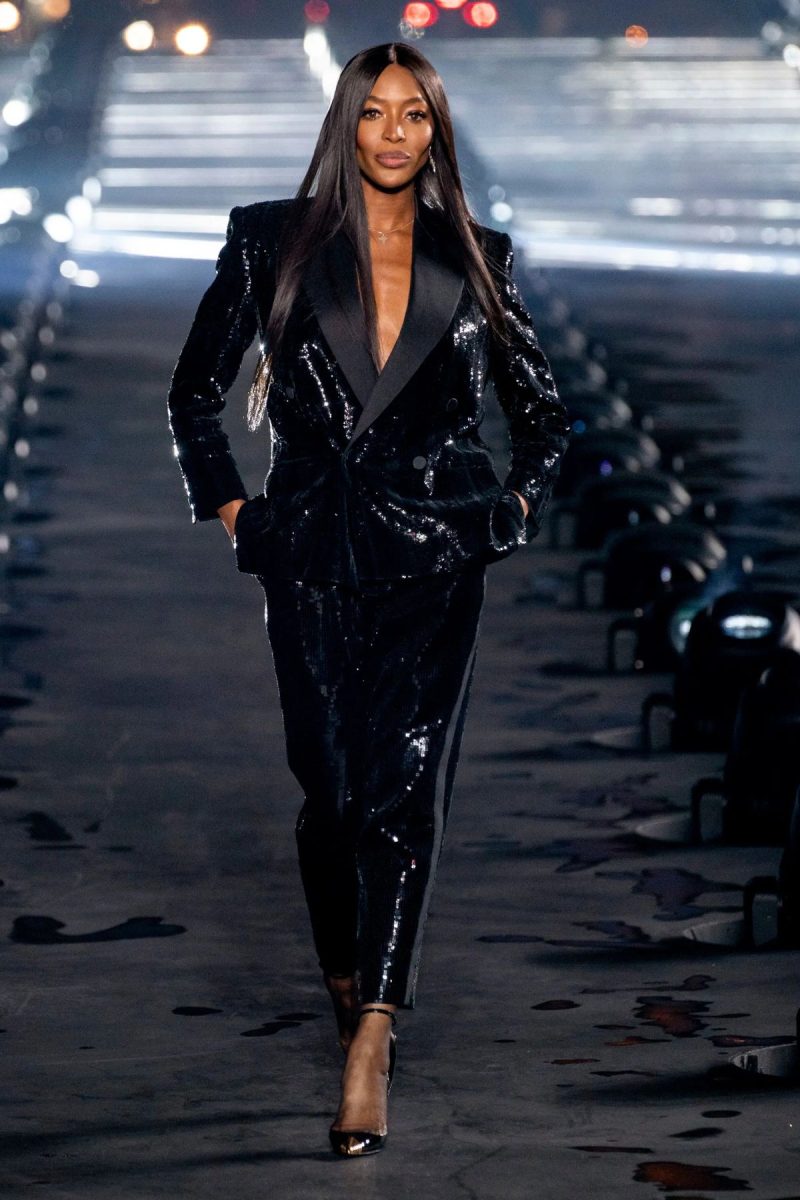
Some closets change how the industry thinks.
Rihanna’s repeated presence at major fashion moments has challenged narrow ideas of beauty, size, and femininity. Designers now create with broader bodies and bolder expressions in mind, not as gestures, but as expectations.
Naomi Campbell’s long-standing influence, both on and off the runway, has reshaped casting, representation, and longevity in fashion. Her wardrobe reflects discipline, polish, and an understanding of how clothes hold power in professional spaces.
These wardrobes do not simply follow fashion. They adjust its direction.
Masculinity, Elegance, and Control
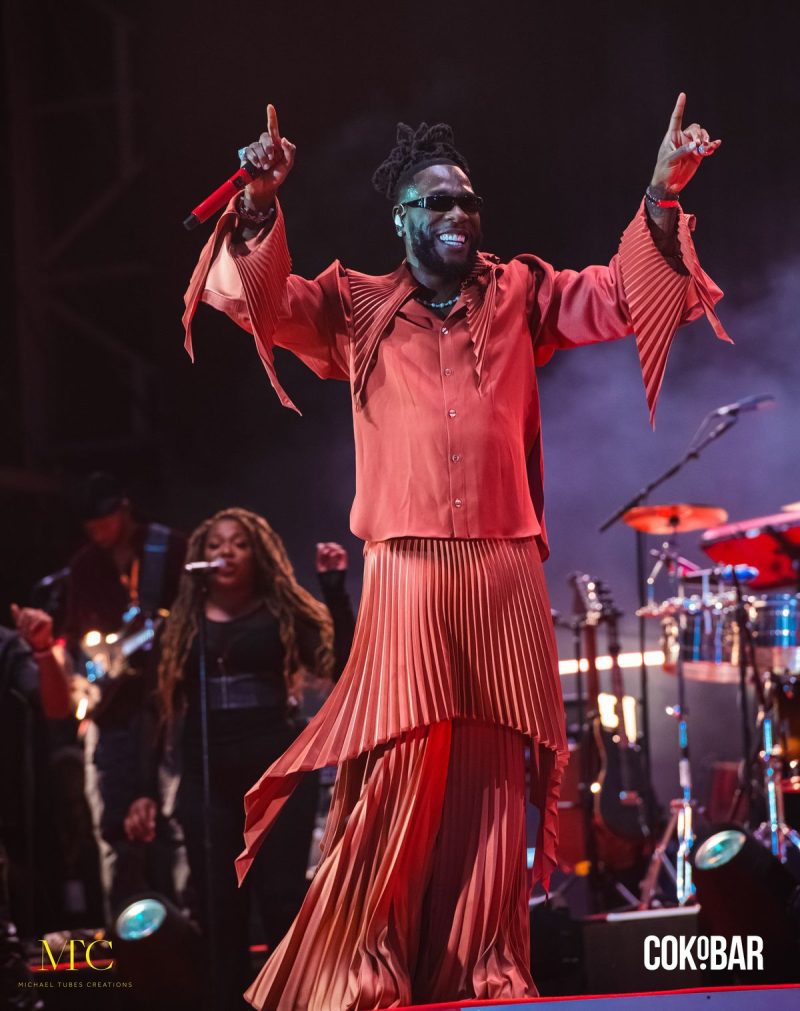
Influence is not gendered, but it often reveals how masculinity is being redefined in fashion.
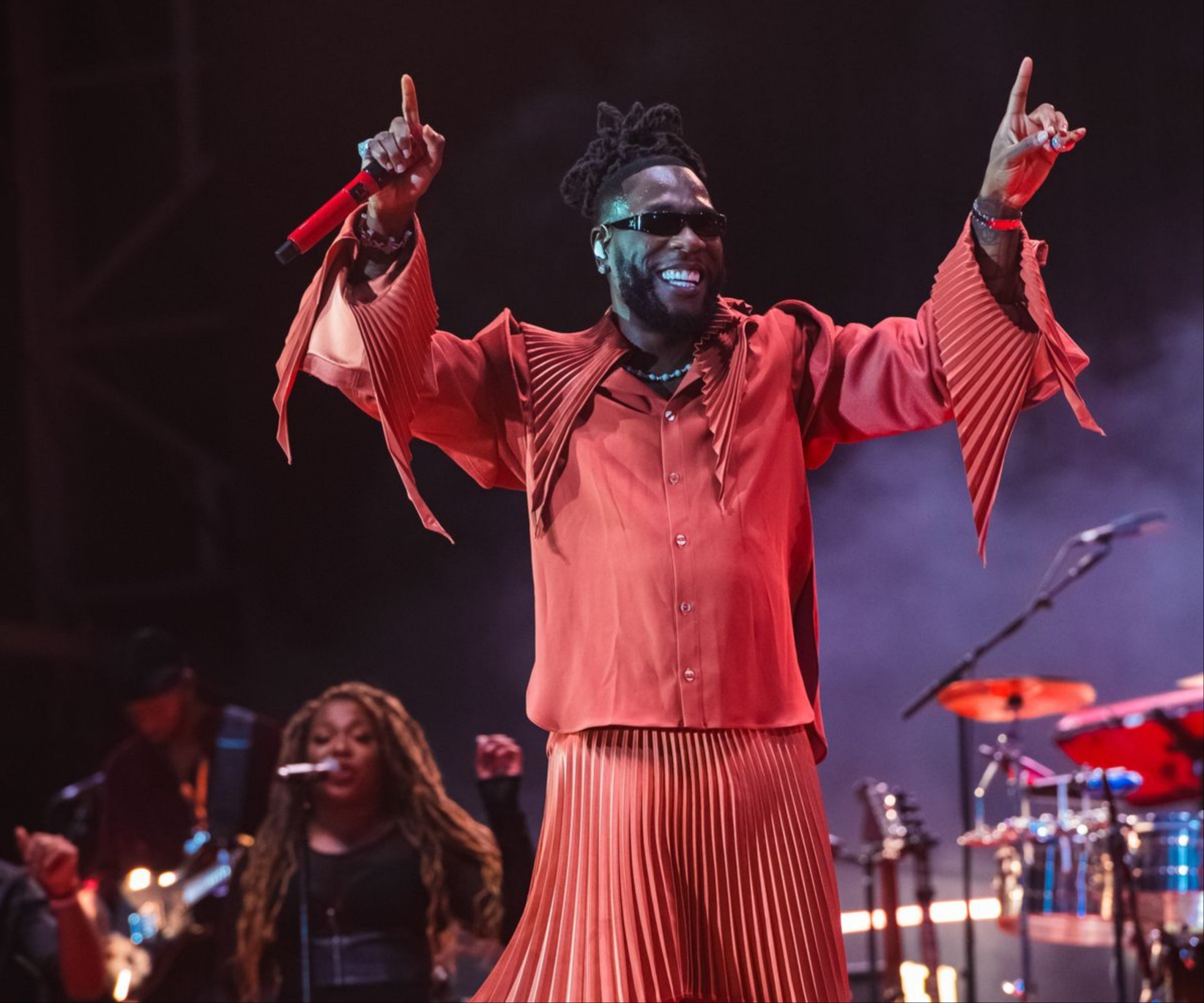
Figures like Burna Boy have adopted tailored pieces, experimental silhouettes, and high jewellery without abandoning comfort. His wardrobe reflects confidence without rigidity. It shows how modern masculinity can hold softness, ornamentation, and presence at once.
This shift matters. It widens the emotional range allowed in men’s fashion and encourages individuality over uniformity.
What These Wardrobes Teach Us
Across all these figures, clear lessons emerge.
- First, influence is built through coherence. The strongest wardrobes reflect a clear sense of self.
- Second, style works best when it feels lived in. Clothes should move, age, and adapt.
- Third, fashion does not need constant explanation. When worn with confidence, it speaks for itself.
Most importantly, these wardrobes remind us that global fashion does not belong to one place or one voice. It is shaped by those who understand how to dress with purpose.
Fashion Beyond Borders
What makes these wardrobes remarkable is not origin, but reach.
They sit comfortably in Paris, Lagos, London, New York, and Milan They influence designers, editors, and everyday dressers alike They prove that African figures are shaping global fashion.
They do this without making any formal announcements by example.
FAQs
- What makes a celebrity’s wardrobe influential rather than trendy?
Influence comes from consistency, clarity, and cultural impact. Trendy wardrobes react to fashion cycles, while influential ones help define them.
- Why are African celebrities increasingly shaping global fashion?
Their wardrobes reflect confidence, originality, and a strong sense of identity, which resonates across cultures and fashion markets.
- Is red carpet fashion more important than everyday style?
Not necessarily. Everyday dressing often has a wider reach and longer impact because it feels relatable and wearable.
- How do heritage and culture show up in modern wardrobes?
African celebrities are shaping global fashion through fabric choices, silhouettes, craftsmanship, and styling decisions that feel natural rather than explained.
- What can readers learn from these wardrobes?
Style works best when it reflects who you are. Influence grows from intention, not imitation.