Before a word is spoken, the face has already entered the conversation. It signals emotion, identity, mood, status and sometimes even danger or trust. We read faces instinctively, often in milliseconds. But beyond biology, the face is deeply political. It shapes who is believed, who is feared, who is protected, and who is policed. It influences elections, fuels protest movements, drives technology, and reflects long histories of power and exclusion.
To call the face a political canvas is to recognise its social meaning, which is layered over time. Culture paints on it. History marks it. Power interprets it. And people resist through it. The face is not just seen. It is judged, categorised, framed, and sometimes controlled. Understanding this changes how we see media, leadership, beauty standards, and even everyday interactions.
From identity and beauty to surveillance and control, the human face shapes power, belonging, resistance, and politics across culture, society, and the digital age.
The Face as a Passport to Belonging
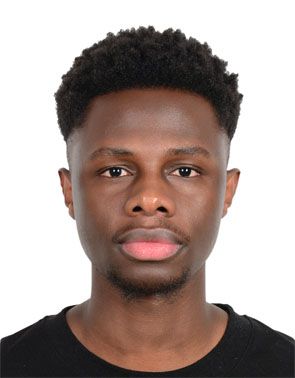
Faces are central to recognition. Passports, voter IDs, driver’s licences, and biometric databases all rely on facial identity. This process turns the face into proof of citizenship and legitimacy. But recognition is never neutral. Throughout history, certain faces have been treated as more trustworthy, more intelligent, or more threatening than others. These assumptions shape hiring, policing, border control, and political representation.
Racialised features, such as tone and facial structure, have long been used to construct social hierarchies. Colonial science falsely claimed that character and intelligence could be read from the face. While those ideas were discredited, their echoes persist in implicit bias and in algorithmic systems trained on imbalanced data. Imbalanced facial recognition technology can misidentify darker-skinned faces at higher rates, perpetuating old prejudices in automated form. The politics of the face has moved from the street to the server.
Leadership and the Power of the Portrait
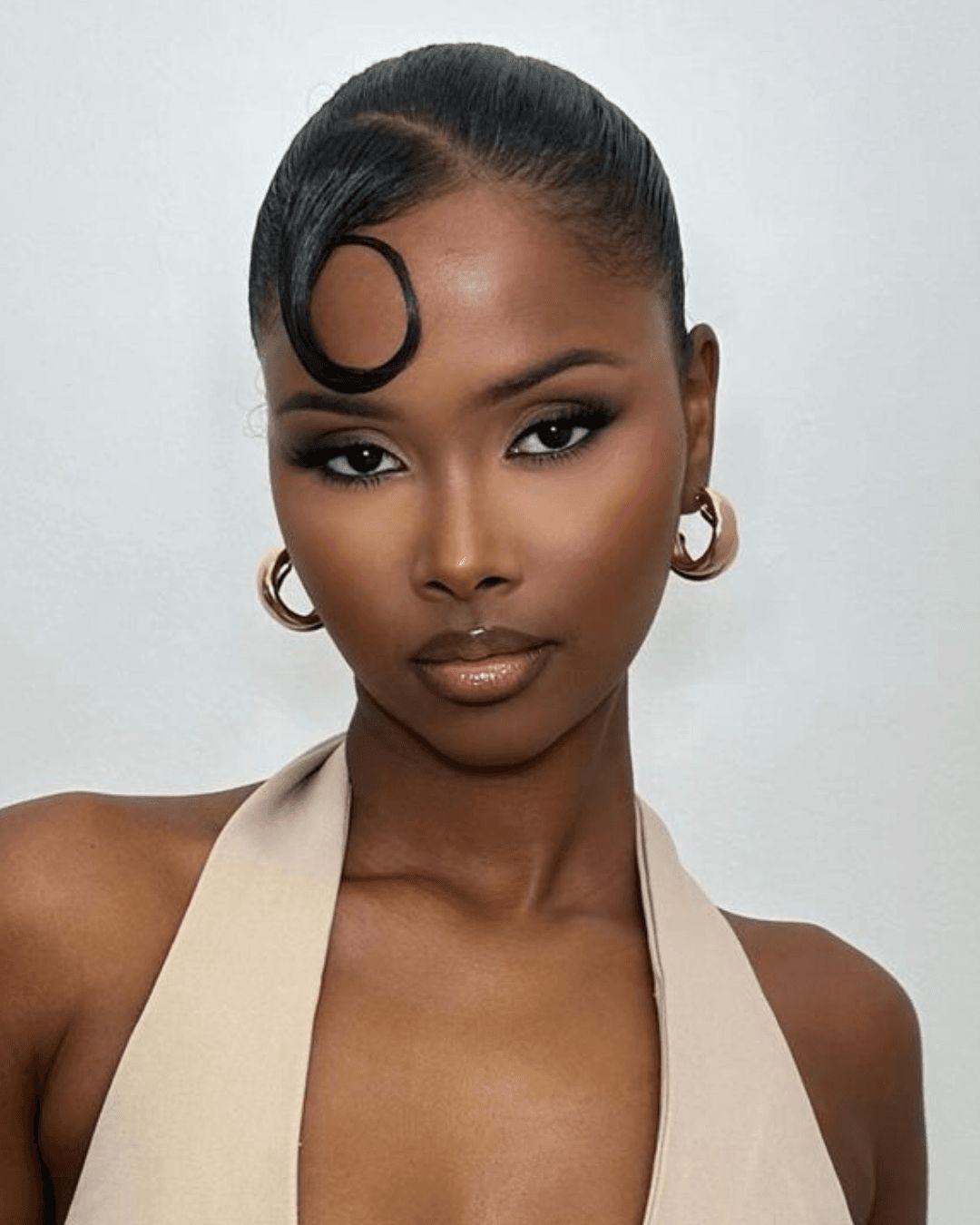
Political power has always relied on faces. Coins once carried the faces of emperors. Portraits of monarchs hung in public buildings. Campaign posters frame candidates in carefully chosen lighting and angles. A close-up suggests strength or sincerity. A smile signals warmth. A stern gaze can project authority.
These choices are not cosmetic. Research shows that voters make rapid judgments about competence and leadership ability based solely on appearance. Mediaure amplifies this. The more a leader’s face circulates, the more it becomes a symbol of the nation, party, or movement they represent. In some regimes, the leader’s face is everywhere, turning visibility into a form of control. The face becomes the state.
Protest, Masks, and the Right to Be Unseen
If visibility can be power, invisibility can be resistance. Protesters often cover their faces not only to avoid surveillance but to create a collective identity. A mask shifts focus from the individual to the cause. It says the message matters more than the messenger.
Historically, face coverings have carried political meaning across cultures. From ritual masks representing ancestral authority to modern protest masks symbolising dissent, these masks challenge systems that demand constant visibility. In a world where cameras are everywhere, choosing not to show one’s face becomes a political act. It questions who has the right to look and who must always be seen.
Read Also:
Beauty, Respectability, and Social Control
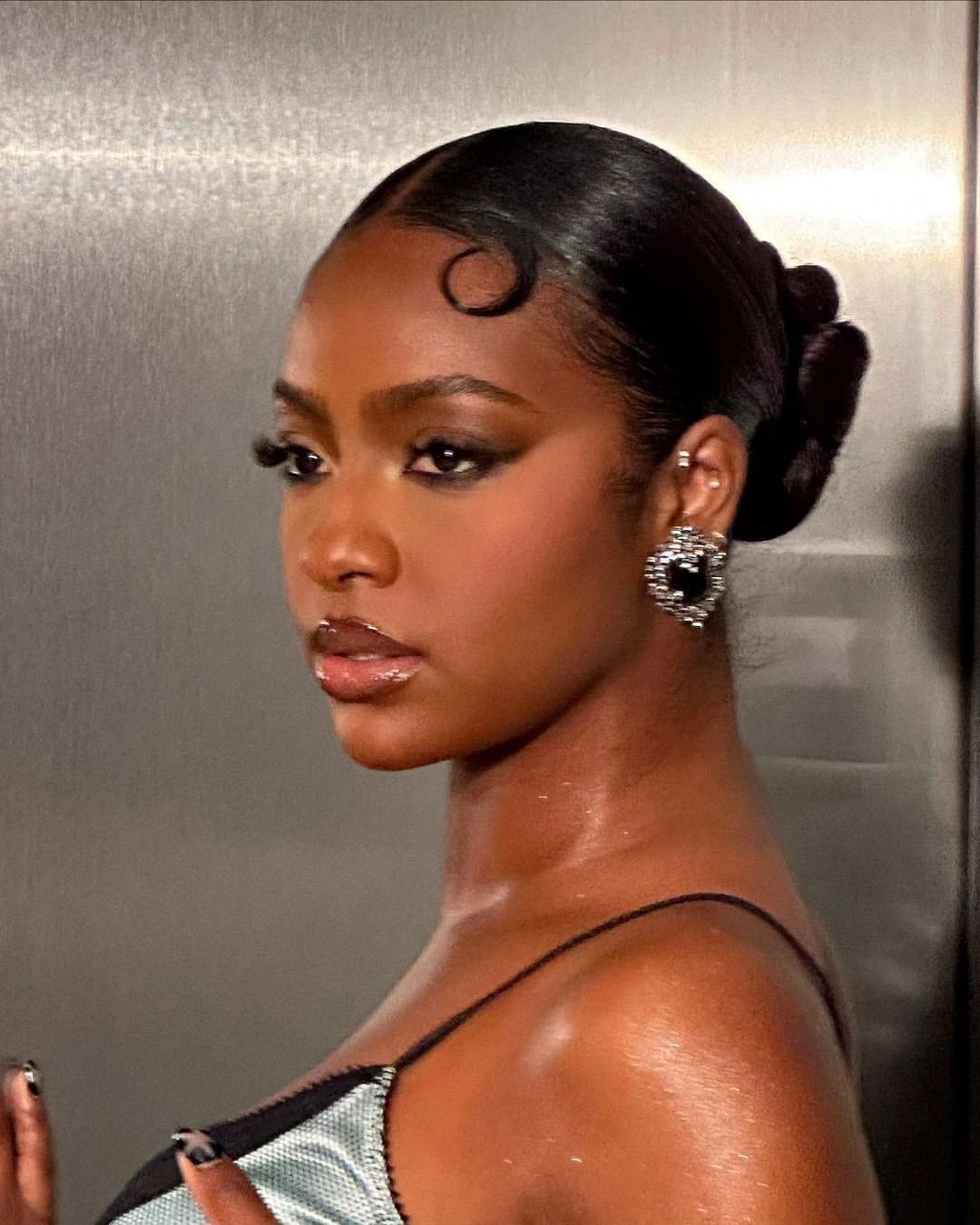
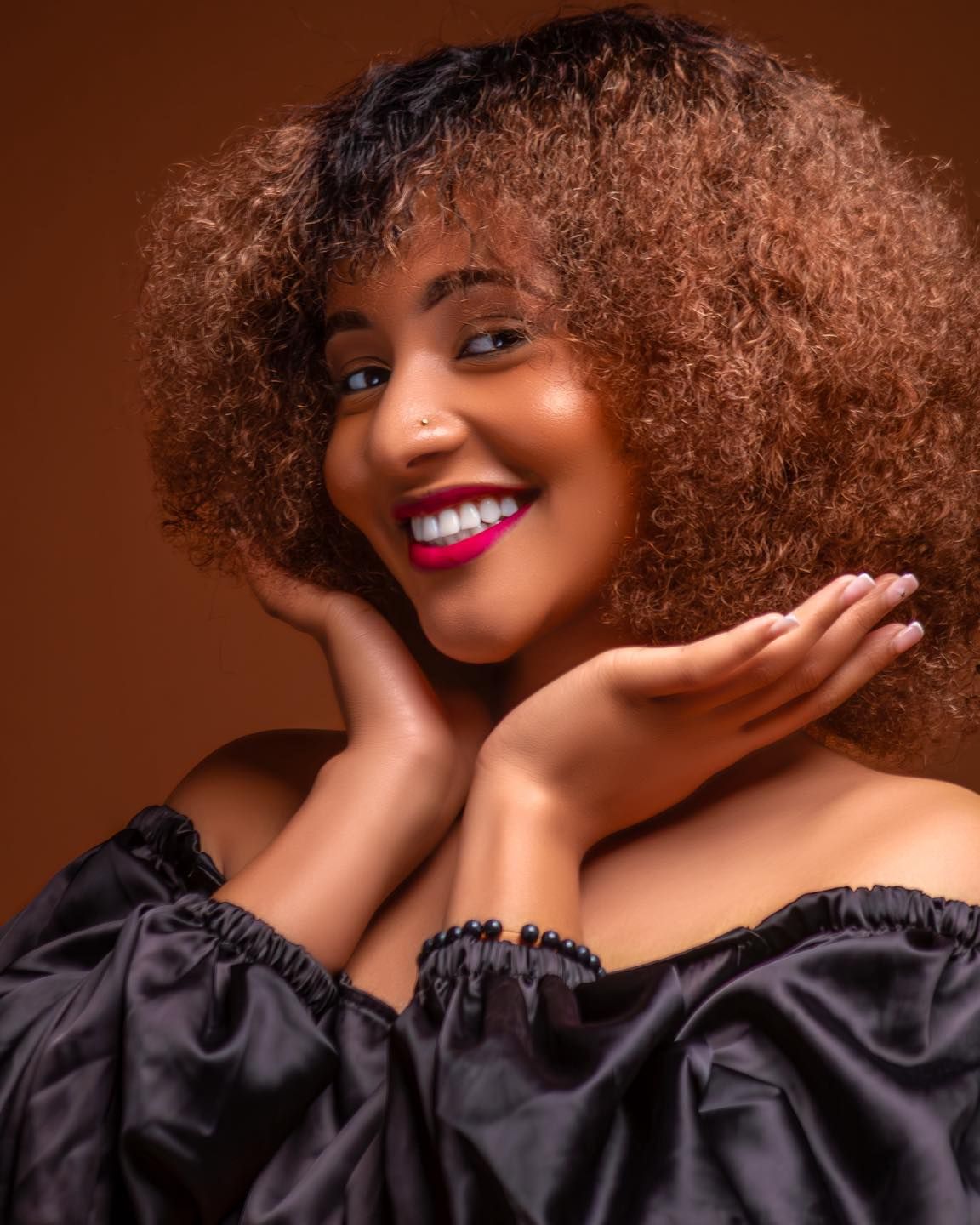
Beauty standards are not separate from politics. Ideas about which faces are attractive, professional, or respectable often align with dominant racial and class norms. Straightened hair, lighter skin, and certain facial features have been privileged in workplaces and media, pushing others to alter their appearance to gain access to opportunity.
This is not simply about style. It is about survival and mobility. When people alter their appearance through makeup, grooming, or cosmetic procedures, they often seek a closer proximity to power and its rewards. The pressure to look “acceptable” reveals how the face operates as a gatekeeper in economic and social life.
Digital Faces and Data Power
Online, the face becomes data. Filters reshape features. Algorithms sort faces into categories. Deepfakes can put words into the mouths of people who never spoke them. The digital face can be copied, manipulated, and circulated without consent. This creates new political risks, from misinformation to identity theft.
At the same time, social movements leverage social media effectively. Profile photos, viral images of protestors, and portraits of victims of injustice humanise abstractions. A single face can mobilise globalisation. The digital age has not reduced the political role of the face. It has multiplied its reach.
Conclusion
The face feels personal, but it is never just private. It is where identity meets power. It is shaped by history, interpreted through culture, and increasingly processed by technology. It can grant belonging or justify exclusion. It can symbolise authority or fuel resistance.
Seeing the face as a political canvas helps us question quick judgments and visual norms we take for granted. It reminds us that how we look at faces and how faces are used in public life both carry consequences. In a world driven by images, the politics of the face is not a side story. It is central to how power is seen and how it is challenged.
FAQs
- What does it mean to call the face political?
It means facial appearance and visibility influence power, identity, rights, and how people are treated in society and institutions.
- How does facial recognition technology become a political issue?
It can enable surveillance, misidentification, and profiling, mainly affecting marginalised communities more than others.
- Why do political campaigns focus so much on candidate photos?
Voters form fast impressions based on faces, so campaigns use imagery to signal competence, trust, and relatability.
- Are beauty standards connected to politics?
Yes. Beauty norms often reflect dominant social groups and can affect access to jobs, media visibility, and social acceptance.
- How can hiding the face be political?
Covering the face in protests during movements can resist surveillance, create unity, and foster a shift in focus from individual concerns to collective demands.