Long before motivational speakers told people to “dress for the job you want,” many cultures already understood a deeper truth about clothing. What we wear does not simply reflect who we are. It can shape who we become.
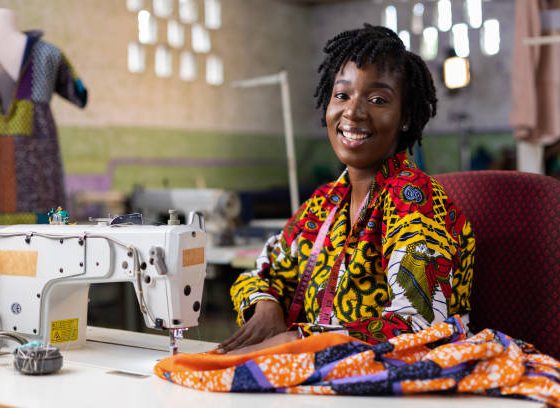
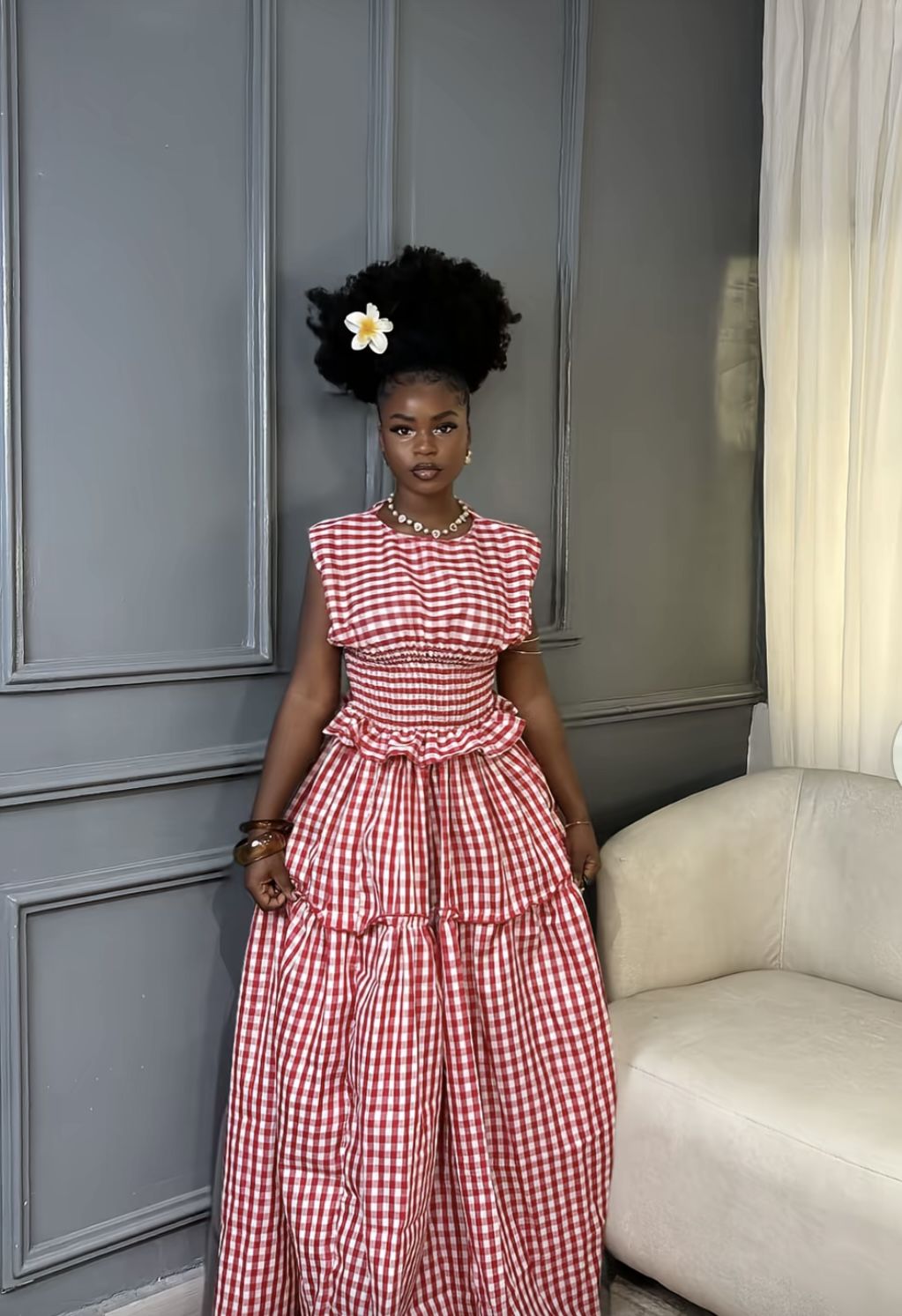
Across cities like Lagos, Johannesburg, and Accra, this idea quietly takes shape in everyday life. A young entrepreneur is investing in tailored blazers before her business stabilises. A student choosing structured outfits before stepping into professional spaces. A creative person carefully builds a visual identity before the audience arrives.
This practice is often described online as “dressing for the version of you that doesn’t exist yet.” But the phrase can sound superficial if it is reduced to aesthetics.
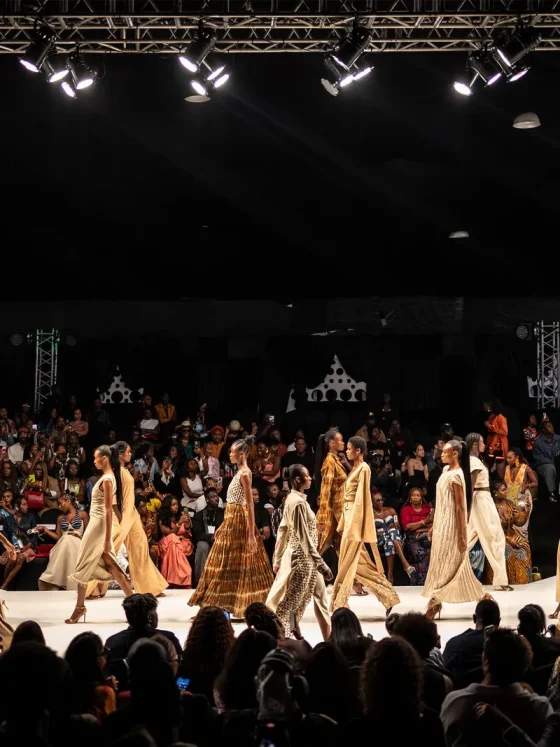
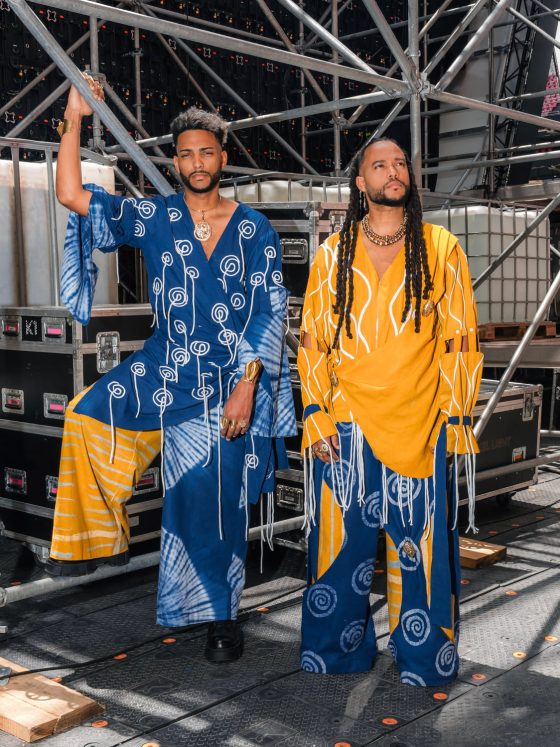
Clothing has never been only about looking good. In many societies, especially across Africa, dress has always functioned as language. It communicates status, ambition, belief, and belonging. When people dress toward a future identity, they are not performing a fantasy. They are participating in a long tradition in which clothing helps translate aspiration into a visible form.
Understanding this practice requires looking beyond style advice and asking deeper questions. Why do people dress ahead of their lives? Who benefits from it? And what does it reveal about power, identity, and cultural meaning?
From African textiles to modern workwear, this piece explores how dressing for your future self shapes identity, confidence, ambition and social perception
Clothing as Identity Architecture
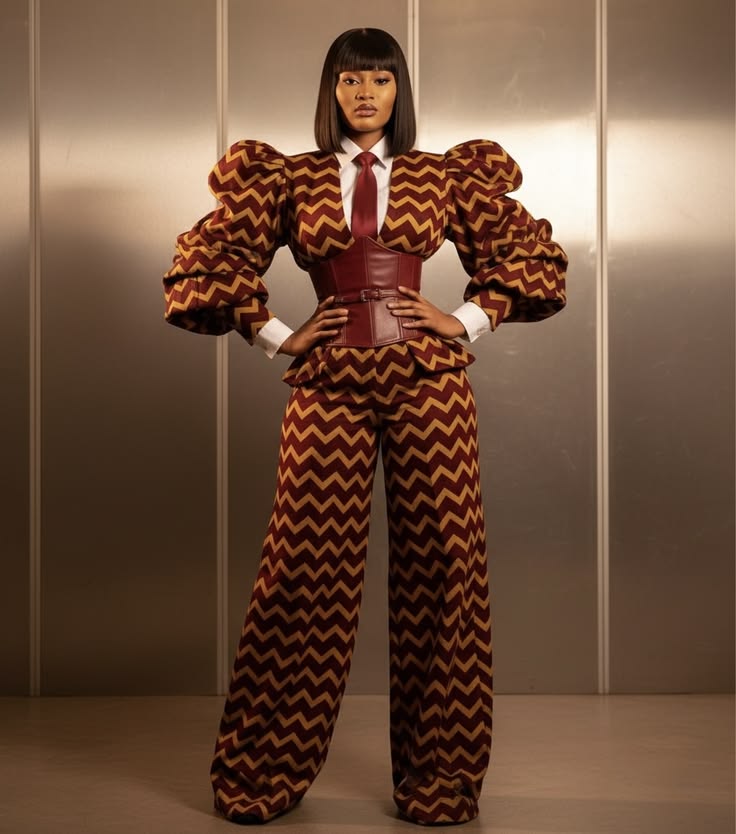
Psychologists describe a phenomenon known as enclothed cognition, a concept in behavioural science that shows how clothing influences how people think and behave. When individuals wear garments associated with authority, competence, or creativity, their mindset often shifts toward those qualities.
The effect works through perception. Clothes send signals both inward and outward. When someone sees themselves dressed with intention, their internal narrative changes. At the same time, observers respond to visual cues about confidence and capability.
But this idea is not new. African societies have long recognised clothing as a tool that organises social identity.
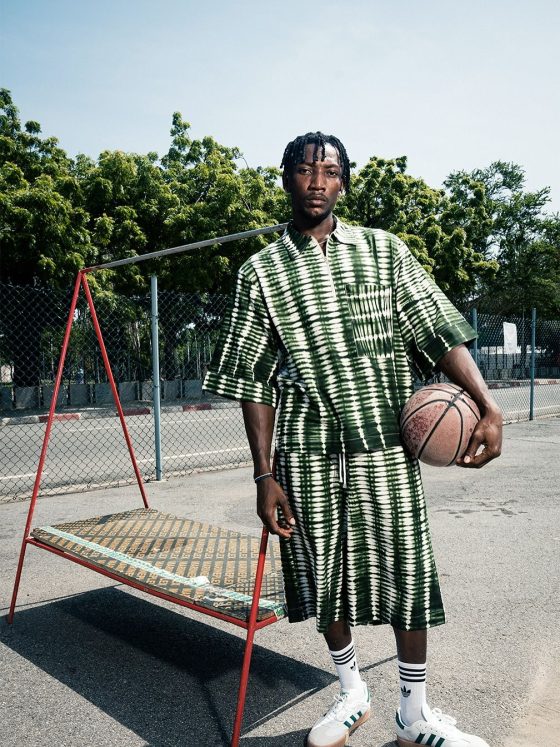
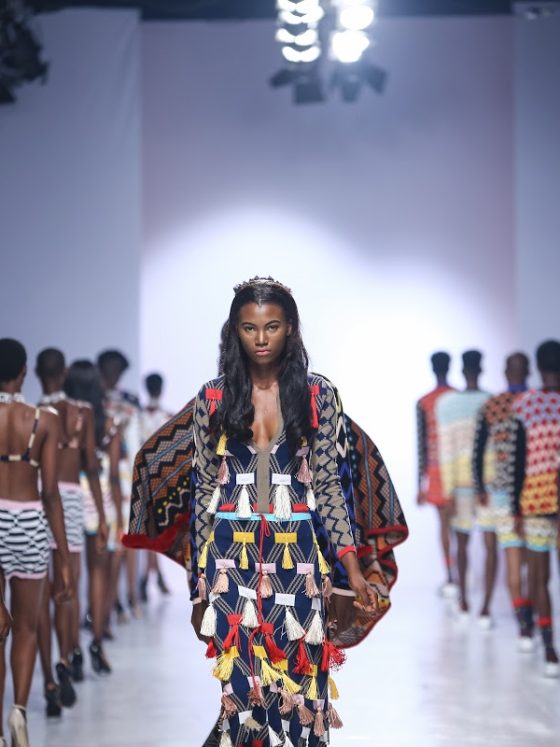
Traditional textiles such as Bògòlanfini, Ukara cloth, and Aso Oke were historically worn to signal power, knowledge, or rank. These fabrics did not simply decorate the body. They communicated a person’s relationship to community, leadership, and tradition.
In this sense, clothing has always been part of identity formation. It tells people who you are supposed to be and sometimes who you are becoming.
Dressing as Cultural Transition
Across many African cultures, clothing marks moments of transformation. Ceremonial garments often appear during rites of passage, weddings, leadership installations, and spiritual initiations.
A wrapper tied during an Igbo coming-of-age ceremony or a carefully layered outfit worn during Yoruba celebrations announces that someone has crossed a social threshold.
The message is simple but powerful. Identity can be recognised before it fully settles.
Clothing becomes a bridge between the present and the future. It allows communities to acknowledge a role before it is fully lived.
This explains why dressing ahead of one’s life can feel natural rather than artificial. It mirrors cultural practices where attire helps introduce new identities into public life.
Women and the Politics of Presentation
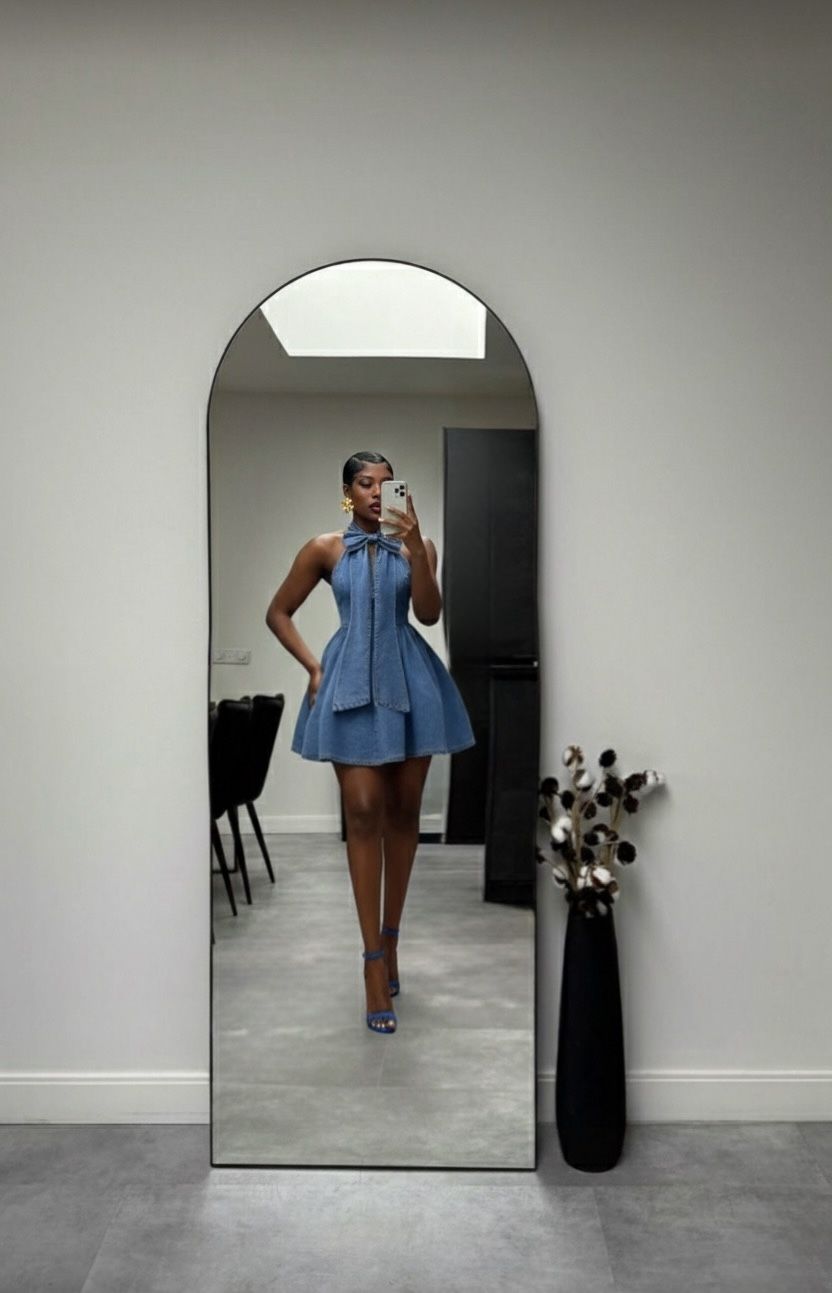
For women, especially, dress has often carried political meaning.
In many societies, appearance becomes a negotiation between respectability, autonomy, and ambition. Clothing can shape how seriously a woman’s voice is taken in professional and social spaces.
Consider the cultural symbolism of the Gele. It is not simply an accessory. When tied high and sculptural, it signals presence, maturity, and dignity. The gesture of wearing it declares that the wearer occupies space with intention.
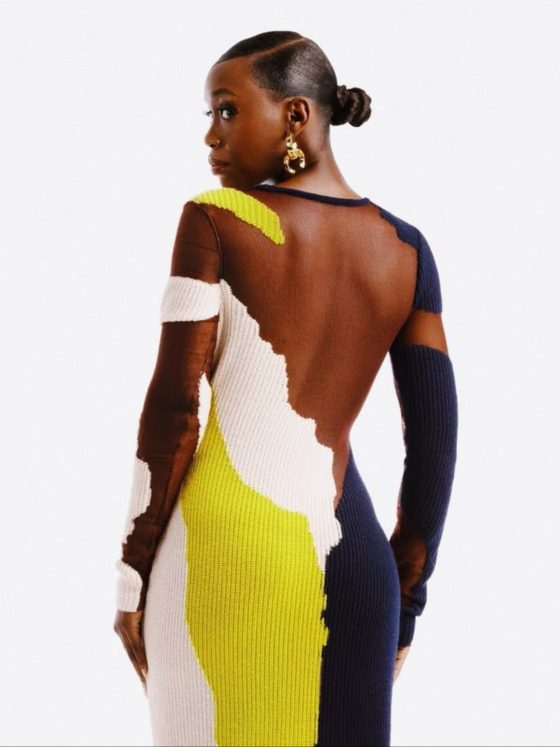
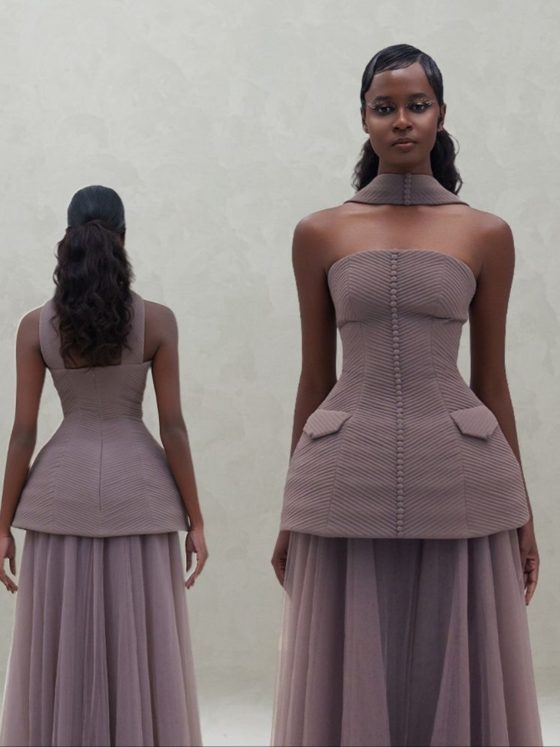
Modern professional wardrobes often echo this logic. Structured tailoring, sharp silhouettes, and deliberate styling can function as visual declarations of authority.
For women navigating spaces where credibility must sometimes be demonstrated before it is granted, clothing becomes strategic. It signals readiness for responsibility and leadership.
Read Also:
Redefining Luxury Through Meaning
The modern fashion industry often measures luxury through price and branding. Yet many African traditions defined luxury differently.
Value came from craftsmanship, symbolism, and community meaning.
Handwoven textiles, embroidered garments, and ceremonial fabrics held status because they carried stories. The labour embedded in the material connected the wearer to lineage, artistry, and social responsibility.
When individuals dress toward their future selves today, they often seek similar symbolic power. The goal is not merely expensive clothing but pieces that communicate intention and identity.
Luxury becomes less about ownership and more about narrative.
The Psychology of Becoming

Dressing for a future self ultimately works because identity is partly constructed through repetition. When someone consistently presents themselves as capable, creative, or disciplined, the behaviour begins to align with the image.
Clothing serves as a daily reminder of the person one is becoming.
This practice does not guarantee success. But it helps build the psychological environment where ambition can grow. It frames the day with purpose and signals commitment to a particular direction.
In that sense, dressing for the future self is not about pretending to live a different life. It is about rehearsing for the life one intends to build.
Conclusion
Fashion is often treated as surface culture, something that changes with seasons and trends. Yet clothing has always been more than decoration. It records values, ambitions, and social structures.
Dressing for the version of yourself that does not yet exist is part psychology and part cultural tradition. It reflects the human instinct to shape identity through visible symbols.
Across history, garments have helped people step into leadership, adulthood, and authority before those roles fully took hold. The practice continues today in quieter ways, through personal style, workwear, and everyday choices about how to appear in the world.
The mirror often serves as the first stage of transformation. Long before success arrives publicly, identity is rehearsed privately through the clothes people choose to wear.
FAQs
- What does dressing for your future self mean?
It refers to choosing clothing that reflects the identity, lifestyle, or responsibility you aspire to grow into rather than only your current circumstances.
- Is there psychological evidence that clothing influences behaviour?
Yes. Research on enclothed cognition shows that clothing associated with certain roles can influence confidence, focus, and behaviour.
- Is this idea rooted in African cultural traditions?
Many African societies historically used clothing to signal leadership, maturity, and spiritual roles. Dress often marked transitions into new identities.
- Does dressing this way require expensive clothing?
No. The concept is about intention and symbolism rather than price. Well-chosen garments that reflect identity and purpose are more important than luxury brands.
- Why does clothing affect how others perceive us?
Clothing communicates social cues about professionalism, confidence, and authority. These cues shape first impressions before conversations begin.