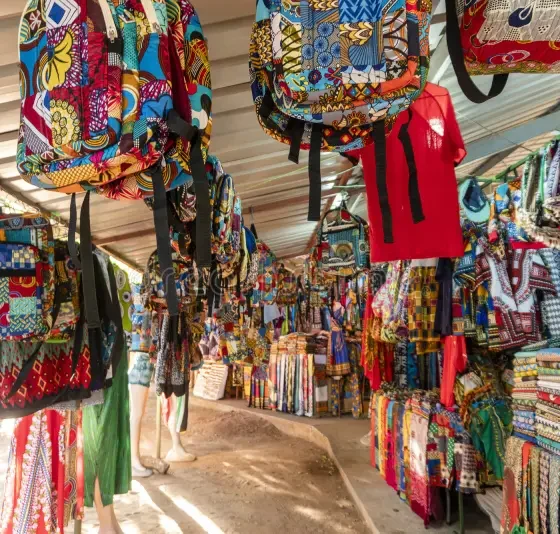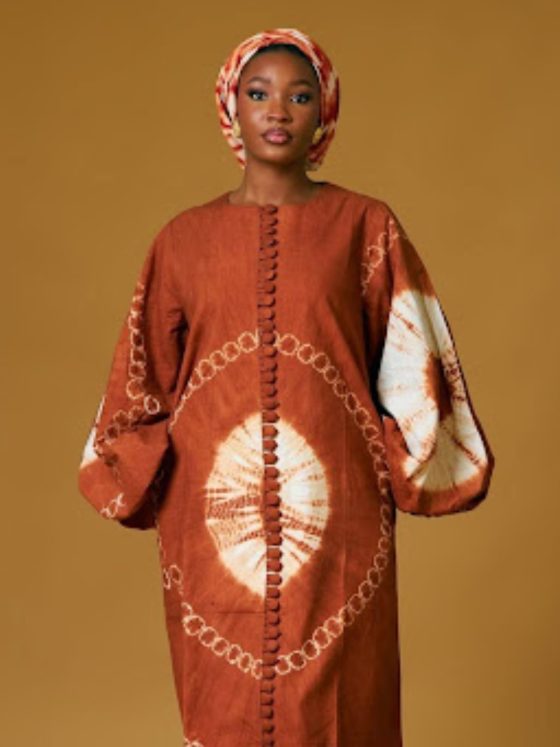
In the textured designs of Bogolanfini, the rich patterns of Fante Asafo cloth, and the blue-dyed prints of Shweshwe, fabric has always carried memory. It tells stories about families, ceremonies, and community rules in patterns that skilled weavers can “read.” Now, the loom is changing.
Across African design studios, new creators are using computer-guided weaving systems to turn heritage patterns into digital designs. This lets them honour old traditions while exploring new ideas.
This is exactly how digital looms are weaving new African legends. In this article, we’ll look at how technology is helping African textiles tell new stories.
Step into the evolution of African textiles by learning how digital looms are weaving new African legends to honour heritage.
Patterns Were Never Just Decoration
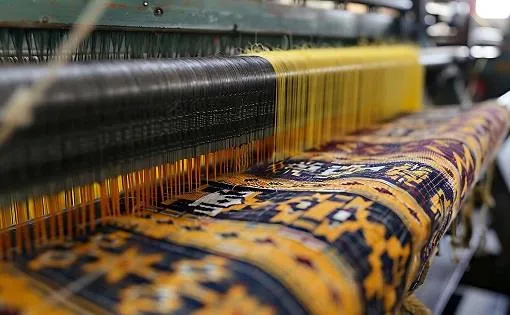
For centuries, African weavers have embedded meaning into patterns. Stripes, dots, zigzags, and symbols in Bogolanfini, the repeating motifs of Fante Asafo cloth, and the geometric designs of Shweshwe have communicated belonging, rank, and memory.
Each handwoven cloth honours ancestors, marks events, and asserts the value of artisanal skill. And when these designs appear in contemporary fashion, they carry authority and culture.
Technology does not erase this meaning. It amplifies it, which allows traditional patterns to reach new audiences while keeping the original message intact. This is how digital looms are weaving new African legends.
The Loom Learns a Digital Language
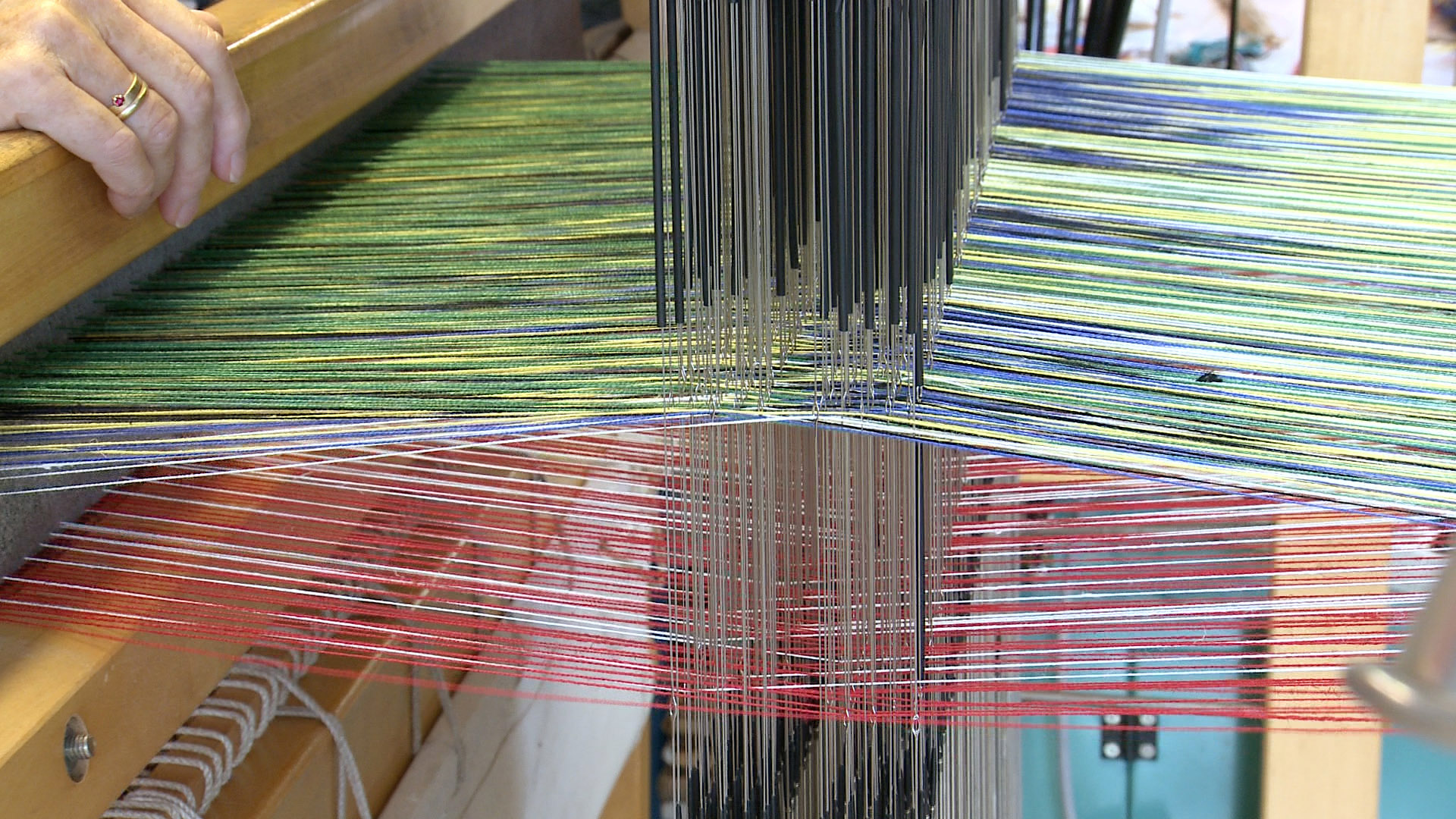
The loom has always been a storyteller. Digital looms are giving it a new voice. Using computer-guided systems, threads can be placed with precision impossible by hand, reproducing intricate designs exactly as intended.
This does not replace artisans. Instead, it extends their knowledge, allowing them to explore patterns and colour combinations that would take weeks to create by hand.
African designers are now digitally recording heritage motifs, ensuring that symbolic meanings survive in every reproduction. The balance between old and new demonstrates how digital looms are weaving new African legends, blending memory, creativity, and technology.
Designers Turn Code Into Cloth
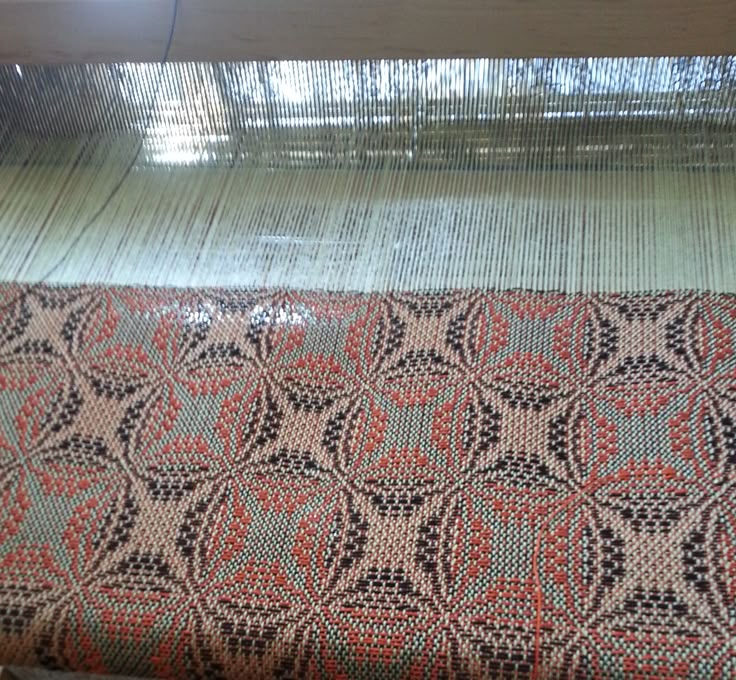
Digital looms are now partners for African designers. Patterns from Bogolanfini in Mali, Fugu from northern Ghana, and Shweshwe from South Africa are recreated digitally while preserving their cultural meaning.
In studios from Dakar to Lagos, designers experiment with thread density, colour layering, and repeating patterns. This allows each piece to carry multiple stories at once. One from history, one for modern fashion, and one imagined entirely through digital innovation.
For example, a Bogolanfini-inspired motif may reference a traditional story about community or protection, while the digital reinterpretation allows bold new colour palettes for international runway shows.
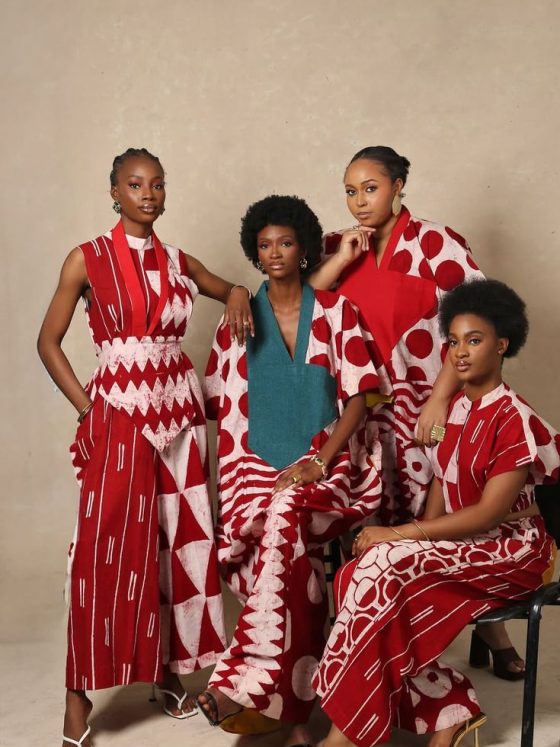
Similarly, Fugu patterns that once marked rank in a village now inspire contemporary designs that signal heritage and style simultaneously.
This shows how digital looms are weaving new African legends in real time, allowing tradition to coexist with invention.
ALSO READ:
- When Dressing Becomes Declaration: Clothing as Cultural Identity
- Why AfroFuturism Is Fashion’s Most Necessary Lens
- Mud Cloth as Fine Art: The Cultural Authority of Bogolanfini
- How Kente Weaves History Into Every Thread
Digital Looms Are Shaping the Next Generation of African Textiles
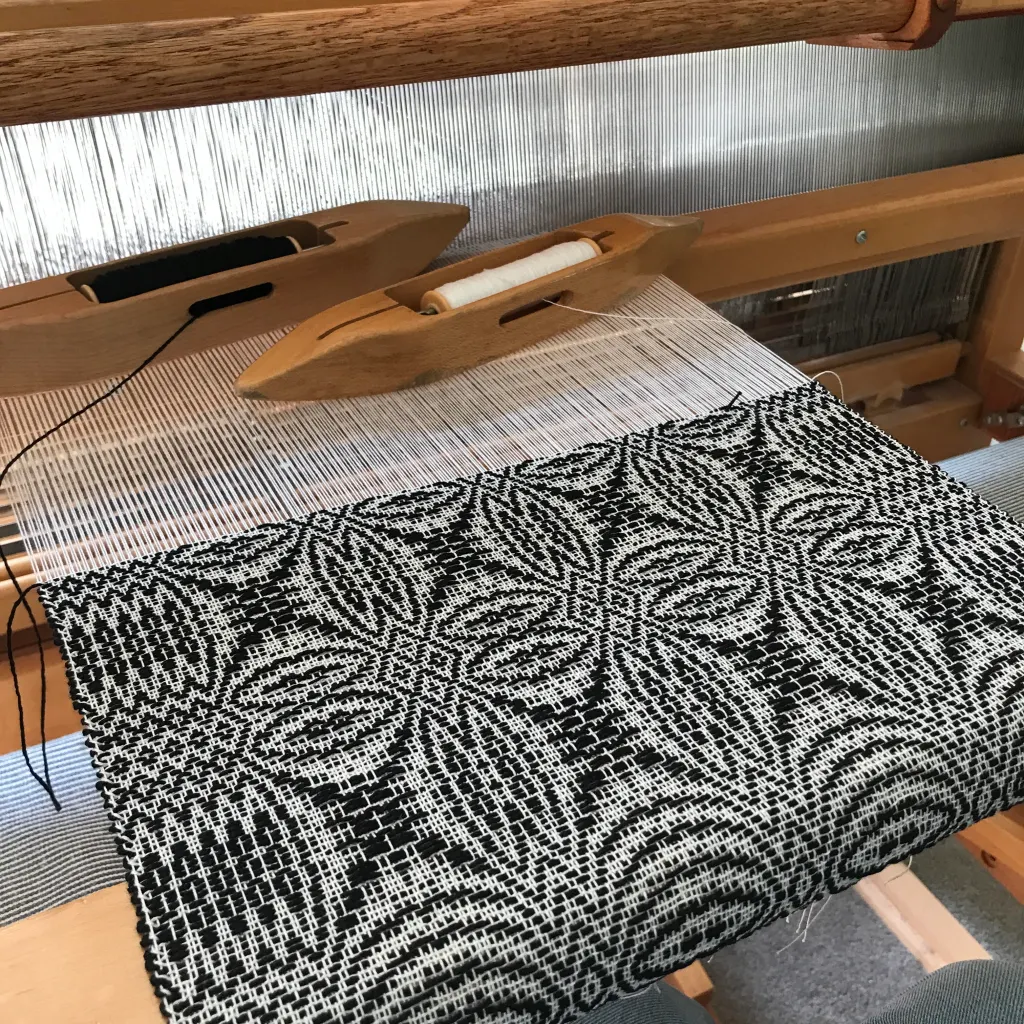
Digital tools do more than replicate patterns; they expand possibilities for African textiles globally. Here’s how African textiles are rewriting their own story:
Preserving Ancestral Knowledge
Digital looms allow complex traditional motifs to be archived and reproduced accurately, keeping centuries of weaving techniques alive for future generations.
Expanding Creative Possibilities
Designers can experiment with pattern complexity, colour layering, and weave structures at previously unimaginable scales, opening new paths of interpretation without losing meaning.
Bridging Generations
Young designers can learn from ancestral patterns while adding their own vision, ensuring that African textiles evolve without losing their roots.
Global Cultural Exchange
These textiles now travel farther and faster, allowing African storytelling through cloth to reach international fashion and design communities, without diluting the original meaning.
Empowering African Designers
By combining traditional knowledge with digital tools, designers assert authority over their cultural narratives, proving that African textiles can innovate on their own terms, not by Western standards.
Conclusion
Storytelling has always run through African textiles, and digital looms are giving those stories a new voice.
Designers are keeping tradition alive while exploring fresh designs, ensuring each digital thread carries memory, creativity, and cultural authority.
This is how digital looms are weaving new African legends, proving African textiles are thriving, innovating, and commanding attention worldwide. The loom speaks a new language, but the storyteller remains: African craft, imagination, and heritage guide every thread.
Frequently Asked Questions
-
What Makes Digital Looms Different From Traditional Looms?
Digital looms allow designers to replicate complex patterns with precision and experiment with colour, texture, and repetition at a scale that hand-weaving cannot match. They don’t replace tradition; they extend it.
-
Are Traditional African Weaving Techniques Still Important?
Absolutely. The knowledge of ancestral weavers forms the foundation of every design. Digital looms preserve these techniques while giving designers room to reinterpret them for modern audiences.
-
Which African Textiles Are Being Transformed By Digital Looms?
Textiles such as Fante Asafo, Kente, Aso-Oke, and indigo-dyed Adire are being translated into digital formats, allowing their patterns and symbolism to be preserved while exploring new forms of creativity.
-
How Are African Designers Using Digital Looms To Innovate?
Designers combine ancestral motifs with digital tools to create fabrics that tell multiple stories, honour heritage, express contemporary fashion, and imagine new narratives through pattern, colour, and form.
-
Why Are Digital Looms Considered A Cultural Game-Changer?
Because they give African designers full control over their cultural narratives, patterns can travel farther, evolve faster, and reach global audiences, all while maintaining the meaning and integrity of centuries-old traditions.