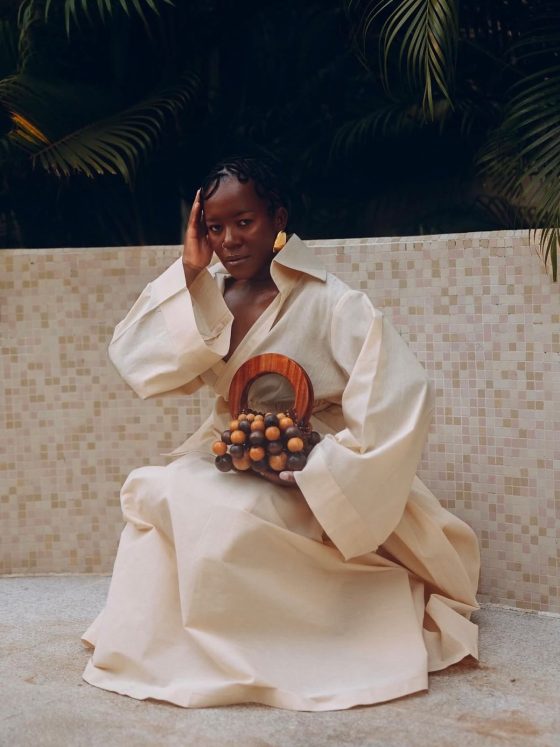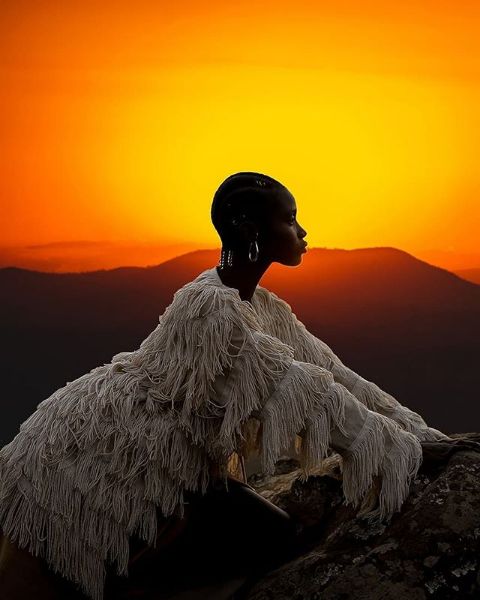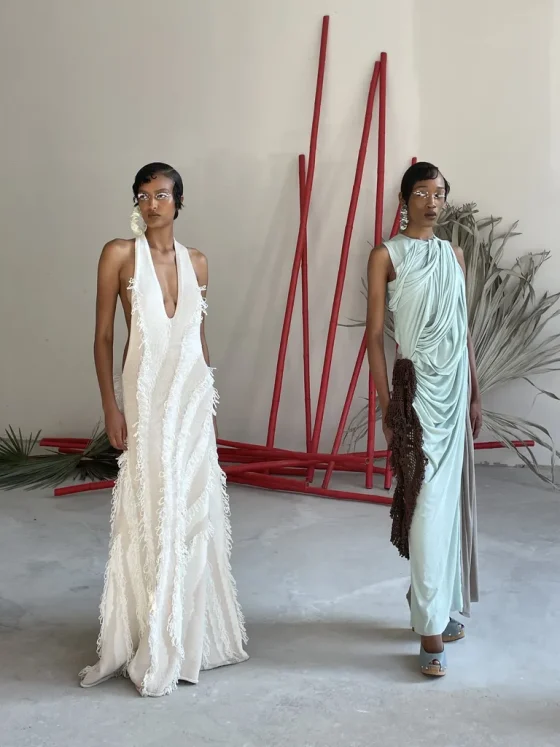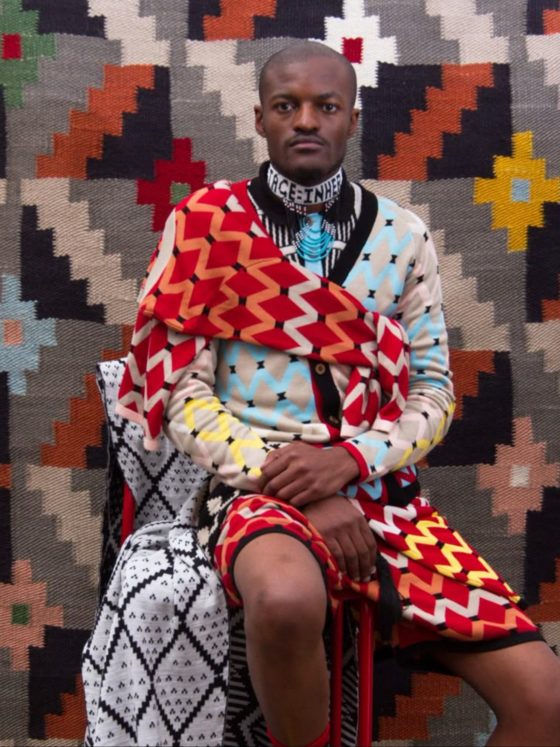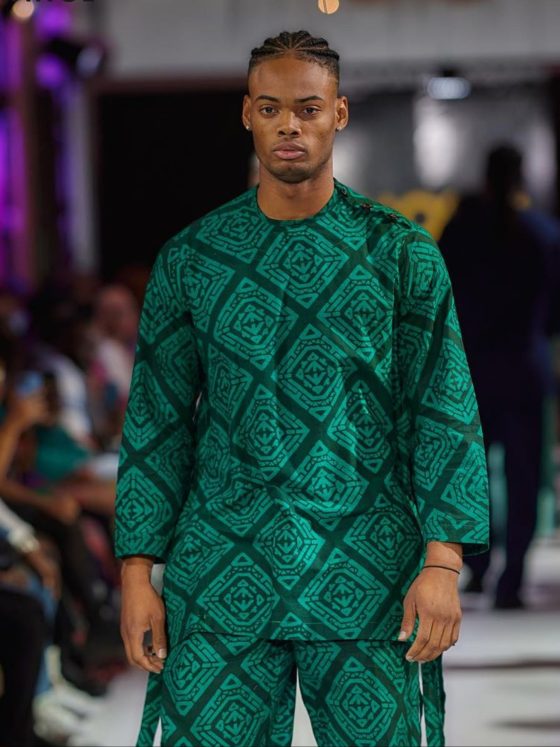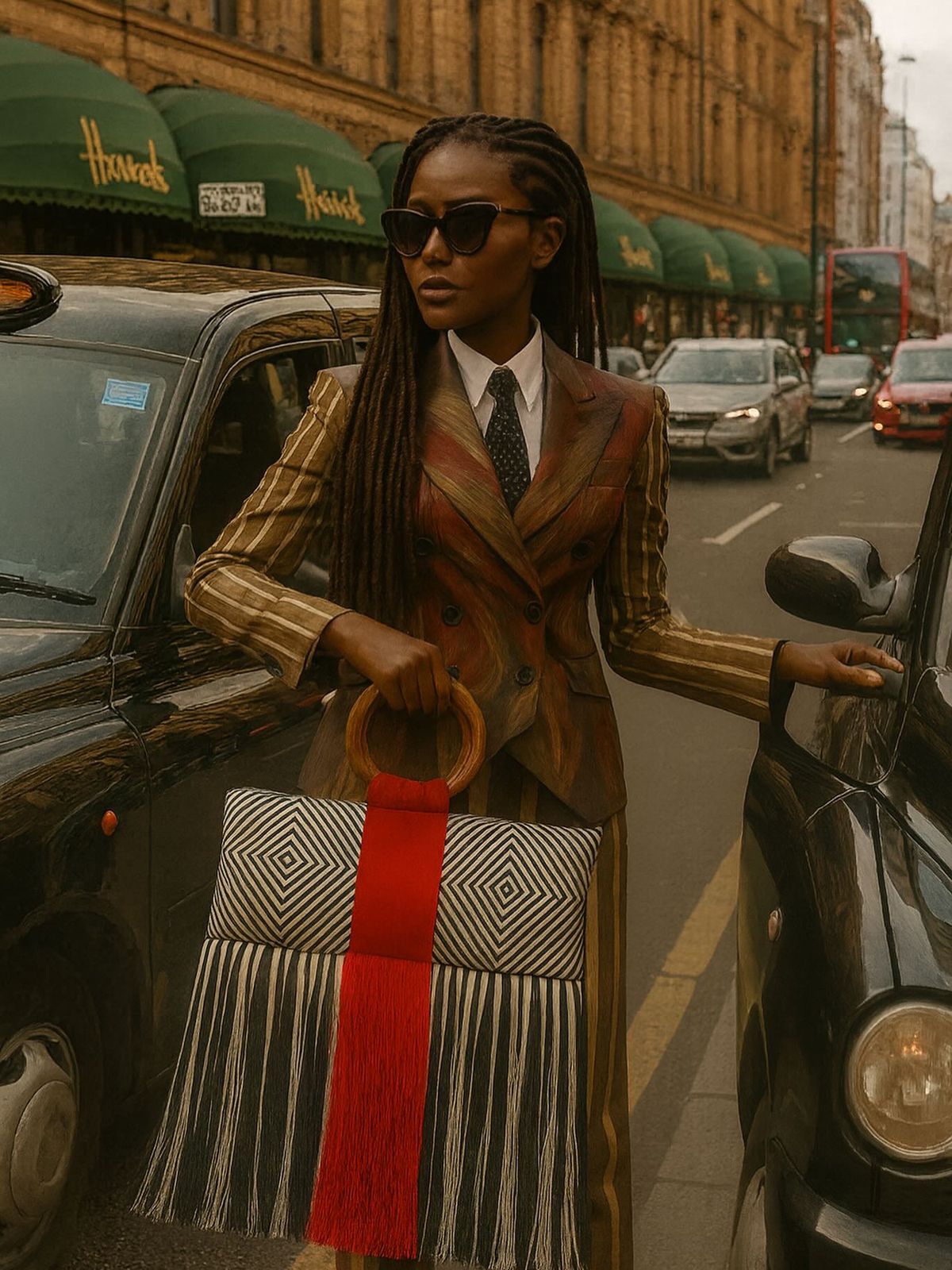
The dressing room is frequently a place of silent negotiation for the diaspora lady traversing the global skyline in 2026. High-end, Western-centric fashion often offers a false choice: embrace your roots and run the danger of being labelled as a relic, or enter the mainstream to be seen. She must choose whether she wants to be a spectacle for the world’s attention or a spiritual resident of her own history as a result of this forced binary, which generates a conflict between visibility and belonging.
Visionary exceptions like Wales Bonner and Thebe Magugu create silhouettes that reject this compromise. They recognise that a woman’s inner sanctuary is a dazzling, enduring radiance that guides her every action rather than a costume. However, the industry frequently encourages her to act out her culture to get recognition through trend-based inclusion. She makes a strong, independent statement of authority as she dons a sleek, minimalist suit by Katush that discreetly incorporates a traditional weave. She is recovering her right to be both contemporary and traditional, demonstrating that her presence is a complex reality she experiences rather than a decision she must make.
She is aware that genuine belonging is an interior condition rather than a show. By selecting upscale, eco-friendly items that prioritise meticulous, slow craft over fast-fashion diversity, she creates a tactile record of her own journey. Using the subtle strength of her background to make sure her voice is heard without being reduced to a stereotype is a positive and inclusive approach to managing her public identity. She is the link between the soil and the skyline; she doesn’t have to choose between them, guaranteeing that her style will always be a visionary act of sovereign grace.
The intricacy of the diaspora experience is valued in this luxury. Her silhouette conveys a message of strategic aim and spiritual stability, whether she is standing in a corporate boardroom or a gallery bathed in sunlight. She is not looking for a belonging that obscures her brightness or a visibility that erases her roots. She is a lady who understands that combining the two gives her the most authority, a bright, all-encompassing presence that defies categorisation.
Explore the visibility paradox as we examine how the fashion industry often forces diaspora women to choose between mainstream visibility and cultural belonging. Discover how visionary brands like Thebe Magugu and Katush are crafting a third way, an inclusive, sustainable silhouette that honours both the root and the global skyline.
Beyond the Industry Gaze
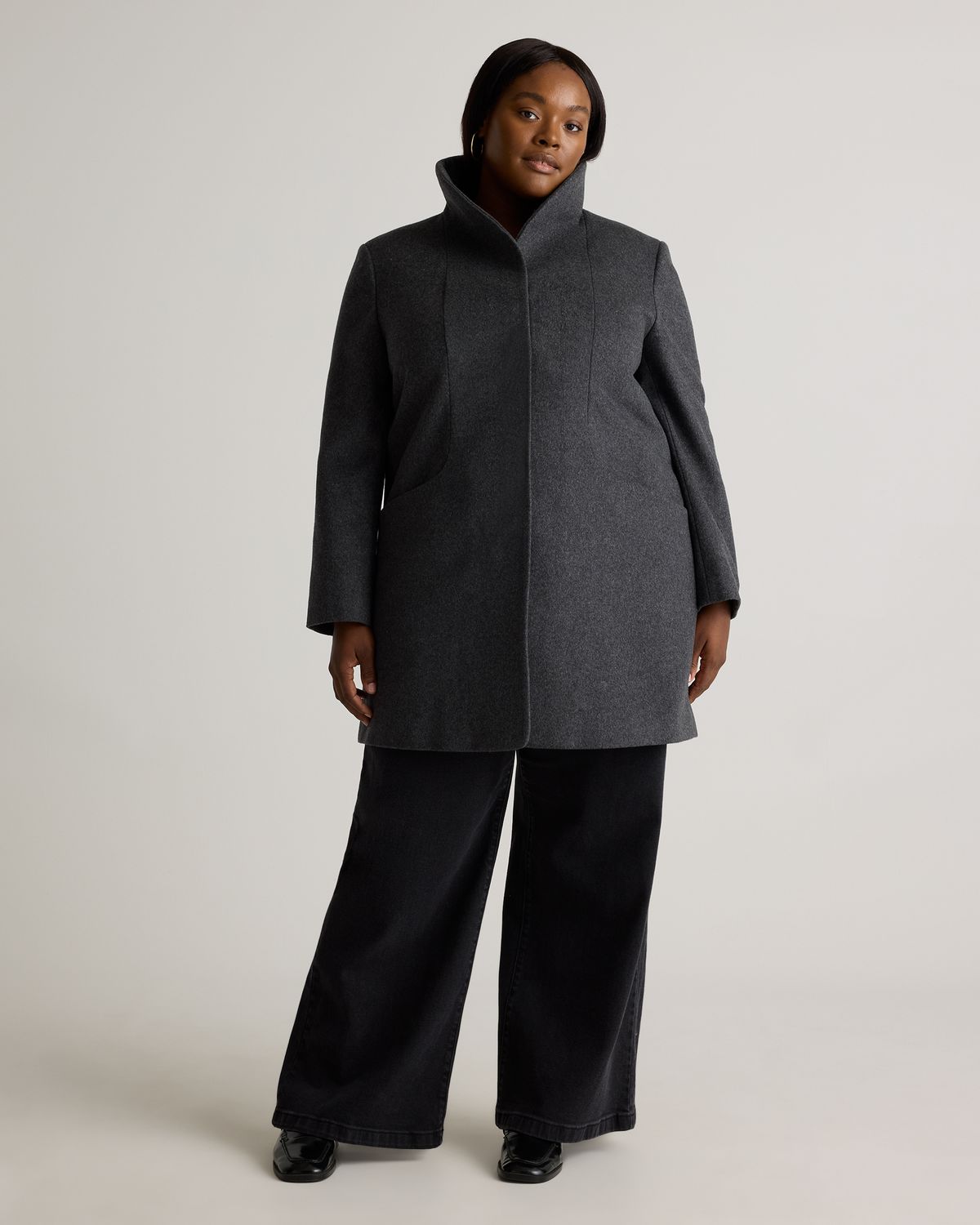
The global fashion industry’s definition of inclusiveness is frequently where the conflict starts. Only when their history is performed in a way that conforms to a particular, commercial style can many diaspora women gain notoriety. Instead of a heartfelt statement of identity, this produces a strong pressure to lean into a spectacle, wearing culture as a garment to be seen. It is a shallow visibility that successfully turns her roots into a seasonal fad by asking her to put the external look ahead of her inner haven.
By providing silhouettes that honour the quiet, patient craft of the origin, brands like Thebe Magugu and Katush are upending this performance. They incorporate tradition through subtle textures and structural decisions that evoke a private archive, as opposed to bold, single statements intended for the runway gaze. She is recovering her right to be herself first by choosing an upscale, minimalist piece with a traditional dye or a hidden weave. No matter who is observing, she is no longer performing; instead, she is embodying a beautiful, enduring radiance that represents her own path.
She is aware that being there is an autonomous, powerful act. By choosing artisanal, ecological labels over fast-fashion diversity, she creates a wardrobe that serves as a protective, inclusive barrier. Refusing to allow the industry to define whether aspects of her past are visible enough for the general public is a visionary approach to navigating the 2026 skyline. Knowing that her belonging cannot be exchanged for a little moment in the spotlight, she acts strategically.
This is a luxury that honours the intricacy of her story. Her silhouette conveys a tale of elegance and independent decision-making when she stands in a business boardroom or a gallery bathed in sunlight. Her dedication to slow, meaningful fashion speaks for itself; she doesn’t need to perform to be acknowledged. It is an aggressive method of controlling her public persona, utilising the subdued power of her heritage to ensure her voice is heard on her terms, free from the industry’s performance standards.
Crafting an Internal Sanctuary
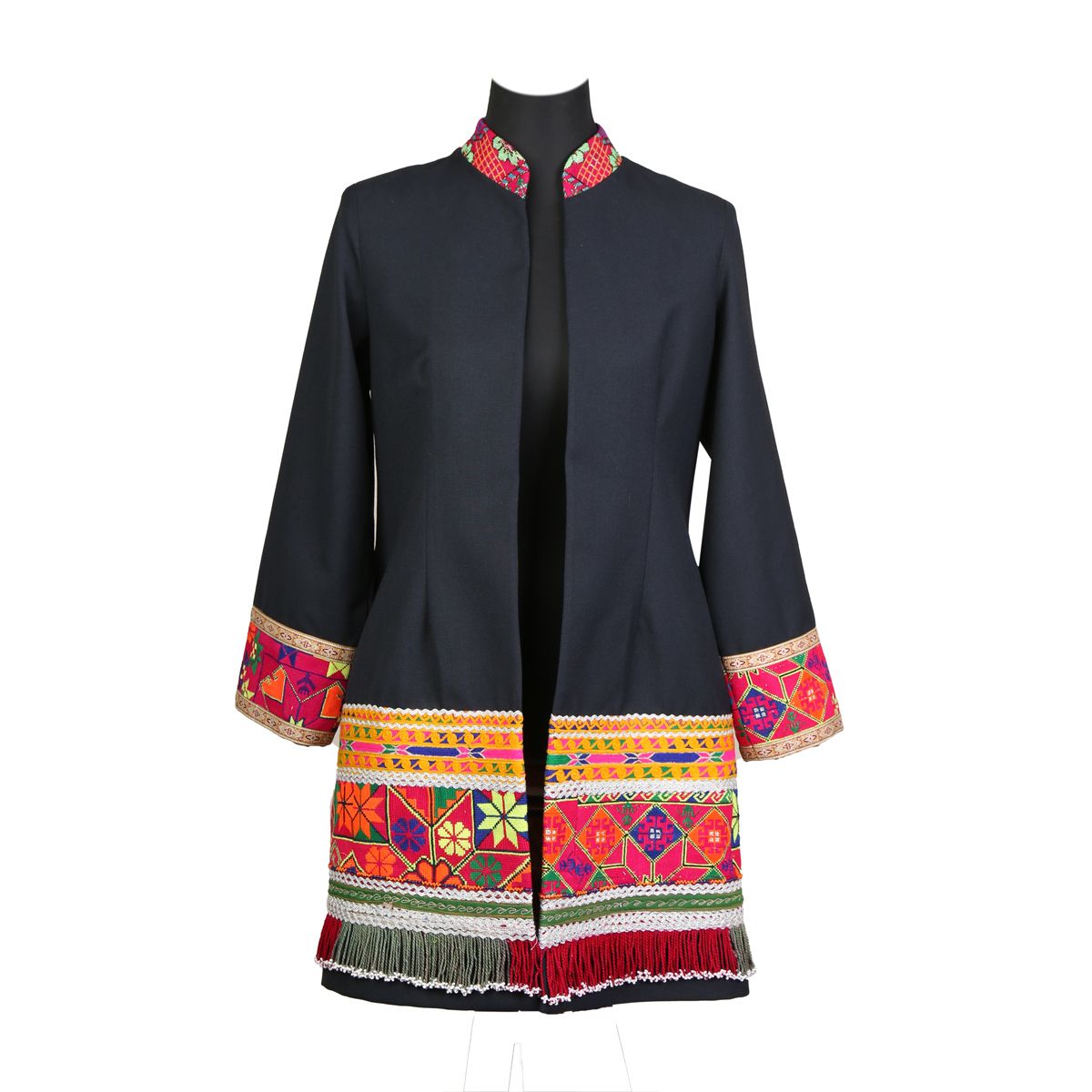
The development of a silhouette of belonging is the second phase of this negotiation. For the diaspora woman, belonging is a radiant, internal condition she carries within herself rather than a destination she attains by following a trend. In response to the global fashion industry’s pressure to choose between being modern and traditional, she creates a third space, a visionary wardrobe that serves as an inclusive, healthy barrier. This silhouette is constructed on her own terms, anchoring her presence in any setting, from a Lagos gallery to a London boardroom, with the subdued power of her history.
Labels like Wales Bonner and Thebe Magugu recognise that a woman’s identity is not a clothing but rather a tactile archive. She is making a strong, independent declaration of authority by selecting an elegant, structured blazer with a classic theme or a delicate, hand-woven fabric. This is about wearing her past as a strategic aim rather than trying to conform into a Western mold or put on a cultural show. She is recovering her right to be both rooted and visionary, making sure that the industry’s shifting gaze doesn’t disrupt her private haven.
She is aware that her presence reflects her personal path and provides an eternal radiance. She is supporting a slow, careful craft that loves the land of her birth as much as the cityscape of her present home by choosing sustainable, artisanal products from companies like Katush. She may walk with a sovereign grace that doesn’t require permission to exist because of this luxury, which honours her multiplicity. Without ever having to speak, her figure serves as a bridge between two realms, a spiritual frequency that communicates her resiliency to the outside world.
This is an aggressive way to control her public persona. Her whispering fabric conveys a tale of elegance and strategic belonging as she stands in a sunny patio or during a business meeting. She is a woman who understands that her greatest authority comes from the combination of her roots and visibility, so she doesn’t have to pick between the two. It’s a beautiful, inclusive method to make sure her voice is heard on her terms without being constrained by a society that seeks to put her in a box.
ALSO READ:
The Independent Path to Visibility
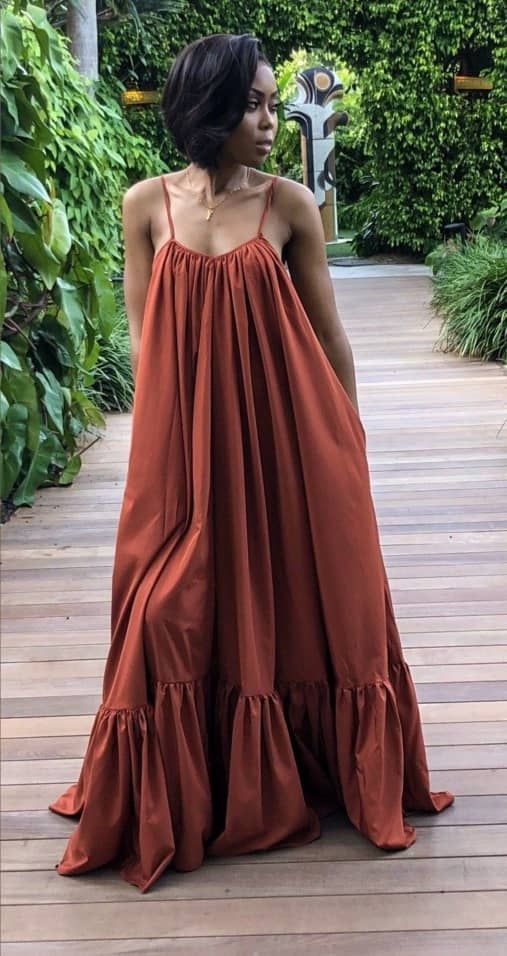
The last change in this story happens when the diaspora lady starts defining exposure on her own terms instead of asking the industry for approval. This is the shift toward an independent gaze, where success is determined more by how closely she connects to her heritage than by how popular she is. In 2026, she realises that being seen is meaningless if it necessitates destroying her own haven. She transforms her clothing into a powerful, visionary declaration of sovereign intent by opting for a high-end, sustainable route.
By emphasising the African narrative as the main audience rather than an exotic afterthought, brands like Thebe Magugu and Katush support this change. She is speaking to her own community rather than performing for a Western audience when she dons a structured piece from Wales Bonner that celebrates the intellectual and soulful legacy of the diaspora.
Using the subtle strength of her ancestry to create a dazzling, long-lasting glow that draws the correct kind of attention is a healthy, inclusive approach to managing her public identity. She is being seen because she is so profoundly a part of herself; she is no longer having to choose between being seen and belonging.
She is aware that being there is a powerful act of defiance. She makes sure her style stays a tangible record of her real experience by choosing slow, meticulous craft over the fast-fashion diversity machine. This is a luxury that honours her complexity, enabling her to navigate a corporate boardroom or a gallery bathed in sunlight with an uncommercialized strategic grace. Her silhouette turns into a bridge that she owns and runs completely independently, rather than one that she must cross in order to find a place to call home.
Her voice is heard long before she speaks, thanks to her recovered look. She adopts a sovereign power that is both imaginative and grounded by taking on the artisan’s patience. She is rooted rather than merely dressed. Her choice of silhouette ensures that her identity is as bright and inclusive as the past that shapes it, telling a tale of grace and strategic belonging. She has transcended the dilemma and discovered a bright place where belonging and visibility are the two wings of her own flight rather than in opposition to one another.
Conclusion
The Omiren woman rejects the border of having to choose between visibility and belonging. She demonstrates that heritage is not a burden to be exchanged for a place at the table but rather the very anchor that enables her to sit there with complete authority by navigating the 2026 global skyline with a sovereign presence. When fashion is viewed as a luxurious, tactile archive, it becomes her most powerful instrument for integration, a means of being fully visible without losing the soulful frequency of her origins.
The third space’s architectural blueprint is provided by labels such as Wales Bonner, Katush, and Thebe Magugu. They provide an inclusive, sustainable luxury that appreciates both the forward-thinking vigour of the future and the deliberate, patient craft of the origin. Her silhouette conveys a message of strategic intent and spiritual stability, so she doesn’t need to perform for the attention of the industry. Her voice is heard long before she speaks because she is a woman who has discovered her inner haven. Visibility in this glowing area is a woman’s inherent light that is all her own; it is no longer a show.
Your style is your silent revolution. To discover the high-end, sustainable stories, artisanal craftsmanship, and soulful global connections that anchor the Omiren woman’s radiant map, explore the full Omiren Global Editorial Archive.
Frequently Asked Questions (FAQs):
- Why does modern fashion force a choice between visibility and belonging?
The global industry often views modernity through a Western lens and heritage as a seasonal trend. This creates a friction where diaspora women feel they must either minimise their roots to be seen as professional and modern, or perform their culture as a spectacle to gain visibility. This forced binary ignores the visionary reality of living in both worlds simultaneously.
- How can I use a silhouette to create an “internal sanctuary”?
An internal sanctuary is built by choosing high-end, structural pieces that prioritise your own comfort and history over the external gaze. Brands like Thebe Magugu and Katush offer silhouettes that integrate traditional weaves into sharp, authoritative tailoring. This allows you to feel rooted and protected, ensuring your belonging is an internal state rather than a public performance.
- What role does sustainable, artisanal craft play in this journey?
Choosing slow, patient craft is a forceful act of independence. By opting for labels that value the soil of their origin, you are rejecting the fast-fashion diversity machine that often commodifies culture. This creates a tactile archive in your wardrobe, pieces with a radiant, enduring glow that reflect a healthy, inclusive connection to your heritage.
- Can I be “visible” without performing a cultural spectacle?
Absolutely. True visibility in 2026 is about a sovereign presence. By wearing high-end pieces that use subtle, strategic intent, like a hidden traditional motif or a specific structural drape from Wales Bonner, you signal your identity on your own terms. You are seen because of the depth of your belonging, not because you are providing a performance for the industry.
- How do I bridge the gap between my heritage and a global corporate environment?
Look for “The Third Space” in your wardrobe. This means selecting high-end pieces that fuse minimalist, global silhouettes with the quiet strength of your roots. A structural ivory blazer with a subtle heritage wrap or hand-woven cuffs allows you to maintain your global authority while staying anchored in your history. It is a visionary, inclusive way to ensure your voice is heard in any boardroom.