Across fashion capitals and creative communities, a distinct movement is unfolding, one where designers draw on ancestral techniques and storytelling while embracing the language of modern couture.
These creators are not revisiting tradition as nostalgia. They are rethinking it, folding it into the structures of contemporary design so that garments become vessels of cultural meaning and modern expression.
The result is a new kind of fashion that feels grounded in history yet unmistakably forward-looking, resonating with a global audience hungry for authenticity, innovation, and meaning.
A new wave of diaspora designers is redefining couture through cultural heritage, fine craftsmanship, and innovative design that speaks to today’s global audience.
Beyond Trends: Tradition as Creative Foundation
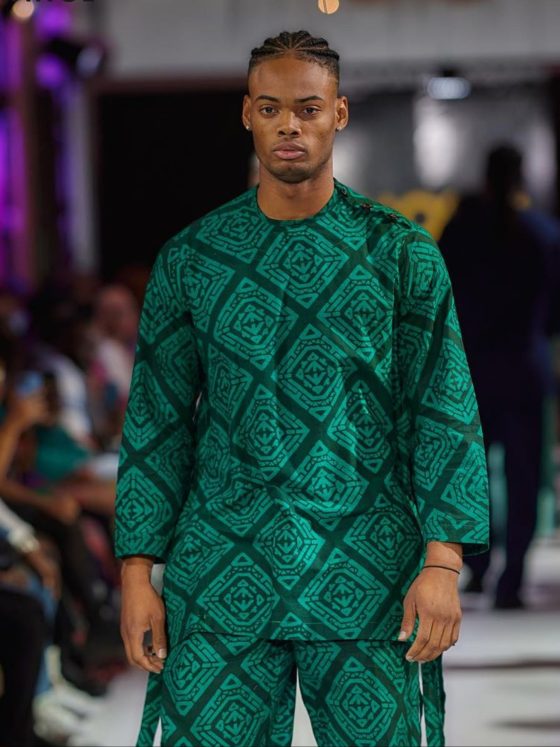
Tradition in fashion is often reduced to surface aesthetics, motifs, prints, or mere tokenism. But the designers shaping today’s couture landscape are operating differently. They treat cultural knowledge as living material, not borrowed ornament.
For some, this means integrating age-old weaving and textile practices into modern tailoring. For others, it means transforming ceremonial fabrics into structured silhouettes that belong on the red carpet and in contemporary wardrobes alike. Their work asserts that craftsmanship, narrative, and cultural memory can coexist with cutting-edge design.
Designers Defining a New Couture Narrative
A growing cohort of designers from the diaspora, those with roots in varied cultural communities but active on the global stage, is central to this shift. Their work demonstrates how heritage can act as both a narrative force and a technical asset in couture.
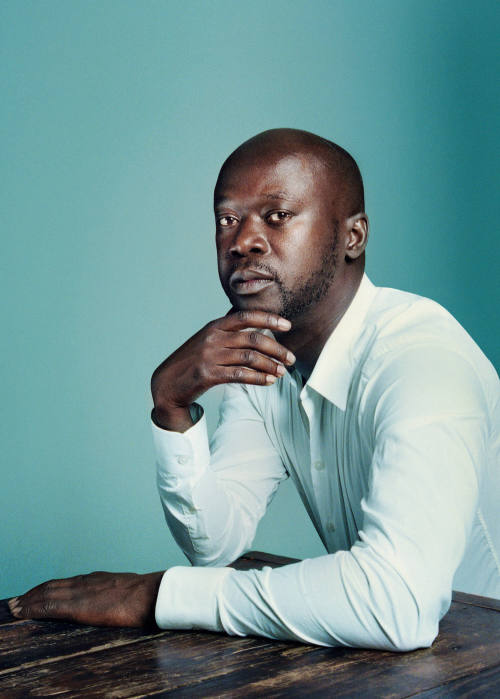
Imane Ayissi
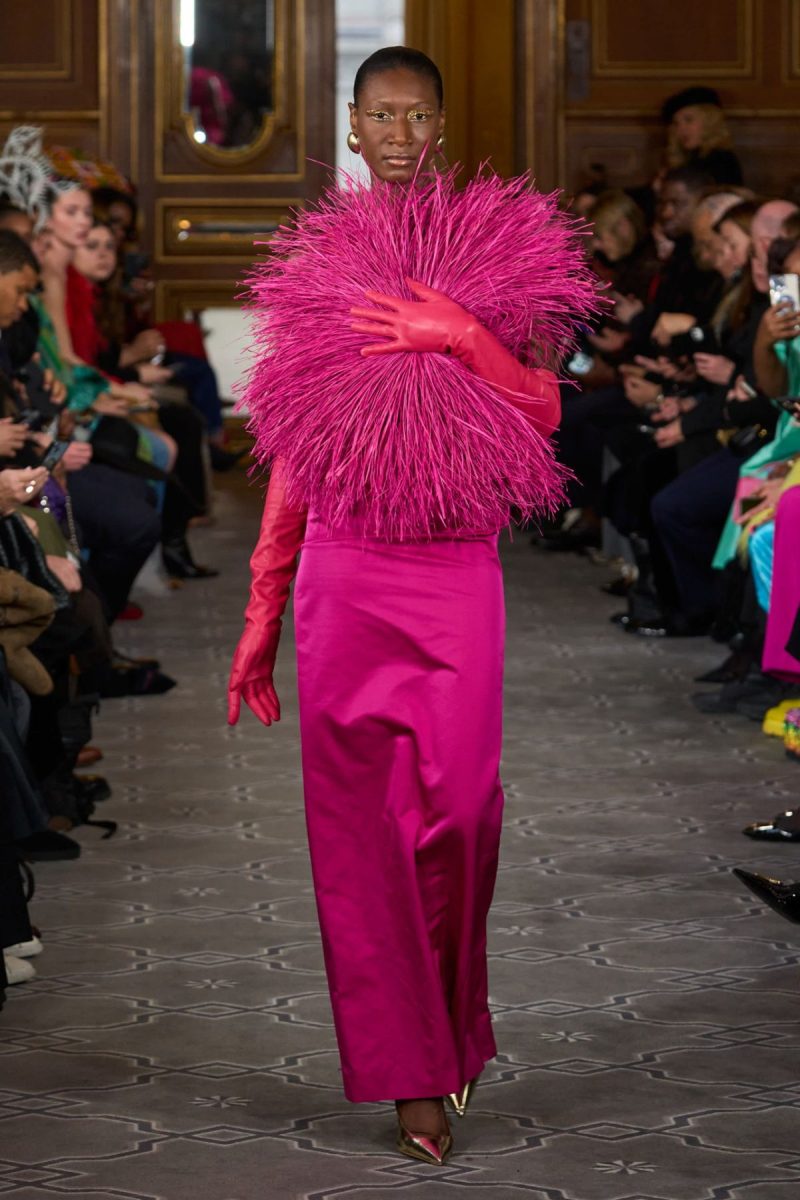
Imane Ayissi brings a nuanced dialogue between craft and couture to major fashion weeks. Known for texture-rich garments that marry ceremonial textiles with refined tailoring, his collections weave together techniques and materials with sculptural precision. His work exemplifies how cultural elements can be embedded in couture without reducing them to spectacle.
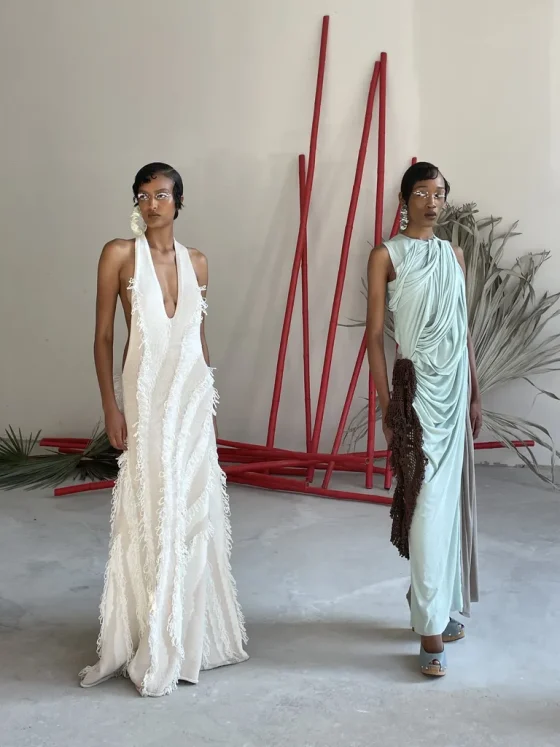
Esé Azénabor
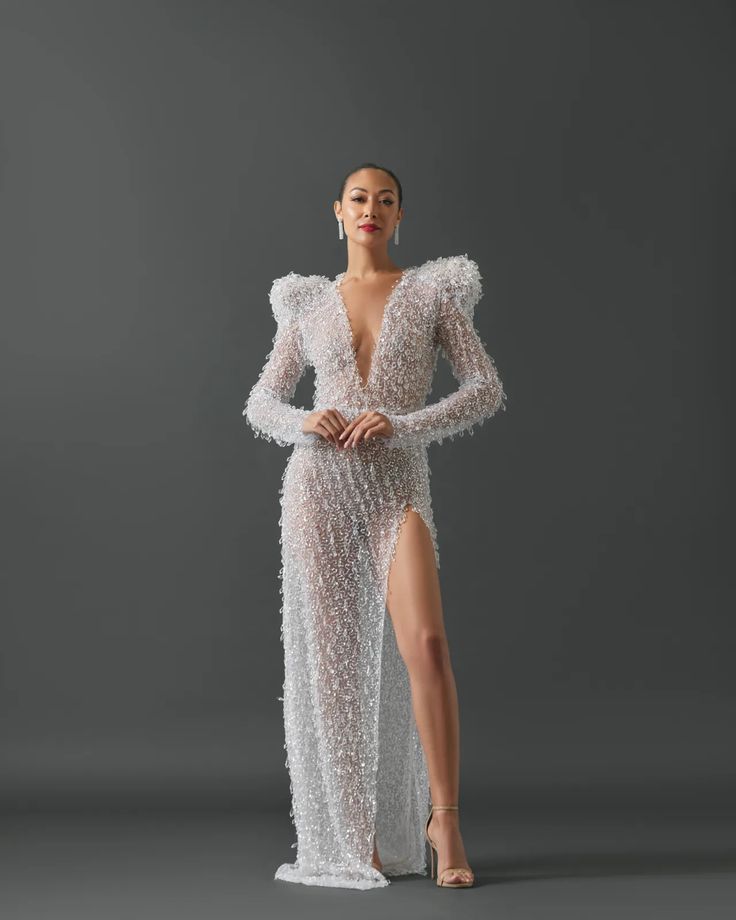
Nigerian-Canadian designer Esé Azénabor blends hand-beading, delicate lace, and crystal work, drawing on her heritage. Her couture and bridal collections marry intricate surface work with elegant forms, demonstrating how traditional craft can elevate modern luxury without diminishing either.
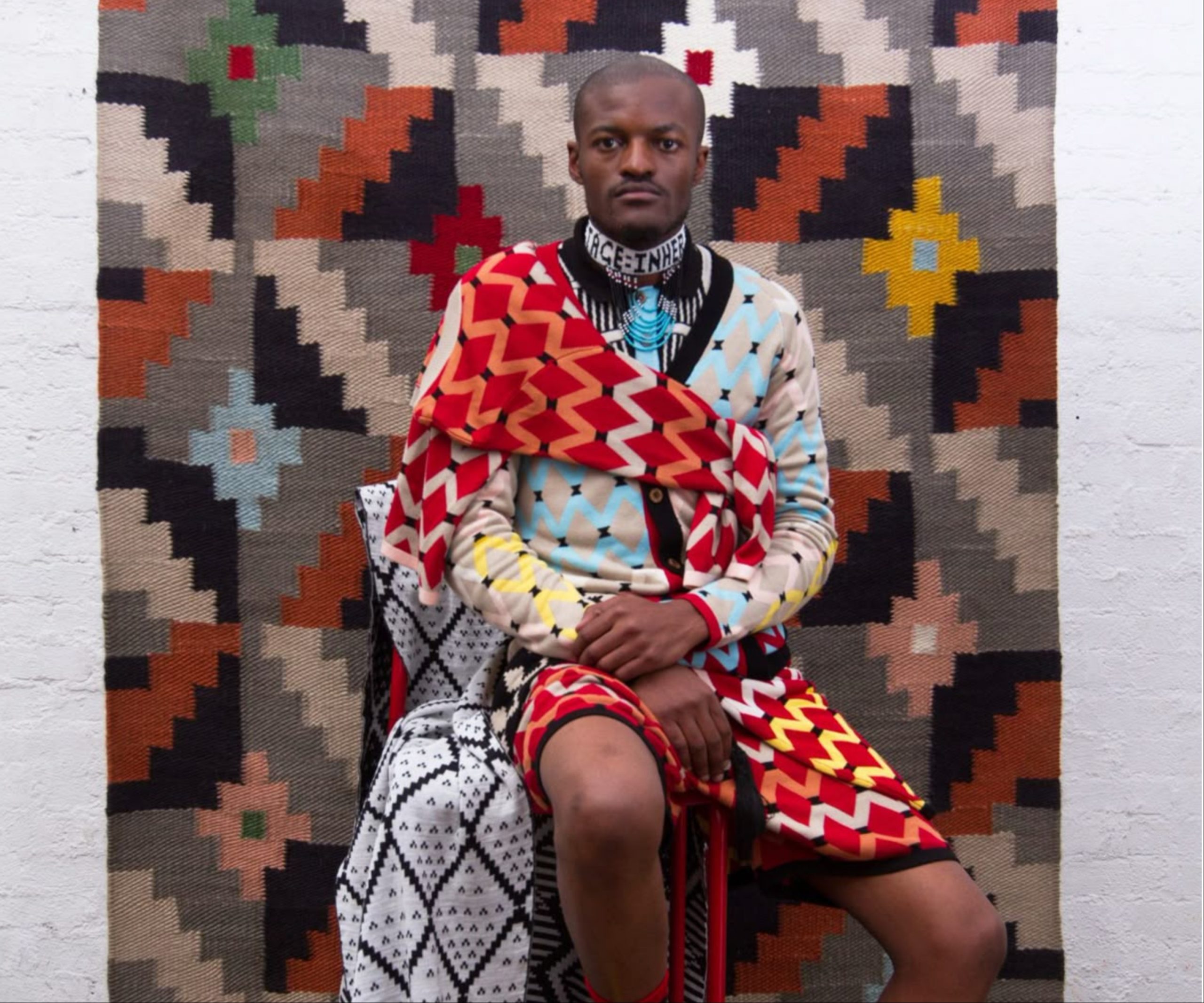
Laduma Ngxokolo (MaXhosa Africa)
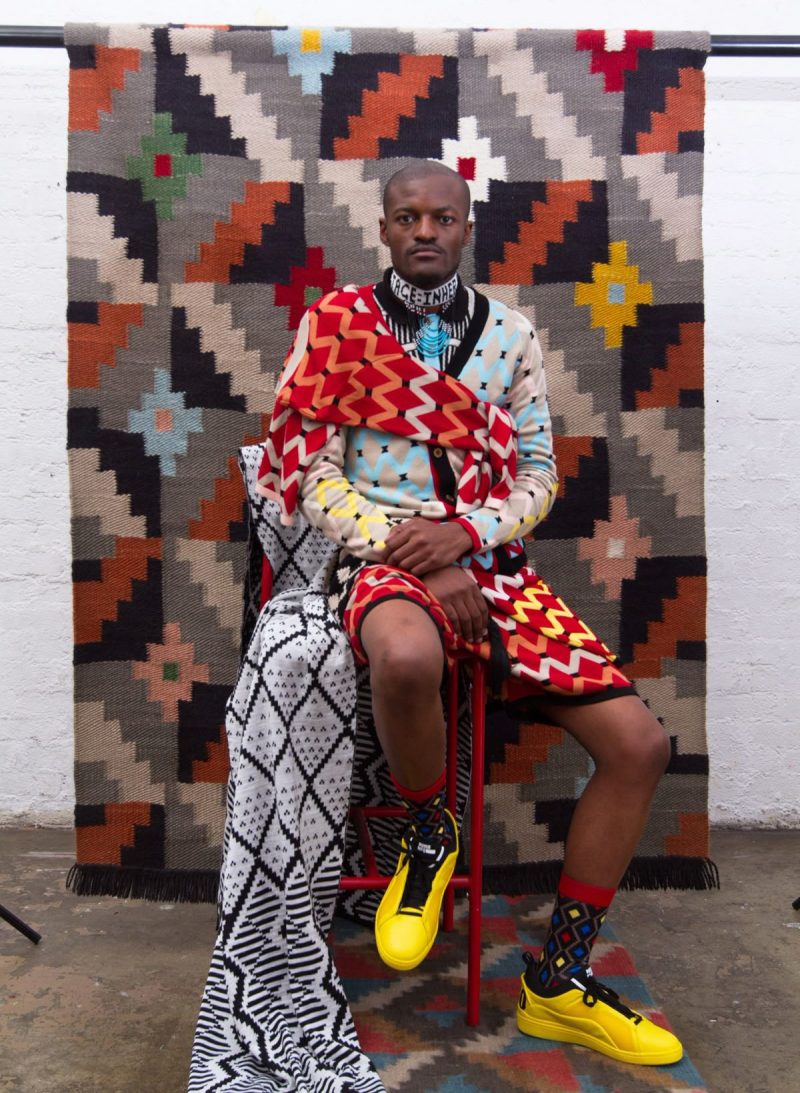
Laduma’s work reinterprets indigenous patterns and knitwear techniques into contemporary pieces that feel both rich and wearable. His influence shows how expertly executed traditional elements can become staples in global fashion conversations.
Brenda Maraka
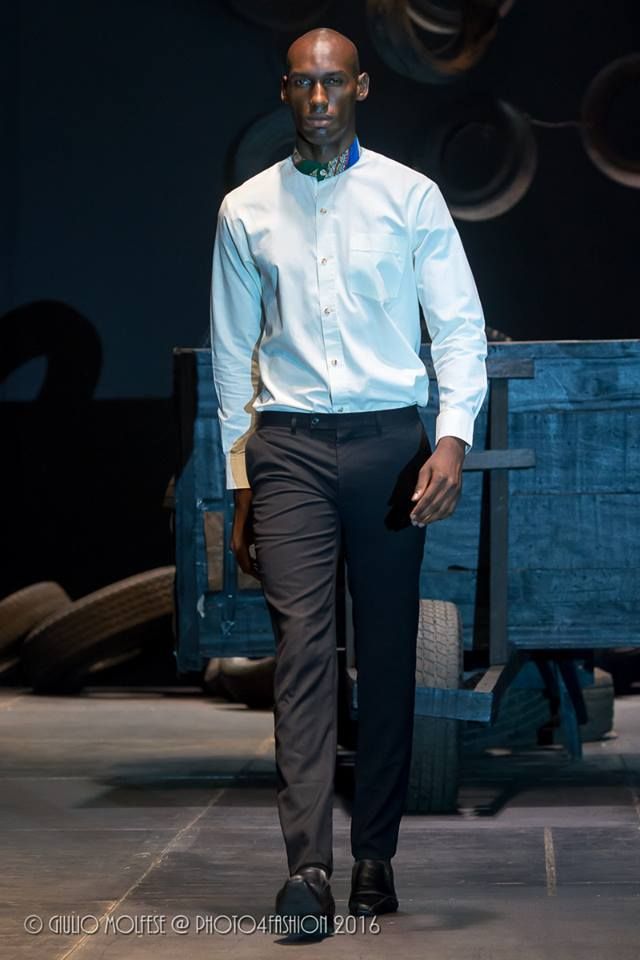
Ugandan designer Brenda Maraka’s work merges art and cultural reference with modern aesthetic sensibility. Her designs are known for their blend of storytelling and contemporary silhouettes, highlighting how narrative can underlie even the most refined looks.
Each of these designers leverages cultural fluency alongside technical rigour, affirming that fashion grounded in tradition can stand confidently within contemporary couture discourse.
INTERESTING READS:
More Than Lookbooks: Craft and Narrative in Motion
What distinguishes this movement is its depth. Unlike fashion that superficially references a cultural motif, these designers build collections around process and meaning. They are guided by questions such as:
- How does a specific textile’s history enrich a modern form?
- What emotional narrative can a garment carry when it incorporates handwork learnt over generations?
- How does tailoring evolve when it dialogues with techniques outside the Western canon?
Answers to these questions appear in the weight of a handwoven textile, the direction of embroidery that echoes a ritual pattern, or the silhouette that borrows from ceremonial dress and updates it for everyday elegance.
This is evolution.
The Technical Precision Behind the Vision
Couture is often defined by technical mastery: perfect seams, flawless finishes, and architectural understanding of form. The designers at the intersection of heritage and modernity inject new technical vocabularies into this tradition.
For example, integrating traditional beadwork or hand-stitched motifs into a tailored jacket requires not only craftsmanship but structural engineering, balancing embellishment with drape and decorative detail with performance. This interplay pushes craft into new realms and expands what couture can physically express.
A Global Conversation
This work matters because it resonates beyond cultural origin stories. It enters a global creative conversation, inviting audiences and industry alike to reconsider what counts as luxury, refinement, and storytelling in fashion.
Tradition need not be nostalgic or static. It can be dynamic, experimental, and boundary-breaking. As more designers from diasporic communities share their perspectives on global runways and editorial spreads, the fashion vocabulary enlarges not by accident, but through rigorous intention.
What This Means for Fashion’s Future
The contemporary couture landscape is increasingly defined not by homogeneity but by pluralism in creative vision. When designers bridge traditional knowledge with couture techniques, they expand fashion’s expressive range and offer richer stories that speak to diverse audiences.
This expands the market not through superficial diversification but through aesthetic innovation, in which cultural depth and technical excellence enhance one another.
Supporting the Movement
For brands, editors, and curators eager to deepen their creative frameworks, the work of these diaspora designers suggests clear directions:
- Invest in craft education that values non-Western techniques as equal to classical ateliers.
- Prioritise long-term collaborations that allow cultural content to inform the design ethos, not just serve as visual decoration.
- Expand archival practices to document and preserve the evolution of hybrid design.
This approach moves beyond tokenism and positions fashion as a collaborative global practice.
Conclusion
Today’s most compelling couture does not merely dress the body; it converses with history, culture, and technique. Diaspora designers who blend tradition with modern couture are not just making clothes. They are expanding the very definition of luxury and ensuring that fashion’s future is as rich and layered as the stories embedded in each stitch.
FAQs
- What does it mean for a designer to bridge tradition and modern couture?
It means blending historical craft techniques, cultural narratives, and traditional textiles with contemporary tailoring and design structures to create garments that feel both rooted and modern.
- Who are some leading designers blending cultural heritage with couture?
Notable figures include Imane Ayissi, Esé Azénabor, Laduma Ngxokolo, Titilayo Bamiro, and Brenda Maraka, all of whom are recognised for integrating traditional craftsmanship with refined modern design.
- How does traditional craftsmanship influence contemporary fashion?
Traditional techniques like hand embroidery, weaving, and symbolic patterning add narrative depth and technical complexity to modern designs, enriching their cultural relevance and artistic expression.
- Why is this trend significant in global fashion?
It broadens fashion’s expressive range, introduces new aesthetic vocabularies, and elevates craftsmanship that might otherwise be overlooked, allowing designers from diverse backgrounds to shape couture’s future.
- How can fashion brands better support diaspora designers?
Brands can invest in long-term collaborations, embrace diverse artisanal traditions within craft education, and document hybrid design practices to ensure impact beyond seasonal aesthetics.