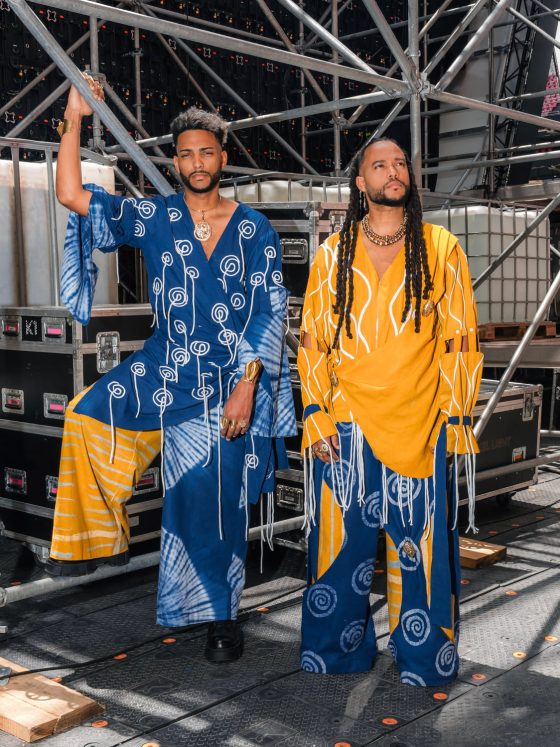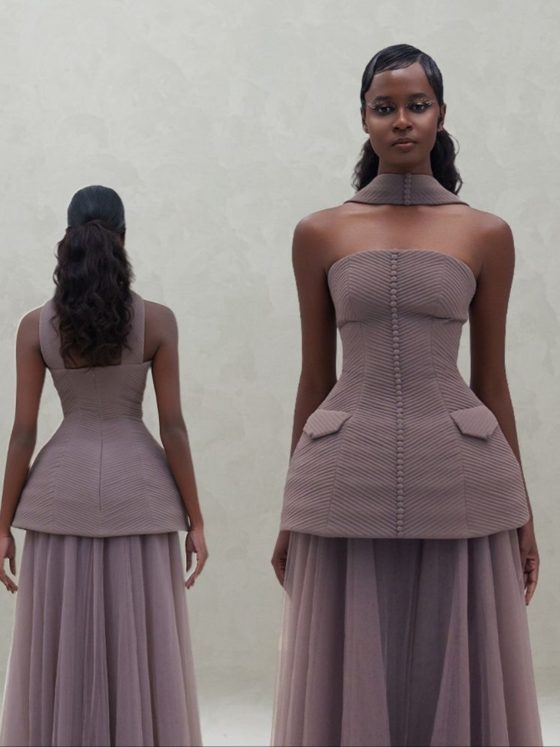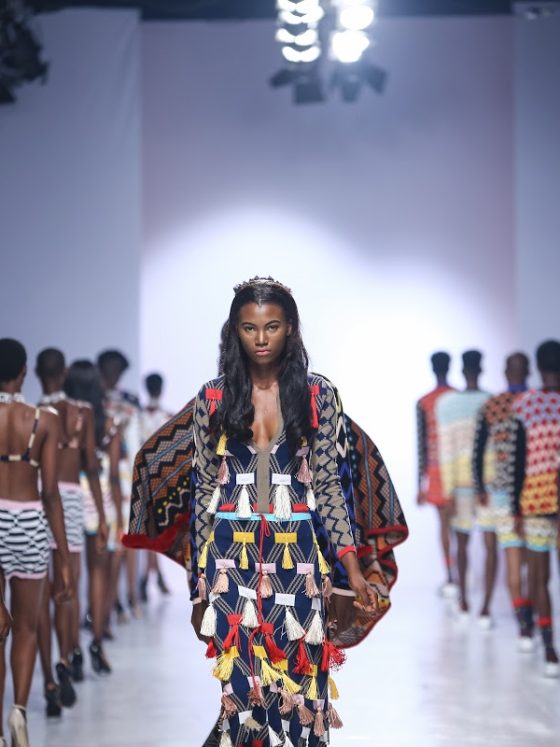
Fashion has always been shaped by movement.
For centuries, fabrics, dyes, and tailoring techniques have crossed oceans and borders, carried through migration, trade, and cultural exchange. Indigo dye, originating in West Africa, entered global textile traditions. Silk routes connected Asia to Europe. Embroidery techniques travelled through generations of artisans.
Today, a new generation of designers is continuing this tradition of movement, but in a far more interconnected world.
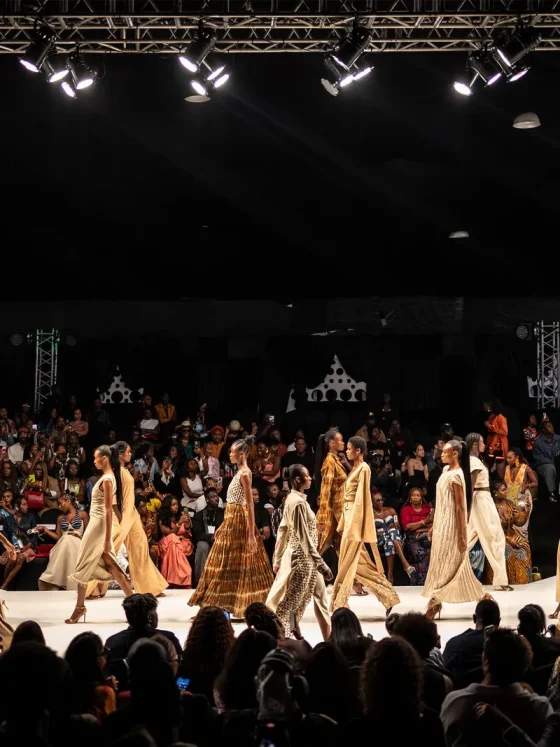
Across Lagos, London, Johannesburg, Casablanca, Paris, and New York, designers shaped by layered cultural identities are redefining what global fashion looks like. Their collections are not confined to a single aesthetic tradition. Instead, they weave together heritage craftsmanship, contemporary tailoring, and personal narratives shaped by migration.
The result is a creative movement often described as diaspora couture. Fashion exists beyond borders.
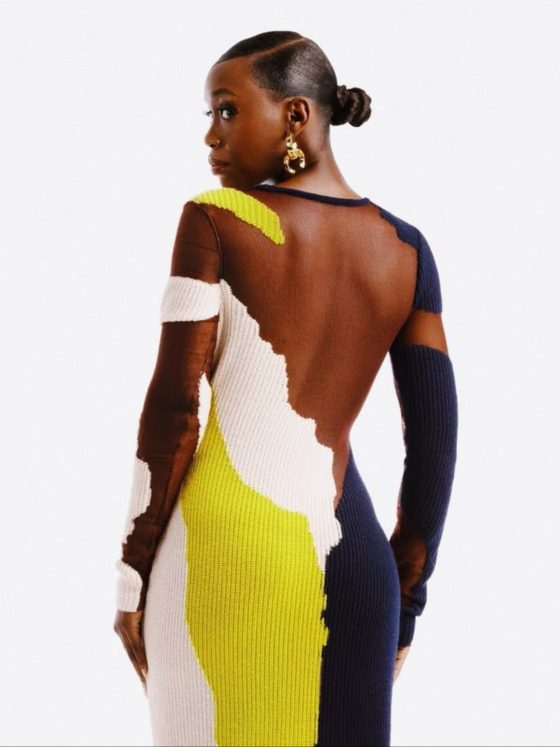
Rather than treating cultural heritage as nostalgia, these designers reinterpret it through modern silhouettes, experimental textiles, and sculptural design. Their work reflects the complexity of identity in a globalised era where inspiration flows between continents.
A new generation of diaspora designers is redefining global fashion by blending heritage craftsmanship, cultural memory, and contemporary couture across continents.
Fashion as Cultural Translation
For many designers working within the diaspora, clothing becomes a form of cultural translation.
Childhood memories, family traditions, and visual landscapes often shape the creative process. A designer might recall fabrics worn during celebrations, patterns passed down through generations, or garments associated with rites of passage.
These influences are not reproduced literally. Instead, they are reimagined.
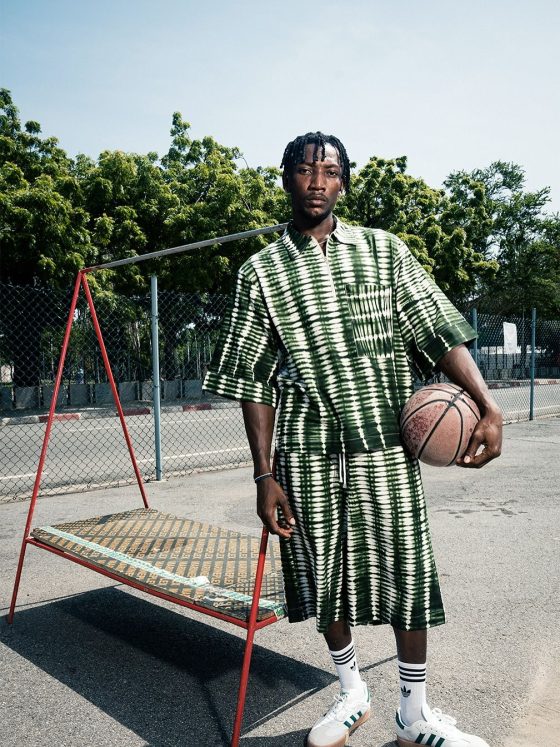
Traditional weaving techniques may inspire the texture of a contemporary jacket. Ceremonial garments may inform dramatic silhouettes seen on the runway. Patterns drawn from historical textiles can appear in modern digital prints.
Through this translation process, heritage becomes a living design language rather than a static reference.
Each collection becomes a conversation between past and present.
Craftsmanship at the Centre of Luxury
One defining feature of diaspora couture is its commitment to craftsmanship.
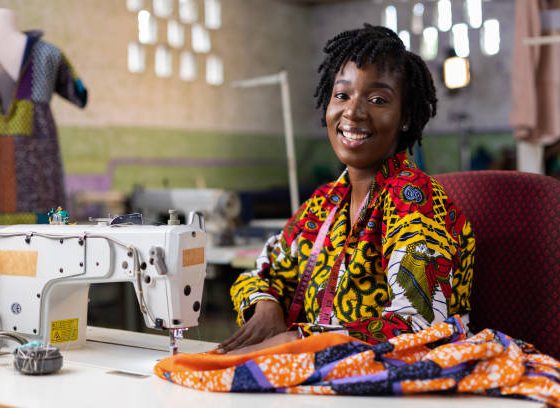
In contrast to mass production, many designers collaborate closely with artisans who specialise in traditional techniques such as weaving, embroidery, dyeing, and textile finishing. These practices often require years of training and carry knowledge passed through generations.
By incorporating these methods into contemporary fashion, designers create garments that hold both aesthetic and cultural value.
A single embroidered panel may take weeks to complete. A woven textile may originate from small workshops that preserve techniques predating modern industrial production.
Such attention to craft challenges fast fashion’s emphasis on speed and volume. Instead, it highlights the time, skill, and cultural knowledge embedded in clothing.
In this context, luxury becomes inseparable from heritage.
Designers Reimagining the Global Runway
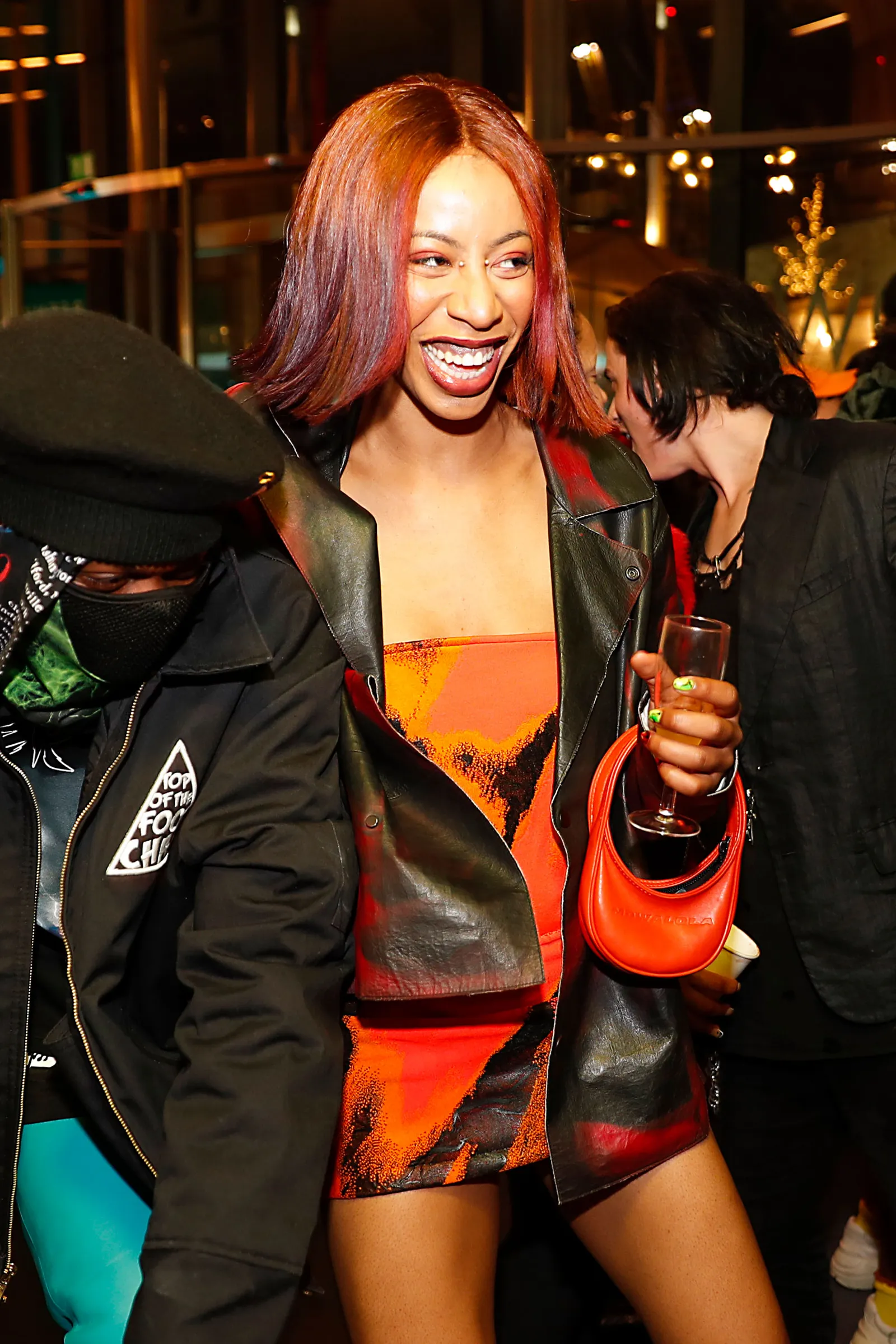
Several designers illustrate how diaspora fashion is expanding the vocabulary of global style.
South African designer Sindiso Khumalo approaches fashion as a form of historical storytelling. Her work often explores narratives of overlooked figures and cultural histories through carefully constructed prints that merge traditional North African materials with contemporary streetwear influences. His designs reinterpret heritage textiles through bold silhouettes that resonate with younger fashion audiences.
Meanwhile, London-based designer Mowalola Ogunlesi has emerged as one of the most provocative voices in contemporary fashion. Known for bold leather silhouettes, sharp tailoring, and rebellious visual aesthetics, her work blends street culture, youth identity, and global pop influences. Ogunlesi gained wider attention after working with Kanye West on the Yeezy project and has since built a cult following among stylists and musicians. Her collections challenge traditional ideas of luxury by merging raw energy with precise design.
From Morocco, Amine Bendriouich has become known for merging traditional North African materials with contemporary streetwear influences. His designs reinterpret heritage textiles through bold silhouettes that resonate with younger fashion audiences.
Ivorian designer Loza Maléombho brings a different perspective to diaspora fashion. Her label blends sharp tailoring, futuristic silhouettes, and West African visual symbolism, producing collections that feel both cosmopolitan and culturally grounded.
Together, these designers represent a generation that views heritage not as a limitation but as creative fuel.
Breaking Fashion’s Old Narratives
For decades, global fashion media have often reduced African and diaspora aesthetics to simplified visual tropes. Designers from these regions were frequently expected to produce brightly patterned fabrics or resort-style clothing.
The new generation is dismantling those expectations.
Their collections span minimalism, avant-garde design, tailored suiting, and experimental couture. Some designers focus on sculptural silhouettes, while others explore fluid garments that challenge traditional gender norms.
This diversity demonstrates that diaspora fashion cannot be confined to a single aesthetic category.
Instead, it reflects the complexity of the cultures and experiences that shape it.
READ ALSO:
- From Local Markets To Global Runways: How Independent Designers Are Disrupting Luxury Fashion
- The Artisan Economy: Why Buying Handmade Is One of the Most Political Acts in Fashion
- What Truly Sustainable Fashion Looks Like Beyond the Marketing Buzzword
The Role of Emerging Fashion Capitals
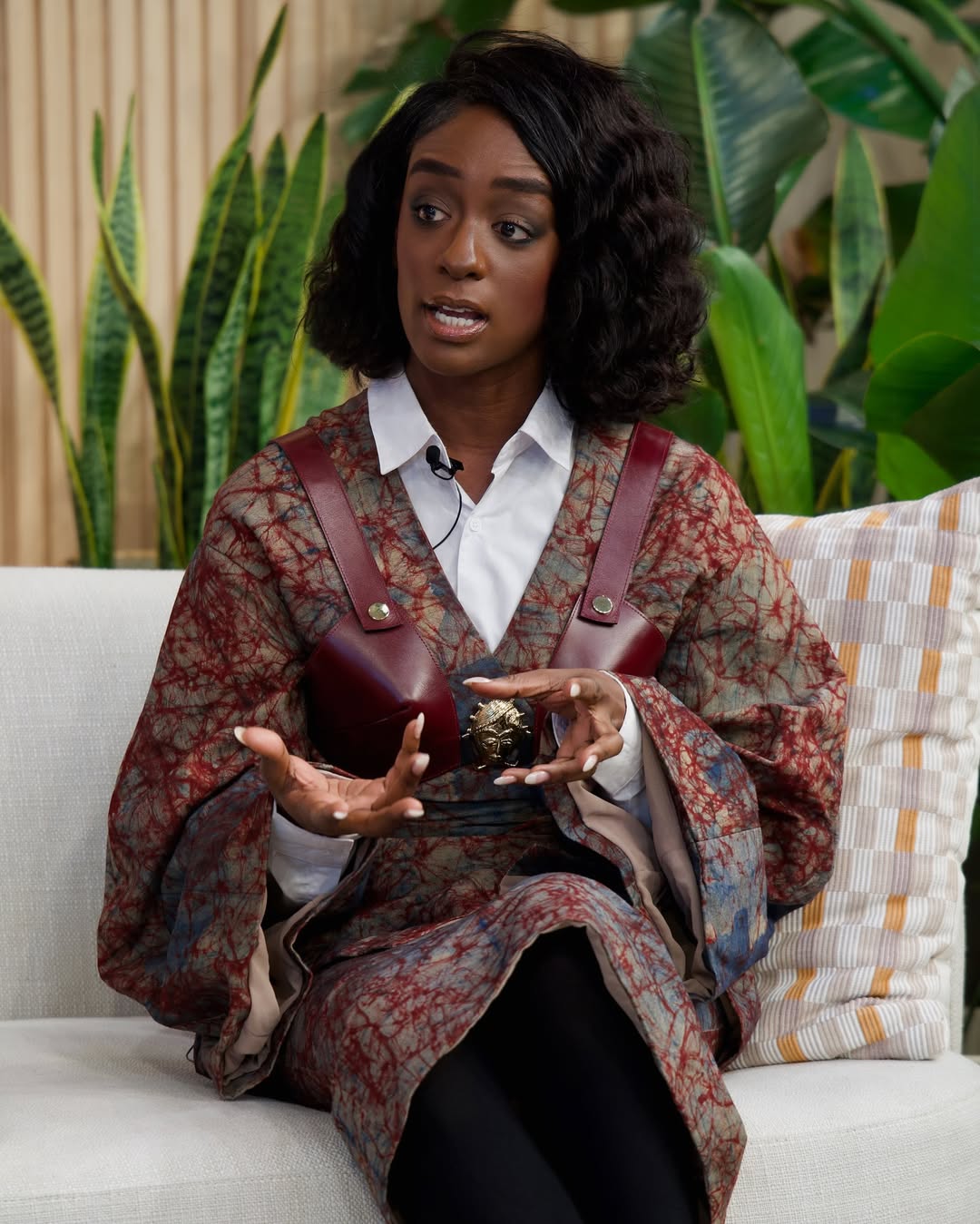
Another factor accelerating the rise of diaspora couture is the growth of new fashion ecosystems across Africa and the global diaspora.
Cities such as Lagos, Johannesburg, Dakar, and Accra have developed vibrant fashion communities supported by local fashion weeks, design schools, and creative collectives.
These platforms allow designers to showcase their work without relying solely on traditional fashion capitals like Paris or Milan.
At the same time, many designers maintain connections to international markets, presenting collections abroad while maintaining creative ties to their cultural roots.
This transnational network reflects the reality of contemporary creative practice.
Digital Visibility and Global Audiences
Technology has also transformed how designers reach audiences.
Through social media platforms and digital publications, emerging designers can instantly present their collections to global audiences. Stylists, editors, and buyers can discover new voices outside traditional industry pathways.
A runway presentation in Lagos or Casablanca can circulate across fashion networks within hours, allowing designers to build international reputations more quickly than ever before.
This digital visibility has helped democratise fashion discovery and broaden the range of designers entering global conversations.
Fashion as Memory and Future
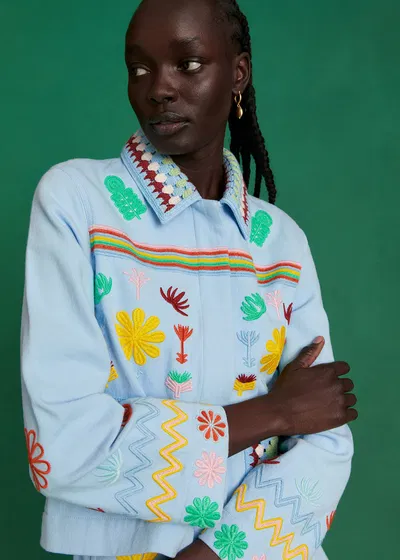
Ultimately, diaspora couture is about more than aesthetics.
It reflects a broader cultural shift in which designers, artists, and creatives are reexamining how heritage informs contemporary expression. Instead of viewing tradition as something fixed in the past, they treat it as a dynamic archive of ideas.
Fashion becomes one of the most visible ways to explore this relationship between memory and innovation.
Each garment carries traces of migration, craft, and cultural exchange while simultaneously pointing toward the future of global design.
Diaspora designers are not merely adding new voices to the fashion industry.
They are reshaping the very foundations of how global style is imagined.
FAQs
- What is diaspora fashion?
Diaspora fashion refers to clothing created by designers whose work reflects cultural heritage shaped by migration, identity, and cross-continental influences.
- Why are diaspora designers gaining global attention?
Their work blends traditional craftsmanship with contemporary design, offering fresh perspectives that challenge established fashion norms.
- How does cultural heritage influence modern fashion design?
Designers often reinterpret traditional textiles, tailoring techniques, and symbolic patterns into modern silhouettes and luxury garments.
- Which regions are shaping diaspora couture today?
Creative communities across Africa, Europe, the Caribbean, and North America are driving this global fashion movement.
- Why is craftsmanship important in diaspora fashion?
Many designers collaborate with artisans who preserve weaving, embroidery, and textile traditions, adding cultural depth and authenticity to their collections.