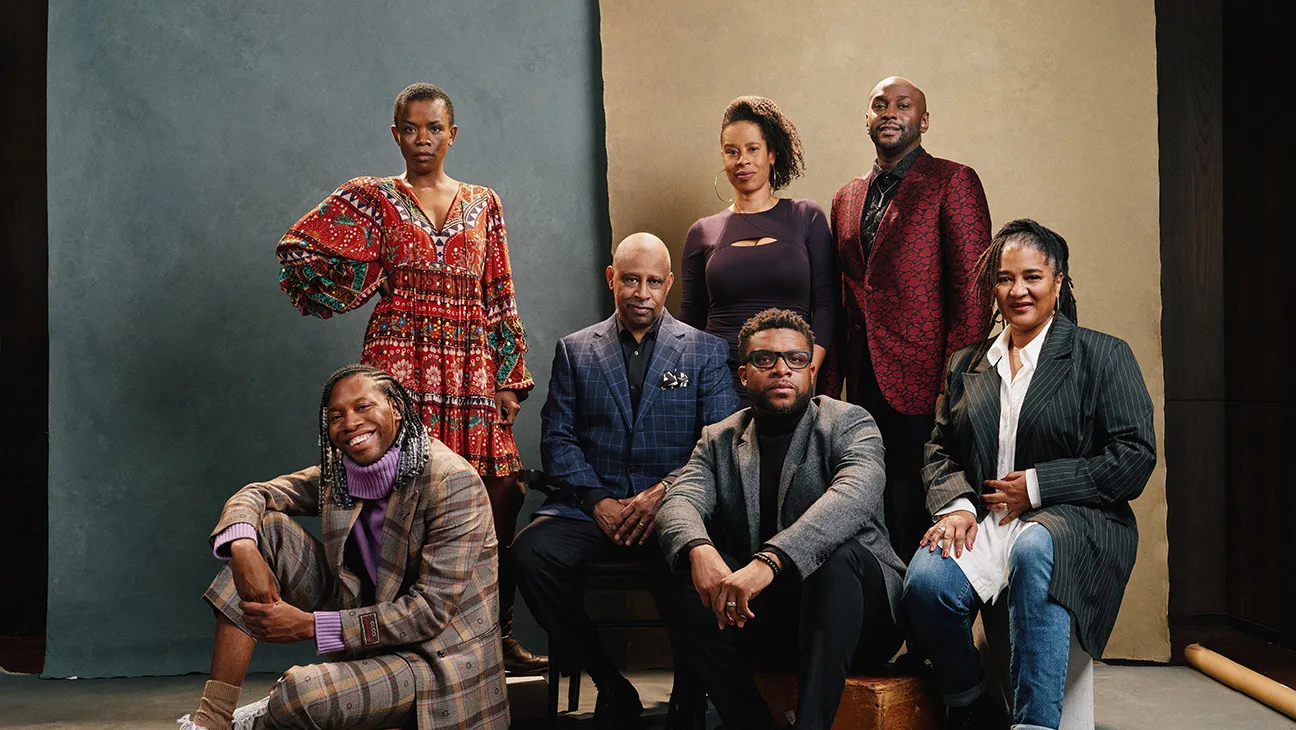
For a long time, Broadway felt like a club with a pretty exclusive guest list. However, African creatives are now rewriting the narrative and shattering the barriers that previously kept their stories off the main stage. Just look at Jocelyn Bioh’s Jaja’s African Hair Braiding. Unbelievably, “African” was included in the title of a Broadway show for the first time in 120 years. That number says a lot. It shows how much these artists have had to fight against, but also how much they’re changing the game for good.
This movement isn’t just about getting plays on stage. You see it everywhere: Pulitzer winners, people running big institutions, new educational programmes, and real efforts to protect and honour black theatre history. These creatives are building the kind of support system that ensures African and African diasporic stories aren’t just squeezed into the edges but take up space right at the heart of Broadway. They’re proving something important: being talented isn’t enough. You need strong institutions, real mentorship, and a stubborn commitment to telling the truth about who you are and where you come from.
How African Broadway and theatre creatives are transforming global stages through groundbreaking plays, institutional leadership, and cultural reclamation.
Meet the Playwright at the Centre of Broadway’s African Renaissance
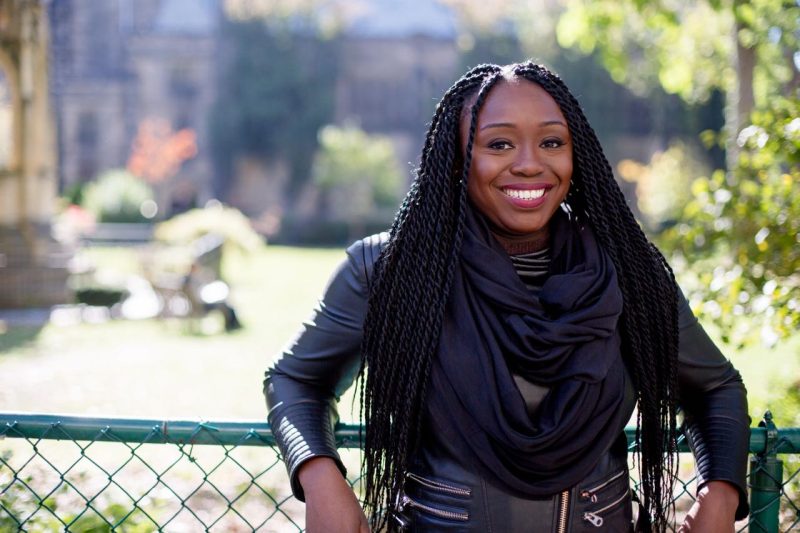
Jocelyn Bioh is making history. She’s the first Black playwright in over thirty years to have a world premiere on Broadway. She might even become the first Black woman to win the Tony for Best Play. Bioh, who’s Ghanaian-American, just picked up the 2024 Horton Foote Prize for Jaja’s African Hair Braiding, a $50,000 honour from a panel that included Kathleen Chalfant and Michael Urie.
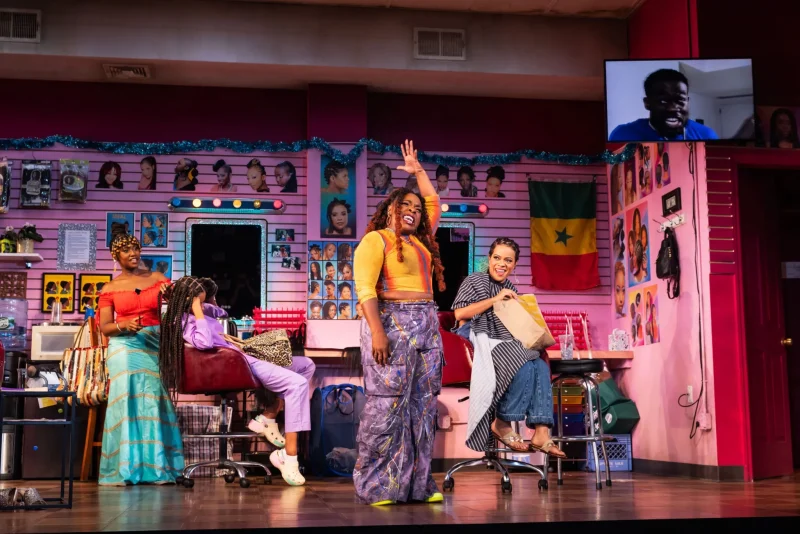
The play itself is set in a Harlem salon on a sticky summer day, and it’s alive with humour and heart. You’ve got ten women, stylists and customers, dealing with everyday challenges, but always with a sense of pride in their roots and culture. It’s a love letter to the African community in New York, full of energy and warmth. The show scored five Tony nominations, including Best Play, and it’s already touring, starting at Arena Stage in DC, then heading to Berkeley and Chicago.
Bioh stands for a whole movement. She knows it’s not just about writing outstanding plays. It’s about making space for African actors, showing honest immigrant experiences, and celebrating Blackness without falling into old stereotypes. Her earlier hit, School Girls; Or, the African Mean Girls Play, won the 2022 Drama Desk Award and has played all over the US and even made it to the UK.
Building Real Power: How African Broadway Creatives Are Changing Institutions
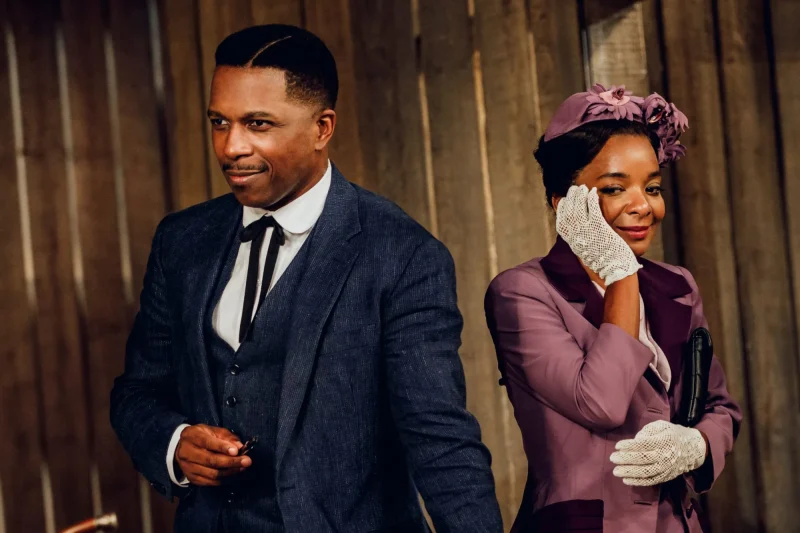
National Black Theatre has co-produced shows such as Purlie Victorious, [Pray], and Fat Ham, which won a Pulitzer Prize and received five Tony nominations. All three landed as New York Times Critics’ Picks. Their residency programmes really launch careers for Black artists, giving them a creative home, real-world experience, and the tools they need to build strong, lasting careers. Each year, selection committees choose new groups of playwrights, directors, and producers so more stories get told.
NBT is currently undergoing a significant transformation as it prepares to return to its historic Harlem home. Even while the new building rises, a massive 27,000-square-foot space, one of the most essential investments in Black cultural infrastructure New York City’s ever seen, they keep putting out bold new work. Construction started in 2022, and they plan to reopen in 2026. Interior work kicks off in 2025, and their first season in the renovated building launches in 2027. This return isn’t just about a building. It stands for something bigger: Black theatre artists and African Broadway creatives taking back space in the industry.
These kinds of institutions show that personal success isn’t enough. Artists need organisations that raise the next generation. NBT acts as an incubator, producer, and advocate. They’ve built a whole ecosystem that keeps Black theatre thriving, not just for a season, but for decades.
What Does Transformative Leadership Look Like?
LaChanze, who co-founded Black Theatre United, sees racial equity as a way to lift up everyone in the audience. Just look at the 2022-2023 Broadway season, the most diverse crowd on record, with 29% of theatregoers identifying as BIPOC, according to the Broadway League. When it came time to spread the word about Jaja’s African Hair Braiding, LaChanze took action. She drove through Harlem, stopping at Black hair salons, passing out flyers, chatting with owners and customers, and offering special discounts. Then she brought 25 salon owners together for dinner at Melba’s to talk about the show.
This is what grassroots marketing looks like. Creatives like LaChanze know the usual theatre publicity, stories in the New York Times, posts on Playbill.com, just don’t reach Black audiences, who’ve been left out of Broadway’s idea of its regular crowd. LaChanze instructed her marketing team not to emphasise the fact that the show features Black women. “It’s obvious,” she said. “We don’t have to say it. We just need to say, ‘Come see this great play.'”
In 2021, Black Theatre United issued A New Deal for Broadway, and major theatre companies listened, promising to diversify their creative teams. A year later, after BTU pushed for it, the Cort Theatre was renamed for James Earl Jones, and the Brooks Atkinson Theatre became the Lena Horne Theatre. BTU didn’t stop there; they started a marketing internship for young Black creatives to learn the ropes of the commercial theatre business. Next up: a design expo and a new scholarship for musical theatre.
READ ALSO
- Where Heritage Architecture Meets Modern Innovation
- Modern African Consciousness: Embracing Ancestral Spirituality
- African Fashion & Sustainable Design: Climate-Conscious Style
The Next Generation of African Broadway Creatives
Broadway’s changing. For the first time, the Gypsy revival is putting a predominantly Black cast and creative team, led by Audra McDonald, on centre stage. The Wiz is coming back too, reimagined by director Schele Williams and producers Kandi Burruss and Todd Tucker, with Adam Blackstone handling the music. The cast features Nichelle Lewis, Wayne Brady, Deborah Cox, and Avery Wilson, and they’re taking the show on the road before landing on Broadway.
These revivals aren’t just about putting Black actors into parts that used to go to white performers. The entire production gets reworked through a Black cultural lens. It’s a significant shift, from colourblind casting to a truly Afrocentric approach.
The eight-week BTU Intern Programme is opening doors for up-and-coming Black talent, not just on stage but behind the scenes, in marketing, advertising, creative direction, social media – the whole package. Interns work with NYC’s top agencies and learn by doing. The 15-week BTU Broadway programme brings the theatre experience to public schools in under-represented, low-income communities, mixing Broadway know-how with Common Core standards in a way that keeps things lively and hands-on.
Why Does Historical Context Matter?
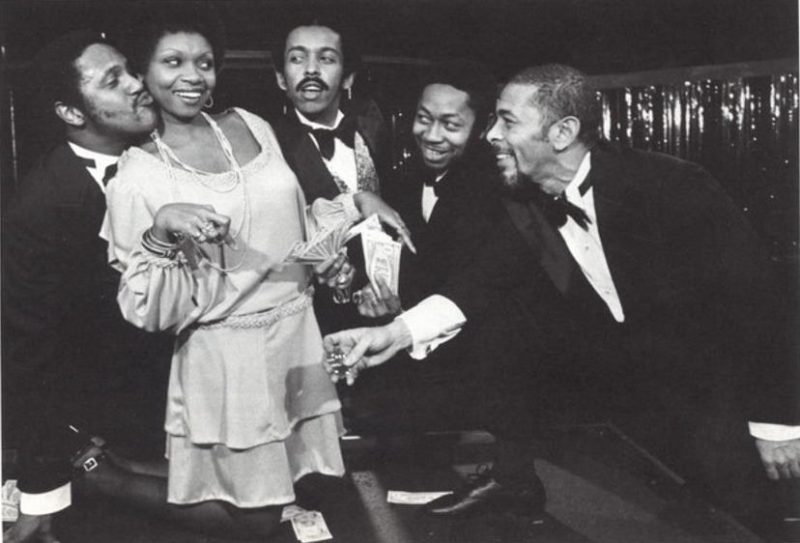
Let’s go back. The African Company, the first professional Black theatre group in America, started up in 1820, performing at the African Grove in Manhattan. William Alexander Brown, the founder, wrote “The Drama of King Shotaway”, the first play by a Black writer produced in the U.S. The Black Caribbeans’ rebellion against the British in 1795 served as its inspiration.
Knowing this two-hundred-year history changes the story. Today’s African Broadway and theatre creatives aren’t just breaking in; they’re reclaiming space that’s always been theirs. Black artists have been bringing excellence to the stage long before Broadway ever thought to notice. What’s different now isn’t the presence of Black talent. It’s that the industry is finally starting to recognise, and pay for, it.
Frequently Asked Questions
Who are the most influential African Broadway and theatre creatives?
Well, a few names come up right away. Jocelyn Bioh made history as the first Black playwright since 1991 to premiere a play on Broadway, and she even snagged a Tony nomination for Best Play. LaChanze co-founded Black Theatre United, pushing for real diversity across the industry. Schele Williams is at the helm of The Wiz revival. And it’s not just individuals; groups like the National Black Theatre help launch careers, co-produce Pulitzer-winning shows, and offer residencies that give Black talent the boost they deserve.
What challenges do African Broadway creatives face?
There’s a lot stacked against them. Broadway has a long history of shutting Black creatives out, and Black-led productions still don’t get enough funding. Marketing rarely reaches Black audiences, and tokenism is everywhere, like one Black show is supposed to stand in for everything. There are still barriers that keep Black creatives out of top jobs, and plenty of pressure to make work that educates white audiences instead of just telling the stories they want to tell.
How can people support African Broadway and theatre creatives? Start by showing up, buying tickets, bringing your friends, and spreading the word on social media. Donate to groups like Black Theatre United or National Black Theatre. Push your local theatres to schedule more diverse work, and if you’re in a position to hire, bring Black creatives into leadership roles. Mentor up-and-coming Black artists. When you witness a single Black show being used to satisfy diversity requirements, it’s important to voice your concerns.
What makes Jaja’s African Hair Braiding historically significant?
Jaja’s African Hair Braiding broke new ground. It’s the first Broadway show in 120 years to use “African” in its title and the first world premiere by a Black playwright on Broadway since 1991. There’s a good chance it’ll be the first Best Play Tony win for a Black woman playwright, too. The show celebrates West African immigrant women with humour and heart, and it puts 17 Black performers onstage, a rare sight on Broadway.
Why do institutions like the National Black Theatre matter?
Organisations, such as the National Black Theatre, have a significant impact. The National Black Theatre provides a platform for Black artists to express themselves, offers residencies that launch careers, co-produces work that can compete on Broadway, and conducts training programmes for the next generation. They keep Black theatrical heritage alive and build real, lasting support for Black excellence. A single hit show doesn’t change an industry, but steady, committed institutions do.