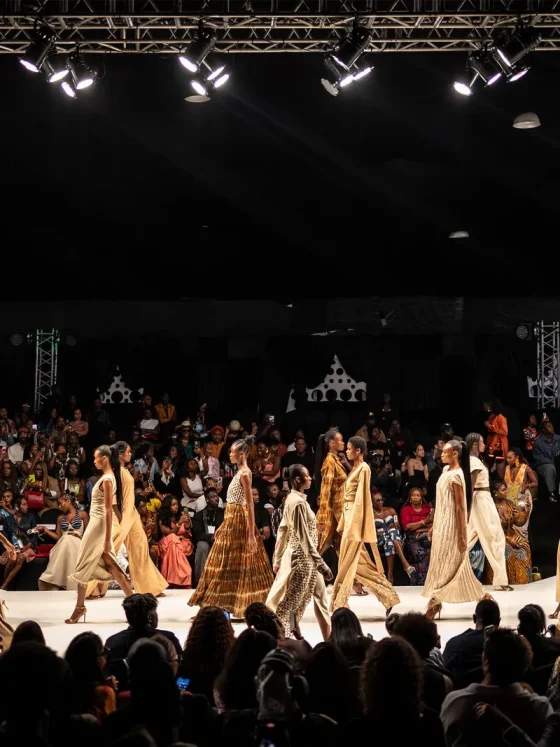
Midday heat in tropical cities is rarely subtle. The sun sits high, humidity thickens the air, and movement itself begins to feel heavy. Yet inside wedding halls, office towers, and evening gatherings, one colour appears again and again: black.
Black lace dresses move through crowded celebrations. Black suits anchor corporate meetings. Black gowns dominate formal events. In places where temperatures often climb above comfort, the persistence of this colour raises an obvious question. Why does a shade known for absorbing heat remain one of the most trusted choices for elegance?
The answer sits beyond climate science. Fashion is never only about practicality. It is also about how people signal authority, aspiration, and belonging. In many tropical societies, black fabric has become shorthand for discipline, prestige, and refined taste.
Black fabric signals elegance in tropical cities like Lagos, yet absorbs heat. Explore why cultural prestige and climate still negotiate this choice.
The Climate Logic: Why Black Absorbs Heat

From a scientific standpoint, the argument against black clothing in tropical climates is straightforward.
Dark colours absorb a large percentage of the sun’s radiation. Instead of reflecting light, black fabric converts it into heat energy. This causes the surface of the garment to warm faster than lighter colours.
In tropical environments where solar radiation is intense, this difference can be noticeable. Lighter colours such as white or cream reflect a significant portion of sunlight, which is why they are commonly associated with summer wardrobes.
But colour alone does not determine comfort.
Fabric weight, airflow, and garment structure play an equally important role. Loose clothing allows air to circulate between the body and the fabric. This airflow helps carry heat away from the skin.
Traditional garments across hot regions understood this long before modern climate research confirmed it. Flowing robes, layered wrappers, and wide sleeves all create space for ventilation.
In other words, black clothing becomes uncomfortable mainly when it is tight, synthetic, and poorly ventilated. When cut generously and made with breathable materials, the difference can become less dramatic.
The climate argument explains physics. It does not explain the cultural persistence.
Why Black Signals Elegance in Tropical Cities

In cities like Lagos, Nairobi, or Accra, black clothing conveys more than just temperature.
It communicates discipline.
For decades, black has functioned as the colour of formality. Courtrooms, boardrooms, and academic institutions across the world adopted black garments to signal seriousness and authority. Many of these traditions were introduced through colonial legal systems and European dress codes.
Over time, these aesthetics became embedded in local professional culture.
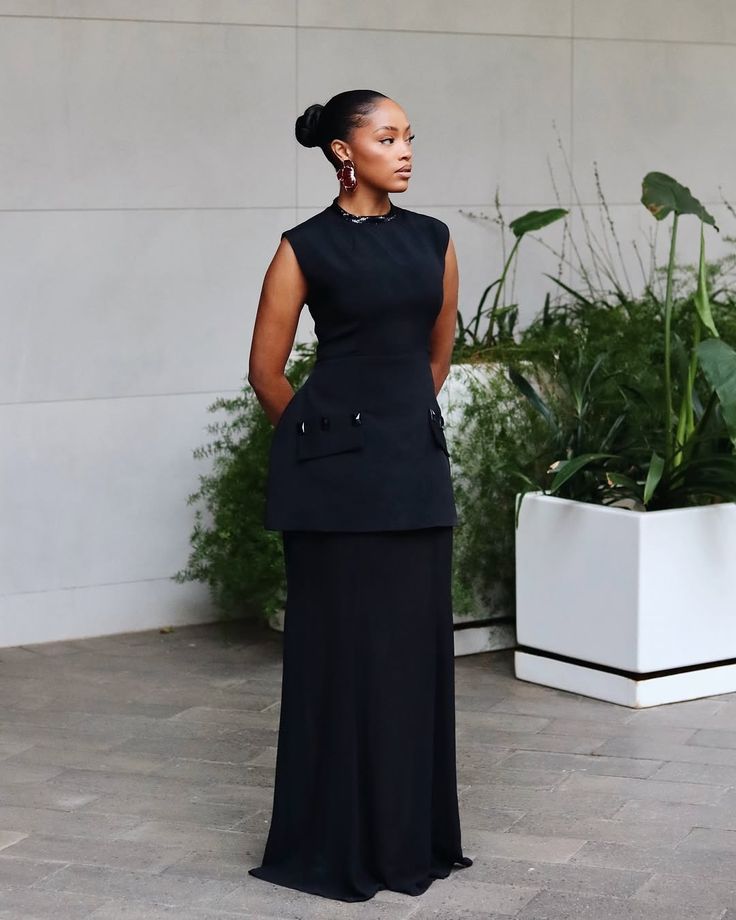
Today, a black suit or black lace outfit carries associations of polish and prestige. It frames the wearer as someone who understands formal spaces and social expectations.
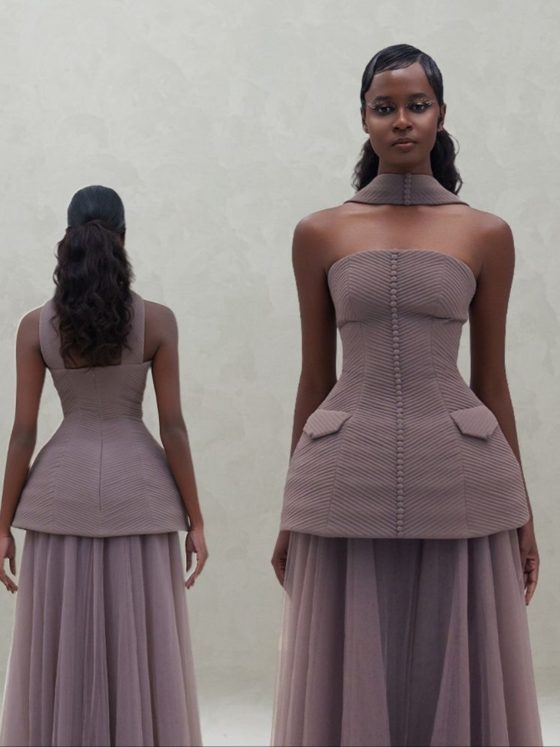
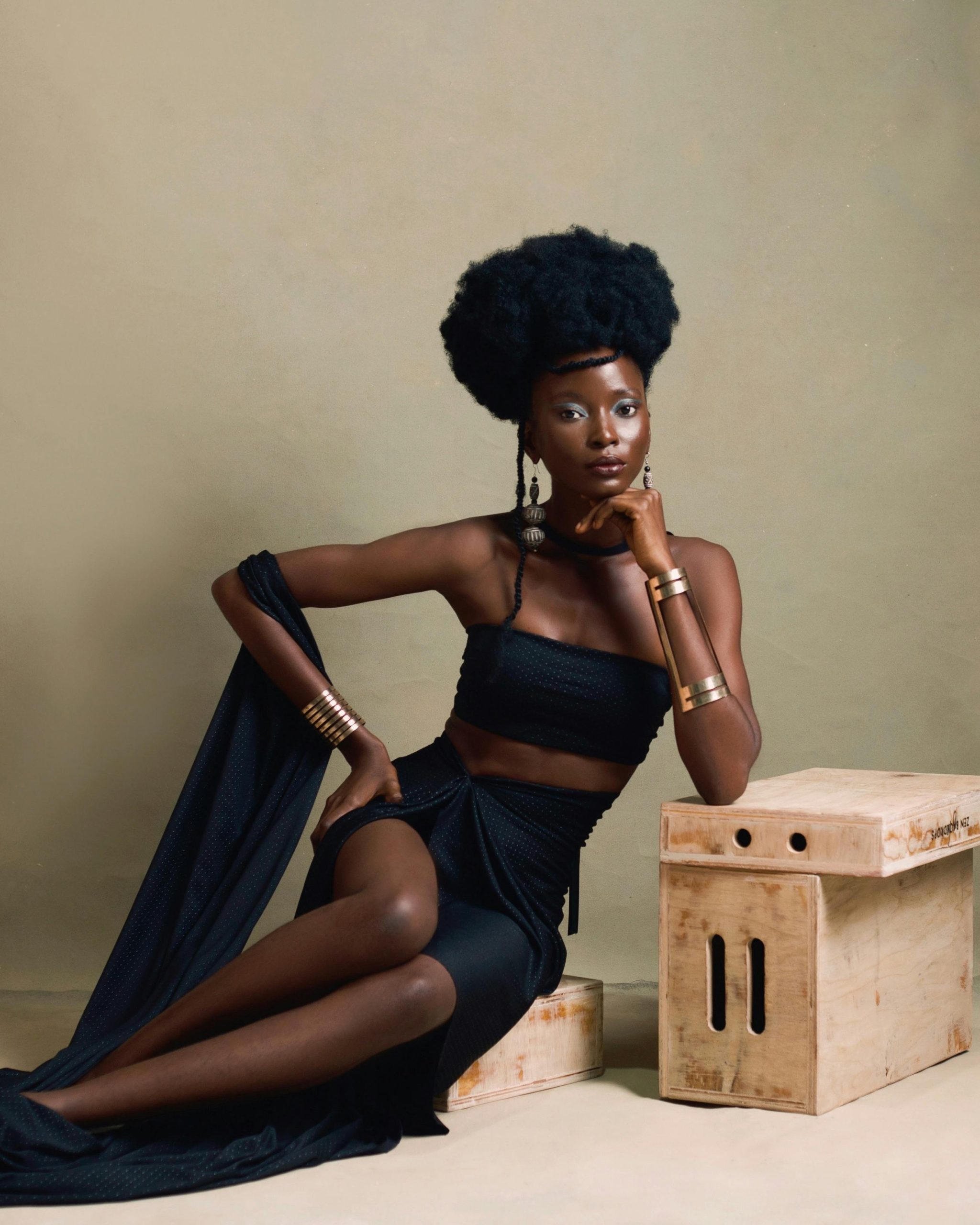
The colour also serves designers in another way. Black shifts attention from colour to craftsmanship. Beaded lace, velvet, silk, and embroidery become more visible when they are not competing with bright pigments.
This is why black aso-ebi often appears at weddings and formal celebrations. It transforms fabric into architecture. The structure of the garment becomes the statement.
Fashion, in this sense, is not about surviving the heat. It is about performing elegance within a social environment.
Read Also:
- Culture As Currency: Africa’s Legacy On The Marketplace
- What The Global Fashion Industry Still Gets Wrong About Non-Western Style
Climate Knowledge Already Exists in African Dress
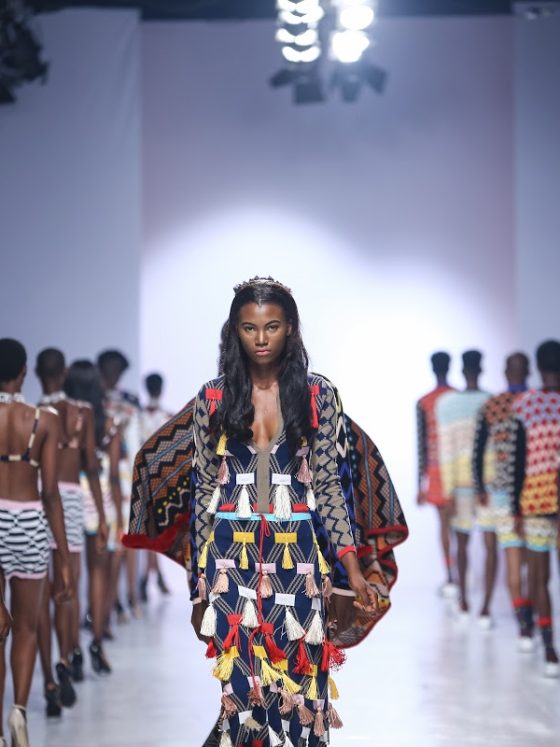
One irony in the debate about tropical clothing is that African clothing traditions have long addressed the issue.
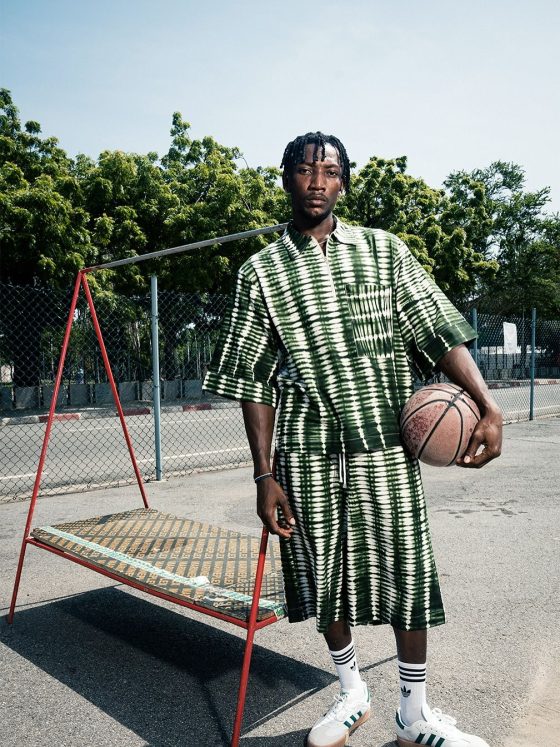
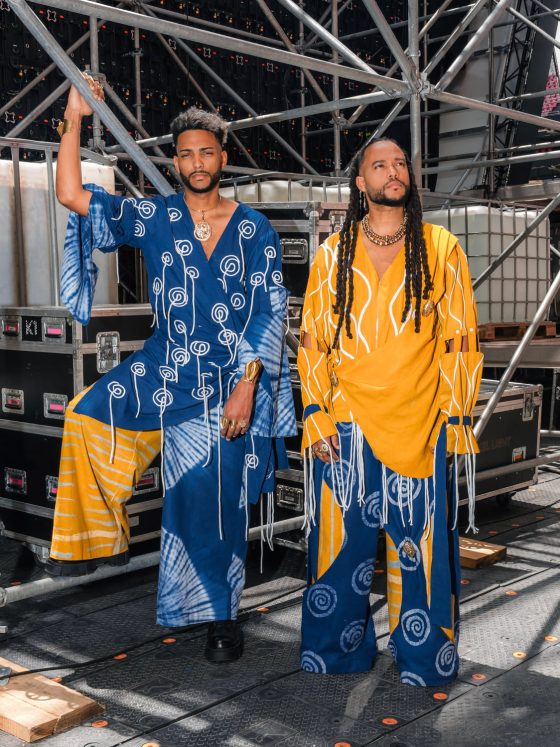
Garments such as the agbada, kaftan, and boubou were designed for warm climates. Their wide silhouettes create natural airflow. Movement becomes part of the garment’s cooling system.
These designs demonstrate that climate intelligence in clothing is not a discovery. It has existed for generations in regions where people understood how to dress for heat without sacrificing dignity.
Modern fashion sometimes forgets this knowledge by prioritising narrow Western tailoring or synthetic fabrics.
But many contemporary African designers are rediscovering these principles. They are combining dark palettes with breathable materials and generous silhouettes.
Instead of abandoning black, they are adapting it.
Redefining Luxury Through Climate Awareness

The discussion about black fabric ultimately raises a larger question about luxury.
Traditional Western fashion often associated luxury with heavy fabrics, dark colours, and structured tailoring. These ideas developed in cooler climates.
In tropical environments, the meaning of luxury may evolve differently.
Luxury can mean garments that move with the body, fabrics that allow air to circulate, and craftsmanship that respects the realities of climate.
In this context, elegance is not measured by discomfort but by balance.
Designers who understand this balance are reshaping how global audiences think about clothing in warm regions.
The goal is not to reject black clothing. It is to make it work within the environment where it is worn.
Conclusion
Black fabric in tropical heat appears contradictory only when fashion is viewed purely through a practical lens.
In reality, clothing functions as a form of social language. It communicates status, identity, ambition, and belonging.
In many tropical societies, black became the colour that expresses elegance and authority. That symbolism often outweighs the physical discomfort the colour might introduce.
But the future of fashion in warm climates may lie in negotiation rather than contradiction.
By combining breathable fabrics, generous silhouettes, and climate-aware design, black clothing can maintain its cultural meaning without ignoring environmental realities.
Fashion, after all, is not only about how people dress.
It is about how people choose to present themselves in the world they live in.
FAQs
- Does wearing black clothing make you hotter in tropical climates?
Black absorbs more sunlight than lighter colours, which can raise fabric temperature. However, loose clothing and breathable fabrics can reduce this effect.
- Why is black clothing popular in hot countries?
Black is widely associated with elegance, authority, and formal dress codes, often outweighing concerns about heat.
- Are traditional African garments better for tropical heat?
Yes, many traditional garments were designed with wide silhouettes and breathable fabrics that allow airflow in hot climates.
- Can black clothing still be comfortable in hot weather?
It can be made from light materials such as cotton or linen and designed with loose cuts that allow ventilation.
- Why do designers still use black in tropical fashion?
Black highlights craftsmanship and structure, making fabrics, textures and tailoring more visible in formal clothing.