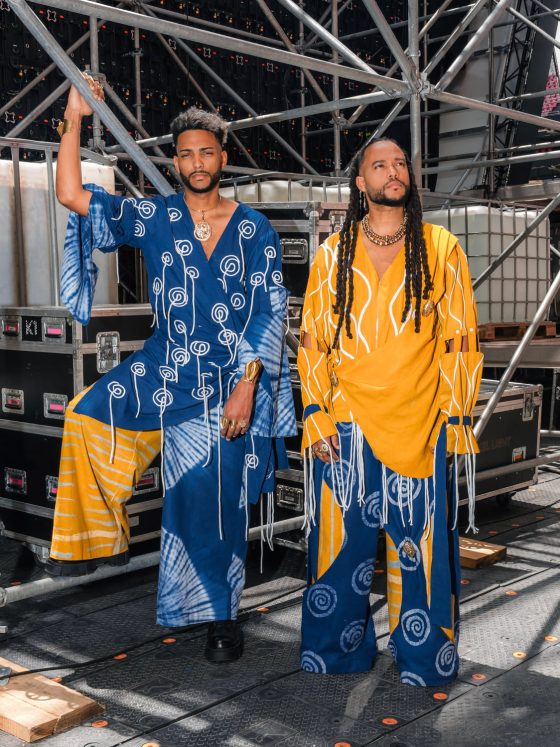
The first time I felt this story, it wasn’t in a museum or archive; it was in a tailor’s courtyard in Mombasa, Kenya, just after sunset. The air smelt of clove smoke and sea salt, and somewhere beyond the coral-stone walls, the call to prayer floated like a ribbon of sound across rooftops. Inside, a young man pressed a steaming iron onto a flowing robe cut like a Gulf thawb but dyed in Swahili blues and stitched with East African geometric motifs.
“This one is for a wedding,” he said, running his fingers across the embroidery. “Arab style. African feeling.”
I am Abubakar Umar, a journalist who has spent years tracing how culture migrates through clothing and how identity settles into hems and hand-stitching. From Cairo alleyways to Kano markets, from Marrakesh wedding halls to Sudanese riverbanks, I have watched garments cross oceans and deserts, then quietly forget where they came from.
Standing in that Mombasa courtyard, tasting sweet kahawa spiced with cardamom, hearing scissors cut fabric in rhythmic strokes, I found myself asking a question larger than trends: Is Arabian influence on African fashion simply cultural exchange, borrowing that respects difference, or cultural fusion, where borders dissolve into something new?
In this article, I highlighted the following:
- How trade, faith, migration, and marriage shaped Afro-Arab encounters in fashion.
- Understand the boundaries between influence and fusion, and the significance of this distinction.
- What artisans, elders, traders, and wearers themselves have to say about identity in dress is worth exploring.
- Learn how to approach Afro-Arab fashion in today’s world with respect, literacy, and style.
This is not a story about imitation. It is a story about inheritance, about how clothing travels until it no longer feels borrowed but born.
Arabian aesthetics have shaped African fashion for centuries through trade, faith, and shared histories, not as simple borrowing, but as a powerful cultural fusion that created new identities woven into cloth and lived style.
Afro-Arab Fashion: Where Influence Learns to Breathe
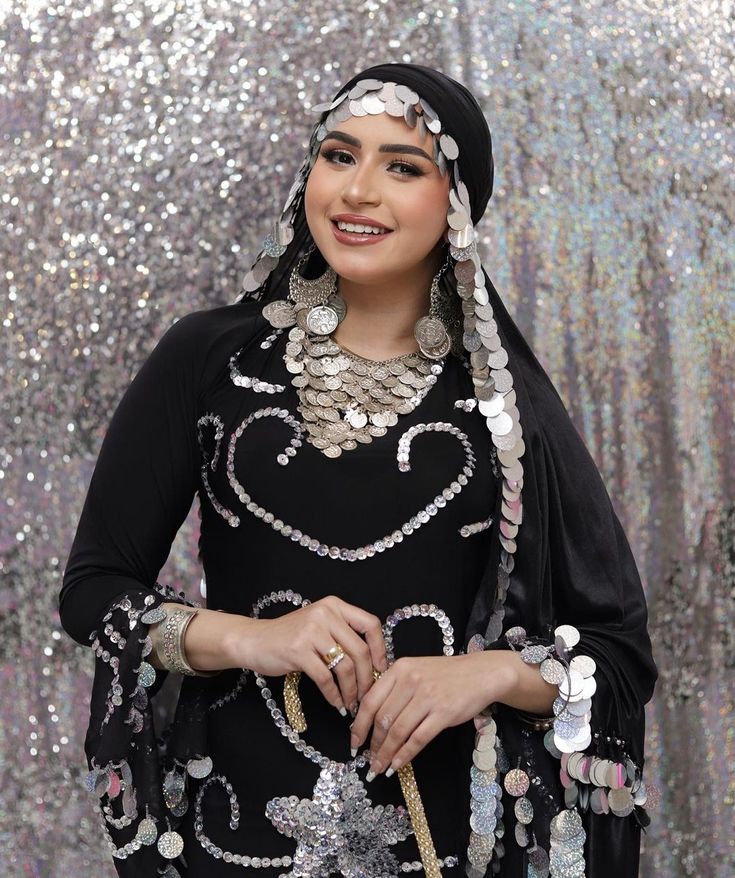
Trade Routes Before Fashion Had Borders
Long before fashion capitals and runway seasons, there were caravans.
I learned this in Agadez, Niger, sitting on woven mats beside an elderly Tuareg trader named Ibrahim, whose hands smelled faintly of leather and indigo dye. He traced invisible paths in the sand with a stick.
“My grandfather walked from here to Tripoli,” he said. “He didn’t travel with fashion, but rather with salt, cloth, and prayer beads.”
For centuries, trans-Saharan caravans connected North Africa and Arabia with West and East Africa, while Indian Ocean trade routes stitched together Oman, Yemen, Zanzibar, and the Swahili Coast. Arabian cottons, silks, perfumes, and turbans flowed south; African gold, indigo-dyed textiles, beads, and leather flowed north.
In Cairo’s Khan el-Khalili, I once handled a 19th-century Ottoman in cut, an Egyptian in embroidery, and a Sudanese in dye. It belonged to multiple cultures because it had lived in more than one of them.
This was cultural exchange in its earliest form: practical, reciprocal, and unromantic. People wore what travelled well, what breathed in the heat, and what signalled dignity.
Yet the moment cloth reached African hands, it changed.
A textile historian in Tunis told me: “Fabric is never neutral. It absorbs climate, ritual, and body language. That’s where exchange begins turning into something else.”
Faith as Fashion: How Islam Shaped Shared Silhouettes
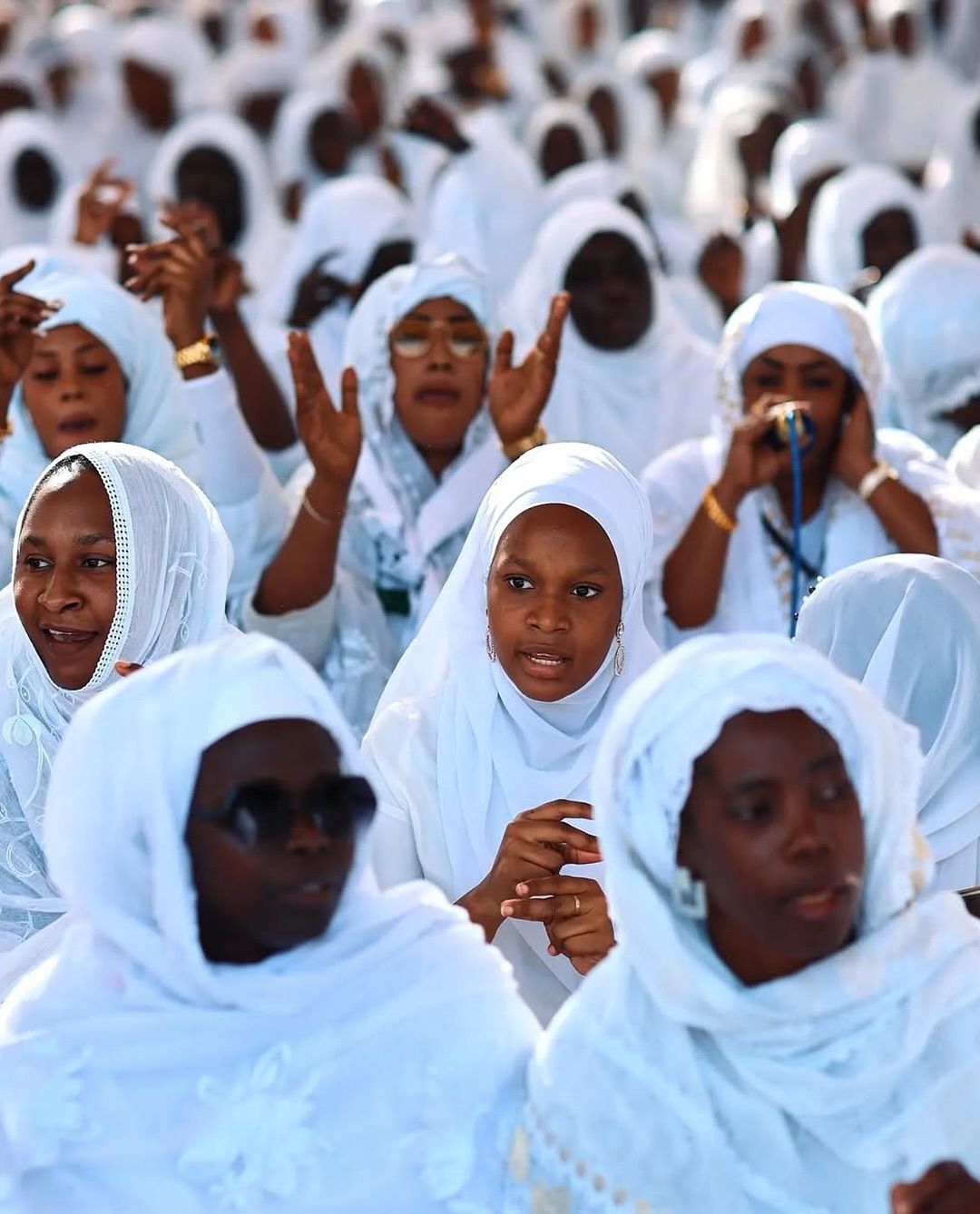
One Friday in Omdurman, Sudan, I watched worshippers stream out of the mosque, white jalabiyas rippling in the desert wind, women wrapped in luminous tobes that caught the sun like sails. The silhouettes echoed Arabian modest dress – loose, flowing, dignified – yet the mood felt unmistakably African: laughter, colour, rhythm, and movement.
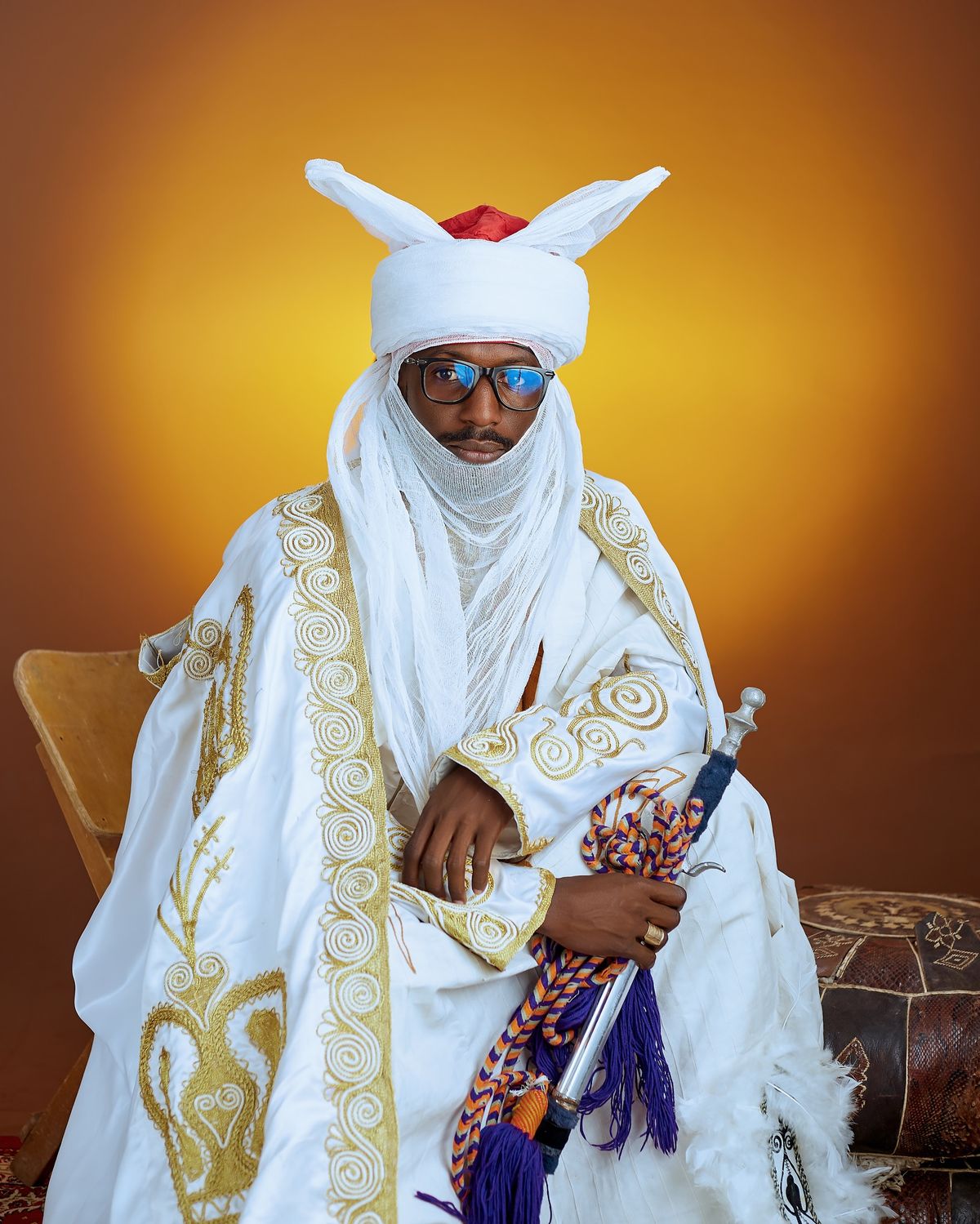
Islam did not arrive in Africa alone. It came with ideas of modesty, proportion, and spiritual elegance, as well as long robes, covered hair, and uncluttered silhouettes. These forms resembled Arabian dress, but African communities reshaped them instantly.
In Egypt, the galabiya (Jallabiya) is shortened, brightened, and softened. In Morocco, the caftan evolved into structured ceremonial wear, made of velvet, silk, and gold thread, worn for weddings, not deserts. In Sudan, the tobe became an icon of womanhood and political resistance, as symbolic as it was aesthetic.
Here are influence tips towards fusion, when borrowed forms stop feeling foreign and begin to feel inherited.
In African Muslim societies, Arabian silhouettes did not overwrite local dress; they were translated into climate, movement, ritual, and memory.
Weddings Where Exchange Becomes Emotion
In Kano, I once stood inside a wedding courtyard perfumed with incense and fried dough. Drums thudded. Women ululated. The bride emerged slowly, palms stained with henna, wrists heavy with gold bangles, veil falling softly over embroidered fabric. The aesthetic echoed Gulf bridal traditions, henna, gold, veiling, yet the rhythm, colours, and choreography were deeply Hausa.
Weeks later in Muscat, I saw similar gestures: henna bowls passed between women, gold jewellery layered like armour, and veils draped with ceremony. But the music, posture, pacing, everything felt different.
So what was happening?
An elder in Zaria explained it to me over mint tea: “Henna cools the body. Gold protects the spirit. Veils give dignity. These meanings are older than borders.”
Wedding rituals are emotional archives. Families preserve what feels powerful, not what feels foreign. Over the centuries, Arabian beauty traditions folded into African ceremonies, not as imitation but as an emotional inheritance.
In African weddings, Arabian aesthetics no longer appear foreign. They perform belonging.
INTERESTING READS:
- Henna, Veils, and Gold Jewellery: Arabian Beauty Traditions in African Bridal Fashion
- White Garments in Arabian and African Culture: Symbolism, Faith, and Climate Across Civilisations
- The Kaftan’s Soulful Journey: How an Arabian Robe Became Africa’s Most Powerful Fashion Icon
African fashion histories intertwine power, colonialism, and the politics of appearance.
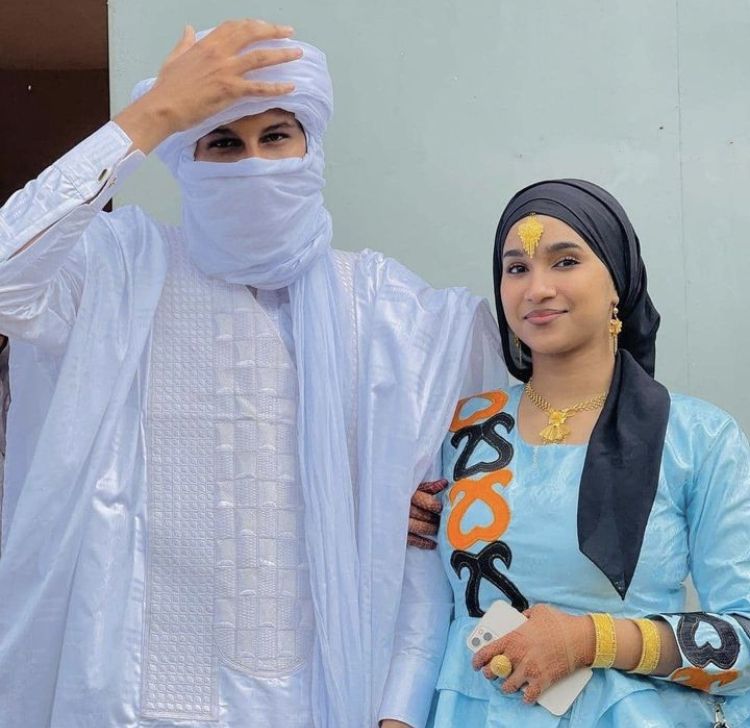
African fashion histories are laden with power, and influence is never neutral.
During colonial rule, European authorities discouraged traditional garments in favour of Western dress, labelling indigenous clothing backwards or ceremonialonly. Yet at home, robes, wraps, and veils persisted quietly, resisting erasure.
After independence, African societies reclaimed traditional aesthetics, but now under new currents: Arab nationalism, Islamic revivalism, globalisation, and capitalist fashion systems.
In the 1980s and 90s, Gulf-style abayas entered the wardrobes of East and West Africans through pilgrimage, satellite television, and labour migration. At the same time, African textiles, wax prints, indigo cloth, and embroidery began appearing on Middle Eastern runways, often stripped of origin.
Designer Aisha Bello, based between Lagos and Doha, told me backstage at a fashion showcase: “When African fabrics appear in Gulf abayas without credit, that’s not fusion. That’s silence.”
This is where distinctions sharpen:
- Exchange involves mutual recognition.
- Fusion involves emotional transformation and ownership.
- Appropriation involves imbalance, where one culture profits while another disappears.
African fashion today navigates all three simultaneously.
FAQs
1. Is Arabian influence on African fashion cultural appropriation?
Not inherently. Most Afro-Arab fashion evolved over centuries of trade, faith, and coexistence, leading to exchange or fusion. It becomes problematic only when origins are erased or profits extracted without recognition.
2. Why do African garments resemble Gulf styles?
Islamic modesty aesthetics shaped shared silhouettes, but African communities adapted them to climate, ritual, and taste, making them locally distinctive.
3. Are henna and gold jewellery African or Arabic traditions?
Both and neither exclusively. These practices predate modern borders and evolved through migration, marriage, and ritual across North Africa, the Middle East, and Sub-Saharan Africa.
4. Can non-Africans wear Afro-Arab-inspired fashion?
Yes, respectfully. Learn the story, credit artisans, and avoid caricature. Fashion travels best when meaning travels with it.
5. Is fusion replacing traditional African dress?
No. Fusion expands wardrobes rather than erases them. Traditional forms remain; fusion simply adds new chapters to the story of style.