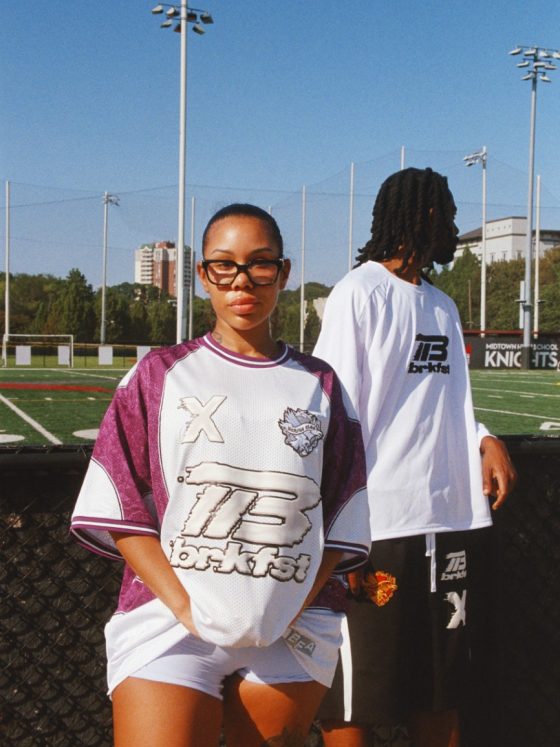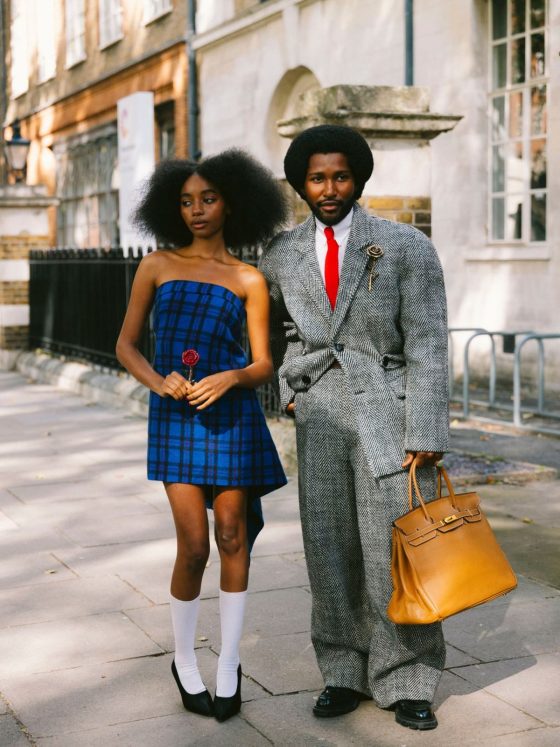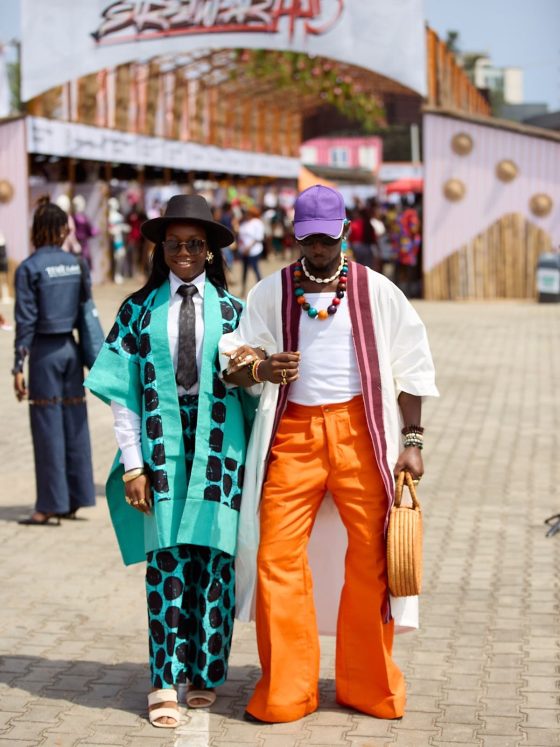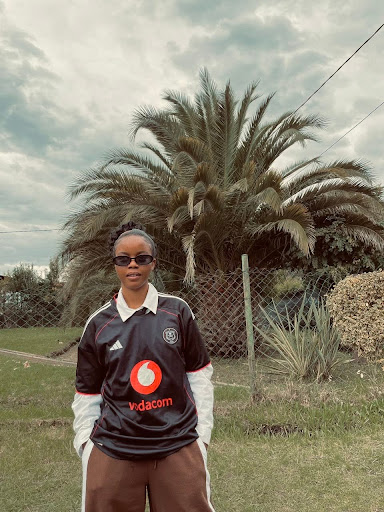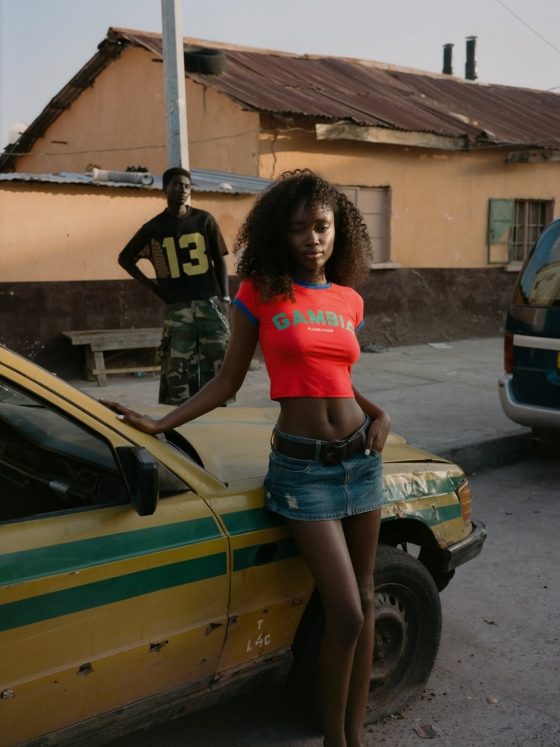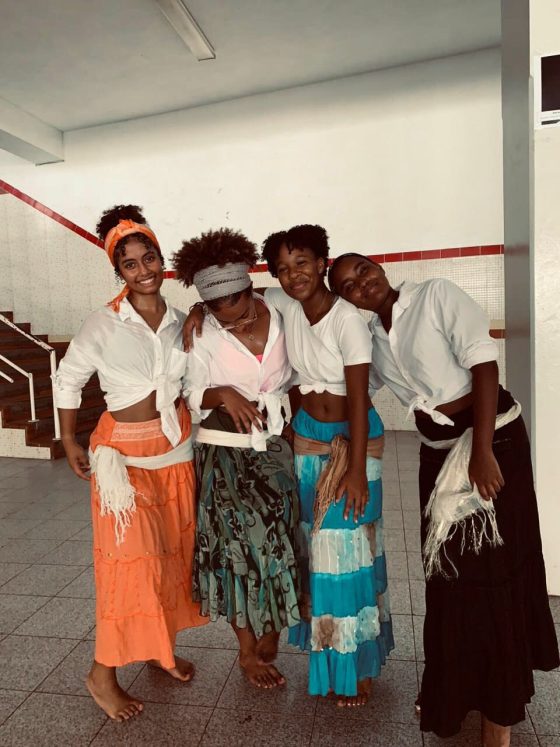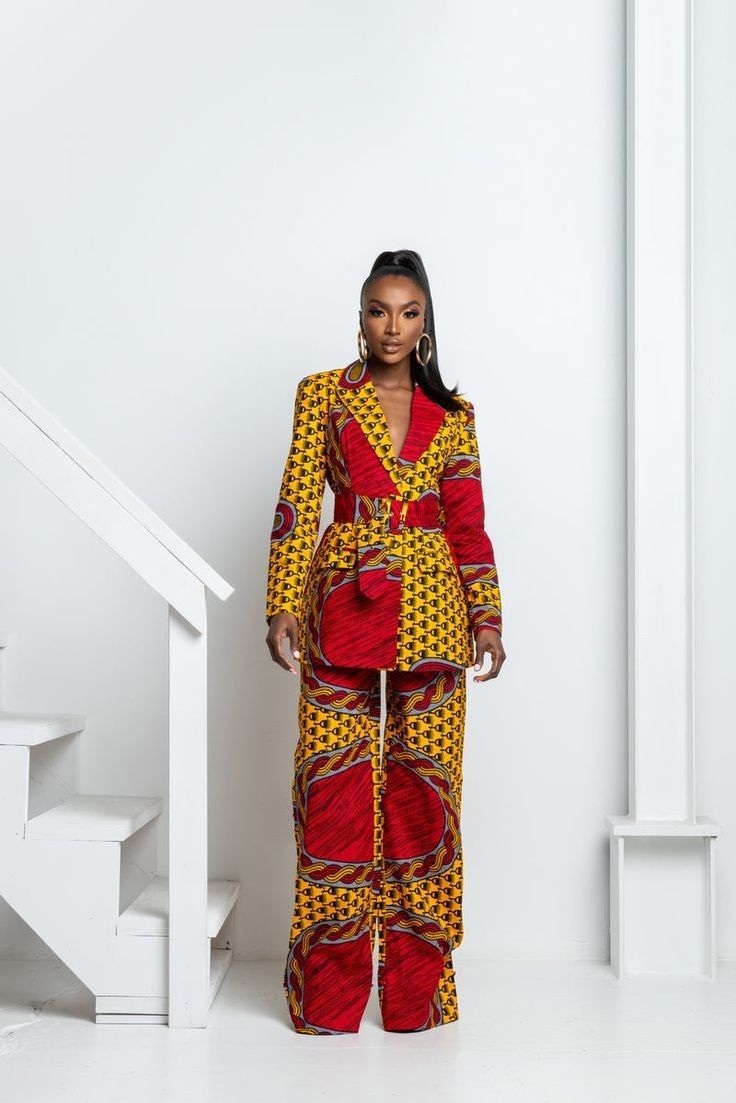
The invitation arrives on a Wednesday. By Friday, you are in Lagos for a traditional wedding. By Monday, you are in Nairobi for a board meeting. By the following Saturday, you are at a naming ceremony in London with relatives who have not seen you in three years. You open your wardrobe. Everything in it was chosen for a different life.
This is not a logistics problem. It is a knowledge problem. The garments that have sustained African dress across centuries were not designed for a single occasion, a single climate, or a single nation. The grand boubou has dressed chiefs from Dakar to Kano. The wrapper has moved from the Yoruba ceremony to the Swahili coast without changing its essential logic. The kaftan has served North African royalty and West African daily life through the same design intelligence. These pieces do not date. They do not localise. They were built by the cultures that created them to travel.
An Afrocentric wardrobe is not a capsule wardrobe in the Western sense. It is not a palette of neutral basics waiting for a trend to activate them. It is a considered selection of garments that carry cultural authority across borders, across ceremony types, and across the decades that a well-made piece will last. The ten pieces in this guide are that selection. They work because Africa designed them to work.
A wardrobe built around African cultural garments is more versatile than any Western capsule wardrobe. These 10 pieces cross every border on the continent and in the diaspora.
What Makes a Garment Truly Afrocentric
The concept of an Afrocentric wardrobe rests on a specific claim: that certain African garments carry cultural recognition and functional versatility across the continent’s 54 nations and into the diaspora. This is not simply an assertion about aesthetics. It is a statement about design intelligence.
The African Development Bank identifies fashion as a growing share of the continent’s creative and cultural economy, with an annual value of approximately 4.2 billion USD across creative industries. The garments that anchor that economy are not random. They are specific designs that emerged from specific cultural conditions and proved durable enough to travel across ethnic, linguistic, and national lines. The boubou crossed from Sahelian trading routes into the forested coastal regions of West Africa over centuries of commerce. The kaftan moved from North African courts into sub-Saharan ceremonial dress through trans-Saharan trade networks. The wrapper predates every modern border on the continent.
These are not coincidences. They are evidence of what durable design looks like when it emerges from genuine cultural need rather than trend cycles. The ten pieces below are built on that evidence.
“These garments did not cross borders because fashion magazines said so. They crossed borders because they solved specific human problems with extraordinary intelligence.”
The 10 Pieces
1. The Grand Boubou / Agbada
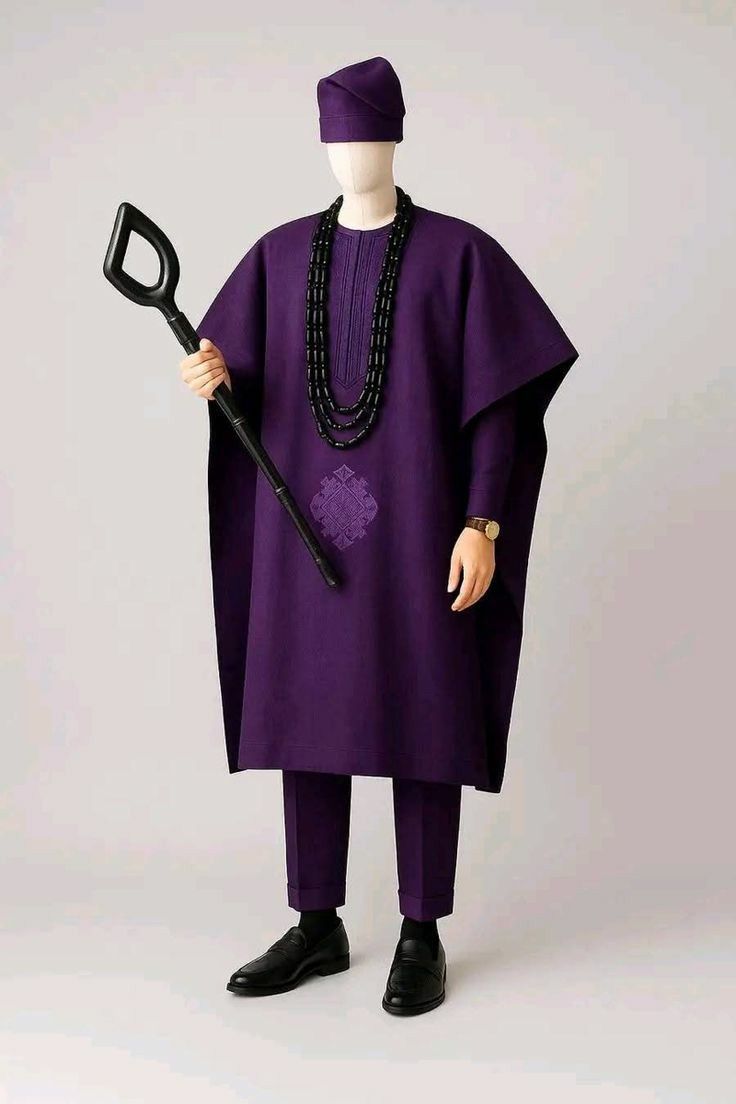
The grand boubou is a flowing, wide-sleeved robe worn across West Africa from Senegal and Mali through Nigeria and Ghana. Known as the agbada among the Yoruba of Nigeria, the babban riga among the Hausa, and the grand boubou in Francophone West Africa, this garment has its origins among Sahelian and Saharan trading peoples and spread through commerce and the expansion of Islam from the 12th century onward. It is worn by chiefs of the Songhai in Niger and Mali, the Mandinka in the Gambia, the Dagomba in Ghana, and the Temne in Sierra Leone.
Its Afrocentric authority is unmatched among men’s garments. One well-made grand boubou in a quality fabric, with correct embroidery at the neckline, covers every formal occasion from a Dakar wedding to a Lagos chieftaincy ceremony to an Accra state function. The fabric choice determines the register: cotton bazin for ceremony, silk for elevated occasions. The silhouette is constant.
Where to invest: commission from a trusted tailor in Iseyin, Kano, or Saint-Louis du Senegal. The embroidery quality at the neckline is the primary marker of craft.
2. The Wrapper and Buba
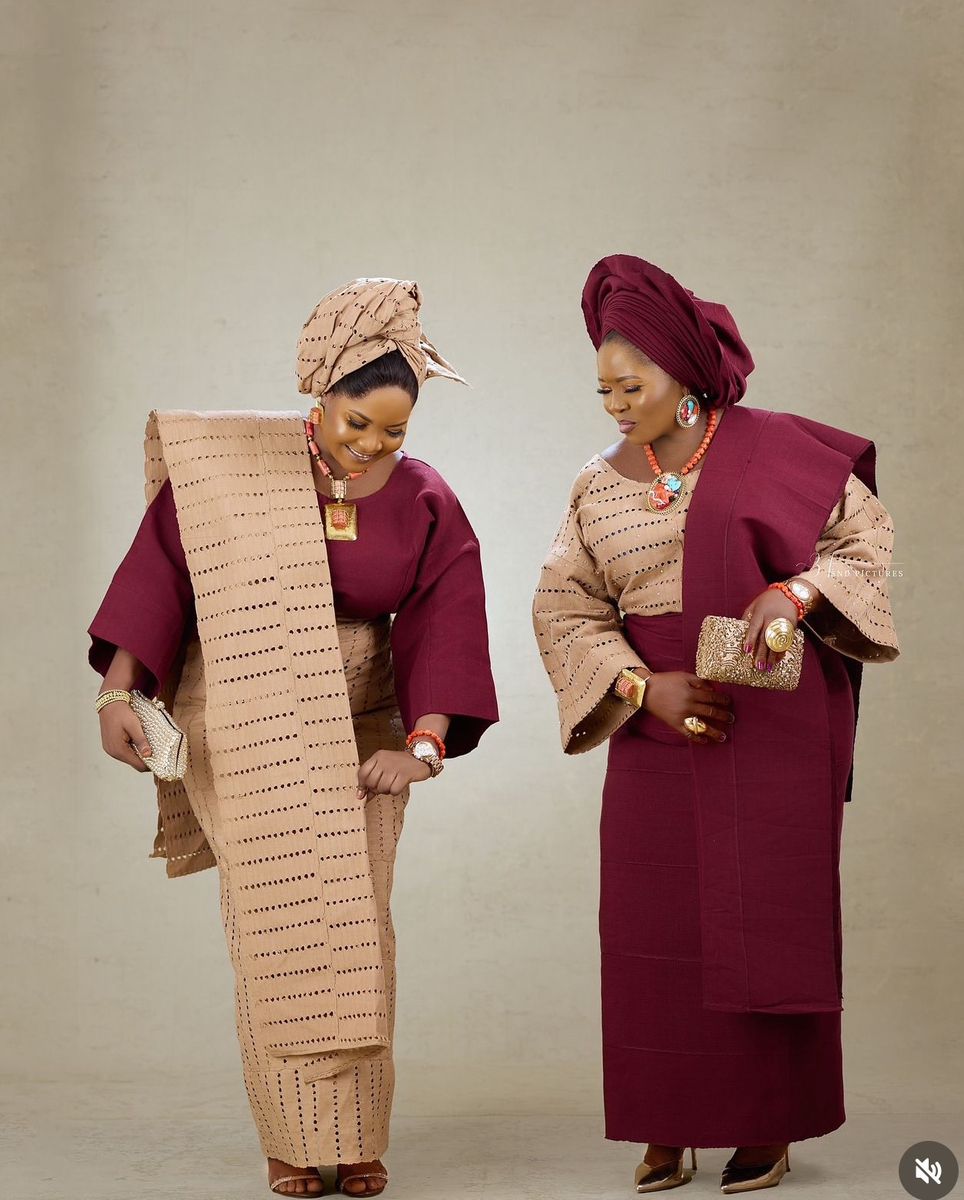
The wrapper, called iro in Yoruba, pagne in Francophone West Africa, and lappa across much of the continent, is the foundational garment of African women’s dress. Wikipedia’s account of the wrapper notes that it is one of the most geographically widespread garments in African dress history, worn formally and informally from West to East Africa. Paired with a buba (the fitted blouse), it constitutes the base ensemble for Yoruba ceremony; adapted in other fabrics and silhouettes, it serves equivalent functions across dozens of other cultures.
A length of quality handwoven fabric, tailored by a skilled cutter, becomes a wrapper that works at a Yoruba wedding, a Ghanaian naming ceremony, or a Senegalese formal gathering. The buba gives the wrapper its cultural register. The fabric determines its prestige level. This combination, when executed correctly, is the most versatile formal piece in any African woman’s wardrobe.
3. The Kaftan
The kaftan crosses the most borders of any single African garment, moving from the embroidered silk robes of Moroccan royal courts through the grand boubou tradition of West Africa to the resort kaftans of coastal East Africa. Men and women wear it. It is suitable for formal events, religious occasions, and casual settings, depending entirely on the fabric and finish. The North African kaftan in silk or brocade with gold or silver embroidery represents one register; the loose cotton kaftan of daily West African life represents another. The garment is one. The cultural range is vast.
For the Afrocentric wardrobe, one kaftan in a quality fabric that reads as formal across multiple cultural contexts is a single purchase that eliminates the need for a half-dozen occasion-specific alternatives. Invest in a kaftan made from a craft textile with specific provenance.
4. A Length of Kente Cloth
Kente cloth, the hand-woven strip textile of the Asante and Ewe people of Ghana, carries the highest international recognition of any African textile. Since UNESCO’s inscription of Kente weaving on its Intangible Cultural Heritage list in December 2024 and Ghana’s securing of Geographical Indication status in September 2025, a certified length of handwoven Kente represents not only a culturally significant garment but also a document of protected craft heritage. For the full guide to buying authentic Kente, read Where to Buy Kente Cloth Without Funding a Counterfeit Industry.
A length of hand-woven Kente, worn as a toga drape at formal events or tailored into a garment, is recognised across the continent and the diaspora as a statement of cultural authority. It crosses every border because it carries Ghana’s specific craft heritage into every room it enters.
5. Aso-Oke in at Least One Type
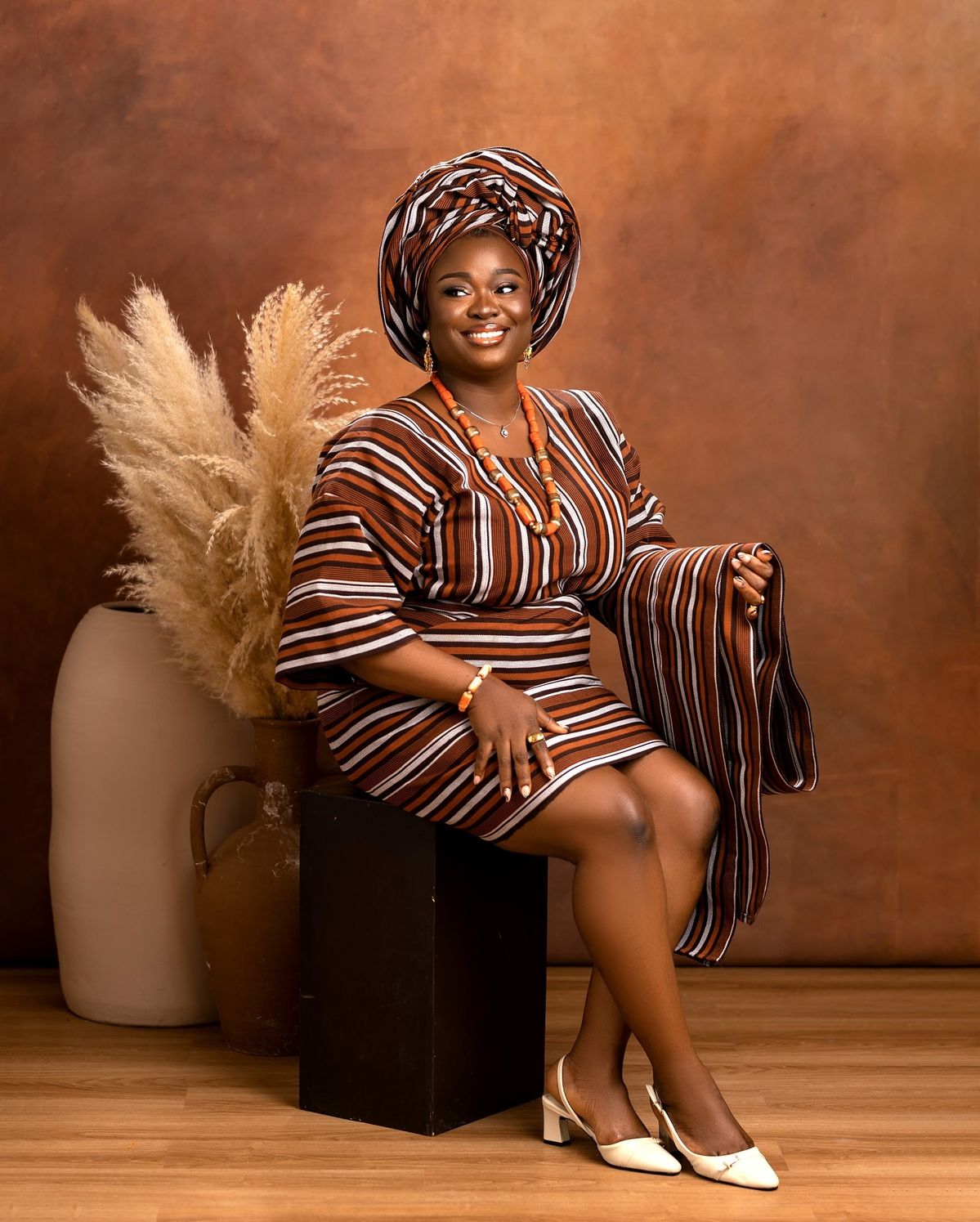
Aso-oke, the Yoruba prestige cloth woven in Iseyin and across southwestern Nigeria, travels wherever Yoruba people travel, which is to say it travels everywhere. At Nigerian celebrations in London, Lagos, Toronto, and Houston, aso-oke dress codes operate with the same specificity as at home. Beyond Yoruba contexts, the cloth’s visual authority, its weight, density, and the specific grammar of its strip construction carry into any African formal occasion as a declaration of craft literacy. Read the full cultural account in Second-Hand Aso-Oke and the Inheritance Economy.
One piece in each of the three foundational types (sanyan, alaari, etu) is the complete investment. One piece in any one type is the starting point.
6. Ankara Tailored to a Specific Silhouette
Ankara fabric, the wax-print cotton associated with West African dress, is the most commercially accessible African textile globally. Its presence in fashion from Lagos to London to Nairobi is ubiquitous. The distinction in an Afrocentric wardrobe is not whether you own Ankara, but whether you own it in a tailored fit. A length of quality Ankara, made into a silhouette that fits with precision and a cut that works across formal and casual registers, is a wardrobe foundation. The same fabric in a poorly cut garment is not.
Invest in the tailoring, not just the fabric. The difference between Ankara at its best and Ankara at its most generic is almost entirely in the cut and construction.
7. The Khanga or Kitenge
The khanga, the lightweight cotton rectangle printed with a Swahili proverb along its border, and the kitenge, the heavier printed cotton of East and Central Africa, together represent the East African equivalent of the wrapper as wardrobe foundation. The khanga is worn in pairs as a wrap, a headscarf, a carrying cloth, and a garment. The kitenge is tailored into dresses, skirts, and suits. Both travel across East Africa, into the Great Lakes region, and with the Swahili diaspora into global cities.
For an Afrocentric wardrobe with genuine continental reach, one length each of khanga and kitenge extends the wardrobe’s geographic authority from West Africa into East and Central Africa. The proverb on the khanga’s border should be readable: buy from a seller who can translate it.
8. A Tailored Suit in African Fabric
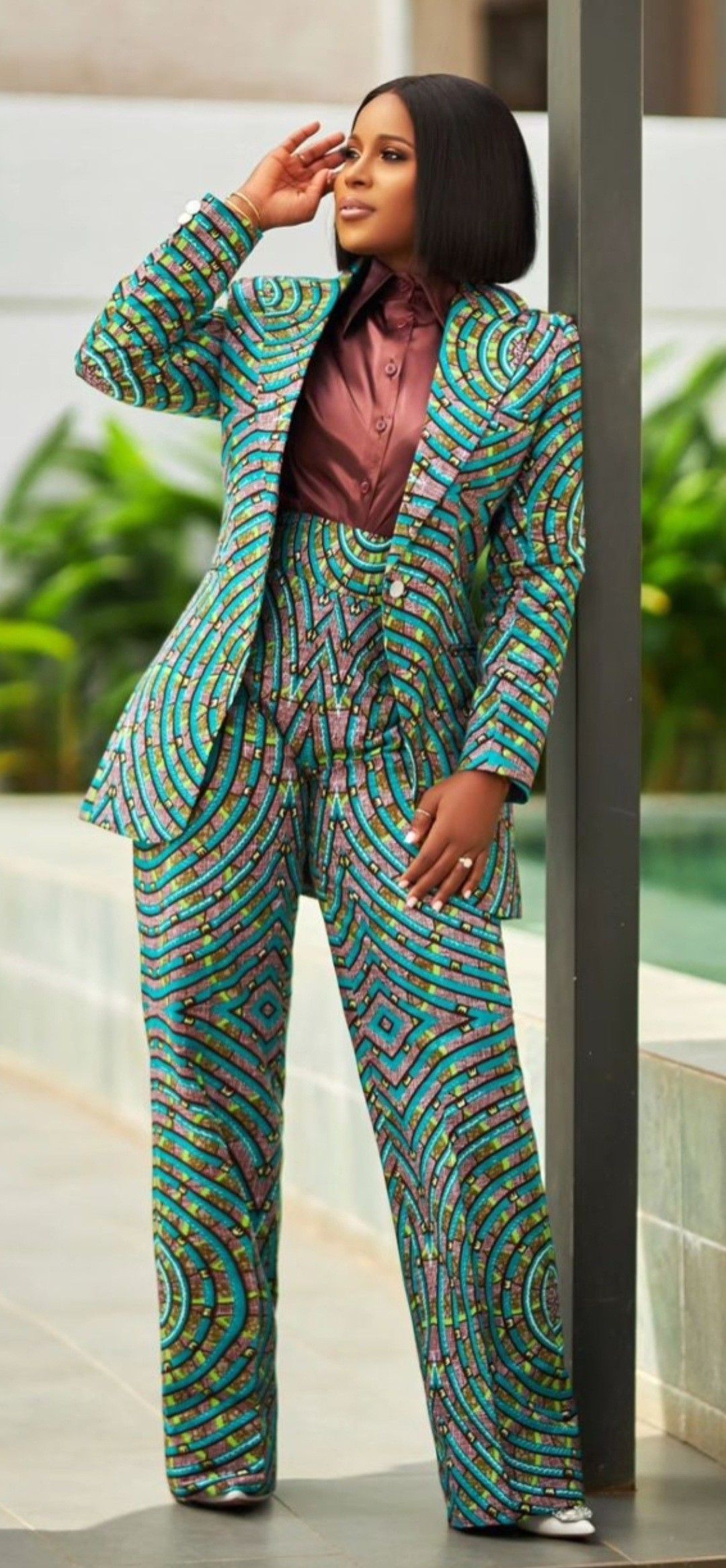
The contemporary African tailored suit, made from ankara, kente, bogolan, or another craft textile, represents the clearest argument that African fashion competes on its own terms at every level of professional and social occasion. Designers from Thebe Magugu in South Africa to Kenneth Ize in Nigeria to Christie Brown in Ghana have demonstrated that a suit cut in African fabric is not a novelty but a statement of fashion authority. For the Afrocentric wardrobe, one tailored suit in a quality African textile that fits precisely and works across professional, ceremonial, and social occasions is the piece that carries the entire argument of African fashion into every room a Western suit might enter, and several it cannot.
9. African Heritage Jewellery
An Afrocentric wardrobe is incomplete without jewellery that carries the same cultural specificity as the garments it accompanies. Maasai beadwork, Krobo glass bead necklaces from Ghana, Fulani gold earrings, and Tuareg silver crosses are not interchangeable accessories. Each carries a specific cultural grammar. For the wardrobe builder, the investment is in one or two pieces of heritage jewellery from the specific tradition most relevant to their cultural context, and a working knowledge of what those pieces mean. Jewellery that its wearer cannot explain is decoration. Jewellery that can be explained is a form of cultural communication.
10. A Headwrap That You Know How to Tie
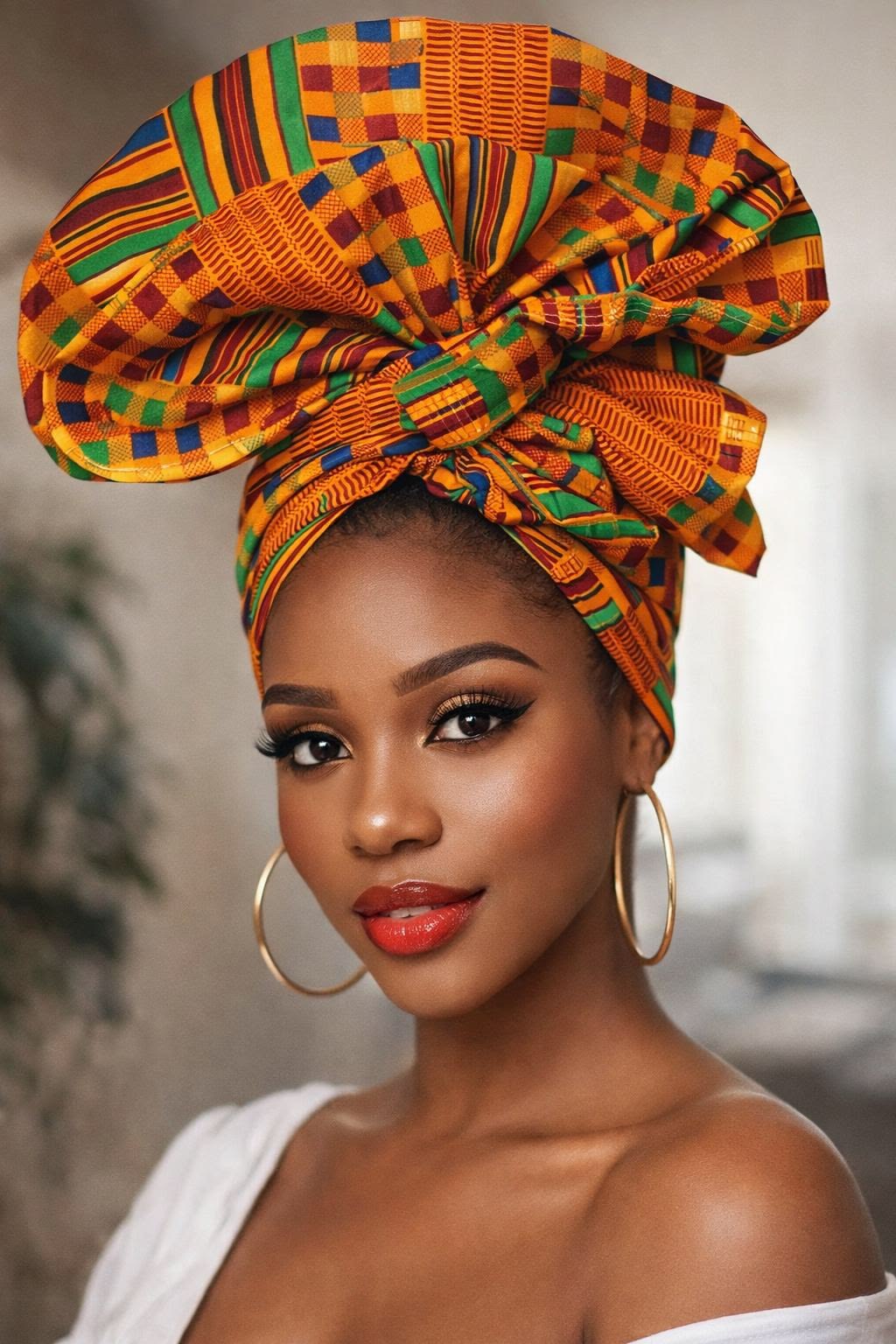
The headwrap, called gele in Yoruba, dhuku in Shona, tignon in Caribbean tradition, and icipele in Bemba, among dozens of other names, is the most widely distributed African fashion element. It crosses every continental border and every diaspora community. The investment is not in the fabric alone. It is in knowing how to tie it for the occasion and the culture it represents. A gele tied correctly at a Yoruba ceremony is a specific cultural act. A headwrap tied generically is a gesture. The knowledge that converts fabric into a cultural statement is part of the purchase.
Also Read
- How to Shop African Fashion: The Complete Guide for the Culturally Literate Consumer
- How to Read a Label on African Designer Clothing
- Where to Buy Kente Cloth Without Funding a Counterfeit Industry
- Second-Hand Aso-Oke and the Inheritance Economy
How to Build This Wardrobe Across Time
No one builds an Afrocentric wardrobe in a single purchase cycle. These ten pieces represent a direction, not a shopping list for a single afternoon. The wardrobe builds correctly when each piece is acquired with the cultural knowledge specific to that garment, sourced from verified producers, and tailored or styled with the precision the garment deserves.
The starting point is fabric literacy: the ability to identify what you are buying before you buy it. Literacy is the subject of the broader shopping framework at How to Shop African Fashion: The Complete Guide for the Culturally Literate Consumer. Label literacy, the ability to verify what a garment’s label records about its production, is covered in How to Read a Label on African Designer Clothing. Both are prerequisites for the wardrobe-building process described here.
Invest in fewer, more correct things. One grand boubou made by a skilled tailor in quality cotton bazin will outlast ten mass-produced alternatives. One length of certified hand-woven Kente will carry more cultural authority than twenty lengths of printed imitation. The Afrocentric wardrobe is built on this principle: depth over volume, knowledge over accumulation.
THE OMIREN ARGUMENT
A wardrobe built on African cultural garments is not a collection of costumes. It is a decision about whose design authority you recognise. The grand boubou did not cross from the Saharan trading routes into the courts of West African kingdoms because a trend cycle demanded it. It crossed because it solved, with extraordinary intelligence, the problem of dressing with dignity across extreme temperature variations, religious registers, and social hierarchies simultaneously. The kaftan crossed the same logic from a different direction, moving from North African courts into sub-Saharan ceremony through the same trade networks that carried scholarship and commerce. These garments did not need a fashion week to validate them.
The context is centuries of African design intelligence that predates every institution currently considered authoritative in global fashion. The Asante weavers of Bonwire were producing Kente cloth of documented technical complexity before Paris held its first salon. The Iseyin weavers of aso-oke were encoding genealogy and social status into the geometry of strip-loom weaving before the concept of a seasonal collection existed. The wrapper, in its various continental forms, has been solving the problem of formal dress across radically different climates and body types for longer than any Western garment category. This is not nostalgia. It is the historical record of what durable design looks like.
The disruption is straightforward: the global fashion industry has systematically undervalued African design intelligence by framing it as cultural inspiration for Western designers rather than as the source of the solutions those designers are borrowing. An Afrocentric wardrobe, built correctly and with genuine provenance in each piece, is a direct refusal of that framing. It is a wardrobe that argues, through every garment it contains, that Africa is not a mood board. It is a design tradition of the highest order, and the pieces in it cross every border not by accident but by intent.
Build it with that understanding. Every piece you add with genuine cultural knowledge is a vote for the designer, the weaver, the tailor, and the tradition behind it. Every piece you add without that knowledge is something else entirely.
Frequently Asked Questions
What is an Afrocentric wardrobe?
An Afrocentric wardrobe is a collection of garments drawn from African cultural dress traditions that are recognised and used across multiple nations, cultural contexts, and occasions on the continent and in the diaspora. It is built on pieces with specific cultural authority rather than trend-driven purchases. The ten pieces in this guide were selected because each carries documented cross-border versatility rooted in centuries of design development: the grand boubou, the wrapper and buba, the kaftan, Kente cloth, aso-oke, tailored ankara, khanga or kitenge, an African fabric suit, heritage jewellery, and a headwrap.
What is the difference between a grand boubou and an agbada?
The agbada is the Yoruba version of the grand boubou, sharing the flowing, wide-sleeved silhouette but distinct in its construction, embroidery style, and cultural context. The grand boubou is a broader category of three-piece flowing robe worn across West Africa, known variously as babban riga in Hausa, mboubou in Wolof, and grand boubou in Francophone West Africa. The agbada features specific Yoruba embroidery and is worn with the fila cap and shokoto trousers as a distinct Yoruba formal ensemble. Both garments have origins in the nobility of 12th-century West African empires.
How do I know what occasion each piece is appropriate for?
Each piece in this guide carries occasion-specific cultural logic that requires knowledge of the specific tradition it comes from. A grand boubou in cotton bazin is appropriate for formal West African occasions across most regional cultural contexts. Aso-oke dress codes follow specific rules within Yoruba ceremonies that vary by the type of occasion and the family’s instructions. Kente, when worn as a toga drape, signals formal authority in Ghanaian contexts and Afrocentric cultural identity in diaspora settings. The starting point for each piece is understanding the specific cultural grammar of the tradition it represents, not a generic “African formal” framework.
Can I mix garments from different African traditions in one outfit?
Yes, with cultural knowledge. A Yoruba woman wearing a Kente-fabric tailored suit with aso-oke detailing and Krobo bead jewellery is making a sophisticated Afrocentric statement that demonstrates familiarity with multiple traditions. The same combination worn without knowledge of what each element represents produces a different effect. The principle is that cultural mixing in dress reads differently depending on whether the wearer can explain what they are wearing and why. Knowledge converts a combination into a statement. Its absence converts it into confusion.
Where is the best place to start building an Afrocentric wardrobe?
Start with the garment most directly relevant to your own cultural background or the cultural context you most frequently dress for. If you attend Yoruba ceremonies regularly, begin with aso-oke, the wrapper and buba. If your social context is primarily East African, begin with kitenge tailoring. If you are building for diaspora versatility across multiple African cultural contexts, the grand boubou or kaftan offers the broadest initial reach. The practical framework for sourcing each piece is covered in detail in Omiren Styles’ Shopping section.
Dress With Full Knowledge
Omiren Styles publishes editorial intelligence on African fashion, culture, and identity across all 54 nations, the Caribbean, and the global diaspora. Subscribe to the cultural context that turns shopping into understanding.