When fashion travels, it is rarely neutral.
Clothes carry assumptions with them: about origin, intention, and audience. For African fashion, visibility has always arrived with interpretation attached.
To be seen globally is to be read. To be read is to be edited.
As African designers, stylists, and women increasingly occupy international runways, editorials, and luxury markets, style is no longer just a personal or cultural expression. It becomes a negotiation between authorship and expectation, between self-definition and global legibility.
This is not a story about appropriation or resistance.
It is a story about fashion under observation and how African style is learning to look back.
African fashion is navigating global visibility with intention. This piece examines how style, scale, and presentation shift when African fashion is seen, styled, and consumed worldwide.
When African Fashion Became Legible to the World
There was a time when African fashion existed globally only as a reference: texture without authorship, silhouette without name. It appeared in mood boards and exhibitions, stripped of context and design intelligence.
That era has quietly ended.
Today, African fashion enters the global system as collections, not concepts. As designers, not inspirations. As garments that must survive fittings, buyers, editors, and archives.
This shift matters because legibility changes who is responsible.
Once fashion is recognised as authored, it is no longer symbolic. It must function structurally, operate commercially, and look visually appealing.
It is no longer arriving as “influence”. It is coming to work.
Designing for the Runway, the Buyer, and the Archive
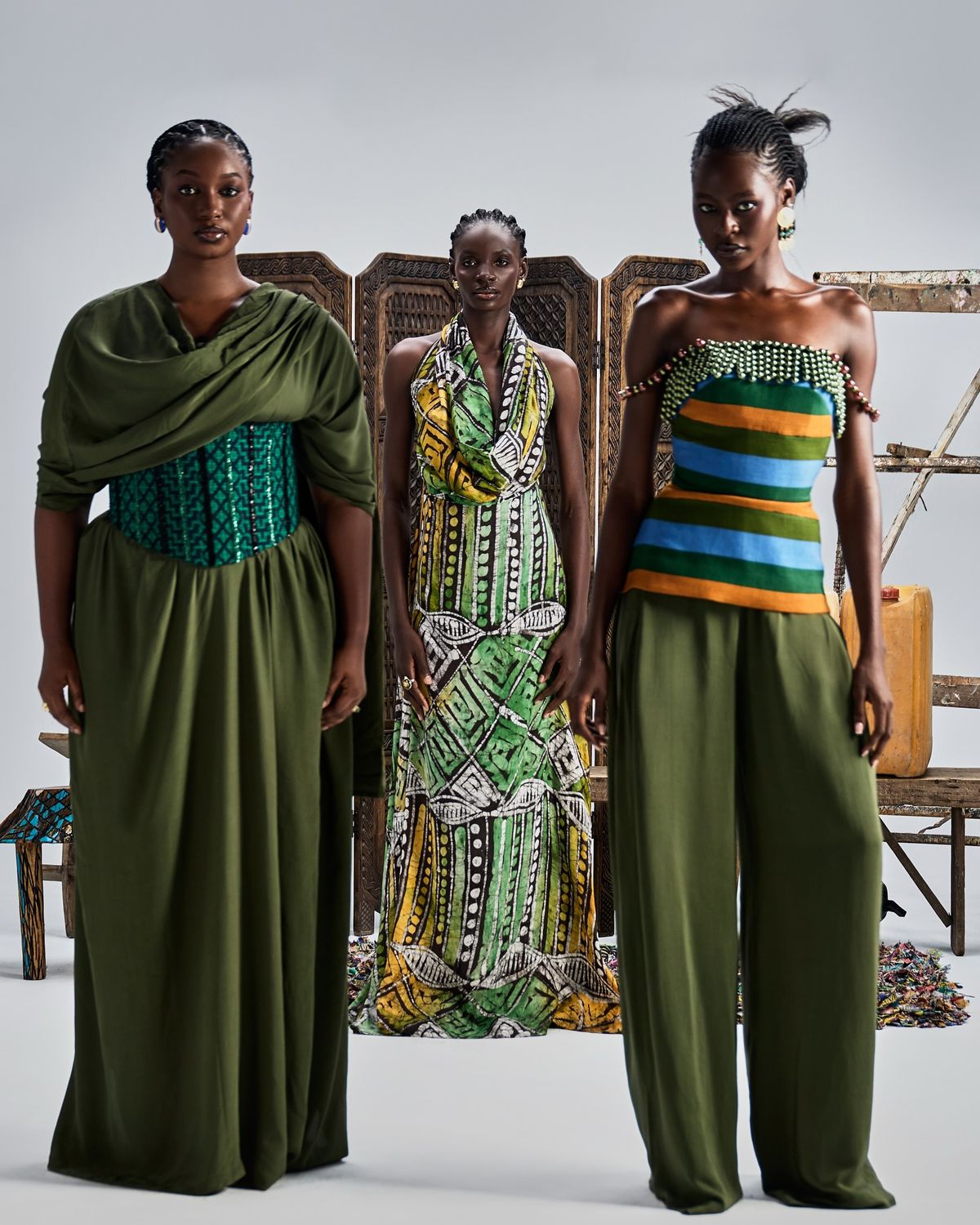
To design African fashion today is to design for multiple audiences simultaneously.
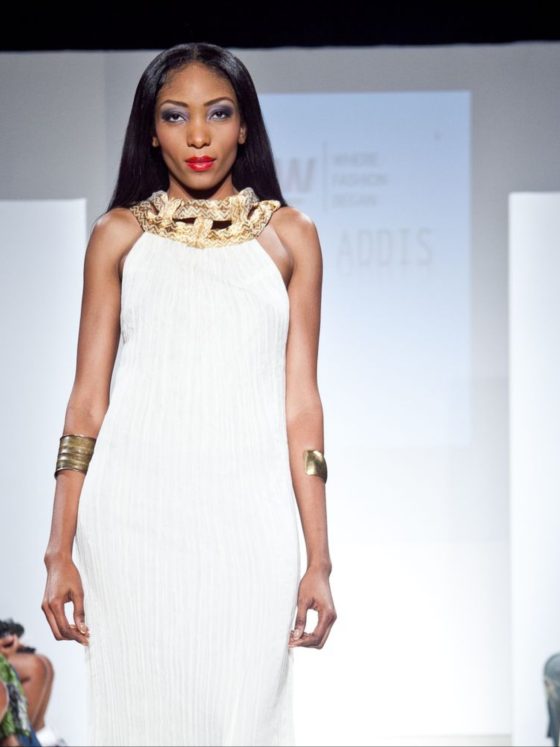
A collection must speak locally while translating internationally. It must hold up under runway lights, editorial crops, retail racks, and digital compression. What reads as nuance in Lagos or Dakar must still communicate in Paris, London, or New York, without flattening itself.
This is where negotiation begins.
Designers are no longer asking whether African fashion belongs globally. That question has passed. The current challenge is more precise: “How far can a collection travel without losing itself?”
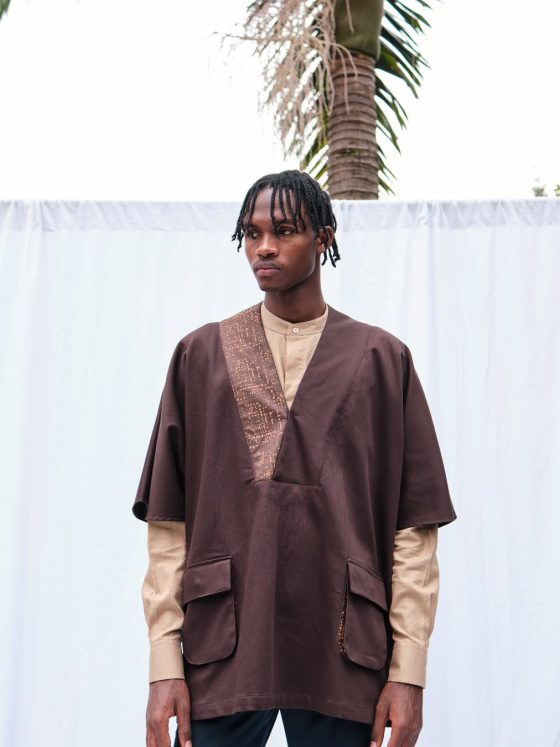
The answer lives in construction. In proportion. In the end. In restraint.
Global visibility rewards clarity, but fashion loses power when it over-explains. The most confident African collections today are not louder; they are sharper.
Silhouette, Scale, and the African Eye
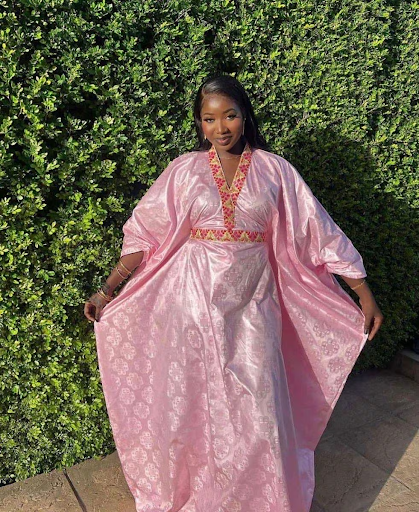
African fashion has always understood volume.
Draping, layering, elongation, and weight are not trends on the continent — they are inherited design instincts.
But under the global gaze, scale becomes a question.
How much volume reads as elegance?
How much does the costume cost?
How much adornment signals intention? And when does it tip into spectacle?
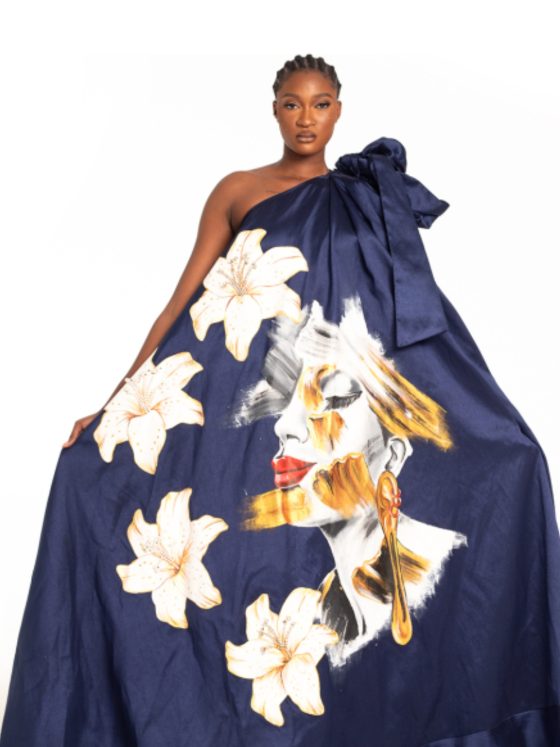
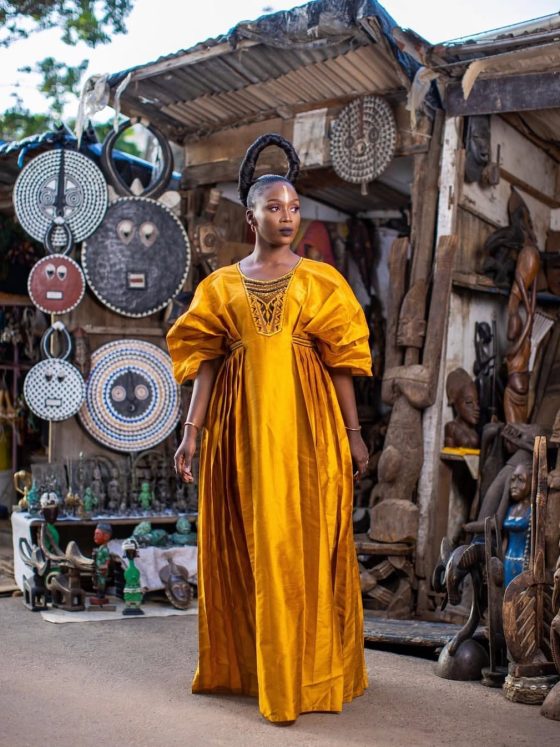
Fashion, at its highest level, is about calibration. African designers are increasingly fluent in this language: knowing when to let a sleeve dominate, when to edit a neckline, and when jewellery must anchor a look rather than announce it.
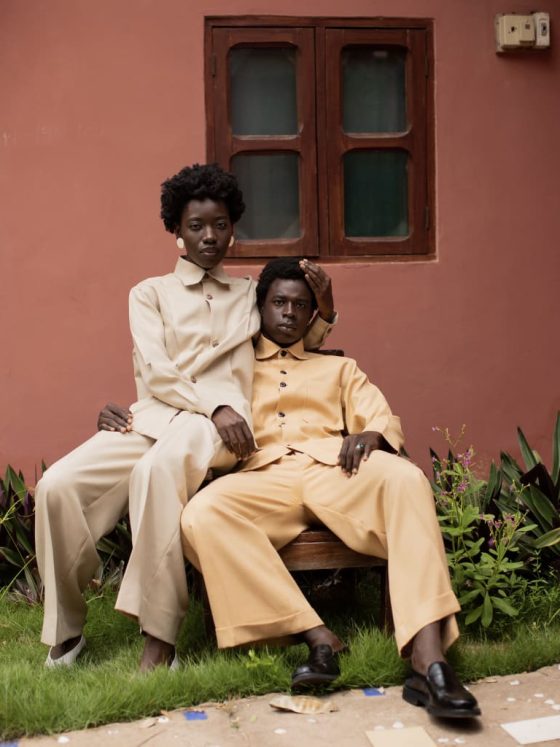
What is emerging is not restraint for approval’s sake, but control as a matter of sophistication.
Adornment as Design Language, Not Decoration
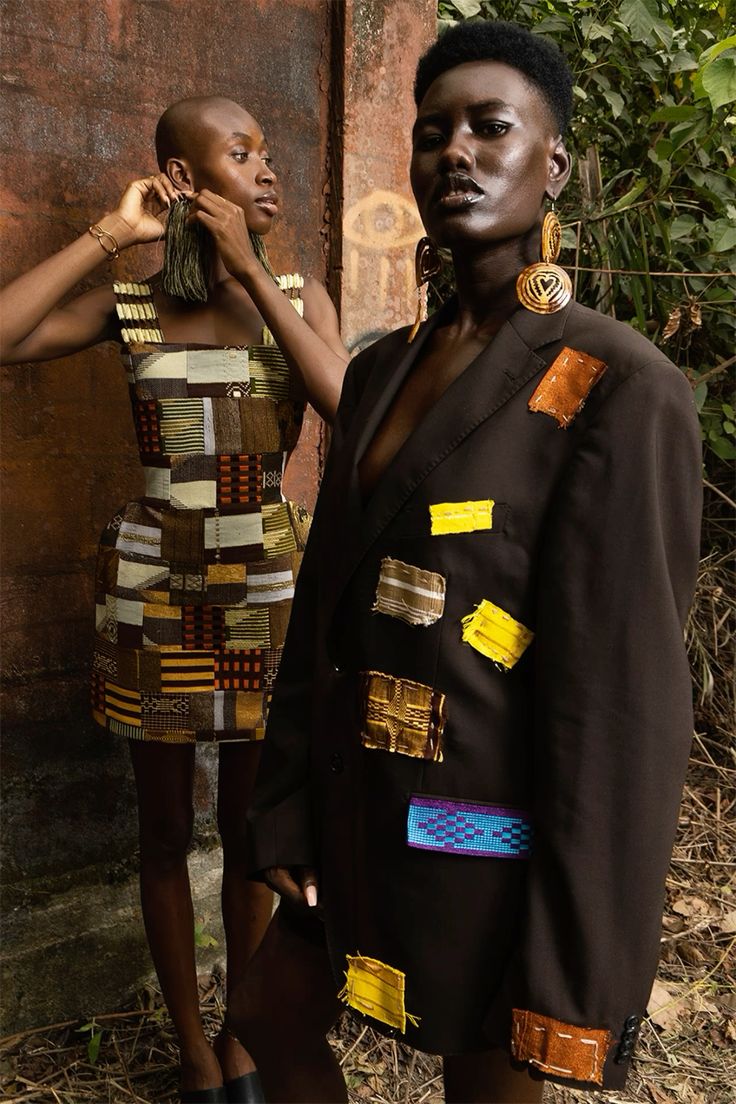
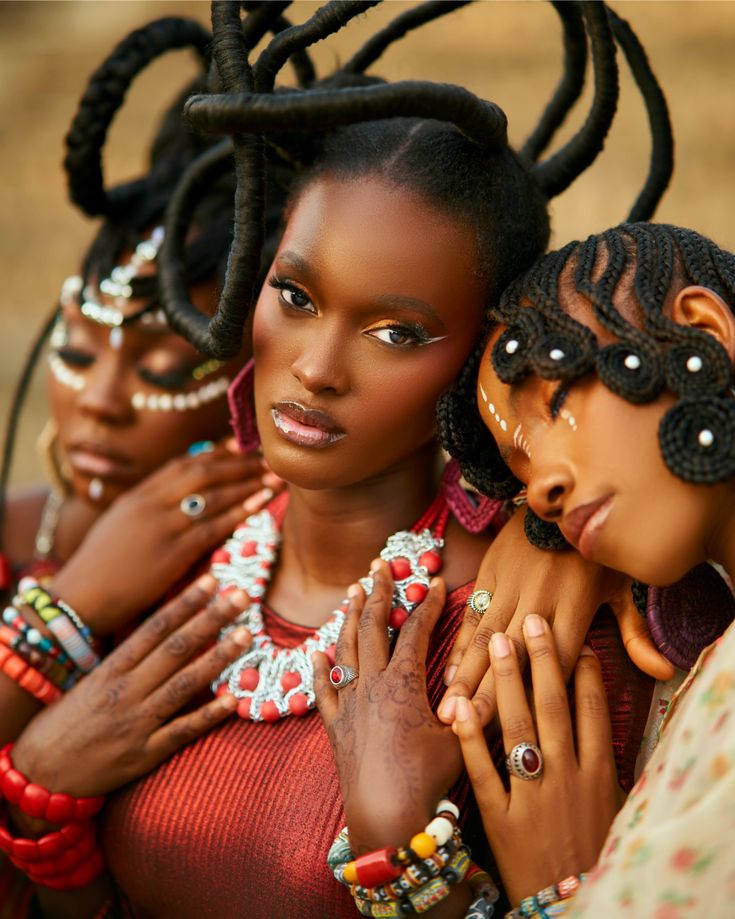
In African fashion, adornment has never been secondary. Beads, metals, embellishment, and surface work function as architecture, defining rhythm, weight, and balance.
What has changed is how this language is deployed.
Instead of overwhelming an outfit, adornment is now used with editorial intelligence, serving as punctuation rather than proclamation. Jewellery is scaled for camera distance. Embellishment is placed for movement, not symbolism.
Under global scrutiny, adornment becomes less about meaning and more about design logic.
This is not a loss. It is evolution.
Styling African Fashion for a Global Image Economy is Essential.
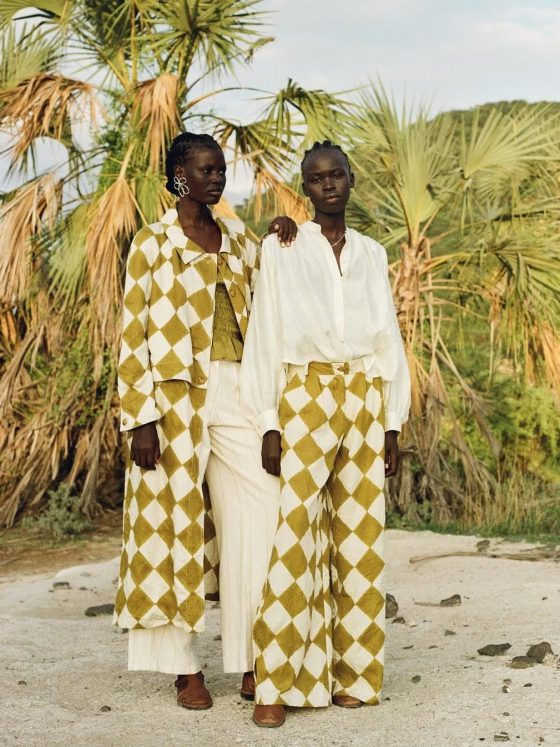
Fashion today lives as much in images as in garments. Styling is no longer an afterthought; it is a form of translation.
African fashion now circulates through campaigns, editorials, and digital platforms that compress context and reward immediacy. What survives this economy is not explanation, but visual coherence.
Stylists play a critical role here. They decide what is foregrounded, what is softened, and what is left unresolved. They determine whether a look reads as a costume or as fashion.
The most compelling African fashion imagery today resists excess narrative. It allows clothes to exist without subtitles.
When African Fashion Refuses Simplification
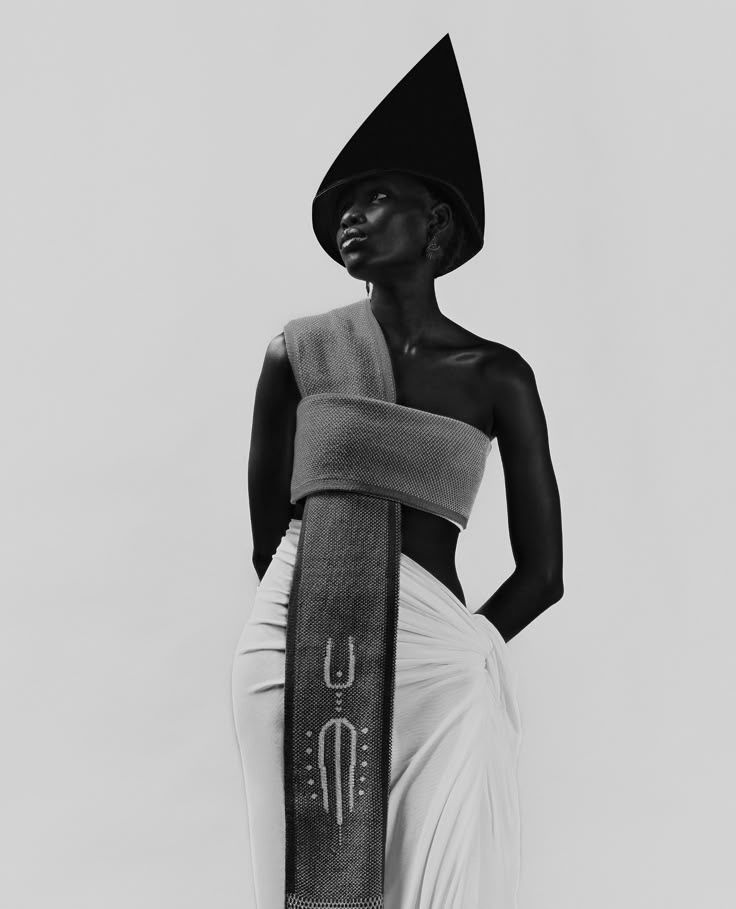
A quiet confidence is emerging.
Designers are no longer over-signalling heritage. Collections are not performing identity. They are allowing ambiguity. Silence. Complexity.
This refusal to simplify is a form of maturity.
African fashion is no longer positioning itself as an alternative or an oppositional force. It is occupying space, assuming that its intelligence will be recognised — eventually.
Fashion does not always need to be understood immediately to be powerful.
READ ALSO:
- How African Designers Lead the New Era of Structural Minimalism
- African Fashion Documentaries Changing Perceptions
- Diaspora Designers Bridging Tradition and Modern Couture
Africa as a Producer of Taste, Not a Trend Cycle
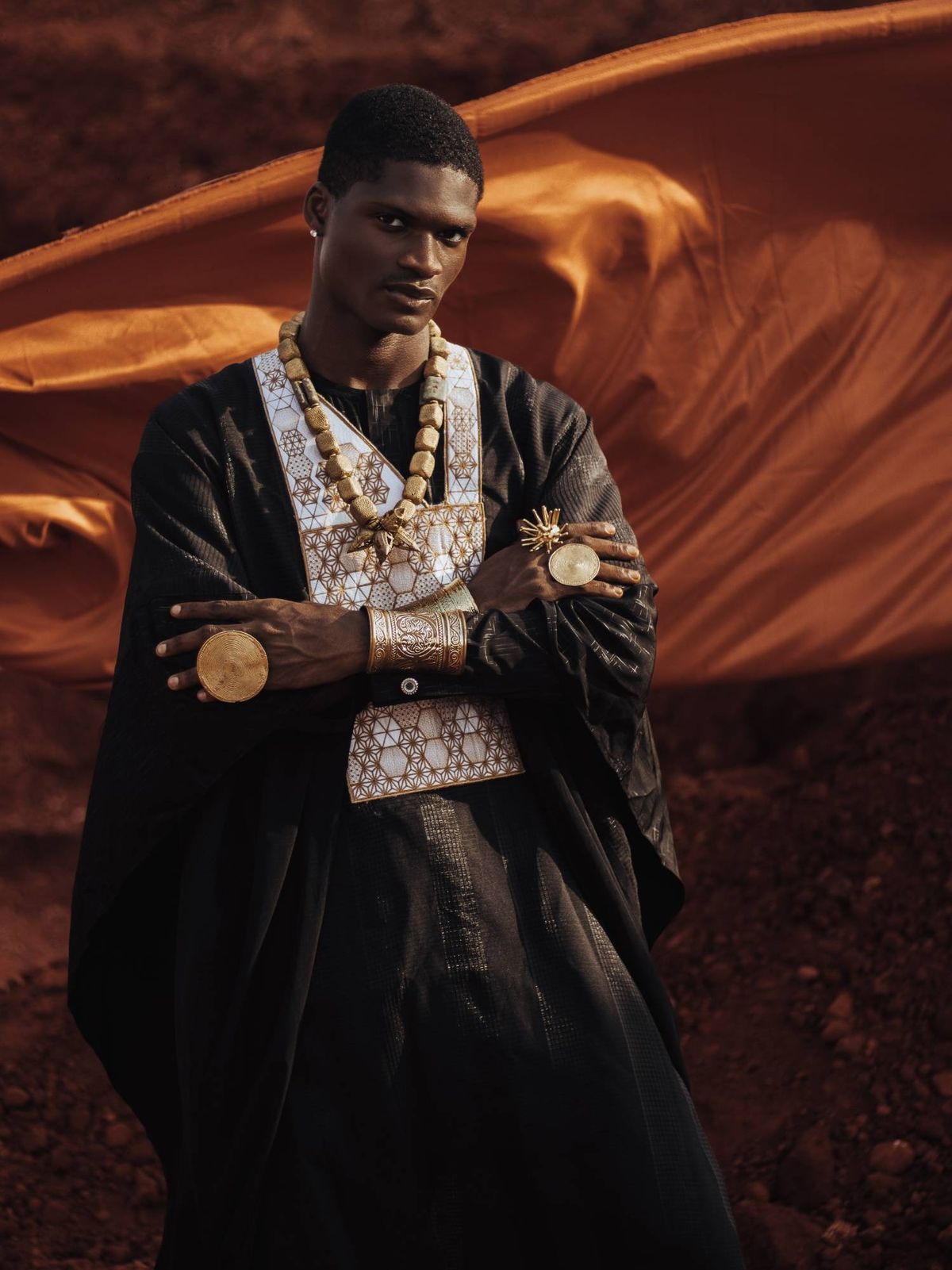
The most significant shift is this: African fashion is no longer responding to global taste. It is contributing to it.
Taste, after all, is not declared. It is acquired through exposure, repetition, and judgement. As African designers continue to show, sell, and circulate without explanation, they are training the global eye.
Not to see Africa differently, but to see fashion more carefully.
Visibility is no longer the goal.
Authority is.
Frequently Asked Questions
- Why does global visibility affect how African fashion is presented?
Visibility introduces interpretation. Designers begin to consider how garments will be read, translated, and framed beyond their original cultural context.
- Is African fashion being simplified for international audiences?
Instead of overt simplification, designers often employ restraint in terms of scale, styling, and presentation to prioritise clarity over spectacle.
- What role does restraint play in contemporary African style?
Restraint signals control and authorship. It reflects confidence in editing rather than the need to explain or overstate.
- How does adornment change under global attention?
Adornment becomes strategic. Jewellery and detail are measured carefully to avoid being read as costume rather than intention.
- Can African fashion remain authentic while being globally visible?
Yes, when designers prioritise self-definition over legibility and allow complexity to exist without translation, African fashion can remain authentic while being globally visible.