African mythology has become a prominent part of pop culture, permeating blockbuster movies, hit animated shows, and major entertainment franchises. African mythology has become ubiquitous, and it’s a trend that’s long overdue. West African culture and its mythologies have always shaped the Black African diaspora in the Americas. Those stories show up all over Black American pop culture, and lately, you can really feel the momentum picking up. Creators who want to reclaim what colonialism tried to erase are fuelling the moment for Marvel’s billion-dollar Wakanda, Yoruba-inspired cartoons, stories that feel both ancient and brand new, and African mythology.
This movement isn’t just about extraordinary stories or big-budget films. It’s about reclaiming a spiritual foundation, standing up for identity, and pushing back against the old Western grip on the world’s stories. African mythology in pop culture proves something vital: ancestral wisdom still matters; these old cosmologies connect with people everywhere. If you want to imagine something decolonised, you have to go back to the roots that colonisers tried to destroy.
Explore how African mythology shapes modern pop culture, influencing music, film, fashion, literature, and global storytelling through symbols, archetypes, and ancestral narratives.
Marvel’s Wakanda: African Mythology Hits the Big Screen
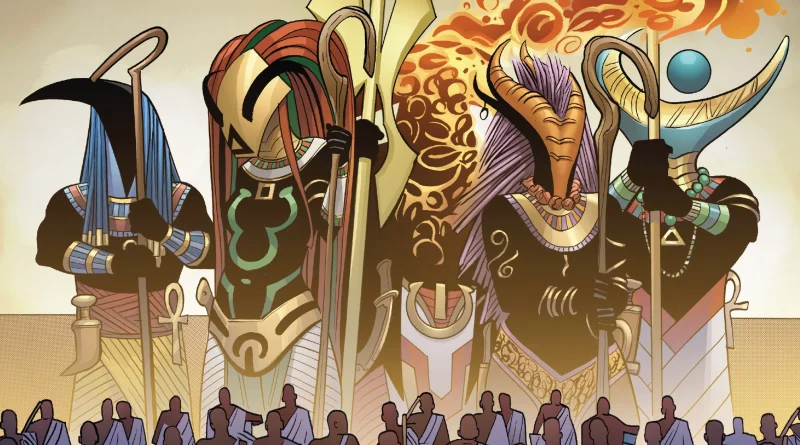
At the heart of Wakanda’s world in Marvel’s universe, you find the Orisha, a word that, in real life, belongs to the Yoruba religion and its powerful spirits. These aren’t just made-up characters; they are inspired by gods and goddesses, with deep spiritual meaning. The Orisha in Marvel’s Wakanda include Bast, the Panther goddess; Kokou, the god of war; Mujaji, the bringer of rain and hunger; Thoth, the god of wisdom and light; and Ptah, the shaper of metals. By weaving these figures into superhero stories, Marvel gives African spiritual traditions a level of mainstream attention they’ve never had before.
Kokou is a Yoruba deity from Benin, a feared god of war. Mujaji is a rain goddess tied to the Lodebu people in South Africa. Marvel pulls from a mix of African spiritual systems, Egyptian, Yoruba, and South African, and shows that African mythology isn’t just one big monolith. It’s a whole continent’s worth of stories. Even the funerals in Wakanda draw on Yoruba Orisha ceremonies, with mourners in white pouring libations for the ancestors. So, while these stories work as entertainment, they also keep a real sense of spiritual authenticity alive.
How African Mythology Pushes Back Against the West
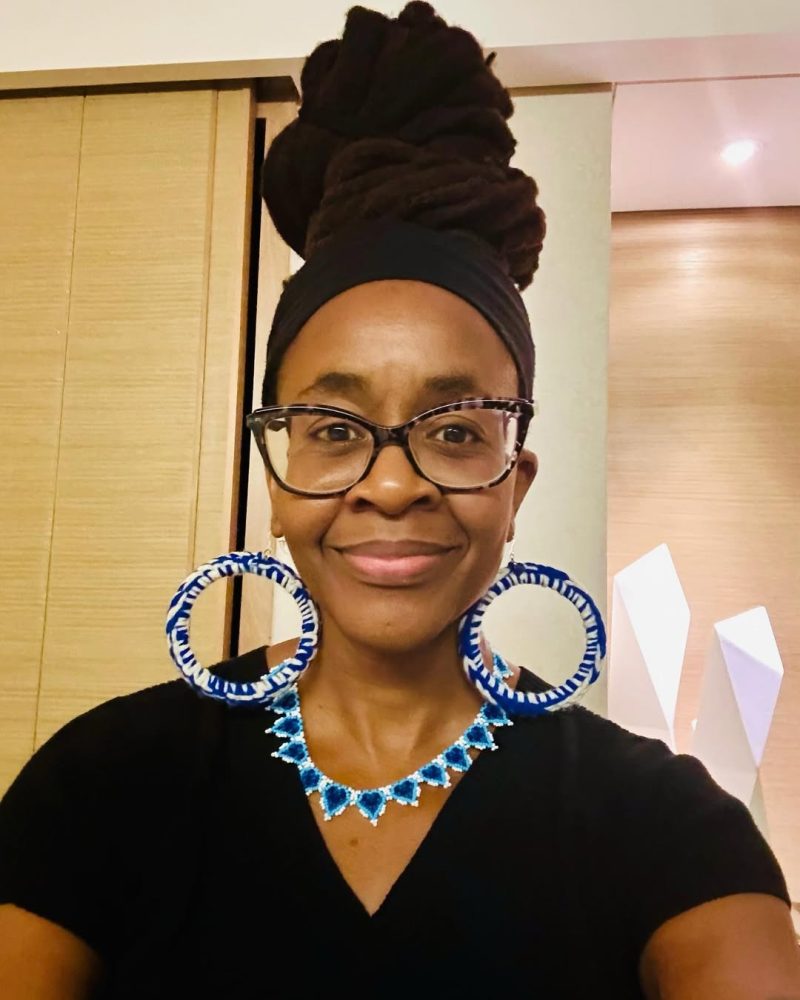
Disney recently teamed up with animators in Uganda and Nigeria to make new stories inspired by African culture, using comic books, art, and even augmented reality. That’s not just a token gesture; it’s a sign that people finally realise these stories have real commercial power. And it’s not just about Marvel or Disney. Nnedi Okorafor’s “Who Fears Death” is headed to HBO as a TV series, showing how far African mythology is reaching into prestige television now.
For a long time, Western pop culture dismissed African mythology as superstition, not sophisticated or “serious” like Greek or Norse myths. That’s old colonial thinking, pretending those cultures were somehow lesser. The current surge of African mythology in pop culture challenges this notion. Anansi has as much narrative depth as Loki. Mami Wata’s stories run just as deep as Medusa’s. Orisha cosmology is as complex and philosophical as anything the Greeks or Romans dreamed up. The revival isn’t just entertainment; it’s a powerful way of saying these stories belong at the centre of the world’s imagination.
Animation: Where African Mythology Meets Young Audiences
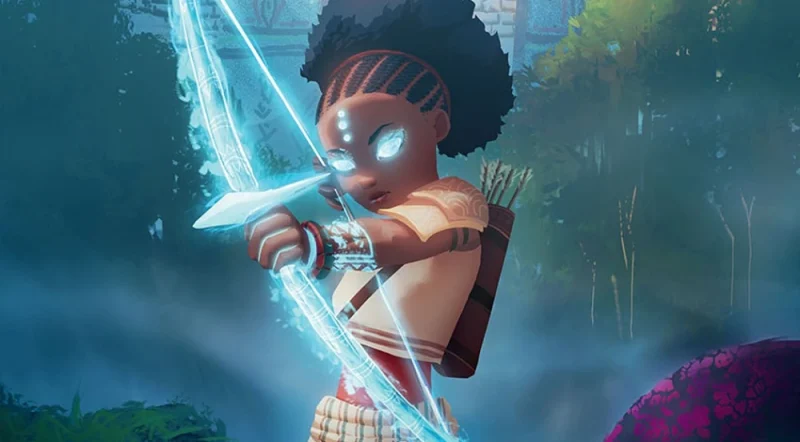
Iyanu: Child of Wonder is one of those rare animated fantasy series from Africa that really leans into local myth and folklore. It’s based on a graphic novel and unfolds in Yorubaland. In this magical kingdom, Iyanu, an orphan who just wishes for an ordinary life, wakes up to discover she has divine powers. An ancient evil threatens everything, of course. But what’s special here is how the show makes African mythology feel exciting and fresh for young viewers. Kids get to see these films feature their own stories and heroes, and the animation quality is on par with the best from the West.
There’s something in the air. Michel Ocelot’s French film Kirikou and the Sorceress, drawn from West African folk tales, shows just how much the rest of the world is drawn to these stories. Then there’s Ziki Nelson’s work, where young superheroes race through Afrofuturistic worlds, fighting ancient evils and exploring history and culture. Each of the ten wildly different stories delves deep into the mysterious and magical realm. What’s clear is this: African mythology isn’t just inspiring Western creators anymore. It’s generating its own original hits.
READ ALSO:
- Caribbean Literary Voices Shaping Global Culture
- Broadway & Theatre Creatives: Shaking Up the Great White Way
- Women at the Helm: The New Power Shaping Social Impact
Why Was African Mythology Suppressed?
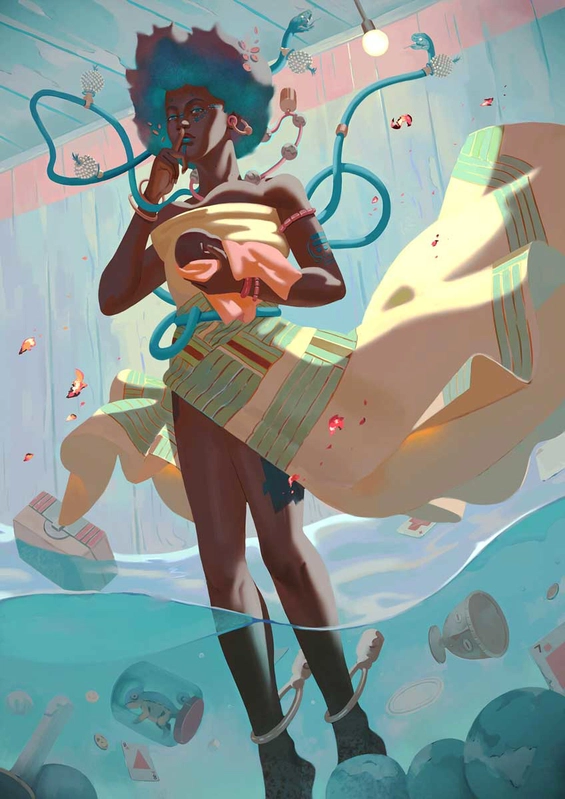
So why did these stories almost disappear? It started with conquest, first the spread of Islam, then Christianity, then the brutal force of the slave trade and colonialism. New religions and their mythologies were pushed on Black African communities, often at the cost of their own spiritual beliefs. Erasing a people’s stories is a classic move for any conqueror. That’s why seeing African mythology return to pop culture matters. It’s not just entertainment; it’s a way to reclaim identity.
These harsh chapters in history broke the link between many Black Africans and the mythologies that gave them a sense of community and self. New rulers in many places replaced these old stories with their own. But now, when African creators use mythology in pop culture, it’s a form of decolonisation. It helps reconnect people, both on the continent and in the diaspora, with the spiritual traditions their ancestors had to leave behind.
Cinema Beyond Marvel
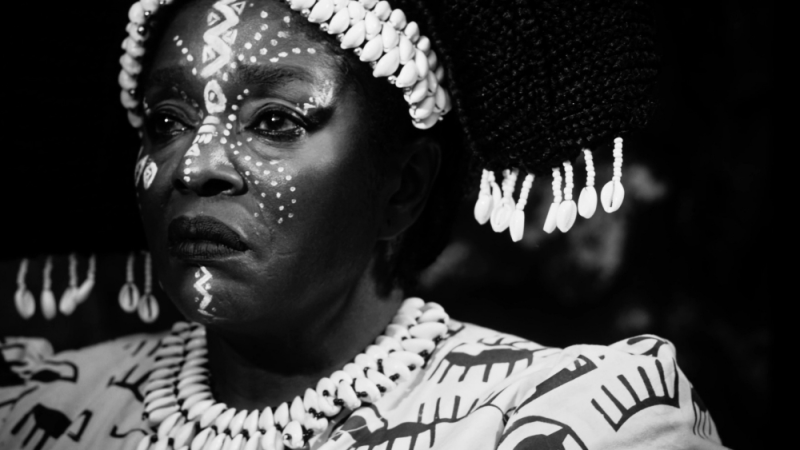
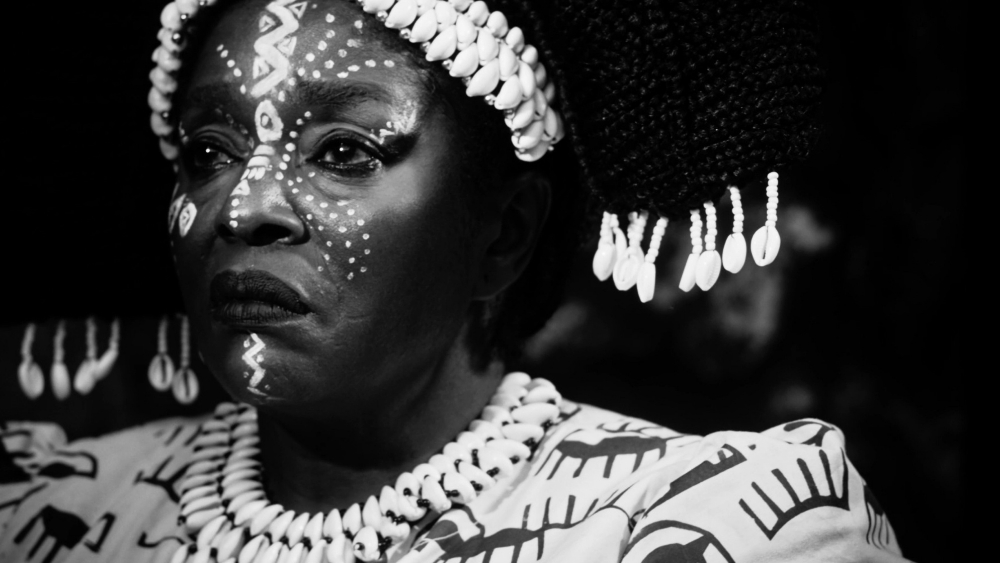
C.J. Obasi’s film dives into the legend of Mami Wata, the West African river goddess. Shot in striking black-and-white, it follows Mami Wata, a figure who’s both awe-inspiring and terrifying. The film won serious praise at Sundance and Fespaco, offering a haunting look at myth and humanity. Obasi’s work shows that African filmmakers can explore mythology through artful, indie cinema, not just big-budget spectacle.
Go back a bit, and you’ll find Julie Dash’s 1991 classic Daughters of the Dust. She draws on Gullah folklore and history, telling the story of three generations of Gullah women. Dash weaves in the real history of the slave uprising at Georgia’s Ibo Landing, blending Christian and African religious rituals. It’s a reminder that African mythology lives on in the diaspora, reshaped but never erased.
And then there’s Nosa Igbinedion, a British director who brought the Yoruba Orishas into the superhero genre. His 2014 short film Oya: Rise of the Suporisha puts these mythic deities in modern Britain as superheroes. These kinds of indie projects show that African mythology can thrive outside the mainstream, thanks to filmmakers who care about getting it right.
What’s Next?
Right now, the world’s waking up to what Africa has to offer, and that’s only going to grow. It’s not just about big names like Beyoncé’s Black is King. As streaming platforms fight for new stories, African mythology will pop up across genres: horror with vengeful spirits, romance with trickster gods, thrillers about rituals, and comedies poking fun at spiritual traditions.
The real challenge lies in balancing authenticity with mainstream appeal. The real challenge lies in maintaining authenticity while adapting to mainstream audiences. There’s a risk of watering down these rich, complicated cosmologies, making them too easy for a FOB audience, and we need to work with cultural guardians, hire African writers who get the nuances, and push back against Western urges to make everything more exotic or sensational. That’s the only way to keep these stories alive and true.
Frequently Asked Questions
What is African mythology?
African mythology is a huge, colourful mix of spiritual beliefs, stories, and traditions from all over the continent—54 countries and thousands of ethnic groups, each with its own take. You get everything from the Yoruba Orisha and Egyptian gods to wild trickster tales about Anansi, mysterious water spirits like Mami Wata, and a sea of local legends. At its heart, African mythology is about honouring ancestors, looking out for communities, and seeing spiritual and physical worlds as tightly connected.
How does Marvel’s Black Panther use African mythology?
In Black Panther, Marvel pulls from real African mythologies to build Wakanda’s spiritual world. The Orisha pantheon in the story blends Eblidsan gods such as Basuch (the panther goddess), Thoth, and Ptah with Yoruba deities such as Kosuch (a war god) and Mujaji, the South African rain goddess. The films don’t just name-drop these figures; they weave in Yoruba-style funeral rites, scenes in which characters speak to ancestors, and other spiritual practices. It’s a blend of authentic traditions and creative storytelling.
Why was African mythology suppressed in history?
Many forces tried to erase African mythology, Islamic conquests, the brutal Transatlantic Slave Trade, and European colonialism. Colonisers brought Christianity and Islam, often aggressively, and tried to stamp out local beliefs. They knew attacking spiritual practices would break people’s sense of identity and community, making them easier to control. Overall, it was an attempt at cultural erasure, swapping out African stories and gods for those of the colonisers.
Where else does African mythology show up in pop culture?
You’ll see African mythology turning up in more places these days. The list includes Iyanu: Child of Wonder, an animated series inspired by Yoruba stories; the film Mami Wata, which explores the lore of the West African river goddess; Nnedi Okorafor’s Who Fears Death, which HBO is adapting; Kirikou and the Sorceress, a film based on West African folktales; and Oya: Rise of the Suporisha, in which Yoruba Orishas are portrayed as superheroes.
How can creators use African mythology respectfully?
First, talk to people who really know these traditions: cultural guardians, spiritual leaders, African writers, and consultants. Engage in thorough research and avoid superficial understanding. Always say which culture or ethnic group a story comes from; Africa isn’t one prominent, uniform place. Avoid prominently flattening complex beliefs into simple tropes. Pay experts for their time and knowledge, and focus on being real and respectful, not making things flashy or comfortable for Western audiences.