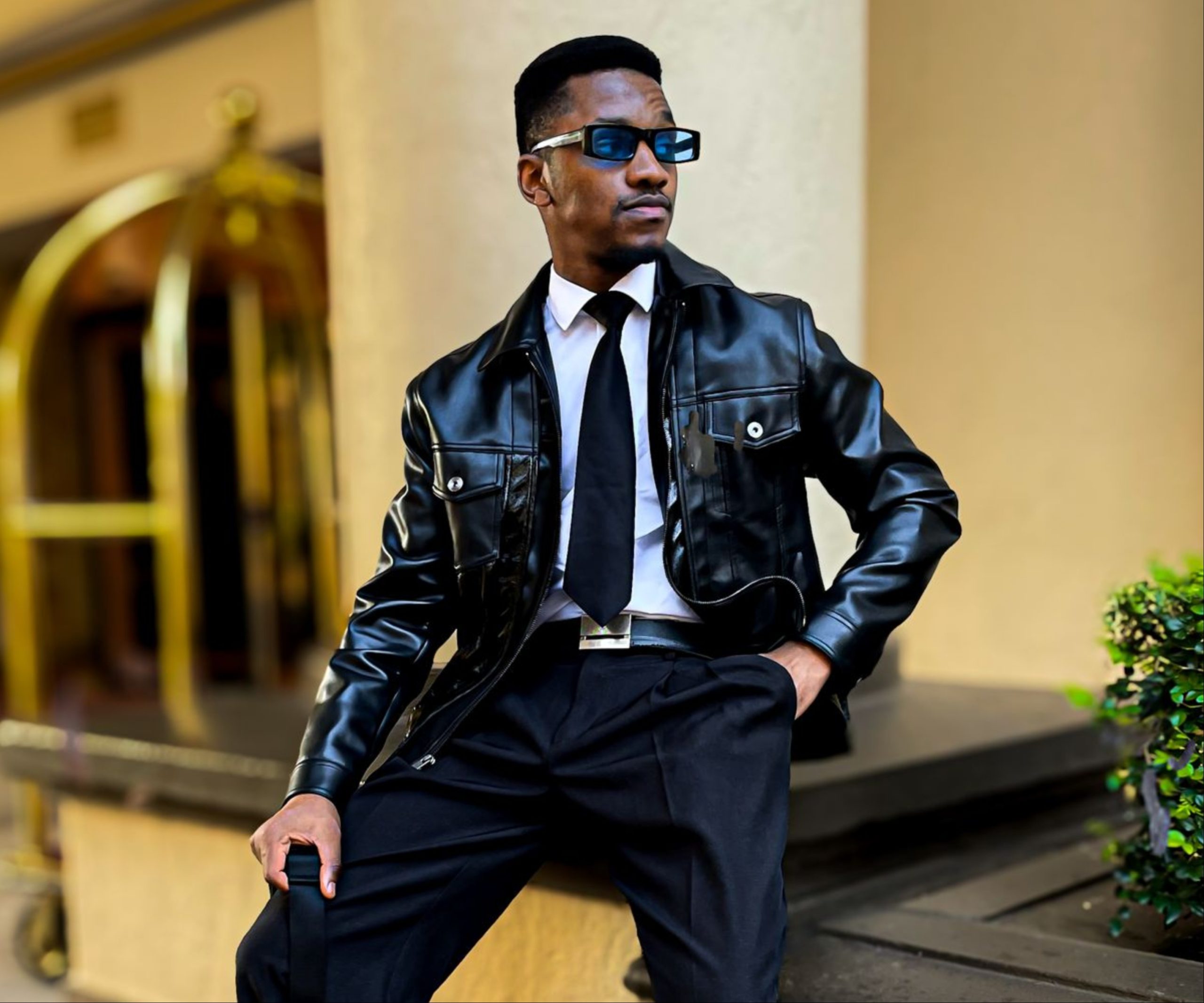
A leather bag does not stay the same. It darkens, softens, bends in places you did not plan. At first, it feels like a change. Over time, you realise it is something else entirely.
It is a memory taking form.
We live in a world where most things are designed to expire. Clothes fade out of relevance, trends rotate quickly, and materials are built for replacement. Leather moves against that current. It does not rush to remain new. It settles into use. It absorbs the life around it.
This is why leather matters. Not because it is expensive or traditional, but because it challenges how we think about time, value, and identity. It asks a deeper question. What if what we carry is not just functional, but a record of who we are becoming?
From Kano to the global runway, leather carries memory, identity, and cultural meaning. Discover how African leather traditions are reframing what luxury actually means.
Leather as a Living Record, Not a Finished Product
Leather begins as a uniform surface. Smooth, controlled, predictable. But the moment it enters daily life, that uniformity starts to shift.
Exposure to sunlight deepens its tone. Contact with skin transfers oils. Movement creates creases that were never part of the original design. What forms over time is known as patina, but that word often understates what is really happening.
This is not surface wear. It is authorship.
Each mark reflects use. Each fold reflects habit. Two identical leather items will never age the same way because no two lives are lived the same way. In this sense, leather is not something you simply own. It becomes something you shape, often without noticing.
The material responds to presence. That is rare.
Why Leather Improves Instead of Declines
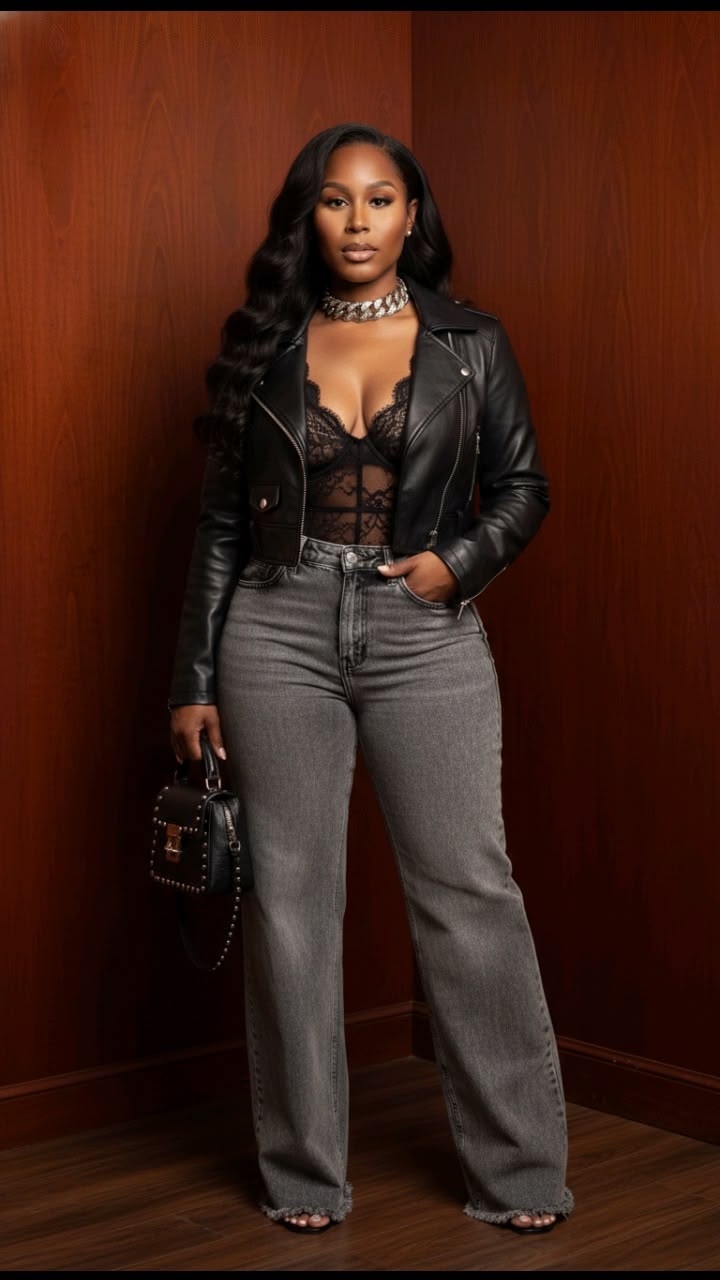
Most modern materials are designed for stability. They resist change, and when they do change, it is usually seen as damage. Leather follows a different logic.
High-quality leather becomes more flexible with time. It adapts to movement instead of resisting it. Its surface develops depth rather than fading into uniform dullness. In many cases, an older leather item carries more visual and emotional value than a new one.
This shifts the idea of durability. Durability is not just about survival. It is about evolution.
Leather rewards long-term use. It encourages repair instead of replacement. It invites a slower relationship between people and the things they carry. That relationship is where its real value sits.
An African Foundation to a Global Material
Long before leather became associated with European luxury houses, it was already embedded in African societies as both craft and necessity.
In regions such as northern Nigeria, leather was used for footwear, storage, transport, and protection. It was part of daily life, shaped by skilled artisans whose knowledge was passed through generations. In cities like Kano and historical centres such as Oyo, leatherwork was not a trend. It was infrastructure.
This context matters because it reframes our understanding of luxury today.
What is often presented globally as heritage craftsmanship has deeper roots. African leather traditions were built on function, resilience, and continuity. The material was valued not because it was rare, but because it lasted and adapted to real conditions.
Through migration and trade, these skills moved across continents. In the diaspora, leatherworking became part of emerging industries, even when its origins were not fully acknowledged. The story expanded, but the credit narrowed.
Rethinking Luxury Through Time and Use
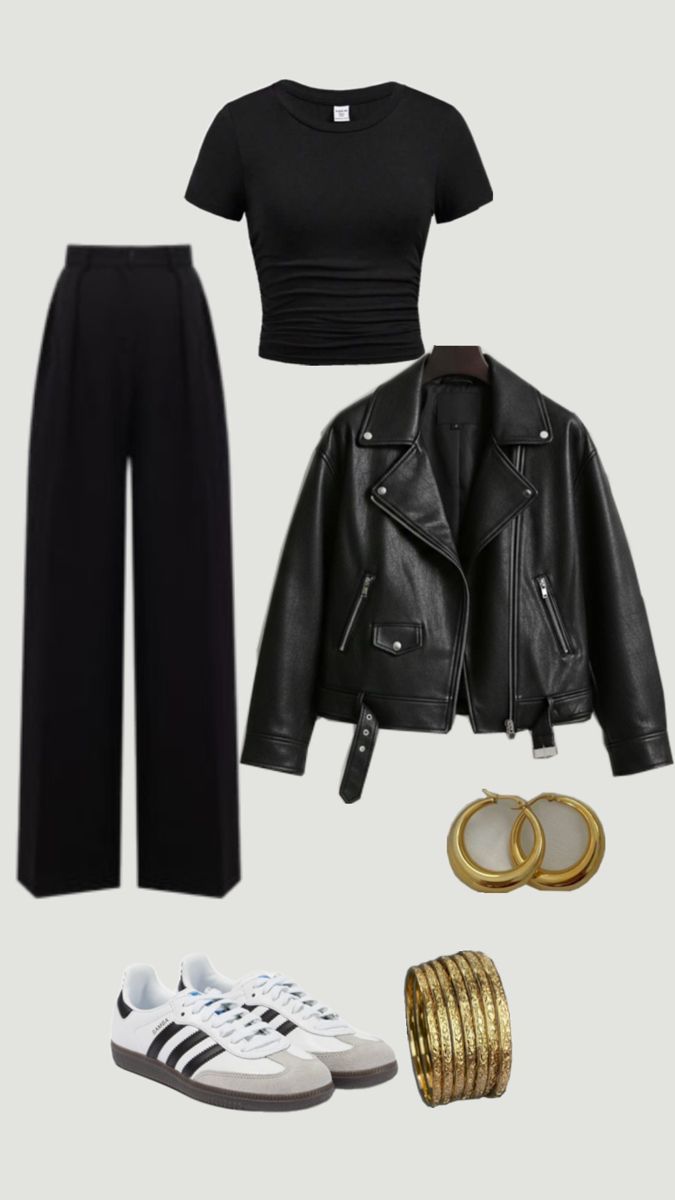
Luxury is often defined by perfection. Clean surfaces, untouched finishes, controlled presentation. Leather disrupts that definition.
A well-used leather item carries marks. It shows the time. It reveals interaction. Under conventional standards, these would be flaws. In reality, they are proof of life.
From an African perspective, value has long been tied to endurance. Objects are respected for how long they serve and how well they adapt. A material that improves with age aligns with this thinking more than one that demands constant replacement.
This is where leather becomes culturally significant.
It shifts luxury from appearance to experience. From ownership to relationship. From status to story.
Identity, Power, and the Everyday Object
What we carry shapes how we move through the world. This is especially visible in how women engage with objects tied to work, mobility, and self-expression.
A structured leather bag in a professional setting does more than complete an outfit. It signals readiness, stability, and intent. A worn leather notebook reflects consistency and thought. An inherited leather piece carries continuity across generations.
These are not just style choices. They are extensions of identity.
For women navigating spaces where visibility and perception matter, material becomes part of language. Leather, with its ability to age alongside its owner, becomes a quiet but powerful form of self-definition.
It reflects not just where someone is, but where they have been.
Read Also:
Why This Story Matters Now
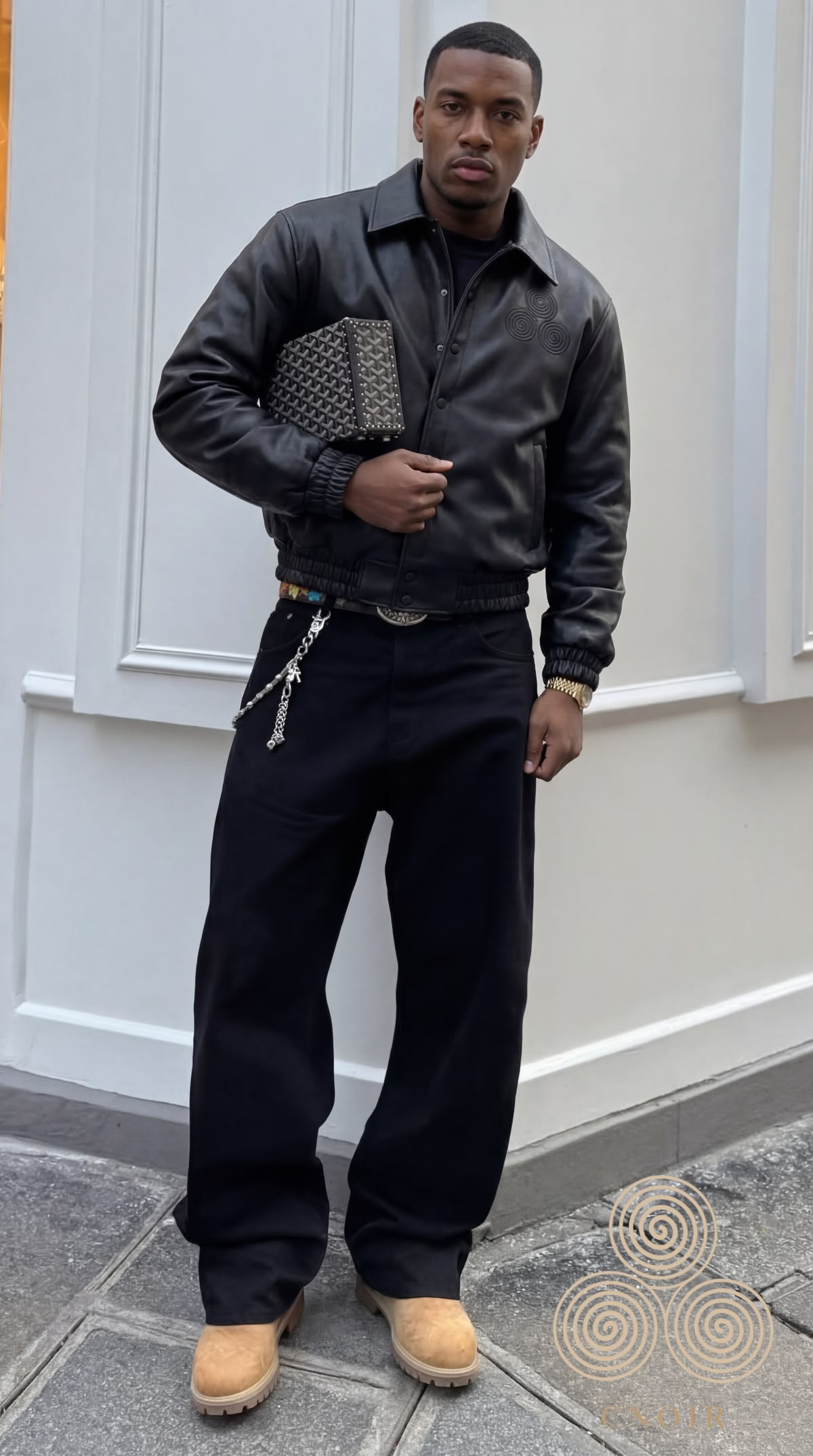
In a time where consumption is fast and attention is short, materials like leather offer a different pace. They require time to reveal their full character. They ask for care, not constant replacement.
This is not just about sustainability in the conventional sense. It is about responsibility and connection. Owning fewer things that carry more meaning. Valuing objects that evolve instead of expire.
Leather holds relevance because it aligns with a deeper human need—the need for continuity in a world that often feels temporary.
The Omiren Argument
There is a version of value that the global fashion industry has never been comfortable with. It is not the value of the new. It is not the value of the rare, the branded, or the limited. It is the value of what has already been used. The thing that has been carried, worn, and bent out of shape by a specific life and is better for it.
Leather makes this argument without speaking. Its surface records what its owner has moved through. A scuff from a particular journey. A softening at the handle from years of the same grip. A darkening that belongs to no catalogue, no colourway, and no seasonal direction. These marks are not damaged. They are evidence that the object was actually lived in, which is something most fashions cannot claim.
What the African craft traditions understood long before the European luxury houses arrived at the same conclusion is that durability is not a feature. It is a philosophy. In the leather workshops of Kano and the craft lineages of Oyo, the material was not chosen for its beauty. It was chosen because it endured, adapted, and continued to serve. That is a different relationship with an object than the one fast fashion produces. It is a relationship built on continuity rather than replacement.
Omiren Styles exists to make that distinction legible. Not between African and Western, or old and new, but between fashion that understands what it is carrying and fashion that has forgotten. A leather bag that ages alongside its owner is not simply a durable purchase. It is a record. It is evidence of a life that valued something enough to keep it. And in a world designed around the logic of disposal, that is a radical position.
That is the Omiren Argument. The most honest material is the one that refuses to pretend time has not passed. And the most authoritative fashion is the one that was built to last long enough to remember.
Conclusion
Leather does not simply age. It gathers evidence.
It records movement, touch, and time in ways most materials cannot. It carries personal history while also holding cultural memory that stretches far beyond individual ownership.
To understand leather is to understand that value is not always found in what stays the same. Sometimes, it is found in what changes with us.
And in that change, something lasting is created.
FAQs
- Why does leather change colour over time?
Leather reacts to light, air, and natural oils from the skin. These elements gradually deepen their tone, creating a unique surface.
- Is aged leather better than new leather?
In many cases, yes. High-quality leather becomes softer, more flexible, and visually richer with use.
- What is patina in simple terms?
Patina is the visible change on leather caused by time and use. It reflects how the item has been handled and worn.
- How is leather connected to African craftsmanship?
Leather has long been part of daily life in Africa, especially in regions known for skilled artisanship, where it served both practical and cultural roles.
- Why is leather considered a long-term material?
It is durable, repairable, and improves with age, making it suitable for extended use rather than short-term consumption.