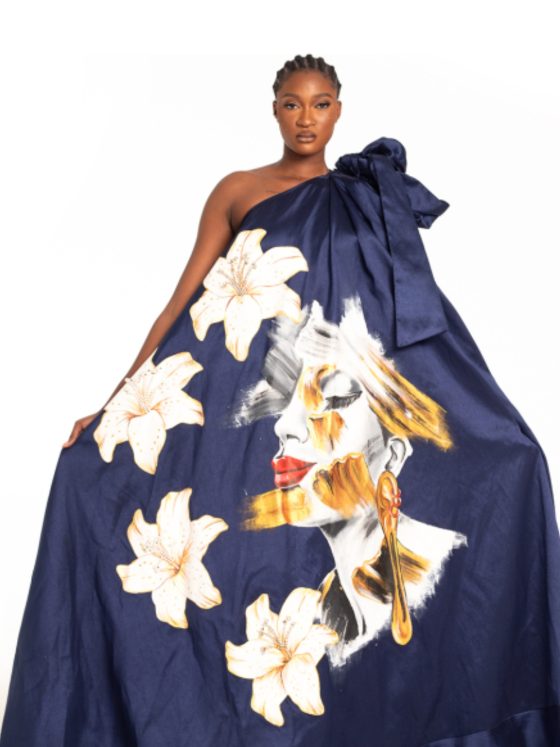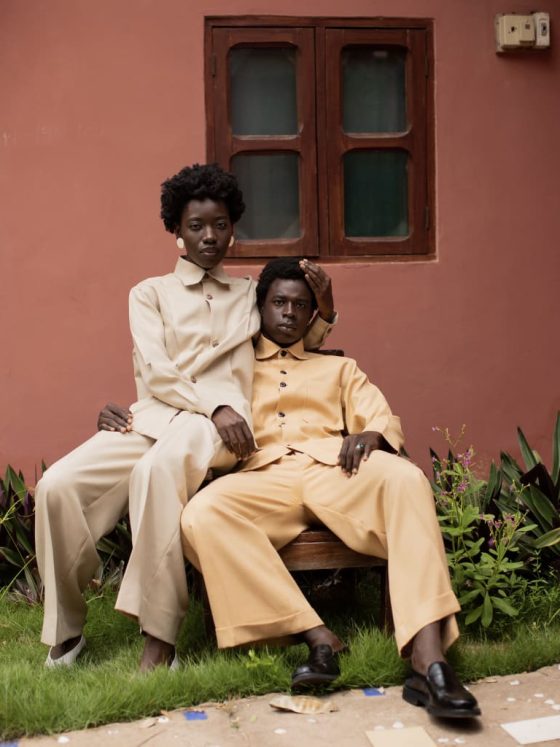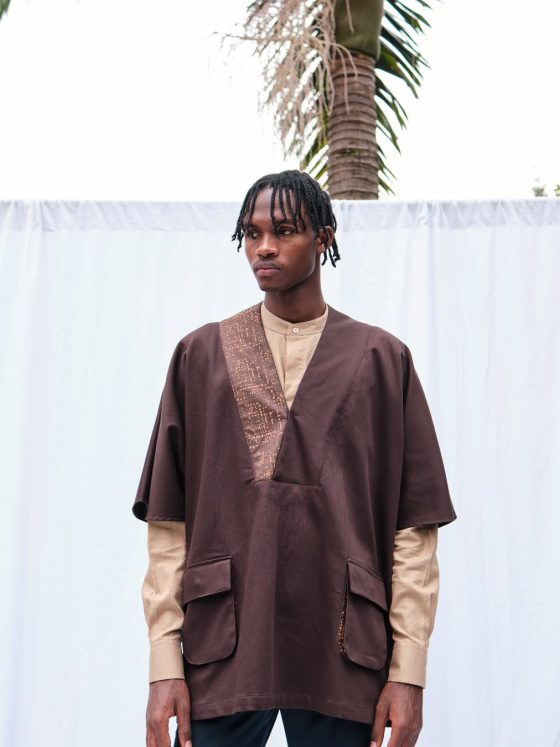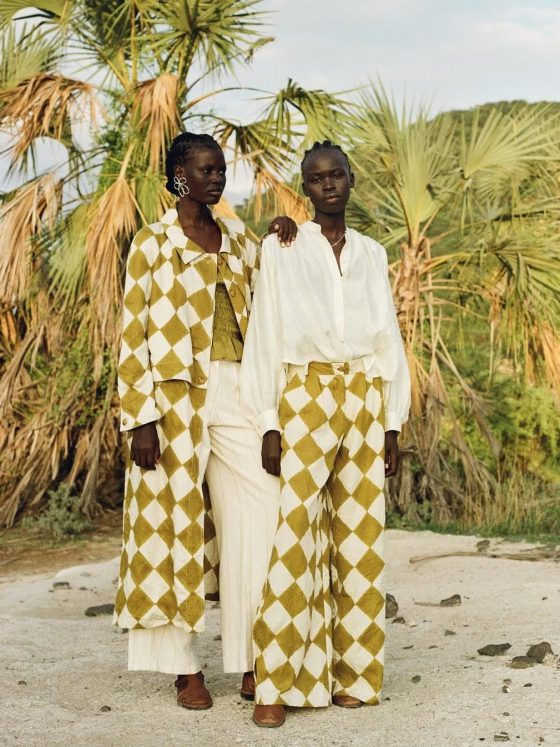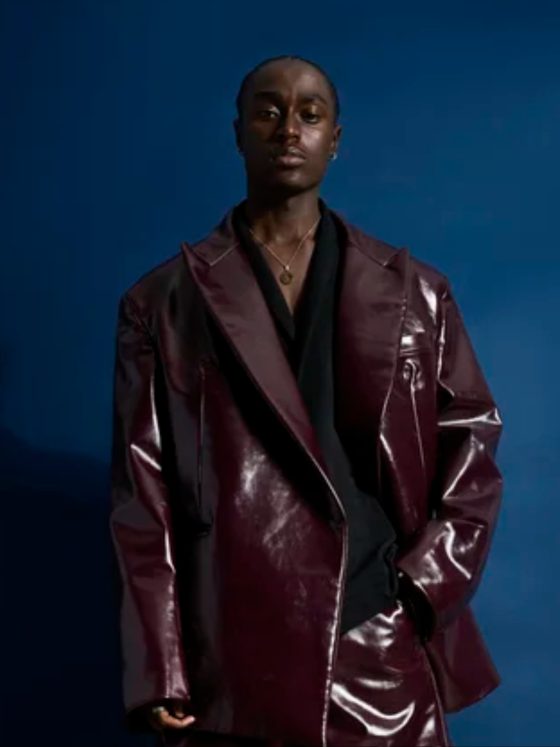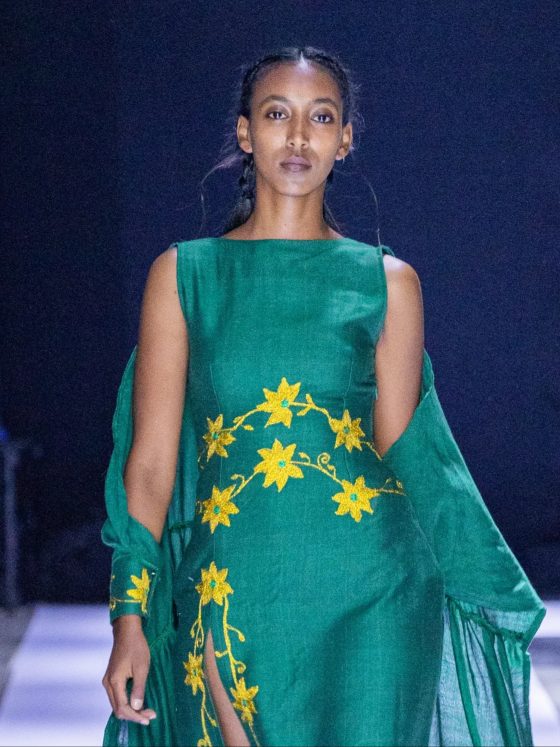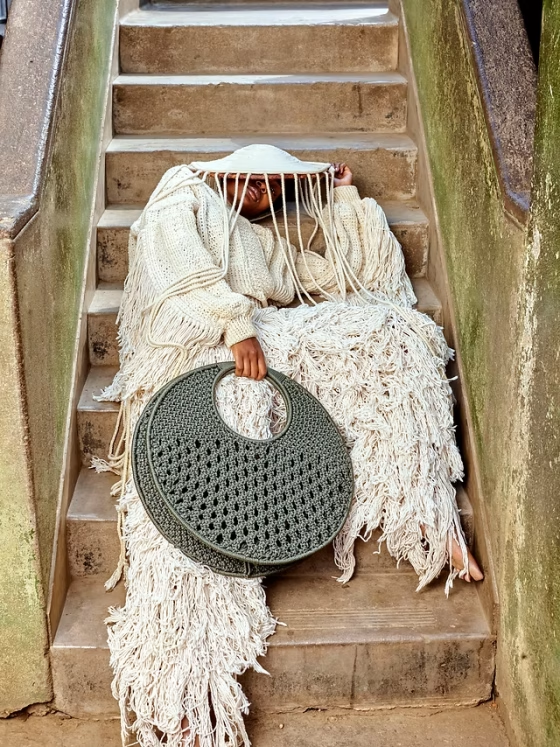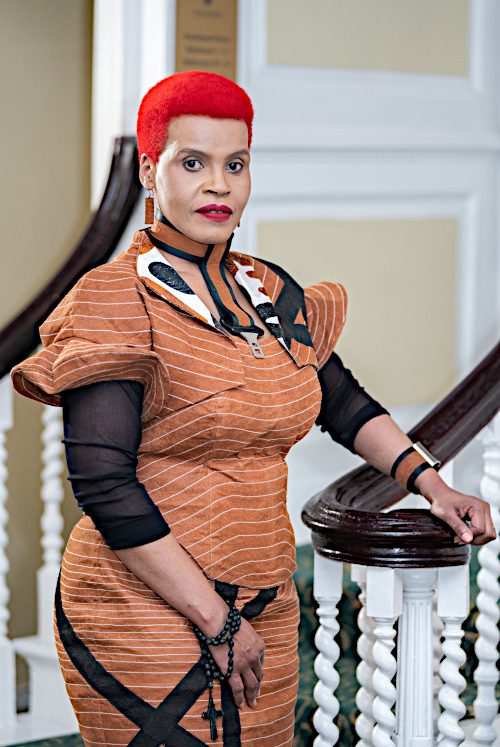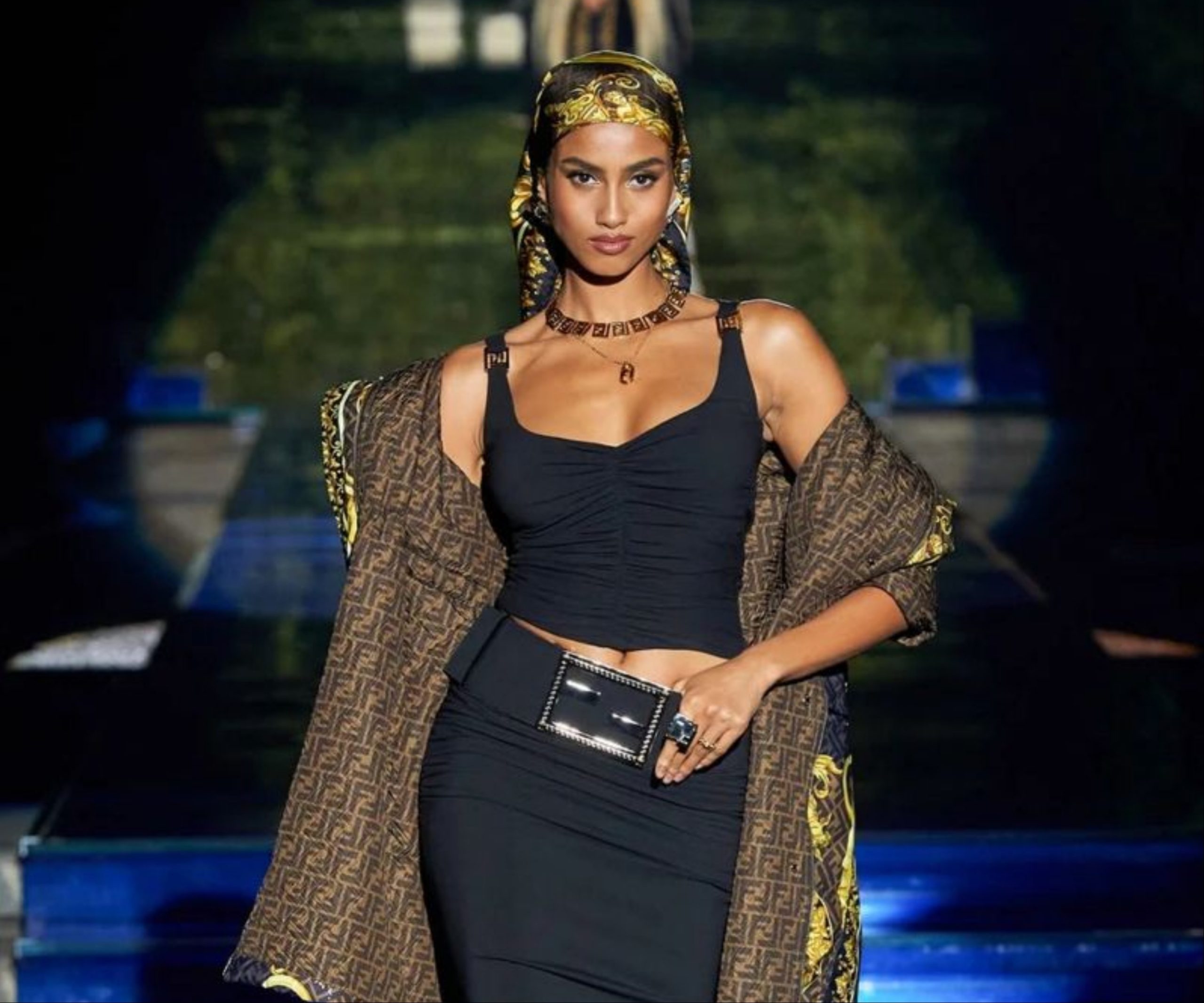
Global runways have always mirrored the priorities of their time. For years, those priorities rarely aligned with the realities of African beauty. Yet the shift didn’t happen through statements or campaigns. This shift evolved through women who carried their heritage with such quiet confidence that the industry had no choice but to adjust its lens.
Today, African models are not simply participating in the fashion conversation but are shaping it with precision. Their presence has redefined casting language, influenced the creative direction of major houses, and expanded the visual vocabulary of global beauty. The evolution didn’t arrive as a trend. It came as a standard established by women whose careers now serve as cultural reference points.
At Omiren, we document not just the rise of these models, but the larger transformation they represent: Africa’s growing influence on the world’s most powerful stages. Their stories are evidence of a continental identity asserting itself with clarity and sophistication.
African models transformed global beauty norms and reshaped the runway. Explore the women whose presence forever redefined high fashion.
The Icons Who Shifted Global Fashion
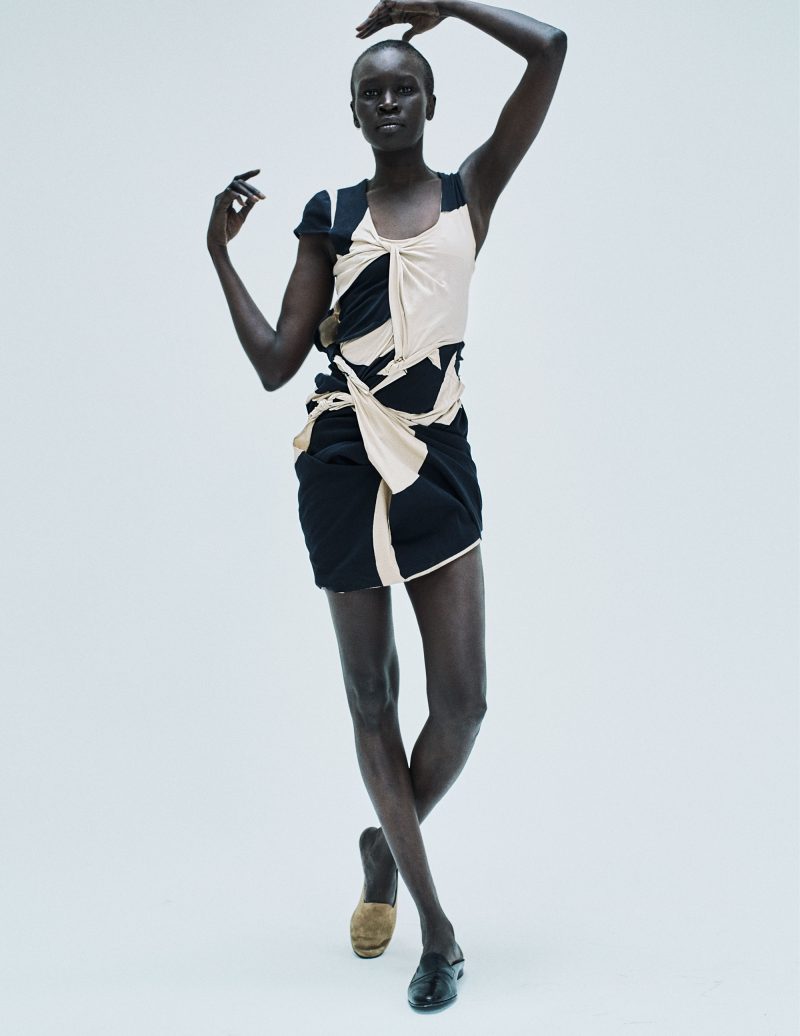
1. Alek Wek: The Woman Who Reimagined Beauty in High Fashion
Early Life & Discovery
Born in 1977 in Wau, South Sudan, Alek Wek fled the civil war with her family as a teenager. Settling in London in the mid-1990s, she was discovered by a talent scout at age 18. Her striking dark complexion, angular features, and natural short hair immediately set her apart from the European beauty standards dominating the time.
Breakthrough Moment
In 1997, Alek Wek made her runway debut for Jean Paul Gaultier and Alexander McQueen during Paris Fashion Week. Her presence was unprecedented. That same year, she appeared on the cover of i-D magazine, signalling her entrance as a force reshaping fashion aesthetics.
Industry Firsts
- First South Sudanese model to consistently appear on major international runways.
- In 1998–2000, she was featured on Vogue UK covers and ELLE spreads, marking her as one of the first dark-skinned African models to do so regularly.
- She collaborated with high-profile designers such as John Galliano, Issey Miyake, and Chanel, who often built entire collections around her presence.
Milestones & Impact
- Oprah Winfrey cited seeing Alek Wek on covers as a moment that changed her perception of beauty.
- She challenged casting norms, proving that dark skin and African features could anchor global fashion campaigns.
- Alek Wek inspired a generation of dark-skinned models, establishing diversity as a structural expectation rather than an exception.
Legacy
Alek Wek remains a cultural icon and humanitarian. Her influence is visible in today’s prominent African models who dominate runways and magazine covers worldwide.
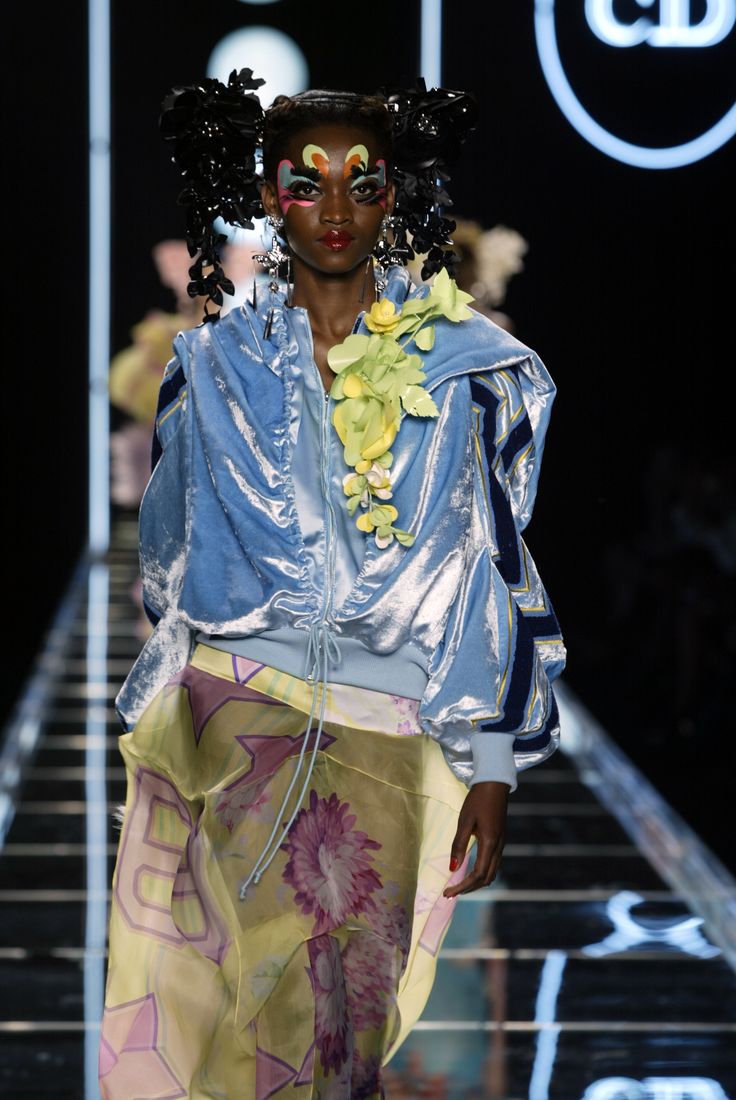
2. Oluchi Onweagba: The Nigerian Trailblazer
Early Life & Discovery
Born in 1980 in Lagos, Nigeria, Oluchi won the first Face of Africa competition in 1998. This victory launched her onto the international stage, making her one of the first Nigerian models to gain widespread global recognition.
Breakthrough Moment
Immediately after her win, Oluchi signed with NEXT Model Management and debuted in the Paris and Milan runway seasons. She walked for Dolce & Gabbana, Versace, and Yves Saint Laurent in 1999, a period when African representation in high fashion was minimal.
Industry Firsts
- First Nigerian model to walk consistently in top European fashion weeks.
- Victoria’s Secret Angel from 2002 to 2004, opening doors for African models in mainstream fashion.
- She became the face of campaigns for brands such as Ralph Lauren, Roberto Cavalli, and GAP.
Milestones & Impact
- She established her modelling agency in South Africa, where she mentored emerging African talent.
- Helped shift global perception: African models were no longer a novelty; they became sought-after assets for top campaigns.
- Her work inspired agencies to scout more extensively in Africa, increasing visibility for a generation of African talent.
Legacy
Oluchi’s career established a tangible pathway for African models to access major international markets, making her a reference point for career longevity and professional excellence.
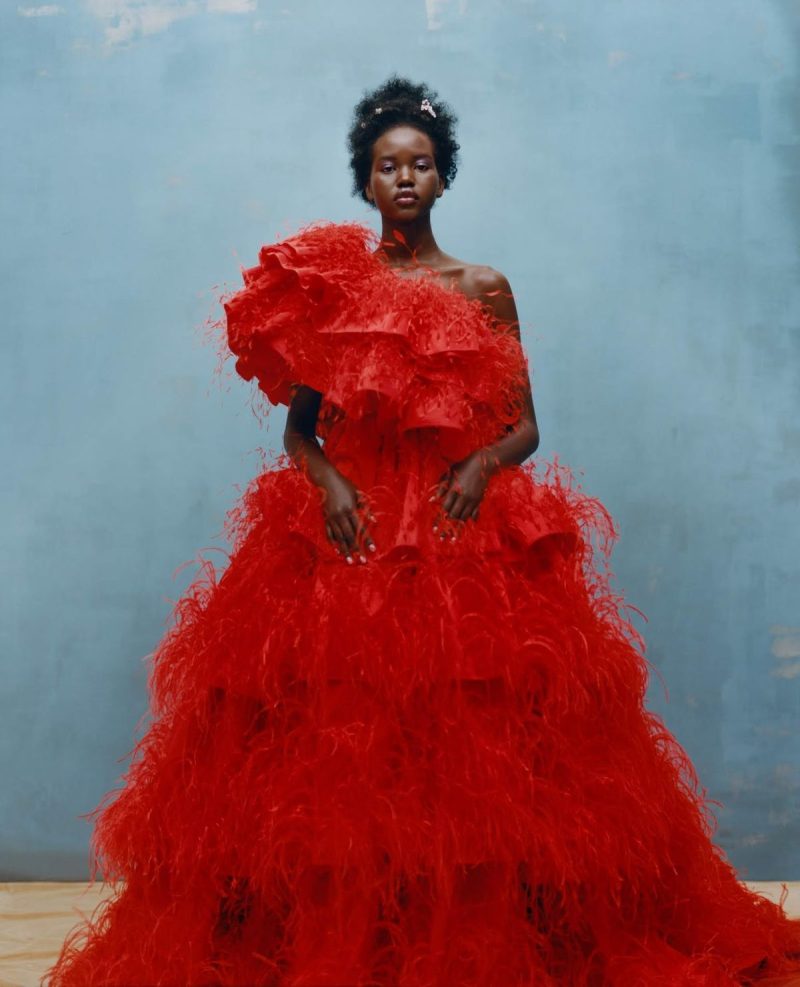
3. Adut Akech: The Modern Face of African Excellence
Early Life & Discovery
Born in 1999 in Kakuma Refugee Camp, Kenya, Adut moved to Australia as a refugee. Discovered at age 15, she signed with Chadwick Models and quickly attracted attention for her commanding presence and adaptability.
Breakthrough Moment
In 2017, Adut made her runway debut at Prada and Valentino, immediately becoming a favourite among creative directors. By 2018, she had walked over 70 shows in a single season, including Chanel, Fendi, Saint Laurent, and Dior.
Industry Firsts
- Won the Model of the Year award at the 2019 British Fashion Awards.
- In her first two seasons, she fronted campaigns for Chanel, Valentino, Prada, and Givenchy.
- Frequently opened shows, a role reserved for the industry’s most prominent faces.
Milestones & Impact
- Her rise highlighted the importance of African representation at the highest level of fashion.
- Became a mentor and advocate for emerging African models, inspiring new generations to pursue international modelling careers.
- Demonstrated that African beauty could define global runway standards, not just participate in them.
Legacy
Adut embodies modern African modelling power: resilient, versatile, and in control of her narrative.
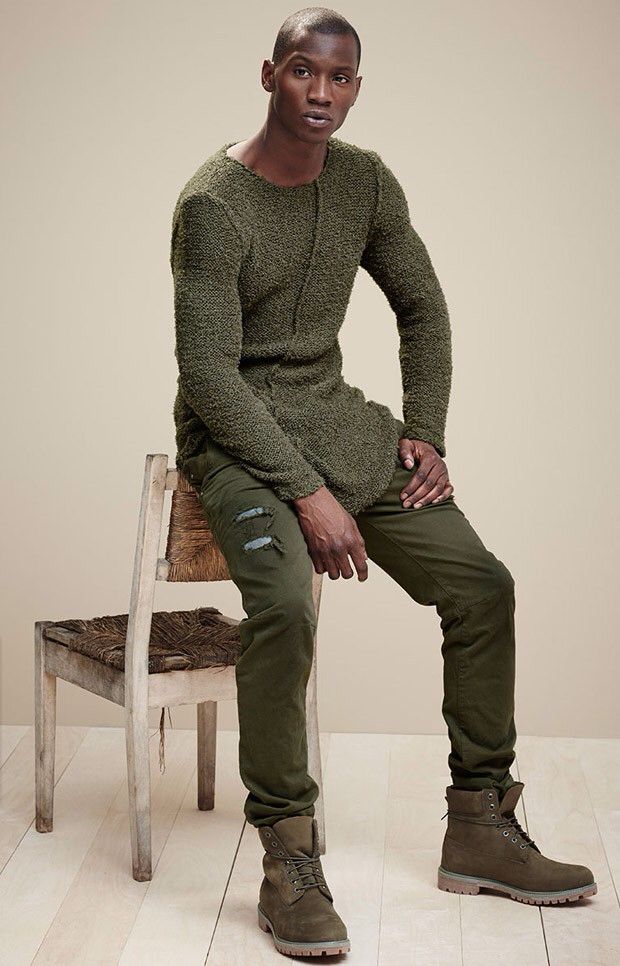
4. Adonis Bosso (Ivory Coast)
Early Life & Discovery
Adonis Bosso was born in the Ivory Coast and raised in Montreal, Canada.
In 2009, his modelling journey took an unexpected turn when he accompanied his girlfriend to a casting and was immediately signed. What had started as a chance visit became the turning point of his life.
Breakthrough Moment
Shortly after signing, Bosso left his retail job and landed a campaign with a major global brand. That shift made him one of the first widely visible male models of Ivorian origin on the worldwide circuit.
Industry Firsts
- He walked and worked for high-fashion and mainstream brands such as Dolce & Gabbana, Tom Ford, H&M, Levi’s, and Thom Browne.
- He became a consistently booked “money guy”, securing regular spots on major runways and campaigns, a feat uncommon for Black male models of West African origin.
Milestones & Impact
- At a time when Black male models had minimal representation, Bosso challenged Eurocentric standards of male beauty. His success helped prove that African‑heritage men could sell luxury and mainstream fashion globally.
- His presence in campaigns and on runways helped broaden the scope of masculinity in fashion by signalling acceptance of diverse skin tones and body types in men’s fashion, moving beyond stereotypical “exotic” tropes.
Legacy
Adonis Bosso remains a reference point for young West African men aspiring to global modelling careers. His journey demonstrates that African roots and global ambition can coexist and that male models of African heritage can occupy the same space of influence previously dominated by Western norms.
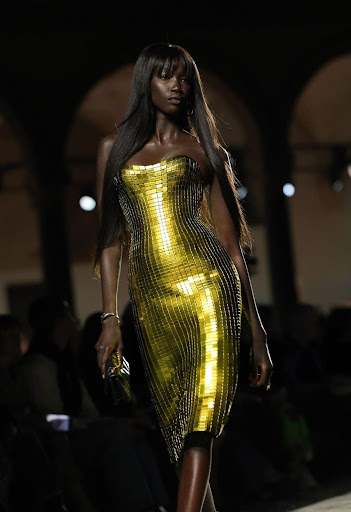
5. Anok Yai: The First Black Model to Open Prada Since Naomi Campbell
Early Life & Discovery
Anok, who was born in 1997 in Cairo, Egypt, and raised in New York, made her photographic debut at a local high school event in 2017. The image went viral, which led to an immediate modelling contract with Supreme Management.
Breakthrough Moment
In 2018, Anok became the first Black model to open a Prada runway since Naomi Campbell in the 1990s. That historic moment cemented her as a force capable of redefining casting expectations for luxury fashion houses.
Industry Firsts
- Anok has opened major runway shows for renowned fashion brands such as Prada, Versace, and Fendi.
- Featured in global campaigns for Balmain, Givenchy, and Chanel.
- Recognised by Vogue as one of the decade’s most influential models in 2019.
Milestones & Impact
- Her immediate success challenged the speed and criteria of runway casting.
- Inspired brands to prioritise African talent in lead roles for campaigns and editorials.
- Anok rose to prominence as a symbol of East African representation in luxury fashion.
Legacy
Anok continues to anchor high-profile campaigns, proving that African models are now central to industry narratives rather than peripheral figures.
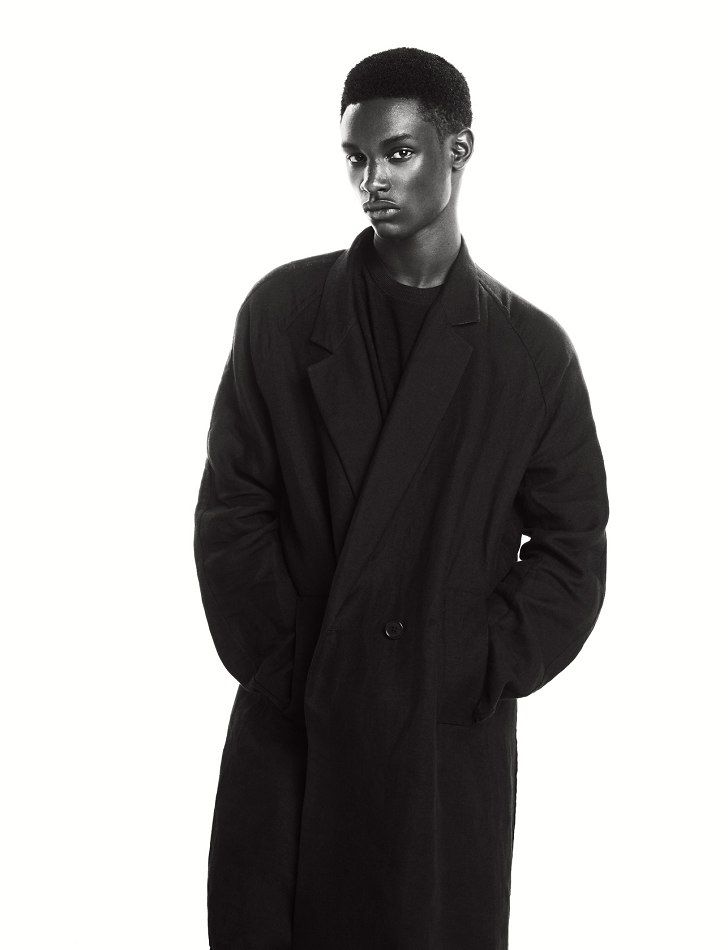
6. Victor Ndigwe (Nigeria)
Early Life & Discovery
Born in Adazi‑Nnukwu, Anambra State, Nigeria, Victor Ndigwe grew up in a typical Nigerian family.
His path toward modelling began when he entered and won the 2014 edition of the Elite Model Look Nigeria competition. That win changed his trajectory.
Breakthrough Moment
By 2015, Victor had become the first Nigerian male model to walk major international runways, starting with shows for Ermenegildo Zegna and Missoni in Milan.
This milestone opened doors across Paris, London, and global fashion weeks.
Industry Firsts
- Walked for leading fashion houses: Versace, Balmain, Hermès, Dolce & Gabbana, Fendi, Kenzo, Dsquared2, Zegna, and more.
- Soon after his runway breakthrough, Victor starred in the debut campaign for one of Europe’s major ready-to-wear houses.
Milestones & Impact
- As the first Nigerian male to walk the runways of Milan, Paris, and London, Victor dismantled geographic and racial barriers for African male models.
- Proved that Nigerian male beauty and presence can meet and succeed under global fashion’s most rigorous spotlight.
- Inspired a wave of aspiring male models from Nigeria and West Africa to believe in the global runway possibility.
Legacy
Victor Ndigwe is a landmark figure in African male modelling. He didn’t just enter global fashion; he redefined what it means for a Nigerian man to walk in haute couture shows. His success made space for a broader African narrative in male luxury fashion.
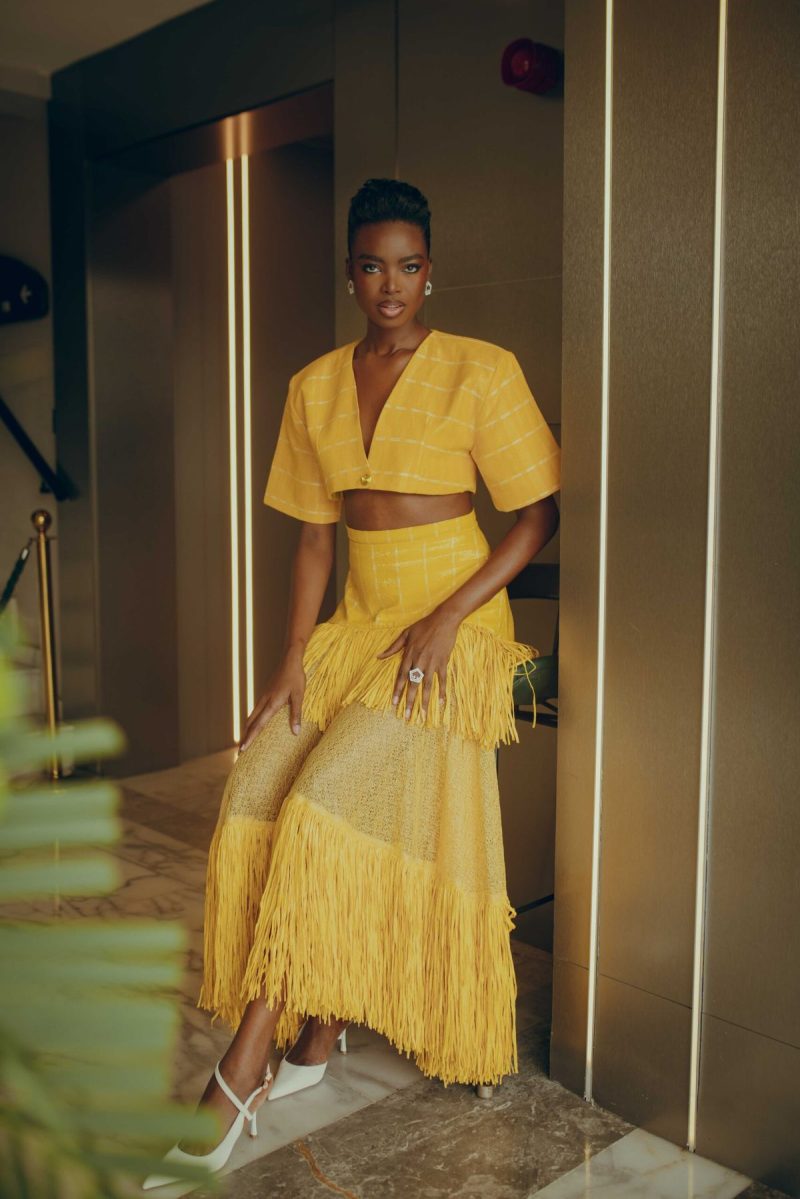
7. Maria Borges: Reclaiming African Hair on the Victoria’s Secret Runway
Early Life & Discovery
Born in 1992 in Luanda, Angola, Maria was scouted at a fashion show in 2010. She quickly gained attention for her natural charisma and versatility on the runway.
Breakthrough Moment
In 2015, Maria walked the Victoria’s Secret Fashion Show wearing her natural short hair, making history as the first model to do so. This marked a radical departure from the show’s longstanding Eurocentric beauty standards.
Industry Firsts
- Fronted campaigns for Dior, Dolce & Gabbana, and Balmain.
- First Angolan model to achieve sustained global recognition.
- Featured in Vogue, Harper’s Bazaar, and Elle worldwide.
Milestones & Impact
- Normalised natural African hair textures are globally.
- Paved the way for subsequent African models to embrace authenticity in their visual representation.
- Inspired designers and casting directors to reconsider rigid beauty norms.
Legacy
Maria Borges’ career demonstrates that authentic representation can transform mainstream fashion standards while remaining commercially successful.
8. Sacha M’Baye (Senegal / West Africa)
Early Life & Discovery
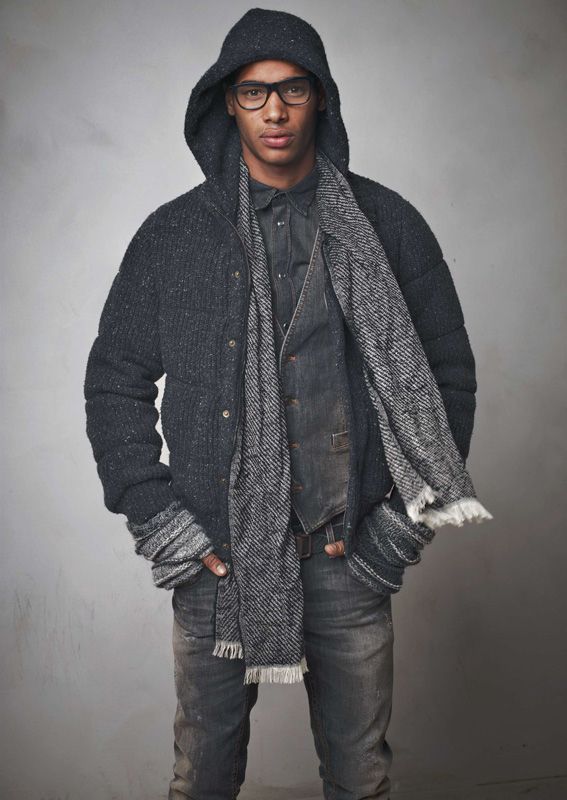
Sacha M’Baye hails from Senegal. He came into the modelling spotlight through a casting route tied to European agencies, gaining early representation across fashion capitals.
Breakthrough Moment
In 2011, M’Baye secured a major global breakthrough as the face of a high-profile campaign for Burberry. That positioning immediately placed him among the most visible African male faces in international fashion marketing.
Industry Firsts
- Worked with major brands beyond luxury fashion, spanning everyday and high‑end labels (broadening the definition of “marketable Black male beauty”).
- His work has been featured in international editorials and campaigns that have reached both mainstream and luxury audiences worldwide, thereby reinforcing the presence of African men in a diverse range of fashion contexts.
Milestones & Impact
- Helped shift market perception: his work proved that African‑heritage men could sell both luxury and accessible fashion globally, not just niche or “ethnic” style.
- It contributed to the normalisation of West African male representation in major fashion campaigns, reinforcing the idea that African models belong in every segment of the fashion industry.
Legacy
Sacha M’Baye stands as an early wave collaborator in the movement for African male visibility in global fashion. His Burberry breakthrough remains a reference for how African heritage and global brand identity can intersect, opening space for more inclusive, diversified casting across the industry.
9. Imaan Hammam: North African Heritage on the Global Stage
Early Life & Discovery
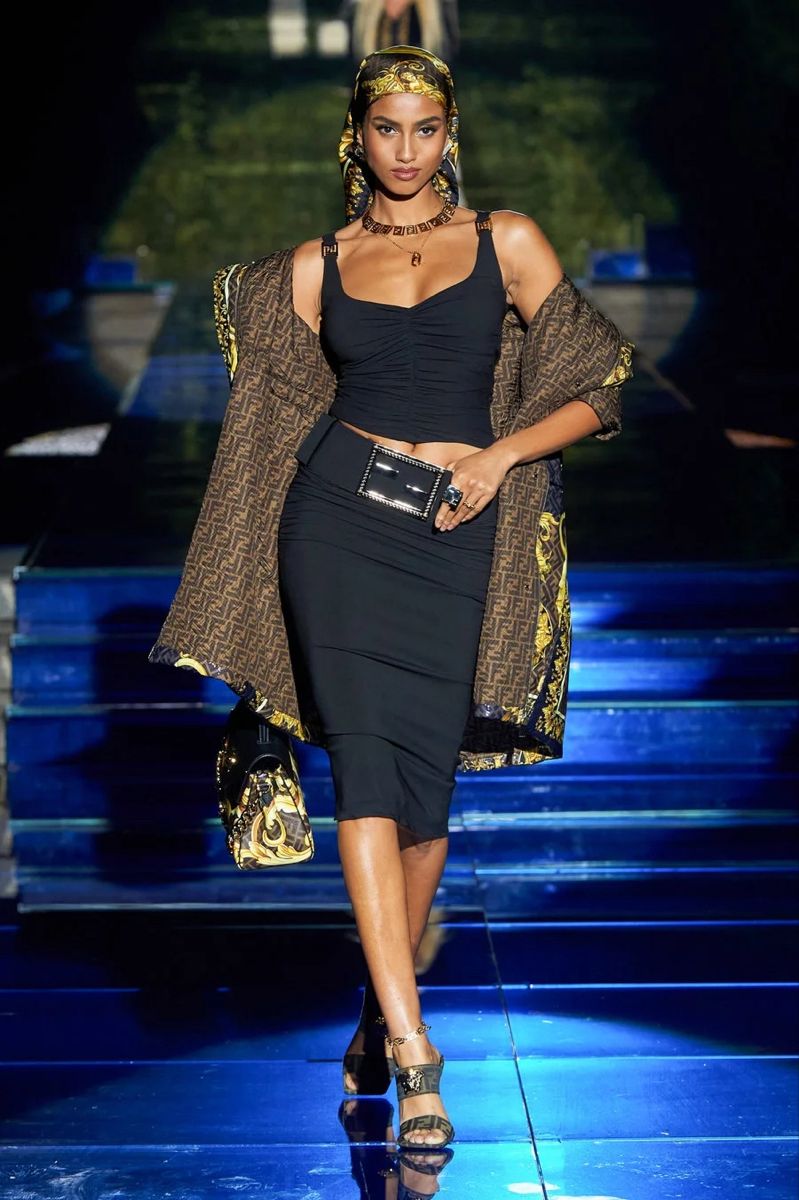
Born in 1996 in Amsterdam to Moroccan and Egyptian parents, Imaan was discovered at age 14. She signed with DNA Model Management, bringing a North African aesthetic to European fashion circuits.
Breakthrough Moment
In 2015, she walked for Givenchy, Lanvin, and Chanel, quickly becoming one of the most in-demand faces in fashion. She has since appeared on more than a dozen Vogue covers worldwide.
Industry Firsts
- She is the first model from North Africa to consistently feature in high-end campaigns for brands such as Prada, Balenciaga, and Fendi.
- Recognised for bridging African and European aesthetics through runways and editorial work.
Milestones & Impact
- Demonstrated the importance of North African representation in luxury fashion.
- Inspired younger models from Morocco, Egypt, and neighbouring regions to pursue international modelling careers.
- It contributed to the normalisation of African and mixed-heritage trends on the global fashion stage.
Legacy
Imaan Hammam’s versatility, visibility, and editorial range make her a standard-bearer for African identity in high fashion, showing that representation can be both commercially and artistically central.
10. David Agbodji (Togo / West Africa)

Early Life & Discovery
David Agbodji has Togolese heritage; though he spent parts of his early life abroad, his roots have always connected him to West Africa.
He began modelling in 2008, signing with Re: Quest Management in New York while still completing his art studies.
Breakthrough Moment
In 2009, Agbodji made a bold entrance into fashion. He both opened and closed the runway show for Calvin Klein’s Spring/Summer collection in Milan. That visibility launched him into international recognition.
Industry Firsts
- He became one of the first Black West African male models to front a major global menswear campaign (Calvin Klein).
- Walked for top designers and appeared in editorials and campaigns across major fashion capitals, from Milan and Paris runways to GQ Style UK, V Magazine, Interview, and French Vogue.
Milestones & Impact
- His early success challenged the scarcity of Black African men in menswear campaigns and runway line-ups, demonstrating that African heritage and global luxury fashion could coexist on equal footing.
- As a model and creative (also pursuing photography), he broadened the definition of what it means to be a multifaceted African man in fashion.
- Opened space for African male models to be seen not just as “diverse casting choices”, but as taste‑makers and visual leaders.
Legacy
David Agbodji remains a foundational name in the history of African male modelling. His 2009 Calvin Klein breakthrough still resonates: he helped carve a path for African men in menswear fashion, and his career remains a reference point for identity, style, and boundary‑pushing representation.
READ MORE:
- The Rise of African Luxury Designers Redefining Global Runway Culture
- How African Culture Is Shaping Global Fashion in 2025: Trends, Designers, and Style Movements
How African Models Changed Fashion Forever
- They Turned Diversity Into a Requirement
African models didn’t enter fashion as tokens. Their success forced a structural shift. Casting directors and editors now shape their projects with African representation as a necessary part of the visual framework.
- They Inspired a New Creative Generation
Designers, stylists, and photographers from across Africa found motivation in seeing models who looked like them on global stages. Cities like Lagos, Dakar, Accra, Nairobi, and Johannesburg are building new creative ecosystems partly because these women showed what is possible.
- They Expanded Fashion’s Visual Language
African features, skin tones, and hairstyles widened the industry’s understanding of beauty. Elements previously ignored are now essential in creating compelling fashion imagery.
- They Challenged and Rewrote Old Ideals
The industry no longer relies on a singular beauty template. African models pushed fashion to embrace a richer definition of elegance, one informed by culture, history, and individuality.
The Deeper Shift: Why Their Impact Matters
- The Politics of Visibility
Visibility in fashion was once controlled by geography and race. These models reoriented the fashion industry’s focus. African beauty moved from the margins to an influential position that shapes editorial and commercial decisions.
- African Aesthetics as Modern Luxury
Luxury evolves when new perspectives lead. African aesthetics brought depth, tone, and creative complexity, reshaping how designers work. In 2025, the imprint of African beauty is evident across top fashion houses, not as a statement, but as part of their visual logic.
- The Archive: Cultural Documentation Through Images
Photographs of Wek, Oluchi, Adut, and others act as cultural records. Their work documents Africa’s growing authority within global conversations. Future generations will study each image’s meaning, not just its appearance.
- Modernity Through African Casting
Casting an African model communicates contemporary relevance. It signals a brand’s engagement with culture, depth, and global awareness. This phenomenon is why African models consistently appear at the centre of high-impact campaigns.
- The Economics of Beauty
The influence of African models extends beyond aesthetics. Beauty brands expand shade ranges. Luxury houses rethink their global strategies. Editors broaden editorial narratives. The visibility of African beauty now shapes industry economics and global positioning.
Conclusion
The rise of African models is a transformation grounded in presence, identity, and artistic force. These models reshaped fashion’s understanding of beauty and extended Africa’s influence across the most potent creative platforms.
Africa is not entering fashion. Africa is shaping it.
Omiren stands as a platform committed to telling this story with accuracy, respect, and depth.
Looking Forward
As fashion continues to prioritise authenticity and cultural truth, African models will remain central to its next phase. Their influence is embedded in the industry’s foundation. Omiren will continue to document the impact of African models with the authority their stories deserve.
FAQs
- How did African models influence global beauty standards?
They broadened beauty ideals by introducing features and aesthetics that the industry had previously overlooked.
- Which African model had the most tremendous impact on runway culture?
Alek Wek is widely recognised for initiating the shift in the 1990s.
- Why are African models central to luxury campaigns today?
Their presence communicates modernity, cultural depth, and strong creative direction.
- How does Omiren contribute to African fashion storytelling?
By presenting African fashion narratives with global editorial standards and original cultural insight.
- Are African models leading international campaigns?
Yes. Many luxury houses position African models at the centre of their global strategies, not on the sidelines.