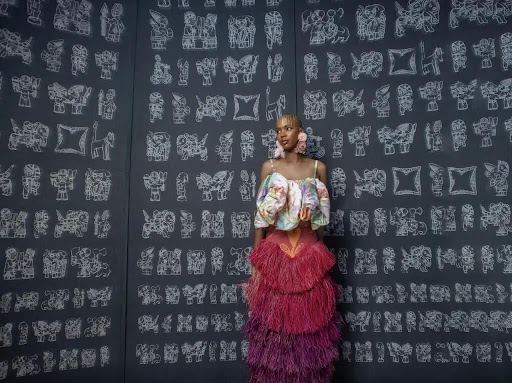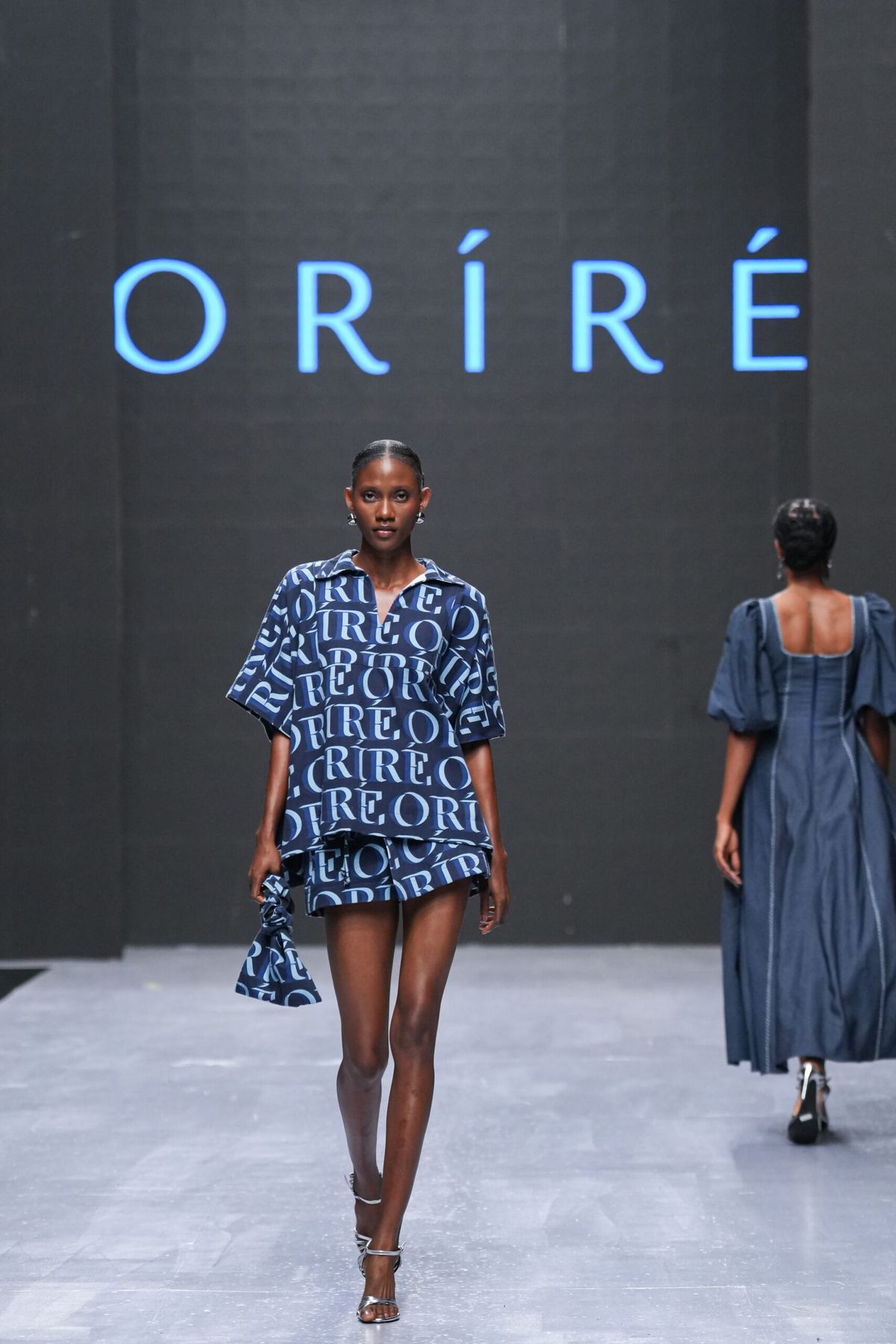
For much of fashion history, authority followed a narrow map. Paris dictated taste. Milan refined it. London experimented. New York sold it. Everything beyond these centres was framed as emerging, inspirational, or waiting its turn.
That hierarchy is quietly dissolving.
Across the African continent, fashion weeks are no longer positioned as regional showcases seeking external validation. They are operating as cultural engines in their own right, setting priorities that challenge how the global industry understands luxury, production, and relevance. Consistency, infrastructure, and confidence drive this shift, rather than spectacle or disruption for attention’s sake.
African fashion weeks are not seeking inclusion in global discussions. They are reframing them.
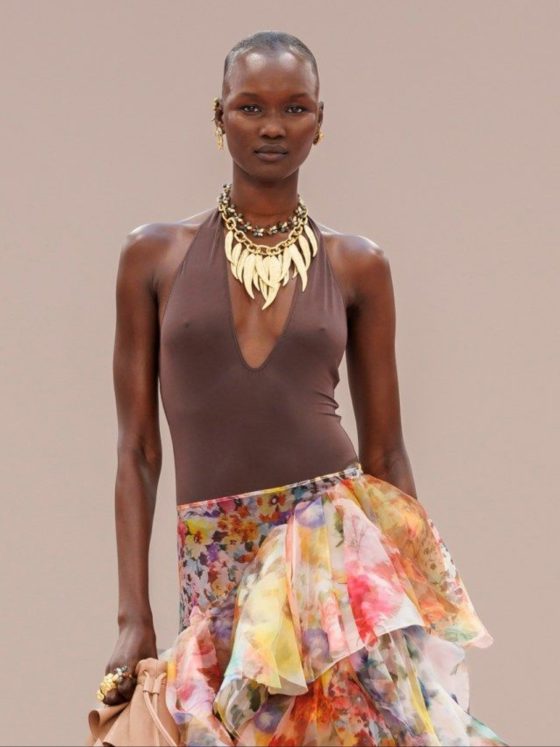
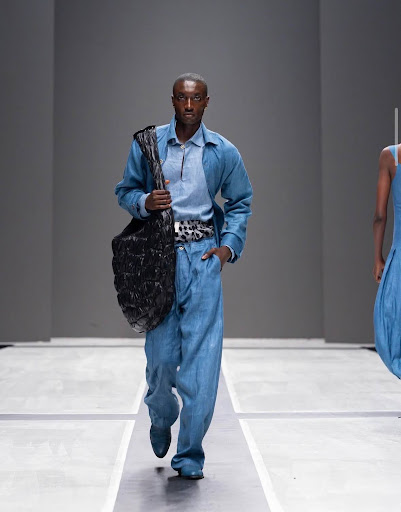
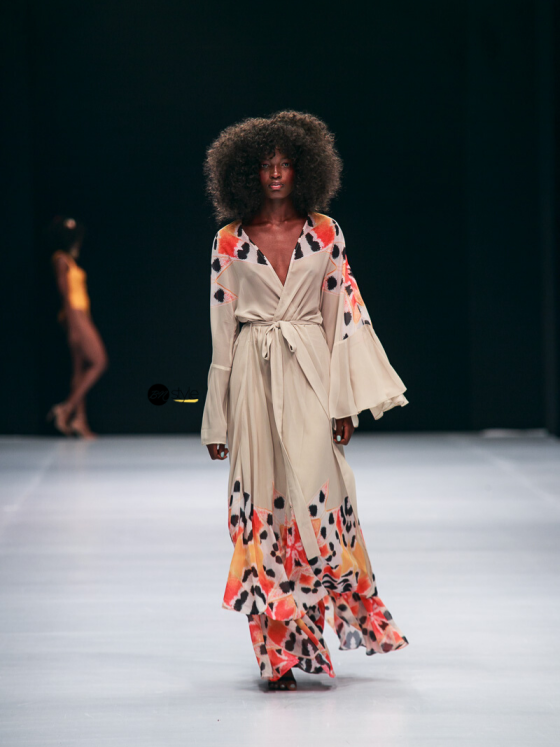
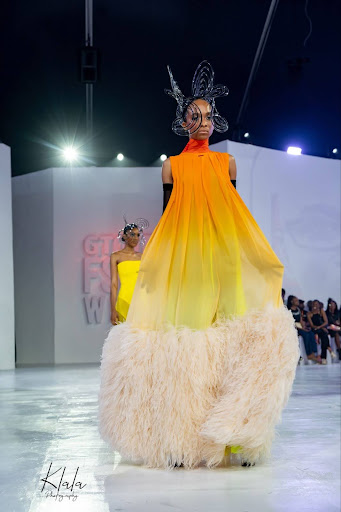
African fashion weeks are reshaping global style through craft, sustainability, and cultural authority, redefining modern fashion systems across cities.
From Visibility to Structural Influence
In earlier years, international coverage of African fashion weeks focused primarily on aesthetics. Colour, movement, and perceived vibrancy dominated the narrative, often flattening complex fashion systems and creating moments of visual excitement.
That framing has evolved.
Today, platforms such as Lagos Fashion Week operate with a clear institutional vision. Founded in 2011, it has become one of the continent’s most influential fashion ecosystems, combining runway presentations with buyer programs, fashion business education, and textile development initiatives. Its goal is not attention but continuity.
Similarly, South African Fashion Week has played a crucial role in shaping commercially viable designers by emphasising craftsmanship, retail readiness, and sustainability. These platforms demonstrate that fashion weeks can function as long-term industry infrastructure rather than seasonal events.
The global fashion industry is beginning to recognise this shift, not because of novelty but because these models offer answers to problems it is actively grappling with.
Luxury Reconsidered
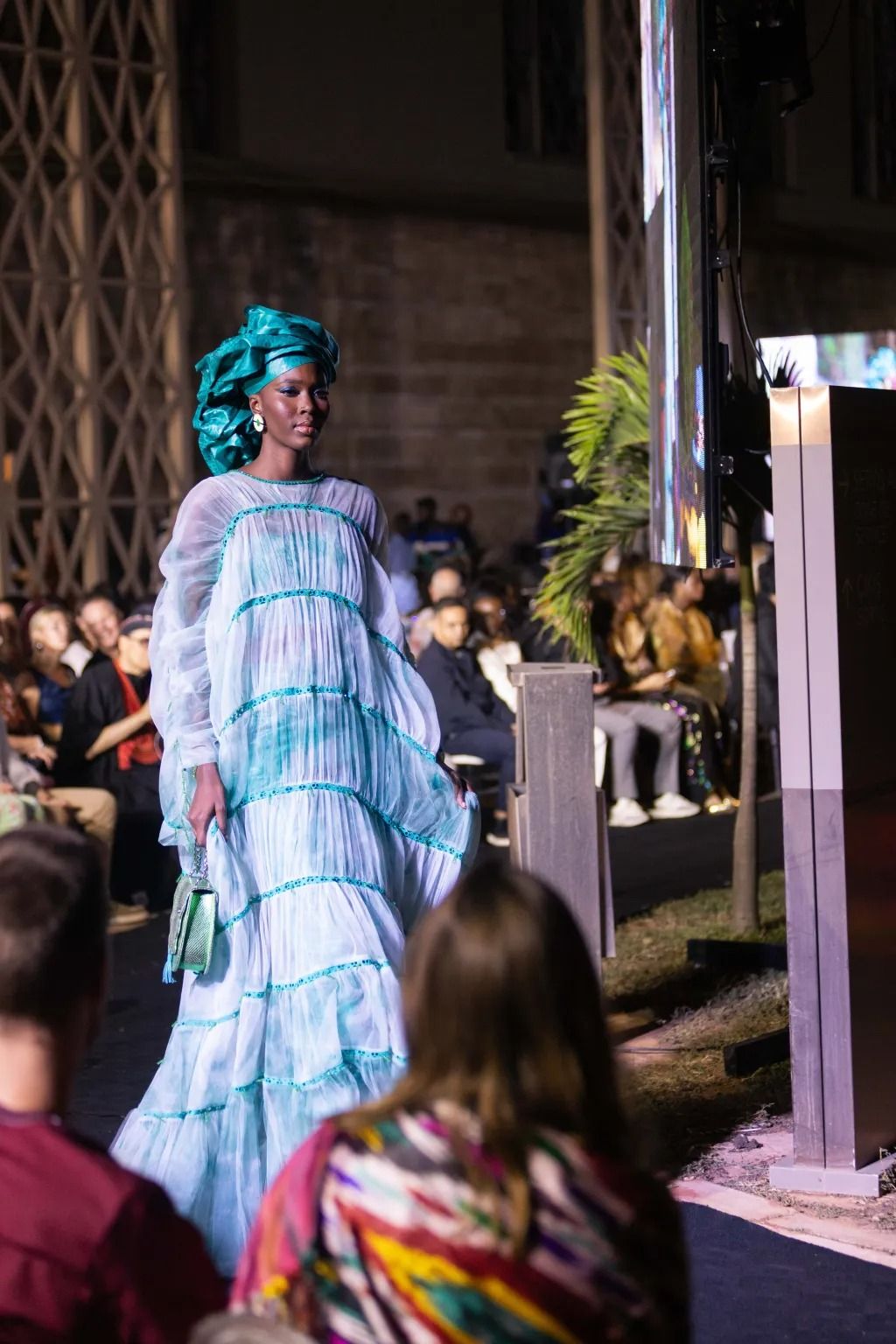
One of the most powerful ways African fashion weeks are reframing global conversations is through their approach to luxury.
Here, luxury is rarely defined by excess or spectacle. Instead, it is rooted in material intelligence, tailoring, and the value of time—collections frequently foreground handwork, local textiles, and construction techniques that resist rapid duplication.
At Dakar Fashion Week, designers consistently present garments that privilege drape, proportion, and fabric over trend-led statements. The clothes speak through restraint. Luxury is communicated through process rather than performance.
This approach challenges a global industry long reliant on speed and constant novelty. In these spaces, luxury is not seasonal. It is cumulative.
Fashion Weeks Grounded in Place
Unlike traditional fashion capitals, where runways often take place in neutral or fantastical environments, many African fashion weeks have a deep connection to their surroundings.
In Accra, shows often take place in cultural centres and architectural spaces that reflect the city’s creativity. In Johannesburg, industrial venues and historic buildings frame collections within lived urban contexts. These environments influence how clothes are presented and perceived.
Further east, Nairobi Fashion Week highlights a generation of designers engaging with sustainability, secondhand culture, and experimental styling, reflecting the city’s role as a hub for youth-driven creativity. Meanwhile, Kigali Fashion Week places strong emphasis on ethical production and community-based craftsmanship, aligning fashion with national conversations around responsible growth.
The runway, in these contexts, is not a detached fantasy. It is a continuation of daily life.
Beyond the Usual Capitals
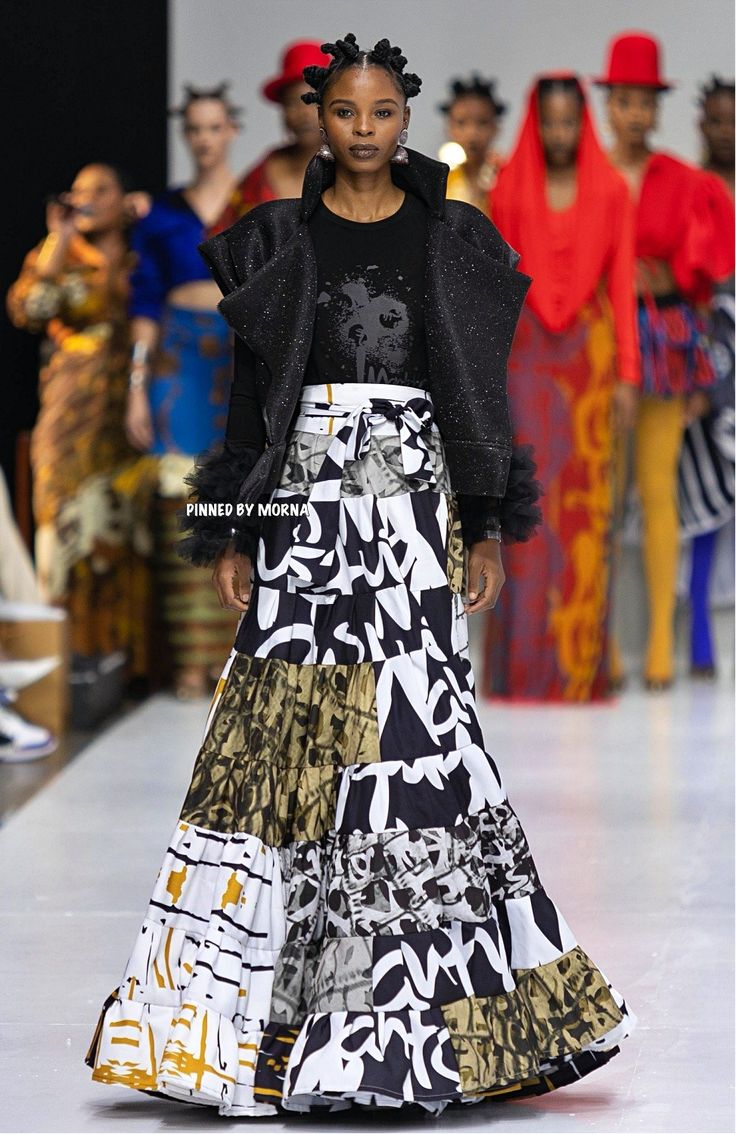
Some of the most compelling shifts are happening outside the cities most frequently cited in global coverage.
In Addis Ababa, fashion platforms draw on Ethiopia’s long-standing textile traditions, presenting handwoven fabrics as contemporary resources rather than historical artefacts. Designers are not revisiting the past. They are working within it.
Abidjan has emerged as a site of fluid elegance, where tailoring meets ease and collections balance refinement with wearability. Luanda’s bold use of colour, silhouette, and structure pushes fashion beyond minimalism, offering an alternative visual language grounded in confidence.
These fashion weeks may not dominate international headlines, but their influence is steady and cumulative. They prioritise longevity over virality, a value the global industry is increasingly forced to reconsider.
Rethinking the Purpose of the Runway
Another critical shift lies in how these fashion weeks use the runway itself.
Rather than serving purely aspirational fantasies, many shows function as real-world testing grounds. Designers consider climate, movement, and repetition. Garments are designed to live beyond the show, to be worn, reworked, and returned to.
At Kampala Fashion Week, collections often blur the line between occasionwear and everyday dressing. These are clothes intended for circulation, not archiving. The runway becomes a communication tool rather than a performance.
This challenges a global fashion system built on disposability and constant reinvention.
Business Without Excess
African fashion weeks also offer alternative business models. Without the pressure of global hype cycles, designers often focus on small-batch production, direct relationships with artisans, and regional supply chains.
In cities like Maputo and Kigali, fashion weeks integrate workshops, mentorship programmes, and buyer introductions alongside shows. Success is measured less by press volume and more by the sustainability of practice.
For international buyers increasingly disillusioned with overproduction, these systems feel not peripheral, but prescient.
INTERESTING READS:
- Loza Maléombho: Redefining African Fashion for the Global Stage
- The Evolution of African Fashion Style Beyond the Runway
- African Luxury Fashion Redefining Paris, Milan & New York
A New Fashion Geography
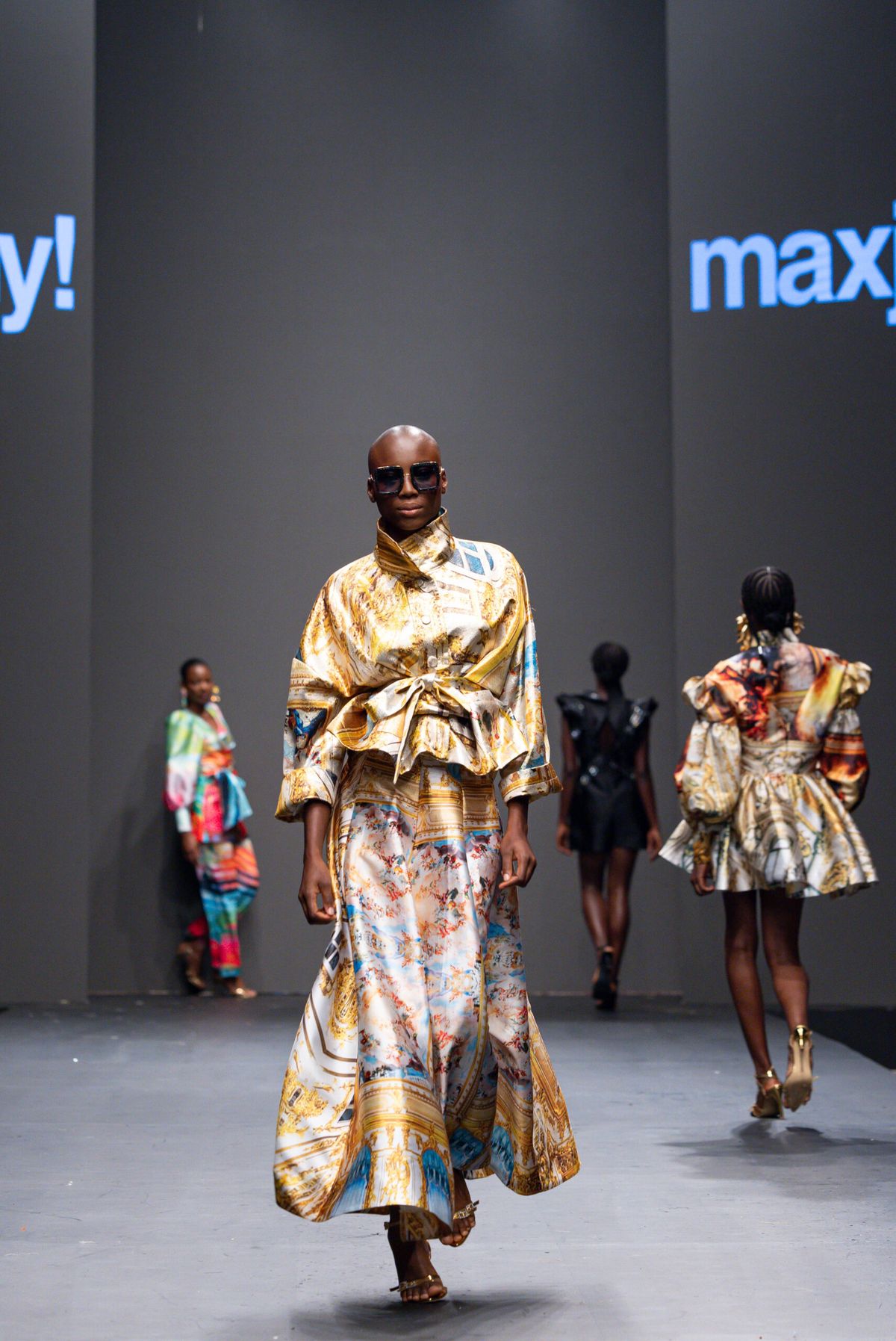
Taken together, these fashion weeks signal a broader shift in how authority in fashion is distributed.
They propose a world where creativity no longer requires proximity to Europe, where innovation responds to lived realities, and where fashion weeks operate as ecosystems rather than spectacles.
This is not a takeover of the global fashion calendar. It is a reorientation.
And while the industry may not yet fully articulate this shift, it is already responding to it.
Step into global style — dive into Fashion Week stories on OmirenStyles.
Frequently Asked Questions
- How are African fashion weeks different from European fashion weeks?
They often prioritise sustainability, craftsmanship, and long-term industry development over seasonal spectacle.
- Which African fashion weeks are most influential globally?
Lagos, Johannesburg, Dakar, Accra, Nairobi, and Kigali are among the most impactful, each with distinct strengths.
- Are African fashion weeks focused only on local designers?
While they centre local talent, many also attract international buyers, the press, and collaborators.
- Do these fashion weeks influence global trends?
Yes. Their emphasis on craft, longevity, and context increasingly informs global conversations around luxury and sustainability.
- Why is global attention shifting toward African fashion weeks now?
They offer alternative models for fashion’s future at a time when the industry is seeking structural change.