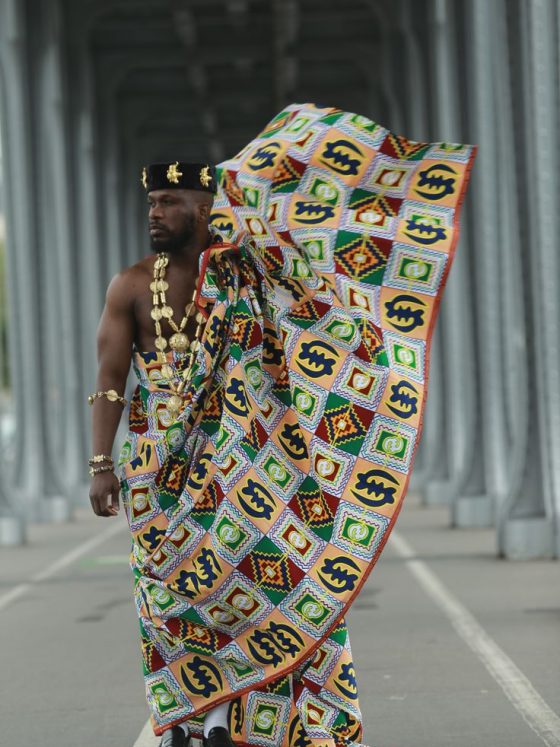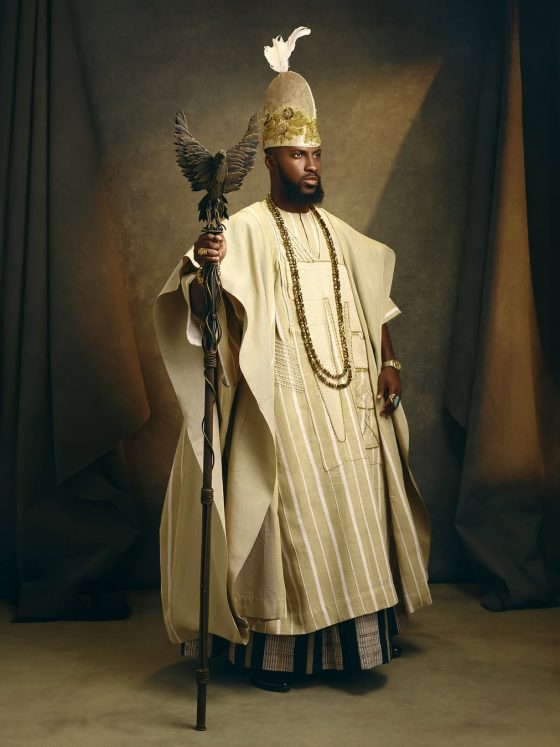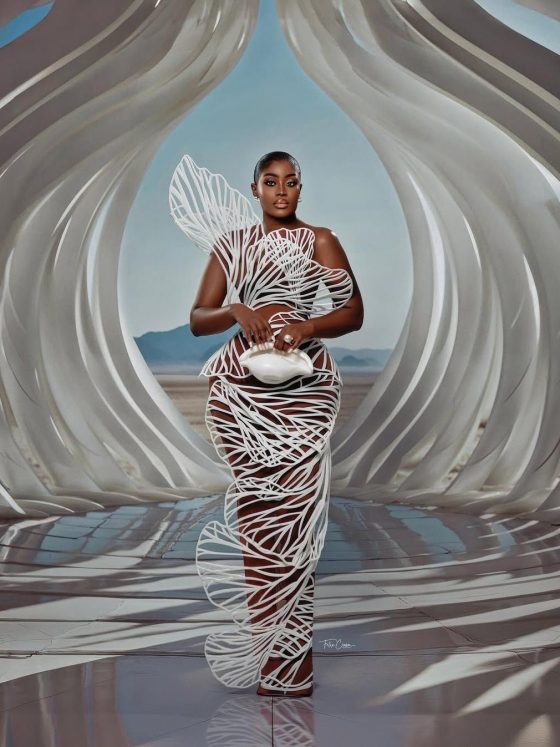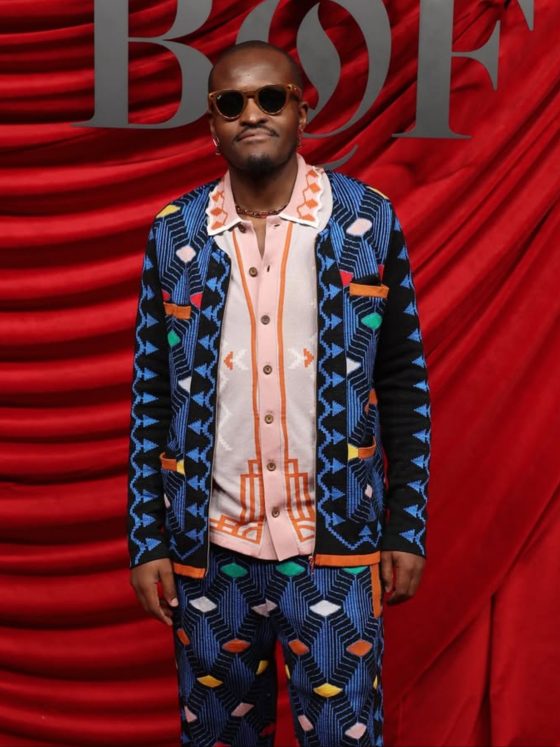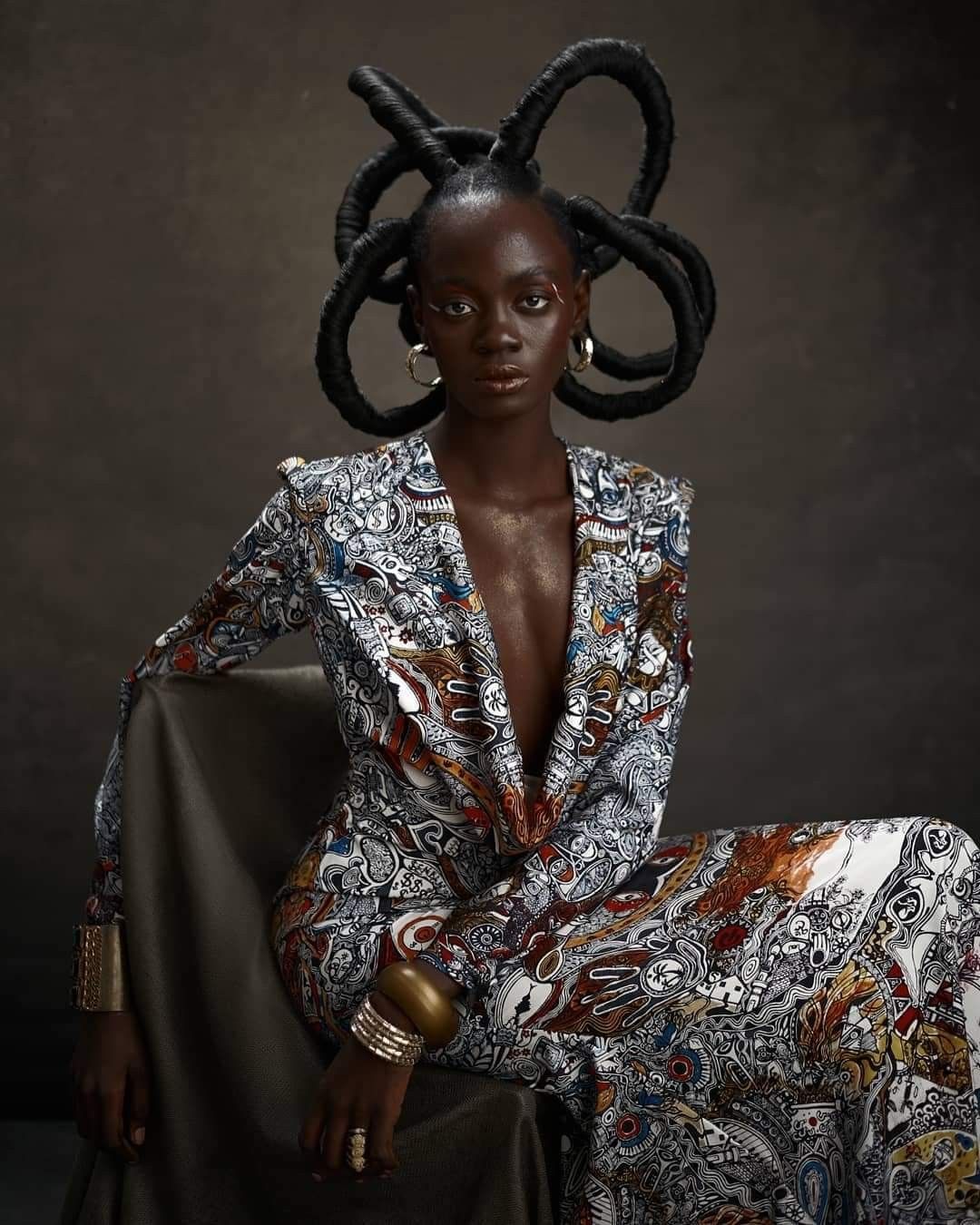
African style has never been confined to the runway.
Long before fashion weeks, lookbooks, and global validation, style lived in movement. In how people dressed for the market, for ceremonies, for travel, and for rest. In choices shaped by climate, culture, craft, and personal expression rather than trends.
Today, as fashion conversations shift away from spectacle, African style is finding renewed visibility not through catwalks, but through lived experience. You can find these experiences on streets, in studios, at weddings, in creative workspaces, and online. The most influential expressions of style are no longer waiting for fashion’s permission. They are unfolding in real time, shaped by people who understand that clothing is part of daily life, not performance.
This evolution is not about departure. It is about expansion.
Explore how African style has evolved beyond the runway, shaping global fashion through everyday dressing, culture, craftsmanship, and lived expression.
From Occasion to Everyday Expression
For a long time, the African style was framed internationally through moments. Ceremonial dress. Editorial features. Special occasions are presented as visual statements rather than lived realities.
That framing is shifting.
Style today is being defined by how it moves through everyday life—tailoring worn casually. Traditional fabrics styled with modern ease. Garments designed for comfort, heat, rhythm, and personality. The emphasis is no longer on costume but on continuity.
This evolution places African style where it has always belonged: in daily expression. African clothing now adapts to life, rather than interrupting it.
The Street has become the New Reference Point for Fashion
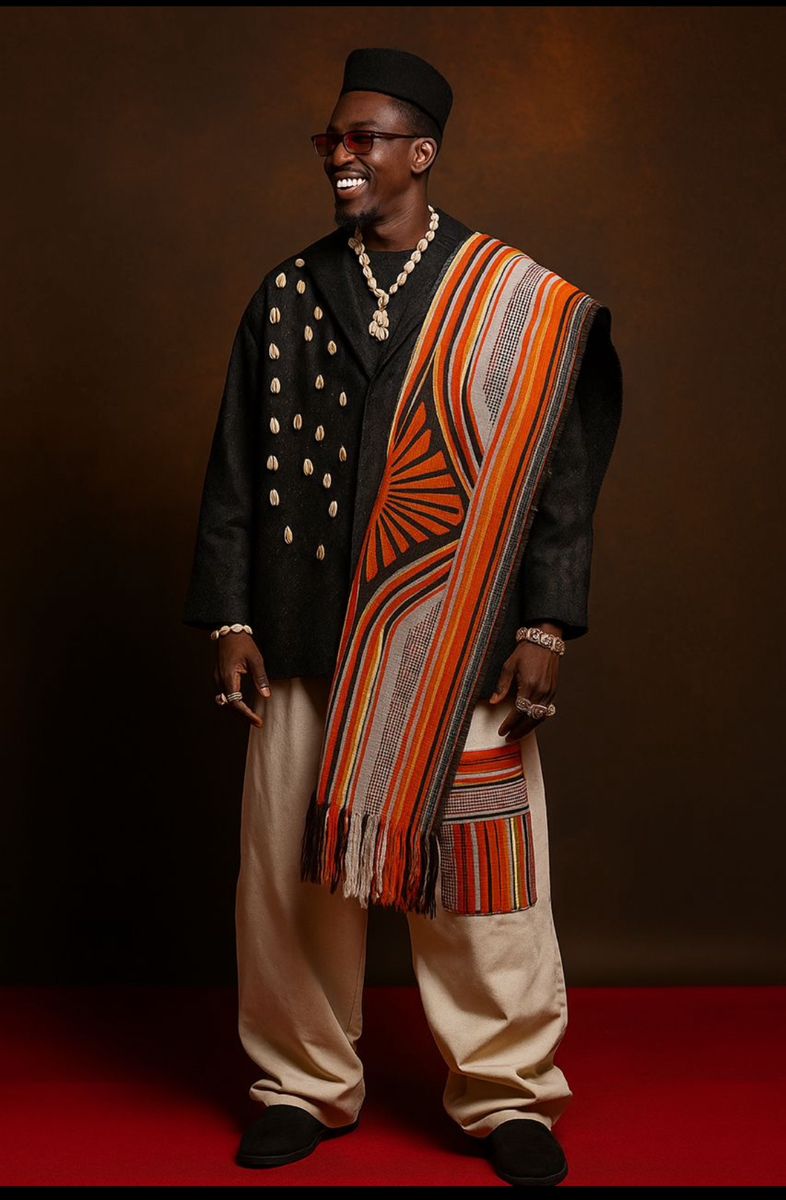
Beyond the runway, the street has become one of the most powerful style laboratories. Cities like Lagos, Accra, Nairobi, Johannesburg, and Dakar offer a visual language shaped by confidence and creativity rather than uniformity.
What stands out is not adherence to trends, but individuality. Formal and informal coexist. Style feels intuitive rather than curated.
These spaces reveal a truth fashion is rediscovering: influence does not require institutional approval. It grows organically where people dress for themselves first.
Digital Platforms and Cultural Translation
Digital platforms have accelerated this shift, allowing African style to circulate globally without losing context. Style figures, creatives, and everyday dressers now document their wardrobes on their own terms.
What emerges is not a single aesthetic, but a spectrum. From refined minimalism to expressive maximalism. From tailoring to relaxed silhouettes From heritage references to futuristic interpretations.
These platforms crucially enable the perception of African style as dynamic and evolving, rather than static or symbolic. The runway becomes one reference among many, not the final authority.
Designers are Creating for Life, not Just for Shows.
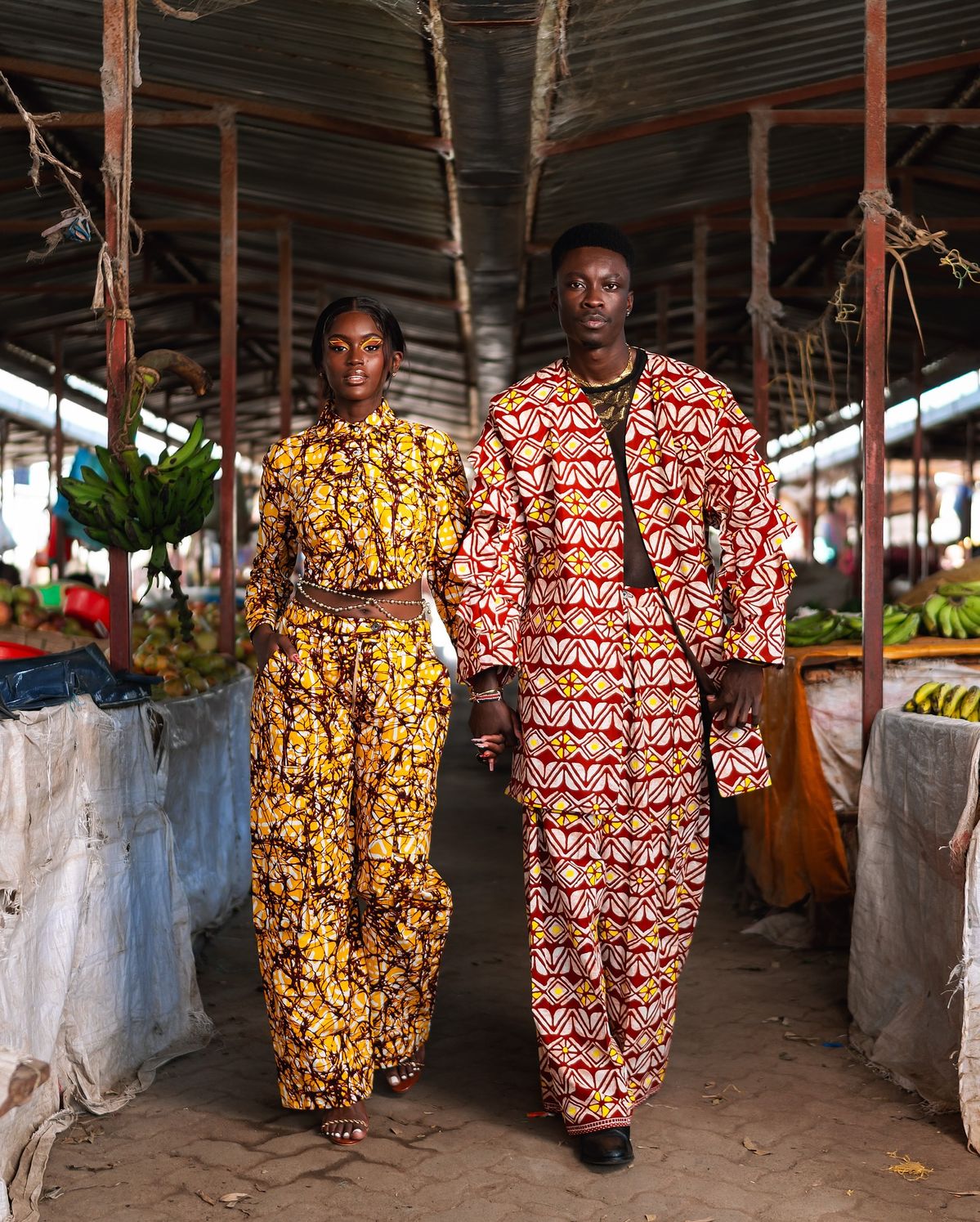
Many designers are now creating with wearability and longevity in mind. Collections are conceived for movement, climate, and repetition rather than single appearances.
Garments are designed to be styled multiple ways, worn across contexts, and lived in fully. Fabric choice becomes as essential as silhouette. Craft is embedded into construction, not applied for effect.
This approach reflects a broader understanding of luxury—one defined by relevance and durability rather than excess.
Menswear and the Rise of Quiet Confidence
Menswear has played a significant role in this evolution. Away from exaggerated statements, a more grounded approach has emerged. Clean tailoring. Relaxed proportions. Clothing that communicates confidence without performance.
Men are dressing for comfort, identity, and presence. The result is a style that feels assured rather than reactive.
This shift aligns closely with global movements toward restraint, positioning African menswear as part of a larger conversation rather than an isolated trend.
Women’s Style as Agency, Not Display
Women’s style beyond the runway is increasingly about autonomy. Dressing becomes an extension of the self rather than an expectation. Choices reflect mood, movement, and personal rhythm.
Rather than conforming to a singular ideal, women navigate multiple identities through clothing. Professional. Creative. Domestic. Social. These identities are all characterised by a lack of clear boundaries.
This fluidity challenges outdated narratives and positions African women as active participants in shaping modern style culture.
Craft Without Nostalgia
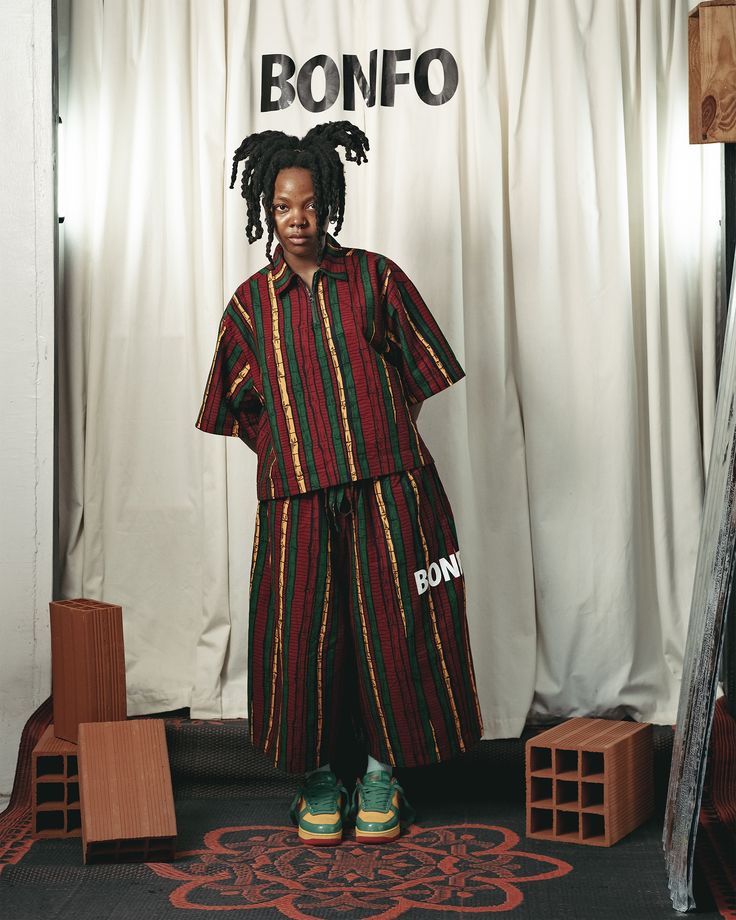
Craft remains central, but its role has evolved; rather than being framed solely as heritage preservation, craft is now integrated into contemporary design language.
Handwoven textiles, artisanal techniques, and material intelligence are used to create modern silhouettes and everyday pieces. The focus is not on looking back, but on carrying knowledge forward.
This approach allows craft to exist as innovation rather than nostalgia.
READ ALSO:
- The African Icons Transforming the Modern Runway
- African Luxury Fashion Redefining Paris, Milan & New York
- Trevor Stuurman: The Visionary Creative Director Shaping Modern African Style
What This Evolution Represents
The evolution of African style beyond the runway reflects a broader cultural shift. A reconnection between fashion and life characterises this shift. Expression takes the place of performance. This is a place where authenticity fosters the growth of influence.
It also challenges how global fashion defines authority. By centring lived experience, African style expands the vocabulary of fashion itself.
This is not intended as a substitute for traditional fashion. Instead, it serves as a crucial component of the discourse.
Frequently Asked Questions
- What does “beyond the runway” mean in this context?
It refers to style expressed through everyday life, street culture, digital platforms, and personal dressing rather than fashion shows alone.
- How has the African style changed in recent years?
It has become more visible globally while remaining grounded in daily expression, adaptability, and individuality.
- Is the African style trend-driven?
Not primarily. It is shaped more by culture, climate, and personal identity than by seasonal trends.
- Why is craft still important today?
Craft adds depth, durability, and meaning, allowing clothing to age well and remain relevant.
- How does this evolution affect global fashion?
It broadens fashion’s reference points, encouraging authenticity, restraint, and cultural intelligence.