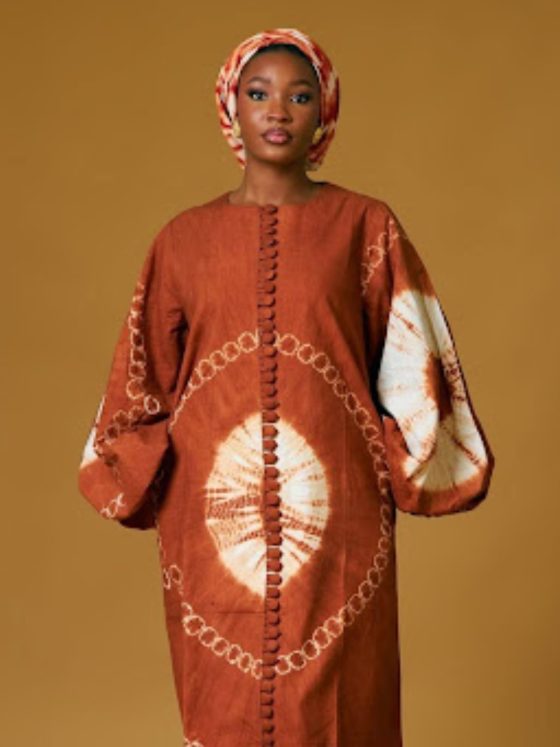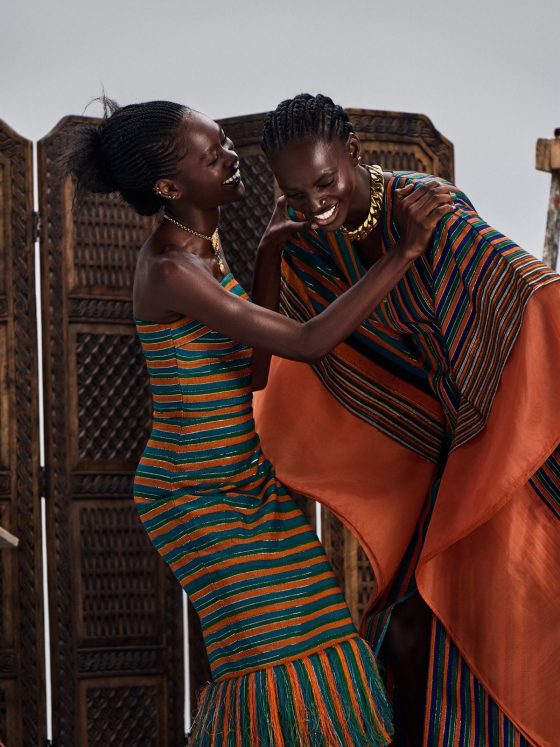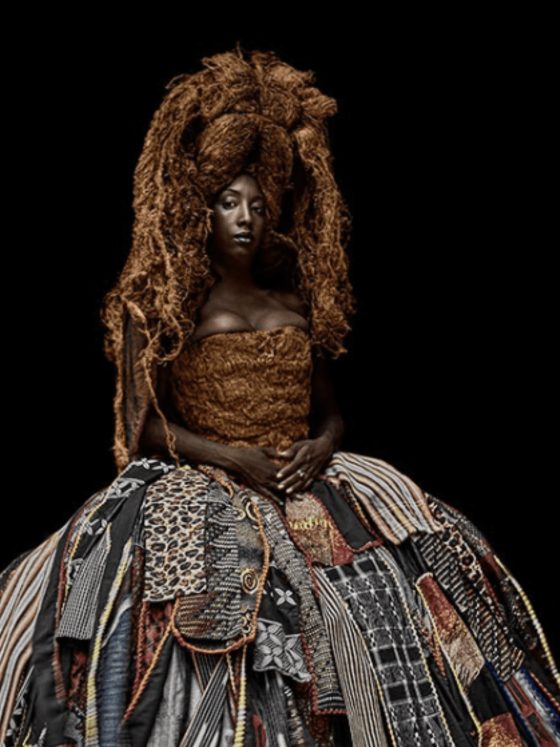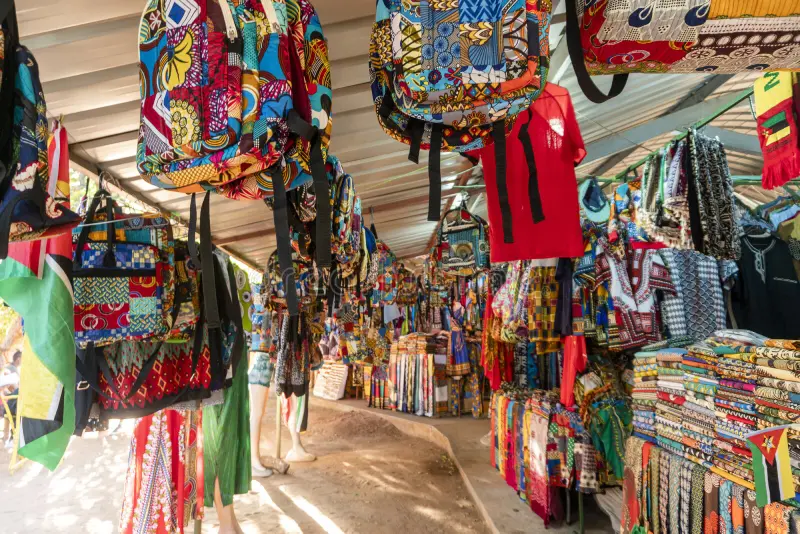
African fashion and craft move easily through global markets. Across these markets, textiles, beads, and woven cloth appear in boutiques from New York to London, and are often celebrated as symbols of heritage and authenticity.
Despite this global visibility, the economic rewards rarely return to those who weave, dye, carve, and stitch these pieces.
Africa’s legacy in the marketplace reveals how cultural heritage translates into economic value in global commerce. It also raises an essential question: who ultimately benefits from African creativity?
In this article, we’ll examine how heritage moves through the global economy, who benefits, and who is often left behind.
African textiles, prints, and craftsmanship shape global fashion markets. Africa’s legacy in the marketplace reveals how cultural heritage becomes economic value and who ultimately profits from it.
African Heritage Already Drives Global Cultural Commerce
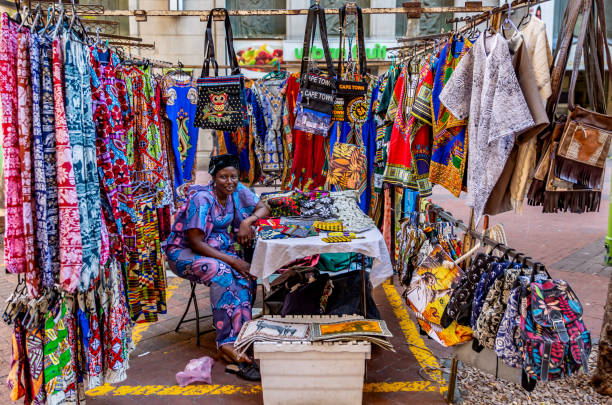
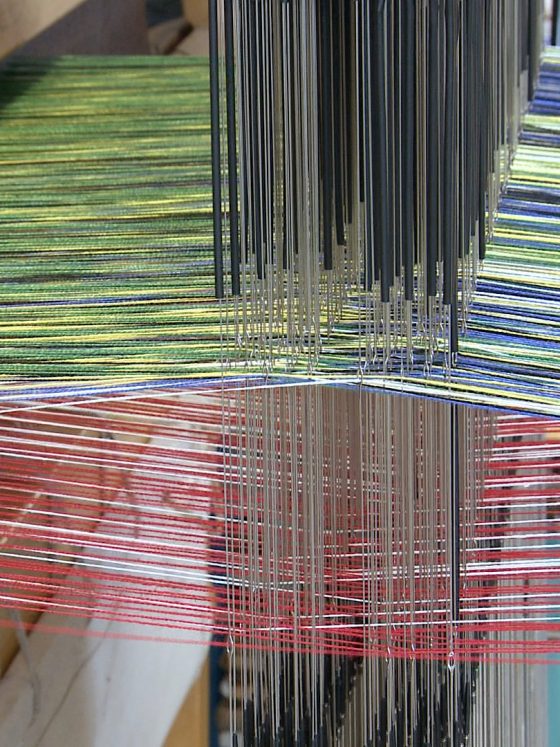
African cultural production already operates inside global markets, even when its origins are overlooked. A handwoven cloth produced in West Africa or the Horn of Africa may eventually appear in a boutique abroad at several times its original value.
Between maker and consumer stand exporters, distributors, and international retailers who capture much of that margin. This imbalance is one of the defining tensions within Africa’s legacy in the marketplace. Furthermore, cultural production fuels global demand, yet artisans often remain disconnected from the full value of their work.
According to research, the African fashion industry exports textiles worth about $15.5 billion annually. Yet much of the profit still moves through international distribution channels rather than returning to the artisans.
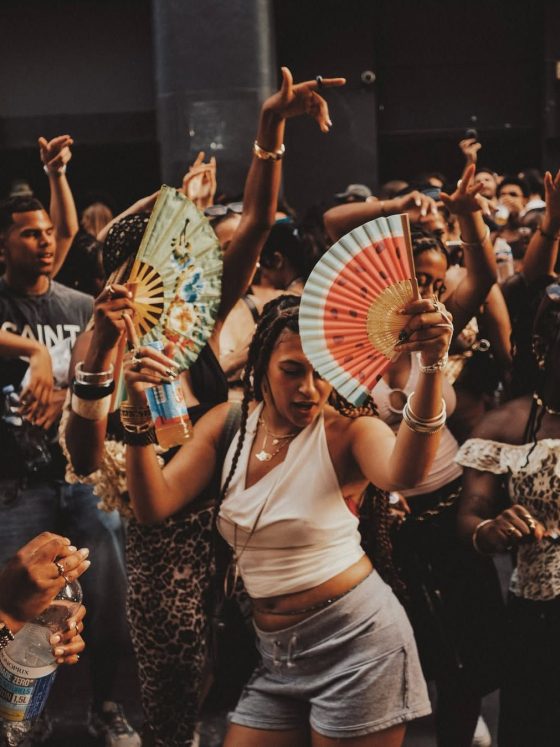
On the other hand, diaspora communities add another layer to this economy. In districts such as Brixton in London, Château Rouge in Paris, and Sweet Auburn in Atlanta, second-generation Africans incorporate textiles and heritage aesthetics into contemporary fashion and design.
These communities are not simply wearing culture. They are reshaping how African heritage appears in global markets.
African Creators Are Reclaiming Economic Control Of Heritage
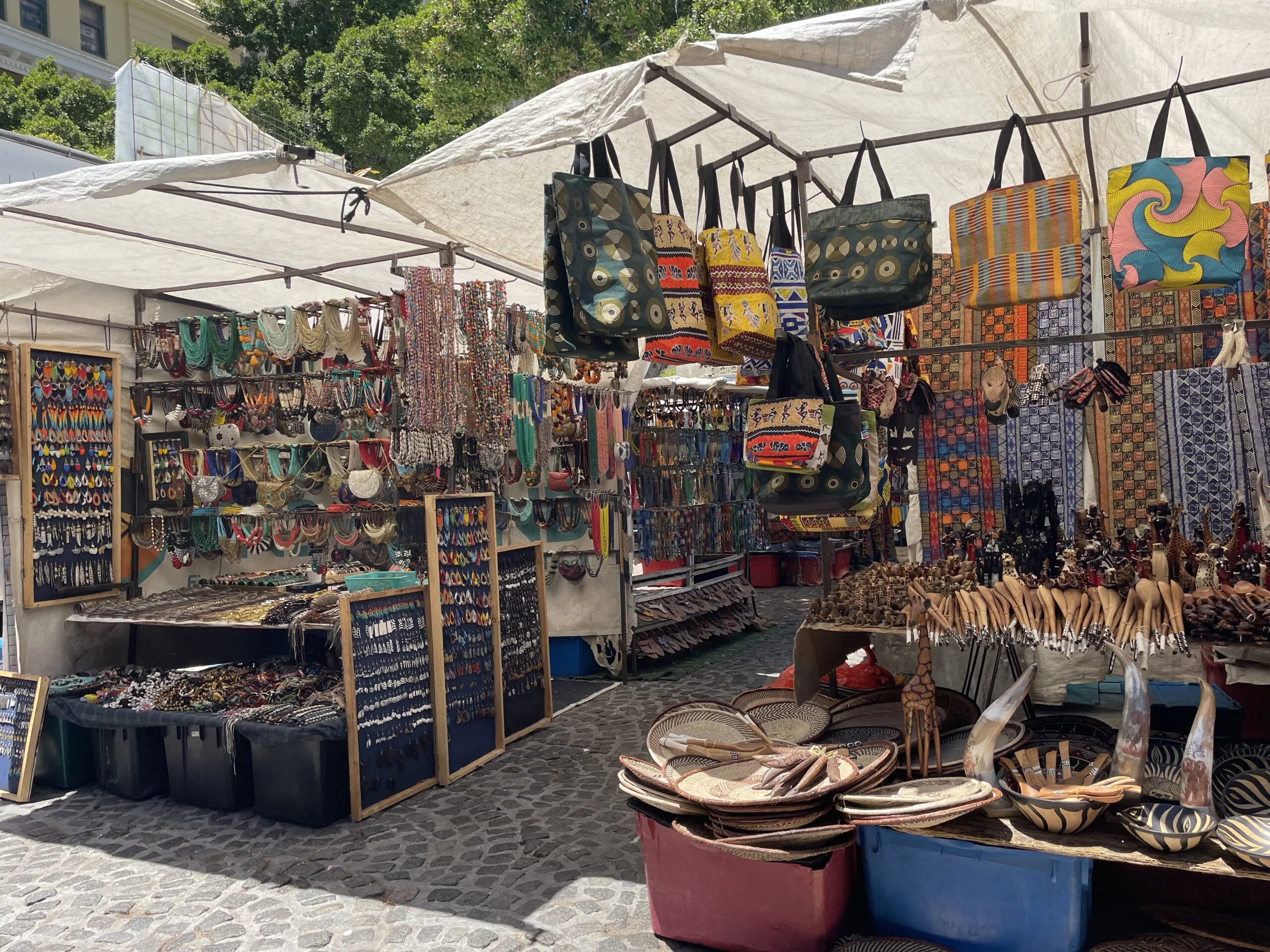
Across the continent, designers and artisans are developing new ways to retain both narrative authority and financial returns.
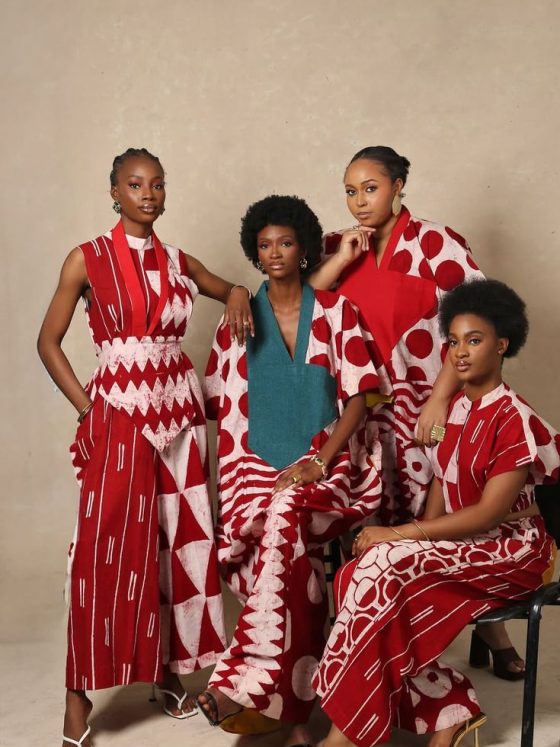
In cities such as Accra, Nairobi, Dakar, and Lagos, fashion houses increasingly collaborate directly with textile makers and weavers. By integrating production partnerships into their business models, designers ensure that traditional craft remains economically viable rather than merely symbolic.
Craft cooperatives in Ghana, Nigeria, Ethiopia, and Kenya are also reshaping distribution. Through structured training, collective branding, and export networks, artisans can now sell internationally without surrendering most of their earnings to intermediaries.
These initiatives do more than generate income. They protect skills that might otherwise disappear under the pressure of industrial fashion production. Also, by editing makers and maintaining supply relationships with the continent, these ventures convert cultural identity into sustainable commerce.
Global Demand Still Exposes Structural Inequalities
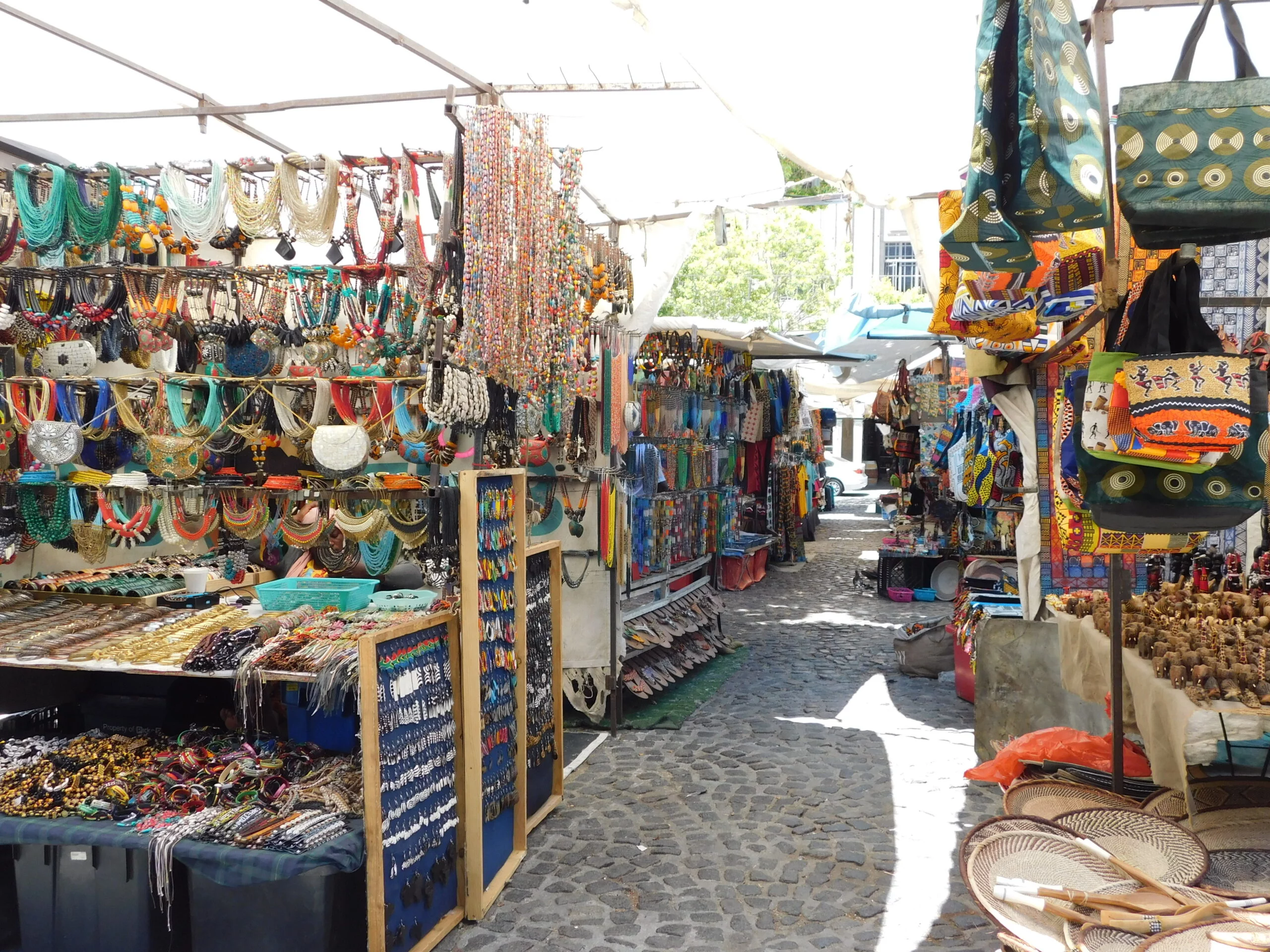
Even as creators reclaim parts of the value chain, global demand continues to expose structural challenges.
Africa’s legacy in the marketplace operates within a system where cultural influence does not always translate into economic ownership.
Key pressures remain visible across the industry:
- Creators Earn A Fraction Of The Value: A Kente cloth or Ankara print may sell for hundreds internationally, while the weaver or tailor receives just enough to cover materials.
- Cultural Credit Disappears: Global fashion houses frequently reference African aesthetics without acknowledging the communities that developed them.
- Weak Protections For Intellectual Property: Traditional patterns and techniques rarely fall under modern copyright structures, leaving artisans unable to claim royalties or prevent copying.
- Difficulty Scaling Without Losing Tradition: Meeting international demand often forces artisans to compromise techniques, quality, or cultural authenticity.
- Complex Supply Chains Hide Creators: Multiple intermediaries separate artisans from consumers, which weakens recognition and financial returns.
These tensions demonstrate that Africa’s legacy in the marketplace remains contested territory. African creativity fuels global fashion cycles, yet the economic structures surrounding it are still evolving.
African Creators Are Building New Cultural Economies
Across Africa, creators are also constructing systems that allow cultural heritage to generate sustainable wealth.
Here are some strategies that are making a real impact:
Designer-Artisan Partnerships
In Lagos and Accra, designers collaborate with local weavers and textile makers to produce high-quality collections. This approach supports traditional skills while ensuring artisans earn a fair share of revenue.
Heritage-Based Cooperatives
Groups in Nigeria, Ghana, and Ethiopia provide training, branding, and structured distribution. These initiatives allow African creativity to reach global markets without intermediaries capturing the majority of profits.
Diaspora-Led Initiatives
Entrepreneurs in London, New York, and Atlanta remix African prints and textiles into modern fashion, intentionally sourcing from African makers and giving proper credit, thereby channelling both recognition and income back to the continent.
Intellectual Property Protection
Organisations are advocating for better copyright and fair trade certifications, helping creators maintain ownership of their designs and secure royalties.
Scaling Sustainably
Artisans are combining modern business methods with traditional techniques to meet growing global demand while preserving cultural authenticity.
Together, these strategies show how Africa’s legacy in the marketplace can shift from cultural inspiration to economic ownership.
ALSO READ:
- How Kente Weaves History Into Every Thread
- Why Leather Holds the Breath of the Herdsman: The Memory of African Pastoral Leather
- Cultural Craft: African Models Redefine Global Luxury
- Archive as a Creative Catalyst: How African Heritage Inspires Modern Creativity
Africa’s Cultural Economy Will Define The Future Of Global Fashion
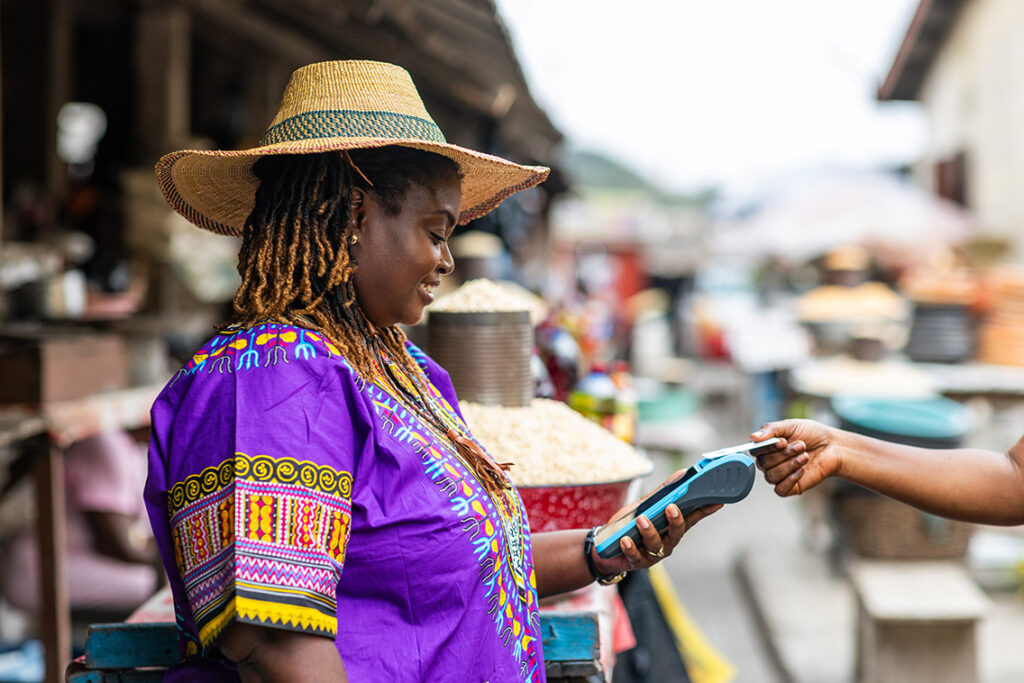
The long-term strength of Africa’s legacy in the marketplace will depend on whether creators retain control over their work.
Rising global demand for African aesthetics offers enormous opportunities. Currently, textiles, craft traditions, and design philosophies from across the continent increasingly influence fashion, interiors, and cultural industries worldwide.
Yet growth alone is not enough. Without fair trade systems, intellectual property protections, and strong local production networks, cultural influence can easily translate into external profit rather than community wealth.
When artisans, designers, and entrepreneurs control distribution and storytelling, the equation changes. African heritage moves through markets not as raw inspiration but as a structured cultural economy.
Conclusion
The value of African creativity is not only aesthetic. It is economic, social, and deeply connected to the communities that sustain it.
Africa’s legacy in the marketplace will depend on the systems, partnerships, and policies that ensure artisans benefit from traditions built over generations.
When those systems change, African heritage moves beyond inspiration for global brands and becomes a lasting source of economic power for the people who created it.
Frequently Asked Questions
-
Why Is African Fashion Gaining Global Attention?
African fashion stands out for its textiles, craftsmanship, and cultural storytelling. Designers and diaspora communities have also introduced fabrics such as Barkcloth and Huipil to international audiences through contemporary fashion.
-
Do the Artisans Who Create African Textiles Benefit from Global Demand?
Not always. While African fabrics and designs appear in global fashion markets, many artisans receive only a small portion of the final value due to long supply chains and limited protections for traditional designs.
-
What Role Does The Diaspora Play In African Fashion?
Second-generation Africans in cities like London, New York, and Atlanta are remixing prints and textiles into contemporary clothing. They help African designs reach new audiences while crediting the makers back home.
-
Which Fabrics Are Most Important In African Fashion Today?
Ankara, Kente, Adire, and Bazin Riche remain the most recognised. Beyond their looks, they carry cultural meaning and history, which is part of why they’re so sought after globally.
-
Can African Fashion Keep Growing Without Losing Tradition?
Yes, but it requires balance. Designers and artisans are blending modern business methods with traditional skills to meet global demand without compromising cultural authenticity.