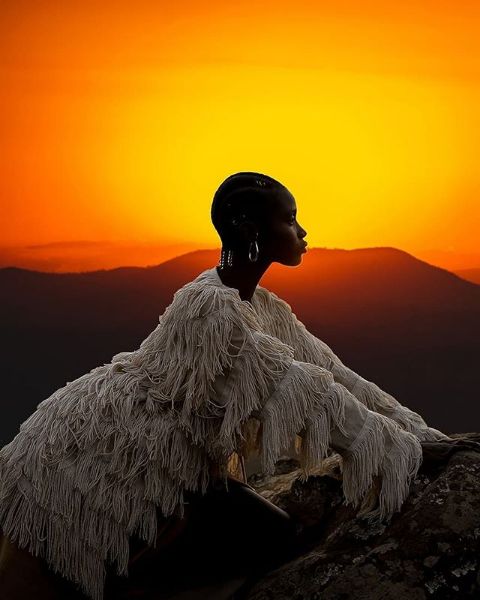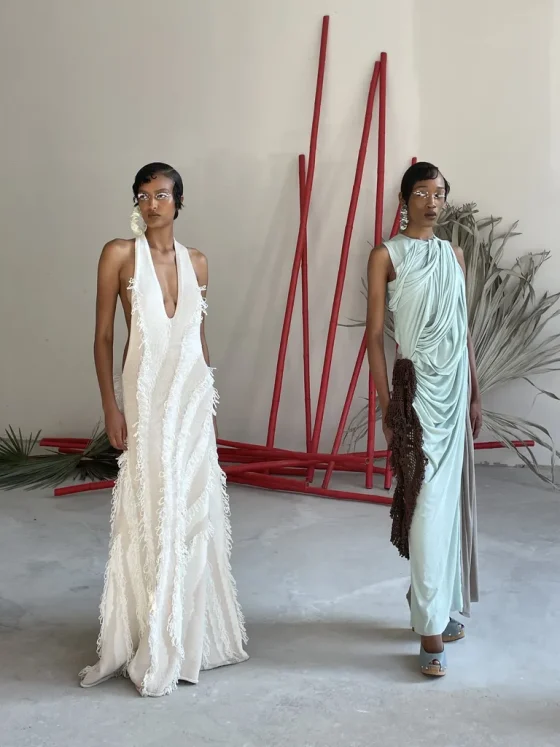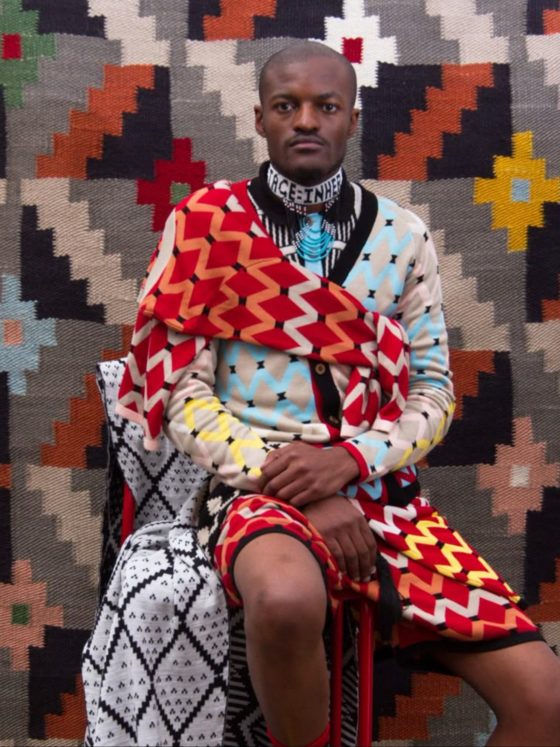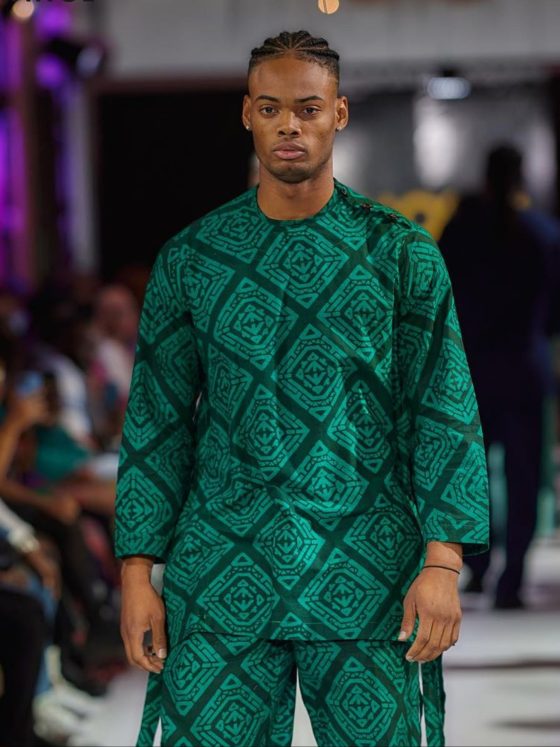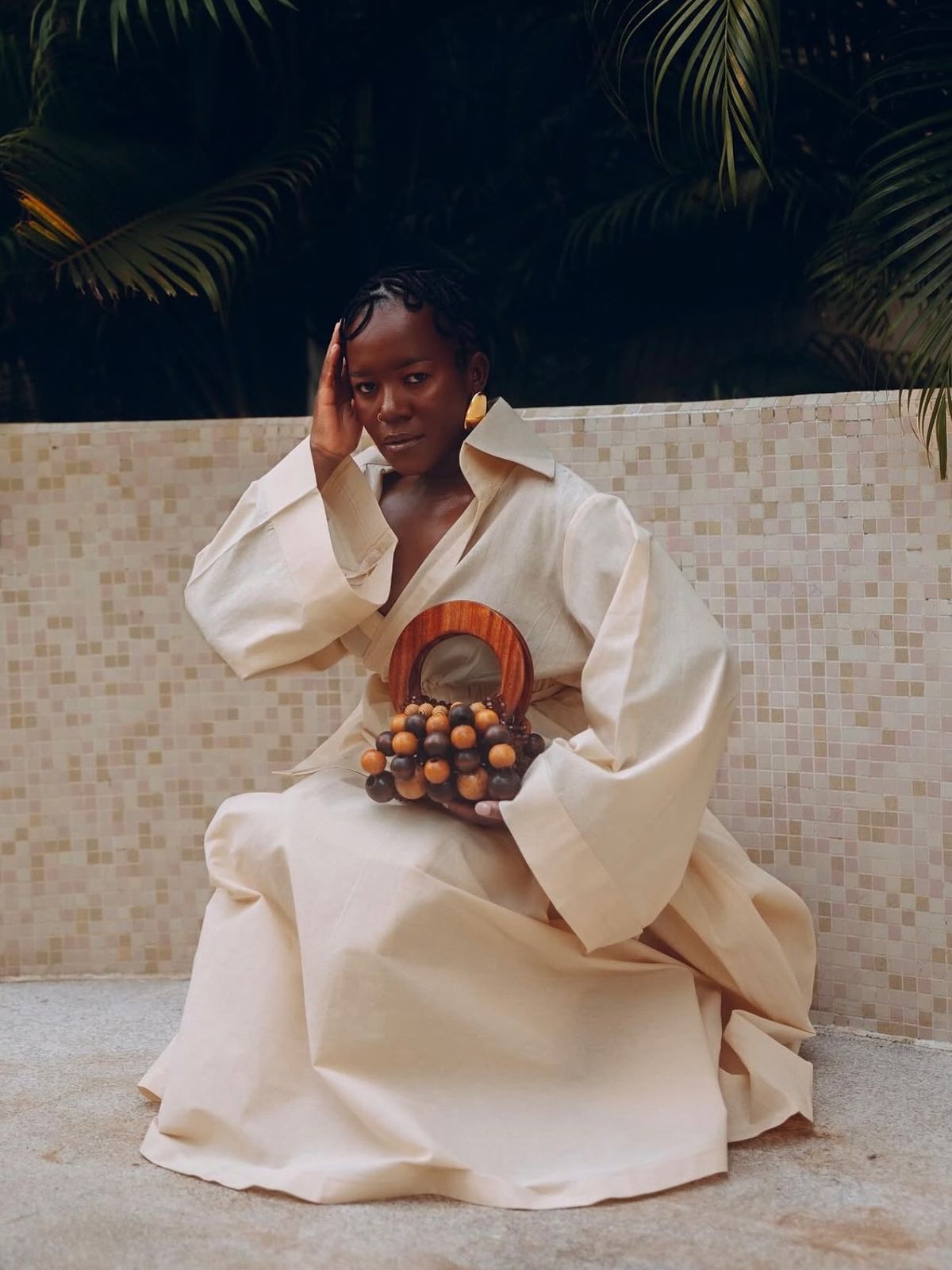
In 2026, the global diaspora is redefining the architecture of metropolitan skylines rather than merely referencing home. African and Afro-Caribbean populations are migrating with a sovereign presence from the busy streets of Peckham to the artistic centres of Brooklyn and the elegant streets of Paris. A tactile archive, a high-end, inclusive fusion that reimagines traditional fabrics like Aso Oke and Adire through the lens of contemporary, structural independence, defines the style this year.
Communities are gravitating toward a visionary third space that rejects the choice between the grace of the root and the grind of the metropolis. We witness the emergence of solar-minimalist tailoring, which combines the strong, commanding silhouettes of West African artistry with the lively, rhythmic energy of the Caribbean.
Brands like Bianca Saunders and Labrum London are leading the way in producing clothing that serves as an internal haven of health. This movement is highlighted in Labrum London’s 2026 Threads of Osmosis line, which uses cowrie shell stitching and passport-stamp designs to transform the history of migration into a high-end, wearable texture.
This is a luxury that honours the origin’s methodical, slow craft. The Omiren woman in the diaspora is creating a wardrobe that radiates lasting, soulful radiance rather than searching for a costume. She chooses artisanal brands like Thebe Magugu, whose Mafeteng and Lobola capsules honour South African ancestry with elegant silk and proportion-shifting knits. She makes sure her voice is heard in every gallery and boardroom by incorporating these upscale, sustainable stories into her daily life, demonstrating that her sense of belonging is as broad as the world map she lives on.
This 2026 movement is a bright, inclusive celebration of global connectivity. Her silhouette conveys a sense of strategic belonging as she stands in a sunlit courtyard or during a business conference. She is wearing a deeply ingrained future, navigating the complexity of the contemporary world with the quiet fortitude of her heritage. This is the new norm for the diaspora: a bold yet elegant style that ensures her presence remains an unquestionable, imaginative gesture of sovereignty.
Explore the 2026 diaspora map as African and Afro-Caribbean communities redefine the urban skyline through solar minimalism and tactile archives. Discover how high-end, sustainable brands like Labrum London and Thebe Magugu are crafting a visionary, inclusive silhouette that anchors the Omiren woman’s global authority in her soulful roots.
Labrum London and the Neo-Colonial Silhouette
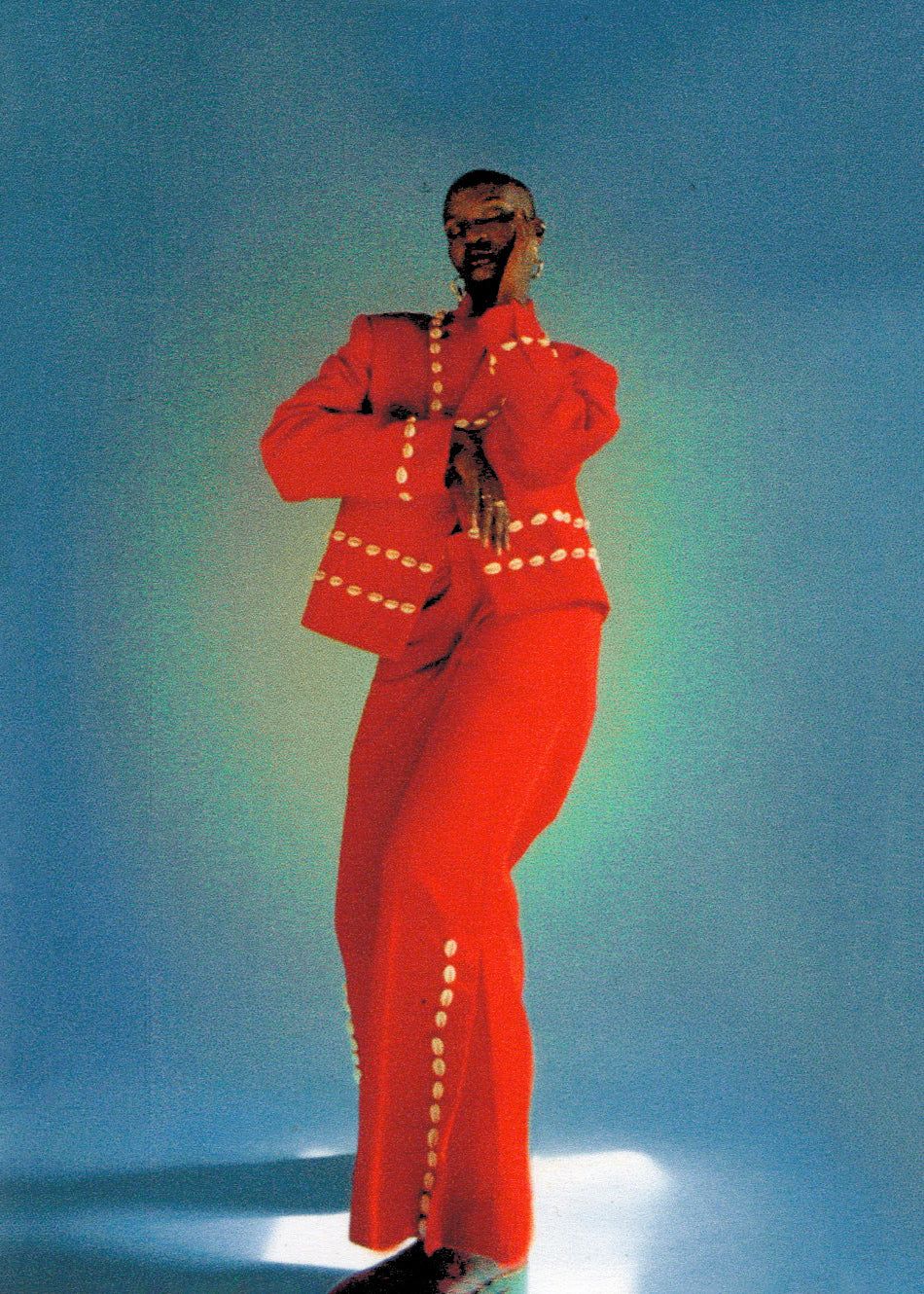
The tailored migration is an important sub-layer of this 2026 diaspora map. This movement reimagines the history of movement, of travel, relocation, and resettlement, as an upscale, structural record, spearheaded by brands such as Labrum London. This aesthetic views the diaspora experience as a visionary gain rather than a loss of identity. It creates a silhouette that is both authoritative in a London boardroom and soulful in a Freetown gallery, using the crisp lines of British tailoring as a canvas for a West African narrative.
Fassinico Dumbuya of Labrum London has perfected this third space by fusing the subtle power of handwoven textiles with practical elements such as giant pockets and passport-stamp designs. By 2026, the Omiren woman will be able to manage her public identity in a healthy and inclusive way. She is not only dressing up when she wears a structured, sun-drenched coat with subtle cowrie-shell embroidery or Lappa-print linings; rather, she is carrying a tactile history of her family’s trip. This is a strong, self-reliant method of navigating the cityscape, ensuring that her roots are neither unnoticed nor a spectacle.
The significance of artisanal, sustainable storytelling is emphasised in this subtopic. Mass-produced African prints no longer satisfy the diaspora; instead, they seek the careful, slow artistry of the source. The Omiren woman creates a bright yet grounded inner refuge by endorsing companies that respect the weaver’s hands. Her outfit becomes a strategic tool to bridge the gap between her global authority and her heritage. She demonstrates that her sense of belonging is a bright, enduring glow she carries with her everywhere she goes, rather than a fixed place on a map, by moving with sovereign elegance.
Weaving Heritage into the Professional Silhouette
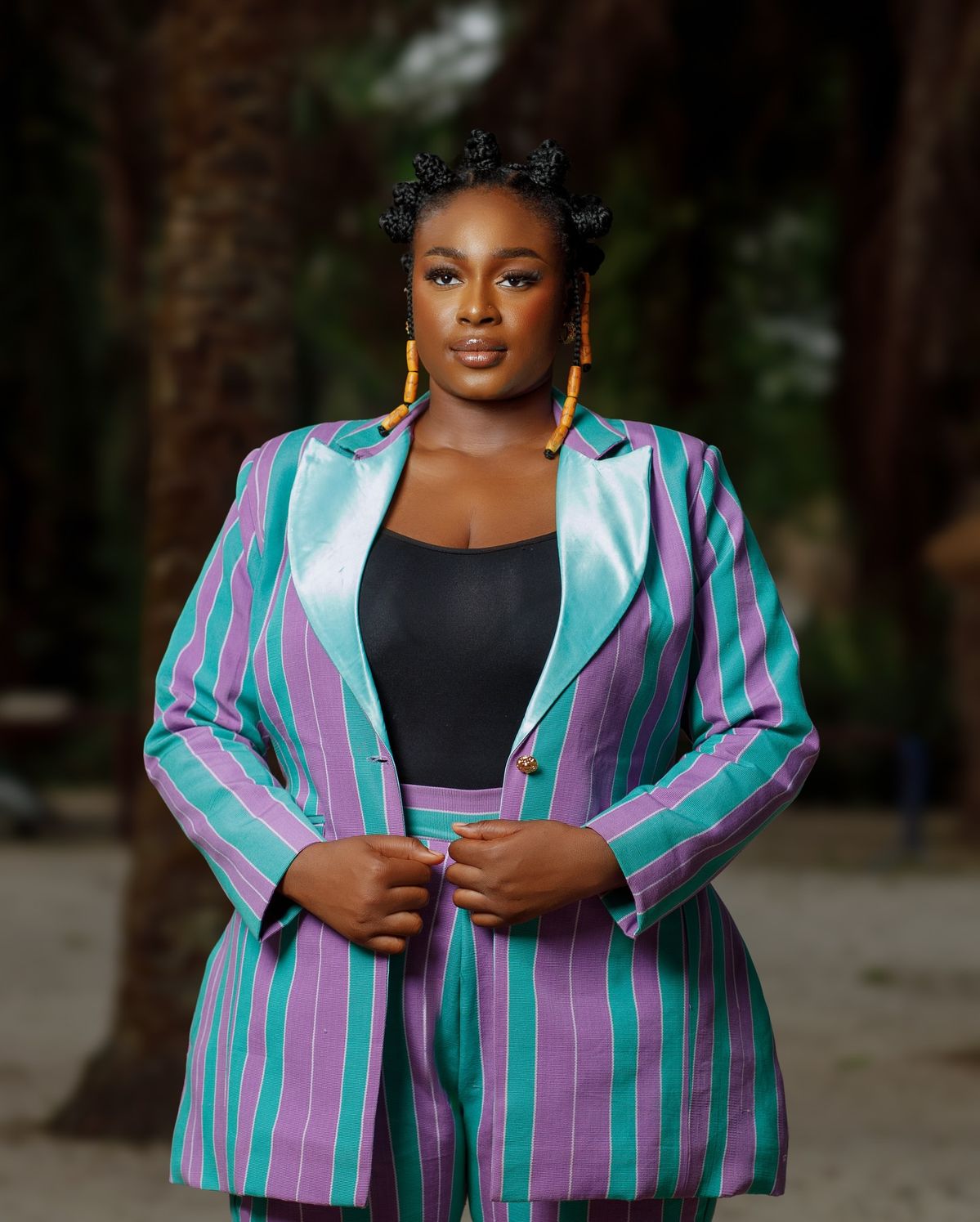
The professional wardrobe of the diaspora is being reimagined as a tactile archive in 2026. African and Afro-Caribbean cultures are incorporating ancestral fabrics into their upscale, everyday architecture, replacing Friday-only traditional clothing. This is about the soulful frequency of materials like Haitian Karabela cotton, Kente, and hand-dyed Adire being reinvented as structural, simple necessities, not simply a print.
This change is being spearheaded by forward-thinking designers like Thebe Magugu and Grace Wales Bonner, who approach these textiles as high-end, sustainable materials rather than fads. For the Omiren woman amid a corporate skyline, a silk-blend Adire shirt or a crisp, double-breasted coat made of handwoven Aso-Oke serves as a healthy internal haven. Her voice is heard through a silhouette of total power in these paintings, which give a calm, patient artistry that feels both contemporary and deeply ingrained.
This movement is a strong, autonomous protest against the diversity machine of rapid fashion. The diaspora is creating a wardrobe that serves as a strategic intent by selecting upscale, handcrafted brands that respect the weaver’s hands. Her choice of fabric conveys elegance and global connectivity, whether she is in a boardroom in Lagos or a sun-drenched gallery in New York. She is sporting a beautiful, long-lasting glow that demonstrates her belonging is as vast as her ambition; she no longer has to choose between her career and her culture.
ALSO READ:
- Diaspora Couture: Beyond Borders, Designers Reshaping Global Style
- Diaspora Designers Bridging Tradition and Modern Couture
Redefining Global Success
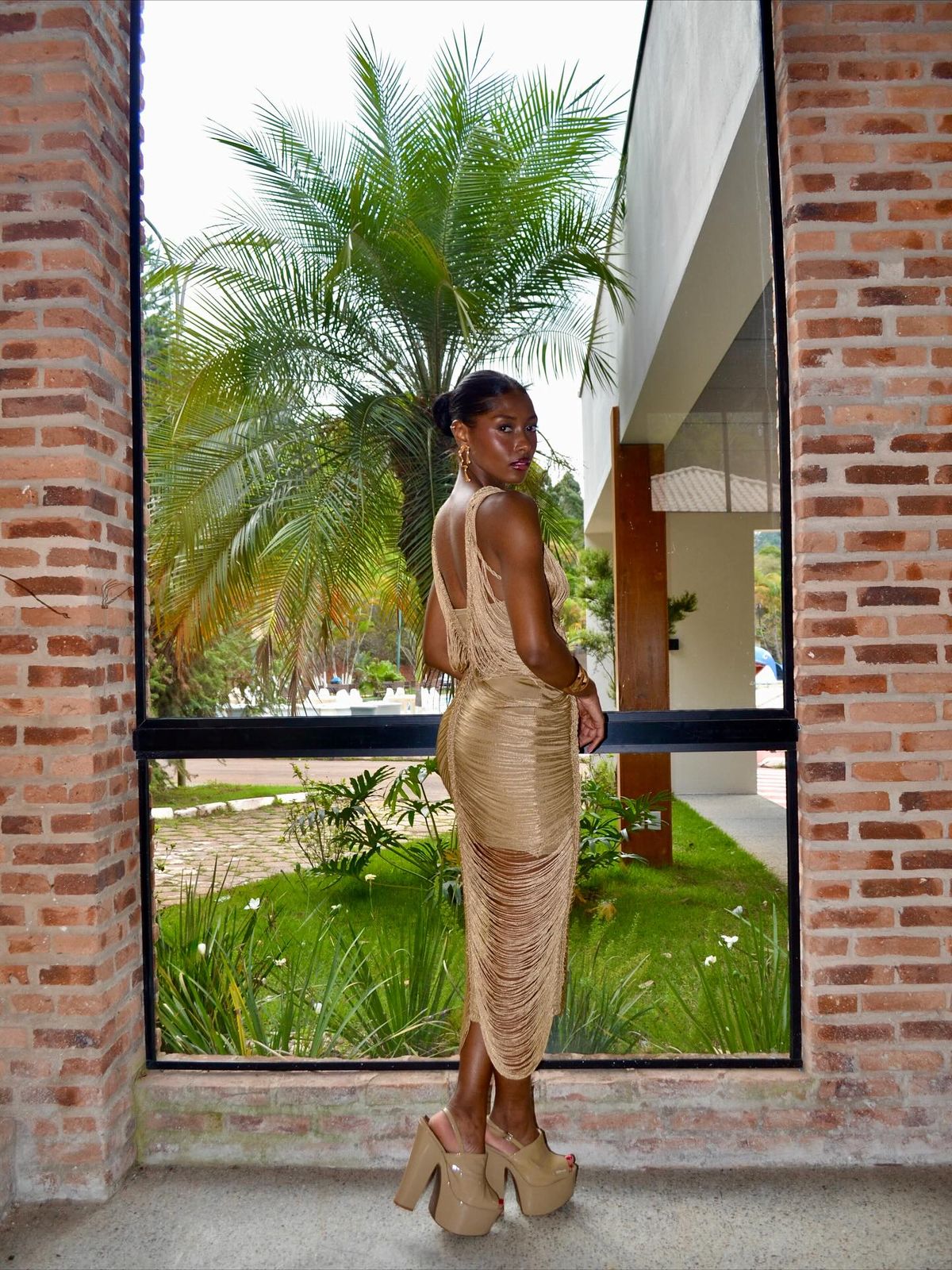
The reclamation of the independent gaze is the last change to the diaspora map in 2026. African and Afro-Caribbean groups are going inward to define visibility on their own terms rather than gauging their success by how well they fit into Western fashion centres. This movement views the world skyline as a platform for a sovereign presence rather than a place to be accepted. The sustainability of the craft and the strength of the link to the root are now used to gauge success.
By emphasising African and Caribbean intellectual heritage as the primary source of luxury, forward-thinking designers such as Thebe Magugu and Grace Wales Bonner have changed the narrative. A woman is not playing for a Western audience when she dons a sun-drenched, structured jacket that pays homage to Timbuktu’s scholarly past or the lyrical legacy of the Windrush generation. By interacting with her own group, she is generating a luminous, welcoming frequency that draws the right kind of attention, one founded on respect for one another rather than curiosity.
She is aware that being there is a powerful act of defiance against the diversity machine of fast fashion. She makes sure her style stays a tangible memory of her own experience by choosing careful, patient artistry over trend-based inclusion. This is a luxury that honours her complexity, enabling her to navigate a corporate boardroom or a gallery bathed in sunlight with an uncommercialised strategic grace. Her silhouette becomes a bridge she owns and runs completely independently, rather than one she must cross to find a place to call home.
Her voice is heard long before she speaks, thanks to her recovered look. She adopts a sovereign power that is both imaginative and grounded by taking on the artisan’s patience. She is rooted rather than merely dressed. Her choice of silhouette ensures that her identity is as bright and inclusive as the past that shapes it, telling a tale of grace and strategic belonging. She has transcended the dilemma and discovered a bright place where belonging and visibility are the two wings of her own flight rather than in opposition to one another.
Conclusion
The clothing worn by African and Afro-Caribbean groups in 2026 is a meaningful celebration of a sovereign presence that refuses to be ignored, not just a fad. The diaspora has revolutionised the global fashion map by adopting solar minimalism and the tactile archive, where legacy is a contemporary luxury and migration is a source of strength. High-end, eco-friendly brands like Wales Bonner, Thebe Magugu, and Labrum London have transcended mere representation to produce an authoritative, inclusive style that speaks to the brilliant truth of living in two different worlds.
In 2026, the Omiren woman knows that her clothing is her silent revolution. Whether it’s the proportion-shifting knits of Thebe Magugu or the cowrie-shell embroidery of Labrum London, she travels across the urban skyline with an inner refuge forged by the silent, patient artistry of her forefathers. This is an autonomous gaze that just is, without seeking permission. These communities demonstrate that true style is an enduring glow that connects the ground to the sky, ensuring that their sense of belonging is as vast as their vision as they continue to drive the global fashion dialogue.
Frequently Asked Questions (FAQs):
1. What defines Diaspora fashion in 2026?
Solar minimalism, a visionary blend of sharp, modern tailoring and soulful, ancestral textiles like Aso-Oke and Adire, defines it. It’s about wearing your history as a high-end, structural archive rather than a seasonal trend.
2. Which brands are leading this movement?
Key architects include Labrum London, Thebe Magugu, and Wales Bonner. These labels prioritise sustainable, artisanal storytelling, creating inclusive silhouettes that bridge the gap between the global skyline and the soulful root.
3. How can I wear heritage in a professional setting?
Focus on the tactile archive. Choose structural pieces, like a minimalist blazer with a hand-woven collar or a silk-blend Adire shirt, that offer a quiet, patient craft. This ensures your global authority is anchored in your heritage.
4. What is “The Independent Gaze”?
It is the shift toward defining success and visibility on your own terms. Instead of seeking mainstream approval, the 2026 diaspora woman centres her own community’s history, creating a radiant, enduring glow that is both forceful and graceful.
5. Is this style movement sustainable?
Yes. By opting for slow, artisanal labels over fast-fashion diversity, you are supporting the soil of your origin. This inclusive approach ensures your wardrobe is a healthy, internal sanctuary that respects both the maker and the wearer.