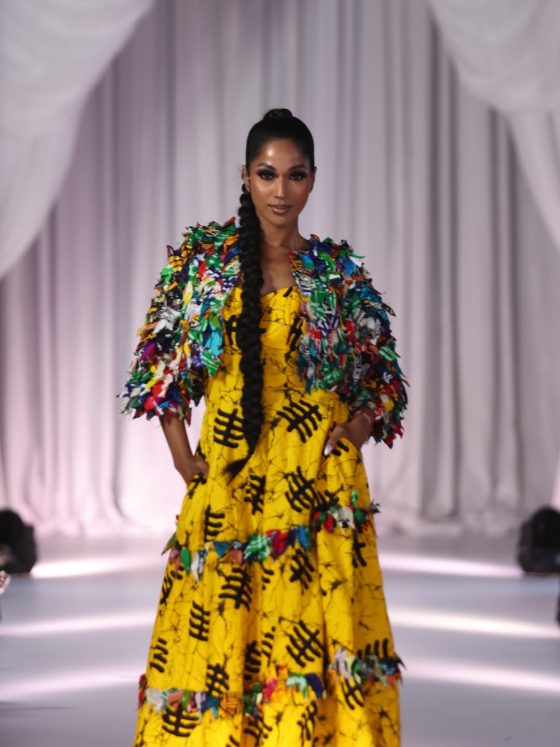
The first time Ozwald Boateng closed Savile Row to traffic was in 2002. He had just moved into his headquarters at number 12a, and to mark the occasion, he staged a fashion show on the street itself. The last time the road had been shut before that was for the Beatles in the 1960s. Boateng was born in Haringey, north London, to Ghanaian parents. He had taught himself to cut on his mother’s sewing machine. He had not been trained at Central Saint Martins or the Royal College of Art. By the mid-1990s, he had become the youngest tailor to open a store on the world’s most prestigious menswear address. In 2003, he became the first Black designer to serve as creative director of a major French fashion house, taking the role at Givenchy under LVMH. The industry called it a breakthrough. Boateng had been building toward it for fifteen years on his own terms.
His story is not singular. It is part of a longer, less documented history of Ghanaian designers who chose European cities as their operating base and spent careers building work of genuine creative authority while maintaining a clear, unbroken line back to the design traditions of Ghana. Kofi Ansah trained at the Chelsea School of Art in London before returning to Accra to produce work that became foundational to the global understanding of Ghanaian fashion. Phyllis Taylor built the Sika label in London with a production model that invests directly in Ghanaian garment workers and textile traditions. In 2025, Boyedoe became the first Ghanaian designer to reach the semi-finals of the LVMH Prize. The list is longer than the fashion press has made it appear.
What connects these designers is not geography nor ambition in the generic sense. It is a specific strategic decision: to operate from a base that provides distribution infrastructure while refusing the implication that the move constitutes an arrival. Europe is where the buyers are. It is where the press is concentrated. It is where the retail relationships that sustain a fashion business are most accessible. It is not where Ghanaian design authority originates, and the designers who have built the most durable careers understand that distinction with precision. They are not carrying Ghana’s aesthetic forward into Western validation. They are holding two worlds together without asking permission from either.
Ghanaian designers in Europe are not seeking Western validation. They are operating a dual infrastructure that sustains Ghanaian design traditions while building global reach.
The Design Inheritance That Travelled
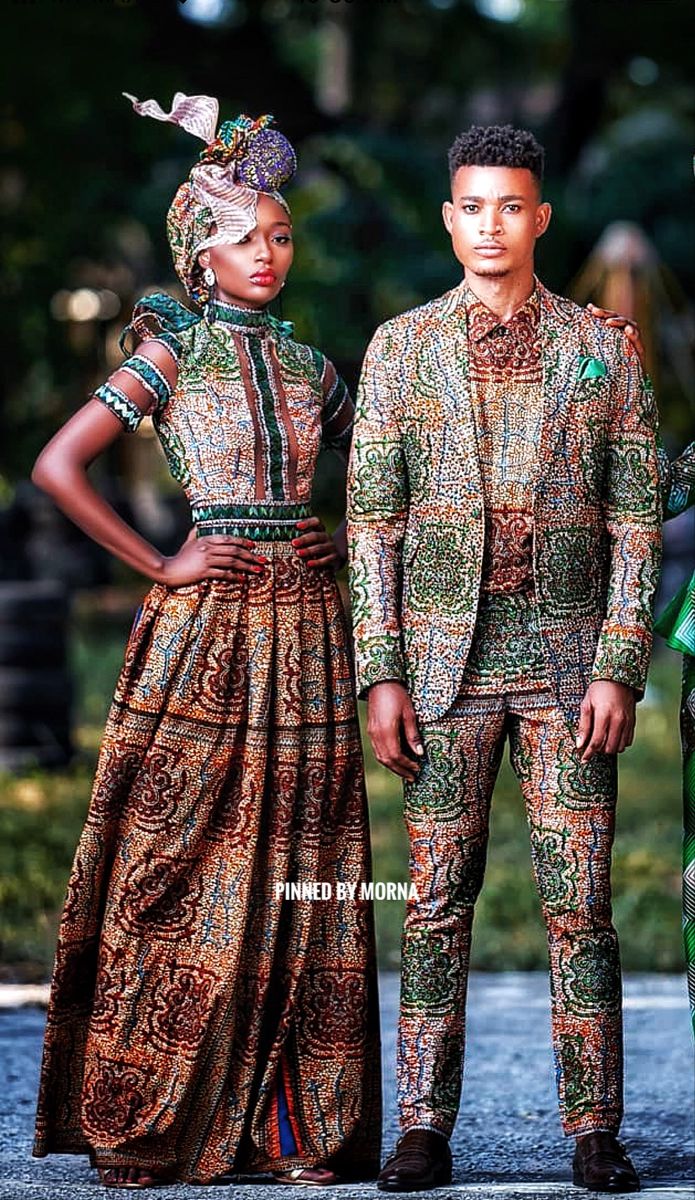
Ghanaian fashion did not begin when European fashion took notice of it. It has a design history that runs through Kente weaving traditions developed by Asante weavers, through the Kaba and slit introduced and transformed over generations of Ghanaian women, through the smock traditions of the north, and through the tailoring culture that took colonial-era suiting and made it unmistakably Ghanaian.
This is the inheritance that Ghanaian designers in Europe carry, not as nostalgia, but as structural knowledge. As Omiren has argued in its coverage of clothing as a form of cultural identity, dress in Ghanaian and broader African communities has never been a neutral aesthetic act. It communicates social position, cultural affiliation, and historical continuity. When a Ghanaian designer brings that system into a European context, they are not decorating European fashion with African references. They are operating a different framework entirely, one that the European fashion system is still developing the vocabulary to describe.
The designers who carry this forward in European cities do so as a deliberate practice. It is not automatic. It requires active decision-making about which traditions to foreground, how to translate cultural specificity for audiences who lack the context to interpret it, and how to maintain the integrity of the source material while building a commercial presence in markets not designed for them.
Ozwald Boateng: Rewriting the Rules of the Room He Entered

When Ozwald Boateng opened his store on Savile Row in 1995, he became the youngest tailor and the first Black designer to hold a presence on a street that had defined British menswear for over two centuries. As the London Museum’s account of his career documents, Boateng arrived on the Row with suits that stood out for their chromatic boldness and structural precision, drawing on the colour philosophy of his Ghanaian heritage to challenge a tailoring tradition that had, by the 1990s, become visually conservative and commercially stagnant.
Boateng did not arrive seeking admission. He arrived with a design language fully formed, built from the intersection of Ghanaian colour culture and British tailoring discipline. His palette drew deliberately from the Kente cloth tradition. His silhouettes held Savile Row structure while refusing its visual restraint. The result did not look like a compromise between two systems. It looked like a third thing entirely. His full archive and current work are documented at ozwaldboateng.co.uk.
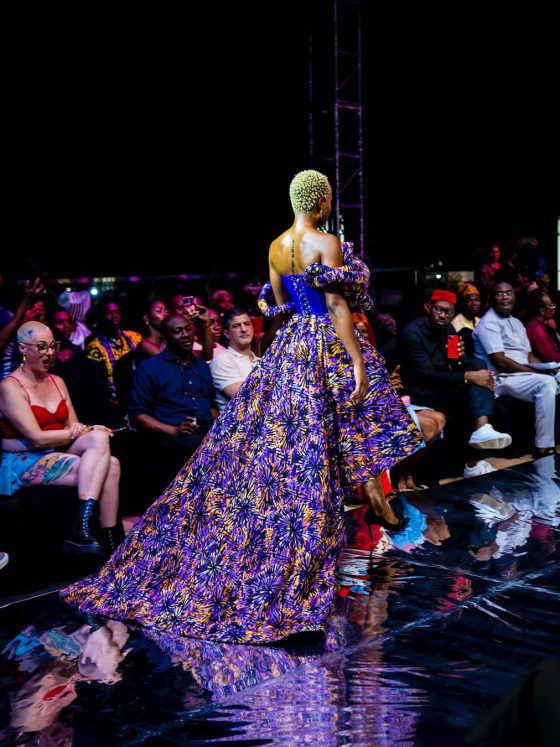
At the 2025 Met Gala, themed around tailoring and Black style, Boateng’s designs appeared across multiple guests, including Burna Boy and Issa Rae. As New Wave Magazine’s analysis of the Gala documented, his work carries a dual awareness: of the British systems he trained within and of the visual heritage he inherited. His colour palettes draw from Ghanaian Kente cloth and West African chromatic traditions. His structures borrow from Savile Row without adhering to its rules. This is not fusion in the diluted sense. It is a designer using two design systems simultaneously, with full authority over both.
For deeper context on how Kente encodes political and social meaning beyond aesthetics, Omiren’s examination of Ewe Kente and the politics of Ghanaian textile identity traces the full symbolic architecture behind the cloth.
Kofi Ansah: London Training, Ghanaian Authority
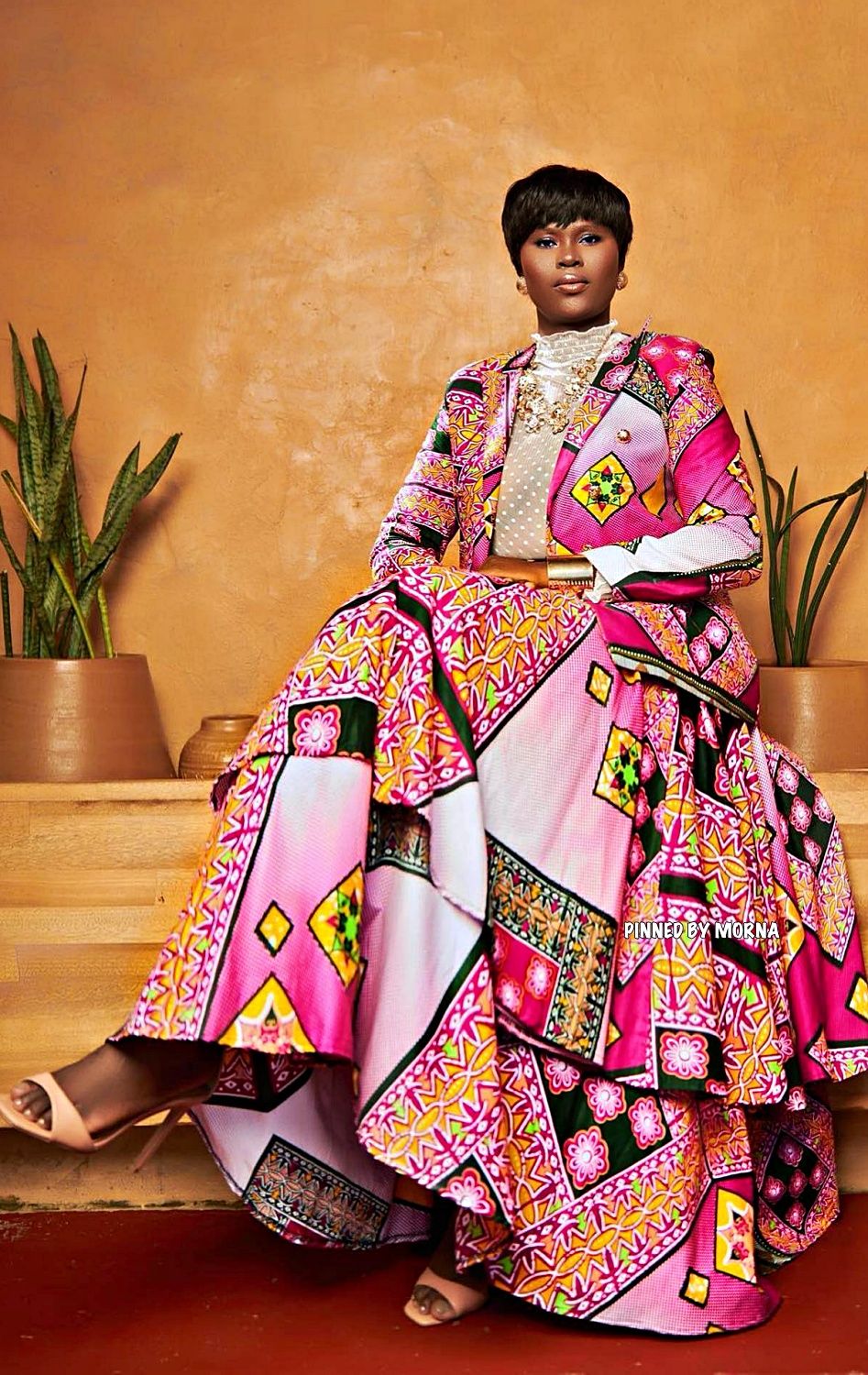
Kofi Ansah trained at the Chelsea School of Art in London, entering an institution that was not, in the late twentieth century, oriented toward Ghanaian design traditions. His graduating thesis focused on Ghana’s diverse textiles and manufacturing design language. He was, from the beginning, bringing the subject he cared about into rooms that had not previously considered it. As the Harn Museum of Art’s exhibition on Ghanaian fashion documents, Ansah’s early career in London required a strategic negotiation: to be accepted as a serious designer, he initially produced work that read as British, embedding his African references subtly rather than foregrounding them.
After returning to Ghana in 1992, that negotiation ended. Ansah’s work became visibly and unapologetically Ghanaian, incorporating materials from across the continent, including Malian bogolan cloth, into designs of deliberate cultural exuberance. He is now recognised as a foundational figure of the Ghanaian fashion vanguard, a generation of designers that Harn Museum curator Christine Checinska identifies as the first to build global profiles on the authority of their Afrocentric design philosophy.
Ansah’s trajectory captures the structural tension at the centre of this spotlight. European training gave him access to institutional credibility. Returning to Ghana gave him creative sovereignty. The two were, in his practice, sequential rather than simultaneous, which itself comments on the conditions that shaped his generation. For the designers who follow him, the question is whether those two things — institutional reach and creative sovereignty — can be held simultaneously and from the same location. As Omiren has examined in its broader argument about African fashion and who profits from global recognition, the infrastructure required to hold both simultaneously on the continent remains underdeveloped.
Also Read:
- Clothing as Cultural Identity
- Culture as the Foundation of Style
- The World Has Discovered African Fashion. Africa Is Still Waiting for the Invoice.
Phyllis Taylor and Sika: Design in London, Production in Ghana
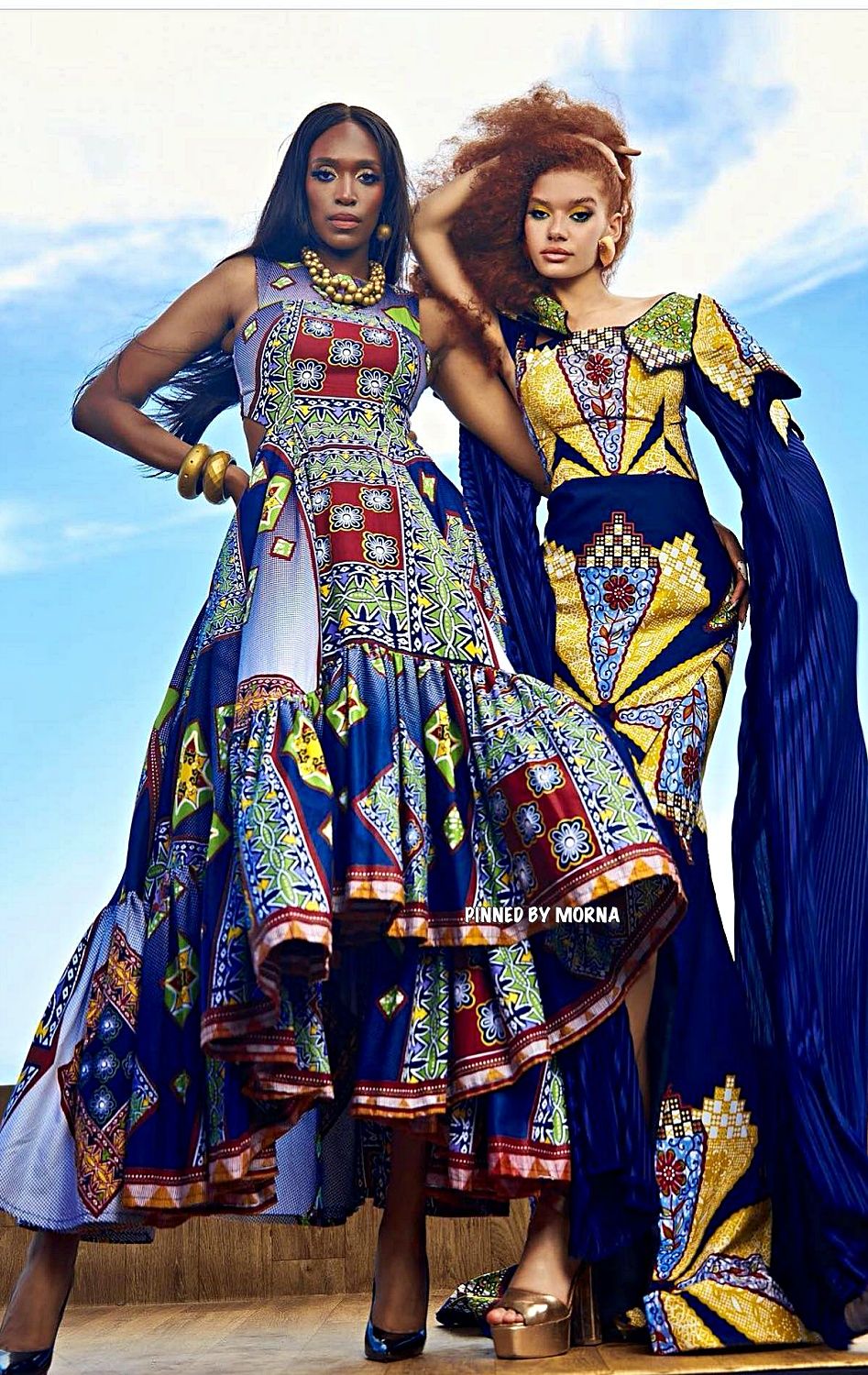
London-based Phyllis Taylor’s label, Sika, operates a model that makes the dual-infrastructure argument concrete. The brand is designed in London. The garments are handmade in Ghana by a skilled production team. The name Sika derives from the Akan word for gold, and is also her mother’s name. The brand’s commitment is explicit: fair wages, employment creation, and meaningful investment in Ghanaian craft traditions. Sika has produced collaborative lines for ASOS and Beams Japan, and has been featured in the Vogue Talents Corner. The visibility is European. The value creation is Ghanaian.
This model is not without tension. Designing in London for a global market while producing in Ghana requires navigating the same logistical and infrastructural barriers that constrain all African fashion businesses operating across borders: import and export costs, quality control at a distance, and communication gaps that arise when creative and production decisions are made in different countries.
But the model also demonstrates what becomes possible when those barriers are managed deliberately. The cultural authority of Ghanaian textile traditions, the skilled labour of Ghanaian garment workers, and the market access of a London-based label can operate together rather than in opposition. As Omiren has argued in its foundational position on culture as the foundation of style, cultural knowledge is not merely decorative. It is generative. When it is treated as infrastructure rather than inspiration, it produces exactly this kind of sustained, structured creative enterprise.
Boyedoe and the Next Generation: Prizes Without Precedent
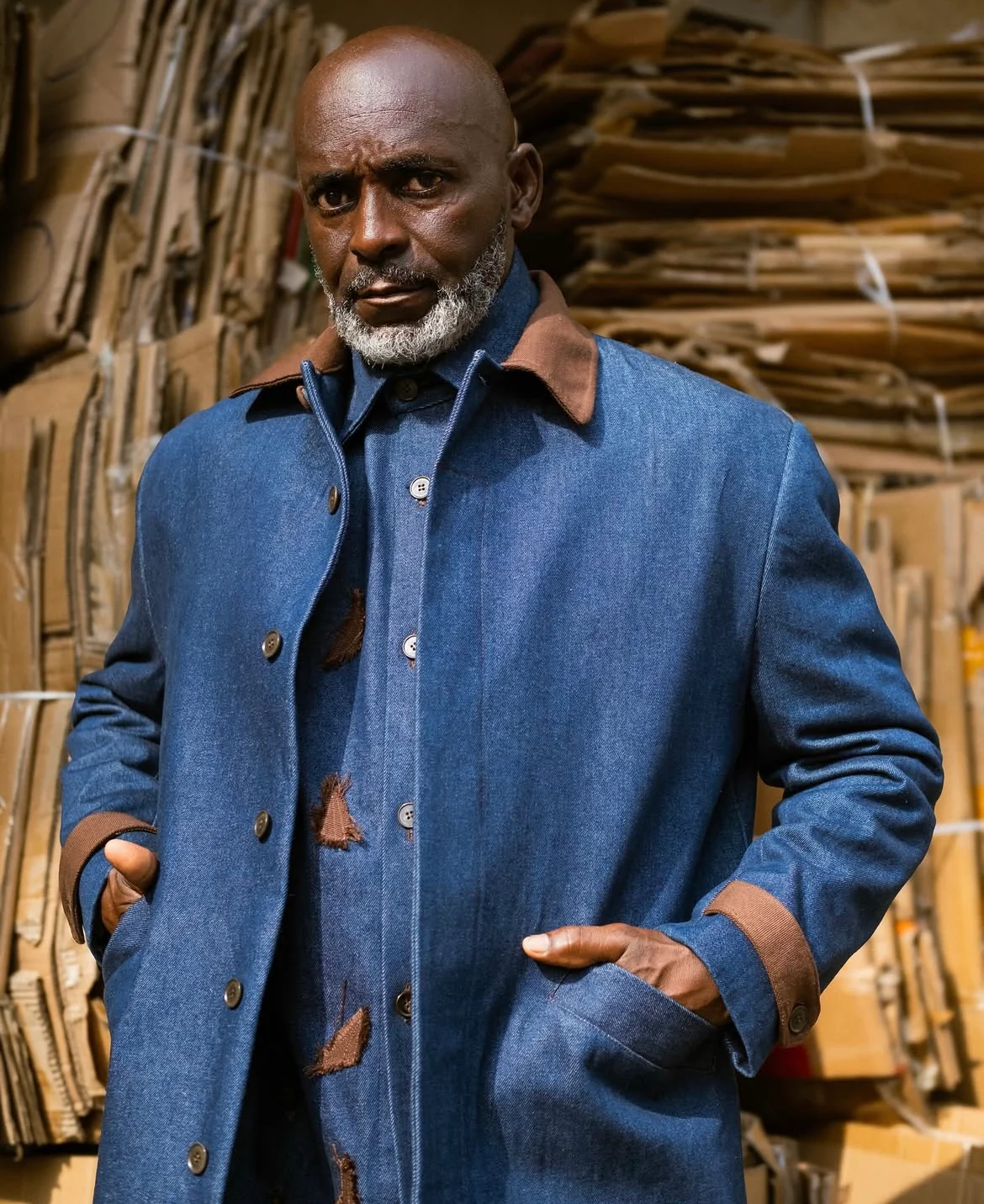
In 2025, Ghanaian designer Boyedoe became the first Ghanaian designer to be named a semi-finalist for the LVMH Prize, one of the most significant platforms for emerging luxury fashion talent worldwide. The achievement was widely noted across African fashion media. It was also, in its own way, a structural observation: a Ghanaian designer reaching the semi-finals of a French institution’s prize programme represents a generation’s work made newly legible to Western institutional frameworks.
What it does not represent, on its own, is the institutional infrastructure that would allow Boyedoe and designers of the same generation to build fully sovereign, continent-based enterprises at the scale their creative output warrants. The LVMH Prize offers visibility, mentorship, and potential investment. It does not offer a restructured Ghanaian fashion ecosystem with buyer access, manufacturing capacity, and retail infrastructure calibrated to the continent’s specific conditions.
This is not a criticism of individual achievement. It is a description of the system in which that achievement operates. Ghanaian designers in Europe, and Ghanaian designers reaching European prize programmes from Accra, are demonstrating the same thing: the talent and the design authority are not in question. The infrastructure question remains open. For a broader account of how this dynamic plays out across the continent, Ghana Fashion Week’s annual platform documents what Ghanaian design infrastructure is building independently of European validation.
Ghanaian designers in Europe are not proof that African fashion has arrived at a destination the West set for it. They are proof of what African fashion can build when it operates with full creative authority, even in conditions not designed to support it. Ozwald Boateng did not enter Savile Row to complete it. He entered it to demonstrate what it had been missing, and what Ghanaian design intelligence could do to a tradition that had calcified without knowing it. Kofi Ansah did not train in London to become British. He trained there to access the institutional vocabulary that would make his deeply Ghanaian work legible in international markets. Phyllis Taylor did not build Sika in London to leave Ghana behind. She built it there to create the distribution infrastructure that makes sustained investment in Ghanaian production financially possible.
The argument these designers make, collectively and across generations, is that Ghana’s design inheritance is not a starting point on a journey toward European legitimacy. It is the authority from which they work, regardless of where the work is shown or sold. The European presence is a strategic decision about access and infrastructure. It is not a statement about where design knowledge originates or where cultural authority resides. Ghanaian fashion does not need Europe to tell it what it is. It needs Europe to stop making it so expensive to be itself on its own ground. That is the unfinished argument. It belongs not to the designers currently navigating it, but to the industry that has created the conditions they navigate.
Frequently Asked Questions
Who are the most prominent Ghanaian fashion designers based in Europe?
Ozwald Boateng, born in London to Ghanaian parents, is among the most significant, having become the first Black designer to open a store on Savile Row and later serving as Creative Director of Menswear at Givenchy. Kofi Ansah, who trained in London before returning to Ghana, is recognised as a foundational figure of the Afrocentric design vanguard, as documented by the Harn Museum of Art. Phyllis Taylor of Sika operates a design-in-London, produce-in-Ghana model that has built international retail partnerships.
What is Ozwald Boateng’s connection to Ghanaian design heritage?
Boateng was born in London to Ghanaian parents and draws deliberately on Ghanaian Kente cloth traditions and West African chromatic philosophy in his colour palette and design language. His tailoring fuses Savile Row technical discipline with Ghanaian visual authority. The London Museum documents his career in detail, and his current work is available through ozwaldboateng.co.uk.
Who was Kofi Ansah, and why does he matter to Ghanaian fashion?
Kofi Ansah was a Ghanaian designer who trained at the Chelsea School of Art in London before returning to Ghana in 1992, where his work became increasingly Afrocentric and unapologetic. He is considered part of the founding vanguard of designers who built international profiles on the authority of African design philosophy. The Harn Museum of Art has dedicated an exhibition to his work and the broader Ghanaian fashion vanguard he helped establish.
What is the Sika label, and how does it connect Ghana to global fashion?
Sika is a London-based fashion label founded by Phyllis Taylor. All garments are designed in London and handmade in Ghana, with a stated commitment to fair wages and community investment. The brand has collaborated with ASOS and Beams Japan. See sikadesigns.co.uk for more on the brand’s model and current collections.
What does it mean for Boyedoe to be the first Ghanaian LVMH Prize semi-finalist?
It marks a generational moment in Ghanaian fashion’s visibility within European institutional frameworks. It also highlights the gap between individual recognition and the systemic infrastructure investment needed to enable Ghanaian designers to build fully sovereign, continent-based enterprises at an equivalent scale. The LVMH Prize platform provides visibility and mentorship, but the infrastructure question for African fashion remains structurally unresolved.
Why do Ghanaian designers base themselves in Europe rather than in Ghana?
The decision is typically strategic rather than cultural. European bases provide access to buyer relationships, press infrastructure, retail partnerships, and logistics networks that remain harder to access from Accra. The design authority and cultural inheritance remain Ghanaian. The European presence is a distribution decision, not a creative one. Ghana Fashion Week is among the platforms actively building the continental infrastructure that would make that calculation unnecessary for the next generation.
How does Kente cloth inform the work of Ghanaian designers in Europe?
Kente is a hand-woven textile developed by Asante weavers in Ghana, historically worn by royalty and used to mark significant ceremonies and social occasions. Its colour combinations and geometric patterns carry specific cultural meanings that function as a complete design system. Designers, including Ozwald Boateng, reference Kente not as a print or surface decoration but as a colour philosophy that shapes their entire visual language, from palette relationships to the weight and proportion of cloth as it moves against the body.