Before European cloth arrived on the west coast of Central Africa, before Portuguese caravels anchored off Mpinda in 1483, and before the word pagne entered the Kikongo vocabulary, the women of the Kongo kingdom were already dressed with authority. Raffia palm fibre stripped from the leaves of the nkasa tree, spun into thread, woven on narrow looms, embroidered with geometric patterns, and layered in specific quantities that announced lineage, rank, and ceremonial position. The cloth communicated before the wearer spoke. That logic, dressed as deduction, has never left.
The BaKongo are among Central Africa’s most historically significant peoples. Numbering approximately 10 million at the close of the twentieth century, according to Encyclopaedia Britannica, they span three modern nation-states: the Democratic Republic of the Congo, the Republic of the Congo, and Angola, with their highest concentrations in the Kongo Central province of the DRC, the northern Angolan provinces of Zaire and Uige centred on the ancient capital M’banza Kongo, and the area south of Pointe-Noire in the Republic of the Congo. The Kingdom of Kongo, founded around 1390 according to Britannica’s historical record and which had a population estimated at approximately 790,000 in the mid-seventeenth century by the Cambridge Journal of African History, was one of the most sophisticated polities in pre-colonial Africa: centralised, literate in Kikongo, diplomatically active with both Europe and the Vatican, and built on a textile economy in which raffia cloth functioned as currency, tribute, gift, and garment simultaneously.
Kongo social organisation is matrilineal. Descent, inheritance, and kinship group membership pass through the mother’s line, a structure historians of the region have documented in detail. A seventeenth-century observer recorded that in the Kongo kingdom, the women effectively held the government, and the man was at her side only to help her. That is an overstatement rooted in a European observer’s surprise. Still, it captures something real: women in Kongo society controlled lineage membership, land access through their kanda (clan), and the community’s social reproduction. Dress, in such a society, was not incidental. It was one of the primary languages through which women exercised and demonstrated that authority.
The Kingdom of Kongo was one of the most industrious textile-producing regions on the continent, according to African History Extra’s documented research. The west-central African textile belt, running from the mouth of the Congo River to the western shores of Lake Tanganyika, supplied the raffia palm fibre that underpinned not only Kongo’s internal economy but also its diplomatic and political networks. Raffia cloth, called mbongo or lubongo in Kikongo, served as currency. The Metropolitan Museum of Art’s 2016 exhibition Kongo: Power and Majesty brought together luxury raffia textiles from European collections dated as early as the sixteenth century, pieces so finely wrought that Italian missionary Antonio Zuchelli described the finishing technique in awe, noting that weavers cut the cloth with a knife and rubbed it well with their hands so that it looked like patterned velvet.
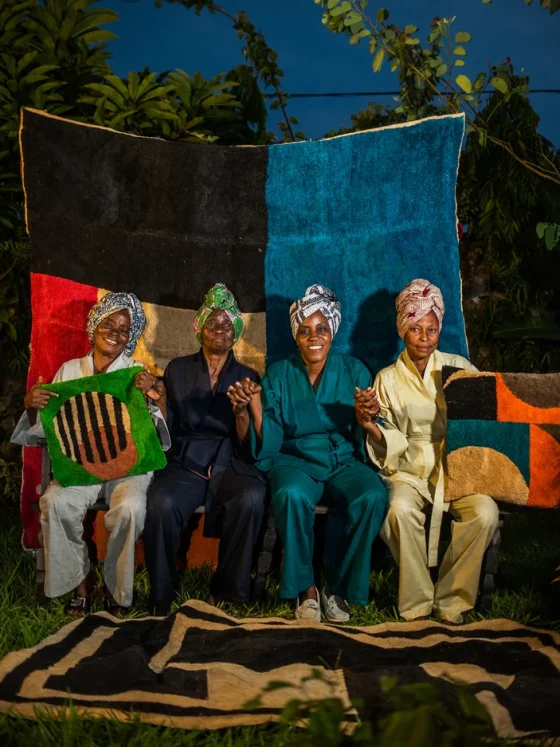
In 2026, Kongo women in Kinshasa, Lubumbashi, Luanda, M’banza Kongo, and the diaspora cities of Brussels, Paris, and London dress within a system that carries those centuries of textile authority into the present. The contemporary garments are pagne cotton and Vlisco wax print, not raffia palm fibre. The tailoring is done by ateliers in Matonge and Kintambo, not royal weavers in Mbanza Kongo. But the logic remains: a Kongo woman who dresses appropriately for an occasion is performing an act rooted in one of Africa’s great textile civilisations. These are the five styles that define how Kongo women dress in 2026.
Discover the top 5 styles. Kongo women are wearing, in 2026, from the four-piece liputa set to the raffia ceremony wrapper, rooted in one of Africa’s oldest textile traditions.
The Omiren Argument
Kongo women do not dress according to trends. They dress by system. The five styles that govern Kongo women’s fashion in 2026 are not aesthetic choices but cultural positions, each rooted in a textile tradition that predates European contact and has survived colonisation, political upheaval, and diaspora to remain the most authoritative visual language available to a BaKongo woman who knows how to use it.
1. The Four-Piece Liputa Set: The Complete Language of a Dressed Kongo Woman
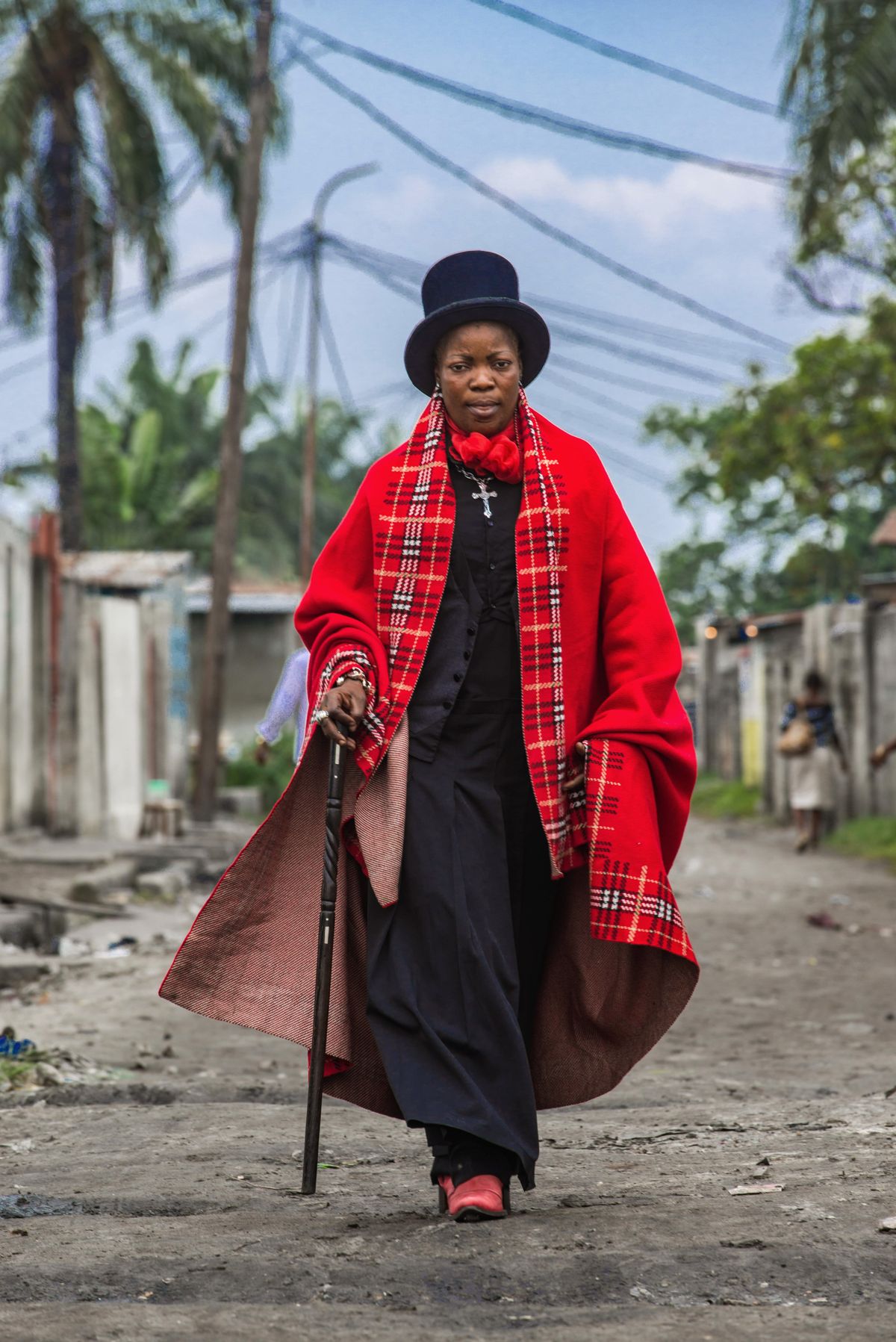
The liputa is not a single garment. It is a system. The name, derived from Lingala and meaning colourful, describes a four-piece ensemble assembled from the same pagne fabric: a blouse worn as the upper garment, a wrapper secured from the waist to the feet covering the legs fully, a second piece tied at the waist so the knot sits like a deliberate bow at the front or side, and a fourth piece tied as a headwrap to cover the hair. The blouse has a wide neck cut and broad sleeves. Each piece is cut from the same two-by-six yard pagne cloth, meaning the pattern, colour, and print of the complete outfit are unified. When a Kongo woman appears in a full four-piece liputa set, she is not making a fashion statement. She is arriving.
The social information encoded in the liputa extends beyond the choice of fabric. The style of the four-piece set signals marital status within the community. A woman in a full four-piece set, headwrap included, communicates completeness in the cultural sense: a woman of an established household, social position, and community standing. This is the governing dress at Kongo libala, the traditional wedding ceremony, at dowry negotiations, at funerals and mourning gatherings, and at the community events that structure life across the Kongo Central province of the DRC and the northern Angolan provinces. In Kinshasa’s Matonge district, the centre of Congolese cultural life in the capital, the four-piece liputa set in premium Vlisco or Grand Super Wax fabric is the standard for a woman who intends to be taken seriously by everyone in the room.
In 2026, liputa sets are commissioned from specialised tailors in the ateliers of Kinshasa’s Kintambo and Limete neighbourhoods, as well as from diaspora tailors in Brussels’ Matongue district. The fabric of choice for high-register occasions is Vlisco Super Wax, the Dutch-produced premium wax print that remains the most prestigious pagne on the Congolese market. Vlisco’s 95 per cent African clientele base, primarily concentrated in West and Central Africa, reflects the fabric’s entrenched status as a marker of quality and seriousness. A four-piece liputa set in Vlisco Super Wax represents a significant investment; the social signal it sends is commensurate with that investment.
The geometry of the liputa set in 2026 trends toward deeper tones at ceremonial occasions: burgundy and gold, forest green and ochre, deep cobalt and copper. These are not imported colour preferences. They echo the colour grammar of Kongo raffia textile tradition, in which red-brown tones derived from twool dye and the warm naturals of undyed palm fibre governed the prestige palette for centuries. A Kongo woman choosing a burgundy Vlisco liputa set for a wedding in 2026 is working within a colour system older than the pagne itself.
2. The Libaya: The Power Silhouette of the Kongo Ceremony
The libaya is the Congolese tailored ceremonial dress, the garment that most visibly distinguishes Kongo women’s dress from the broader Central African fashion landscape. A single-piece structured dress, typically floor-length, cut from three to four yards of pagne fabric, with a fitted bodice, defined waist, and a full or pencil skirt depending on the tailor’s instruction, the libaya is the ceremonial garment that Kongo women commission for the occasion that matters most. At the dote, the Congolese dowry ceremony, the libaya worn by the women of the bride’s family is as deliberate a construction as the ceremony’s speech. Every woman’s choice of fabric, silhouette, and headpiece communicates her position in the event’s hierarchy.
What makes the Libaya specifically Kongo, rather than generally Congolese, is the way it is adorned and layered. Kongo women accessorise the libaya with copper and brass jewellery that traces a lineage of metalwork going back to the Kingdom of Kongo, which used copper nzimbu shells as currency and prized copper objects as prestige markers. A Kongo woman at a dote in 2026 arrives in a libaya in Grand Super Wax or bazin riche, with copper-toned earrings and a neckpiece in oxidised brass or hammered copper. headwrap in matching fabric tied in the tall, forward-projecting style that Kinshasa tailors call the couronne (crown). The complete look is a direct line from the matrilineal authority of Kongo society to the contemporary ceremony.
Tailors working in Kinshasa’s Lemba and Gombe districts and in Luanda’s Miramar neighbourhood are producing libaya in 2026 with increasingly structured architectural elements: peplum flares, off-shoulder necklines in fitted bodice cuts, and asymmetric hem details that shift between midi and maxi within the same garment. The pagne print is always the primary design element. The tailoring amplifies it. A libaya in which the tailor’s construction overwhelms the fabric’s pattern has failed; the fabric speaks first.
3. The Raffia Ceremony Wrapper: The Oldest Kongo Women’s Dress Still in Active Use
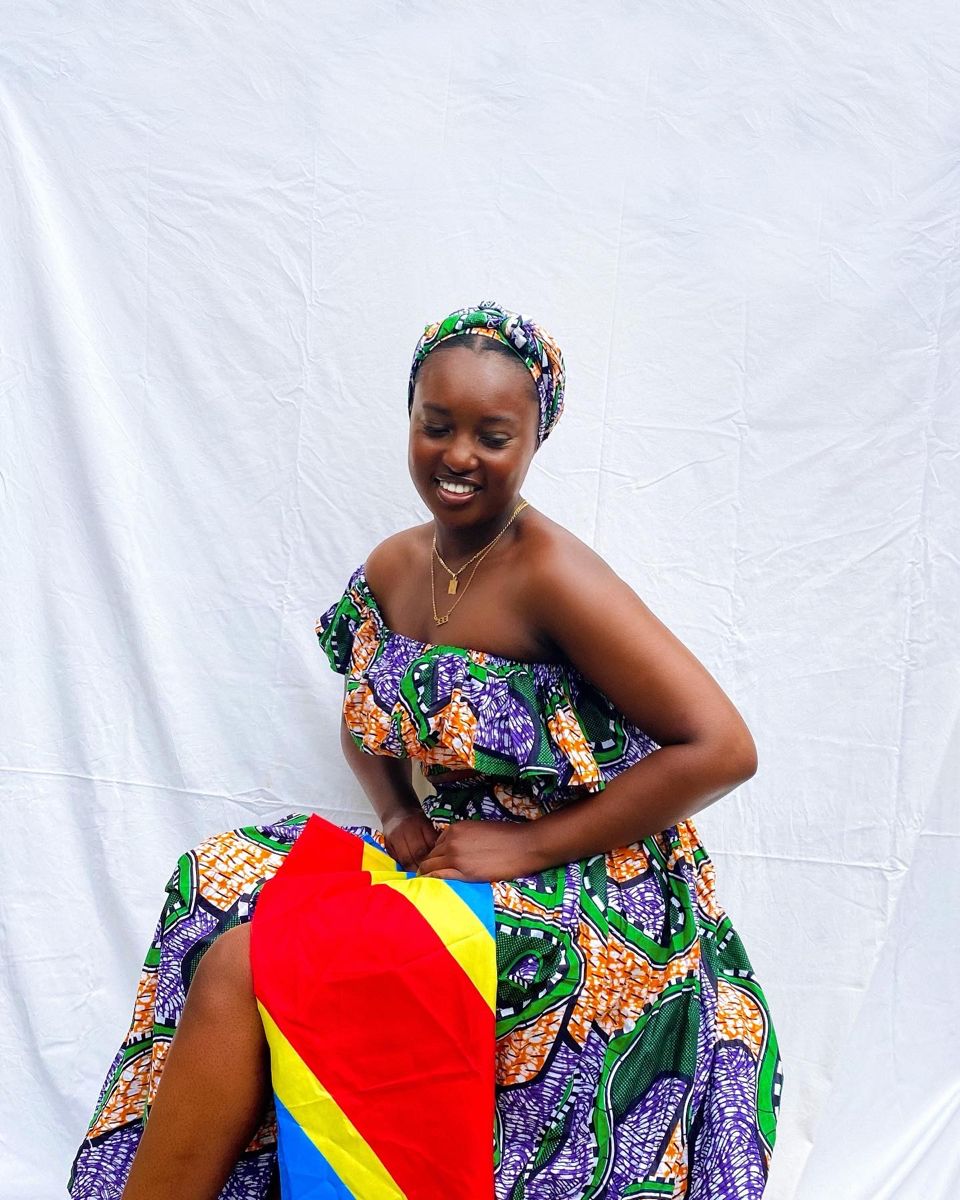
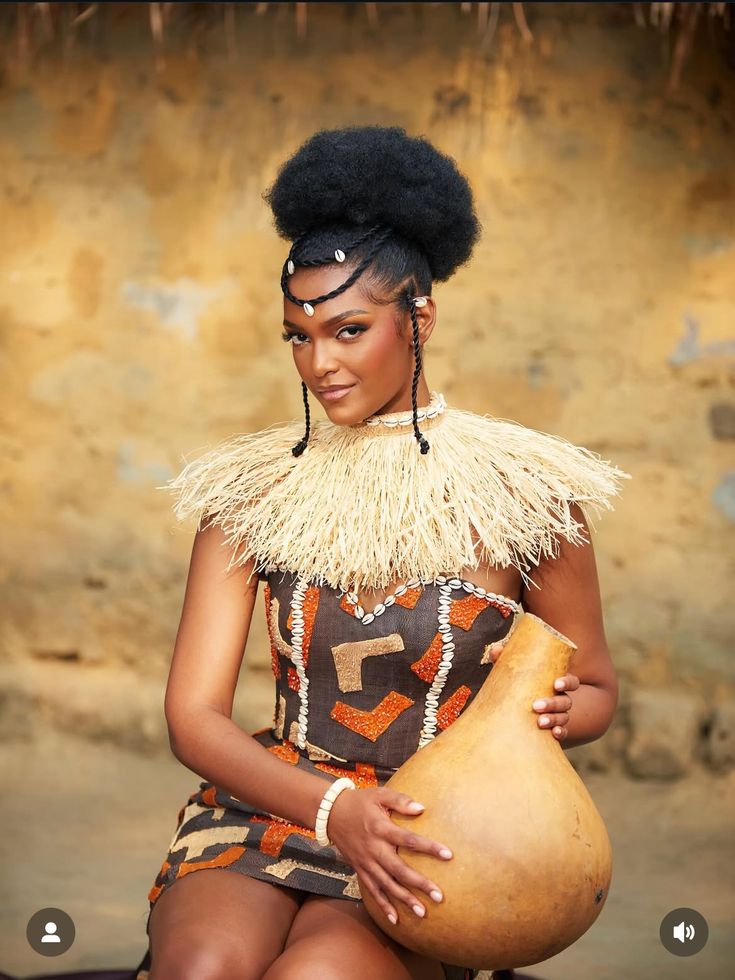
In the villages of Kongo Central province in the DRC, in M’banza Kongo and its surrounding communities in northern Angola, and at major cultural ceremonies organised by Kongo community associations in Kinshasa and Luanda, women still wear raffia cloth wrappers for the rituals of initiation, marriage, and death. The raffia wrapper is the direct descendant of the mbongo textile tradition that made the Kingdom of Kongo one of the most industrious cloth-producing civilisations on the continent. It is not a reconstruction of a historical garment. It is a living practice.
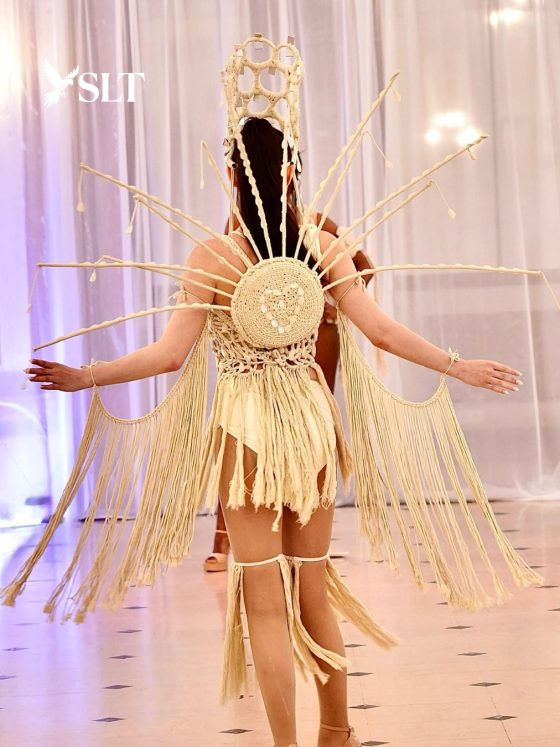
The raffia ceremony wrapper is a length of handwoven palm-fibre cloth, plain-woven or decorated with geometric embroidery in the Kongo tradition of zigzag, diamond, and chevron patterns, that is wrapped around the hips and lower body and secured at the waist. At initiation ceremonies, the wrapper is worn by women leading the ritual, and its condition and quality communicate the wearer’s relationship to the ceremony’s authority. At burial ceremonies, following the tradition documented by African History Extra’s research into Kongo textile culture, raffia cloth continues to be used to wrap the deceased. The cloth’s presence at both the beginning and end of life reflects its role as the fundamental material of Kongo cultural continuity.
In 2026, the raffia wrapper is not a museum piece. The Metropolitan Museum of Art‘s documentation of Kongo raffia textiles in European collections from the sixteenth century establishes the depth of the tradition. Still, the living practice in Kongo Central and northern Angola maintains itself independently of any museum record. Women who carry knowledge of raffia weaving in these communities are cultural authorities. The wrapper they produce and wear at the ceremony is the most culturally specific garment a Kongo woman can wear. No pagne, however expensive, carries the same ancestral weight.
For Kongo women in Kinshasa and Luanda who want to honour this tradition without access to village-woven raffia cloth, contemporary tailors in both cities are producing ceremony wrappers in textured cotton that reference the geometric patterns of the Kongo raffia tradition. These are not substitutes for the original. They are adaptations that keep the visual grammar of the tradition in circulation within urban communities, where the raffia palm is not present, but the cultural memory is.
4. The Two-Piece Pagne Ensemble with Headwrap: Kinshasa’s Daily Authority
Kinshasa is one of Africa’s largest cities, with a population exceeding 15 million as of the most recent estimates, and it is a city in which dress is taken with unusual seriousness. The Congolese expression that the nicer the clothes, the more respect one receives is not a casual observation. It is a governing social principle. In this context, the two-piece pagne ensemble, a fitted blouse paired with a floor-length wrapper skirt in matching fabric, with a headwrap in the same pagne completing the look, is the daily authority dress of Kongo women in Kinshasa. It is neither formal nor informal. It is the baseline of self-presentation for a woman who takes her position in the world seriously.
The two-piece pagne ensemble differs from the four-piece liputa in its reduced ceremony. It has two garments rather than four, and the waist tie is optional. But it retains the headwrap, which in Kongo women’s dress is never ornamental. The headwrap is a functional dress. It is the element that transforms a pagne outfit from clothing into a form of cultural positioning. A woman who has tied her headwrap correctly, flat at the crown for elders, forward-projecting for ceremony, turbaned and loose for everyday authority, has communicated something about who she is before she has opened her mouth.
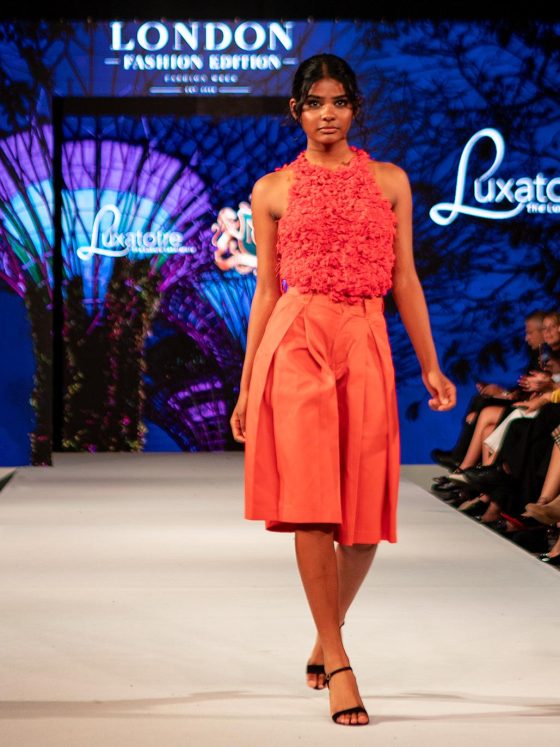
In 2026, the two-piece ensemble in Kinshasa’s Matonge market is dominated by prints from Vlisco, Grand Super Wax, and, increasingly, Congolese-designed prints from emerging local textile brands that are responding to growing demand for locally produced pagne. The DRC Fashion Week, held annually in Kinshasa, with the 2025 edition scheduled for August 16th, according to Dfashion Magazine, has become an important platform for Congolese fashion designers working in the pagne tradition and a nu. A collection at both DRC Fashion Week and Liputa Fashion Week in Goma has featured two-piece ensembles that modernise the traditional silhouette with structured boning, contemporary hem lengths, and print-blocking techniques using multiple pagnes from the same colour family.
Among Kongo women in the diaspora, particularly in Brussels and Paris, the two-piece pagne ensemble with headwrap is the dress of community events: the Congolese cultural associations that sustain community life in Europe, the weddings and baptisms that mark family occasions, and the Independence Day celebrations that bring the diaspora together. Away from Kinshasa, the two-piece ensemble carries an additional weight: it is a declaration of origin. A Kongo woman in Brussels who ties her headwrap at a community event is not following a trend. She is locating herself precisely within a culture.
ALSO READ:
- Top 5 Wax Print Styles for Baoulé Women in 2026
- Top 5 Traditional Styles for Fulani Women
- Why Culture Is the Foundation of Style in African and Global Fashion
- Top 5 Powerful Afro-Arab Fashion Symbols and Their Cultural Meanings
5. The Contemporary Pagne Gown: The Kongo Woman in the World
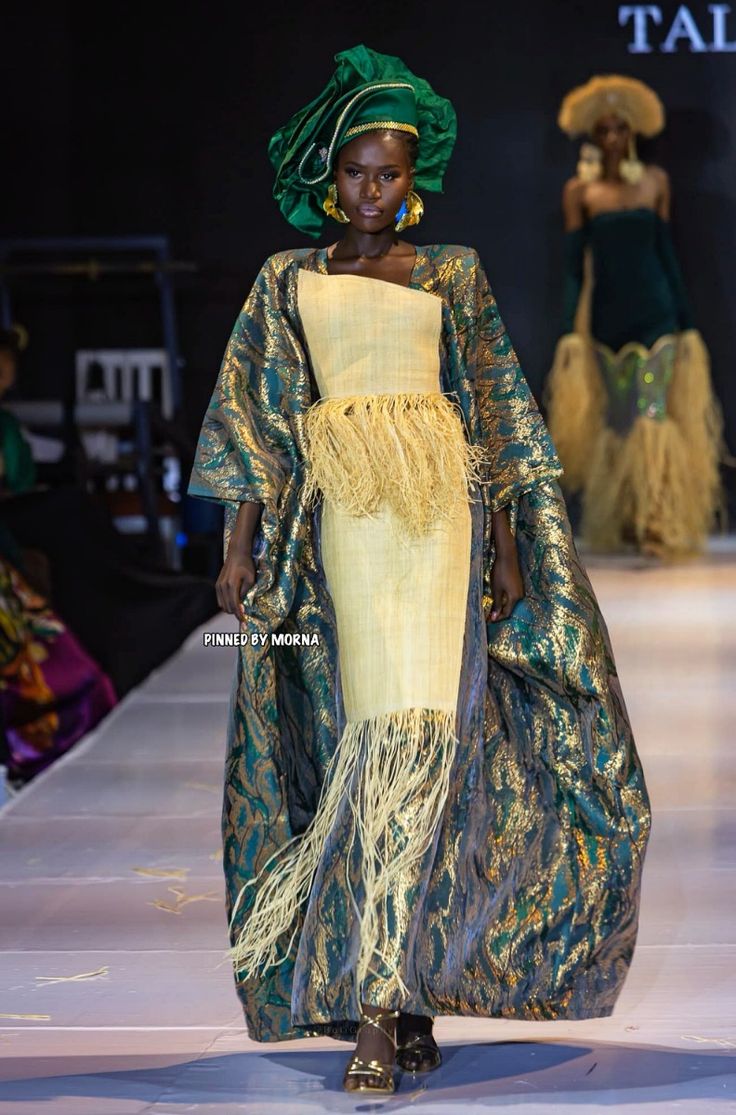
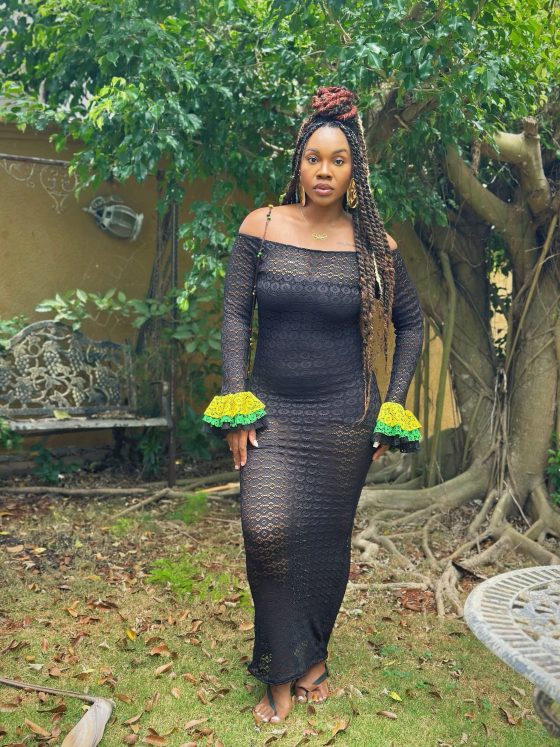
The tailored pagne gown is the style that moves Kongo women’s dress into the international fashion conversation without abandoning the cultural system that gives the fabric its meaning. A full-length structured gown cut from four to six yards of premium wax print, with architectural tailoring elements, deep sweetheart or off-shoulder necklines, structured sleeve treatments from balloon to bishop to three-quarter fitted, and a hem that commands the room, the contemporary pagne gown is the garment in which Kongo women appear at Kinshasa’s formal events, at international African fashion weeks, and at the Congolese diplomatic gatherings in Brussels and New York that bring BaKongo women into the highest registers of formal dress.
The contemporary pagne gown is where the Kongo woman’s confidence in her own aesthetic tradition becomes most visible to the outside world. Kinshasa-based designer Mamie Kapend, whose work has been documented internationally as a significant force in taking Congolese fashion beyond the DRC, represents the class of Congolese designers who built their practice on pagne’s inherent authority. The gown is the garment that shows what happens when a woman who understands her culture encounters a tailor who understands structure: the result is not a compromise between African and European dress. It is African dress at its most architecturally resolved.
In 2026, the dominant fabrics for the contemporary pagne gown at Kinshasa’s formal circuit are Vlisco Super Wax and bazin riche. Bazin riche, the glossy, stiff damask cotton that takes dye intensely and moves with dramatic visual weight, is the preferred alternative to wax print for gowns at the highest social occasions, where the fabric’s sheen and structure lend the garment physical authority. Embroidery at the neckline and cuffs in copper or gold thread references Kongo’s historic metalwork tradition while adding the dimensional detail that formal dress demands. The headwrap, tied in the tall couronne or the structured turban, remains present even with the most formally tailored gown. Removing it would technically complete the garment. Keeping it completes the woman culturally.
For Kongo women in Angola’s capital, Luanda, the contemporary pagne gown appears at the upscale events of the Angolan cultural calendar and increasingly at business and diplomatic functions, where Angolan women are choosing to present themselves in the BaKongo textile tradition rather than in Western formal dress. The northern Angolan provinces of Zaire and Uige, where Kongo culture is most concentrated in Angola, supply a growing number of Luanda’s formal dress clients who are commissioning gowns from tailors working in both the Angolan and DRC traditions simultaneously, creating a cross-border Kongo fashion conversation that the colonial division of the region’s Kongo population into three separate nation-states never fully extinguished.
A Kongo woman who dresses correctly carries six centuries of textile authority into the room. The fabric is not her backdrop. It is her argument.
Frequently Asked Questions
1. Who are the Kongo people, and where do they live?
The BaKongo are a Bantu-speaking people of West-Central Africa, numbering approximately 10 million at the close of the twentieth century, according to Encyclopaedia Britannica. Their highest concentrations are in the Kongo Central province of the Democratic Republic of the Congo, the northern Angolan provinces of Zaire and Uige, centred on the ancient capital M’banza Kongo, and south of Pointe-Noire in the Republic of the Congo. They are the largest ethnic group in the Republic of the Congo and one of the major groups in the DRC and Angola. Their language is Kikongo, with related dialects spoken across the three countries, and their social organisation is traditionally matrilineal.
2. What is the liputa, and what does it mean in Kongo culture?
The liputa is the four-piece pagne ensemble that constitutes the most culturally complete form of everyday and ceremonial dress for Congolese women, including Kongo women. It consists of a blouse, a full-length wrapper skirt, a waist tie secured in a bow, and a headwrap, all cut from the same pagne fabric. The name derives from a Lingala word meaning ‘colourful’. The four-piece construction communicates social completeness: marital status, community standing, and ceremonial seriousness. At libala (traditional wedding) ceremonies, dote (dowry) negotiations, and major community gatherings, the four-piece liputa set in premium fabric is the governing dress for Kongo women.
3. What is the historical textile tradition of the Kongo people?
The Kingdom of Kongo, founded around 1390 according to Britannica, developed one of Central Africa’s most sophisticated textile traditions, centred on the weaving and embroidery of raffia palm fibre. Raffia cloth, called ‘mbongo’ or ‘lubongo’ in Kikongo, served as currency and tribute and was woven into luxury textiles of such quality that examples collected by Europeans in the sixteenth and seventeenth centuries are now held in the collections of the Metropolitan Museum of Art, the British Museum, the Brooklyn Museum, and Copenhagen’s Nationalmuseet. The Kongo textile tradition included the nkutu prestige cape, the kinzembe openwork tunic, and the mpu raffia cap, all of which conveyed the wearer’s rank and lineage. West-Central African History Extra documented West-Central Africa as one of the most industrious textile-producing regions on the continent.
4. What is the significance of the headwrap in Kongo women’s dress?
The headwrap is not an optional accessory in Kongo women’s dress. It is a functional component of the cultural dress system. The way it is tied communicates occasion and social position: tied flat at the crown for elder women and traditional ceremonies, projecting forward in the couronne style for high-register formal occasions, and turbaned loosely for everyday community life. Removing the headwrap from a liputa or pagne ensemble is culturally equivalent to leaving the garment incomplete. For Kongo women in the diaspora, tying the headwrap at a community event is also an act of cultural location, announcing origin and identity to a community that reads the dress codes correctly.