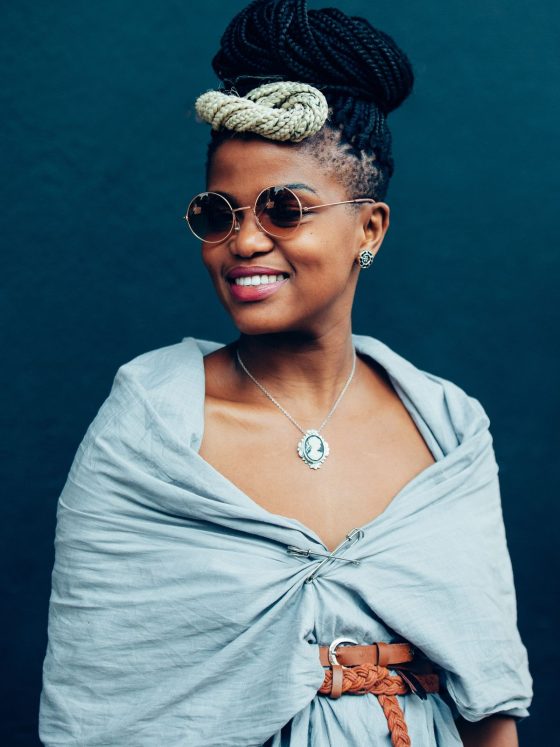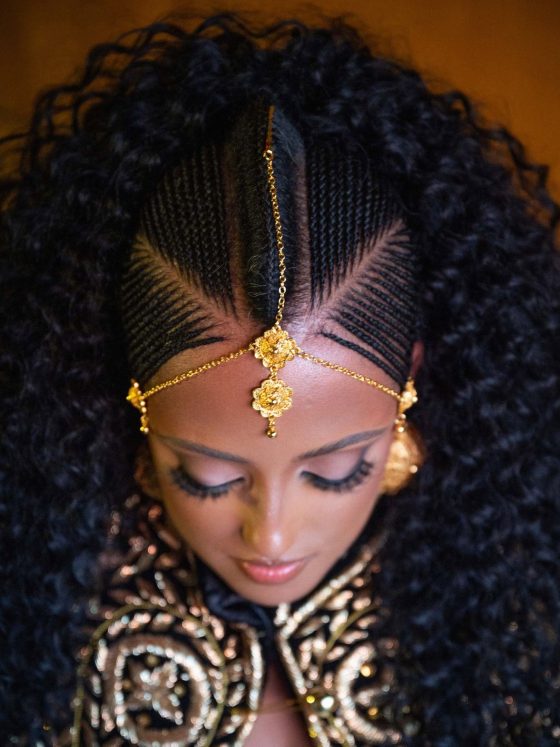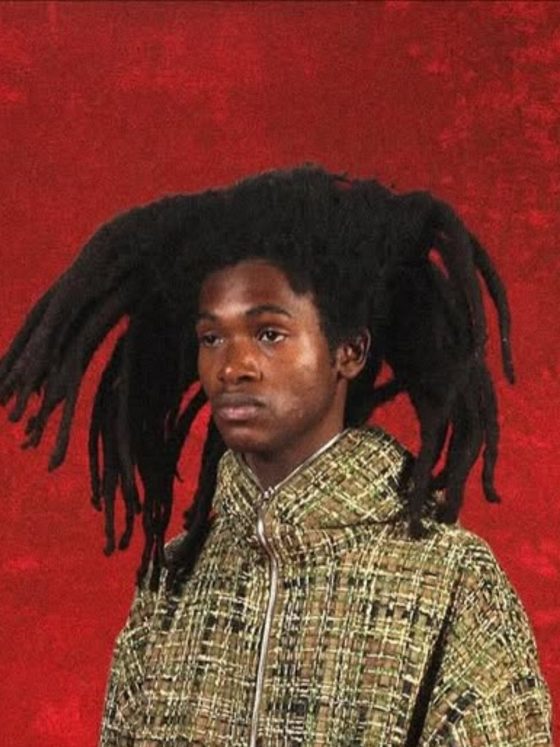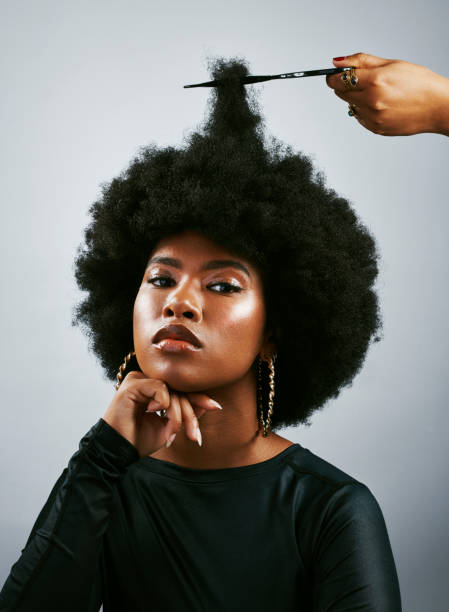
Braids, locs, and twists are at the centre of the ongoing workplace battle. For centuries, every time a Black professional wears these protective hairstyles, employers decide whether their identity belongs.
Some workplaces even treat these styles as unprofessional while ignoring their cultural, historical, and practical significance. Due to this ignorance, Black professionals face a choice between following rules designed without them in mind or staying true to who they are.
For Blacks, protective hairstyles aren’t just a fashion statement. They protect natural hair, connect people to their ancestry, and show pride in Black culture.
This is why protective hairstyles as a political statement matter. They show that choosing to wear braids, locs, or twists is an act of identity, pride, and resistance in the workplace.
Braids, locs, and twists are not simply hair choices. Explore why protective hairstyles carry political weight in the workplace and what that fight reveals about race, identity, and power.
Protective Hairstyles Carry Cultural and Practical Meaning
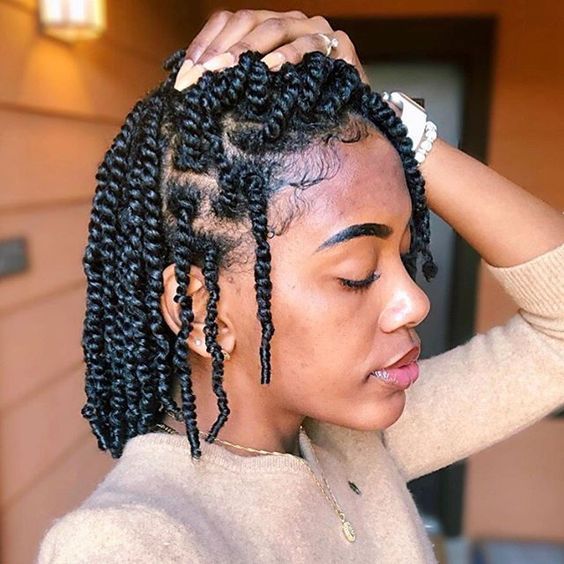
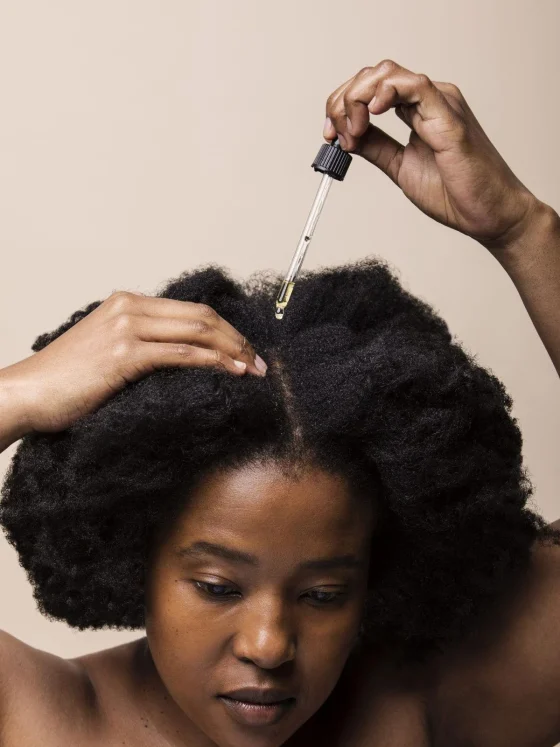
Braids, twists, and locs are more than fashion for Black people. Black hair needs care to stay strong, retain moisture, and grow without breaking.
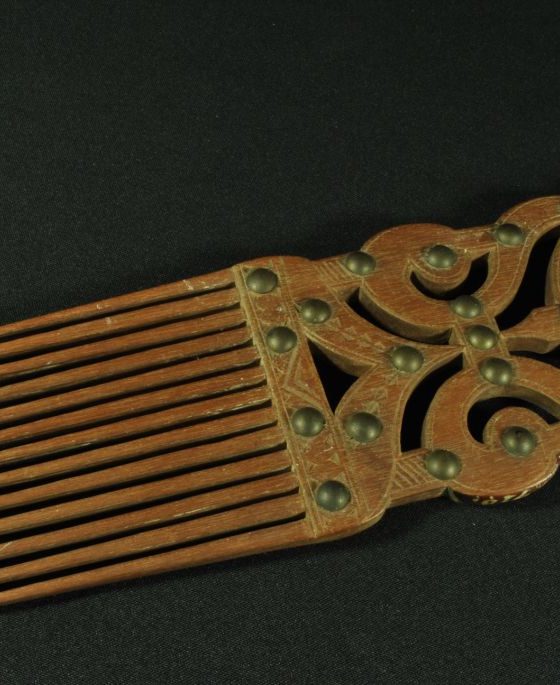
Protective hairstyles make this possible while reducing damage from daily styling, heat, and chemicals. These styles also carry history and culture. They have roots that stretch back thousands of years in Africa.
In the 30th century BCE (around 3500 BCE) in Africa, braided hair was used to signal community ties, age, and identity long before the modern world existed.
Today, protective hairstyles continue that legacy, connecting Black people to ancestry, history, and shared experience across generations. They express pride, identity, and personal style, which serve as visible links to cultural knowledge and family traditions.
Professionalism Was Built to Exclude Black Hair
What many workplaces call “professional” has never been neutral.
For decades, the standard has leaned toward straight hair, smooth textures, low-volume styles, and grooming rules shaped by Eurocentric ideas of neatness.
That means Black hair is often judged against a standard it was never designed to fit. This is why braids, locs, twists, afros, and cornrows are often treated as too bold, too distracting, or too political.
The issue isn’t just the appearance, but its visibility. Black hair becomes a problem when it is worn in ways that cannot be softened, hidden, or reshaped to make others comfortable.
That is what makes protective hairstyles a political statement. In all honesty, not every Black professional wears braids or locs to protest, but the workplace often treats that choice as such anyway.
Wearing Black hair naturally becomes a refusal to shrink identity for acceptance. It says professionalism shouldn’t require cultural erasure, and respect shouldn’t depend on how closely Black people can perform someone else’s standard.
How Hair Discrimination Shows Up in the Workplace
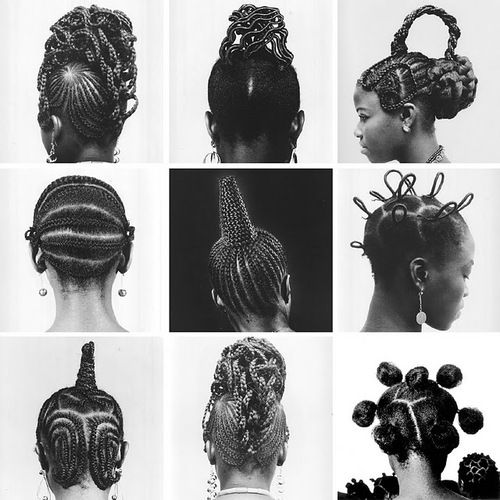
Protective Hairstyles as a political statement are clear in professional spaces. The Legal Defence Fund reports that braids, twists, and locs are often labelled unprofessional in offices and schools, even though they are practical and culturally significant.
Many Black employees are also told to straighten, cover, or cut their hair to meet Eurocentric standards of professionalism.
The impact is real. This is because Harvard Business Review notes that Black women with natural or protective hairstyles are often overlooked for promotions, passed over for client-facing roles, or face microaggressions from colleagues.
This hair bias can reduce confidence, increase stress, and limit career growth. This creates workplaces where Black identity feels unwelcome.
To curb this discrimination, laws such as the CROWN Act now make it illegal in several U.S. states to discriminate against hairstyles like braids, locs, and twists. This acknowledges that these styles are inseparable from race and culture.
Black Professionals Continue to Fight for Hair Equity
The workplace battle over Black hair isn’t over. Some Black professionals have challenged grooming rules in court and pushed companies to rewrite workplace policies.
Some have even supported legal protections like the CROWN Act, which defines race to include hair texture and protective hairstyles such as braids, locks, and twists.
That legal fight exists because older discrimination laws often failed to protect Black workers when employers claimed hairstyle rules were simply about appearance, not race.
Certain statistics show why the fight continues. According to the Economic Policy Institute, 24 U.S. states had passed the CROWN Act by 2023. However, more than 44% of employed Black women still lived in states without those protections.
It’s cited workplace research also found that Black women’s hair was 2.5 times more likely to be seen as unprofessional.
This shows that even when laws exist, social norms often remain the same. That is, Black hair is tolerated only when it is less visibly Black.
Workplaces Perpetuate an Unjust Standard Against Black Hair
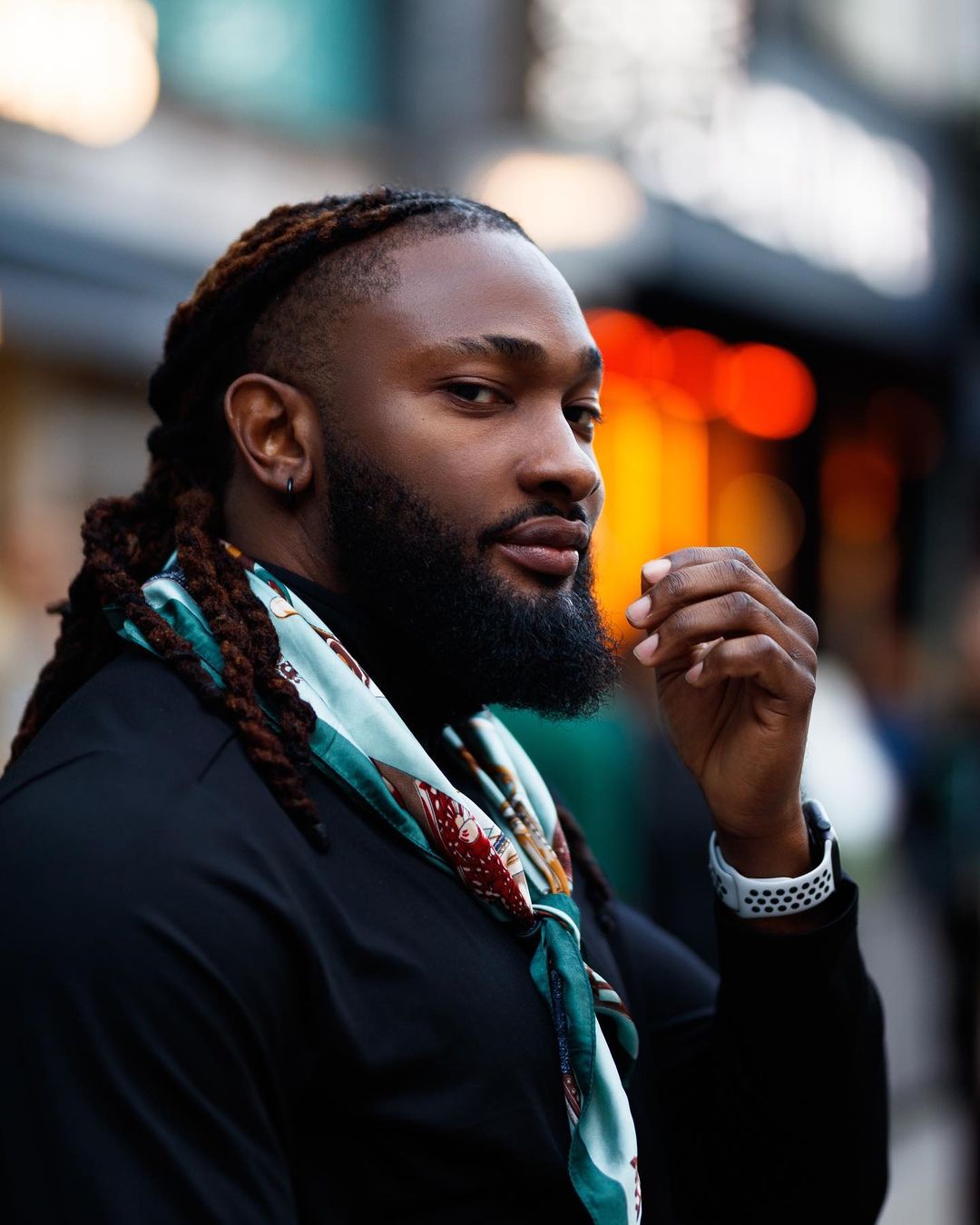
Protective hairstyles as a political statement matter because the treatment of Black hair in workplaces is wrong.
Braids, locs, twists, and afros are practical and cultural, yet they are still judged as unprofessional. This judgment isn’t neutral; it punishes Black identity for being visibly present.
When employers demand Black employees change their hair, they erase culture, force conformity, and signal that heritage is a liability.
The Legal Defence Fund and Harvard Business Review both show that this bias affects promotions, assignments, and daily respect. And hair becomes a tool of exclusion rather than a personal choice.
Also, calling protective hairstyles unprofessional is not simply a preference; it is a systemic injustice. It turns identity into a workplace problem and communicates that Black culture is acceptable only when hidden or altered.
So, recognising this harm is essential to understanding why protective hairstyles are a political statement.
The Omiren Argument
The workplace debate around Black hair is framed, almost universally, as a question of professionalism. That framing is the problem. Professionalism is not a neutral standard. It was built within institutions that did not include Black people in their original design, and it continues to reflect the aesthetic preferences of those institutions. When braids, locs, and twists are described as unprofessional, the unstated reference point is a standard rooted in European hair texture and grooming culture. Black hair is not failing to meet a universal bar. It is being measured entirely against someone else’s bar.
This is what makes protective hairstyles a political statement, regardless of whether the person wearing them intends to make one at all. The wearer does not create the political dimension. It is created by institutions that respond to Black hair as a problem requiring management. Every policy that asks a Black employee to straighten, cover, or cut their hair is a policy that treats Black identity as an obstacle to a workplace’s comfort. That is not a dress code. That is a power structure.
The statistics this article cites make the argument concrete. Black women’s hair being two and a half times more likely to be judged unprofessional is not a coincidence of taste. It is evidence of a systemic preference that penalises visibility. The CROWN Act exists because older discrimination laws were insufficient to protect Black workers from this specific form of exclusion. Hence, the law itself had to be revised to address harm that was already well-documented and consistently ignored.
Omiren Styles covers African, Afro-Latino, and Caribbean fashion and culture precisely because these conversations belong in fashion media and are too rarely treated with the seriousness they deserve. Hair is not a footnote in the identity conversation. For Black women and men navigating professional spaces, it is often the front line. This piece makes that argument clearly, and Omiren Styles stands behind it. Fashion. Culture. Identity. Sometimes, the most political thing a person can do is simply show up as themselves.
Frequently Asked Questions
1. What Is the Hair Employment Discrimination Against Black People Based on Hairstyles?
Hair discrimination happens when Black people are treated unfairly because of hairstyles connected to their natural hair texture or culture. This can include braids, locs, twists, afros, or cornrows being seen as unprofessional in schools or workplaces.
2. Are Dreadlocks Allowed in the Workplace?
Yes, locs can be allowed in the workplace, but acceptance often depends on the employer and local laws. While some workplaces are becoming more inclusive, others still enforce grooming rules that unfairly target Black hairstyles.
3. What Hairstyles Are Protected Under the CROWN Act?
The CROWN Act protects natural and protective hairstyles linked to Black identity and hair texture. These usually include braids, locs, twists, Bantu knots, cornrows, and afros, although the legal terminology may differ by state.
4. What Is the History of Hair Discrimination?
Hair discrimination has a long history tied to racism and Eurocentric beauty standards. Black hairstyles have always carried cultural and ancestral meaning, but many institutions have treated them as improper or less professional for generations.