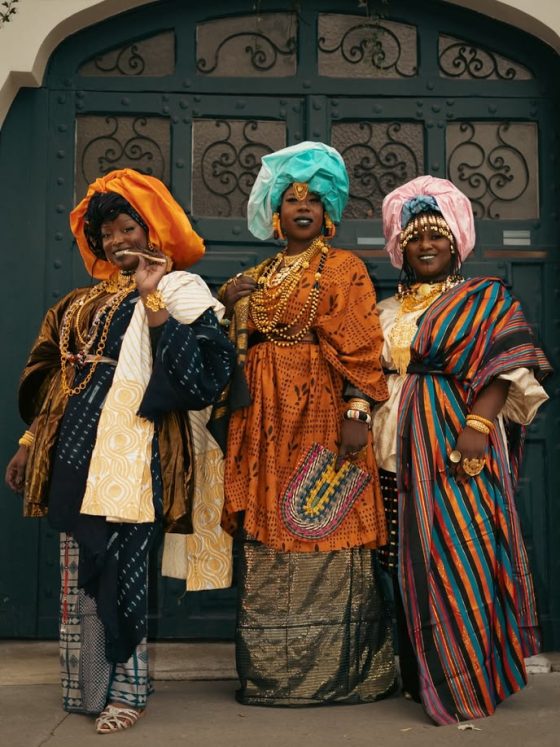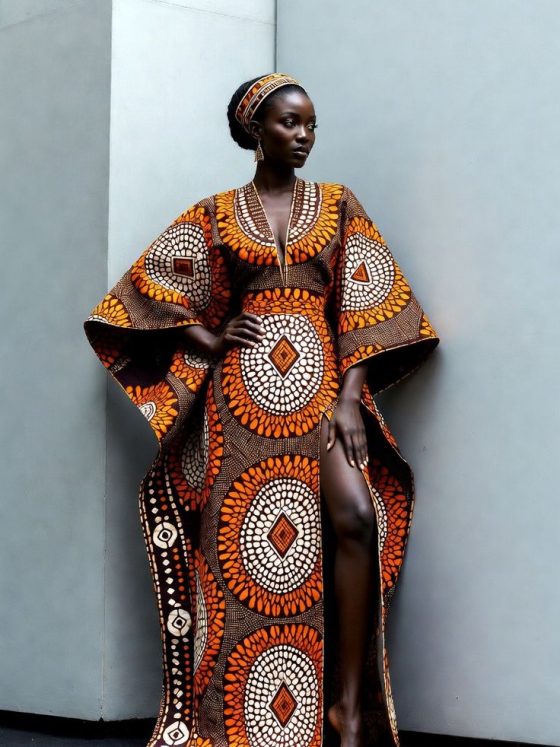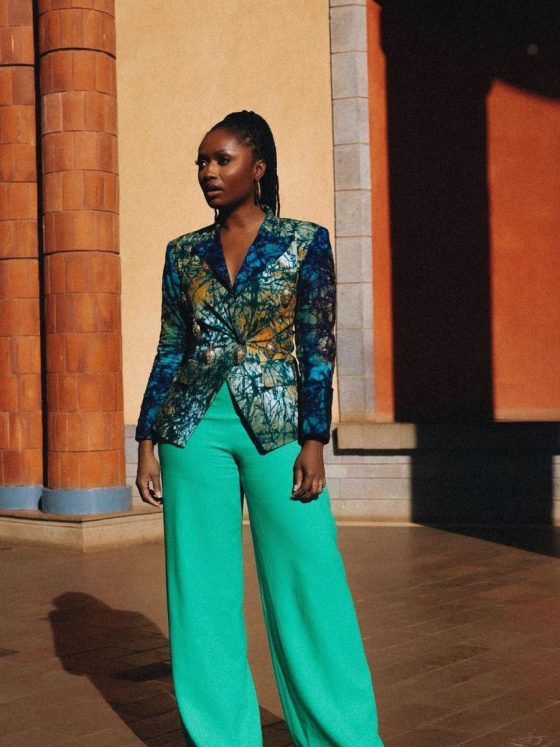
The global professional silhouette is changing profoundly in 2026. The nomadic loom archive now defines the contemporary leader’s sovereign presence as we depart from the sterile monotony of the past. The Ethiopian Tibeb, a complex, hand-woven border typically seen on the Habesha Kemis, is at the centre of this change and is now reinterpreted as the pinnacle of power in the high-stakes boardroom.
This is a revolutionary step toward self-sufficient luxury. The painstaking, artisanal craft of the Ethiopian loom is being translated into structured blazers and high-waisted pants by brands such as Genet Collection (formerly Paradise Fashion) and Lemlem. Wearing Tibeb in a corporate setting is a calculated move to make sure your voice is heard through a tactile archive of knowledge and history. The inclusive woman can negotiate her global connectivity with an enduring glow that is both powerful and sophisticated, thanks to her healthy, internal haven of cultural groundedness.
This editorial examines how these traditional weaving methods are maintaining their position in the workplace of 2026. By putting the Tibeb at the core of contemporary tailoring, we ground our aesthetic in a sustainable method that respects the weaver and commands respect in the most important settings. This is the new luxury: a brilliant, all-encompassing presence that demonstrates how genuine power is interwoven with meaning.
Elevate your leadership with Ethiopian Tibeb in the 2026 modern boardroom. Discover the nomadic loom archive, where hand-woven silk borders and the heritage of the Habesha Kemis are reimagined as high-end, structural tailoring. Learn how to anchor your global authority through a visionary, sustainable silhouette of independent, radiant style.
Deciphering the Tibeb Border
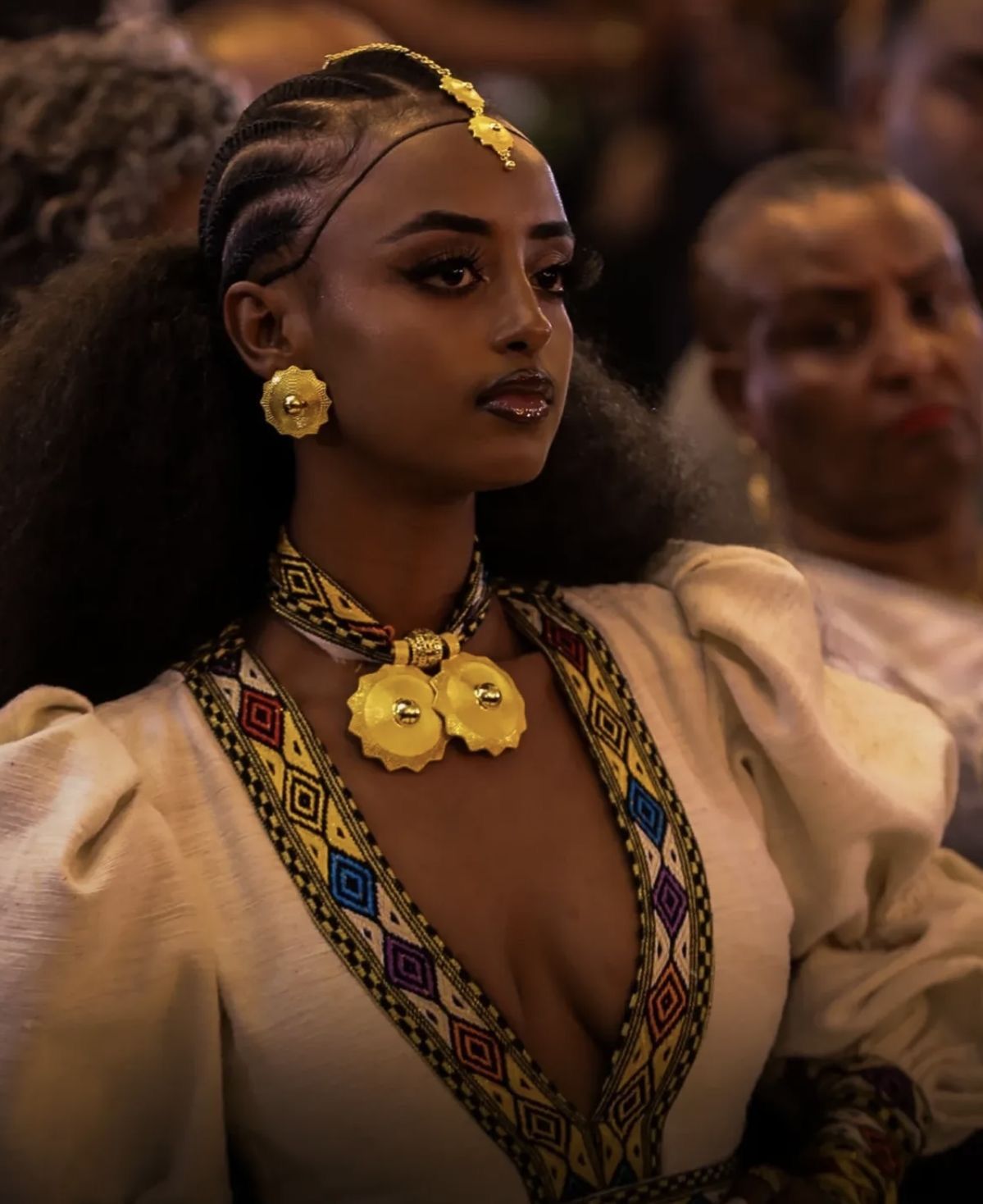
In 2026, the Ethiopian Tibeb is acknowledged as a complex geometry of power rather than just ornamentation. These elaborate borders, which are a tactile archive of Ethiopian history, are often hand-woven on pit looms by skilled artisans in Addis Ababa. They feature interlocking diamonds, crosses, and linear motifs. These patterns serve as a quiet, strategic intent in the contemporary boardroom, a visual code of accuracy and cultural intelligence that, without using words, asserts a sovereign presence.
A healthy, internal haven of identity can be created for the inclusive lady by incorporating Tibeb into a high-waisted silk trouser or a structured jacket. The nomadic loom archive’s deliberate flaws and the hand-woven thread’s rhythmic symmetry set it apart from mass-produced prints. You may navigate the high-stakes metropolitan cityscape with an enduring glow rooted in a patient, sustainable craft, thanks to this innovative approach to professional attire. It is a powerful, independent declaration that centuries of artisanal knowledge support your authority.
Selecting an item of clothing with genuine Tibeb is an act of global connectivity. This movement is being spearheaded by brands like Genet Collection, which makes sure that the weaver’s work is central to the story of luxury. By donning these geometric tales, you are grounding your leadership in a tradition of tenacity and creativity rather than merely dressing for a conference. A brilliant, soulful silhouette that demonstrates genuine influence is woven into the very fabric of your presence. This is the new standard for professionals.
The Tactile Authority of Eri Silk
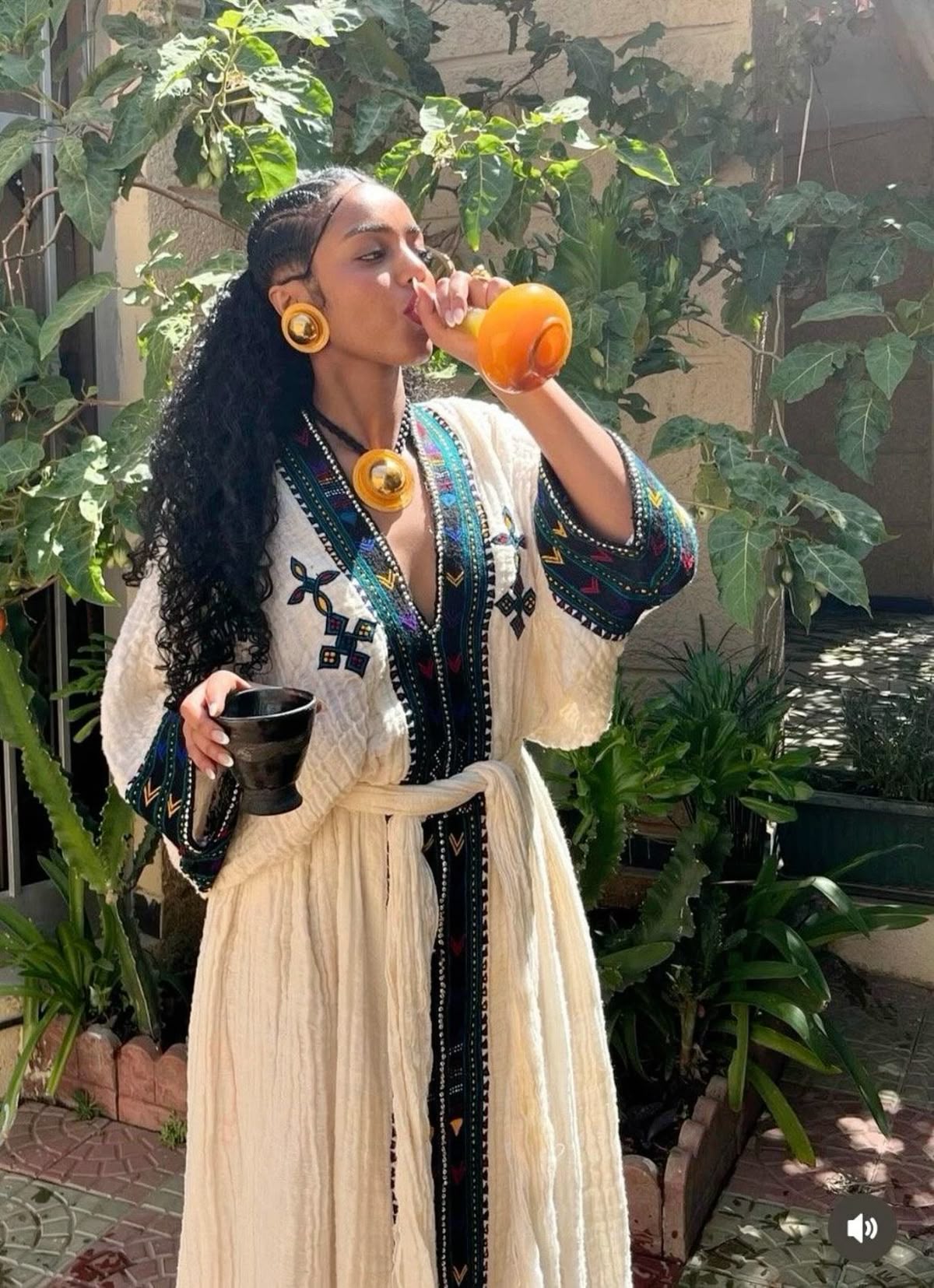
The smooth, manufactured finishes of the past have given way to the asymmetrical, organic luxury of Wild Ethiopian Eri Silk as the texture of leadership in 2026. Eri silk, also referred to as peace silk, is only collected once the moth has emerged from its cocoon. This methodical procedure perfectly complements the Omiren woman’s dedication to luxurious, sustainable living. This silk has a stony matte sheen and considerable weight when hand-spun and woven on a classic double-treadle loom, giving it an ethereal yet grounded, sovereign presence.
The nomadic loom archive’s hidden weapon is this distinctive texture. Eri silk, in contrast to traditional mulberry silk, has thermal properties that create a healthy internal haven, keeping the wearer warm in the chilly air of a high-rise workplace and cool beneath the glaring lights of a boardroom. To create clothing as durable as Ethiopia’s mountains, designers are now combining this stone-washed silk with the architectural perfection of Tibeb borders. This is a forward-thinking, inclusive approach to power dressing that emphasises the wearer’s sensory experience while conveying an air of international authority.
Wearing Eri silk signifies adopting a strong, self-reliant style. Its natural, off-white colour, which is frequently left undyed or stained with kosso flowers and organic indigo, reflects an enduring glow that is impossible for synthetic textiles to match. The subtle, textured depth of an Eri silk suit stands out as a deliberate attempt to prioritise substance over glitter in the 2026 metropolitan cityscape, where every shape vies for attention. You are expressing a profound, soulful connection to a world that appreciates the slow, the steady, and the sustainable when you base your wardrobe on our tactile archive.
ALSO READ:
- The Habesha Kemis, Reimagined: How Ethiopian Heritage is Transforming Global Fashion
- Bezawit Tibebu: Where Ethiopian Textiles Meet Contemporary Discipline
Reimagining the Power Wrap

The renowned, gauzy cotton shawl known as the Ethiopian Shamma has evolved from a traditional adornment to a masterpiece of professional layering in 2026. In the past, a person’s mood, status, or social intent could be inferred from the way a shamma was draped; this non-verbal language is now being transferred into the contemporary boardroom. A high-end, gossamer-thin Shamma worn over a structured wool blazer is more than just a fashion statement for an Omiren woman; it is a strategic intent to soften the harsh edges of business life with a radiant, spiritual grace.
One of the main pillars of the nomadic loom archive is this redesigned power wrap. The weight of the shamma is being improved by brands like Lemlem and Sabahar, who use hand-spun cotton that is both light enough to float and strong enough to provide a comfortable, healthy inside sanctuary. The shamma is a versatile and inclusive tool that can be worn as a formal stole to project a sovereign presence at a high-stakes conference or wrapped tightly to protect against the cold, sterile urban cityscape. By bridging the gap between traditional highland weaving and modern professional weaving, it is the pinnacle of global connectivity.
The 2026 Shamma’s enduring glow is what makes it so beautiful. These wraps provide an innovative alternative to the fast-fashion scarf because they are often left in their original, unbleached white or embellished with a single, striking Tiber stripe. They take days of painstaking handwork to create their distinctive transparency, making them a tactile archive of the weaver’s patience. By incorporating the Shamma into your executive wardrobe, you are taking a strong, self-reliant stance that respects the subtle strength of tradition while spearheading the development of upscale, sustainable luxury.
Conclusion
In 2026, a leader’s sovereign presence is now determined by the richness of the stories she weaves into her suit rather than just how well-tailored it is. More than just a fad, the incorporation of Ethiopian Tibeb, the tenacity of Eri silk, and the elegant authority of the Shamma into the contemporary boardroom are living examples of the nomadic loom archive. These are strategically designed clothes that provide the Omiren woman with a safe, cultural haven as she navigates the high-stakes metropolitan skyline.
Selecting these inclusive, hand-woven fabrics from forward-thinking brands like Lemlem, Genet Collection, and Sabahar is a powerful, autonomous act of global connectivity. It guarantees that your voice will be heard through a dazzling, long-lasting glow that honours the future of sustainable luxury and the ancient weaver’s loom. As we complete this chapter on the upscale professional wardrobe, we acknowledge that genuine power can be found in the soulful, patient threads of the past, rewoven for a future in which authority and legacy are synonymous.
Frequently Asked Questions (FAQs):
- What exactly is Ethiopian Tibeb?
In 2026, Tibeb is the definitive mark of high-end, independent tailoring. It is a hand-woven, geometric border traditionally created on pit looms. Unlike printed patterns, Tibeb is a tactile archive of Ethiopian history, woven directly into the fabric to provide a sovereign presence in any professional setting.
- Why is Eri Silk called “Peace Silk”?
Eri silk is a soulful, sustainable choice because it is harvested only after the moth has naturally left its cocoon. This patient process results in a stony, matte texture that offers a healthy, internal sanctuary of breathable luxury, making it a visionary alternative to conventional, high-gloss silks.
- How do I style a Shamma for a corporate environment?
The modern power wrap involves draping a fine, gossamer-thin Shamma over a structured blazer. This creates a radiant, inclusive silhouette that balances the hard lines of the urban skyline with a soft, soulful grace, signalling your global authority through heritage layering.
- Are these garments suitable for high-stakes meetings?
Yes. Brands like Genet Collection and Lemlem are reimagining these ancestral weaves into sharp, architectural blazers and trousers. The strategic intent is to provide a forceful, independent aesthetic that commands respect while maintaining a deep connection to the soil and the artisan.
- How do I care for hand-woven Tibeb and Eri silk?
To preserve the enduring glow of these textiles, they should be treated with patient care. We recommend professional eco-dry cleaning or a gentle hand wash in cool water with organic soap to ensure the nomadic loom archive remains a vibrant part of your wardrobe for years to come.