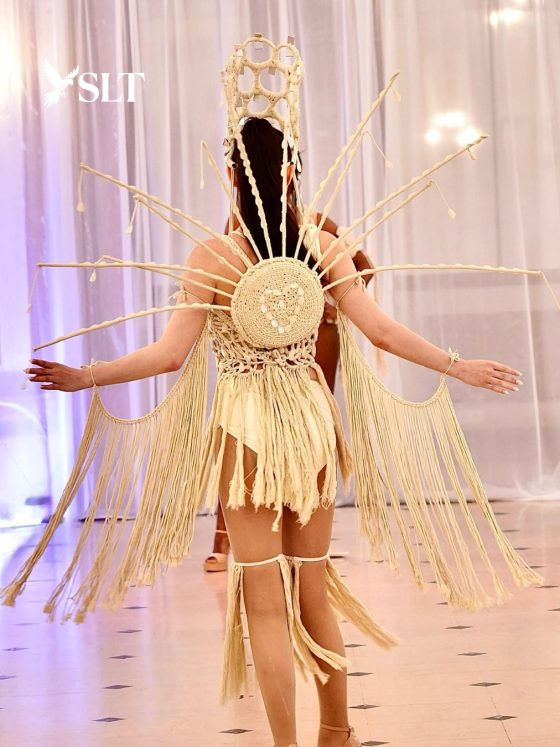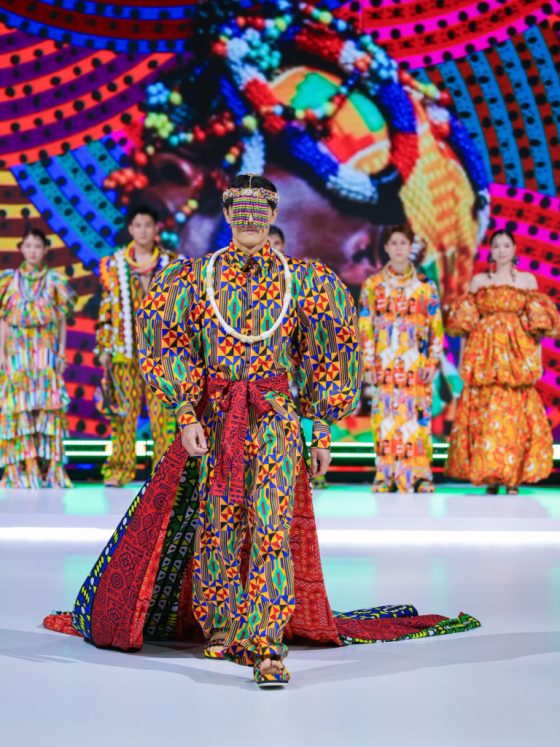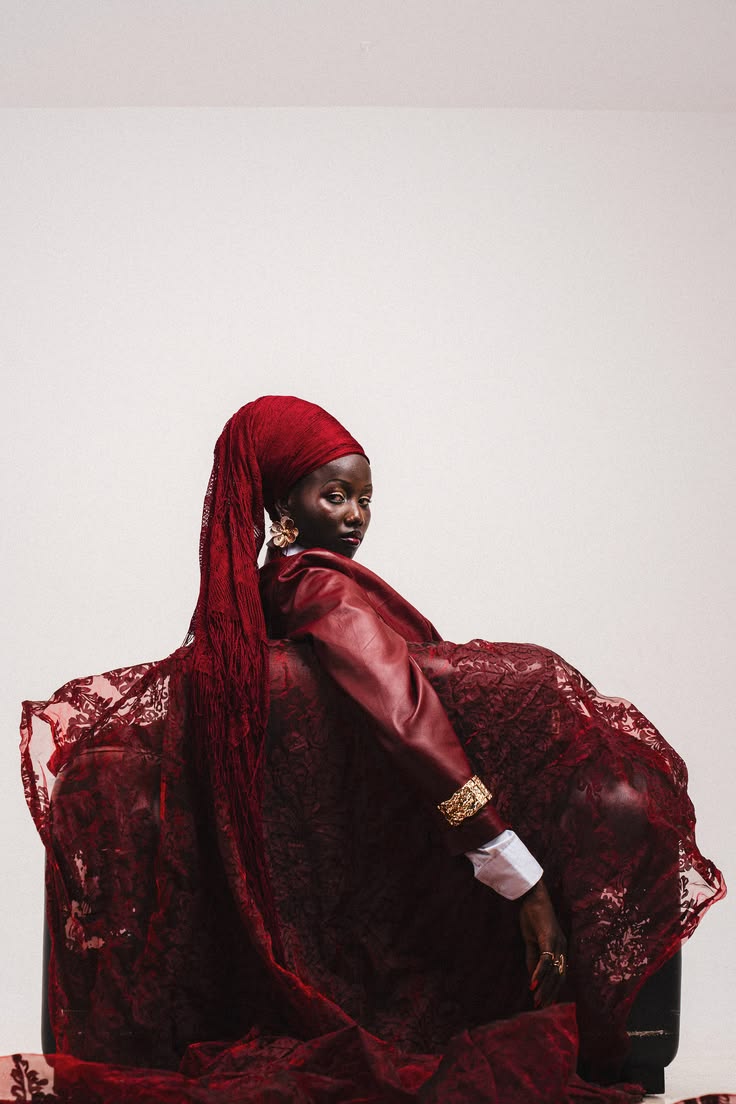
Fashion has never been more visible.
Images circulate instantly. Collections are consumed within seconds. Trends emerge, peak, and dissolve before they have time to settle into memory. The system is efficient, responsive, and constantly producing.
But it is also increasingly shallow.
Not in skill. Not in execution. But in meaning.
Clothes are being made faster than they are being understood. Ideas are presented without context. References appear without explanation. The surface is refined, but what sits beneath it is often thin.
Fashion is not lacking output.
It is lacking depth.
A sharp editorial examining why modern fashion lacks depth, and how context, authorship, and meaning are becoming essential to its future.
The Problem with Speed
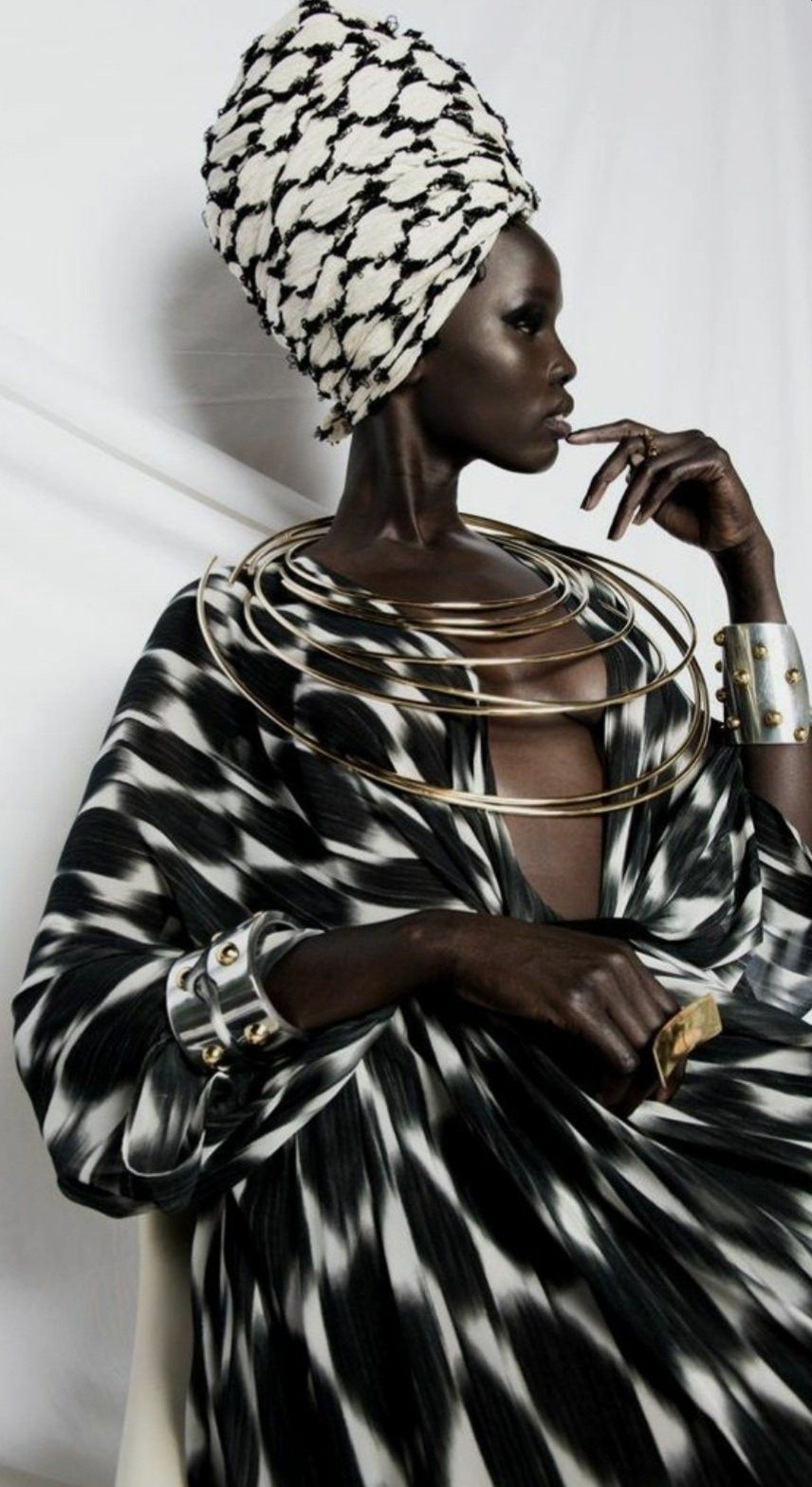
Speed has reshaped fashion completely.
Collections are released continuously. Designers respond to demand in real time. The industry operates on momentum, where staying visible matters more than staying considered.
But depth requires time.
Time to research. To develop. To question. To refine. When production accelerates, that process contracts. Ideas are shortened. References become shortcuts. Meaning is reduced to what can be communicated instantly.
The result is work that looks complete but feels unresolved.
Because it has not been given the time to become anything more.
Context Has Been Stripped Away
Fashion often speaks in references.
Historical silhouettes. Cultural motifs. Textile traditions. But increasingly, these references appear without context. They are used visually, not intellectually.
A garment might suggest history, but not engage with it. It might borrow from culture, but not acknowledge its structure or significance.
This creates a gap.
The work gestures toward meaning, but does not carry it.
Context is not decoration.
It is what allows fashion to communicate beyond appearance. Without it, garments exist only at the level of image.
Authorship Is Becoming Blurred
Authorship in fashion is becoming increasingly unclear.
Designers are expected to produce constantly. Teams expand. Collaboration increases. References circulate rapidly. The line between original thought and collective influence becomes difficult to define.
This is not inherently negative.
But it creates a condition where work can exist without a clear point of view. Collections feel assembled rather than authored and influenced rather than authored; they require authorship.
Not in the sense of isolation, but in clarity. A designer must know what they are saying and why they are saying it. Without that, fashion becomes reactive.
And reaction does not build meaning.
The Surface Problem
Fashion has always been visual.
But now, it is almost entirely consumed as an image. Screens reduce garments to flatness. Details are lost. The process is hidden. What remains is appearance.
This shifts how fashion is designed.
Clothes are created to read quickly. To register immediately. To perform visually in a way that translates across platforms.
But what reads quickly rarely holds attention.
Depth exists in layers. In details that require time to notice. In elements that are not immediately visible. When design is reduced to immediate impact, those layers disappear.
The Loss of Process
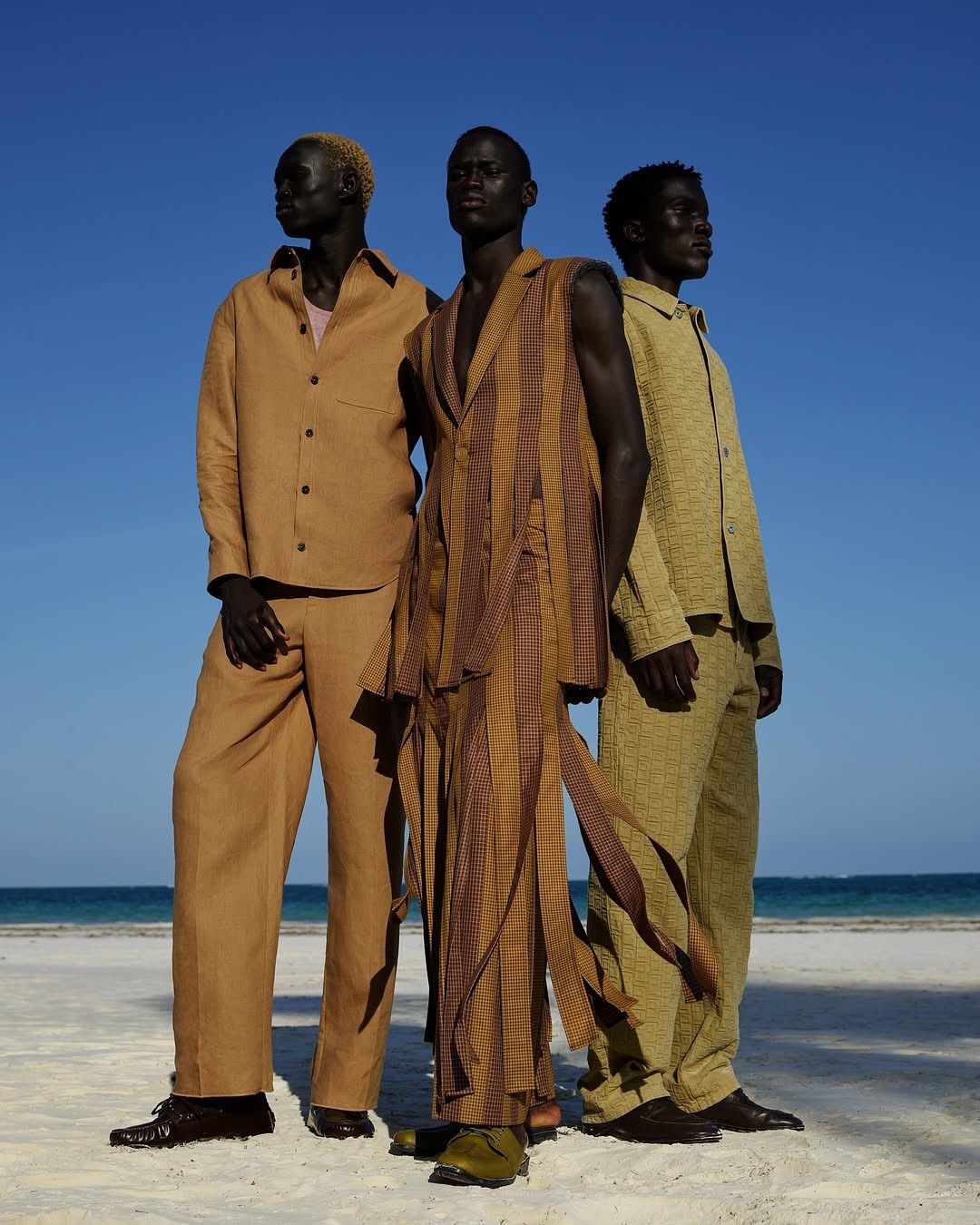
Process used to be central to fashion.
The way something was made mattered as much as the final result. Techniques carried knowledge. Construction revealed intention. Materials held information.
Now, the process is often concealed.
Garments appear finished, detached from how they came to be. The focus is on outcome, not method. The system rewards visibility, not making things.
But the process is where depth exists.
It is where decisions are made, where ideas are tested, where meaning is built into the garment itself.
Without process, fashion becomes presentation.
And presentation, on its own, is not enough.
Meaning cannot be assumed.
Fashion often relies on implication.
A reference is made, and it is assumed to be understood. A concept is suggested, and it is expected to carry weight. But meaning does not exist automatically.
It must be constructed.
When designers rely on familiarity instead of development, the work becomes dependent on recognition rather than interpretation. It asks the audience to fill in gaps that should have been addressed in the design itself.
Depth requires effort.
From both the designer and the viewer. But the responsibility begins with the work.
The Role of the Audience
The audience has changed.
Consumers are more informed. More critical. More aware of how fashion operates. They are not just looking at clothes. They are questioning them.
Where is this from? Who made it? What does it mean?
This shift creates pressure.
Fashion can no longer rely solely on appearance. It must hold up under examination. It must be able to answer questions, not avoid them.
Depth is no longer optional.
It is expected.
READ ALSO:
- How Fashion Forces Diaspora Women to Choose Between Visibility and Belonging
- The New Generation Turning Textile Overflow Into High Fashion
What Depth Actually Means
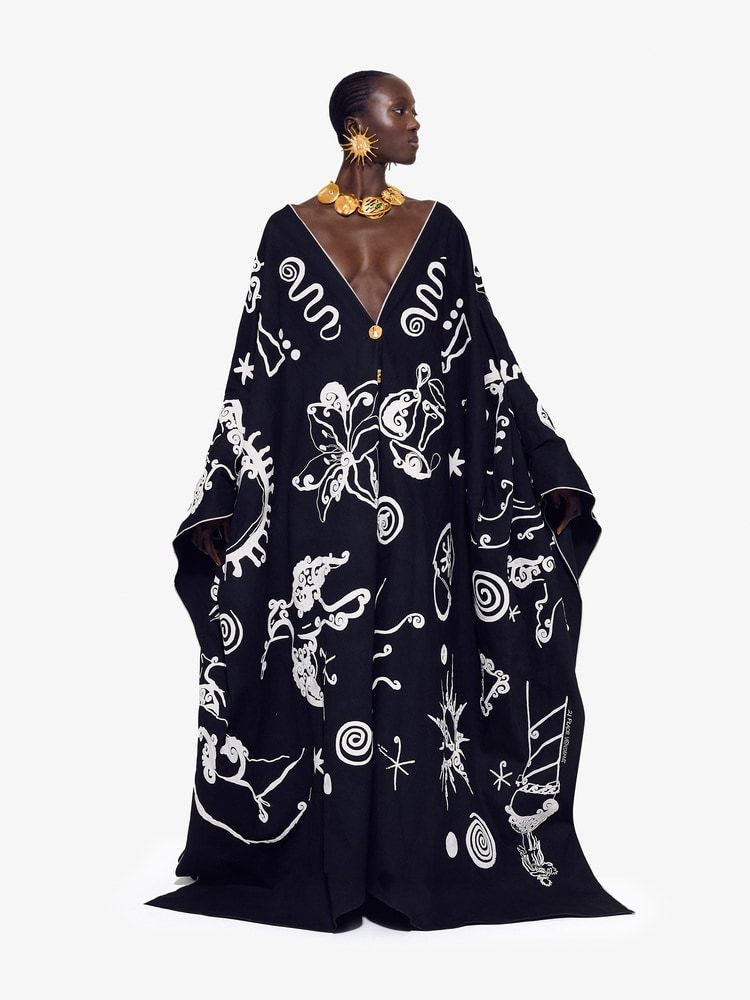
Depth is not complexity for its own sake.
It is not about making fashion difficult or inaccessible. It is about building work that holds.
That can be returned to. Reconsidered. Understood differently over time.
Depth comes from alignment.
Between concept and execution. Between reference and understanding. Between material and meaning.
When these elements connect, the work gains weight.
What Needs to Change
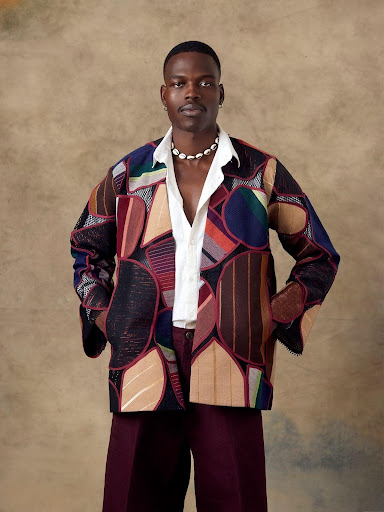
Fashion does not need to slow down entirely.
But it needs to become more deliberate.
Designers must engage with their references beyond the surface. Process must be valued, not hidden. Authorship must be clarified, not diluted. Work must be built, not assembled.
This is not a rejection of modern fashion.
There is a demand for more from it.
Conclusion
Fashion is not lacking talent.
It is not lacking innovation.
It is lacking depth.
And without depth, even the most visually striking work becomes temporary. It exists in the moment but does not extend beyond it.
The future of fashion will not be defined by what is seen first.
But by what remains after the first look.
FAQs
- What does depth mean in fashion?
It refers to the presence of meaning, context, and intentional design beyond surface appearance.
- Why is modern fashion considered shallow?
Because speed, visibility, and trend cycles often reduce the time and space needed for deeper development.
- What is authorship in fashion?
A clear and intentional point of view that defines a designer’s work.
- How can fashion gain more depth?
By focusing on process, research, and meaningful engagement with references.
- Is depth important for consumers?
Yes. Modern audiences increasingly value meaning, transparency, and authenticity.