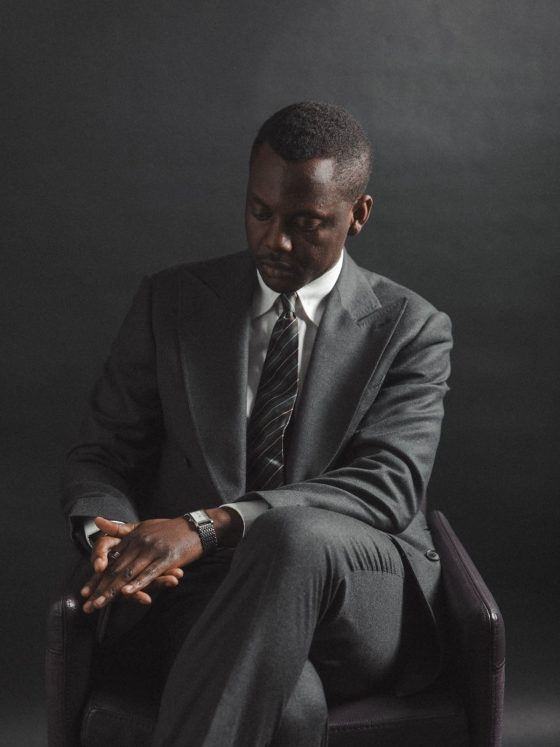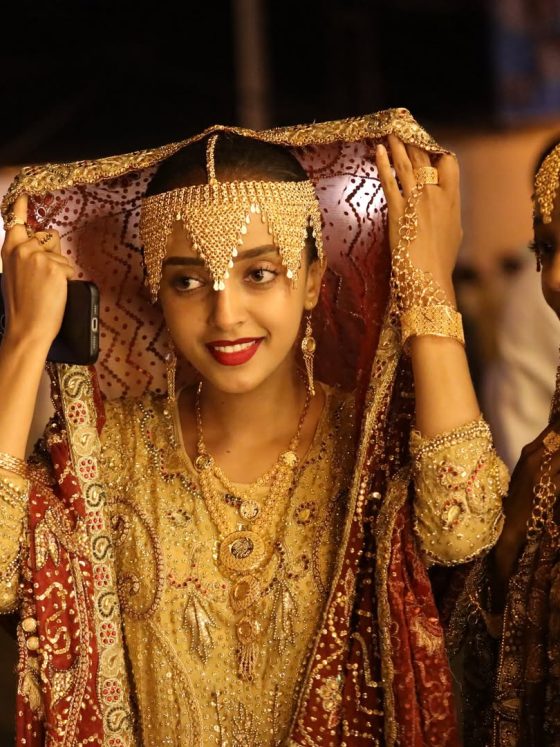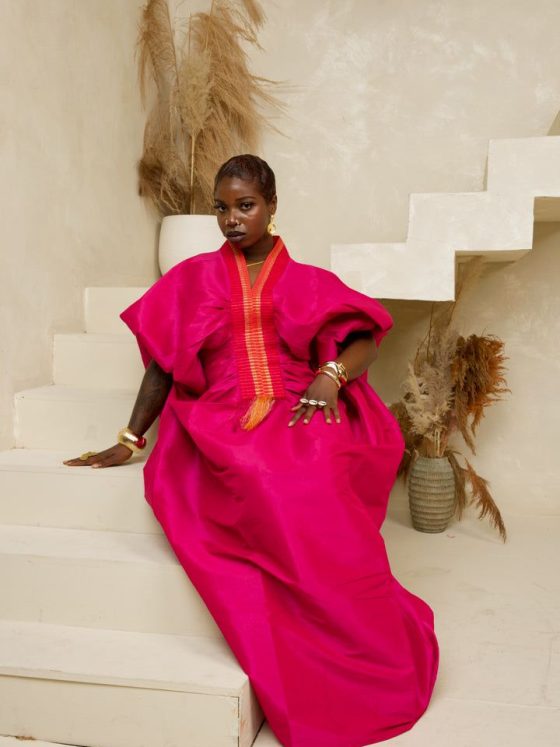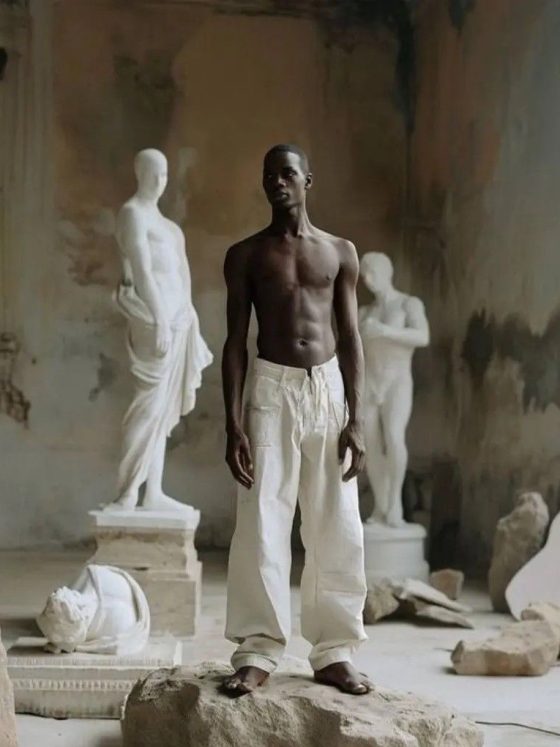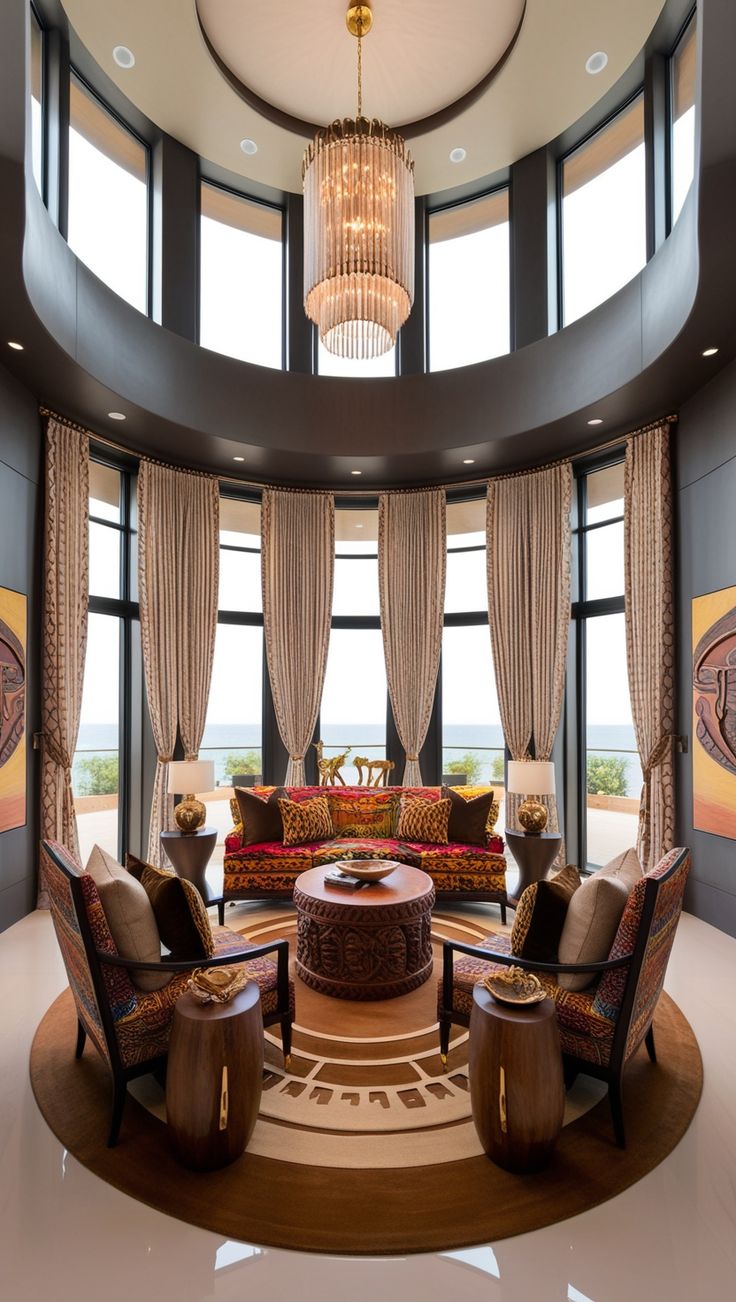
In homes across Lagos and Accra, design is not treated as background. It carries weight. It reflects how people live, what they value, and how they see themselves in the world.
There is texture before symmetry. Story before trend. A carved table might sit beside a modern sofa. Indigo-dyed fabric softens concrete walls. Nothing feels accidental, yet nothing feels overworked.
This way of living is not new. It has long existed across African homes, compounds, and palaces where space was shaped by culture, climate, and community. What is changing now is how it is being understood. The global design conversation is beginning to recognise a form of luxury that Africa has always practised, one rooted in meaning, memory, and presence.
From Lagos high-rises to Sahel mud palaces, African luxury reflects craft, culture, and community, reshaping global ideas of opulence.
What African Luxury Has Always Understood That the West Is Only Now Discovering
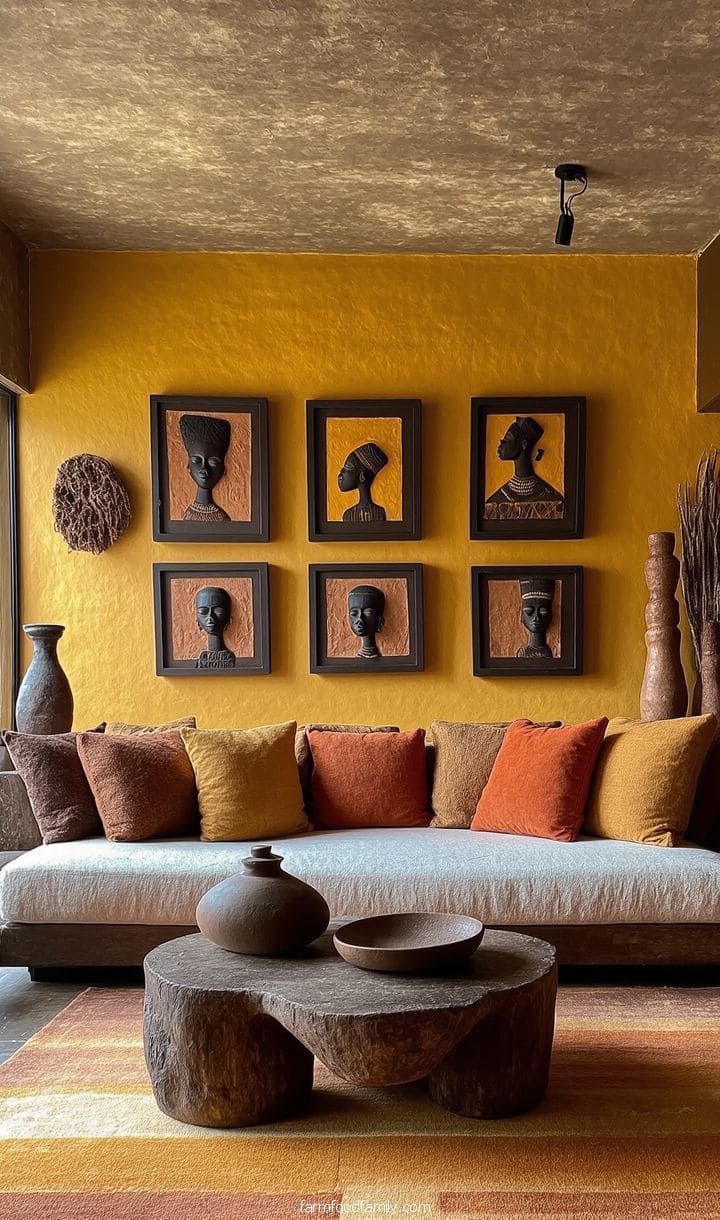
In many Western contexts, luxury has been defined by distance. Distance from the everyday, from the accessible, from the communal. It is often quiet, controlled, and intentionally exclusive.
Across African contexts, luxury has followed a different logic. It is not built on distance but on connection.
Historically, homes were designed to hold people, not just objects. Courtyards created space for gathering. Materials were chosen not only for durability but also for cultural meaning. Craft was visible, not hidden. The value of a space came from how it functioned within a community.
Today, the global design language is shifting toward ideas such as warmth, authenticity, and lived-in beauty. These ideas are often presented as discoveries. In reality, they echo long-standing African approaches to space and living.
The delay in recognition is not about the absence of African design. It reflects a global system that has been slow to value what it did not originate. As that system expands, it is being forced to reconsider what luxury actually means.
The Architects and Interior Designers Rebuilding the Continent’s Visual Identity
A new generation of architects and designers is shaping how African luxury is seen and experienced, both locally and globally.
Francis Kéré has become known for work that uses local materials like earth and clay in ways that feel both traditional and forward-looking. His buildings respond to climate, community, and culture at once. They are not designed to impress from a distance. They are designed to work, to serve, and to last.
In Lagos, Kunlé Adeyemi approaches design through the realities of urban life. Projects like floating structures are not just visually striking. They respond to rising water levels and dense populations, showing how luxury can also mean adaptability and intelligence.
Meanwhile, in Johannesburg and Cape Town, interior designers are building a language that feels grounded yet contemporary. Natural materials, open layouts, and curated objects define these spaces. The goal is not perfection. It is present.
These designers are not recreating the past. They are translating it. Their work sits between memory and modern life, creating spaces that feel relevant without losing their roots.
RECOMMENDED:
Fabric as Furniture: How African Textiles Are Moving Into the Home
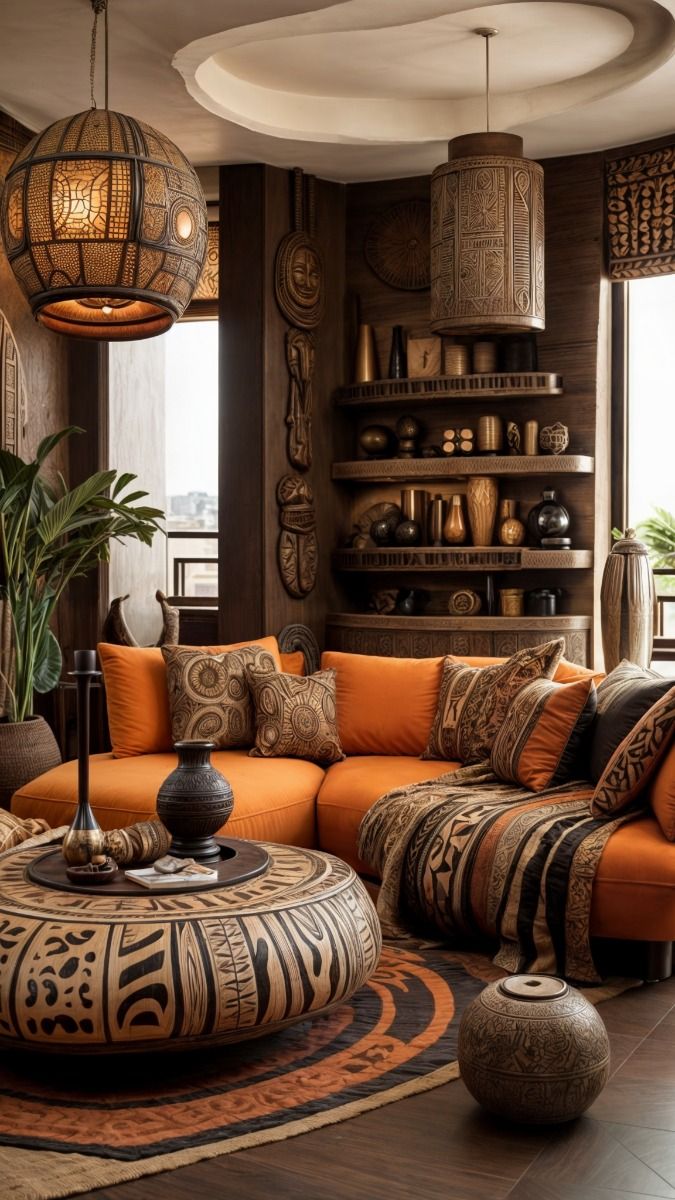
Textiles have always been central to African identity. What is changing is where they are being placed.
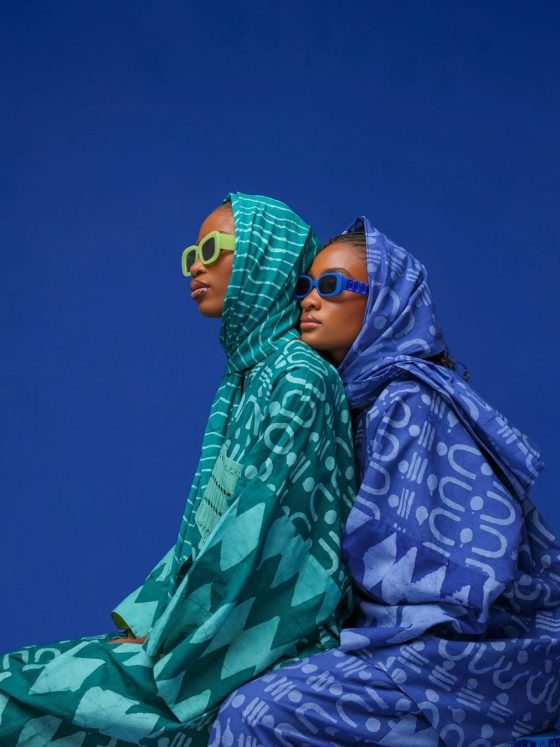
Fabrics such as Adire, Kente, and Bogolan are moving beyond clothing into interiors. They appear on sofas, as wall pieces, as layered accents within a room.
This shift is not simply about design experimentation. It reflects a deeper idea: that the home should carry the same cultural weight as what is worn outside it.
A piece of Adire in a living room is not just decorative. It holds history, technique, and identity. Kente patterns carry coded meanings about status and philosophy. Bogolan connects to ancestral knowledge and craft traditions.
By bringing these textiles into the home, designers are collapsing the distance between fashion and architecture. The result is a space that feels lived in, not staged. A space that tells a story without needing explanation.
Lagos, Accra, Nairobi: Three Cities, Three Expressions of the New African Opulence
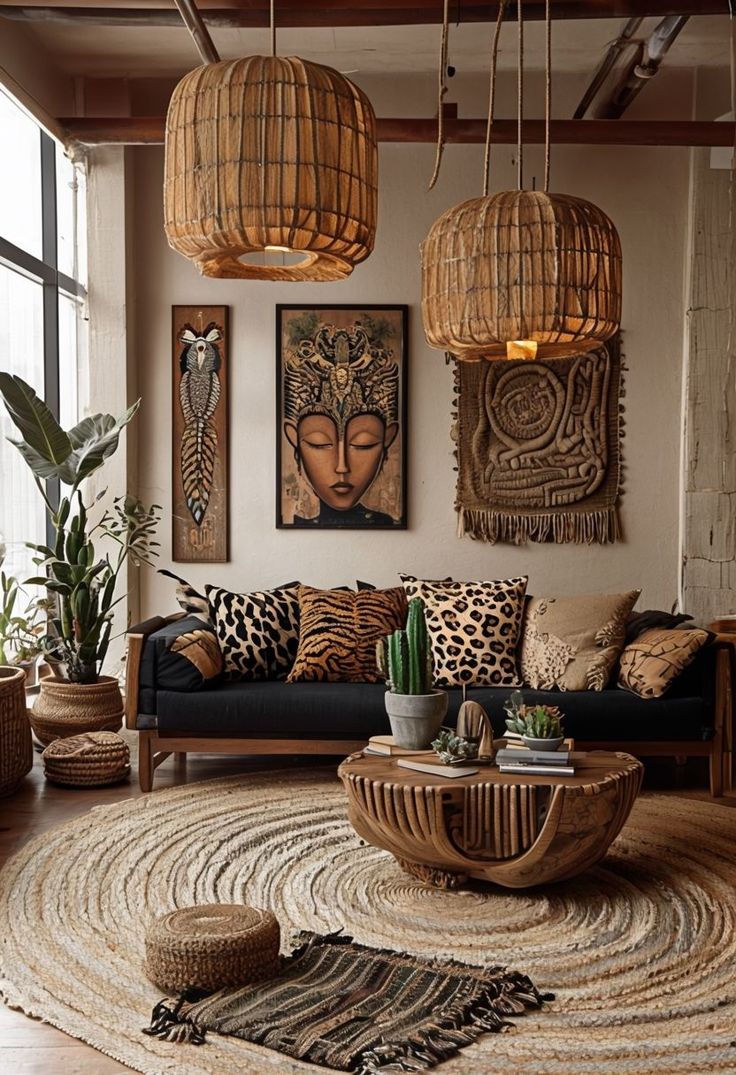
Across the continent, cities are shaping distinct interpretations of modern African luxury.
In Lagos, luxury is layered and expressive. High-rise apartments in areas like Ikoyi and Lekki combine global finishes with local identity. Art, textiles, and handcrafted objects sit comfortably alongside imported materials. The space reflects a city that moves fast but stays rooted.
Accra offers a quieter approach. Interiors often lean toward simplicity, but not emptiness. Texture becomes the focus. Wood, woven elements, and subtle patterns create depth without excess. It is a form of luxury that values balance.
In Nairobi, the influence of the landscape is strong. Natural light, earth tones, and organic materials define many interiors. The result is a calm, grounded aesthetic that still feels contemporary.
Each city tells a different story, but they share a common thread: luxury is not imported. It is interpreted.
Conclusion
African luxury is not emerging. It is being recognised.
For a long time, global design systems have defined what counts as refined, valuable, or aspirational. What is happening now is a shift in perspective. African spaces, materials, and philosophies are not being adapted to fit those systems. They are expanding them.
This matters beyond design. It speaks to how culture is valued, how history is carried forward, and how identity is expressed in everyday life.
Luxury, in this context, is not about exclusion. It is about depth. It is about creating spaces that hold meaning, reflect people, and remain connected to where they come from.
FAQs
1. What makes African luxury different from Western luxury?
African luxury focuses on cultural meaning, craftsmanship, and community, while Western luxury has traditionally emphasised exclusivity and minimalism.
2. Why are African textiles important in interior design?
They carry history and identity, allowing spaces to reflect cultural narratives rather than just visual style.
3. Who are some key figures shaping African architecture today?
Architects like Francis Kéré and Kunlé Adeyemi are redefining design through locally grounded approaches.
4. How are African cities influencing modern luxury living?
Cities like Lagos, Accra, and Nairobi are creating distinct design identities that blend global influence with local culture.
5. Why does this shift in luxury matter globally?
It challenges narrow definitions of luxury and opens space for more inclusive, culturally grounded design perspectives.