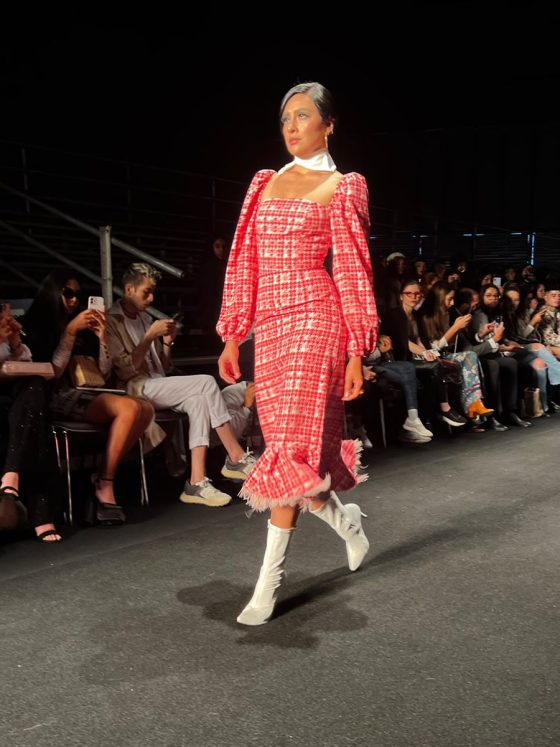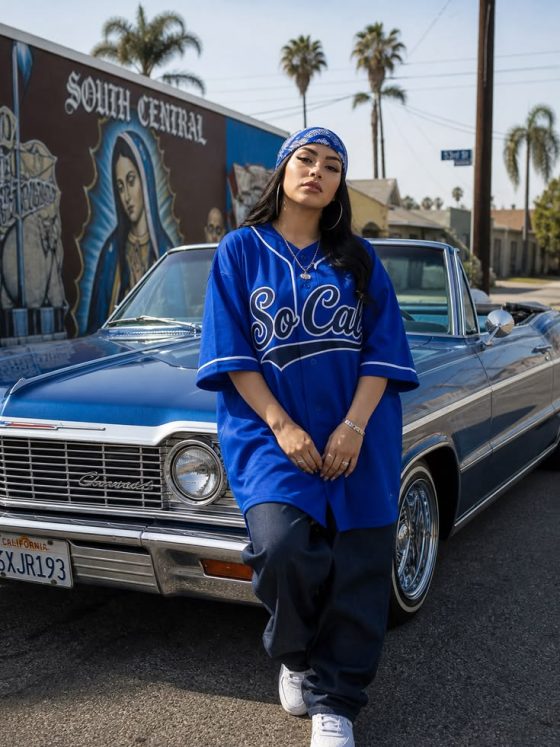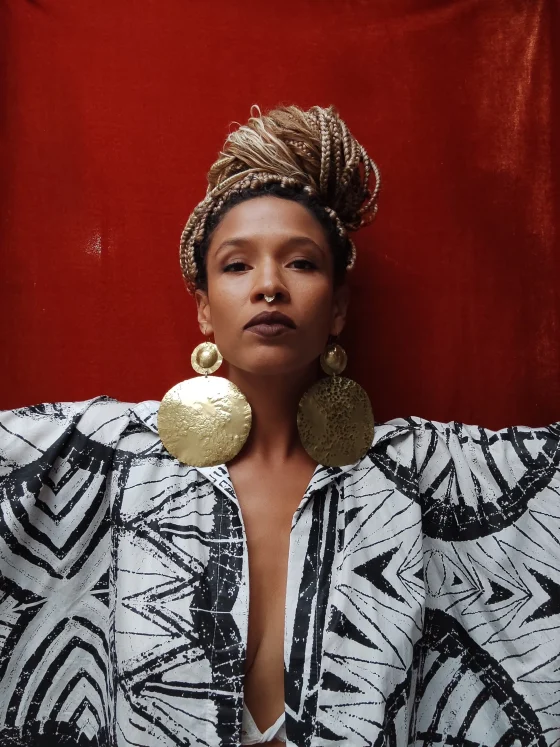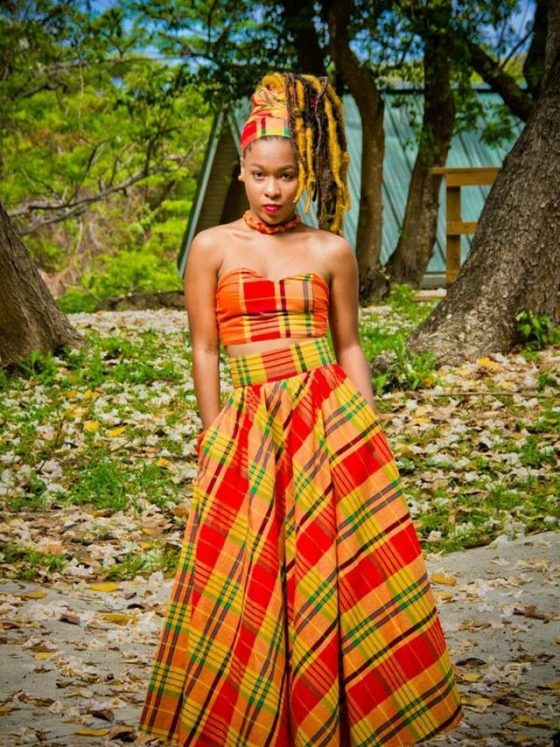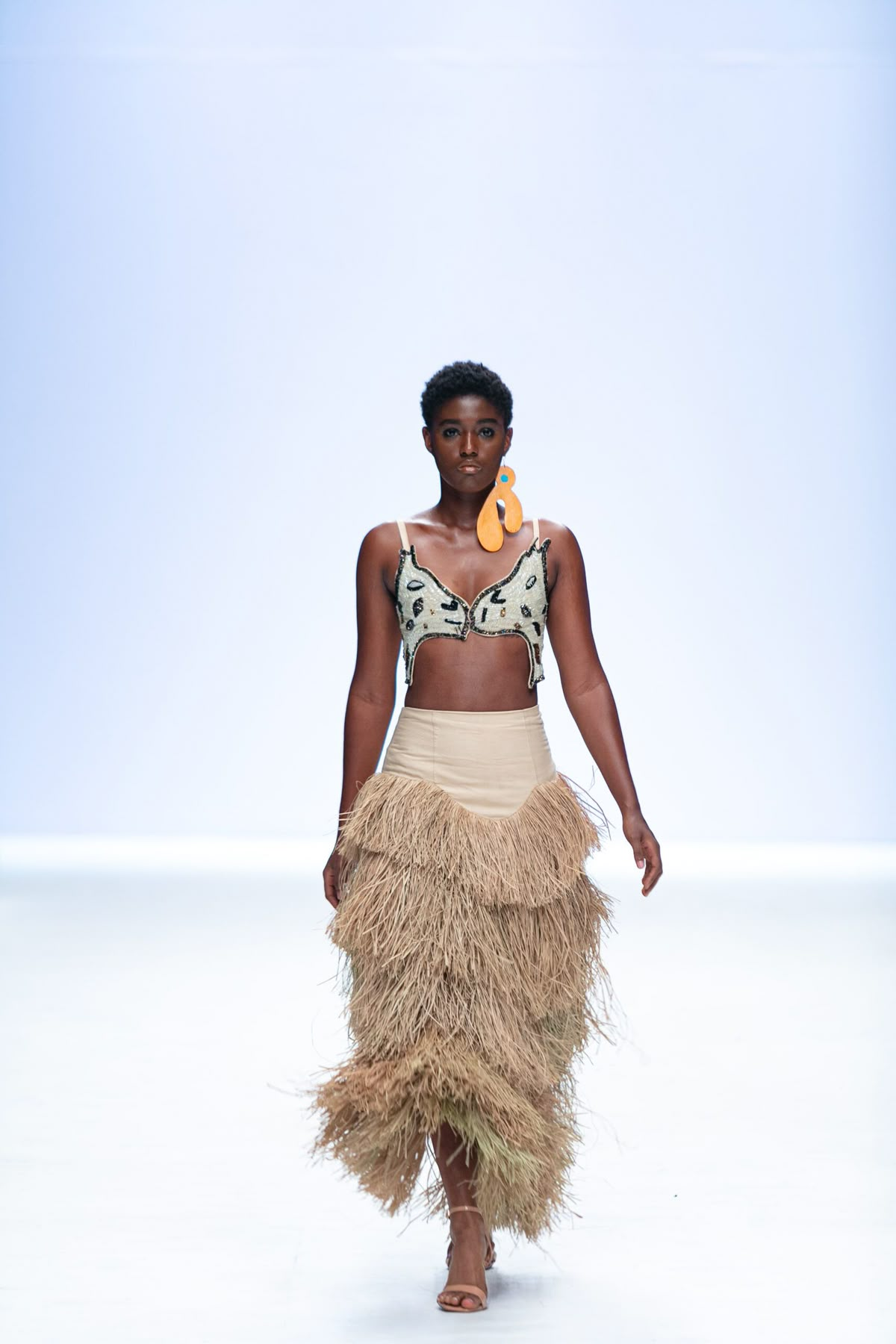
For decades, global fashion has presented itself as a universal language.
Runways in Paris, Milan, London, and New York have long defined what is considered modern, luxurious, or innovative. These cities became the reference point for taste, shaping not only trends but also the standards through which style is evaluated.
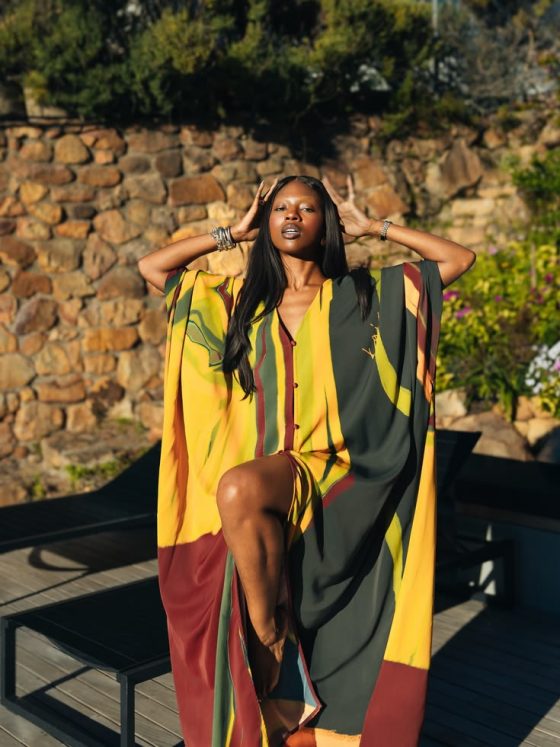
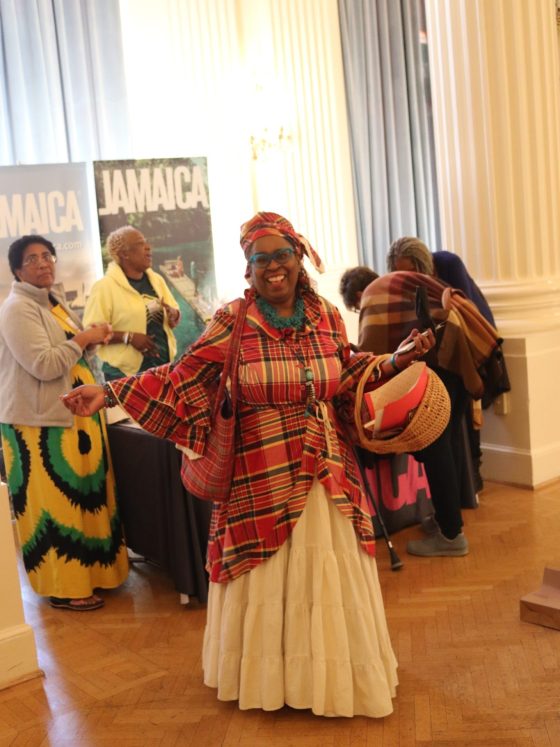
Yet beyond these established centres exists a far broader landscape of fashion—one shaped by histories, philosophies, and systems of dress that do not always align with Western frameworks.
As fashion becomes increasingly global, a quiet tension is emerging.
The question is no longer whether the non-Western style belongs globally. It is how it is understood.
A deep analysis of what the global fashion industry still misunderstands about non-Western style, from cultural context to craftsmanship and evolving definitions of luxury.
The Problem of Simplification
One of the most persistent challenges within the global fashion industry is the tendency to simplify.
Complex systems of dress are often reduced to aesthetic elements. Textiles, silhouettes, and embellishments that carry layered cultural meanings are presented as visual inspiration without context.
A woven fabric may represent lineage, status, or region. A garment may signal transition, ceremony, or identity. Yet when these elements appear on international runways, they are frequently detached from the systems that give them meaning.
What remains is a surface interpretation.
This simplification is not always intentional. It often reflects the limitations of a global industry that prioritises speed, visual impact, and seasonal storytelling. However, the result is the same: depth is lost, and meaning becomes secondary to appearance.
When Tradition Becomes Trend
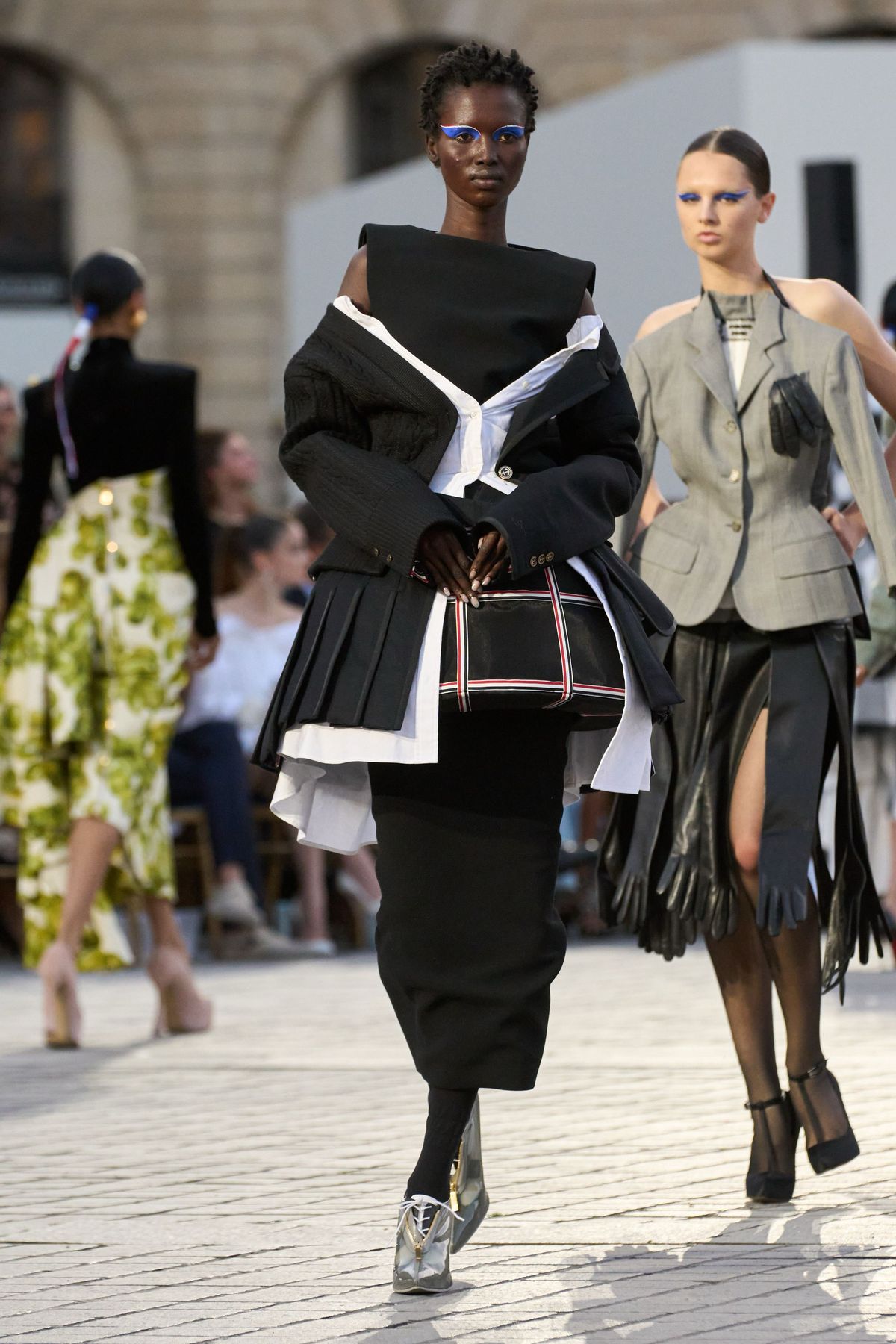
Global fashion operates on cycles.
Each season introduces new ideas, references, and visual directions. Within this system, elements from outside Western fashion traditions are often incorporated as trends.
A particular textile may gain attention for a season. A silhouette may appear across multiple collections before gradually fading. What is considered “new” in one context may be deeply established in another.
This creates a disconnect between perception and reality.
In many cultures, clothing traditions are continuous rather than cyclical. They evolve but remain rooted in long-standing practices. When these elements are absorbed into trend cycles, they are repositioned as temporary rather than enduring.
The difference is subtle but significant.
One perspective sees novelty. The other sees continuity.
Craft Without Context
Craftsmanship is frequently celebrated within global fashion, particularly in the luxury sector.
Handwoven textiles, intricate embroidery, and artisanal techniques are often highlighted as markers of quality and exclusivity. However, the narratives surrounding these crafts do not always include their origins.
The focus tends to remain on the finished product rather than the systems of knowledge behind it.
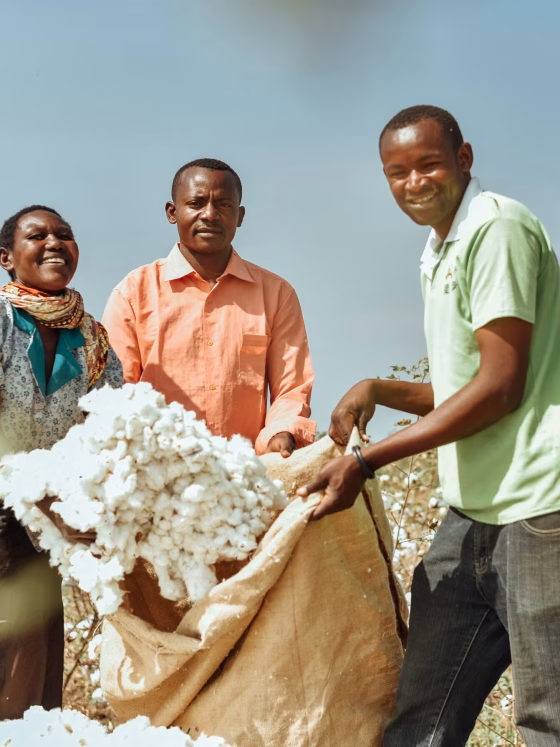
Techniques passed through generations of artisans are sometimes presented as design features rather than cultural practices. The communities that sustain these traditions may remain invisible within broader fashion storytelling.
This creates an imbalance.
Craft is recognised, but context is not always fully acknowledged.
As consumers become more informed, there is growing interest in understanding not just how garments are made but also where those methods originate and what they represent.
The Question of Validation
For many years, recognition within global fashion has followed a particular pathway.
Designers working outside traditional fashion capitals often gained visibility only after being endorsed by Western institutions, whether through runway presentations, editorial features, or retail partnerships.
This system positioned certain cities as gatekeepers of legitimacy.
Today, that structure is shifting.
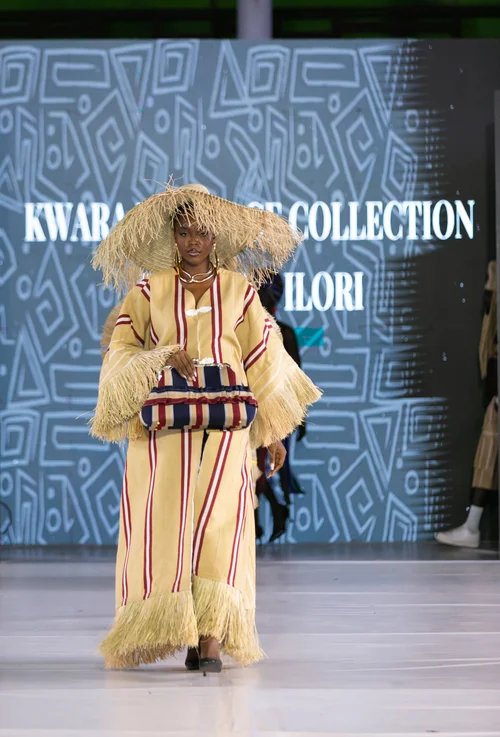
Emerging fashion ecosystems across Africa, Asia, and Latin America are building their own platforms. Local fashion weeks, independent publications, and digital communities are creating new pathways for visibility.
Designers no longer need to wait for external validation to reach global audiences.
Instead, they are defining their own standards of success.
This shift is not about rejecting global fashion but about expanding its structure. Influence is becoming more distributed, reflecting a world where creativity is no longer centralised.
Beyond a Single Definition of Luxury
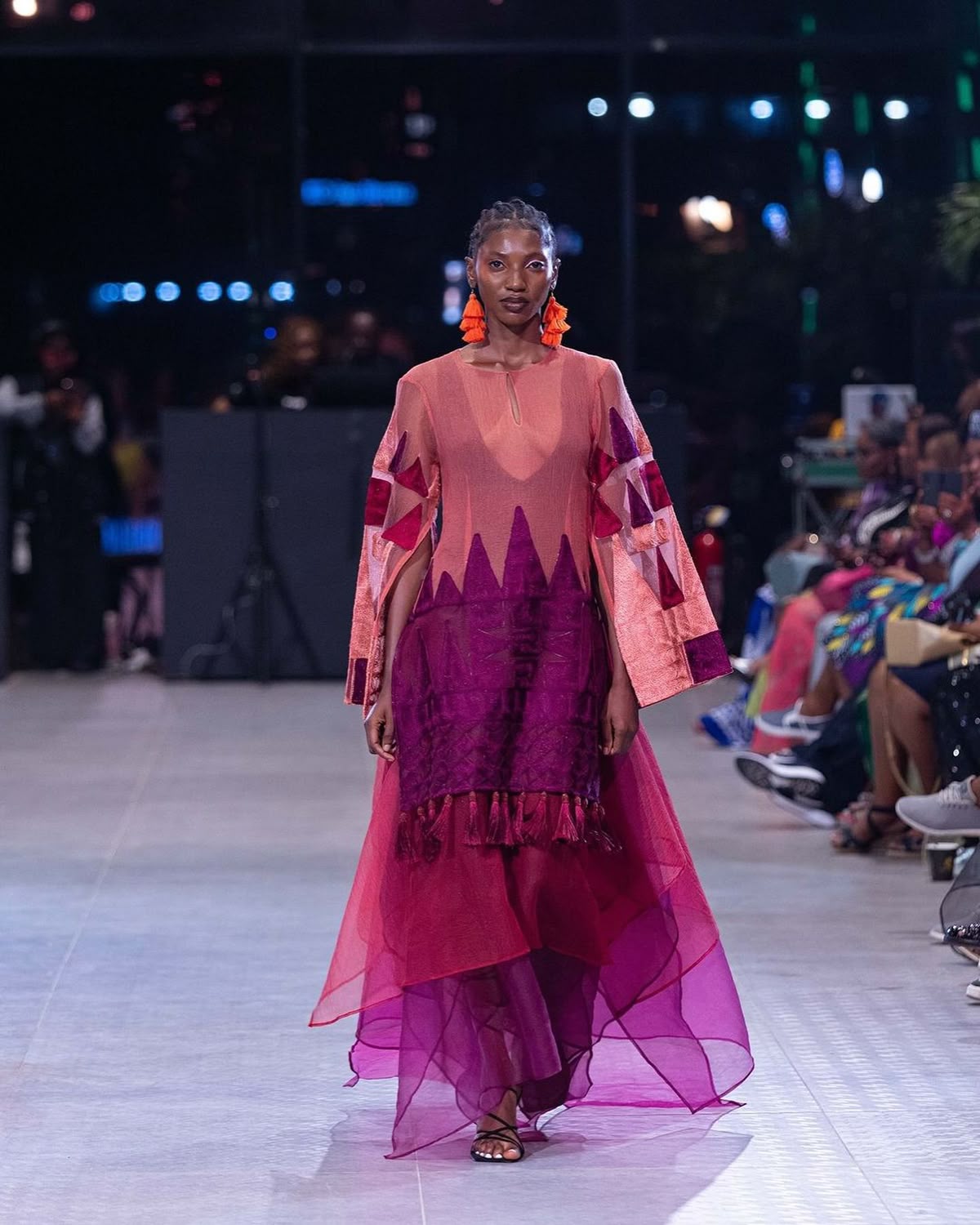
Another area where misunderstandings occur is in the definition of luxury.
Within Western fashion, luxury has traditionally been associated with heritage houses, exclusivity, and specific forms of craftsmanship. These definitions, while influential, are not universal.
Across different cultural contexts, luxury can take on alternative meanings: the rarity of materials, the time invested in craftsmanship, or the cultural significance of a garment. In some cases, value is tied not to branding but to the knowledge embedded within the piece.
These perspectives challenge conventional ideas of what luxury should look like.
As global fashion continues to evolve, there is increasing space for multiple interpretations of value, each rooted in its own cultural framework.
Representation Without Depth
Visibility has improved significantly in recent years.
Runways, campaigns, and editorials are more diverse than they were in previous decades. However, representation alone does not always lead to understanding.
Visual inclusion can exist without deeper engagement.
Garments inspired by different cultures may appear in collections, but the stories behind them are not always explored. Aesthetic diversity becomes visible, yet cultural narratives remain underdeveloped.
This creates a gap between presence and perspective.
True engagement requires more than visual reference. It involves research, collaboration, and a willingness to understand the systems that shape design traditions.
READ ALSO:
- How Emerging Fashion Weeks Are Redefining Global Fashion
- How African Fashion Weeks Are Reframing Global Conversations
A Shift Toward Cultural Fluency
Encouragingly, a new approach is beginning to take shape within the industry.
Designers, editors, and consumers are becoming more attentive to the origins of style. There is growing interest in cultural context, authorship, and the stories behind garments.
This shift reflects a broader movement toward cultural fluency.
Rather than viewing fashion as a collection of interchangeable aesthetics, it is increasingly understood as a network of distinct yet interconnected traditions. Each carries its own logic, history, and meaning.
This perspective allows for more thoughtful exchange.
Influence still exists, but it is approached with greater awareness.
The Future of Global Fashion
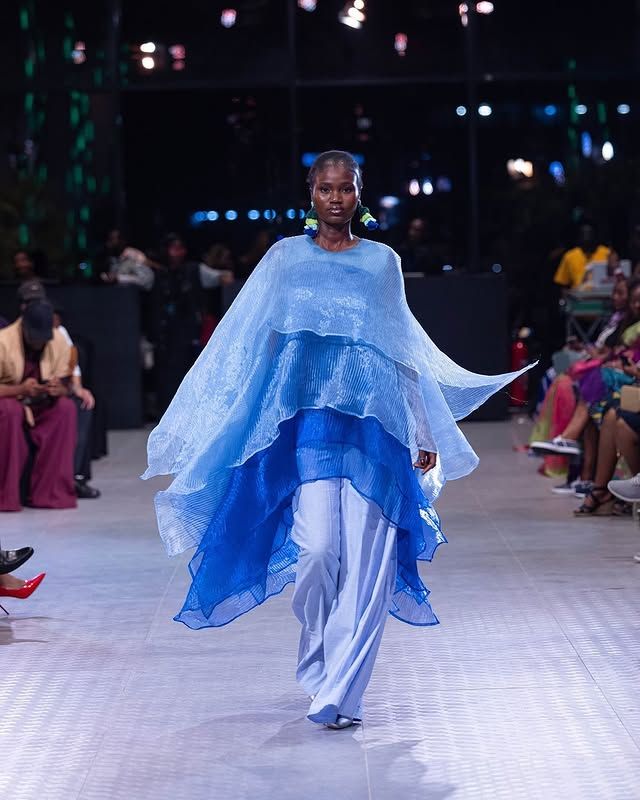
The global fashion industry is in the process of redefining itself.
It is moving away from a single, centralised model toward a more distributed system of creativity. Multiple regions now contribute to shaping global style, each bringing unique perspectives.
This evolution requires a shift in how fashion is interpreted.
Understanding must go beyond surface aesthetics. It must engage with the cultural, historical, and social dimensions of dress. It must recognise that style is not only visual but also conceptual.
In this new landscape, the most compelling fashion is not simply what looks new.
It is what carries meaning.
FAQs
- What does ‘non-Western style’ mean in fashion?
It refers to fashion traditions, aesthetics, and design systems that originate outside Western fashion capitals and are shaped by different cultural contexts.
- Why does the global fashion industry misunderstand some styles?
Complex cultural traditions are sometimes simplified into trends without fully understanding their history or meaning.
- How is this changing today?
Designers and creatives are building independent platforms and emphasising cultural context, leading to more accurate representation.
- What role does craftsmanship play in this conversation?
Craftsmanship highlights the skill behind garments, but there is increasing demand to recognise its cultural origins as well.
- What is the future of global fashion?
A more inclusive and decentralised system where multiple cultures influence style on their own terms.