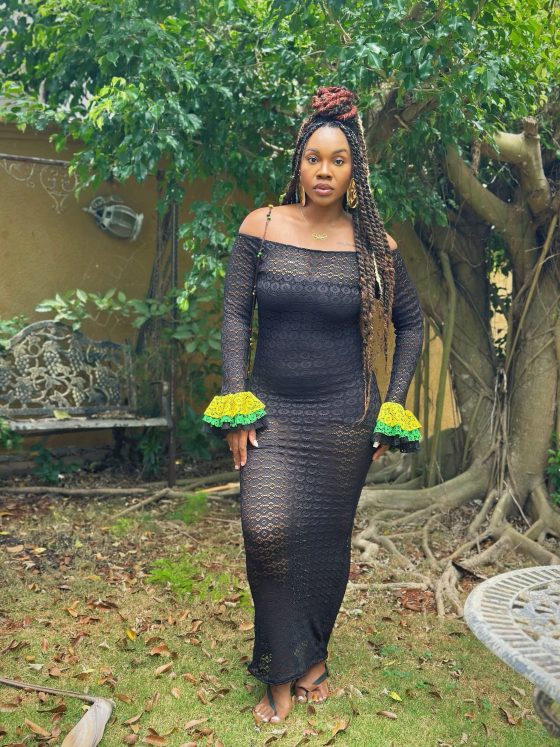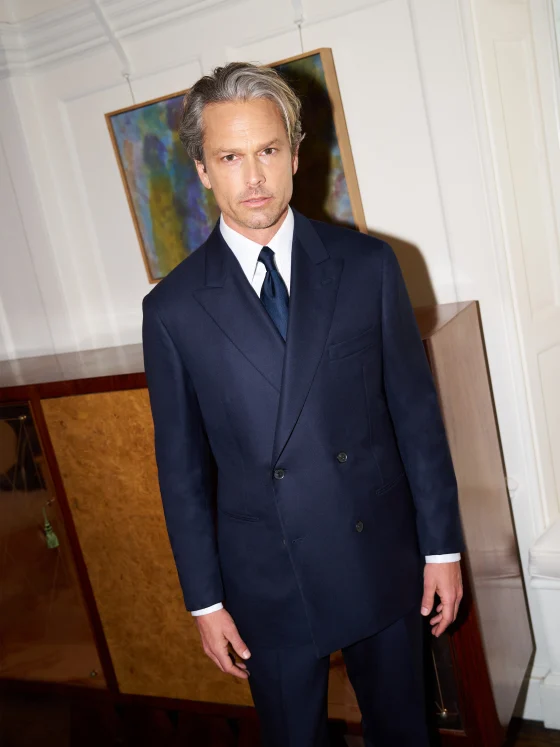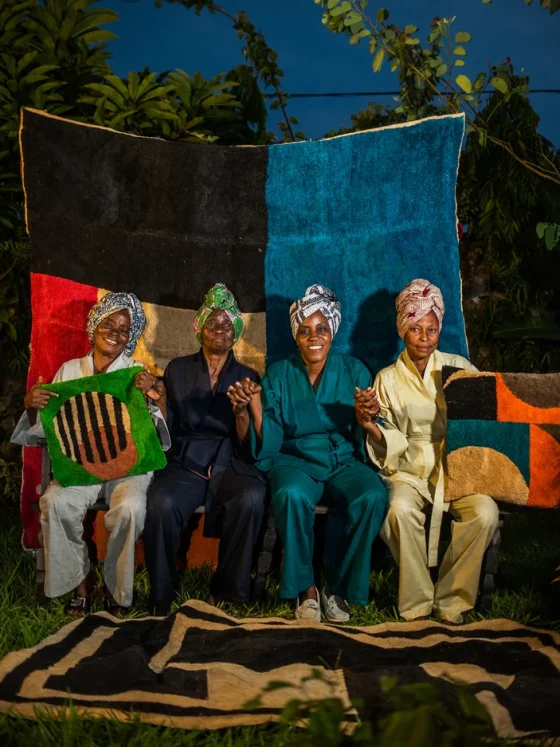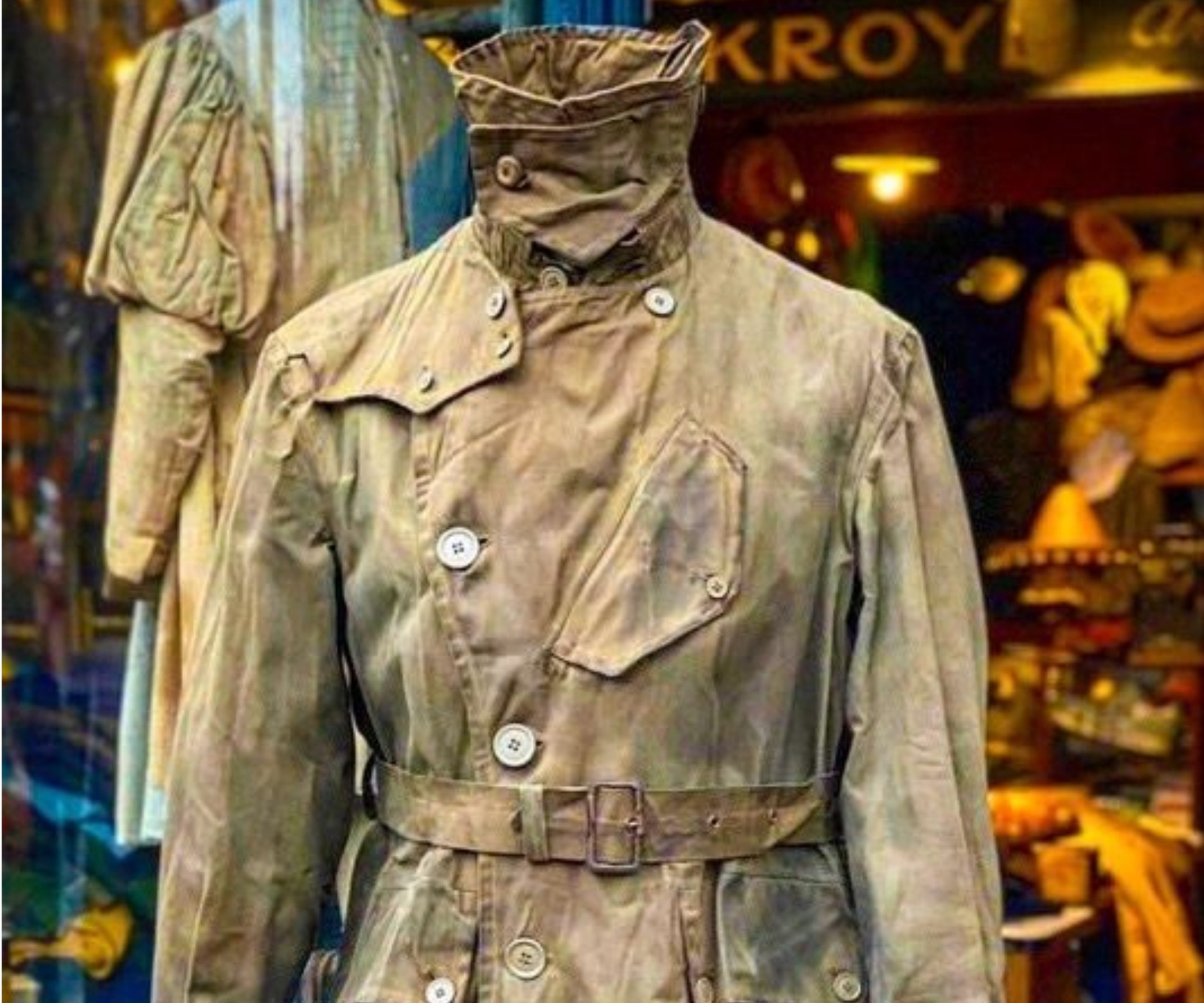
The trench coat did not begin as a fashion statement. It began as protection.
Before it became shorthand for authority on film or quiet control in a boardroom, it was engineered for soldiers standing in flooded trenches in Europe during the First World War and structured, disciplined, and functional to the point of severity. Every buckle, storm flap, and epaulette had a specific purpose. The coat was solving a problem, and it solved it with such precision that the design has remained structurally unchanged for over a century.
Clothing often retains its past. It absorbs it. The trench coat did not leave the battlefield so much as the battlefield followed it into civilian life, carrying its grammar of rank, weather-readiness. It commanded attention in every context that subsequently claimed it. Cinema reframed it. Migration redistributed it. African designers are currently rewriting it entirely.
To understand the trench coat is to understand how garments accumulate power across the cultures that adopt them and what it means to wear that accumulation with full awareness of its origins.
The trench coat was engineered for war, adopted by the empire, and rewritten by cinema, migration, and African design. What it carries today is not heritage. It is accumulated power, worn without instruction.
Engineered for War, Marked by Empire
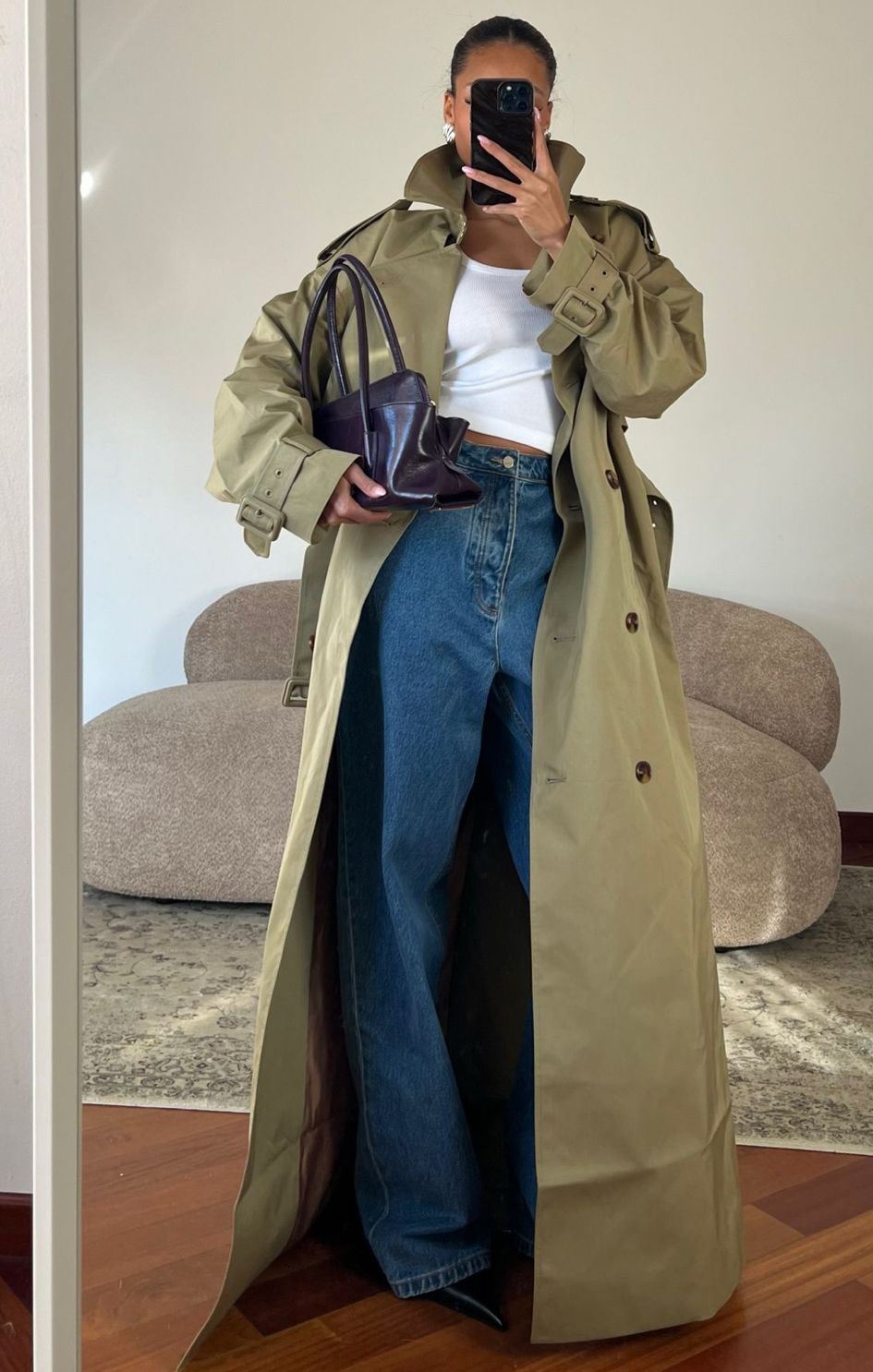
The trench coat’s association with British heritage is inseparable from the commercial ambitions of empire. Burberry developed water-resistant gabardine in the late nineteenth century and supplied officers’ coats to the British military during the First World War. The belt carried equipment. The storm flap redirected rain. The epaulettes marked rank within a hierarchy that the coat itself made visible at a distance.
A trench coat was not a democratic garment. Officers purchased their coats privately, which meant the trench coat signalled hierarchy within the military before it ever reached civilian wardrobes. The men who wore it were already set apart from the men who did not.
And the war that made the trench coat famous was never confined to European soil. African soldiers fought imperial campaigns across multiple theatres. Colonial economies financed European war efforts. The global systems that enabled the trench coat’s rise extended across the same territories that fashion history consistently renders invisible in its construction of the garment’s origin story. The trench coat carries imperial memory not as a metaphor but as a material fact: its structure was shaped by a war prosecuted through colonial power, and the heritage houses that profit from its mythology were built within those same economic conditions.
What we inherit when we wear it is not simply a silhouette. It has a complete history, which is precisely what makes its reinterpretation by African designers, diasporic communities, and women who were never its intended wearers so consequential.
Cinema Softened the Soldier
After the war, returning soldiers continued wearing their coats in civilian life. The garment retained its authority but entered the city.
Then the cinema transformed it.
In the 1942 film Casablanca, Humphrey Bogart’s trench coat became part of a new mythology. It was no longer about mud and artillery. It was about moral tension, masculinity, and mystery. Later, actresses like Audrey Hepburn wore it with vulnerability and poise.
Film reframed the trench coat as narrative clothing. It suggested depth. It implied a story.
From Uniform to Urban Language
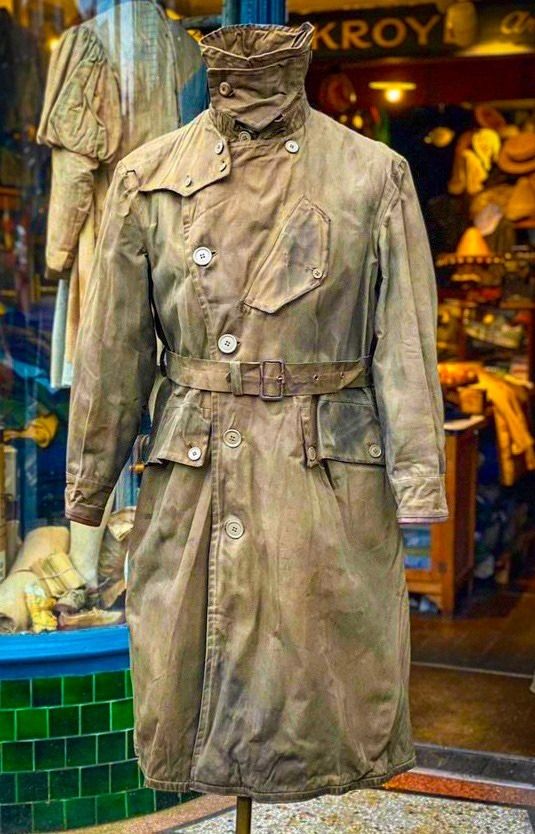
By the mid-20th century, the trench coat had detached from strict military reference. Designers reshaped it. Colours expanded beyond khaki. Silhouettes softened.
It became workwear for journalists, lawyers, and architects. It became city armour.
In African cities such as Lagos and Accra, the trench coat entered wardrobes through global trade, diaspora influence, and media circulation. But it did not remain unchanged.
African designers began reworking the coat using aso-oke, indigo-dyed cotton, and locally woven textiles. In warmer climates, it became lighter. In creative communities, it became layered over kaftans or tailored sets.
This is not an imitation. It is a reinterpretation.
This matters because when African designers adapt the trench coat, they are not borrowing authority from Europe. They are demonstrating that cultural authorship is transferable. A garment born in Britain can have a structurally African meaning.
READ ALSO:
Women reclaimed their power.
The trench coat’s transition into women’s wardrobes marks another rewriting.
Originally designed for male officers, its structure emphasised command. When women adopted it in the mid-20th century, especially during shifts in workforce participation, it became a statement of mobility and ambition.
In contemporary Africa, where women navigate entrepreneurship, media, law, politics, and creative industries, the trench coat often functions as a visual assertion. It frames presence. It elongates posture. It communicates preparedness.
But more importantly, it carries symbolic balance. It merges strength and fluidity. It allows softness without surrendering authority.
Redefining Luxury Beyond Western Language
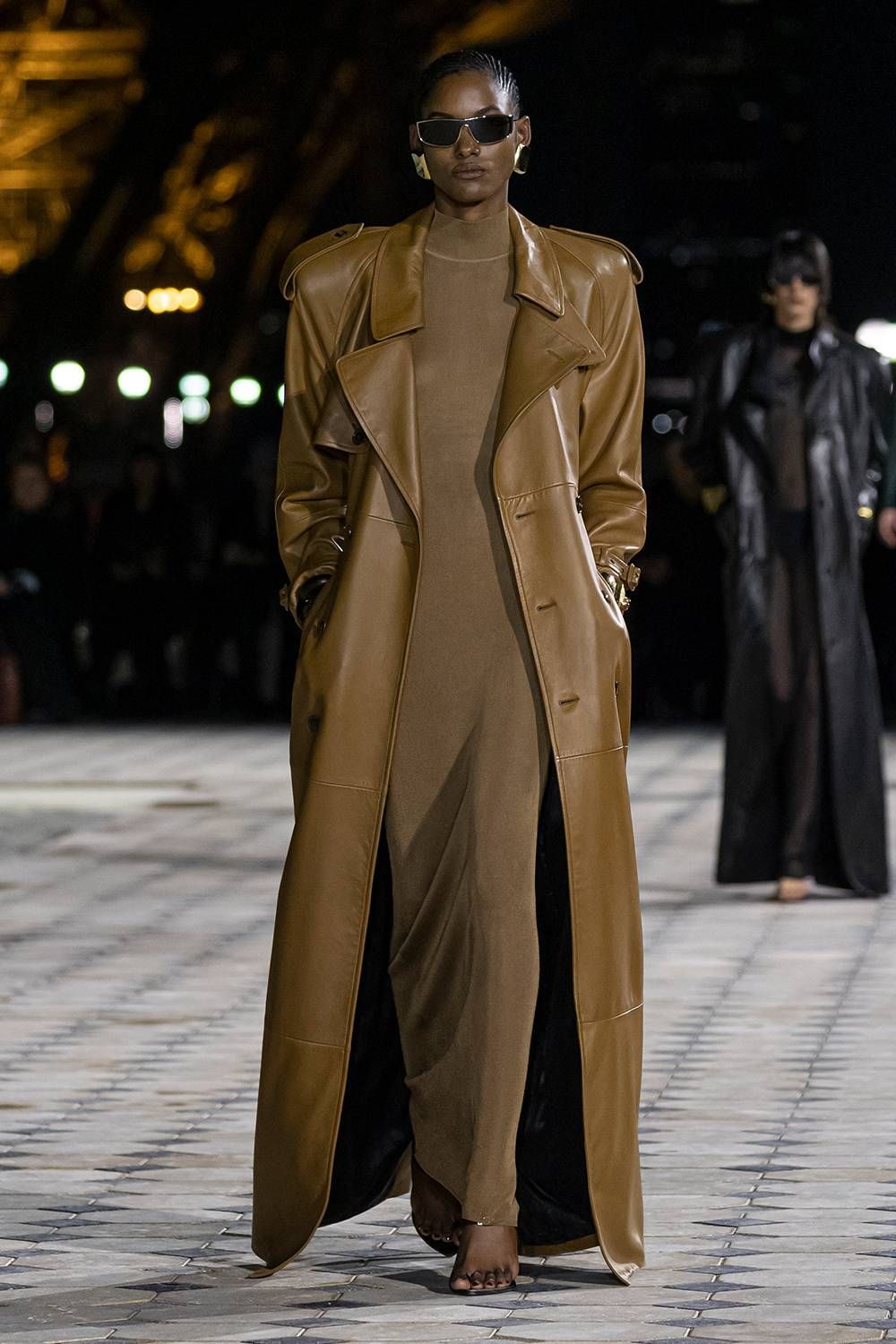
Western fashion often defines luxury through heritage branding and exclusivity. Yet in many African contexts, luxury is measured differently. It is craftsmanship. It is a lineage. It is the patience of hand-woven cloth. It is the dignity of tailoring that fits the body without spectacle.
When African designers reinterpret the trench coat using indigenous textiles or local production systems, luxury shifts from labels to labour. From marketing to meaning.
The trench coat becomes less about brand prestige and more about narrative depth.
Conclusion
The trench coat did not drift casually from battlefield to boulevard. It moved through systems of war, empire, cinema, migration, gender politics, and global reinterpretation.
Its endurance is not accidental. It survives because it is structurally disciplined yet narratively flexible. It can absorb context without collapsing.
Today, whether worn in London, Nairobi, New York, or Abuja, the trench coat is no longer simply British military outerwear. It is a global garment shaped by many hands and histories.
To wear it consciously is to recognise that clothing is an archive. It records power. It reflects transition. It carries the memory of where it has been.
And perhaps that is why it remains relevant. This is not due to its classic nature, but rather to its adaptability.
5 FAQs
- Who created the trench coat?
It is closely associated with the British brand Burberry, which developed gabardine fabric and supplied coats to officers during World War I.
- Why is it called a trench coat?
The name comes from its use in the trenches during World War I, where it was designed to protect officers from harsh weather.
- How did it become fashionable after the war?
Returning soldiers wore it in civilian life, and cinema later reframed it as a symbol of sophistication and intrigue.
- How is the trench coat interpreted in African fashion today?
Designers reinterpret it using indigenous textiles, climate-appropriate tailoring, and cultural layering, shifting its meaning beyond its European origin.
- Why does the trench coat still matter?
The trench coat holds significance because it showcases how garments can transform across various power structures and cultures, while maintaining their structural identity. It is a case study in how fashion carries history.