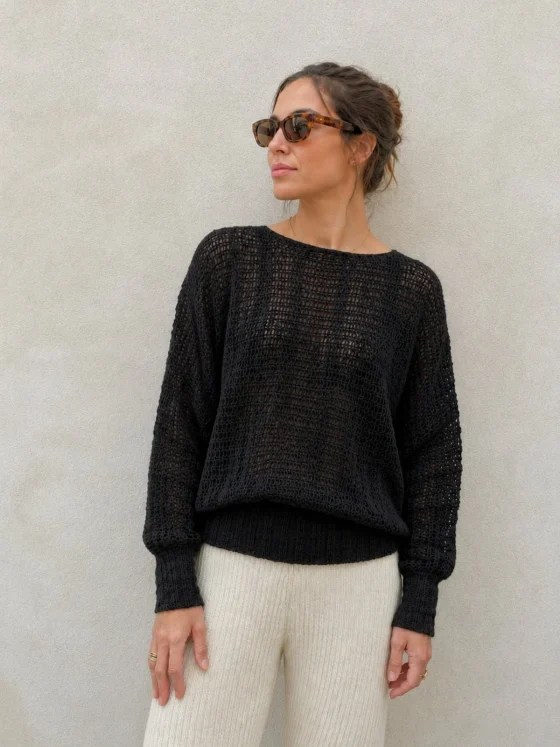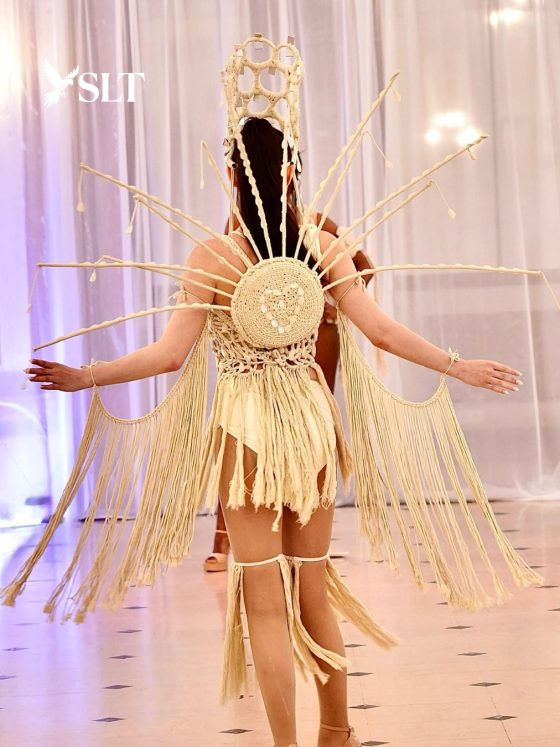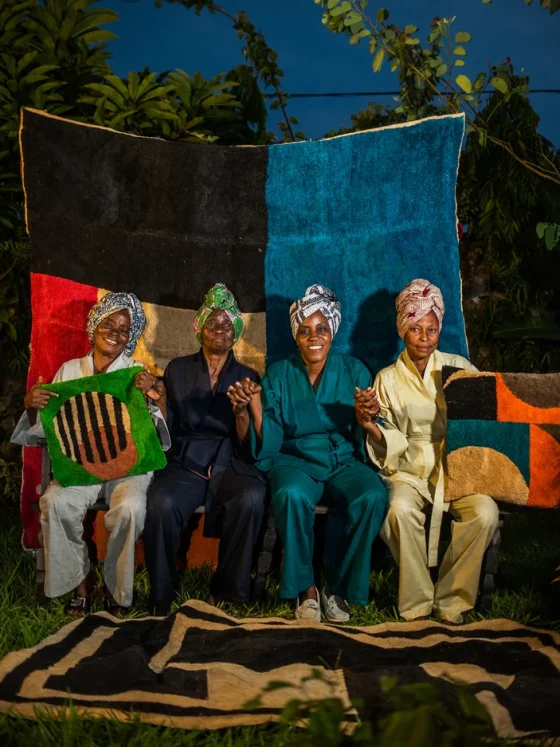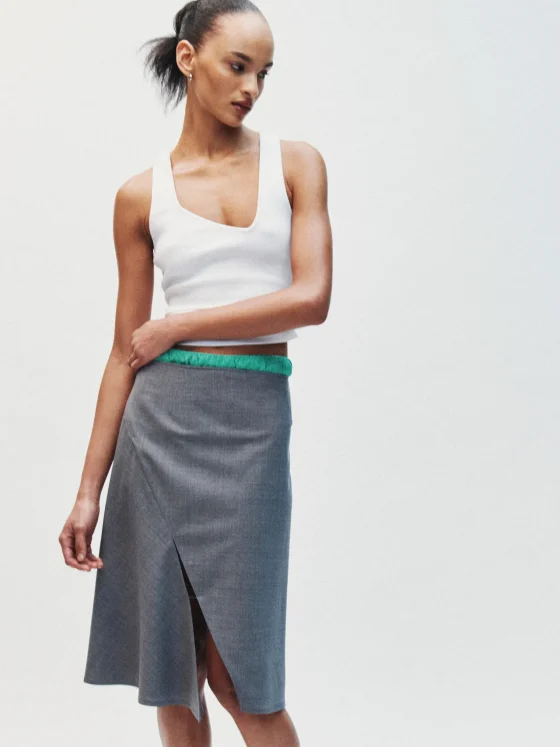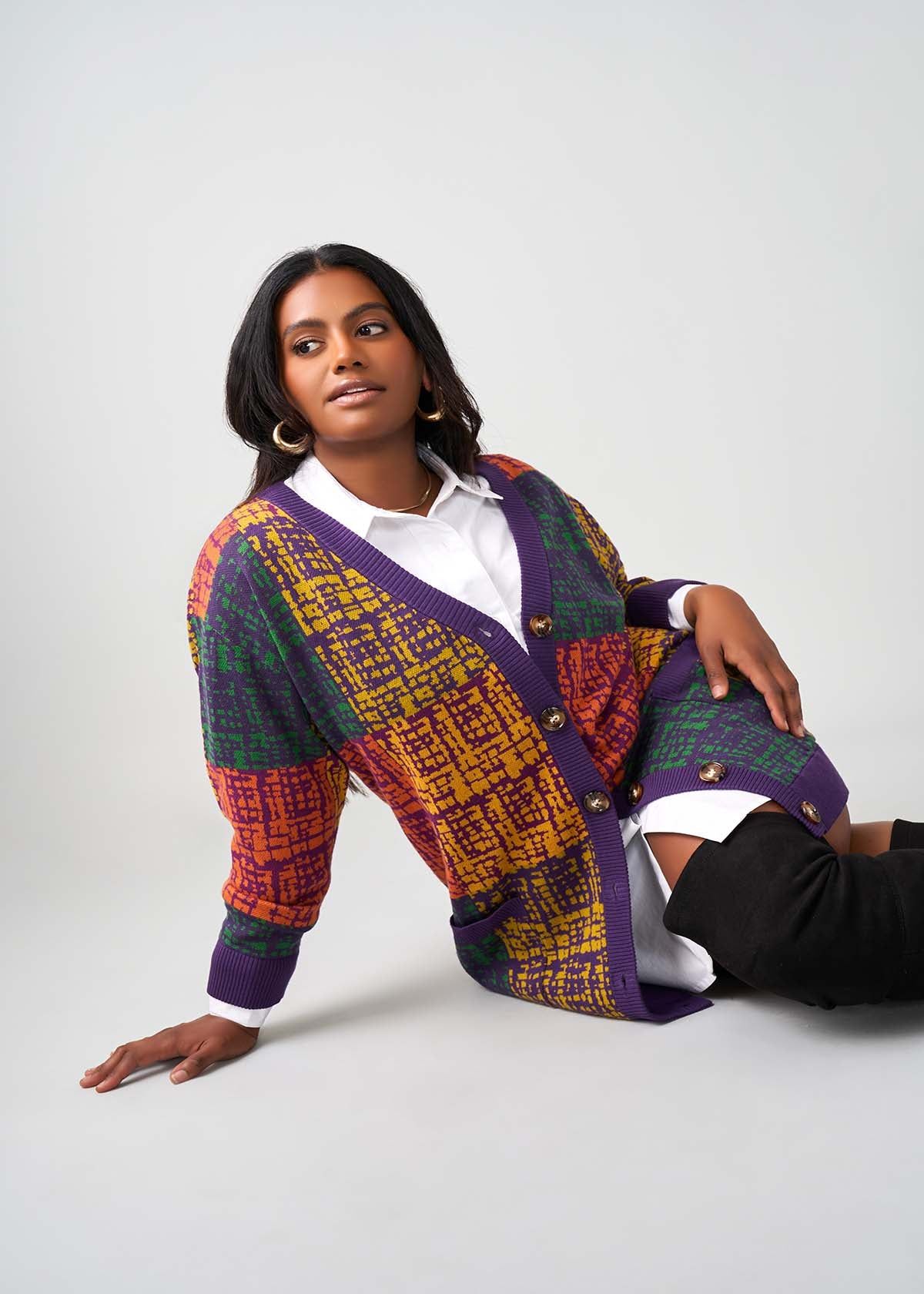
There is a reason some sweaters are folded carefully at the back of wardrobes while others are forgotten after one season. The heirloom sweater is not just knitwear. It is a memory shaped by human hands. It is evidence of labour, love, and continuity.
In a world that trains us to refresh our closets every quarter, the heirloom sweater insists on time. It asks who made this, who wore this before you, and who will wear it after you. That insistence is why it matters.
To understand the heirloom sweater properly, we must move beyond product language. We must treat it as a cultural record. From the fishing communities of Ireland to textile traditions across West Africa, garments designed to last have always served more than aesthetic purposes. They protected bodies, signalled belonging, and carried family histories across generations.
The heirloom sweater exists because people have always needed clothing to do more than impress. They have needed to remember it.
The heirloom sweater is more than knitwear, exploring its cultural meaning, craftsmanship, and role in preserving memory across generations.
Where The Heirloom Sweater Comes From
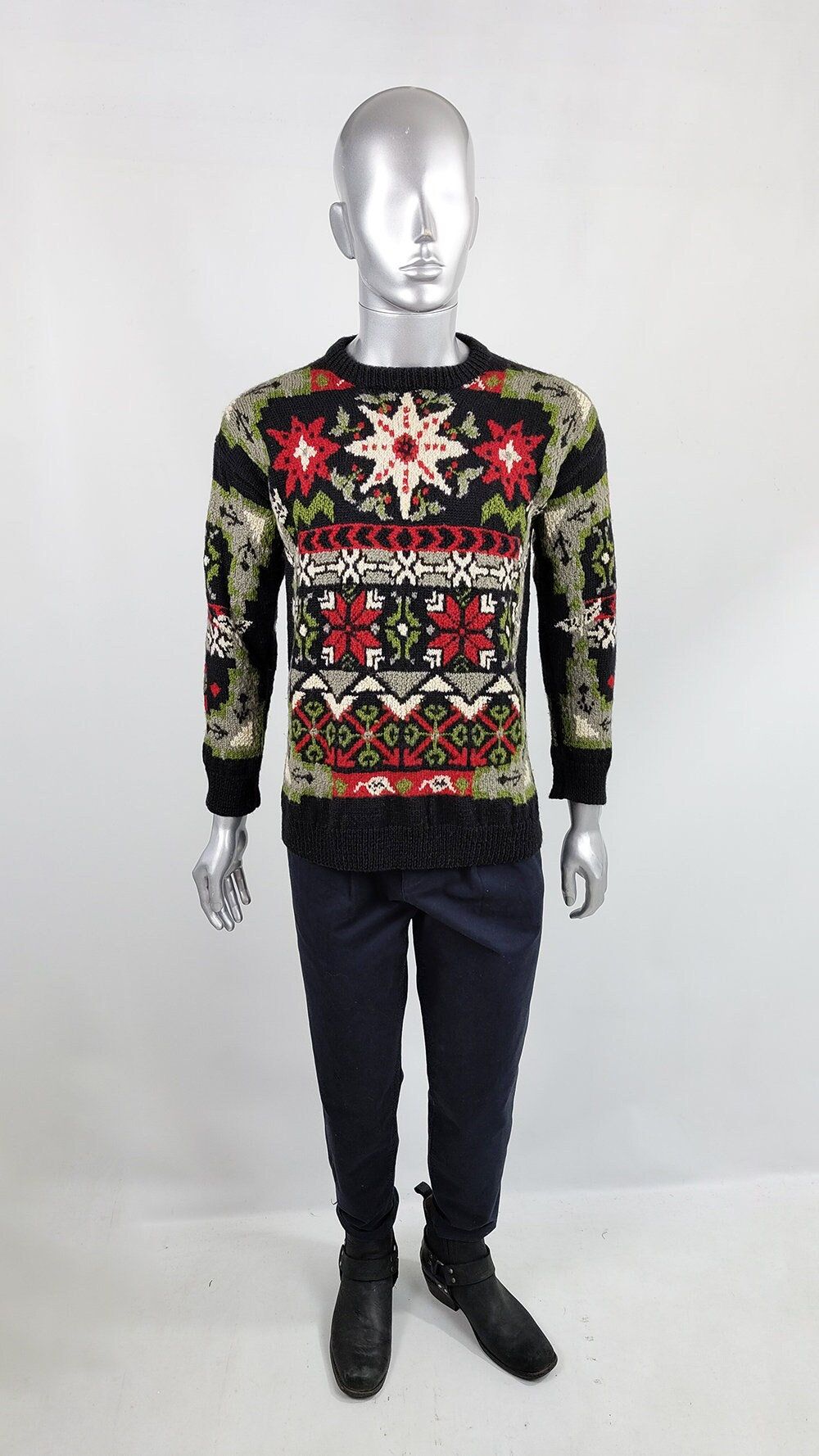
In the coastal communities of Ireland, the Aran sweater was developed for fishermen facing harsh Atlantic winds. The patterns were not decorative accidents. Cables symbolised ropes and labour. The honeycomb stitch referenced hard work and reward. These sweaters were thick, durable, and meant to survive sea spray and time.
Similarly, the Cowichan sweater emerged from the Cowichan people of Canada. Hand-knit with natural wool and bold motifs, each piece carried cultural identity and local knowledge. These were not fast garments. They were technical achievements rooted in land and lineage.
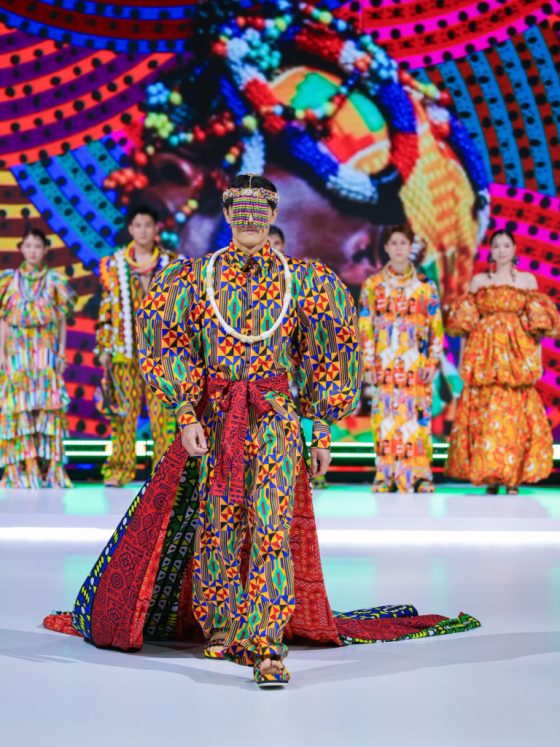
But if we anchor this story only in Europe or North America, we miss the deeper truth. The principle behind the heirloom sweater has long existed across African textile traditions. While not always knitted, garments made from Aso Oke in Nigeria or Kente in Ghana function as heirlooms. They are worn at weddings, funerals, coronations, and naming ceremonies. They are folded and preserved. They are inherited.
The materials differ. The logic is the same. Clothing as an archive.
Why It Exists
The heirloom sweater exists because clothing once had to work harder. Before mass manufacturing, garments required skill, patience, and proximity. Someone’s grandmother knitted that sweater. Someone’s aunt wove that cloth. The labour was visible. That visibility created value.
Industrial fashion changed the speed but not the human need for continuity. In fact, the faster fashion moves, the more people crave permanence. The heirloom sweater answers that craving.
It serves families who want tangible memories. It serves communities that understand that identity is strengthened through repetition and ritual. It serves women in particular, who have historically been keepers of textile knowledge and domestic craft. Through knitting, weaving, and mending, women have preserved stories that history books often ignore.
When a daughter wears her mother’s sweater to work, she carries more than warmth. She carries a lineage of effort and care.
Sustainability Without The Buzzwords
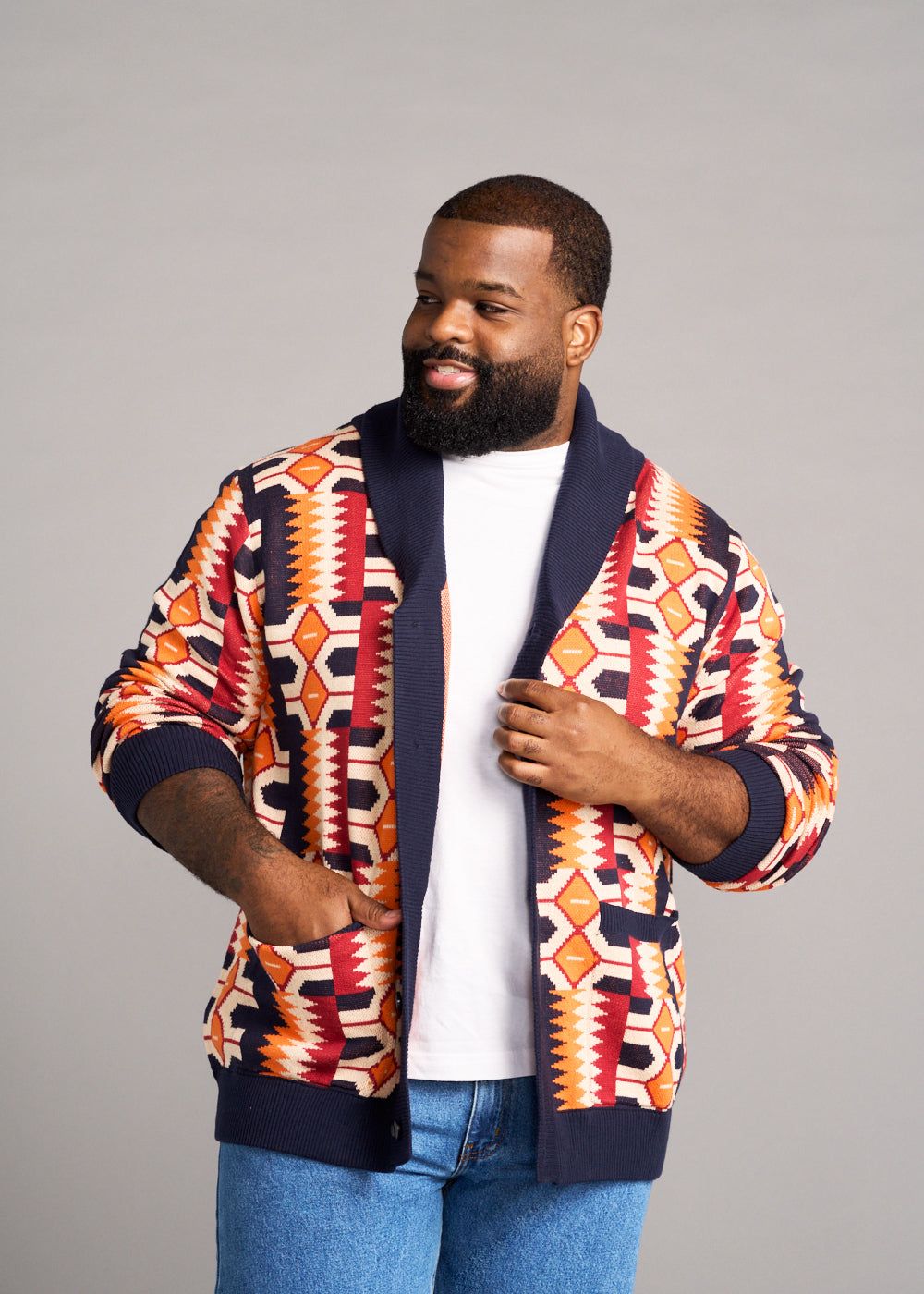
The heirloom sweater complicates modern sustainability discourse. It does not rely on marketing labels. Its environmental logic is simple: make less, make well, keep longer.
Longevity is its strategy. Repair is part of its lifecycle. Emotional attachment reduces disposal. This is not a theory. It is a practice embedded in daily life across cultures long before sustainability became a corporate language.
In many African communities, clothing has always been altered, resized, and repurposed. Fabric from one generation becomes another’s wrapper or head tie. Durability is not a trend. It is common sense shaped by resource realities.
The heirloom sweater reminds us that responsibility is not new. It is inherited.
Read Also:
Redefining Luxury
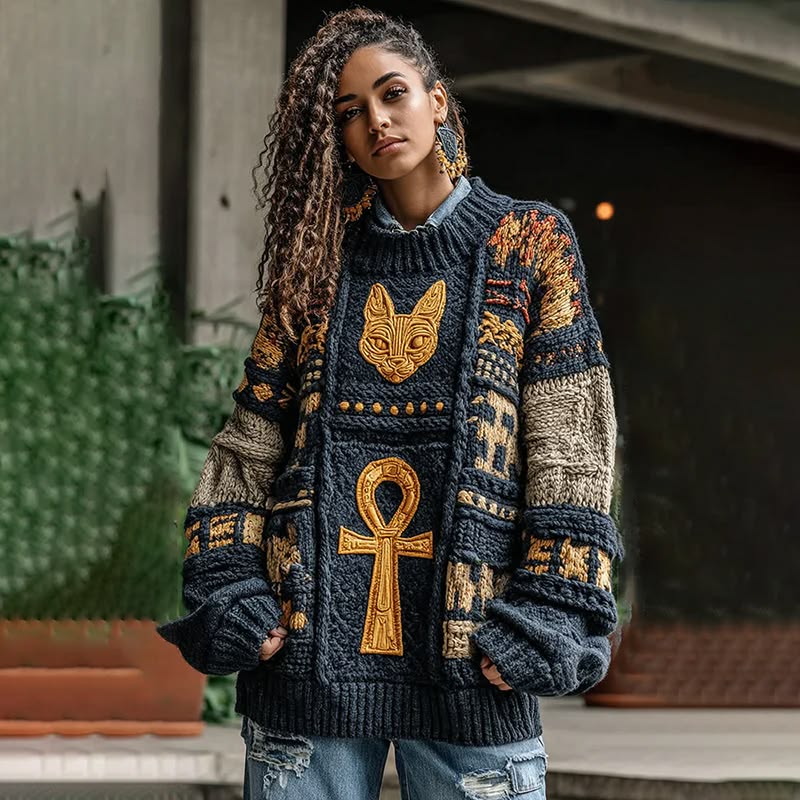
Modern luxury often announces itself loudly through price and branding. The heirloom sweater is quieter. Its luxury lies in time.
True luxury is the ability to own something that improves with age. It is craftsmanship that does not unravel after a year. It is a garment that carries the fingerprints of its maker.
Through an African lens, luxury is continuity. It is the capacity to preserve heritage despite disruption, migration, or economic instability. A preserved garment becomes proof that your story did not disappear.
This is why heirloom pieces matter to diasporic communities. In contexts shaped by displacement, clothing can become portable memory. It is easier to carry a sweater across borders than a house.
Beyond Style Into Power
For women especially, the heirloom sweater is not a sentimental decoration. It represents agency. Textile knowledge has historically offered women economic leverage, creative expression, and community leadership.
Knitting circles, weaving collectives, and market networks across Lagos, Accra, London, and Toronto have enabled women to build income and influence. The sweater, then, is not just warmth. It is workwear. It is proof of skill. It is an artefact of ambition.
When a woman chooses to preserve, mend, or pass down a garment, she asserts that her story deserves continuation.
Conclusion
The heirloom sweater is not about vintage aesthetics. It is about a memory structured as a fibre. It exists because people have always needed clothing to anchor identity and preserve connection.
Across continents, whether in Irish fishing villages or West African weaving towns, garments built to last have carried social meaning far beyond their fabric. They teach patience in an impatient market. They redefine luxury as continuity rather than spectacle. They prove that sustainability can be cultural before it is commercial.
Most importantly, they answer the question that every serious fashion story must confront: why does this matter?
It matters because what we keep says more about us than what we buy.
FAQs
- What makes a sweater an heirloom rather than just old clothing?
An heirloom sweater carries emotional or cultural value across generations. Its worth is rooted in story, craftsmanship, and continuity rather than age alone.
- Are heirloom sweaters only European traditions?
No. While Irish and Indigenous Canadian examples are well known, many African textile traditions function as heirlooms through woven cloth passed down in families.
- How does the heirloom sweater relate to sustainability?
Its durability and long use reduce waste. Repair, preservation, and emotional attachment extend the garment’s life cycle naturally.
- Can modern brands create future heirloom pieces?
Yes, if they prioritise craftsmanship, quality materials, and meaningful design over short-term trend production.
- Why does the heirloom sweater matter today?
It challenges disposable culture, preserves identity, and reminds us that fashion can serve memory, power, and belonging rather than speed alone.