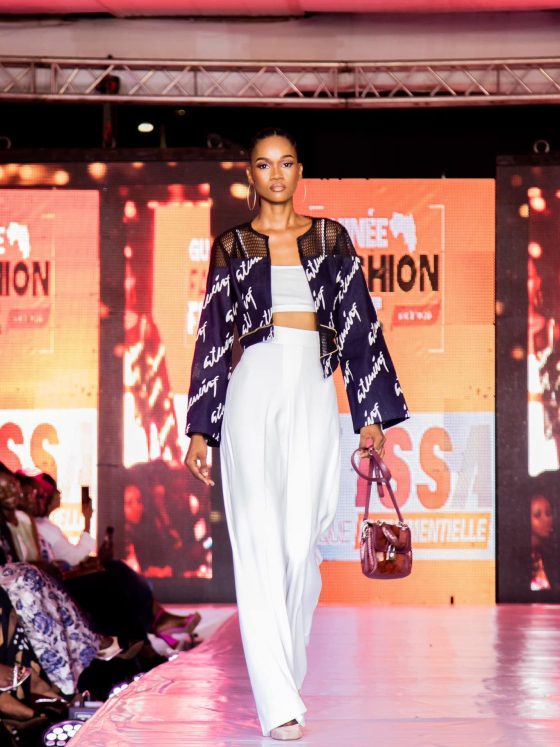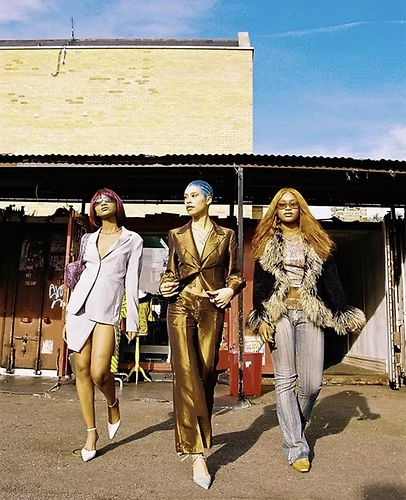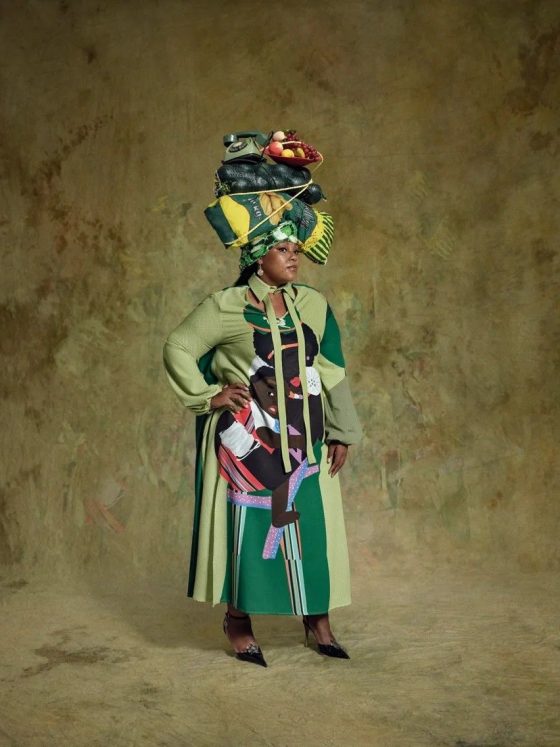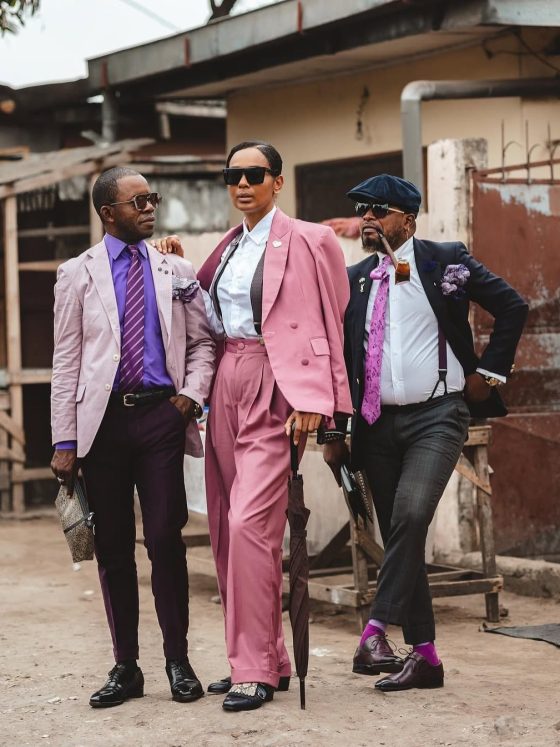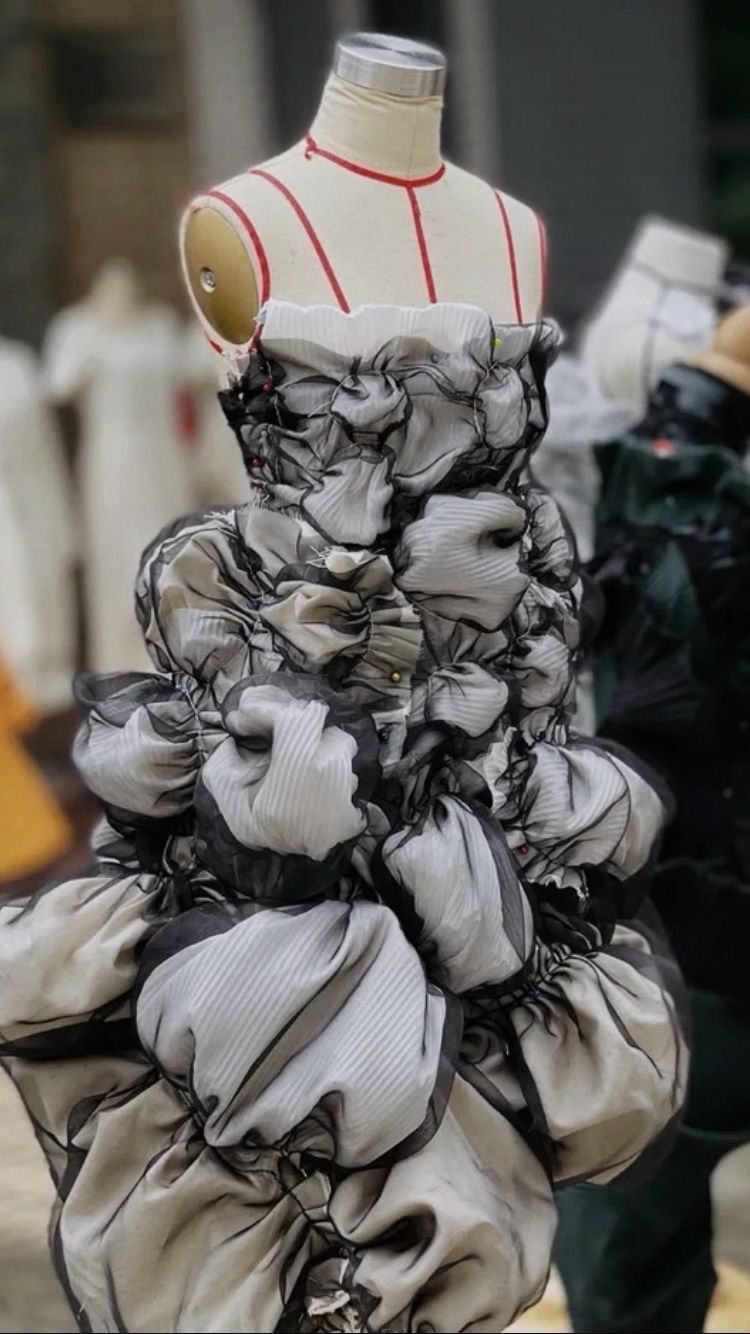
For decades, colour has dominated fashion’s communicative vocabulary. Bright reds, neon greens, and pastel shades were the primary tools for signalling mood, personality, and trend awareness. Yet, in 2026, texture is emerging as a more sophisticated and enduring form of sartorial expression. It is no longer a secondary consideration or embellishment; texture now shapes perception, conveys meaning, and anchors style.
This shift reflects broader industry and cultural changes. Minimalist aesthetics, sustainability pressures, and a growing preference for tactile engagement are redefining wardrobes. Colour remains relevant, but texture has become the dominant tool for making statements that offer depth, craftsmanship, and sensory resonance, transcending fleeting trends.
In 2026, texture took over colour as fashion’s statement, emphasising tactility, depth, and artistry for lasting style and personal expression.
A Historical Perspective: Texture as a Marker of Status
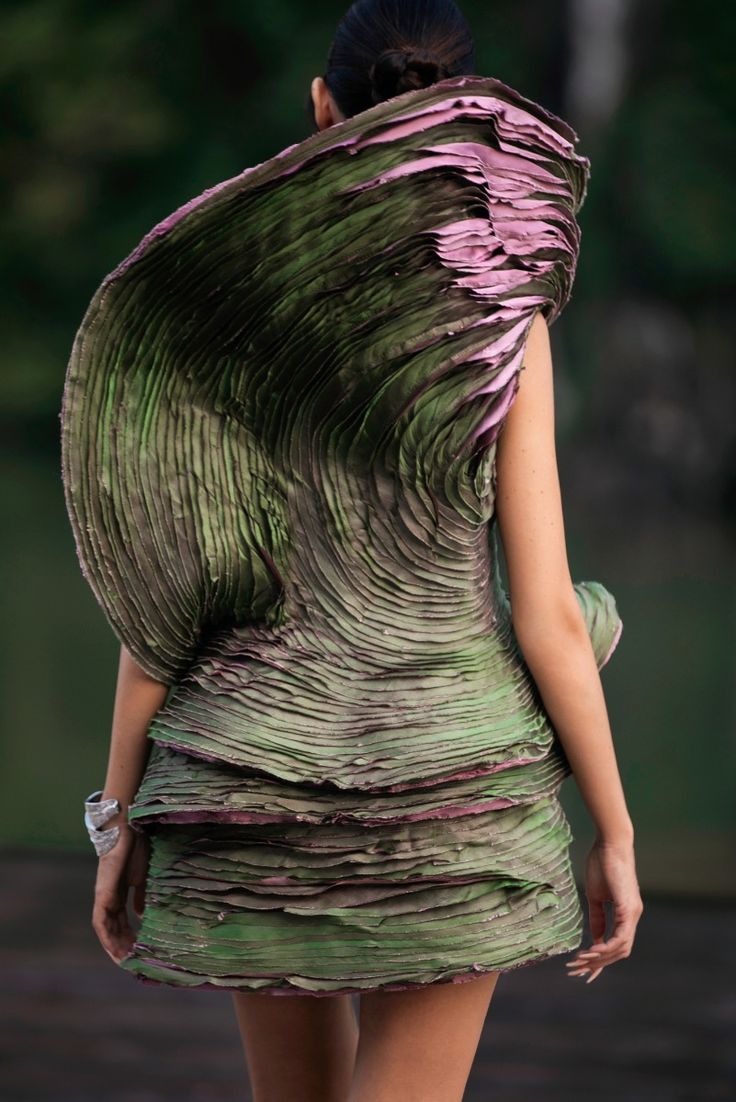
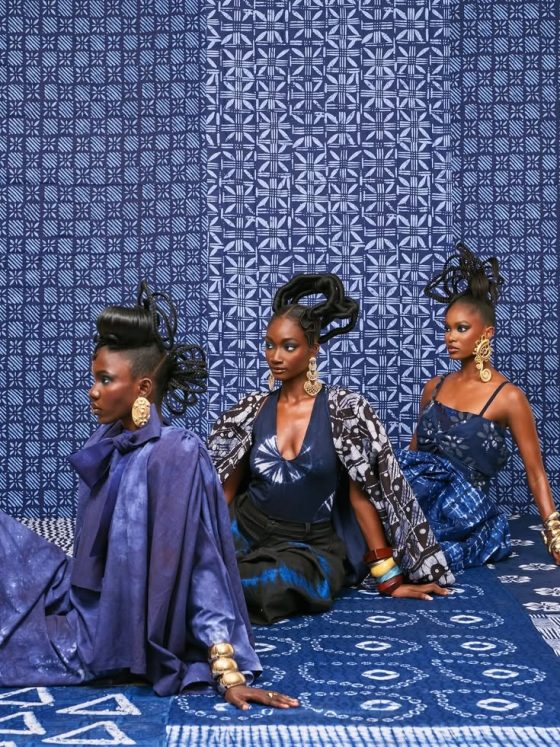
Historically, texture has always had meaning; even when colour dominated fashion discourse in medieval and Renaissance Europe, silk, velvet, and brocade denoted rank and wealth. These textiles were expensive not only because of their colour but also because of their tactile complexity, handcraftsmanship, and ability to drape luxuriously. Similarly, in West Africa, handwoven cotton and kente cloth used surface patterns and raised textures to convey lineage, social role, and ceremonial significance.
In 20th-century fashion, designers like Coco Chanel and Cristóbal Balenciaga experimented with surface manipulation, pleating, and fabric layering, showing that texture could elevate simple shapes into statements of sophistication. What we are seeing today is a continuation of this principle, amplified by contemporary material science and digital amplification.
Texture in Contemporary Design: Substance Over Surface
The 2020s have accelerated the prioritisation of materiality over hue. Brands including Bottega Veneta, The Row, and Prada foreground surface treatment in their collections, experimenting with tactile contrasts, 3D knits, layered fabrics, and volumetric quilting.
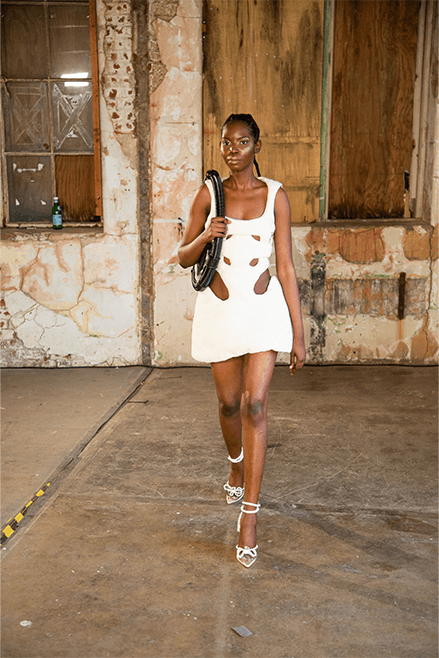
For example, oversized bouclé coats or ribbed knits in neutral palettes create visual interest without relying on bright colours. The effect is multi-sensory: texture interacts with light, shadow, and movement, producing depth and dimensionality. It communicates refinement and intentionality in a way that colour alone cannot.
Material experimentation also extends to sustainability. Innovations in eco-fibres, such as Tencel, regenerated silk, and organic cotton weaves, allow designers to produce texture-rich fabrics with reduced environmental impact. As consumers increasingly scrutinise supply chains, tactile fabrics signal both luxury and careful production.
Psychology of Texture and Perception
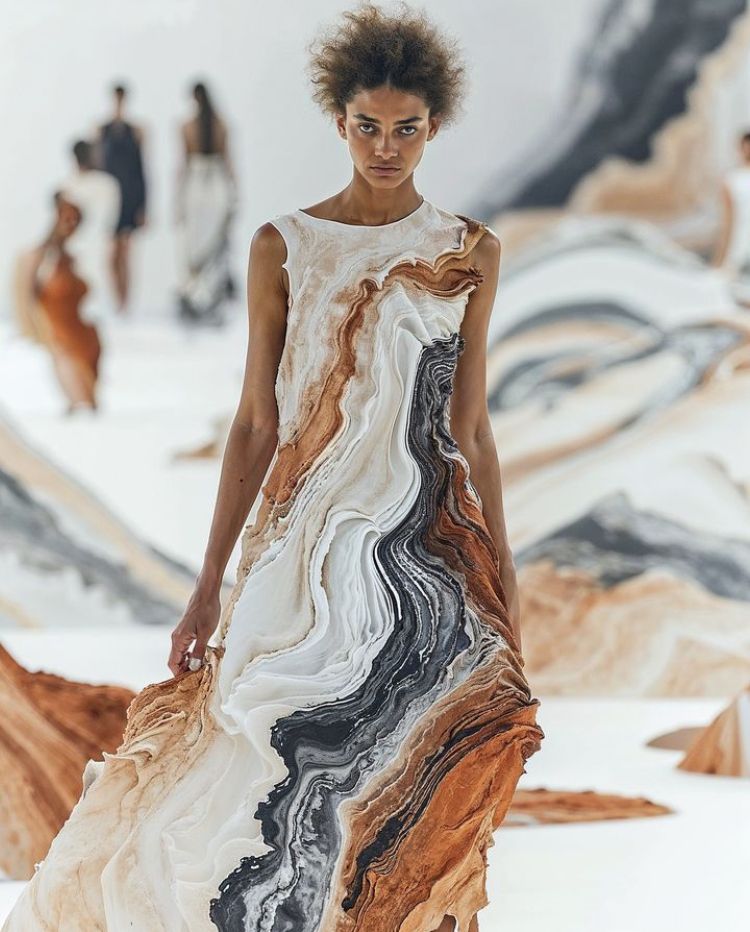
Texture does more than add visual intrigue. Neuroscience shows that tactile engagement affects perception, emotion, and satisfaction. Fabrics that feel rich or soft increase attachment and elevate perceived value. The tactile response encourages mindful engagement, countering the instant-gratification consumption model prevalent in micro-trend culture.
Texture also affects spatial perception. Structured fabrics create form, drape manipulates visual flow, and raised surfaces highlight contours. These subtle cues can communicate authority, elegance, or softness, depending on context. In other words, texture conveys narratives without a single coloured pixel.
Texture, Minimalism, and Slow Fashion
Texture’s prominence aligns with 2026’s dominant cultural currents: minimalism and slow fashion. Minimalist wardrobes rely on smaller colour palettes. Texture compensates for this restraint, providing variety and statement-making capability without overwhelming the aesthetic.
Slow fashion principles, longevity, durability, and material intelligence are inherently tactile. High-quality wools, silks, leathers, and handwoven fabrics age gracefully, develop patina, and maintain visual intrigue over multiple seasons. Unlike rapid micro-trends, tactile garments reward investment and care, reflecting intentional consumption.
READ MORE:
- The Global Journey of Cotton Beyond the Plantation Narrative
- The 5-Piece Capsule Wardrobe: Building Style Around Archetypes, Not Trends
Styling Strategies for Texture-Forward Dressing
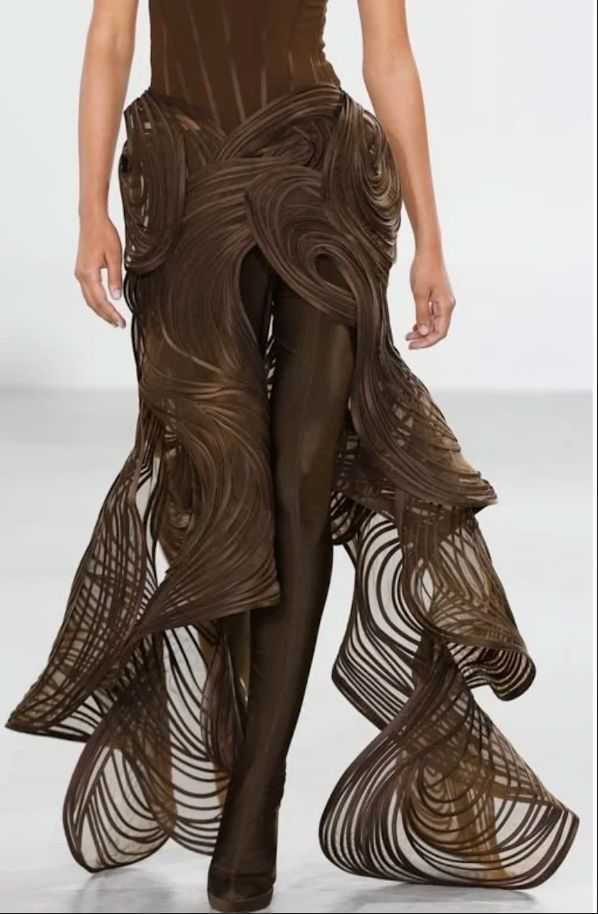
To leverage texture effectively in contemporary wardrobes:
- Contrast for depth: Pair smooth silks with nubby knits, matte wool with glossy leather, or structured fabrics with fluid drapes to create visual tension and movement.
- Layer with purpose; layering fabrics of varying densities and finishes introduces dimension and elevates minimalist palettes.
- Surface Detail as Statement – Quilting, smocking, pleating, or raised embroidery serve as expressive focal points, replacing the need for bright colour.
- Tactile innovation: fabrics that feel exceptional to the touch, like brushed cotton, technical weaves, or regenerated fibres, create lasting impact.
- Colour as Accent, In 2026, colour supports texture rather than competing with it. Subtle highlights emphasise depth rather than dominate perception.
Industry Implications
The emphasis on texture has strategic implications for designers and retailers. Texture-rich fabrics encourage higher perceived value, justify investment pricing, and foster attachment, reducing impulsive returns. For consumers, tactile garments align with the growing demand for timelessness, versatility, and sustainability.
Retailers are responding with curated capsules that emphasise materiality over colour variety, signalling a shift in their merchandising philosophy. It is no longer enough to offer visual saturation. Experience and tactility are the new differentiators.
Conclusion
In 2026, texture is not just an aesthetic choice; it is a primary language of fashion. By replacing colour with the main statement, texture elevates clothing to a multi-sensory medium, communicating identity, intention, and value.
This trend reflects deeper cultural priorities: minimalism, sustainability, and personal expression over fleeting visual spectacle. The wardrobe is evolving from a display of chromatic prowess to a showcase of tactile intelligence. Texture allows garments to speak to multiple levels, creating statements that endure long after colour fades away from attention.
In essence, texture is reshaping the visual and emotional vocabulary of modern dressing to be subtle, layered, and enduring.
Refresh your wardrobe inspiration — browse Fashion on OmirenStyles.
FAQs
- Why is texture becoming more important than colour in 2026 fashion?
Texture conveys depth, tactility, and craftsmanship, allowing garments to communicate sophistication and identity without relying on bright or bold colours.
- How can textures create visual interest in neutral wardrobes?
Combining different weaves, finishes, and fabric weights in neutral palettes adds dimension, contrast, and statement-making qualities without relying on colour.
- What fabrics are driving the texture-forward trend in 2026?
Bouclé, ribbed knits, pleated silk, brushed cotton, and handwoven or regenerated fibres are central, offering tactility, durability, and visual depth.
- How does texture influence consumer perception and garment value?
Textured fabrics enhance attachment, perceived quality, and sophistication, making clothing feel more luxurious, durable, and aligned with slow-fashion principles.
- Can texture replace colour in minimalist or sustainable wardrobes?
Yes. Texture adds visual complexity, tactile engagement, and statement-making power, supporting minimalist aesthetics and sustainable, long-lasting clothing choices.