Menu
  • AFRICA
    • African Fashion
    • African Designers
    • Textiles & Craft
    • Heritage Clothing
    • Made in Africa
    • Regional Style
  • DIASPORA
    • Diaspora Voices
    • Diaspora Connects
    • UK Scene
    • US Scene
    • Caribbean Diaspora
    • Afro-Latino Identity
    • Migration & Identity
  • CULTURE
    • Style & Identity
    • Ceremony & Ritual
    • Art & Music
    • Cultural Inspirations
    • Black Culture
    • Heritage Stories
  • FASHION
    • Trends
    • Street Style
    • Runway
    • Sustainable Fashion
    • Tailoring
    • Luxury Fashion
  • INDUSTRY
    • Editorial Intelligence
    • Market Trends
    • Brand Strategy
    • Retail & Commerce
    • Partnerships
    • Reports
    • Insights
    • Omiren Style Index
  • BEAUTY
    • Skincare
    • Makeup
    • Hair & Hairstyle
    • Fragrance
    • Beauty Traditions
    • Natural Beauty
  • MEN
    • Men’s Style
    • Grooming Traditions
    • Traditional & Heritage
    • The Modern African Man
    • Menswear Designers
  • WOMEN
    • Women’s Style
    • Evening Glam
    • Workwear & Professional
    • Streetwear for Women
    • Accessories & Bags
    • Bridal
  • NEWS
    • Cover Stories
    • Fashion Weeks
    • Opinion & Commentary
    • Style Icons
    • Rising Stars
  • DIRECTORY
    • Designers
    • Brands
    • Boutiques
    • Stylists
    • Models
    • Photographers
    • Creative Teams
    • Events
    • Production
    • Materials & Suppliers
Subscribe
OMIREN STYLES OMIREN STYLES

Fashion · Culture · Identity

OMIREN STYLES OMIREN STYLES OMIREN STYLES OMIREN STYLES
  • AFRICA
    • African Fashion
    • African Designers
    • Textiles & Craft
    • Heritage Clothing
    • Made in Africa
    • Regional Style
  • DIASPORA
    • Diaspora Voices
    • Diaspora Connects
    • UK Scene
    • US Scene
    • Caribbean Diaspora
    • Afro-Latino Identity
    • Migration & Identity
  • CULTURE
    • Style & Identity
    • Ceremony & Ritual
    • Art & Music
    • Cultural Inspirations
    • Black Culture
    • Heritage Stories
  • FASHION
    • Trends
    • Street Style
    • Runway
    • Sustainable Fashion
    • Tailoring
    • Luxury Fashion
  • INDUSTRY
    • Editorial Intelligence
    • Market Trends
    • Brand Strategy
    • Retail & Commerce
    • Partnerships
    • Reports
    • Insights
    • Omiren Style Index
  • BEAUTY
    • Skincare
    • Makeup
    • Hair & Hairstyle
    • Fragrance
    • Beauty Traditions
    • Natural Beauty
  • MEN
    • Men’s Style
    • Grooming Traditions
    • Traditional & Heritage
    • The Modern African Man
    • Menswear Designers
  • WOMEN
    • Women’s Style
    • Evening Glam
    • Workwear & Professional
    • Streetwear for Women
    • Accessories & Bags
    • Bridal
  • NEWS
    • Cover Stories
    • Fashion Weeks
    • Opinion & Commentary
    • Style Icons
    • Rising Stars
  • DIRECTORY
    • Designers
    • Brands
    • Boutiques
    • Stylists
    • Models
    • Photographers
    • Creative Teams
    • Events
    • Production
    • Materials & Suppliers
  • Street Style

5 Micro-Trends From 2016 That Are Perfect for 2026 Street Style

  • Heritage Oni
  • January 29, 2026
5 Micro-Trends From 2016 That Are Perfect for 2026 Street Style
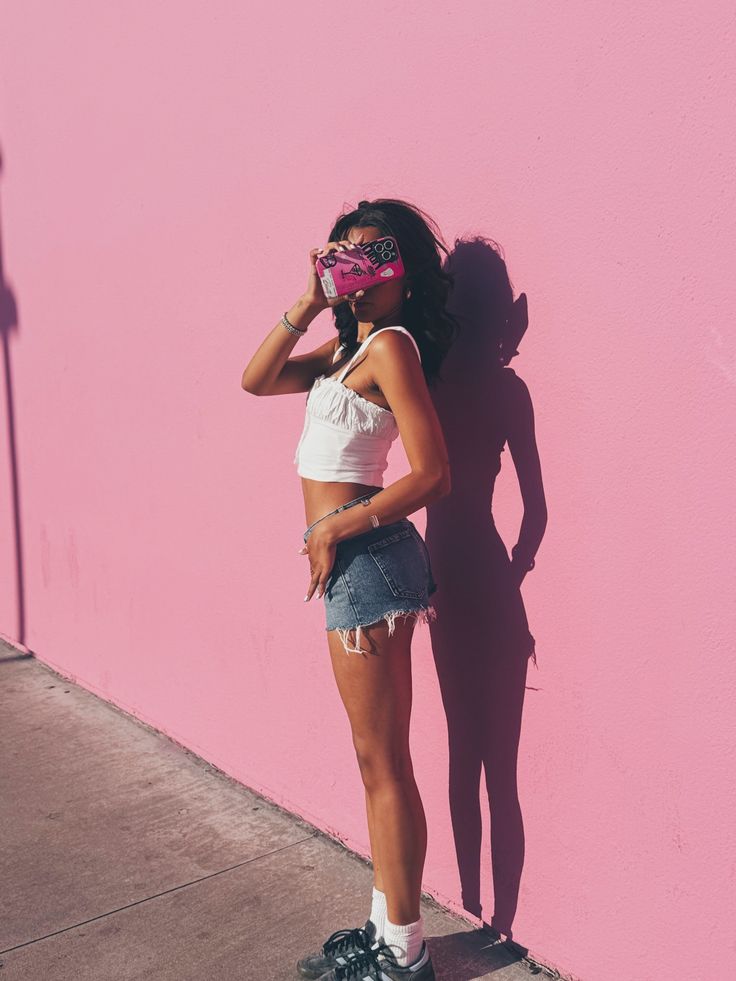
CamAir Cases.

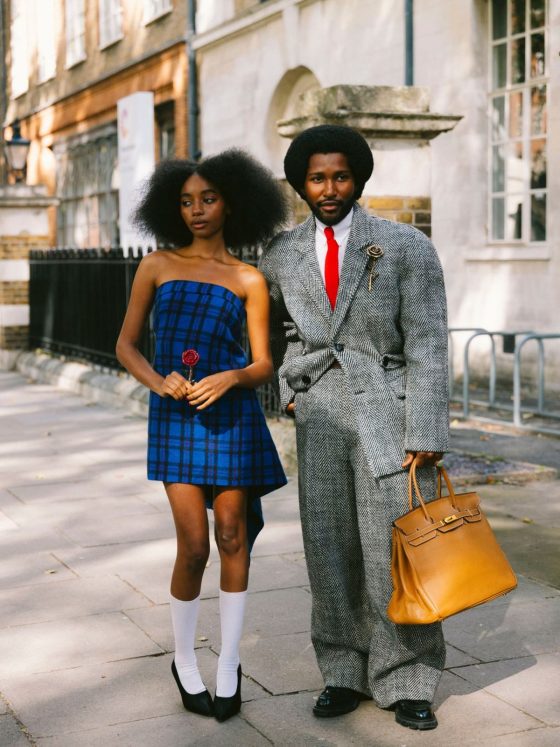
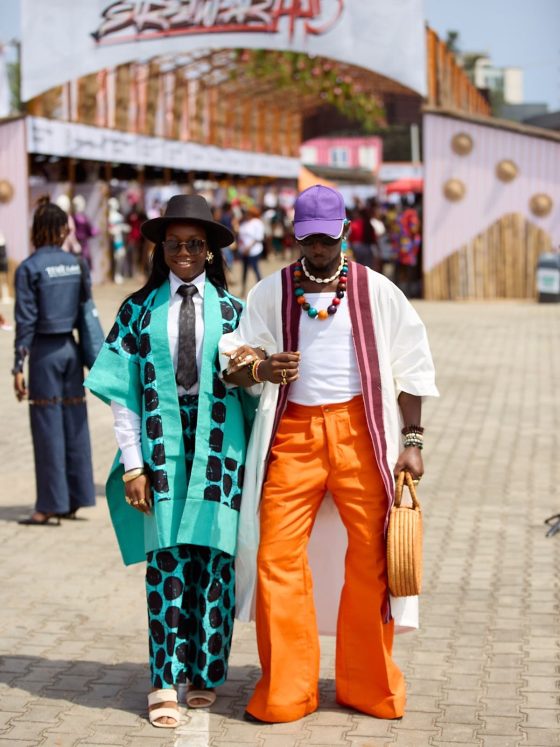
Street style does more than show what people wear. It tells stories about how we live, who we are, and how we move through the world. When trends from 2016 begin reappearing in 2026, it isn’t about nostalgia alone. It reflects deeper cultural currents: comfort in uncertainty, identity blended across global lines, and a search for expression that isn’t dictated by labels or elite designers but by real people in real cities. In this piece, we revisit five micro-trends from a decade ago that are now shaping street style in meaningful ways. We will examine the significance of these trends, their beneficiaries, and how they reflect modern social rhythms.

From athleisure to denim reinvention and statement accessories, discover 2016 micro-trends reappearing in 2026 street style and what they say about identity.

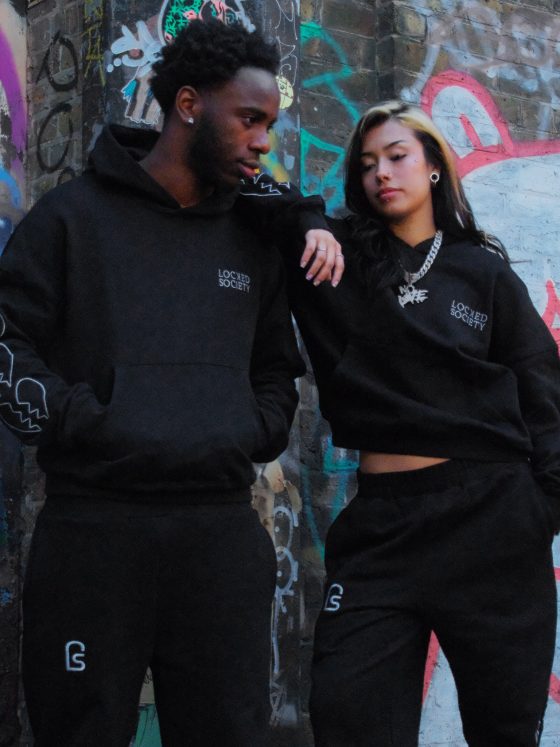
Tracksuits and elevated athleisure represent a movement that reflects personal identity.

In 2016, athleisure became widespread as people dressed for comfort that still read as intentional. By 2026, this trend has evolved into elevated sportcore, where people pair tracksuits and sporty sets with tailored coats, leather boots, or statement bags. The reasoning goes beyond mere comfort. The boundaries between work, travel, and life have blurred over the past decade. Remote work and flexible lifestyles demand clothes that can shift with context. The tracksuit’s resurgence tells a story of people who value movement, adaptability, and self-determination.

This trend serves anyone who lives in hybrid realities, commuting, creating, meeting, and performing without wanting to abandon ease for formality. It matters because in a world where time is precious and rituals are less rigid, clothing becomes a tool of empowerment rather than a mere ornament.

Millennial Pink and Bold Colours: Emotional Resonance in Tone
Read Also:

Why Accessories Are Cultural Signifiers in Modern Women's Style
Viral Nostalgia in 2026: Why 2016 Aesthetics Have Come to Define …
Copenhagen Fashion Week AW26/27: Beyond Runways, Into Insight
Photo: Zere Fashion House.

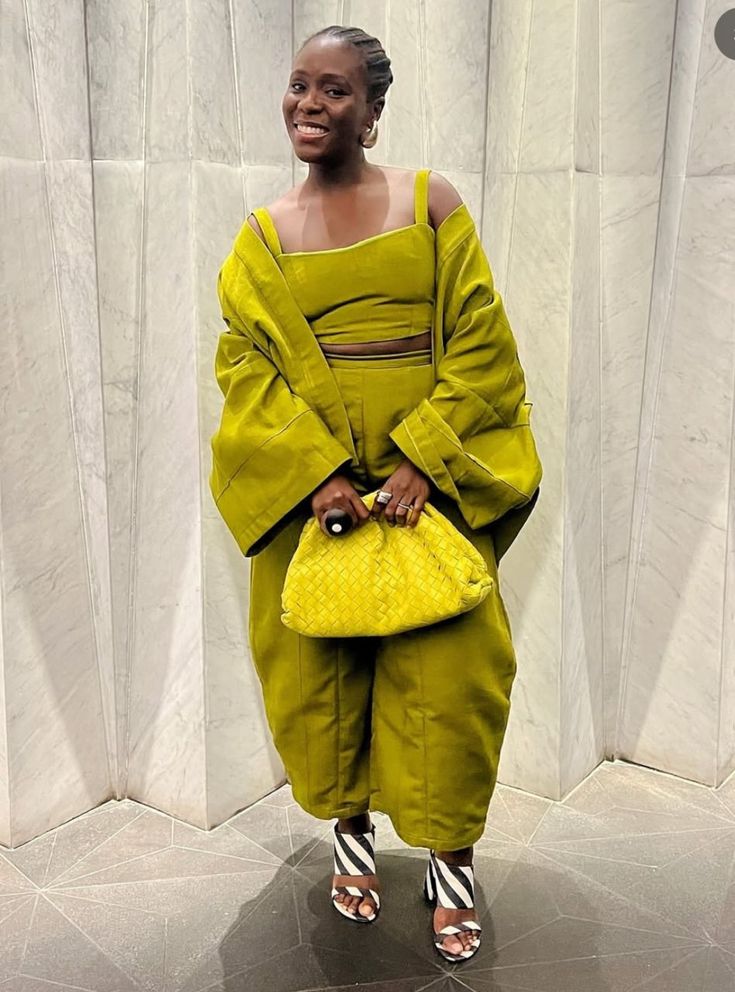
When millennial pink ruled in 2016, it was shorthand for a generation’s aesthetic. Ten years later, colour in street style is less about a palette and more about mood. Millennial pink has shifted toward warmer dusty tones paired with saturated hues like cobalt blue or emerald green. These colours signal emotional intelligence: optimism blended with seriousness.

Colour in 2026 street style communicates mood and identity. It invites conversation about how we feel outwardly in a world that often feels unpredictable. Bold colours remind us that clothing serves as emotional armour. It serves anyone navigating spaces where visibility is both a privilege and a negotiation: public spaces, creative industries, and diasporic cultural intersections. This trend matters because it reconnects aesthetics with affect.

Denim Reinvented: The Continuum of Self-Expression
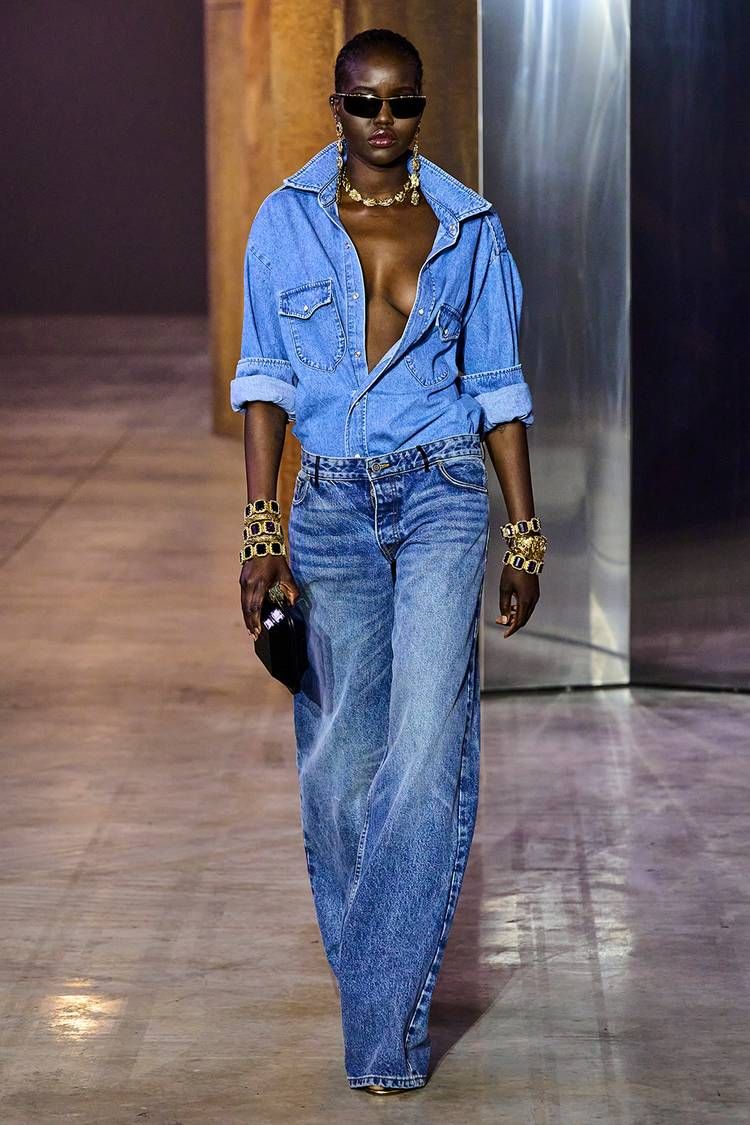
Denim Reinvented: The Continuum of Self-Expression
Photo: Who What Wear.

In 2016, skinny jeans and ripped denim became ubiquitous. Now, denim is less uniform and more expressive. Skinny cuts return in dialogue with relaxed silhouettes: high-waist “granny jeans”, straight legs, and artist-style tailoring. Denim today functions like a personal archive. It carries wear, memory, and regional interpretation.

Denim’s evolution reflects a broader story of individuality within global culture. Jeans are not just utilitarian garments. They are canvases for self-placement, distressed for grit, vintage cuts for nostalgia, and tailored denim for assertiveness. In global cities from Lagos to London to New York, denim unifies diverse identities while allowing personal differences to emerge. This style matters because it speaks to a democratic, layered fashion informed by lived experience.

READ ALSO:

  • Why Accessories Are Cultural Signifiers in Modern Women’s Style
  • Viral Nostalgia in 2026: Why 2016 Aesthetics Have Come to Define …
  • Copenhagen Fashion Week AW26/27: Beyond Runways, Into Insight

Statement Outerwear: Jackets with Social Purpose

The bomber jacket in 2016 bridged military and street culture. In 2026, outerwear, whether bomber, leather, or quilted puffer, carries symbolic weight. It frames the body and signals stance. The way someone chooses outerwear communicates how they engage with weather, space, and community. A leather jacket can gesture toward resilience; a structured puffer can suggest pragmatic creativity.

Today, outerwear in street style serves as a social signal of readiness and adaptability. It matters because we live in climates that demand readiness. Jackets become metaphorical armour, marking their presence in public life and cultural spaces.

Elevated Accessories: The Language of Detail
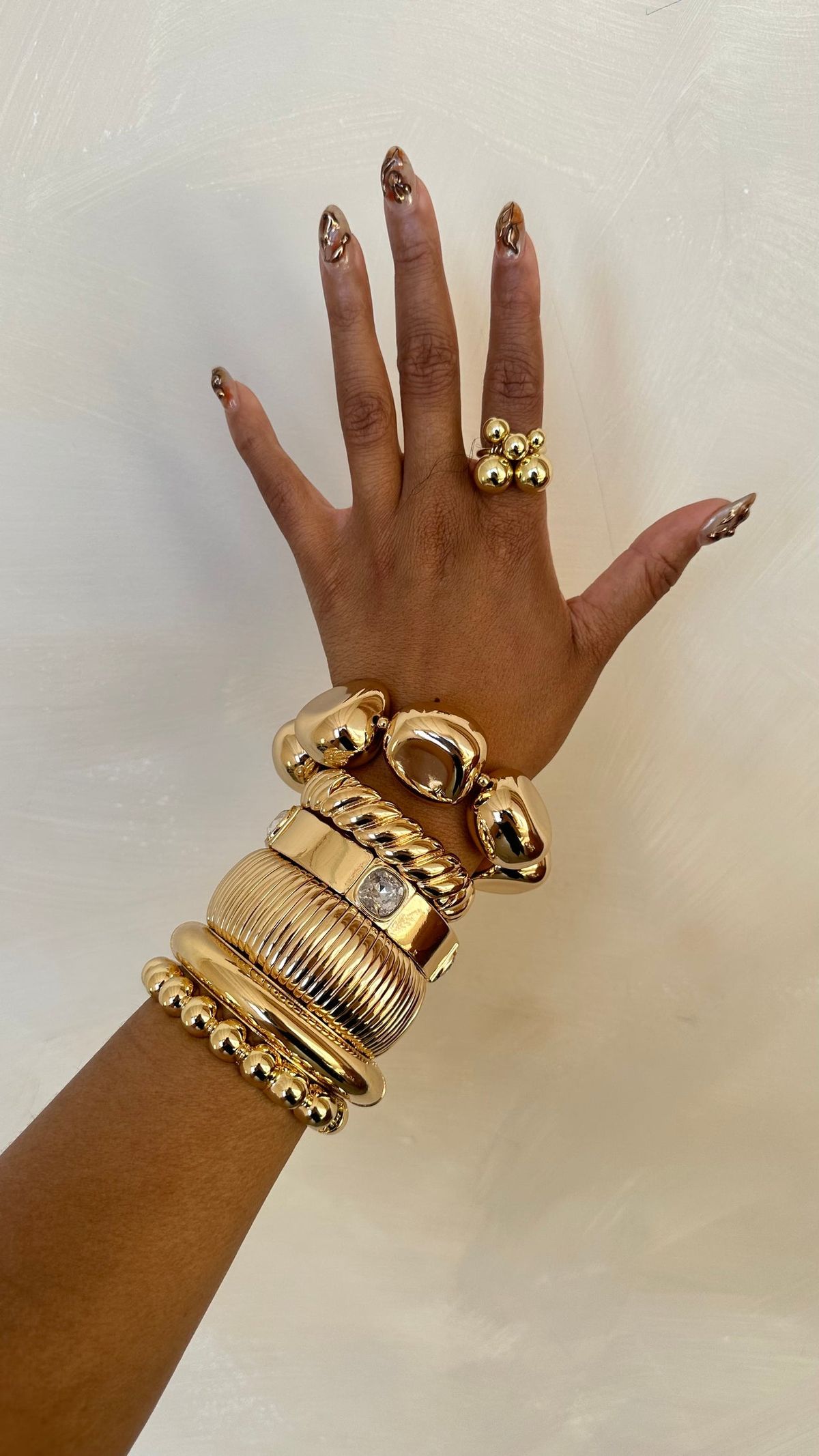
Elevated Accessories: The Language of Detail
Photo: Selvonnyc.

Baseball caps, chokers, statement earrings, and handcrafted bags were micro-trends in 2016. In 2026, accessories are not finishing touches. Accessories serve as the forefront of expression. A cap worn with tailoring or statement jewellery paired with minimalist outfits reveals how people curate identity through details rather than brand logos. Accessories matter because they are personal indices of taste, belief, heritage, and aspiration.

This trend serves a global cohort, from musicians in Accra to artists in Tokyo and dancers in Johannesburg to designers in Paris, who use details to assert identity in spaces where mainstream fashion often overlooks nuance.

Conclusion

The revival of 2016 micro-trends in 2026 street style isn’t a simple loop of cyclical fashion. It is a cultural echo that reveals who we are becoming. Tracksuits signal fluid work-life boundaries. Colour choices reflect emotional articulation. Denim carries personal and collective history. Outerwear articulates presence in public life. Accessories become a language of identity.

Street style is not about commodities. It is a living archive of how people across geographies negotiate visibility, belonging, and self-expression. These trends matter not because they come back, but because they have been reinterpreted through contemporary lived experience. They show us that fashion is how we tell our story, not just what we wear.

See the looks shaping the season — browse Trends with OmirenStyles.

5 FAQs

  1. Why are 2016 trends resurging in 2026?

Because fashion cycles intersect with cultural shifts, trends return when they resonate with social circumstances such as hybrid work, global mobility, and emotional expression.

  1. Does this imply that 2016 was the pinnacle of street style?

Not exactly. Instead, elements from 2016 become tools for 2026 selves to articulate identity in a different context. They are reactivated, not repeated.

  1. How should everyday people interpret these trends?

Use them as guidelines for expression, not prescriptions. Street style is personal and built around life rhythms, not fashion seasons.

  1. Are these trends global or regional?

They are global in reach but local in interpretation. While the meaning of tracksuits in Lagos may vary from those in New York or Seoul, the fundamental themes of movement, adaptability, and expression remain universal.

  1. How do these trends connect to sustainability and identity?

These trends encourage reinterpretation over consumption. When people remix old silences with new intention, fashion becomes a sustainable dialogue rather than a disposable product.

Post Views: 422

The OmirenStyles newsletter covers traditional fashion, diaspora style, and the cultural stories behind African dress. It’s sent directly to readers who care about this space as much as we do. You can subscribe here https://mailchi.mp/2fc1ddd747d6/omirenstyles-newsletter


Related Topics
  • Fashion Nostalgia Culture
  • Retro Fashion Revival
  • Street Style Trends
Avatar photo
Heritage Oni

theheritageoni@gmail.com

You May Also Like
How Did Bissau Youth Correct American Streetwear Instead of Copying It?
View Post
  • Street Style

How Did Bissau Youth Correct American Streetwear Instead of Copying It?

  • Faith Olabode
  • June 17, 2026
Street Fashion in Conakry: Youth Expression and Urban Identity
View Post
  • Street Style

Street Fashion in Conakry: Youth Expression and Urban Identity

  • Philip Sifon
  • June 12, 2026
View Post
  • Street Style

Freetown Streetwear: Youth Culture and Fashion Evolution

  • Philip Sifon
  • June 4, 2026
Streetwear in Ouagadougou: Youth Culture and Style Evolution
View Post
  • Street Style

Streetwear in Ouagadougou: Youth Culture and Style Evolution

  • Faith Olabode
  • June 3, 2026
Street Style in Bamako: Where Tradition Meets Modern Expression
View Post
  • Street Style

Street Style in Bamako: Where Tradition Meets Modern Expression

  • Philip Sifon
  • May 29, 2026
Abidjan Streetwear
View Post
  • Street Style

Abidjan Streetwear: The Rise of Urban Fashion in Côte d’Ivoire

  • Philip Sifon
  • May 22, 2026
Street Style in Lomé: The Evolution of Youth Fashion in Togo
View Post
  • Street Style

Street Style in Lomé: The Evolution of Youth Fashion in Togo

  • Faith Olabode
  • May 22, 2026
Streetwear in Benin: Youth Culture and Contemporary Style
View Post
  • Street Style

Streetwear in Benin: Youth Culture and Contemporary Style

  • Faith Olabode
  • May 22, 2026

Leave a Reply Cancel reply

Your email address will not be published. Required fields are marked *

The Omiren Argument

African fashion and culture are not emerging. They are foundational. We document, interpret, and argue for the full cultural weight of African and diaspora dress. With precision. Without apology.

Omiren Styles Fashion · Culture · Identity

All 54 African Nations
Caribbean · Afro-Latin America
The Global Diaspora

Platform

  • About Omiren Styles
  • Our Vision
  • Our Mission
  • Editorial Pillars
  • Editorial Policy
  • The Omiren Collective
  • Campus Style Initiative
  • Sustainable Style
  • Social Impact & Advocacy
  • Investor Relations

Contribute

  • Write for Omiren Styles
  • Submit Creative Work
  • Join the Omiren Collective
  • Campus Initiative
Contact
contact@omirenstyles.com
Our Reach

Africa — All 54 Nations
Caribbean
Afro-Latin America
Global Diaspora

African fashion intelligence, in your inbox.

Editorial features, designer profiles, cultural commentary. No noise.

© 2026 Omiren Styles — Rex Clarke Global Ventures Limited. All rights reserved.
  • Privacy Policy
  • Editorial Policy
  • Terms of Use
  • Accessibility
Africa · Caribbean · Diaspora
The Omiren Argument

African fashion and culture are not emerging. They are foundational. We document, interpret, and argue for the full cultural weight of African and diaspora dress. With precision. Without apology.

Omiren Styles Fashion · Culture · Identity
  • About Omiren Styles
  • Our Vision
  • Our Mission
  • Editorial Pillars
  • Editorial Policy
  • The Omiren Collective
  • Campus Style Initiative
  • Sustainable Style
  • Social Impact & Advocacy
  • Investor Relations
  • Write for Omiren Styles
  • Submit Creative Work
  • Join the Omiren Collective
  • Campus Initiative
Contact contact@omirenstyles.com

All 54 African Nations · Caribbean
Afro-Latin America · Global Diaspora

African fashion intelligence, in your inbox.

Editorial features, designer profiles, cultural commentary. No noise.

© 2026 Omiren Styles
Rex Clarke Global Ventures Limited.
All rights reserved.

  • Privacy Policy
  • Editorial Policy
  • Terms of Use
  • Accessibility
Africa · Caribbean · Diaspora

Input your search keywords and press Enter.

Newsletter Subscribe

Join Our Community

Get exclusive access to new collections, special offers, and style inspiration.