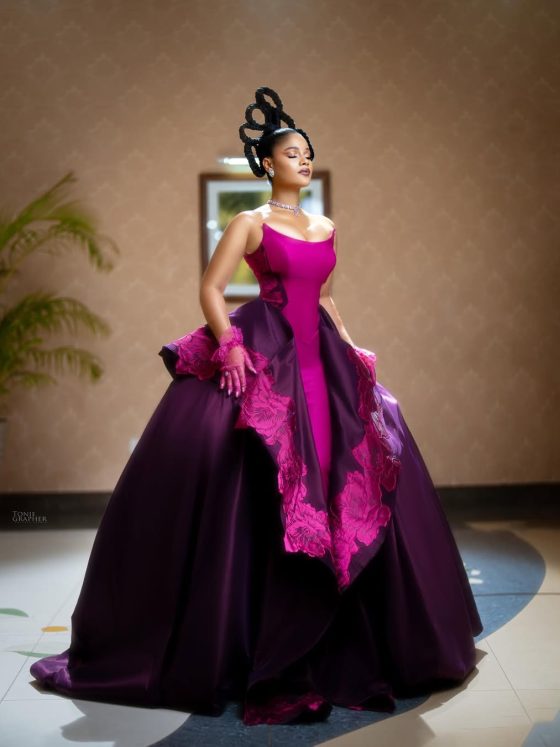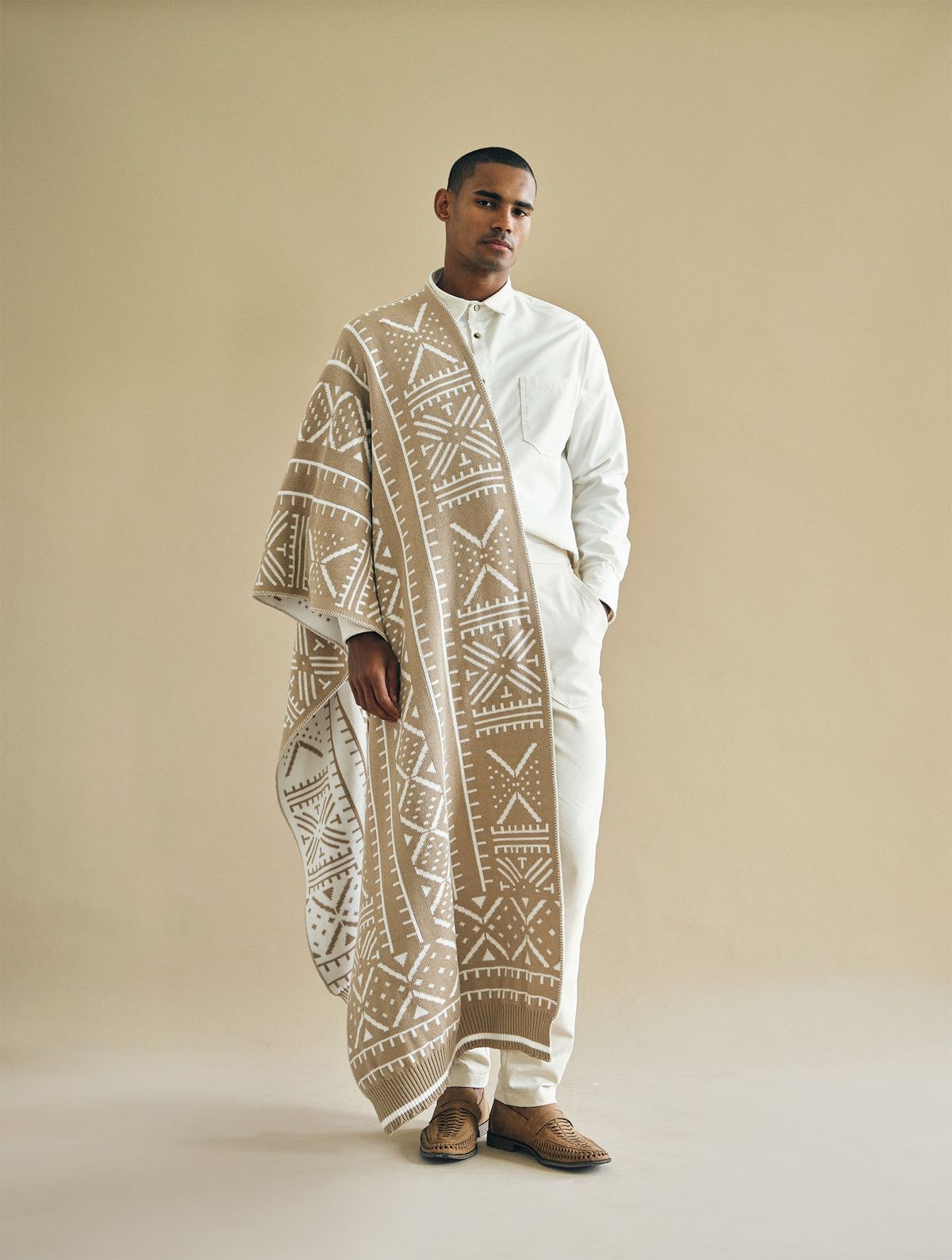
Dar es Salaam has never experienced fashion as something fixed. As a coastal city shaped by centuries of trade, migration, and cultural exchange, its relationship with dress has always been fluid. Clothing here moves the way the city does: adapting, absorbing, and continuing forward without severing its past.
This sensibility is what increasingly defines Swahili Futurism, not a trend, not a marketing phrase, but a way of thinking about fashion that refuses urgency. It is a design rooted in continuity rather than disruption, where modernity is achieved through refinement rather than erasure.
In a global fashion industry obsessed with speed, Swahili Futurism offers a different proposition: that the future can be built patiently, using history as material rather than reference.
Swahili Futurism in Dar es Salaam reveals how East African designers blend heritage, restraint, and modernity to shape the future of fashion.
Fashion Shaped by Coast and Climate
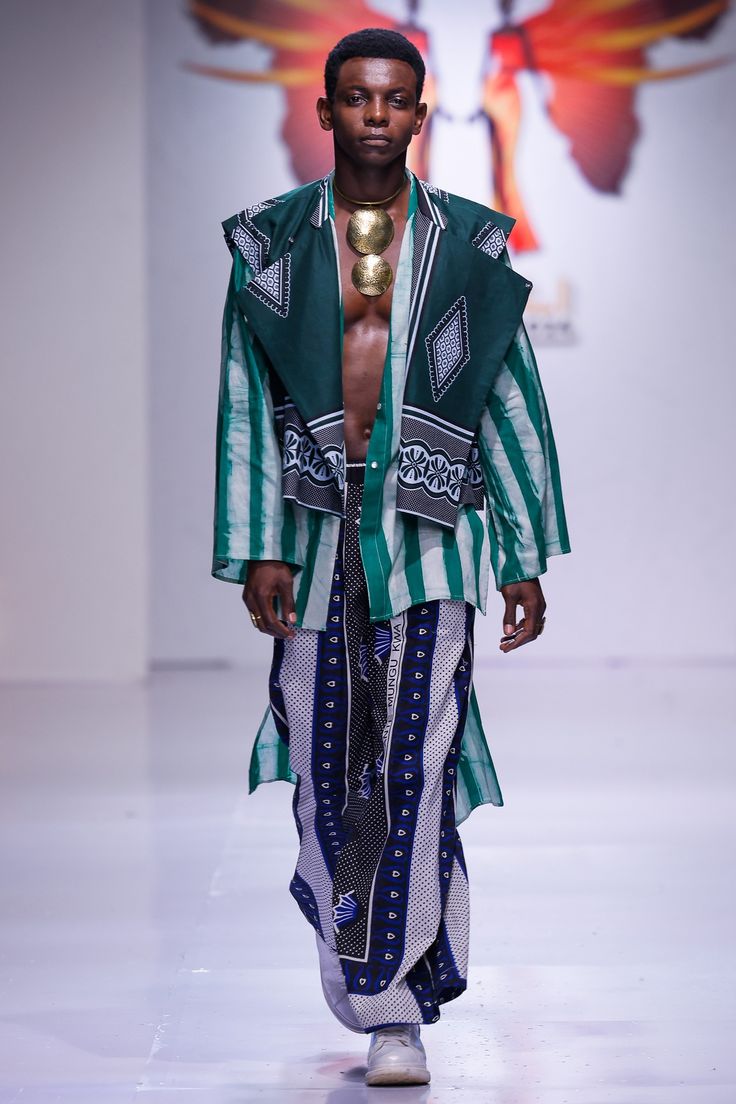
Swahili dress traditions have always prioritised function and dignity. Long silhouettes, breathable fabrics, and layered garments were developed not for aesthetic effect, but for climate, movement, and cultural codes of presentation. Ease and elegance coexist naturally.
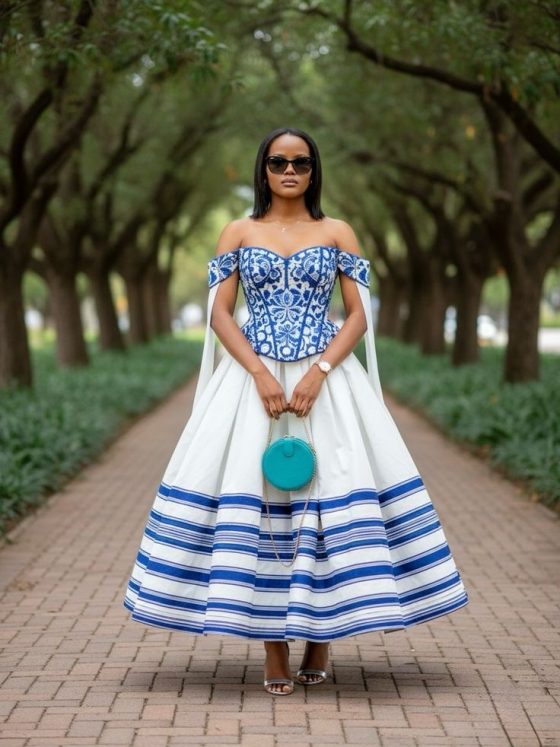
Contemporary designers in Dar es Salaam are not rejecting these foundations. They are tightening them. Traditional garments are reimagined with cleaner cuts. Lightweight fabrics are structured with greater precision. Proportions are adjusted subtly, not dramatically.
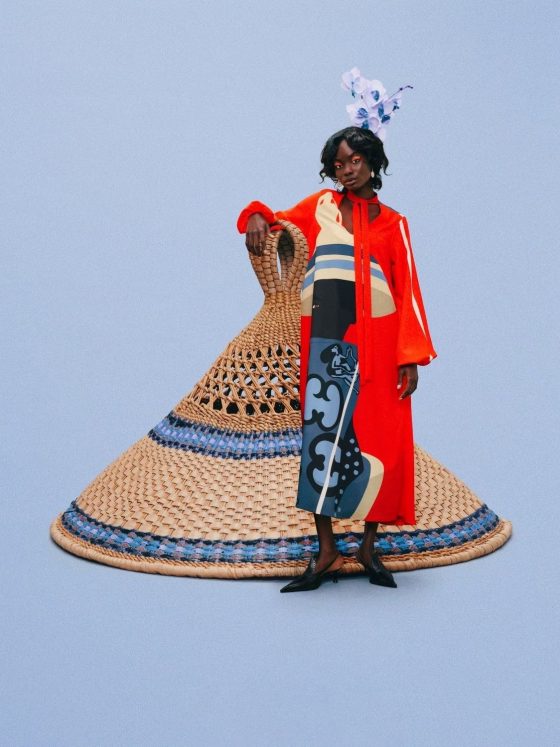
The result is fashion that feels unmistakably current without appearing trend-driven. Futurism here is not metallic or exaggerated. It is thoughtful, grounded, and wearable.
Swahili Fashion Week as Cultural Infrastructure
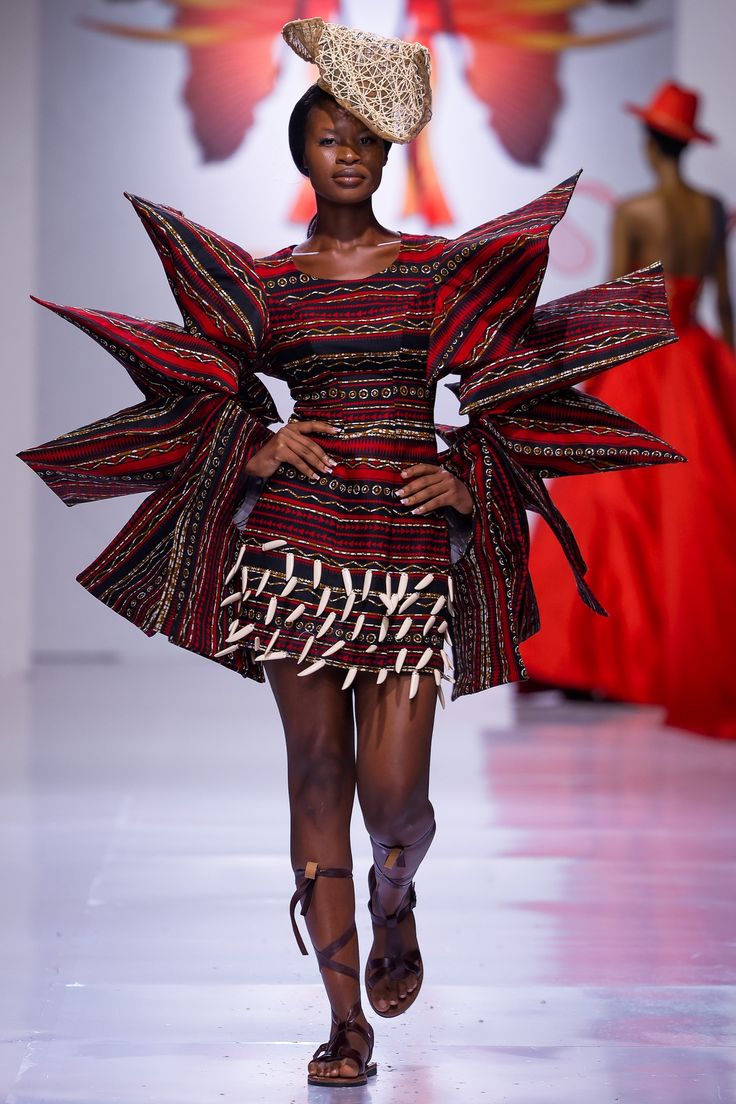
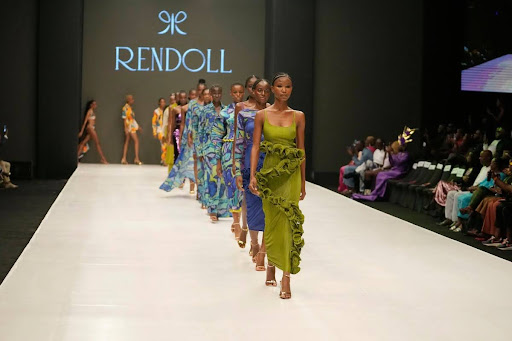
Within this ecosystem, Swahili Fashion Week functions as more than a runway platform. It acts as a point of convergence where designers articulate long-term visions rather than seasonal statements.
Collections shown often resist spectacle. They prioritise cohesion, repeatability, and clarity in the design language. Designers return year after year, refining silhouettes rather than abandoning them. This consistency builds trust — with audiences, with artisans, and with the garments themselves.
In this sense, the event reinforces fashion as a discipline rather than a performance. It supports designers who understand that longevity, not virality, defines relevance.
Futurism Without Abstraction
What distinguishes Swahili Futurism from other futurist movements is its resistance to abstraction. The future is not imagined through distance from culture, but through intimacy with it.
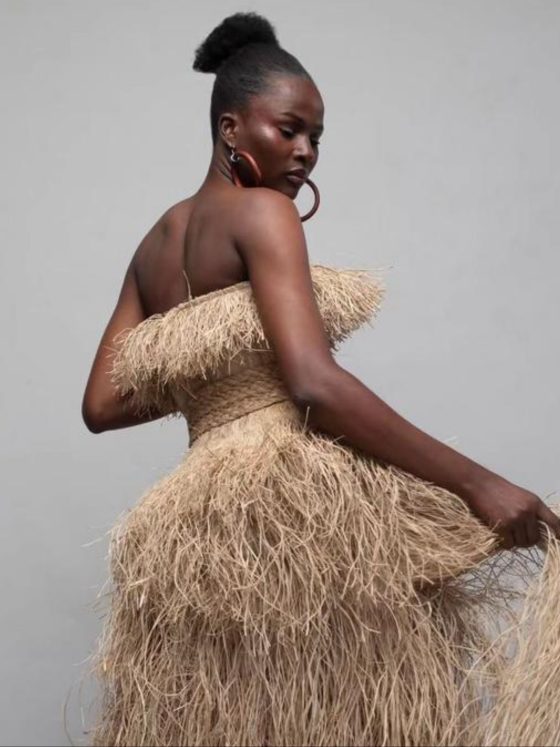
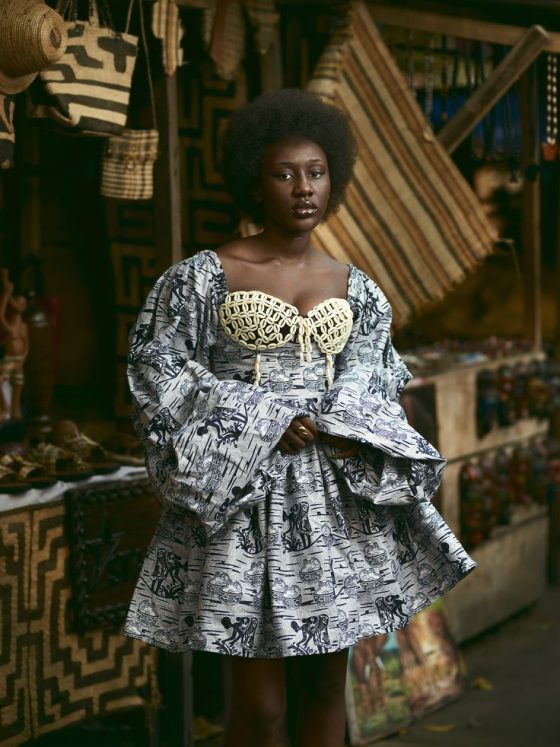
Traditional techniques appear not as decoration but as structure. Embroidery informs seam placement. Wrapping traditions influence modern draping. Accessories are integrated as functional elements rather than embellishment.
Designers do not over-explain these choices. The garments stand on their logic. Cultural reference becomes embedded knowledge, not spectacle.
Street Style as Design Intelligence
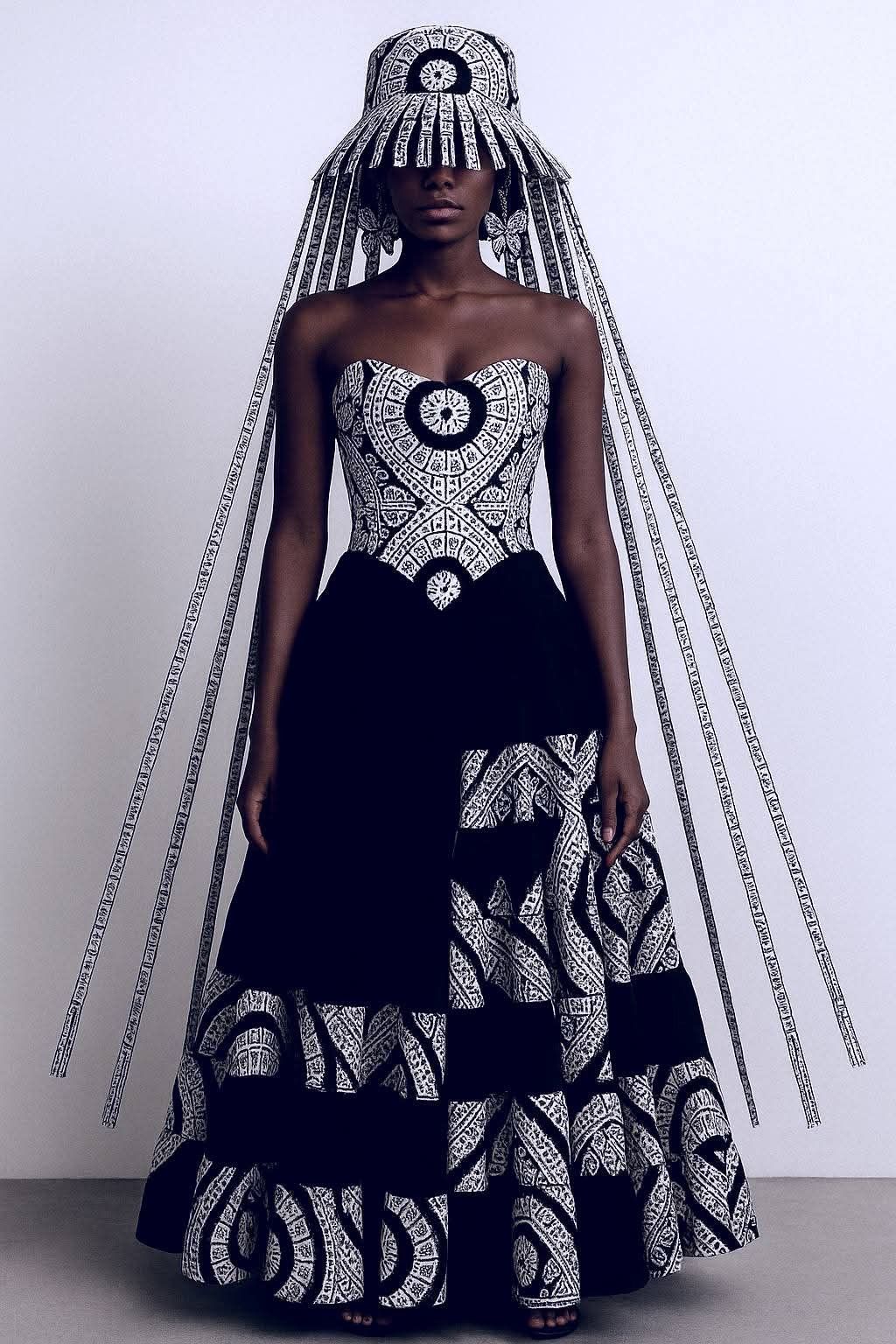
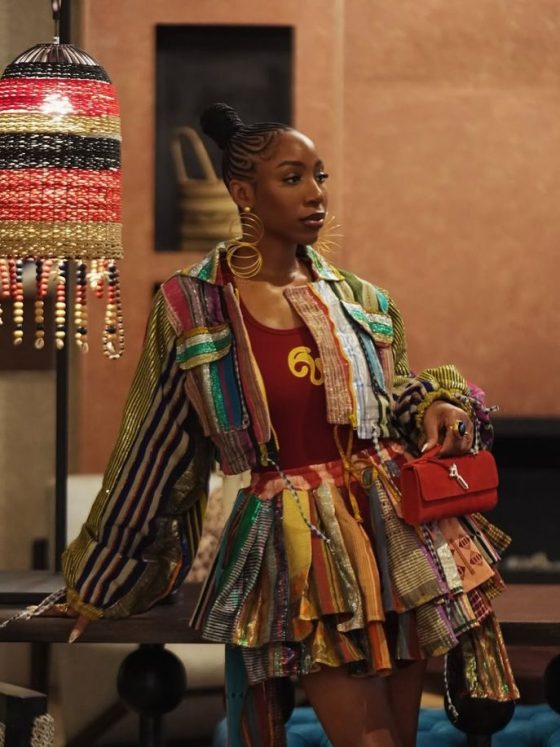
Every day dressing in Dar es Salaam mirrors this philosophy. The city’s streets offer a study in composed practicality. People wear long shirts over tailored trousers. Dresses are layered for ventilation and movement. Footwear chosen for durability rather than display.
People dress with intention, but not excess. There is little interest in chasing novelty. Instead, clothes are repeated, adjusted, and trusted. This repetition creates a visual rhythm that designers observe closely.
Fashion here learns from life before it presents itself on a runway.
A Different Model of Modernity
Global fashion often frames modernity as a departure from tradition, from locality, and from the familiar. Swahili Futurism proposes something else: that modernity can emerge from refinement rather than rupture.
Designers build forward by asking what already works. What fabrics endure heat, and what silhouettes allow movement? What details age well? Innovation becomes a matter of precision, not reinvention.
This approach aligns naturally with current global concerns around sustainability and responsible production, though it rarely markets itself as such. In Dar es Salaam, these practices are not trends. They are norms.
RECOMMENDED:
- Abidjan Ascendant: Inside Ivory Coast’s Quiet Fashion Renaissance
- Kinshasa Rising: How Congolese Women Are Claiming Fashion Authorship
- Moshions: Kigali’s Brand Redefining Contemporary Rwandan Style
Identity Without Performance
Another defining characteristic of Swahili Futurism is its quiet confidence. Identity is present but unperformed. There is no urgency to announce cultural belonging. It is assumed.
This restraint allows garments to circulate globally without losing meaning. They are not costumes. They are clothes designed for living. Their strength lies in how easily they adapt to different contexts while retaining coherence.
Fashion becomes less about visibility and more about presence.
Why This Matters Now
As the global fashion industry confronts exhaustion, of trends, of speed, of spectacle, Dar es Salaam offers a counter-rhythm. Swahili Futurism suggests that the future of fashion may be slower, more intentional, and more respectful of context.
It argues that innovation does not require cultural amnesia. That progress can be quiet. And that fashion’s most durable ideas often come from places where clothing has always been part of everyday intelligence.
This is not a movement seeking permission or validation. Its relevance lies in how naturally it aligns with where fashion is heading.
Fashion That Understands Time
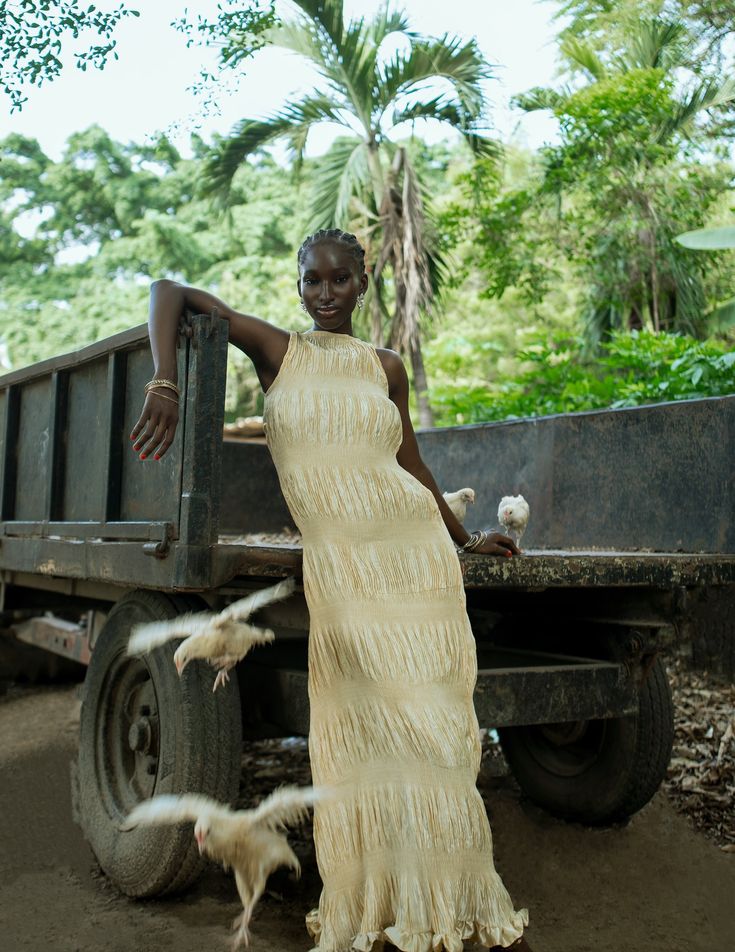
Swahili Futurism does not predict the future. It prepares for it. Through continuity, discipline, and respect for lived experience, designers in Dar es Salaam are shaping a fashion language that feels both contemporary and enduring.
Not because it announces itself loudly.
But because it lasts.
Stay ahead of the style conversation—explore Cover Stories on OmirenStyles
FAQs
- What is Swahili Futurism in fashion?
Swahili Futurism is a design approach that blends East African cultural heritage with contemporary construction, prioritising continuity, restraint, and long-term relevance.
- Why is Dar es Salaam important to African fashion today?
Dar es Salaam offers a model of fashion rooted in climate, culture, and daily life, influencing how designers think about modernity without erasing tradition.
- How does Swahili Fashion Week differ from other fashion weeks?
It emphasises consistency and refinement over spectacle, allowing designers to develop cohesive design languages rather than seasonal trends.
- Is Swahili Futurism about tradition or innovation?
Both. It treats tradition as a living material and innovation as measured evolution rather than disruption.
- Why is Swahili Futurism relevant globally?
Its focus on longevity, functionality, and cultural integrity aligns with where global fashion is increasingly heading.