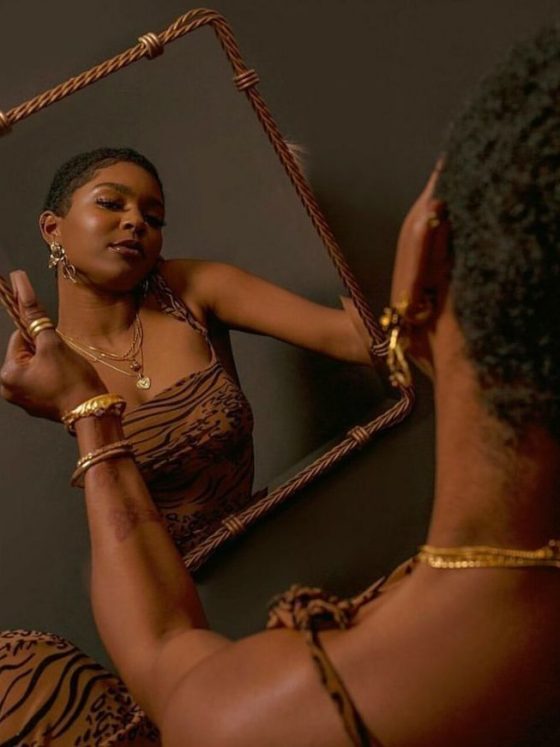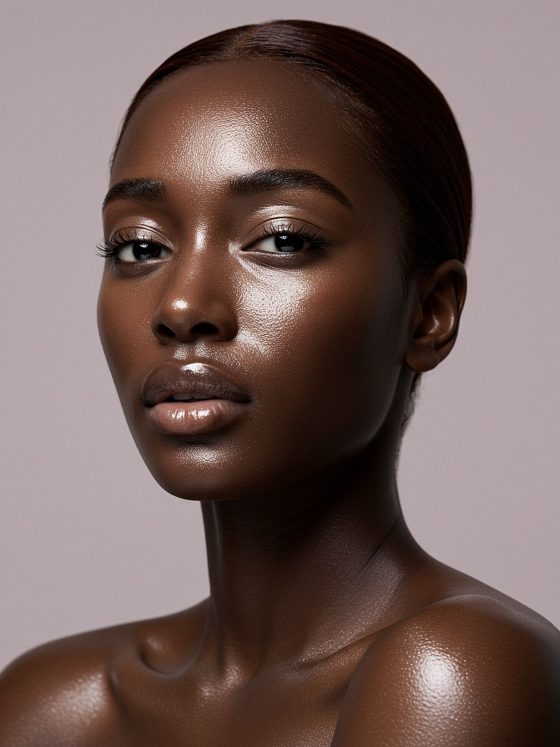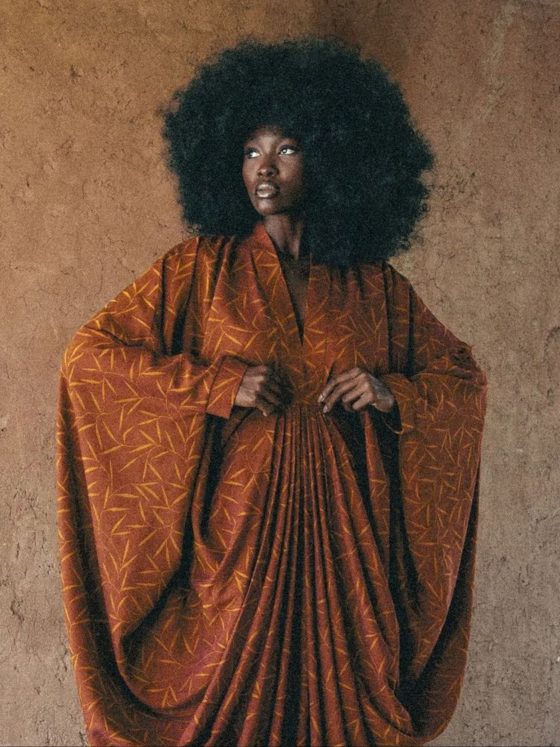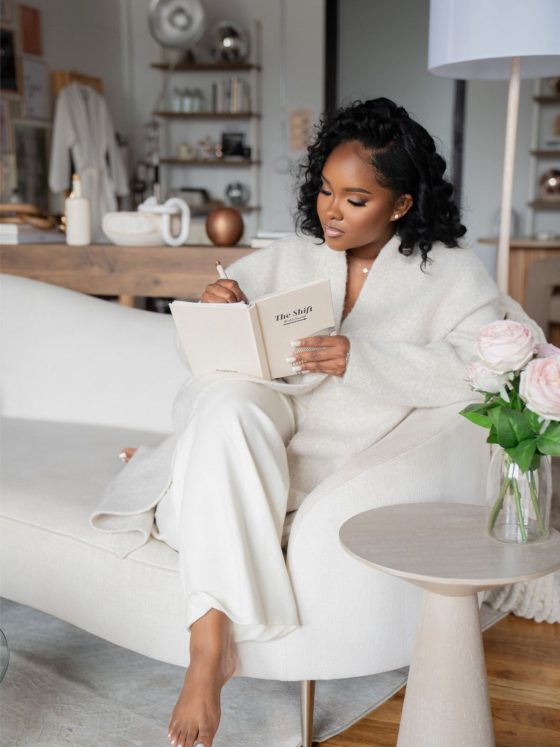
Trust in beauty is never instant. It is cultivated quietly, through repetition, restraint, and respect for the consumer’s intelligence. In a world saturated with promises of transformation, the brands that endure are those that understand beauty as a relationship, not a transaction. These brands communicate less, demonstrate more, and allow time to work.
For modern beauty brands, especially those emerging from or inspired by Africa and its diaspora, trust is layered. It sits at the intersection of science, culture, heritage, and lived experience. Authority is not claimed. It is granted by consumers who return, recommend, and remain.
This procedure is how beauty brands build trust and authority over time, with intention and credibility.
From ingredient transparency to cultural storytelling, beauty brands earn trust, build authority and shape loyalty across global markets over time.
Trust Begins With Truth
At the core of every trusted beauty brand is clarity. Consumers today are informed, curious, and cautious. They read labels. They research ingredients. They question origins. Brands that respond with openness earn early credibility.
Ingredient transparency is no longer a differentiator. It is a baseline. Explaining why something is used and how it works signals respect. When brands demystify formulation rather than hiding behind marketing language, they establish intellectual honesty. This honesty forms the first layer of trust.
For African-inspired beauty brands, this often includes honouring indigenous ingredients while grounding them in modern cosmetic science. Shea butter, baobab oil, moringa, and black soap traditions gain authority when cultural craftsmanship is paired with rigorous testing and contemporary formulation standards.
Science Builds Confidence
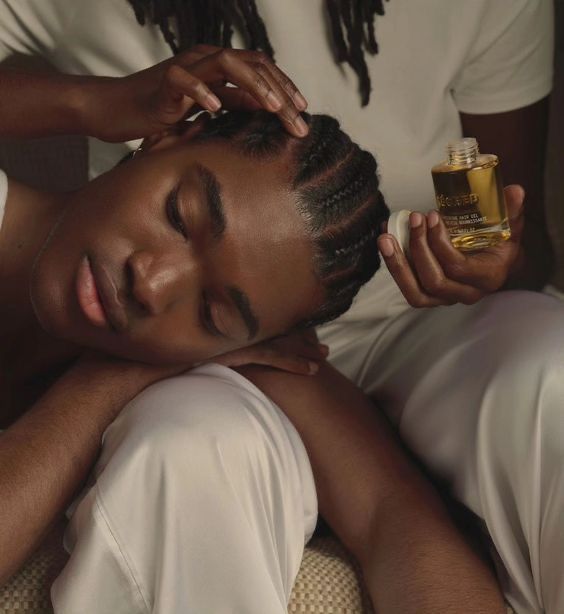
Authority in beauty is reinforced by evidence. Clinical testing, dermatologist involvement, and measurable results give consumers something solid to hold on to. These are not marketing tools. They are proof points.
Brands that invest in research, safety testing, and performance validation communicate seriousness. They show that beauty is not guesswork but a discipline. Over time, consistency in product performance does more than any campaign. When a serum delivers the same result month after month, confidence deepens naturally.
Science does not need to erase storytelling. The strongest brands balance both. They translate complex research into language that feels accessible, never condescending.
Storytelling Creates Emotional Equity
While science earns confidence, stories earn loyalty. Beauty is deeply personal. Consumers want to see themselves reflected in the brands they support.
Story-driven brands anchor their products in lived narratives. They speak about place, heritage, and intention. For African and diaspora-led brands, this often means weaving cross-cultural narratives that connect local craftsmanship with global influence. A moisturiser becomes more than a product when it carries the story of its origin, the hands behind it, and the philosophy guiding its creation.
These stories should not feel forced or performative. When storytelling is rooted in truth, it becomes a quiet form of authority. It says this brand knows who it is.
Read Also:
Consistency Builds Reputation
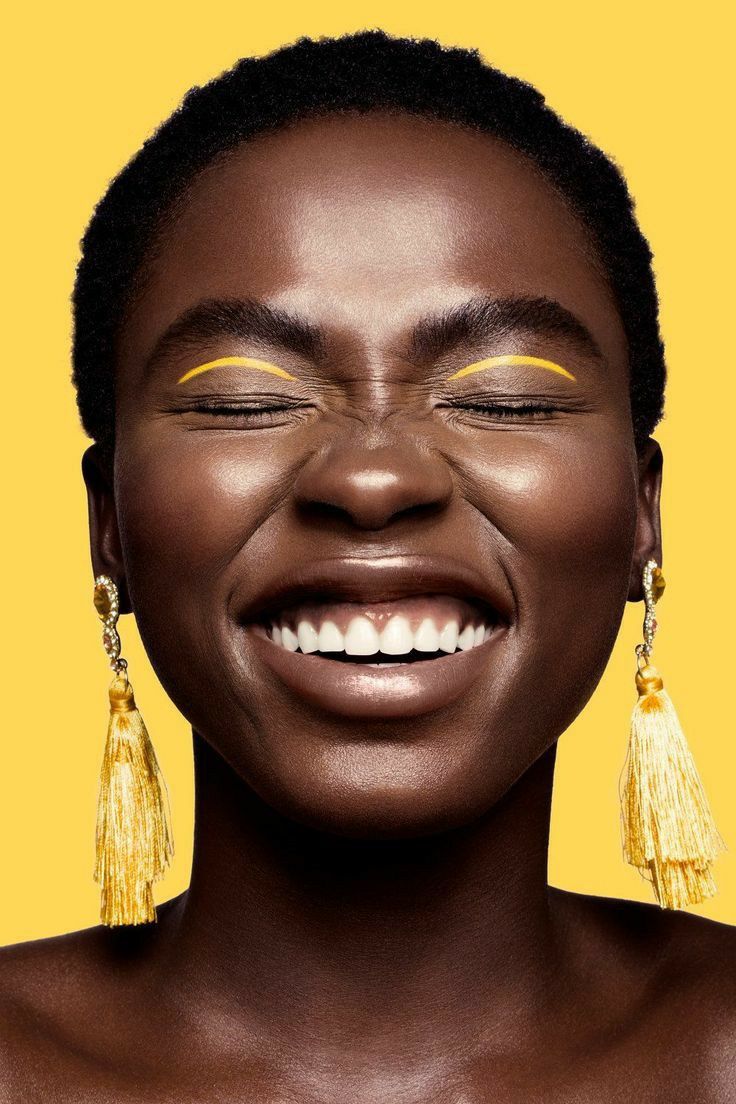
Trust grows through patterns. Visual identity, tone of voice, product quality, and customer experience must align over time. Brands that constantly shift their message or aesthetic create uncertainty. Those who remain steady become familiar, and familiarity breeds trust.
Consistency does not mean stagnation. Forward-thinking beauty brands evolve thoughtfully. They innovate without abandoning their core. They introduce new products that feel like natural extensions, not abrupt pivots.
In luxury-leaning beauty spaces, minimalism and intentionality often reinforce authority. Every detail feels considered. Nothing feels excessive.
Community Validates Credibility
Consumers trust other consumers. Reviews, testimonials, and user stories carry weight because they feel unfiltered. Brands that allow honest feedback, including criticism, demonstrate confidence in their work.
Beyond reviews, community building is where authority matures. When a brand listens, responds, and adapts based on its audience, it moves from vendor to partner. This is especially powerful within diaspora communities, where word-of-mouth travels quickly, and loyalty is deeply relational.
Influencers and creators play a role, but longevity comes from alignment. When creators genuinely integrate a brand into their lifestyle, trust transfers organically.
Values Shape Long-Term Authority
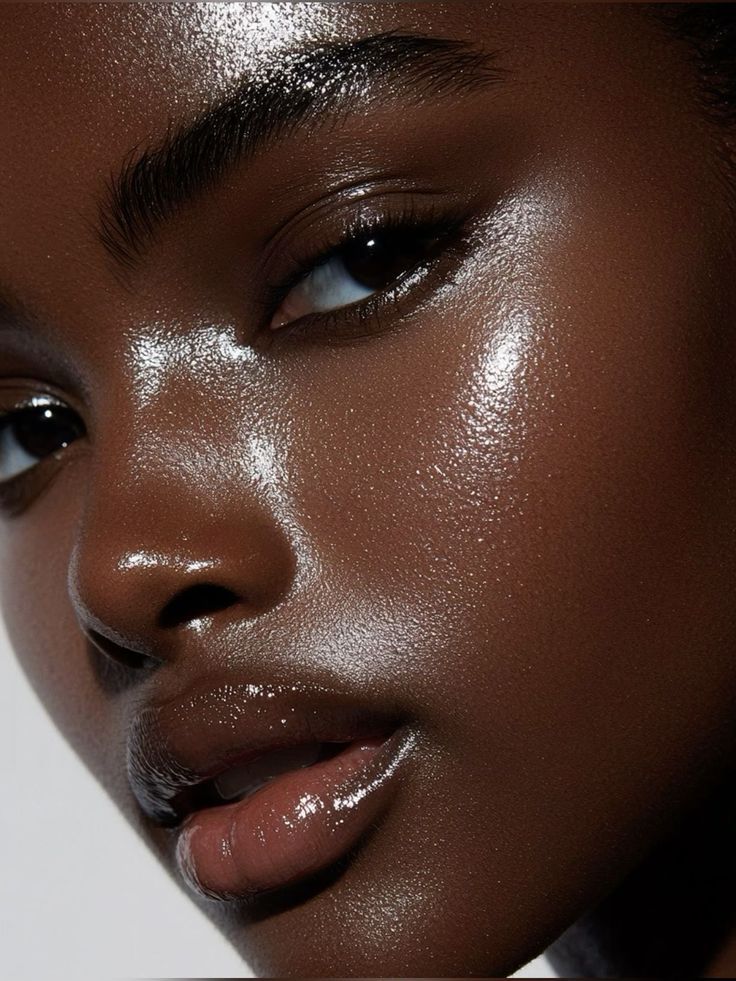
Modern beauty consumers pay attention to how brands behave, not just what they sell. Sustainability, ethical sourcing, fair labour, and environmental responsibility influence perceptions over time.
Brands that disregard sustainability risk are eroding their trust. Those that embed ethical luxury into their operations build quiet authority. They do not overexplain. They show their values through action.
In emerging African beauty markets, this often includes supporting local economies, preserving traditional knowledge, and creating systems that are both profitable and respectful.
Time is the Final Ingredient
Authority cannot be rushed. Authority results from consistently making correct cumulative decisions. Each product launch, customer interaction, and public response either strengthens or weakens perception.
The brands that endure understand patience. They grow with their audience. They allow trust to compound.
Conclusion
Beauty brands build trust and authority not through noise, but through discipline. Through transparency, evidence, storytelling, and consistency, they earn their place in the consumer’s life. For brands shaped by African heritage and global perspective, this journey carries even greater depth. When culture, science, and integrity move together, trust becomes inevitable, and authority follows.
FAQs
- Why is trust crucial in the beauty industry?
Consumers apply beauty products directly to their skin and bodies. Safety, efficacy, and honesty are non-negotiable.
- How long does it take for a beauty brand to build authority?
Authority develops over the years through consistent performance, credible communication, and positive consumer experiences.
- Can storytelling replace scientific proof in beauty branding?
No. Storytelling builds emotion, but science builds confidence. The strongest brands balance both.
- How do African-inspired beauty brands stand out globally?
By combining cultural craftsmanship with modern formulation, ethical sourcing, and global quality standards.
- What role does sustainability play in brand trust?
Sustainability signals long-term thinking and responsibility. When practised authentically, it strengthens credibility and loyalty.