Fashion does not evolve randomly. What appears new on runways, red carpets, and magazine covers in one year is often the result of decisions, investments, and recognitions made years earlier. Awards, nominations, and institutional acknowledgements reveal where the industry is directing its trust and resources, and these signals help map the future.
As 2025 closed, several major fashion institutions confirmed shifts in the global fashion landscape. Designers recognised this year are more often anchored in craft, cultural intelligence, and narrative clarity than in fleeting trend cycles. Their achievements are not just honours; they are indicators of the structural values that will define fashion in 2026.
Here’s a data-led look at the key awards and milestones from 2025 and what they suggest for fashion’s direction next year.
The 2026 fashion predictions are based on empirical evidence. This analysis examines the 2025 awards, recognised designers, and what their milestones reveal about fashion’s future.
Major 2025 Awards and Milestones
1. LVMH Prize: A Pillar for African Excellence
The LVMH Prize has become a primary vehicle for integrating African designers into the global luxury tier.
- Torishéju Dumi (2025 Winner, Savoir-Faire Prize): Her brand, Torishéju, is deeply rooted in her Nigerian-Brazilian heritage. Her win for “Savoir-Faire” (mastery of craft) specifically celebrated her ability to merge Yoruba influences and traditional African craftsmanship with avant-garde tailoring.
- Finalists and Semi-Finalists (2025): The 12th edition saw a historic number of African designers in the running, including Tolu Coker (Nigeria/UK), David Boye-Doe (Ghana, the first Ghanaian brand to participate), and Yasmin Mansour (Egypt).
- Historical Context: The foundation for this was laid by Thebe Magugu (South Africa), who became the first African to win the main LVMH Prize in 2019, followed by Lukhanyo Mdingi (South Africa), who won the Karl Lagerfeld Prize in 2021.
2. The Fashion Awards (BFC): Intellectual & Cultural Impact
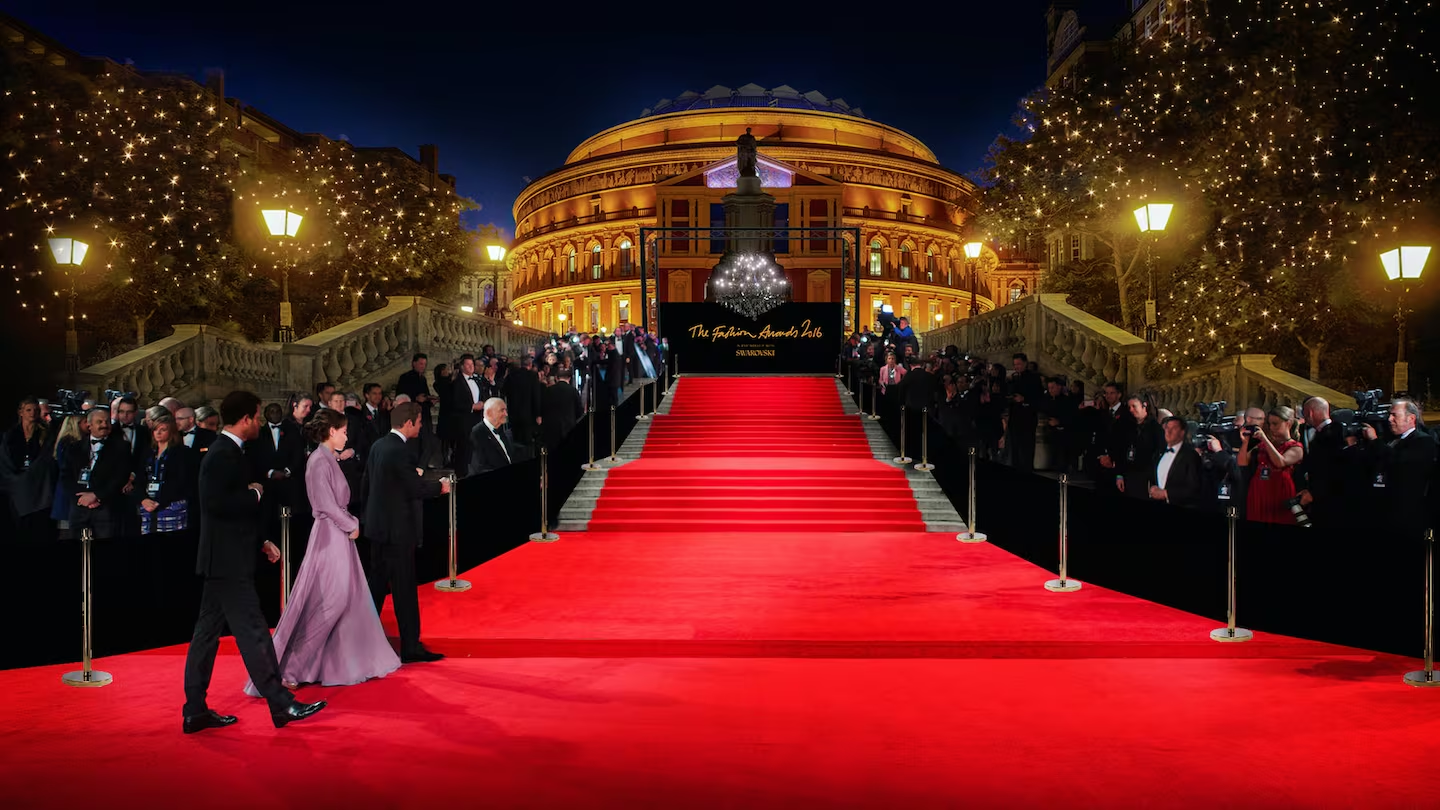
The British Fashion Council’s 2025 awards highlighted designers whose work is an “intellectual engagement with culture.”
- Grace Wales Bonner, the winner of the British Menswear Designer of the Year award, is renowned for her research into “Afro-Atlantic” narratives. While she is British-Jamaican, her collections (such as her “Afrique” and “Malik” series) frequently explore African history, photography, and Senegalese style.
- Anok Yai: Awarded Model of the Year, Yai (who is of South Sudanese descent) is a major face of the “Black excellence” movement in fashion, influencing how African features and identities are marketed globally.
- Tolu Coker: Nominated for the Vanguard Award, her work is an “ode to her Yoruba culture” and Lagosian heritage.
3. CFDA & Fashion Trust U.S.: The Diaspora Connection
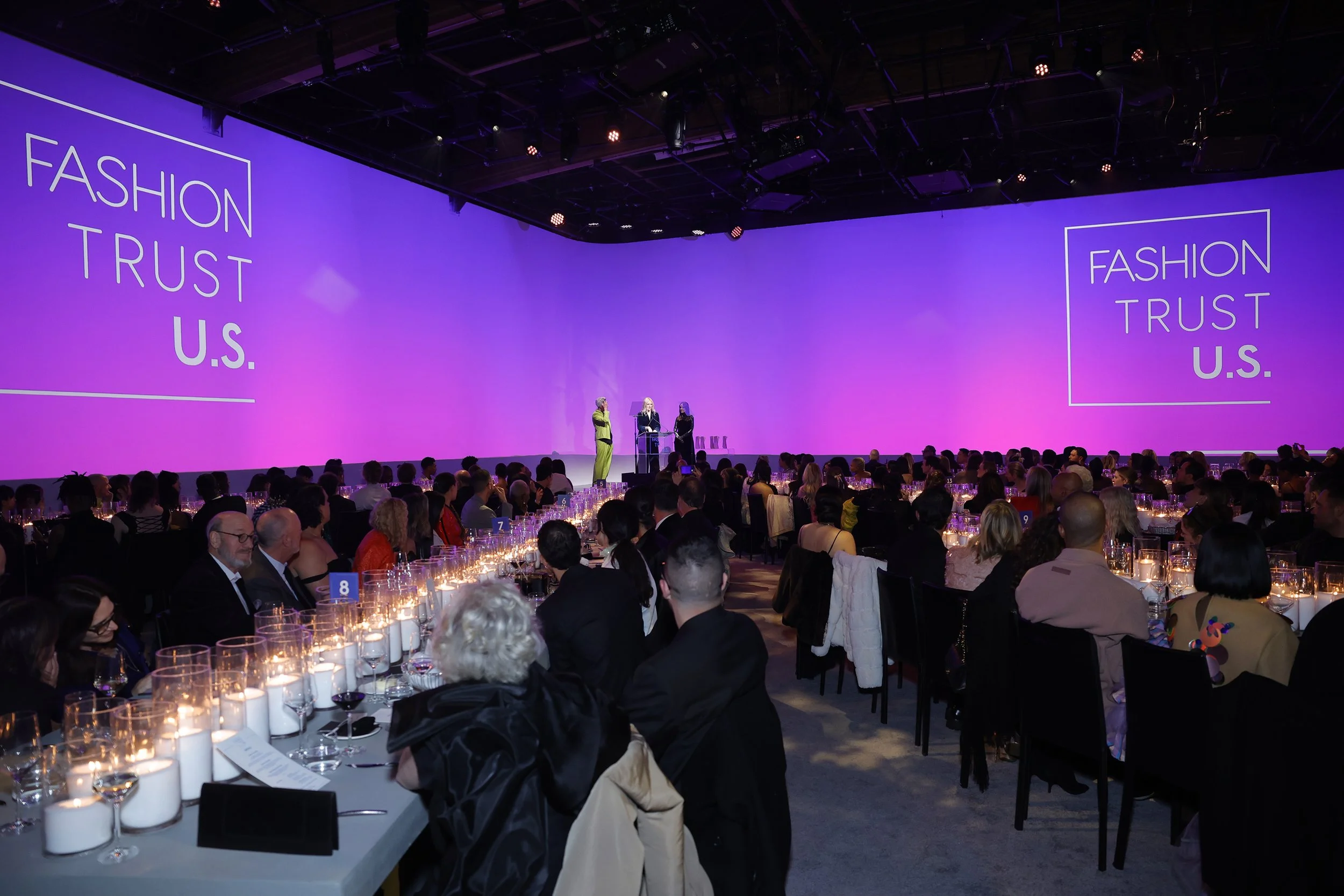
While the CFDA primarily focuses on the American market, it increasingly rewards designers who use “material intelligence” to link the U.S. to the Global South.
- Rachel Scott (Diotima): Though Scott is Jamaican, her work with Diotima is often grouped with the broader movement of “Global South” designers (including those from Africa) who are challenging Eurocentric luxury. Her focus on crochet and artisanal communities mirrors the sustainable, craft-heavy models seen in contemporary African fashion.
- A$AP Rocky: Receiving the Fashion Icon Award is notable because his style frequently incorporates and amplifies global Black aesthetics, bridging the gap between street culture and high-fashion institutions.
READ MORE:
- The Future of Luxury Modesty Fashion Trends in Africa for 2026
- The Next Generation of Fashion Innovators: What Will Shape 2026
The 2026 Signal
The trend for 2026 indicates that these awards are no longer viewing African fashion as a “trend” but as a source of institutional leadership. The recognition of designers like Torishéju and Thebe Magugu proves that “craft and cultural specificity” are now the primary metrics for winning at the highest level.
Patterns Emerging from 2025 Recognition
Together, these awards reveal key patterns that are shaping fashion’s direction:
Pattern One – Narrative Authority Over Superficial Trend
Designers recognised in 2025 were honoured less for fleeting aesthetic novelty but more for their clear creative voices and storytelling through garments. This suggests that in 2026, fashion will favour sustained narratives over seasonal fluctuations.
Pattern Two – Craft as a Core Value
Several awards emphasised material knowledge and processing, from mentorship grants to special prizes rooted in savoir-faire. This validates the idea that craftsmanship is becoming a measurable asset in fashion’s future.
Pattern Three —Decentralised Authority
Recognition is no longer confined to legacy fashion capitals. Designers from diverse geographic and cultural backgrounds are gaining global attention without relocating their practice, signalling that fashion authority is widely distributed.
Pattern Four – Cross-Disciplinary Influence
Icons like A$AP Rocky receiving major fashion awards indicate that influence now extends beyond design alone; cultural impact counts, and strong visual voices who shape how fashion is read are gaining clout.
What These Patterns Mean for Fashion in 2026
Taken together, the 2025 awards point toward some precise forecasts for the year ahead:
- Slow Luxury and Contextual Design Will Flourish
Garments rooted in culture, history, and intentional craft, rather than in imagery engineered for virality, will dominate runways and editorial coverage.
- Designers Will Be Recognised for Cultural Insight, Not Just Aesthetic Output
Expect fashion institutions to invest more in designers whose work engages with identity, memory, and material intelligence.
- Geography Will Matter Less Than Contextual Fluency
Design talent will be evaluated based on impact and cultural resonance, not proximity to New York, Paris, or Milan.
- Cross-Sector Influence Will Rise
Designers who operate at the intersection of fashion, music, art, and culture will increasingly define the look and language of global luxury.
The future can be read with recognition.
Fashion’s evolution is not accidental. It unfolds through strategic investments and long-term trust. The designers recognised in 2025, through awards, honours, and industry celebrations, were chosen not only for what they make but also for what they represent.
Voices that carry meaning, build structure, and offer narratives that transcend seasonality will shape fashion in 2026. That is the direction these awards are already indicating.
FAQs
1. Why are fashion awards important for predicting future trends?
Fashion awards reflect institutional trust, financial backing, and long-term belief in a designer’s vision. These signals often precede wider industry adoption.
2. Do fashion awards influence which designers gain global visibility?
Yes. Award recognition frequently leads to increased editorial coverage, retail partnerships, mentorship opportunities, and leadership roles within fashion institutions.
3. How do the 2025 fashion awards connect to the 2026 predictions?
Designers recognised in 2025 were rewarded for narrative clarity, craftsmanship, and cultural relevance. These qualities are likely to define fashion priorities in 2026.
4. Are fashion awards based only on creativity?
No. Major awards evaluate a combination of creativity, business structure, craftsmanship, sustainability, and cultural impact, not aesthetics alone.
5. What do repeated award nominations indicate about a designer?
Repeated recognition signals long-term industry confidence and often predicts expanded influence, including leadership roles and institutional partnerships.