Luxury has never been a neutral concept. It did not emerge organically from taste alone, nor was it shaped purely by creative excellence. What the world came to recognise as “luxury fashion” was built through access to capital, control over manufacturing, and the ability to repeat narratives until they became standards. A small group of cities gained authority not only because garments were made there, but because institutions, buyers, media, and distribution systems were concentrated within their borders.
That map still exists, but it no longer explains how luxury is made, valued, or sustained today.
What is changing is not the presence of fashion capitals, but their monopoly on definition. Luxury is being redefined around how garments are produced, how long they remain relevant, and how deeply they are connected to lived realities. This shift is structural rather than symbolic, and it is happening well beyond the traditional centres that once claimed exclusive authority.
Fashion capitals no longer define luxury. This article examines how craft, context, and cultural intelligence are reshaping modern luxury today!
Luxury Was Built on Systems, Not Just Style
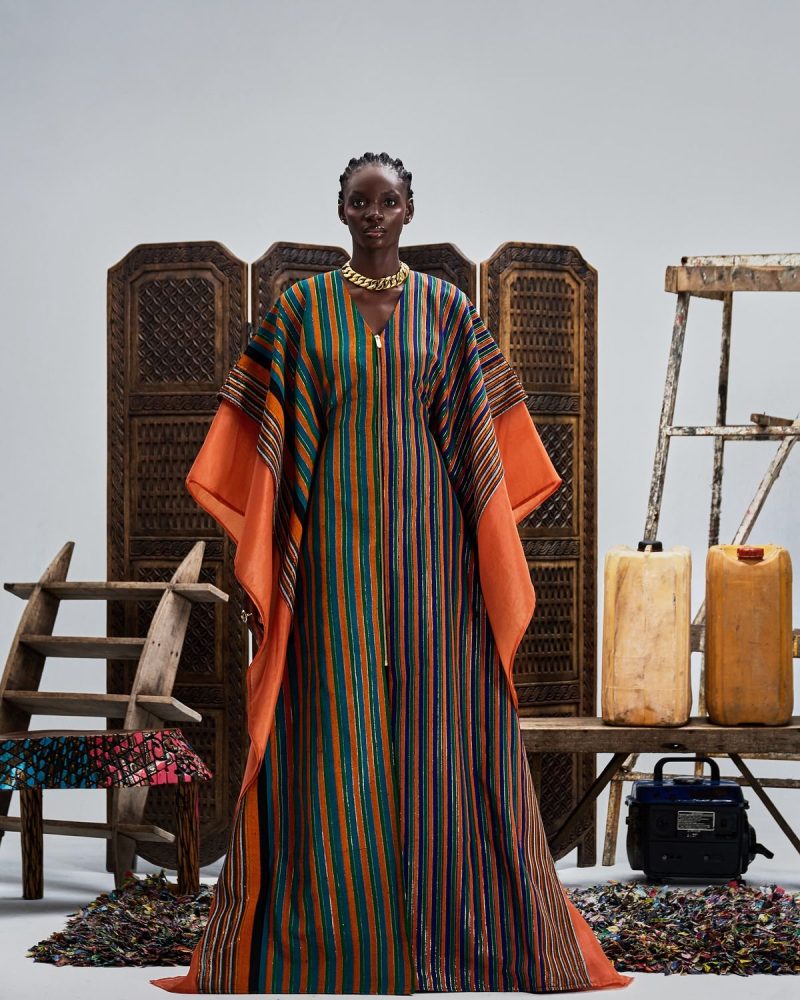
Historically, industrial advantage tied certain fashion capitals to their dominance. Early access to textile manufacturing, skilled labour pools, colonial trading routes, and financial backing allowed fashion houses in these cities to scale quickly. Over time, fashion schools, trade fairs, media publications, and luxury conglomerates clustered in specific locations. Authority became institutional, reinforced by repetition rather than constant reinvention.
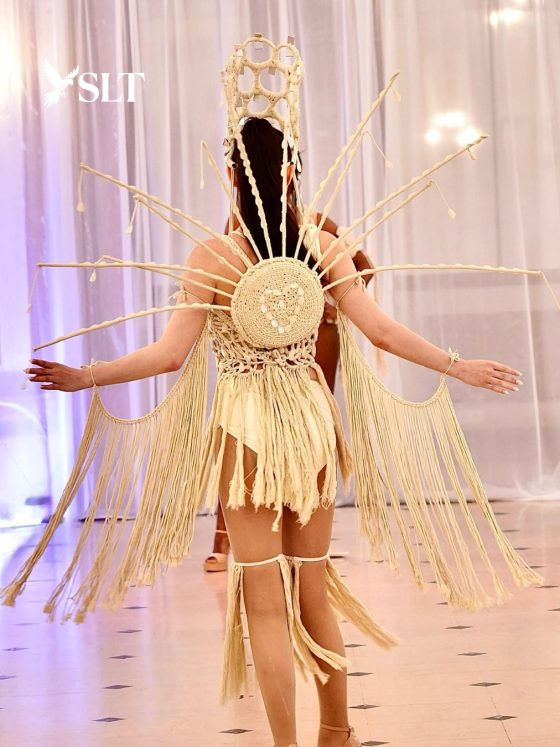
This concentration created the illusion that luxury itself originated there. In reality, many of the techniques that underpin high fashion, such as hand weaving, dyeing, embroidery, leatherwork, and tailoring, existed long before modern fashion systems were formalised. Capital did not create these skills. They were absorbed, standardised, and branded within them.
Understanding this distinction matters because it exposes a key truth: location has never been a reliable measure of craftsmanship.
Craft Has Always Existed Independently of Capitals
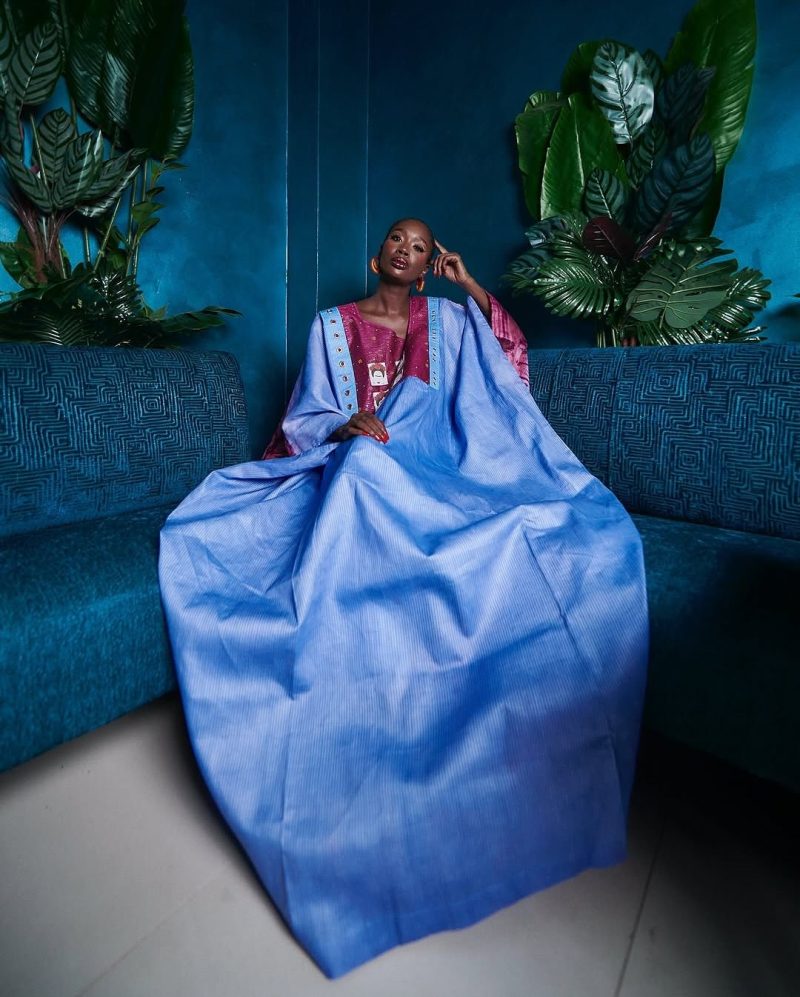
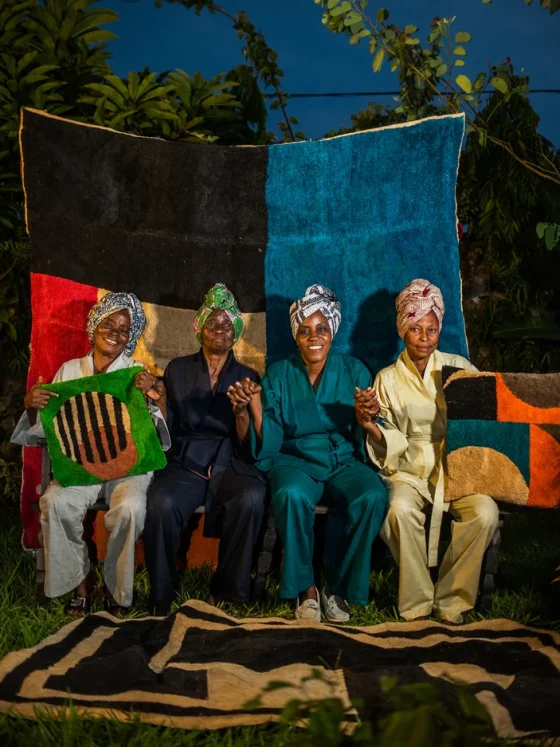
High-level craft develops where knowledge is transmitted over time. It thrives in systems built on apprenticeship, repetition, and community memory. These conditions are not exclusive to fashion capitals. In fact, these conditions often exist more sustainably outside of fashion capitals, where production is not dictated by seasonal calendars or mass demand.
Craft-based production is inherently resistant to scale. A hand-finished garment takes the time it takes. Skill cannot be rushed, and experience cannot be automated. For decades, global luxury has masked this reality with branding and marketing budgets that elevate logos above labour. That balance is now shifting.
As consumers become more aware of how garments are made, value is increasingly assigned to process rather than symbolism. The status once conveyed by visible branding is now challenged by quieter signals: material quality, finishing, durability, and intention. These are not merely abstract concepts. They are measurable characteristics of how clothing performs over time.
Branding Scales. Craft Does Not
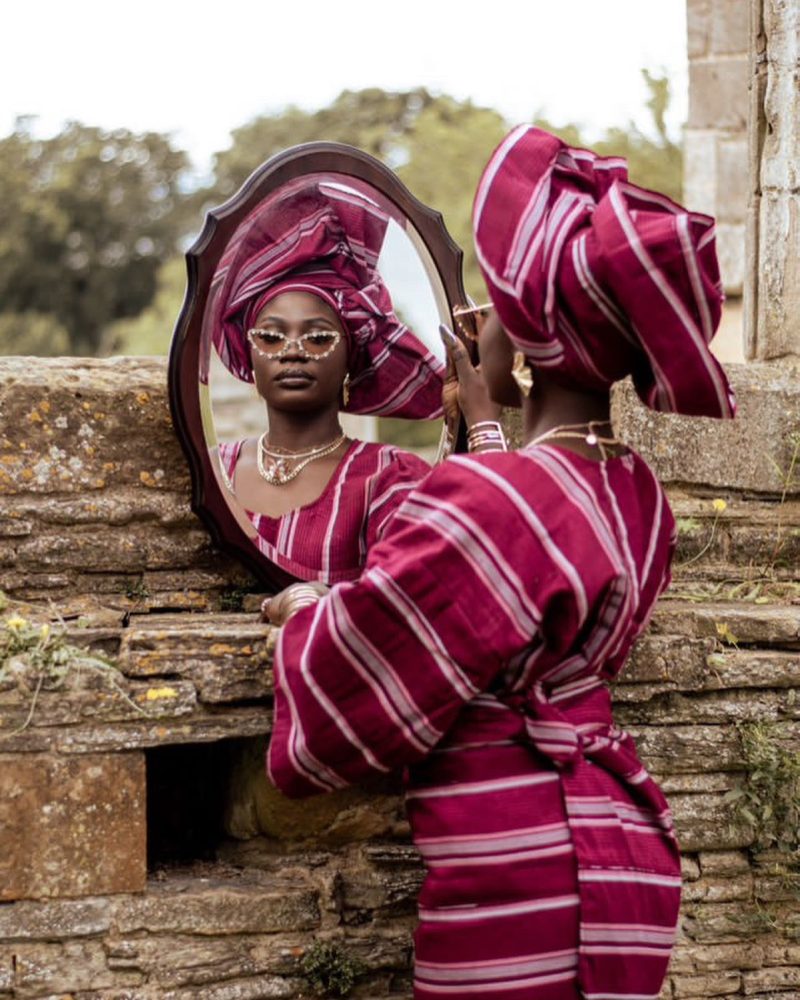
One of the most significant forces redefining luxury is the growing tension between scale and quality. Large luxury houses depend on volume to maintain growth. Volume demands speed. Speed demands compromise. Such an attitude is not a moral judgement; it is a production reality.
Craft-led systems function differently. Limited output is not a strategy but a constraint. The number of garments produced is dictated by available skill, not market appetite. Such an arrangement creates a form of scarcity that cannot be manufactured through marketing. It is structural.
As a result, luxury is increasingly recognised because it cannot be accelerated. Time, labour, and human attention are becoming clearer indicators of value than price alone. This shift benefits designers and makers operating outside traditional capitals, where independence allows production to remain aligned with capacity rather than expectation.
Designing for Context Changes the Garment
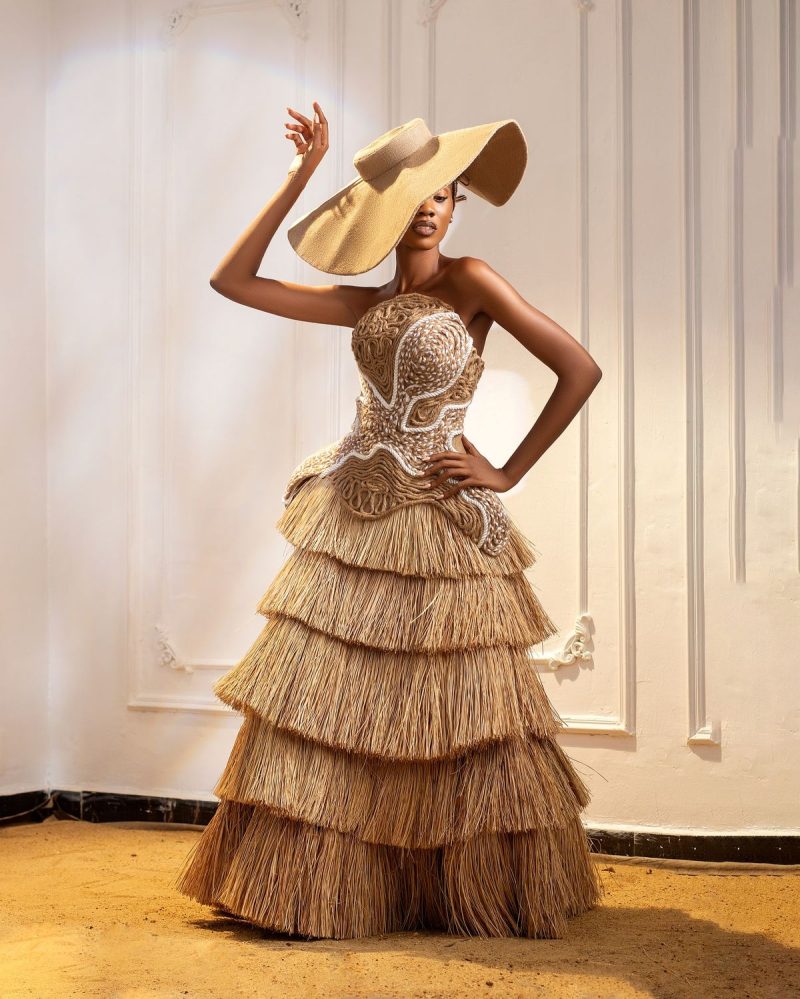
Another defining feature of this redefinition is context-led design. Designers working outside major fashion centres often design for real conditions rather than spectacle. Climate, movement, infrastructure, and daily use influence decisions from fabric choice to construction.
This style produces garments that prioritise wearability and longevity. Pieces are built to endure heat, motion, and repeated use. Construction choices are practical, not performative. The result is clothing that integrates into life rather than existing solely for presentation.
This approach does not reject creativity. It reframes it. Creativity becomes a tool for solving real problems rather than staging visual moments. Over time, this leads to garments that age well, both materially and culturally.
Cultural Intelligence Outlasts Trend Literacy
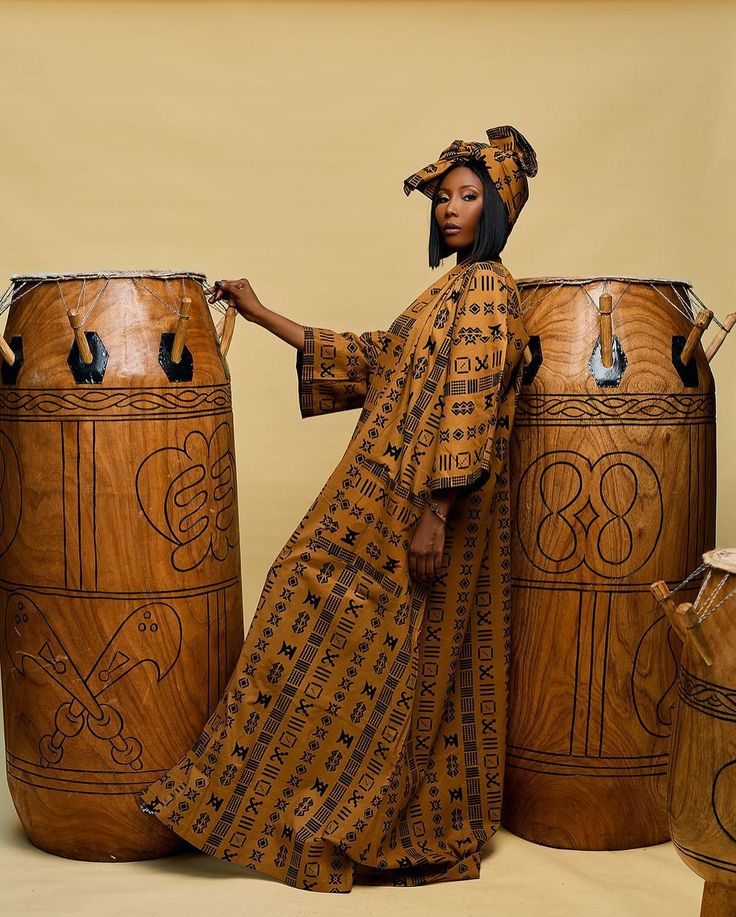
Trends function on cycles. They depend on novelty, repetition, and replacement. Cultural intelligence operates differently. It draws from systems of meaning that pre-exist fashion seasons and extend beyond them.
When designers work from within a culture rather than referencing it externally, symbolism is not decorative. It determines proportion, colour, use, and context. These garments endure because their meaning extends beyond visibility.
Such knowledge has direct implications for longevity. Clothing grounded in cultural understanding remains relevant because it is worn with intention. It carries memory. It belongs somewhere. Trend-driven pieces, by contrast, rely on constant renewal to maintain relevance.
Luxury that endures is not defined by how quickly it is noticed but by how long it remains meaningful.
RECOMMENDED:
- The Future of Luxury Modesty Fashion Trends in Africa for 2026
- The Next Generation of Fashion Innovators: What Will Shape 2026
Independence Creates Creative Clarity
Distance from institutional fashion systems often results in greater creative control. Independent designers can choose not to produce multiple collections annually, and they are free from forecasting cycles that prioritise predictability over originality.
This independence allows for slower decision-making, smaller runs, and more honest experimentation. It also preserves ownership. Creative direction remains with the maker, not the market.
While this often limits rapid expansion, it strengthens coherence. Brands grow at the pace their systems allow. Identity remains intact. Over time, this consistency becomes a form of trust, which is a central pillar of luxury.
Recognition Is No Longer Centrally Controlled
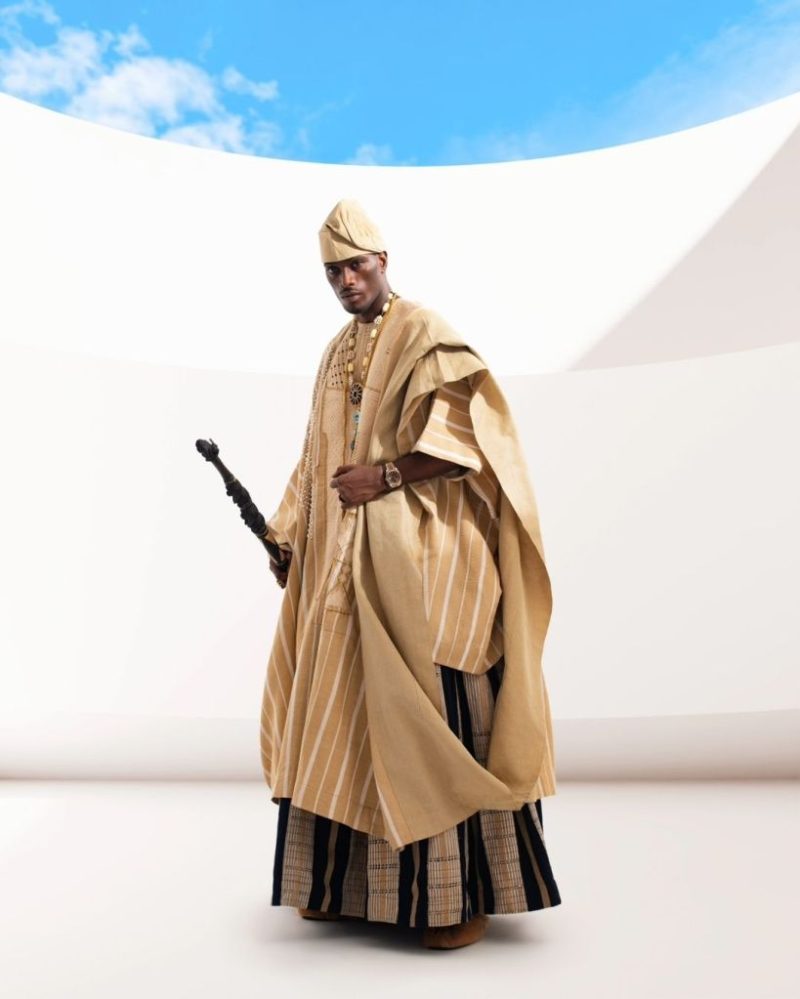
For decades, validation flowed through a narrow set of channels. Buyers, editors, and institutions acted as gatekeepers of legitimacy. That structure has weakened.
Today, discovery happens through multiple points of contact. Digital platforms allow designers to speak directly to audiences. Cultural media contextualises work instead of ranking it. Communities determine value through wear, repeat engagement, and loyalty.
Such an approach does not eliminate standards. It redistributes them. Recognition is no longer granted exclusively from the top down. It is shaped by sustained relevance rather than momentary approval.
In this environment, platforms that interpret culture rather than simply display it play a crucial role. They do not crown trends. They explain why certain work matters and how it fits into larger systems of meaning.
A Structural Shift, Already Underway
The redefinition of luxury is not aspirational. It is already visible in how clothing is priced, produced, and worn. Garments that last, that are repaired, and that hold personal significance are increasingly valued over those designed for rapid replacement.
Luxury is no longer confined to a place. It is recognised through practice. The recognition comes from the time invested in it. It is recognised through the preservation of talent. This goal is achieved through context and respect.
Traditional fashion capitals will continue to exist. Their influence will not disappear. But their authority is no longer singular. Luxury is shaped wherever the integrity of the Process is more important than speed, when meaning is prioritised over spectacle, and the creator maintains control over the presentation of their work to the public.
This move is not a rejection of fashion history. This approach corrects the narrative of fashion history.
And it is this shift that defines luxury now.
FAQs
- What does it mean to redefine luxury outside traditional fashion capitals?
Redefining luxury outside traditional fashion capitals means shifting the basis of value away from location and institutional approval toward craftsmanship, production methods, cultural intelligence, and long-term relevance. Luxury is now based on how clothes are made, how they last, and how they fit into daily life, not where they come from.
- Why is craftsmanship becoming more critical than branding in luxury fashion?
Craftsmanship is becoming central because it reflects time, skill, and human labour elements that cannot be mass-produced or rapidly scaled. As consumers become more informed about production processes, visible branding is no longer enough to signal quality. Handfinishing, material integrity, and durability now play a stronger role in how luxury is recognised and valued.
- How does designing for context change the quality of luxury garments?
Designing for context prioritises real conditions, such as climate, movement, and wear frequency. This leads to garments that are functional, comfortable, and built to last. Unlike runway-driven design, context-led design focuses on longevity and use, resulting in clothing that maintains relevance beyond seasonal fashion cycles.
- Has the role of traditional fashion gatekeepers changed in defining luxury?
Yes. While traditional gatekeepers still exist, they no longer exclusively control recognition or legitimacy. Digital platforms, cultural media, and direct relationships between designers and audiences now play a significant role in shaping what is valued. Luxury recognition has become more decentralised, influenced by sustained relevance rather than institutional endorsement.
- Why is cultural intelligence considered a marker of modern luxury?
Cultural intelligence reflects a profound understanding of symbolism, heritage, and social context in design. Garments informed by cultural knowledge remain meaningful over time because their value is not tied to trends. As fashion moves toward longevity and intentionality, cultural intelligence has become a key indicator of enduring luxury.