The heat in Upper Egypt does not arrive politely. It settles in early, heavy and insistent, pressing against the skin long before midday. I remember standing outside a small tailoring shop near Aswan, the sound of a sewing machine humming softly against the street’s quiet. Inside, bolts of pale cotton rested against the wall, cool to the touch. An elderly tailor handed me a freshly stitched jalabiya, still warm from the iron. “This, he said, smoothing the fabric with pride, “is not fashion. This garment is survival.”
I have encountered the jalabiya in many places, along the Nile, in Sudanese towns dusted with sand, and in Arabian homes where afternoon light filters through wooden screens. As a writer covering Middle Eastern and Arabian fashion, I’ve come to understand that people don’t wear this garment to attract attention. It is worn because it works.
Long before global fashion learnt the language of “breathable fabrics” and “summer silhouettes,” the jalabiya existed quietly, shaped by climate, routine, and lived knowledge. Today, it is finding new life far beyond the desert, not because it changed, but because the world finally caught up to it.
In this article, I will explain how Jallabiya stands out globally and why it has now become a global symbol of modesty.
Once shaped by desert heat and daily life, the jalabiya has quietly travelled beyond its origins, emerging as a global summer staple rooted in comfort, culture, and enduring design wisdom.
The Story and Its Quiet Power of Jallabiya
A Garment Born of Climate, Not Catwalks
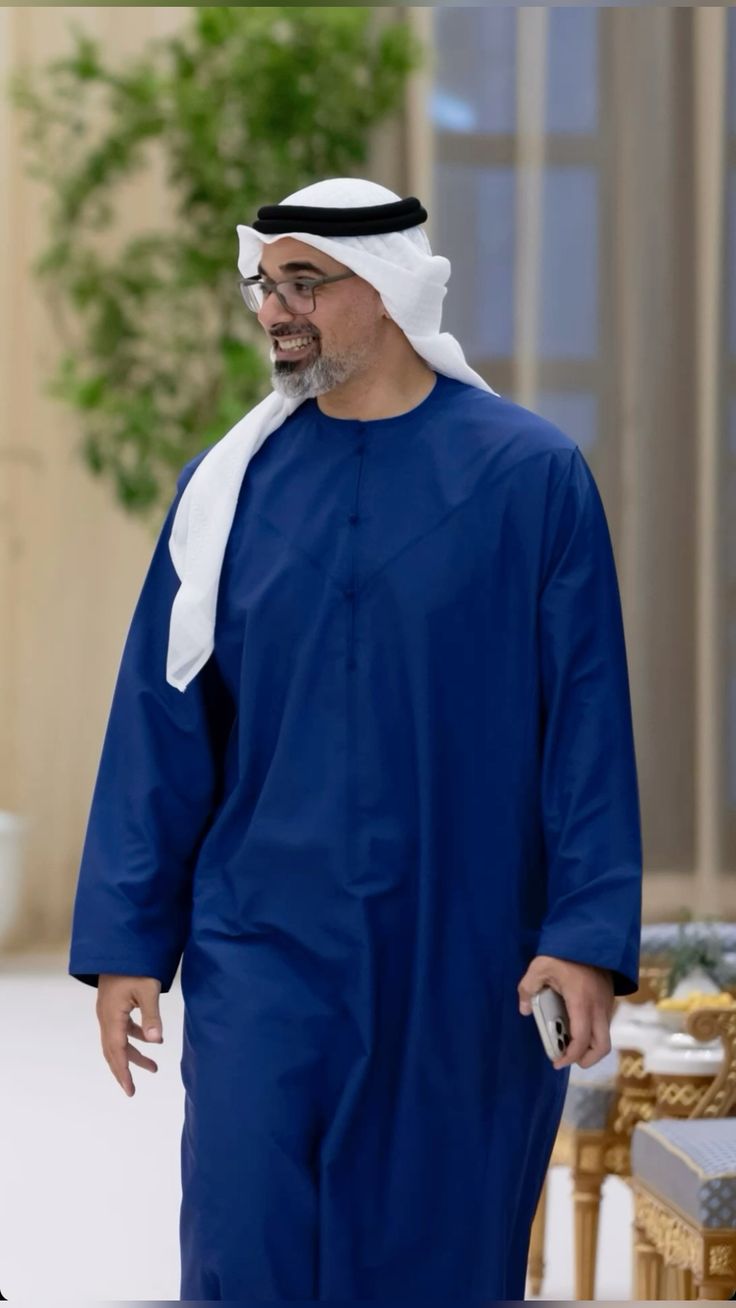
Jalabiya emerged out of necessity. In regions where temperatures soar and shade is scarce, clothing had to allow air to move freely while protecting the body from the sun and dust. The wide cut, long sleeves, and ankle-length drape are not stylistic flourishes; they are engineering that can adapt to the geographical location of the Arabian nation.
In Luxor, a local farmer once explained it to me as he adjusted his robe before heading to the fields. “If the cloth touches you too closely,” he said, “the heat wins.” The jalabiya creates space between fabric and skin and between body and sun, and that space becomes comfort.
This design logic has remained unchanged for centuries, quietly refined by those who lived closest to the land.
Daily Life, Ritual, and Identity
Across Egypt, Sudan, and parts of the Arabian Peninsula, the jalabiya has always been woven into everyday life. It is worn for work, prayer, travel, and rest. Subtle differences in fabric weight, colour, and embroidery indicate the region, season, and occasion for which the jalabiya is worn.
A Sudanese textile trader in Omdurman once pointed to a row of robes and smiled. “You can tell who is going to the mosque, who is visiting family, and who is working all without asking,” he said. To him, Jallabiya is an answer to your question about the Arabian lifestyle.
It functions as a quiet, practical, respectful, and deeply personal communication.
Trade Routes and Cultural Exchange
As trade networks expanded across North Africa and the Arabian world, the jalabiya travelled with merchants and scholars. Cotton from Egypt, dyes from the Levant, and weaving techniques from the Sahel each left its imprint.
In coastal towns along the Red Sea, I saw lighter versions designed for humidity—heavy textiles protected from chilly nights in the desert interior. The garment was adapted without losing its essence.
From Local Necessity to Global Desire
The jalabiya’s global rise did not begin in fashion capitals. It started with heat, rising temperatures, restrictive clothing, and a growing dissatisfaction with synthetic fabrics. As summers intensified, people began searching for garments that offered relief rather than performance.
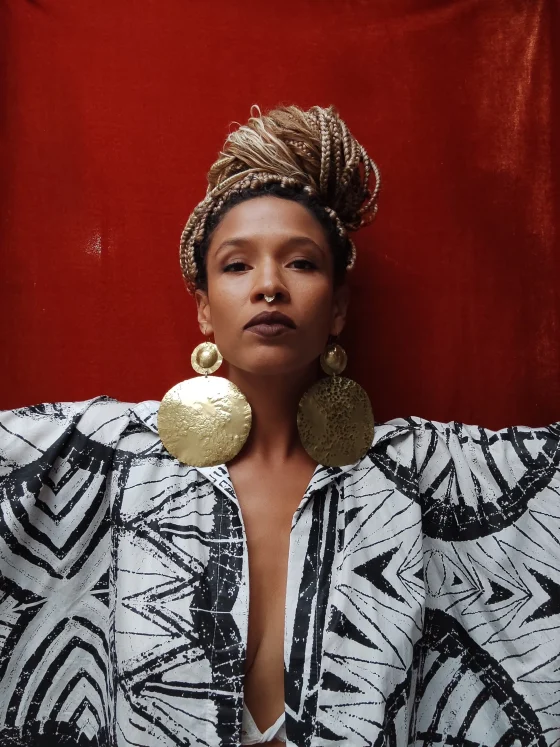
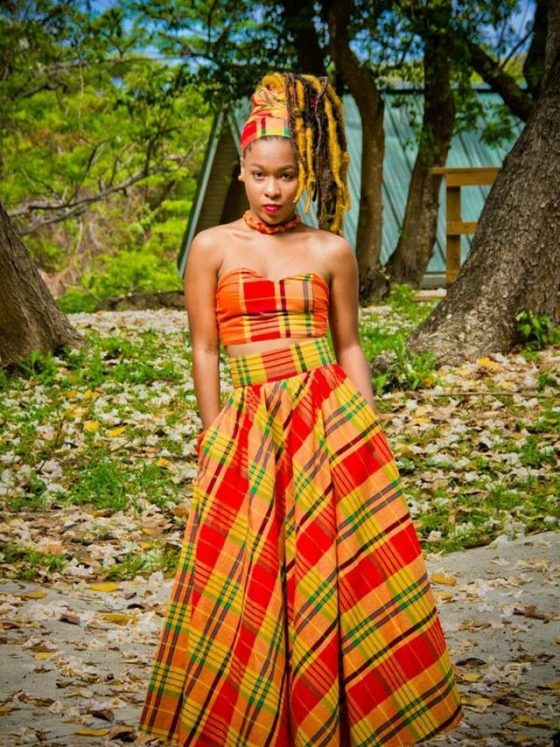
In London, Dubai, Lagos, and New York, designers quietly referenced the jalabiya’s silhouette. Social media accelerated its visibility, styling it with sandals, belts, and minimalist jewellery. Often, it appeared unnamed, stripped of origin, but still functional.
What once belonged firmly to a place became a universal icon.
Modesty, Modernity, and Meaning
For many women, the jalabiya offered something rare: ease without exposure. In an era obsessed with body-conscious silhouettes, it allowed movement, privacy, and elegance to coexist.
A young designer in Dubai once told me, “You don’t feel dressed up. You feel free.” That freedom from constraint, from excess, from seasonal pressure, is what continues to draw people to the garment.
Yet its popularity raises familiar questions: how to share without erasing; how to modernise without losing memory.
The Influence of the Jalabiya on Global Fashion
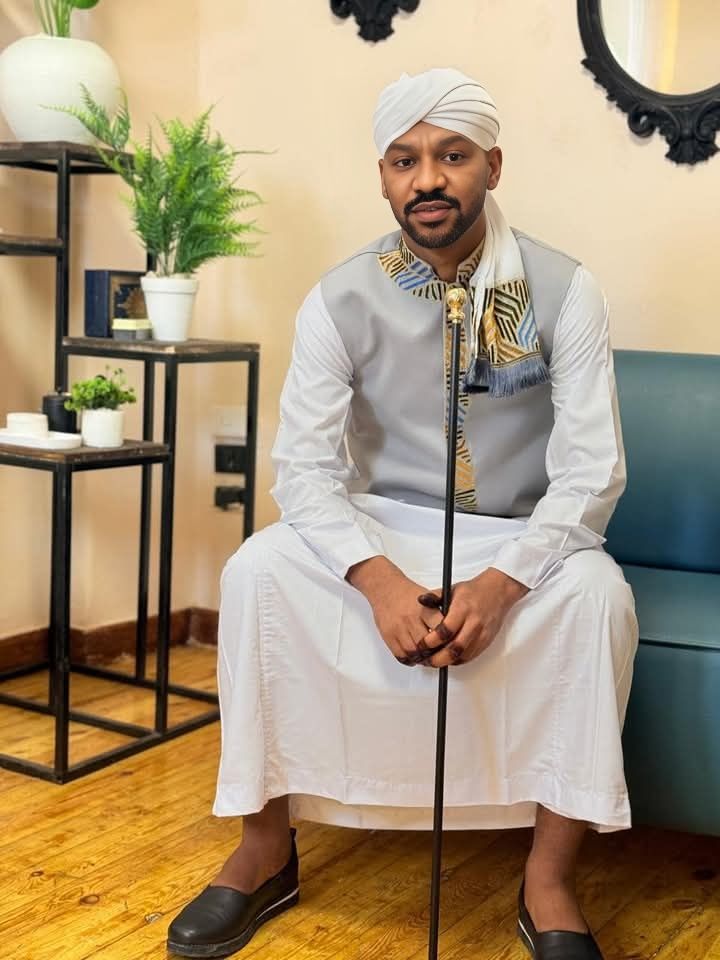
The jalabiya’s journey into global fashion has been quiet, gradual, and primarily organic, a contrast to the spectacle-driven nature of the modern industry. It did not arrive through dramatic runway debuts or celebrity endorsements. Instead, it entered wardrobes out of necessity: hotter summers, a growing rejection of restrictive silhouettes, and a renewed interest in clothing that prioritises comfort over performance.
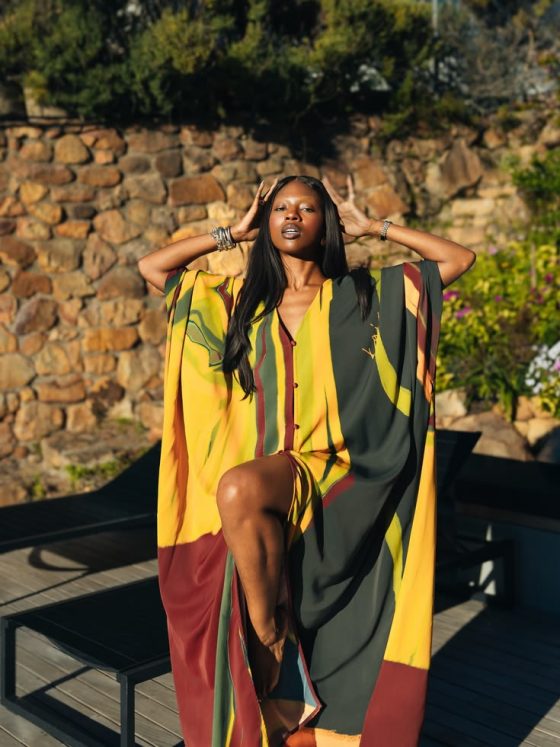
In fashion capitals far from its origins, designers began borrowing its most defining principle, space. The loose, elongated form of the jalabiya has reshaped contemporary summer dressing, influencing everything from oversized linen dresses to flowing resort wear collections. Even when stripped of its name, the garment’s logic remains visible in the rise of breathable cuts, dropped shoulders, and unstructured tailoring.
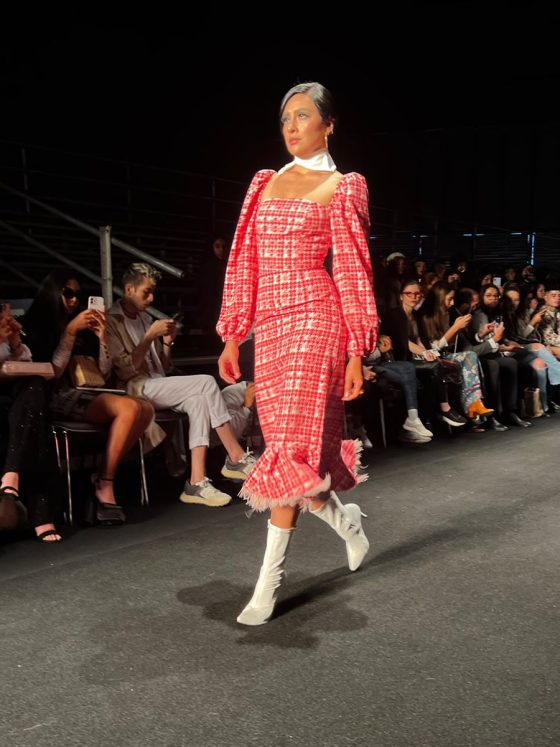
Luxury and high-street brands alike have embraced jalabiya-inspired designs, often marketing them as “relaxed silhouettes” or “effortless summer robes”. On runways in Paris and Milan, echoes of jalabiya appear in floor-length garments that prioritise drape over definition. In coastal cities, it has influenced the aesthetic of modern vacation wear garments designed to transition seamlessly between heat, travel, and rest.
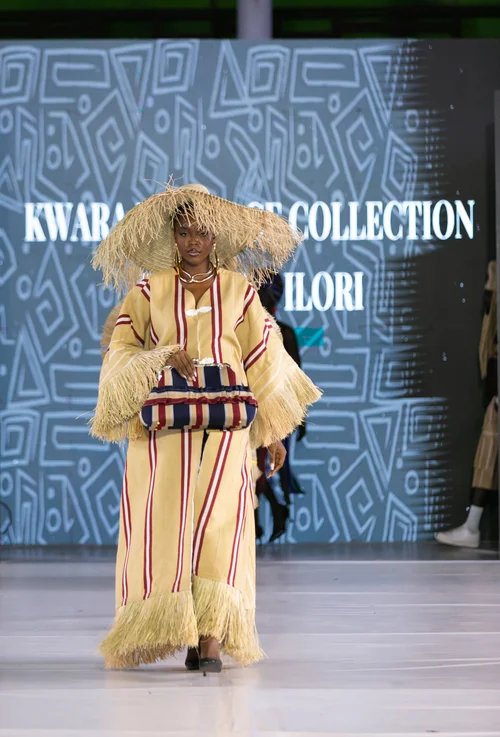
Social media has further accelerated this influence. Styled with leather sandals, woven bags, or minimalist jewellery, the jalabiya and its reinterpretations now appear as a symbol of slow fashion and intentional living. For many wearers, it represents a shift away from synthetic fabrics and trend-driven dressing toward pieces that feel timeless and adaptable.
ALSO READ:
- Keffiyeh Scarf: A cultural identity that became streetwear fashion
- How the Shayla Scarf Influences Global Modest Fashion
- How Bakhoor and Frankincense Are Defining New Wellness Trends in the world
How to Wear a Jalabiya in 5 Simple Steps
1. Choose Breathable Fabric First
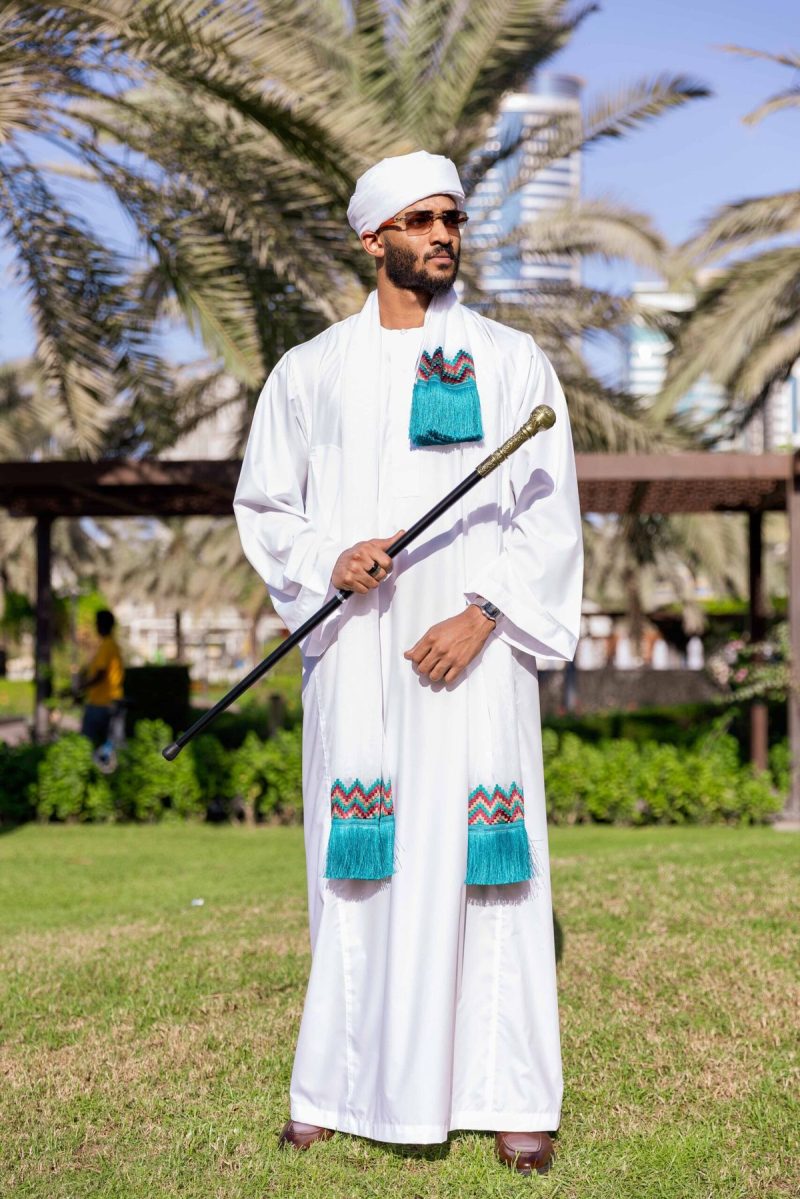
Opt for natural materials like cotton or linen. A true jalabiya should feel light in your hands and allow air to circulate freely, especially in warm weather. Avoid heavy or synthetic fabrics that trap heat.
2. Get the Right Fit, Loose, Not Shapeless
The jalabiya should drape comfortably without clinging to the body. It’s designed to create space, not define curves. When you move, the fabric should flow easily.
3. Pick Colours That Match the Climate
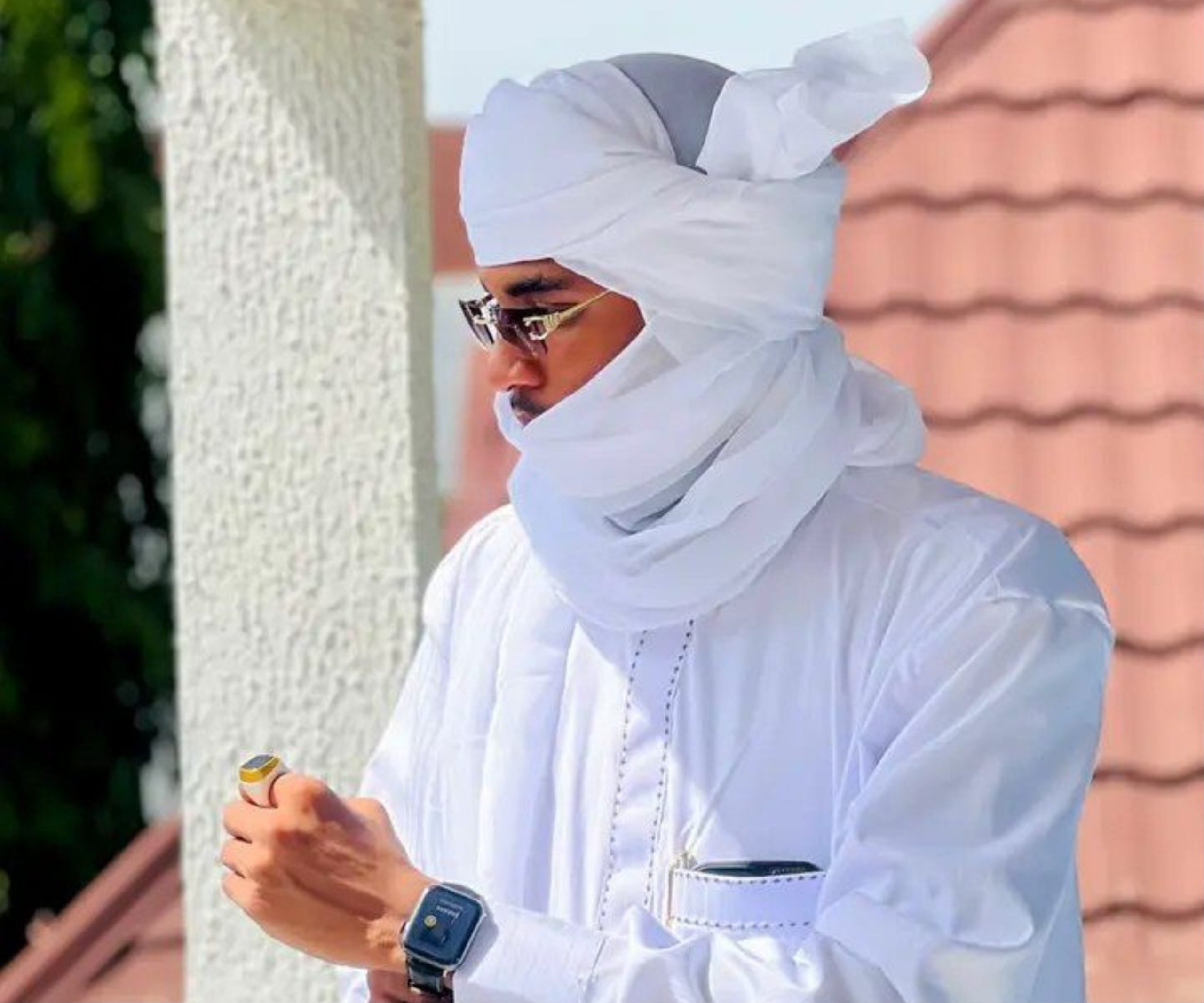
Light shades such as white, cream, beige, or soft pastels work best for daytime and hot climates. Darker tones are traditionally worn in the evening or during cooler seasons.
4. Style Simply, Let the Garment Lead
Pair it with flat sandals or simple leather shoes. Keep accessories minimal—a woven bag, subtle jewellery, or a belt if you prefer a modern touch. The jalabiya’s elegance comes from restraint.
5. Wear It with Cultural Awareness
Understand its roots and purpose. The jalabiya is not a costume; it is everyday clothing shaped by history and climate. Wearing it with respect completes the look more than any accessory.
As the afternoon light faded in Aswan, the tailor folded the jalabiya carefully and placed it in my hands. Outside, the air remained thick, unrelenting. Yet inside that simple robe were centuries of knowledge about how to live well in difficult climates, how to dress without excess, and how to let clothing serve life rather than define it.
Jalabiya does not chase seasons. It does not demand reinvention. It simply endures.
As global fashion searches for sustainable answers, the jalabiya stands quietly, offering one shaped not by trends or algorithms, but by people who understood that clothing must work, or it fails.
If you value stories where fashion meets culture, climate, and lived experience, explore more in-depth features at Omiren Styles where heritage is not archived, but alive
FAQs
1. Is the jalabiya only for men?
No. While often associated with men, women have long worn variations adapted for domestic life, ceremonies, and now modern wardrobes.
2. Is it religious clothing?
Not inherently. The jalabiya is cultural and practical, though it is often worn during religious activities because of its modesty.
3. Why is it popular globally now?
Rising temperatures, interest in sustainable fashion, and a shift toward comfort-driven design have brought it into focus.
4. Can it be worn casually outside its original regions?
Yes, when worn with understanding and respect, not as a novelty.