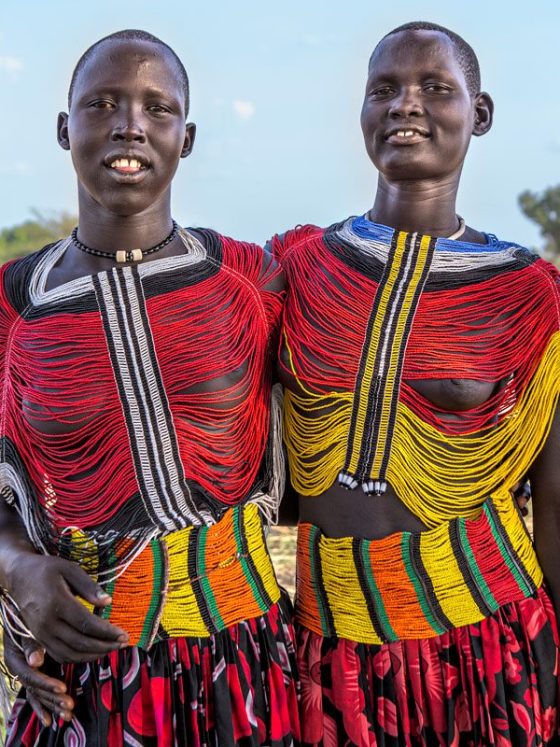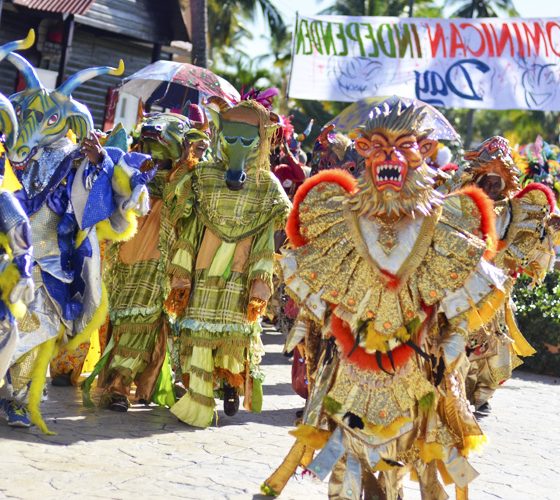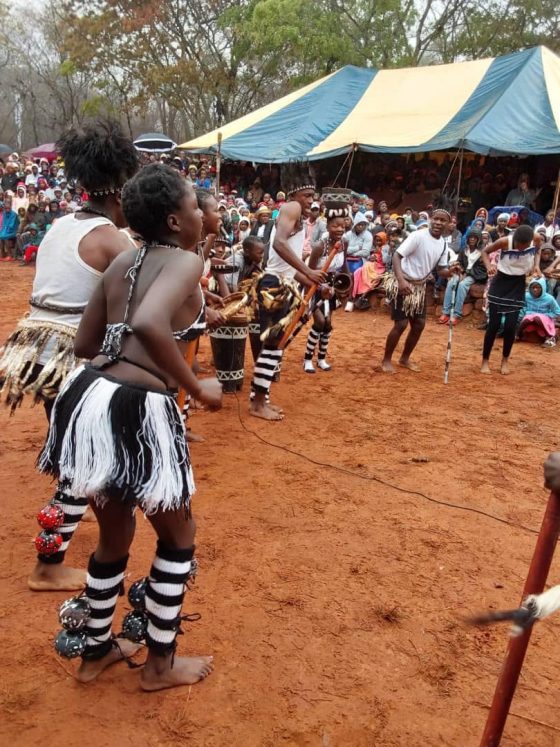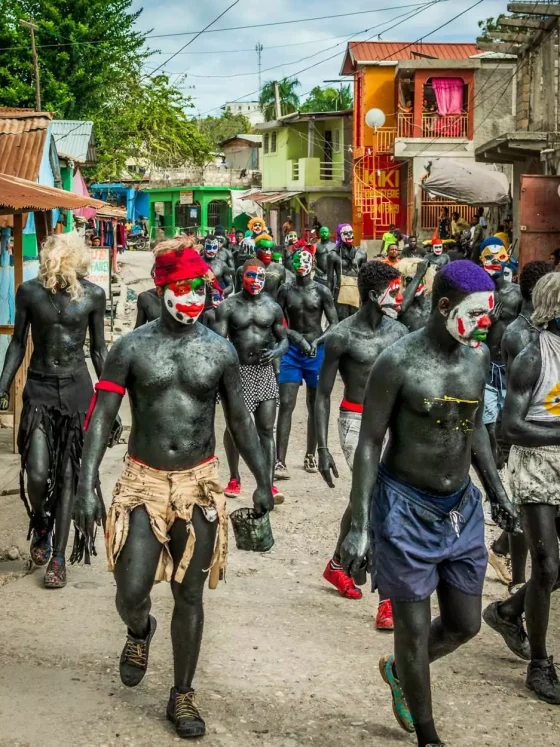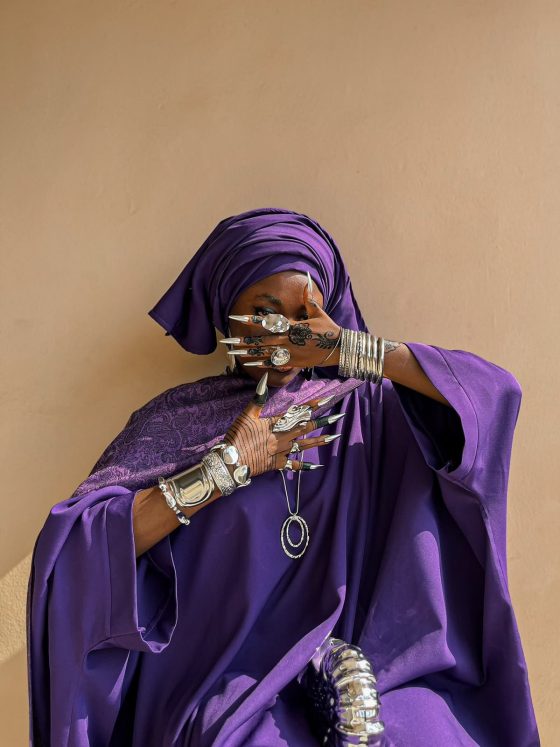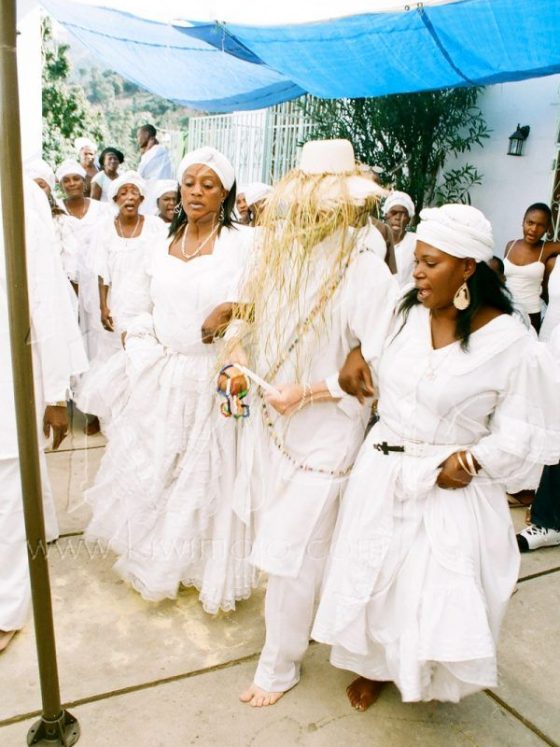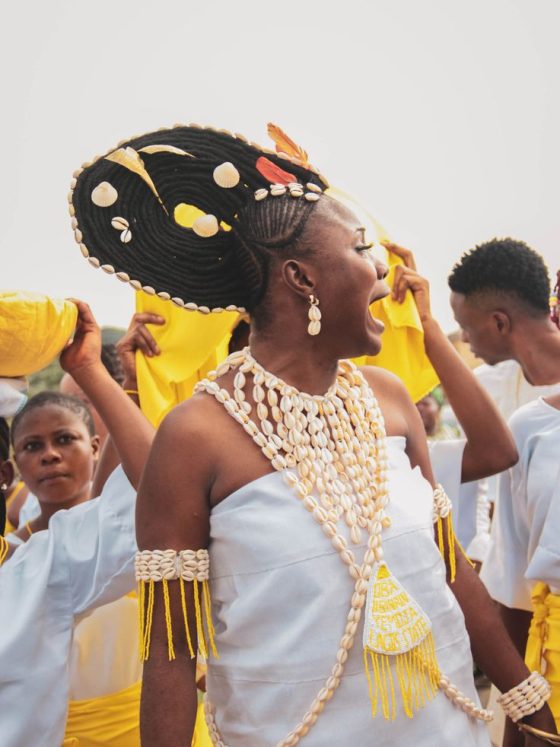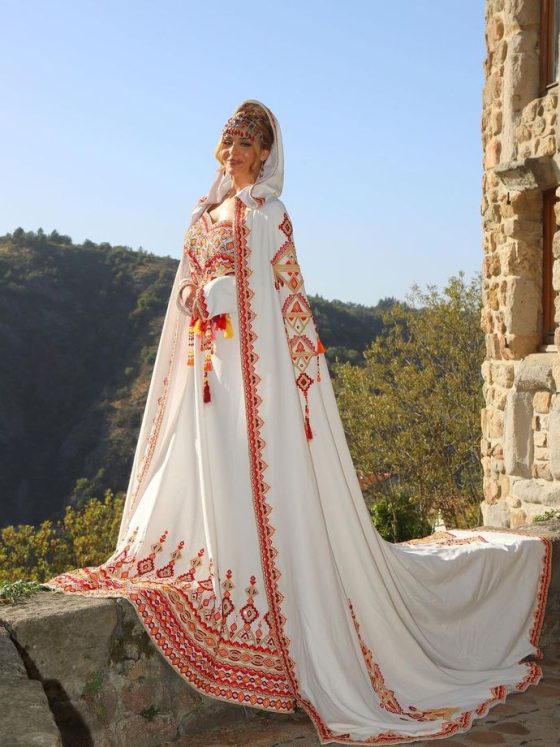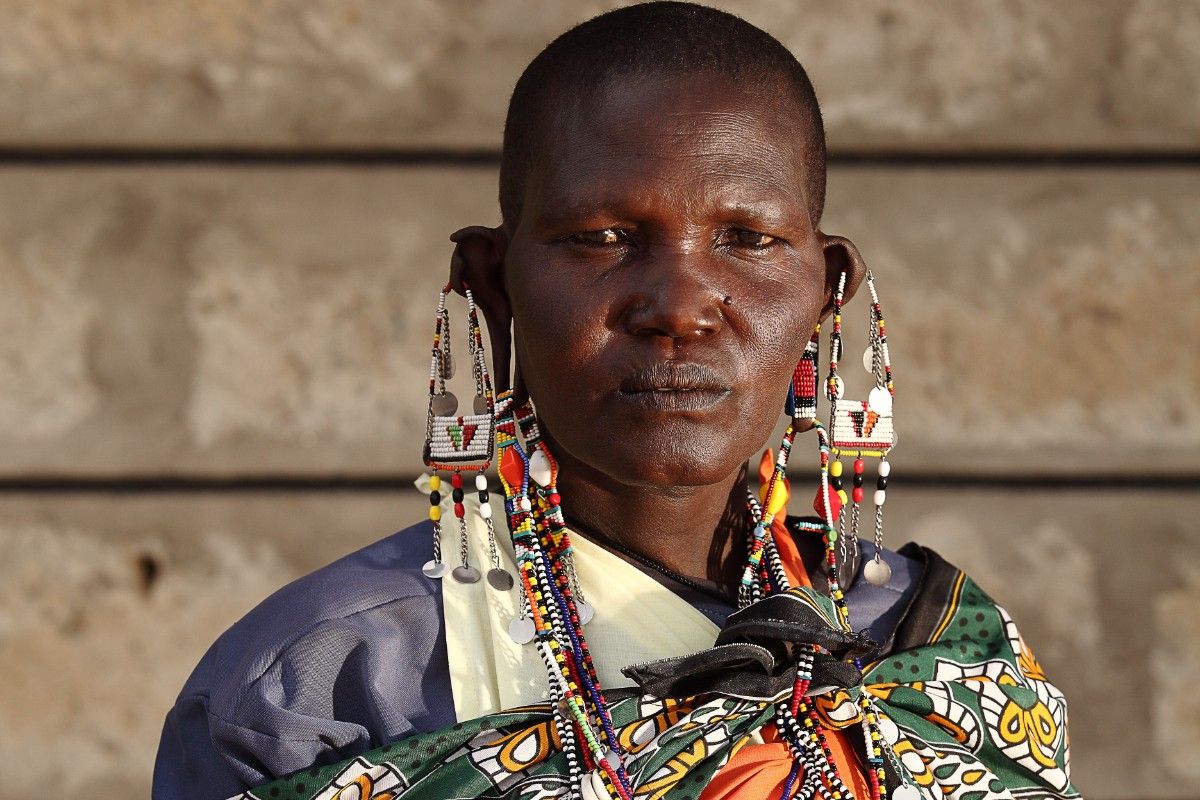
These days, you can really feel a spiritual shift happening. African spirituality, shut down and pushed to the edges for so long, is finally stepping back into the spotlight. African spirituality is more than just traditional rituals; it is a comprehensive philosophy that addresses significant questions that Western materialism struggles to address. For ages, colonial powers and missionaries tried to stamp out traditions like Ifá, Vodou, and Ubuntu, branding them as “pagan” or witchcraft, whilst promoting Christianity and Islam. But that didn’t erase them. Now, African spirituality is having a real moment, a global renaissance. It’s not about longing for the past. It’s about meeting today. We face challenges with wisdom that has always been present. You see it everywhere: in movies, college classes, healing circles, and protests. People are rediscovering that ancestral knowledge isn’t just relevant; it’s vital for making sense of the mess and magic of modern life and for keeping us connected to each other and to something bigger.
Explore African spirituality’s resurgence in contemporary culture; from Black Panther to social media, ancestral wisdom shapes modern identity and resistance.
The Cultural Resurgence
Lately, there’s this powerful movement, a surge, really, of people of African descent reconnecting with their roots. It’s bigger than just learning old prayers or rituals. It’s about reclaiming what was stolen through colonisation, slavery, and years of erasure. Thanks to global justice movements like Black Lives Matter, more folks are peeling back the layers of colonial history and rediscovering ancient traditions. This isn’t just about worship or ceremony. It’s about freeing the mind and spirit from the limits that history tried to impose.
Take Ifá, for example, the Yoruba system of divination. More and more people are turning to its teachings, using wisdom passed down in stories and sacred texts to attain meaning and balance in their lives. Movies often portray Vodou as eerie or sinister, yet its fundamental purpose is to honour ancestors and maintain harmony with nature. The fact that these traditions are not only surviving but thriving says a lot. Colonisers tried to stamp them out, but they adapted, persisted, and are now more visible than ever.
Why Is African Spirituality Gaining Academic Recognition?
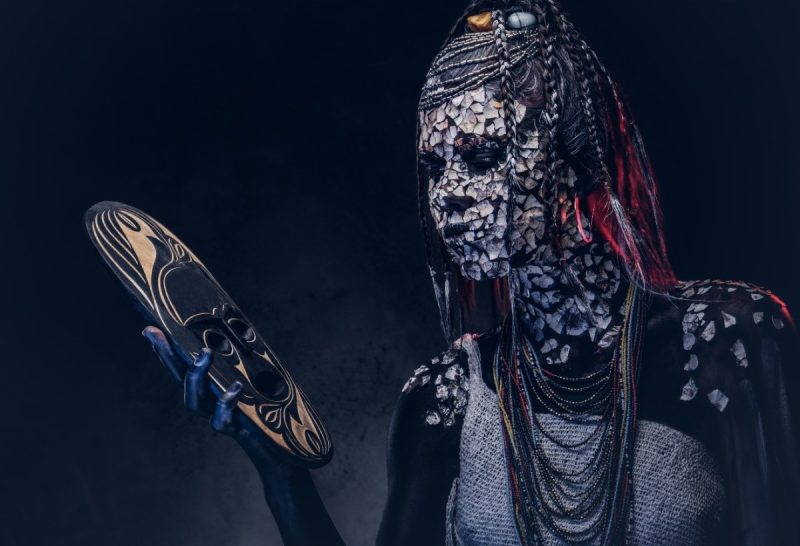
Even big-name universities are paying attention now. There’s a course called “African Spirituality and the Challenges of Modern Times” at Harvard. They start with the “Black Panther” movie as a jumping-off point, then dig into the real roots of African spiritual heritage, both in Africa and in diaspora communities. The class covers everything from cosmology and mythology to rituals, divination, and healing practices. It even looks at how these traditions crossed the Atlantic and helped shape new Black identities in places like Brazil, the Caribbean, and the US.
The course doesn’t shy away from complexity. It examines how African religions blended with Islam and Christianity to form what’s called “Africa’s Triple Heritage.” There’s a real focus on how these spiritual traditions interact with modern life, things like economic change, class, and community. This kind of academic spotlight matters. It sends a clear message: African spirituality isn’t some curious sideshow. It’s a complex, living tradition that deserves serious study and offers insights that help us understand the world right now.
Books like “Topographies of African Spirituality” go even deeper, exploring these traditions both inside and outside the boundaries of organised religion. The book examines how African spiritual ideas shape daily life across the continent and the diaspora, offering fresh perspectives and shedding light on often-overlooked aspects. Academic work like this ensures African spirituality is seen for what it is: a tradition that’s alive, evolving, and deeply woven into everyday experience.
READ ALSO:
- How African Diaspora Love Stories Are Elevating Luxury Weddings Worldwide
- African Millennials and the New Era of Global Luxury Travel
- Simi Sanya and Femi Dapson: Love, Fashion, & Culture Ahead of 2026
What Does African Spirituality Offer Contemporary Life?
African spirituality fundamentally revolves around nurturing, celebrating, and recognising the inherent spark within each individual. It’s not just about having kids; it’s about the spirit that moves Africans to welcome others into the same deep well of life. Even as modern life barrels ahead, African communities stick to their spiritual roots. Faith isn’t just a part of life; it’s the heartbeat, the thing that keeps people and societies moving forward and growing.
Where Western traditions often split the sacred from the everyday, African spirituality weaves everything together: mind, body, community, the earth, the universe. This way of seeing the world resonates deeply with individuals seeking purpose or a sense of belonging, particularly during challenging times. For many, reclaiming African spirituality isn’t just about rituals; it’s an act of self-respect and resistance. These spiritual frameworks helped people remember that they are all connected, even when they are far apart. A focus on community, honouring ancestors, and living in balance with nature is an honest answer to the loneliness and competition that Western individualism can bring.
African Spirituality in Popular Culture
Take the Sweet Wata project; it puts sacred movement at the centre, using dance and workshops to explore African Diasporic spirituality and honour ancestors. The exhibit brings together art, music, altar spaces from different traditions, and cultural treasures from across the Diaspora.
You see African spirituality’s influence everywhere in today’s art, music, and fashion. Look at Beyoncé’s visuals, full of Yoruba symbolism, or at fashion shows that mix sacred motifs into bold new looks. These aren’t just cool designs; they’re living acts of pride and defiance, carrying on spiritual traditions that refuse to be silenced. They invite us to recognise how faith, art, and identity can intertwine, helping people stay grounded in both ancient wisdom and the chaos of modern life.
How Does Gender Shape African Spirituality Practice?
Spirituality is a lifeline for African American women, young and old. Studies back this up, many women say their spiritual life gives them strength and hope. Think of Harriet Tubman, Sojourner Truth, Mahalia Jackson, or Jarena Lee; their faith fuelled their courage and resilience in a world stacked against them.
Traditionally, African spirituality prioritised women as priestesses, healers, and leaders. That hasn’t changed much; today, women are still the main keepers of spiritual knowledge, passing wisdom down through families. For African Americans, being a woman often means a deeper connection to spirituality. This stands in sharp contrast to religious systems that push women out of leadership roles. In African spirituality, feminine power isn’t just accepted; it’s celebrated.
Challenges and Misconceptions
Sometimes, people get a little carried away, insisting you’re not really African unless you practise spirituality their way or worship ancestors just like they do. Honestly, that attitude just shows they haven’t really dug into their own experience or understanding.
African spirituality faces two big hurdles: outsiders getting it all wrong and insiders making it hard for newcomers to join in. Hollywood has painted practices like Vodou with a pretty wild brush, leaving a mess of stereotypes in its wake. At the same time, some folks guard the gates so tightly that people who want to reconnect feel pushed out. Keeping African spirituality alive means finding balance and honouring traditions. But it also opens doors for those in the Diaspora who lost their roots through no fault of their own.
The Future of African Spirituality
These days, social media isn’t just a distraction; it’s turning into something like a digital temple. Instagram, TikTok, YouTube… people are using these platforms to share, teach, and document African spirituality in ways that reach far beyond their hometowns. Young people especially dive in, learning through short videos or eye-catching posts. Some critics scoff, but honestly, this opens doors that were once locked unless you grew up near elders or sacred spaces.
Looking ahead, African spirituality will thrive if it keeps its heart while embracing new tools. That means training the next generation of priests, priestesses and teachers and capturing oral histories before they disappear. People are also creating easy-to-access educational resources online. At the same time, there’s real talk about how all of this connects to environmental justice, economic struggles, and the fight for political freedom.
Frequently Asked Questions
What is African spirituality?
African spirituality is the wide range of indigenous beliefs and practices found throughout the continent. Think of Ifá divination, Vodou, Ubuntu philosophy, ancestor reverence, and a deep connection to nature. It’s about community, mind-body-spirit wellness, and passing wisdom on through stories and conversation. There isn’t just one way; it’s a whole collection of traditions that share a focus on connection and a life-centred view of the world.
How is African spirituality different from African religion?
African spirituality is personal. It’s about your relationship with the sacred, your ethics, and your way of seeing the world. African religion is more about organised rituals, institutions, and collective practices. Spirituality can happen inside or outside formal religion; sometimes it’s just you and your ancestors, or you and the land. It’s less about institutions and more about consciousness, both individual and collective.
Why is African spirituality making a comeback?
There are several reasons for this resurgence of African spirituality. Social justice movements like Black Lives Matter have people looking for roots and reclaiming culture. The pandemic made everyone rethink community and meaning. Digital platforms provide unprecedented access to ancestral wisdom. Universities are teaching it now, and pop culture, think Black Panther, brings it into the mainstream. Many individuals perceive the rediscovery of African spirituality as a form of decolonisation and resistance, following centuries of suppression.
Is African spirituality compatible with Christianity or Islam?
People discover ways to blend and balance. Scholars call it “Africa’s Triple Heritage, a mix of traditional African beliefs, Christianity, and Islam. Some folks weave it all together, creating hybrid practices. Others stick to strictly indigenous ways. The point is, African spirituality is flexible. It adapts, shifts, and makes space for different paths.
How can you learn about African spirituality respectfully?
Start with real sources, read academic work, listen to elders, and seek out genuine teachers. Don’t just grab pieces and run; learn the context, ask permission, and support African-led organisations or teachers, even financially. Remember, some things are private or require initiation. Come with humility, not entitlement. Treat it as a living tradition, not just a cool trend or aesthetic.