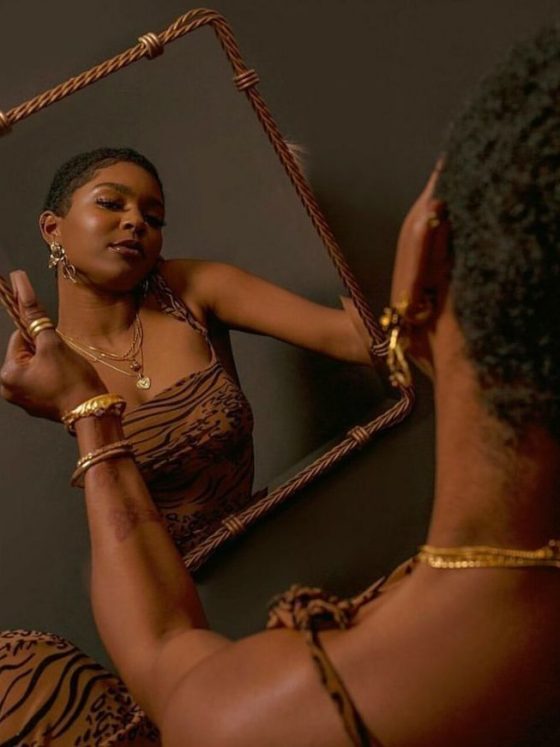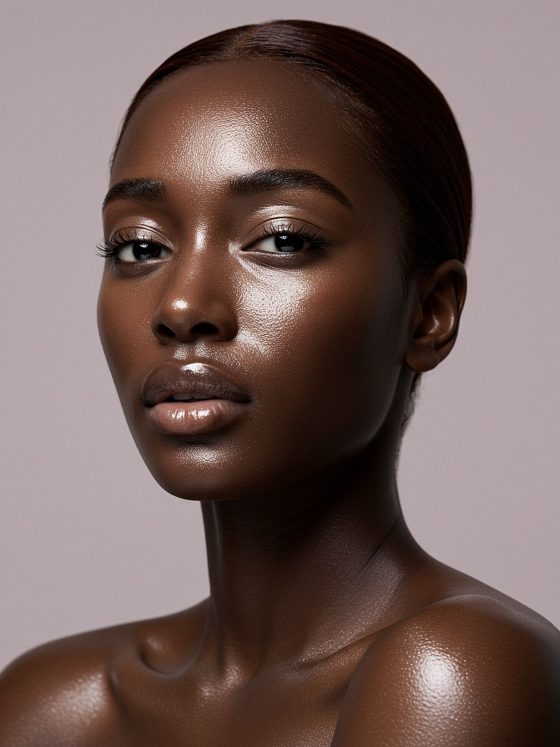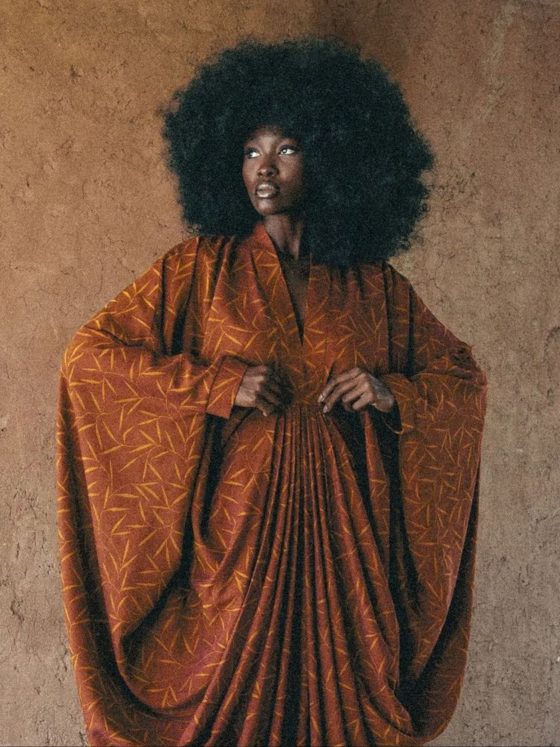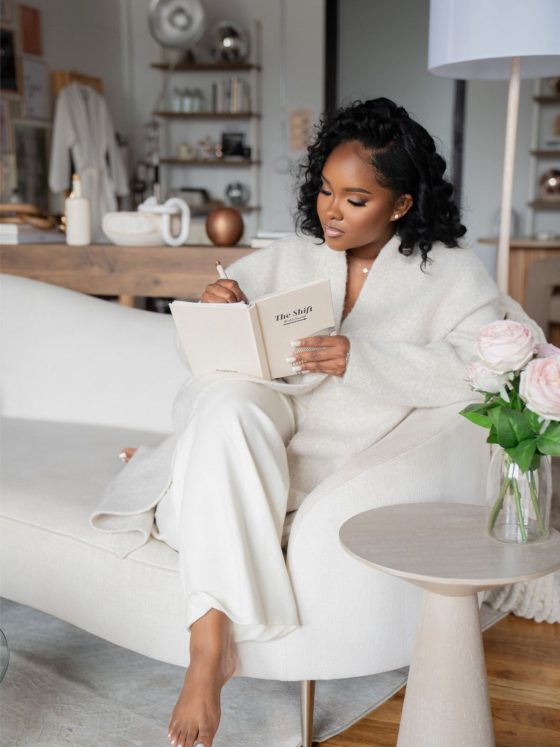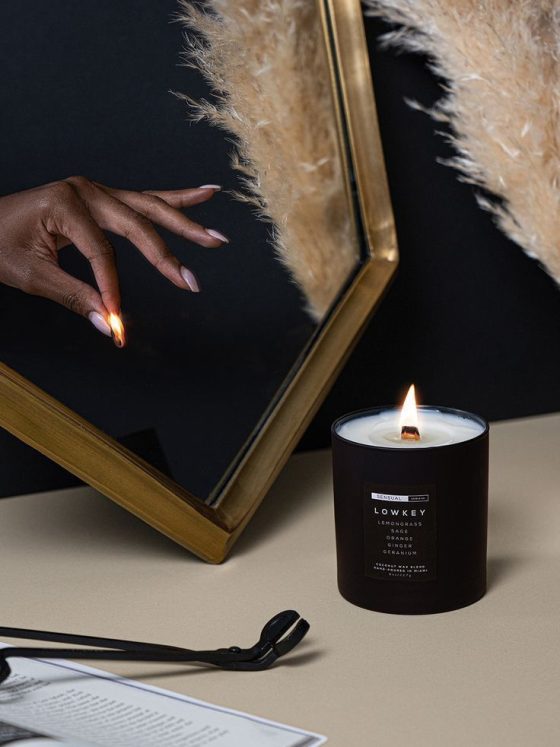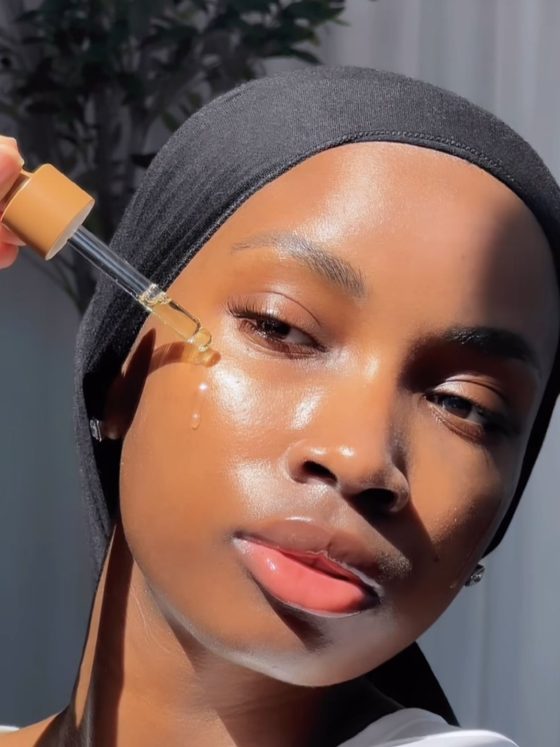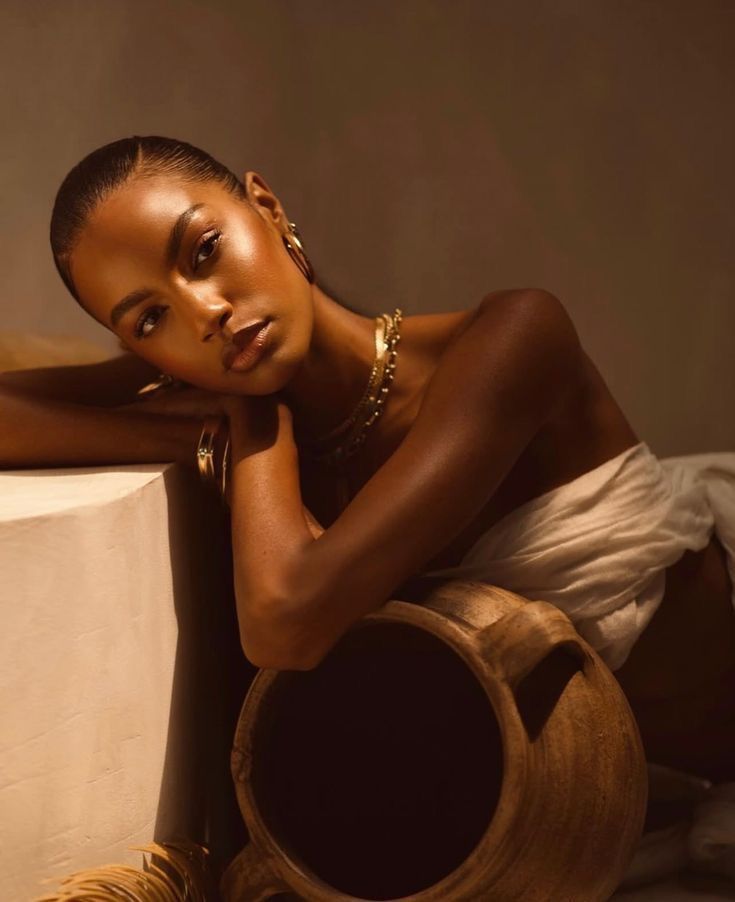
Afro-global beauty aesthetics live in the quiet details we often overlook—how a braid curves, how a textile breathes, how skin catches light under the sun. They are shaped by the makers who work with their hands, the communities who pass down techniques, and the diaspora that reshapes these traditions across continents.
This aesthetic isn’t fixed. It moves, adapts and reintroduces itself with every new generation. It blends heritage craftsmanship with modern luxury, local ritual with global influence, and personal identity with collective memory. What emerges is a beautiful language that feels familiar, future-minded and distinctly African
From ancestral craft to contemporary couture, Afro-global beauty aesthetics redefine luxury, sustainability, and diasporic creativity with grounded purpose.
Heritage Lineages and Cultural Memory

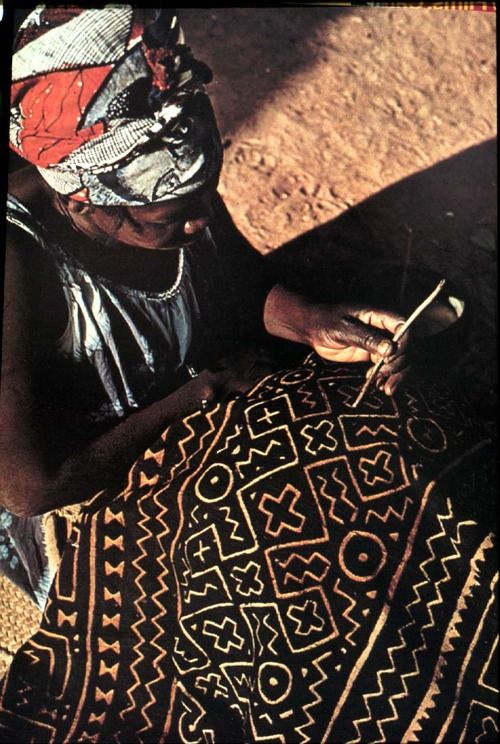
Contemporary Afro beauty is inseparable from its historical foundations. Traditional hair systems, textile patterns, beadwork and surface ornament serve as narrative archives. These ancestral languages—once used to signal status, lineage and spirituality—continue to inform editorial work, product design and the modern luxury landscape.
Also, Craft is not decorative; it is structural. The makers who braid, weave, dye, and sculpt carry knowledge passed down through generations. Their techniques define form, rhythm and detail. Honouring craftsmanship preserves meaning and shifts value back to the communities whose creativity drives the aesthetic.
Global Artistic Exchange and Cross-Cultural Fluency
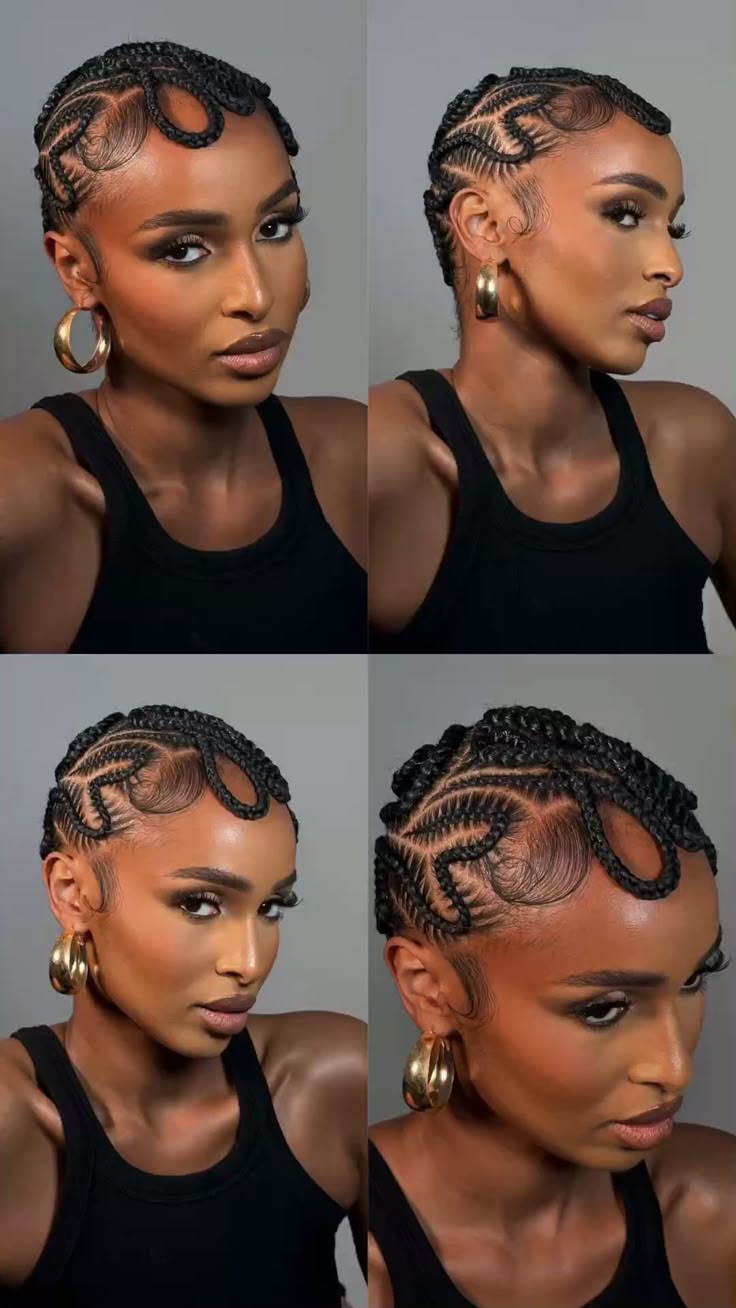
The aesthetic thrives through movement, between Lagos and London, Accra and New York, and Salvador and Johannesburg. Afrodiasporic artists, performers, and designers shape global visual culture by introducing new silhouettes, textures, and beauty codes. This exchange is dynamic and bidirectional, redefining how influence flows within the global creative economy.
Daily rituals, natural hair care, botanical skincare, and heritage grooming practices are essential components of the Afro-global aesthetic. They introduce a slower, more intimate approach to beauty, where process is as meaningful as outcome. Creators who document these rituals help global audiences see beauty as lived experience, not a commodity.
Read Also:
Sustainability and Ethical Luxury as Non-Negotiables
Sustainability is aesthetic, cultural and economic. It includes regenerative sourcing, low-waste production, artisan welfare, ingredient transparency and a circular design. Ethical luxury redefines consumption: it values longevity over novelty, craftsmanship over mass production, and provenance over anonymity. Storytelling shapes how this aesthetic is perceived. A braid pattern or textile motif may carry distinct meaning across communities; precision is essential. Creators who identify origins, credit makers, and contextualise design choices prevent cultural flattening and protect the integrity of diverse African traditions.
Diaspora Influence and the Expansion of Identity
The African diaspora plays a defining role in shaping Afro-global beauty aesthetics. When people move, cultures travel with them, carried in hairstyles, music, rituals, textures, and the small, everyday choices that signal where they came from. As these communities settle into new environments, their aesthetics don’t remain unchanged; they stretch, absorb, reinterpret and create entirely new expressions.
Diaspora spaces—Brooklyn, Brixton, Bahia, Johannesburg, Toronto, and Paris- become laboratories of cultural blending. Here, African craftsmanship meets global subcultures: hip-hop, streetwear, contemporary art, club culture and high fashion. The result is an aesthetic that is not simply African in origin but globally resonant and endlessly adaptive.
Policy, Safety and the Right to Be Seen
Beauty intersects with rights. Laws protecting natural hair, investigations into the safety of beauty products, and advocacy for ethical sourcing show that aesthetics are political. Clear standards, ingredient transparency, artisan credits, and consumer protection—turn beauty from expression into empowerment.
Conclusion
Afro-global beauty aesthetics weaves heritage, innovation, craftsmanship, and global movement into a singular, evolving visual culture. When created with intention and sustained through ethical structures, they transform visibility into dignity, commerce into cultural stewardship, and beauty into a record of who we are and who we choose to become.
5 FAQs
- What defines Afro-global beauty aesthetics?
A culturally rooted yet globally engaged beauty language shaped by African craftsmanship, diasporic influence, ethical luxury, and narrative precision.
- Why is craftsmanship central to this aesthetic?
Because artisans carry the technical memory and cultural meaning that give the aesthetic its depth, integrity and luxury value.
- How does the aesthetic translate into modern luxury?
This is achieved through traceable sourcing, fair labour, refined design, material intentionality, and transparency at every tier of production.
- How can creators avoid cultural appropriation?
Creators can prevent cultural appropriation by naming origins, crediting artisans, providing context, honouring sacred motifs, and ensuring that value is returned to the communities of origin.
- Why is sustainability essential?
Because Afro-global aesthetics draw from living cultures and natural resources, ethical stewardship protects both heritage and the environments that sustain craft.