Imagine walking into a space filled with the subtle, warm embrace of incense smoke, its aroma floating softly through the air, instantly calming the mind. Two of the most revered fragrances in history, bakhoor and frankincense, are no longer confined to ancient rituals or temple corridors; they are redefining wellness, self-care, and modern lifestyle trends.
In a world increasingly focused on holistic well-being, people are returning to traditions that engage the senses and calm the soul. Bakhoor, a traditional Middle Eastern incense made from wood chips soaked in fragrant oils, and frankincense, the resin harvested from Boswellia trees, are experiencing a renaissance. Their unique aromas are now shaping everything from meditation practices and yoga sessions to luxury home décor and mindfulness rituals.
In this article, I will guide you to explore the history, science, and contemporary uses of bakhoor and frankincense, illustrating why these scents have become central to the modern wellness movement.
Bakhoor and frankincense are stepping out of tradition and into modern wellness, transforming homes and rituals worldwide. Their calming, soulful aromas are shaping a new global movement toward mindful, sensory living.
Origins and Cultural Significance
The Story of Bakhoor
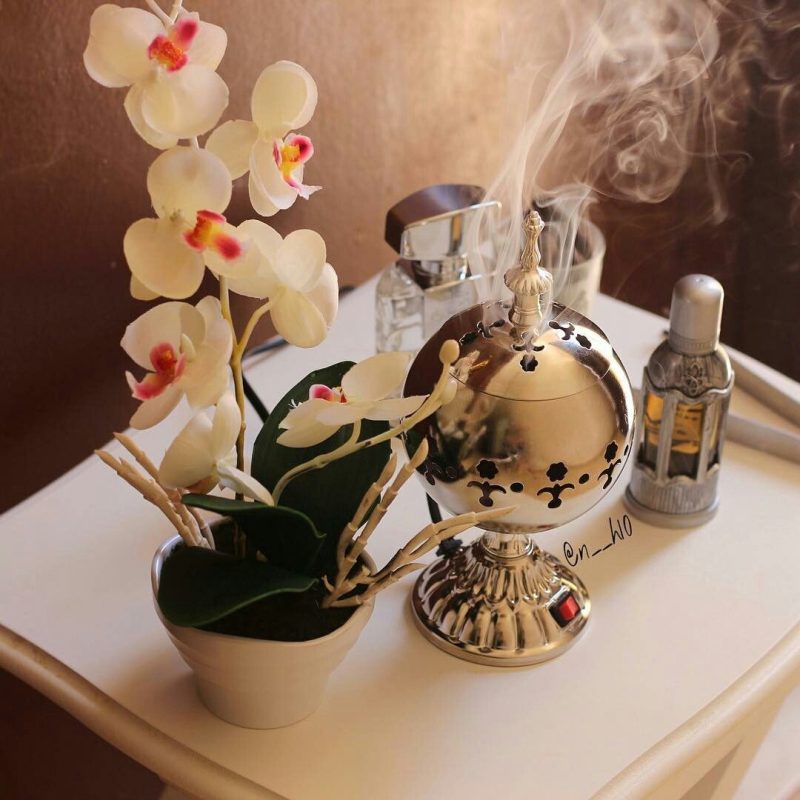
Bakhoor has been a staple in Middle Eastern and South Asian cultures for centuries. Traditionally, it consists of wood chips or charcoal infused with natural oils, spices, and floral essences. Historically, bakhoor was used in homes and mosques to honour guests, ward off negative energy, and mark significant ceremonies such as weddings or religious holidays.
The art of burning bakhoor is more than just a sensory experience; it is a ritual. In Arabian households, offering bakhoor to visitors is a symbol of hospitality and respect. Each family often has its own preferred blend, passed down through generations, with scents crafted to convey warmth, luxury, and a sense of belonging.
The Legacy of Frankincense
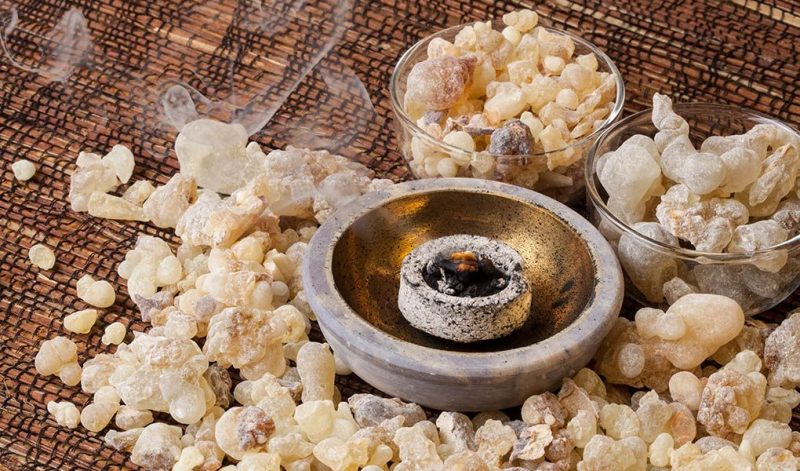
Frankincense, also known as olibanum, is a resin obtained from the Boswellia tree, native to regions like Oman, Yemen, and parts of Africa. Revered since ancient times, frankincense was used in Egyptian temples, Biblical rituals, and traditional Ayurvedic medicine. Its smoke was believed to purify spaces, aid in spiritual meditation, and connect humans to the divine.
Beyond religious and spiritual significance, frankincense has long been appreciated for its medicinal properties. Ancient healers used it to treat inflammation, respiratory issues, and stress. Its historical allure lies not only in its fragrance but also in its role as a bridge between nature, mind, and body. This principle resonates strongly with modern wellness philosophies.
Aromatherapy and Wellness Benefits: Scent as Self-Care
The modern wellness movement is increasingly grounded in holistic health, which stresses the mind-body connection. Both bakhoor and frankincense have found a natural place in this approach, thanks to their psychoactive and therapeutic properties.
Stress Reduction and Mindfulness
Scientific studies indicate that certain fragrances can impact brain chemistry, reducing stress and promoting relaxation. Frankincense contains compounds like incensole acetate, which have been linked to anti-anxiety effects. Burning frankincense or inhaling its essential oil can calm the nervous system, lower heart rate, and improve focus during meditation or yoga sessions.
Bakhoor works similarly, albeit through a more complex aromatic profile. Its combination of natural wood, essential oils, and sometimes floral or resinous notes engages the olfactory system deeply, triggering the limbic system, the brain’s centre for emotion and memory. The result is an immediate sense of relaxation, improved mood, and a subtle elevation of mental clarity.
Enhancing Sleep and Emotional Balance
Regular exposure to calming scents like frankincense can also improve sleep quality. By creating a soothing environment before bedtime, these fragrances prepare the mind for rest, reduce insomnia, and balance circadian rhythms.
For emotional well-being, bakhoor’s rich, layered aroma encourages mindfulness. Many wellness practitioners now recommend incorporating bakhoor burning into daily routines, especially during moments of reflection, journaling, or mindful breathing. Its slow, enveloping scent promotes introspection, helping individuals reconnect with themselves in a fast-paced digital world.
Interior Style and Lifestyle Trends: Turning Your Space into a Sanctuary
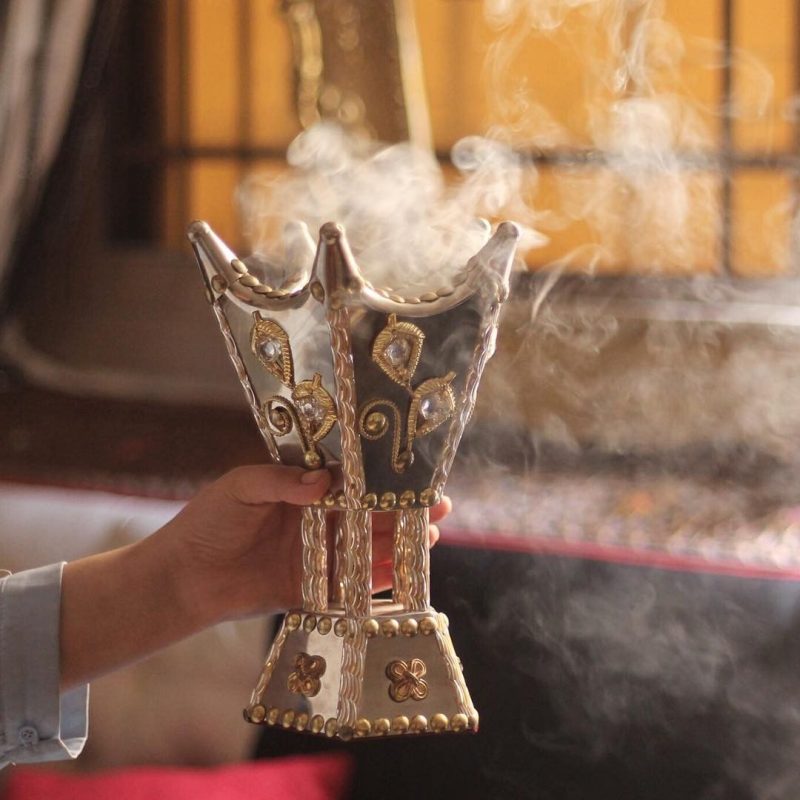
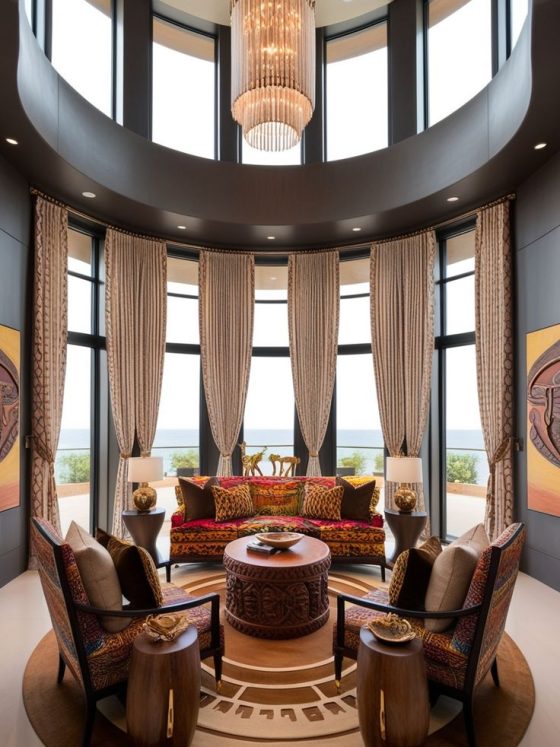
Beyond their therapeutic benefits, bakhoor and frankincense have become style statements in modern interiors. This trend reflects a broader cultural shift towards sensory luxury, where homes are curated not only visually but also olfactorily.
Fragrance as Interior Design
Designers increasingly consider scent as an element of décor. A home infused with bakhoor or frankincense conveys warmth, sophistication, and an intentional lifestyle. Elegant burners, incense holders, and diffuser setups have become popular as both functional and aesthetic pieces.
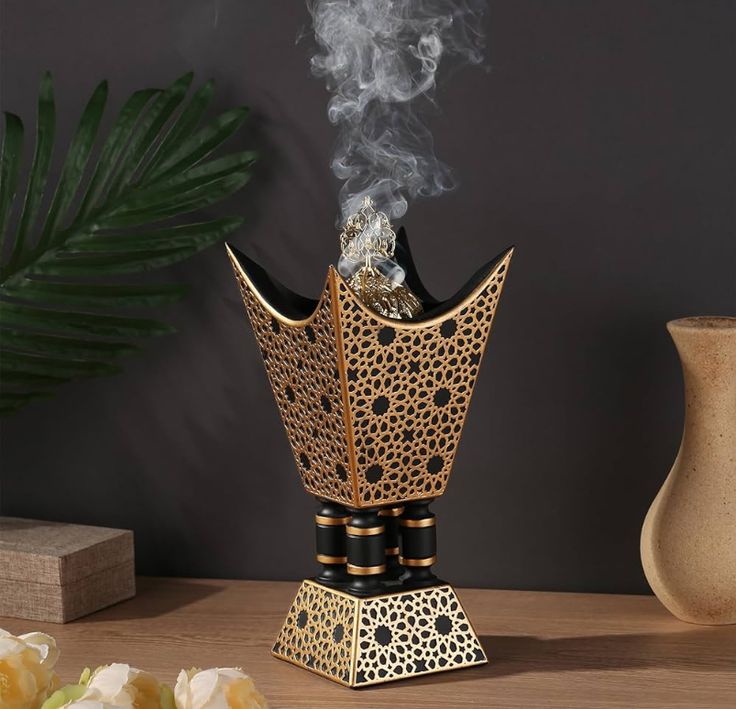
Bakhoor, in particular, offers versatility. Traditional hardwood burners add a rustic charm, while modern electric incense burners fit seamlessly into minimalist interiors. The aromatic experience transforms ordinary spaces into immersive sanctuaries, promoting calm, focus, and positive energy.
READ MORE:
- The New Face of Modesty: Modern Abaya and Hijab Trends in Northern Nigeria
- Latest 5 Ankara Outfits for Hausa Women in 2025
- The Evolution of Hausa Embroidery: Art, Identity, and Heritage
Wellness-Oriented Lifestyle Choices
Modern wellness enthusiasts are blending these ancient scents with routines like aromatherapy baths, yoga, and meditation spaces. For example, a dedicated corner with soft lighting, cushions, and a gentle waft of frankincense can transform a living room into a private retreat, creating a sanctuary amid urban chaos.
Social media platforms have also amplified this trend, with influencers showcasing “scented corners” and bakhoor rituals as part of luxury lifestyle content. The visual and olfactory appeal of these rituals makes them aspirational, encouraging followers to incorporate them into daily life.
Bakhoor and frankincense are no longer just relics of the past; they are defining the future of wellness and lifestyle. Their resurgence is a testament to a growing cultural desire for holistic well-being, sensory luxury, and mindful living.
By integrating these fragrances into daily life, individuals reconnect with traditions, enhance emotional and mental balance, and transform ordinary spaces into sanctuaries. Whether you are seeking stress relief, spiritual grounding, or an elevated lifestyle aesthetic, bakhoor and frankincense offer a bridge between the ancient and the contemporary, a reminder that sometimes, the oldest practices hold the most profound wisdom.
Incorporating these ancient scents into modern wellness routines is more than just a trend; it is a celebration of culture, self-care, and mindful living. So, light that bakhoor, breathe in the frankincense, and let your senses embark on a journey that transcends time.
FAQs
1. How do I use bakhoor and frankincense safely at home?
Use a dedicated incense burner or heat-safe surface. Ensure proper ventilation and never leave burning incense unattended.
2. Can I use these scents daily?
Yes, in moderation. Short sessions (15–30 minutes) can offer relaxation and mental clarity without overwhelming the senses.
3. Are bakhoor and frankincense suitable for everyone?
Generally, yes. However, individuals with respiratory conditions like asthma should consult a doctor before prolonged exposure.
4. Where can I buy authentic products?
Traditional Middle Eastern markets, certified online retailers, and speciality wellness stores offer high-quality bakhoor and frankincense. Authentic products often come with a detailed description of origin and ingredients.
5. How do I choose the right scent?
Frankincense offers a resinous, woody aroma ideal for meditation and relaxation. Bakhoor blends vary widely; floral, spicy, and woody tones can be chosen based on personal preference and mood.