Do you recall the first time you touched a piece of fabric and realised instantly, with complete certainty, that you were holding the future of luxury?
That visceral assurance, that the most innovative, exquisite design today flows through new, culturally-rooted channels, is at the heart of what I’ve seen in the dynamic ateliers of London, Paris, and Toronto. This is more than just a trend; it’s the rise of the Afropolitan Aesthetic, in which designers combine Ancestral Knowledge with the accuracy of global tailoring. We suggest that these Diaspora Design Hubs are actively building a multilingual design language that demands global inclusivity. This evolution is the most significant realignment in the fashion world this century, demonstrating that the most modern style is founded on the oldest, most fundamental principles.
Diaspora Design in London, Paris, and Toronto blends ancestral knowledge with global style. See how the Afropolitan Aesthetic is changing the meaning of luxury and making design more inclusive worldwide.
The Multilingual Design Language
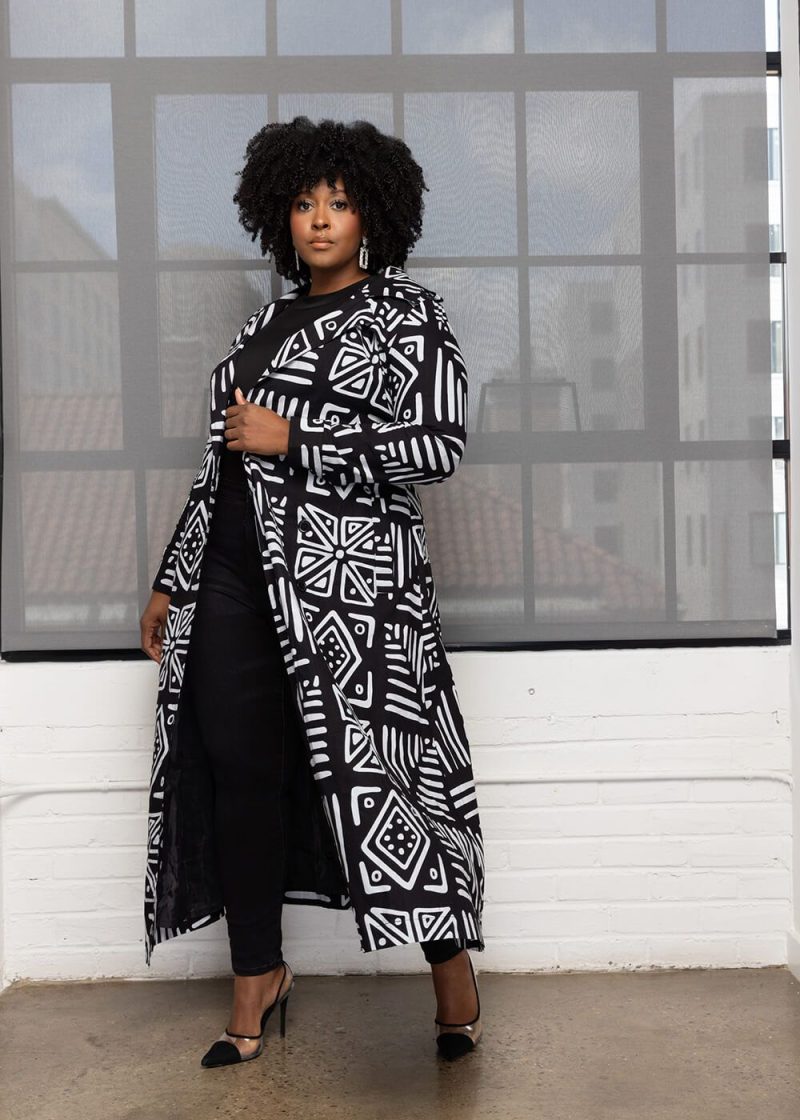
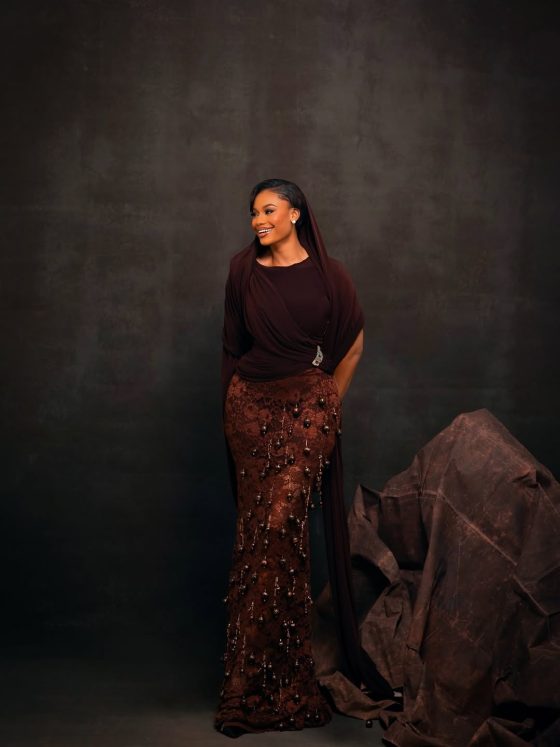
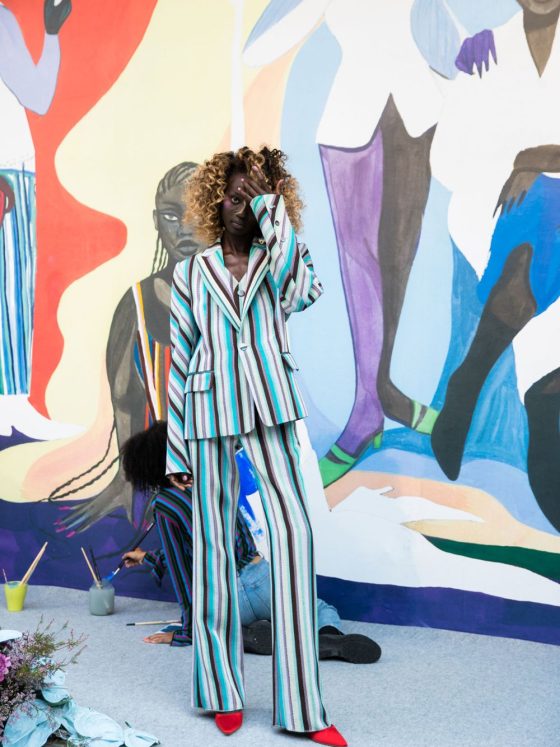
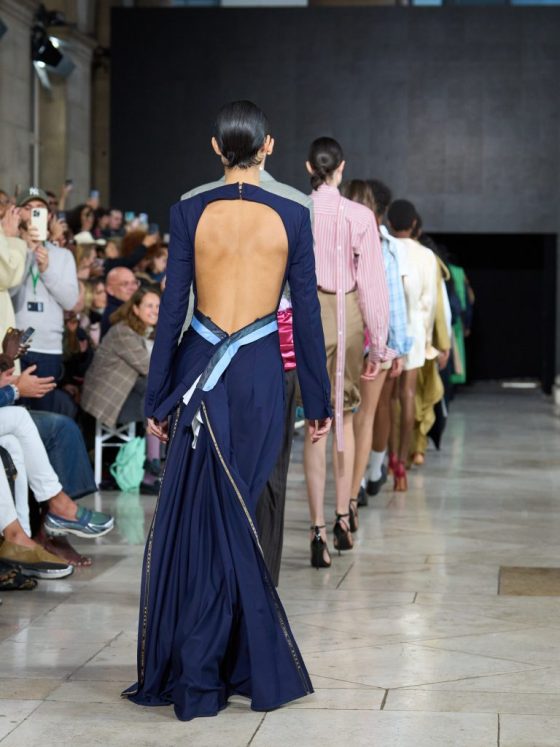
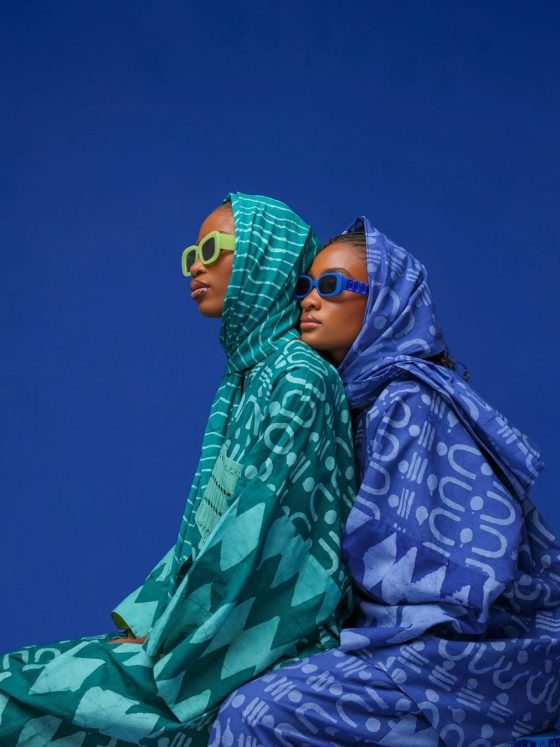
The Afropolitan Aesthetic, a fluid, sophisticated design language born in the Diaspora Design Hubs of London, Paris, and Toronto, is, in my opinion, the most significant cultural production of the twenty-first century. This trend goes beyond simply adopting patterns; it is a superb mix of ancestral knowledge, European tailoring, and contemporary silhouette design. This synthesis results in a truly multilingual design language that communicates to a worldwide audience because it refuses to fit into a single box.
We see this authority in designers like Duro Olowu (London/Nigerian), whose collections are acclaimed for their skilful blending of colourful, culturally-rooted designs with Western silhouettes, transforming each piece into an unashamed statement of Afropolitan strength.
Similarly, designers working in the Indo-Franco realm, such as those represented by Gundi Studios in Paris, seamlessly combine elaborate South Asian embroidery and textiles with an avant-garde French style. This is not simply fashion; it is a fundamental act of cultural assertion that corrects excluded narratives by putting culturally rooted styles at the very centre of the global conversation and demanding global inclusivity.
The Economic and Cultural Authority
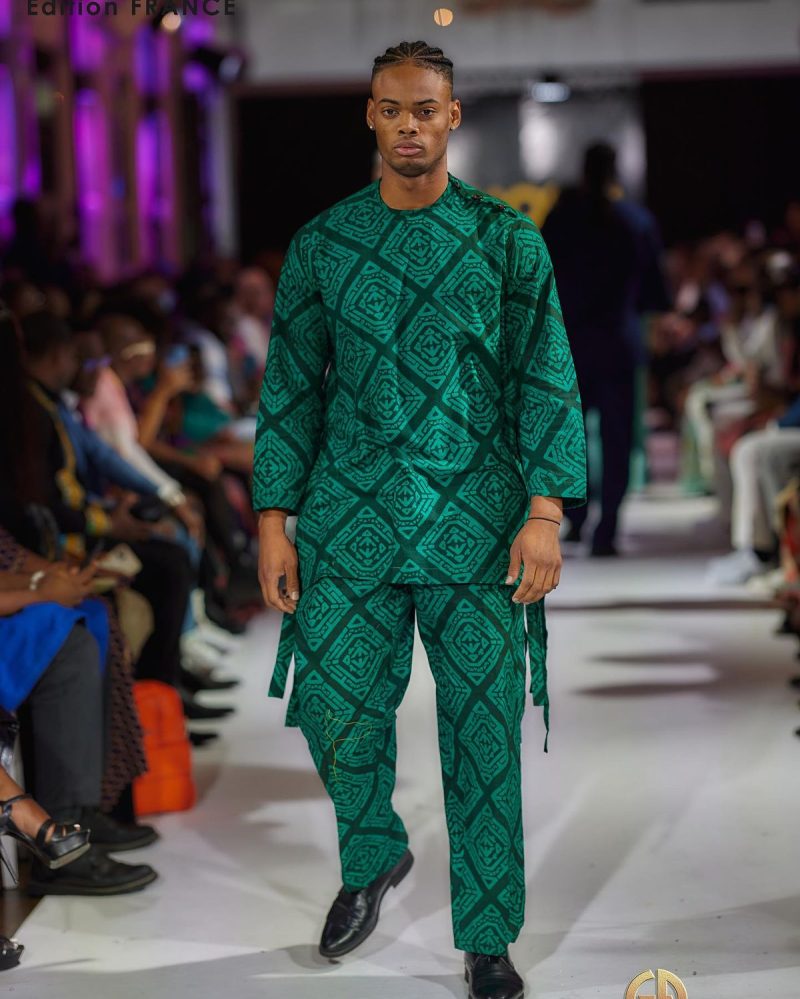
We can see that fashion’s power structure is no longer exclusively oligarchical; it is dispersed and international. London, Paris, and Toronto are not only attracting diverse talent; they are quickly becoming New Centres of provenance: locations where culturally rooted design is created, legitimised, and exported globally. Diaspora Design Hubs actively contest the devaluation of non-Western aesthetics, driving this transition towards economic autonomy.
The economic impact is organised and undeniable. Platforms such as Africa Fashion Week London (AFWL) are more than just cultural events; they are essential counter-cultural transnational formations. They create a commercial ecosystem for hundreds of designers that would otherwise be overlooked by conventional fashion weeks, giving them direct access to global buyers and media, hence increasing visibility and market authority.
This approach assures that the commercial value of ancestral knowledge remains with the communities that created it, hence stimulating economic development in both diaspora hubs and regions of origin. This construction of robust, self-sustaining networks demonstrates that Global Inclusivity is inherently a sound business strategy.
ALSO READ:
Fashion as Plural Modernity: The Inclusivity Mandate
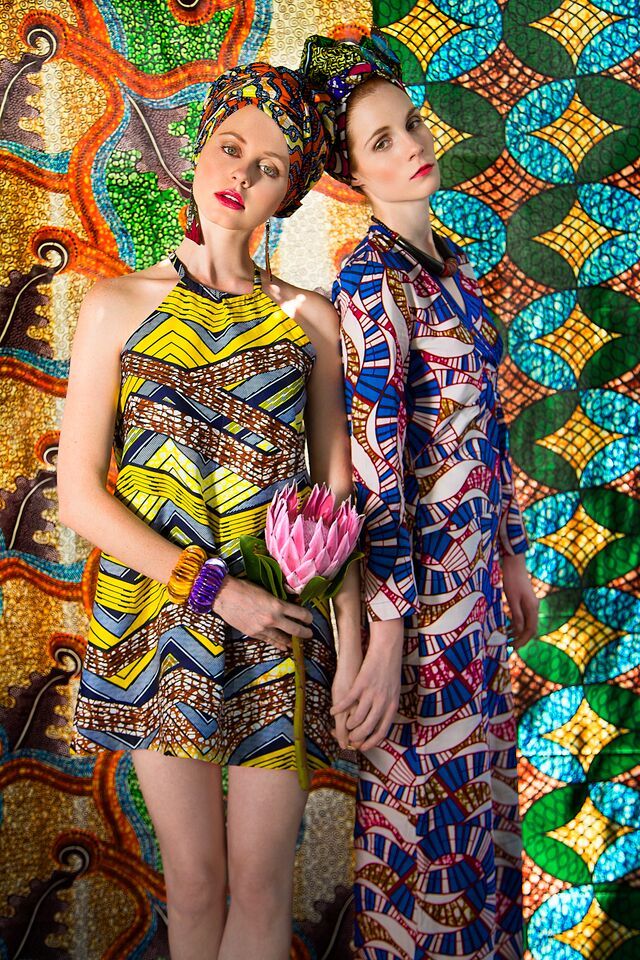
Diaspora Design Hubs’ most significant contribution is the conceptual demolition of fashion’s long-standing Eurocentric canon. Designers of African, Caribbean, and South Asian descent emphasise Plural Modernity by putting Culturally-Rooted aesthetics front and centre, refuting the notion that innovation can only come from a single Western source. Fashion, in this setting, becomes a crucial, nonverbal form of cultural assertion.
We see the impact of this movement in the work of South Asian diaspora designers in London, such as Priya Ahluwalia, who brilliantly mixes Indian and Nigerian ancestral knowledge to produce collections that are not only varied but fundamentally reinvent what British fashion means today.
Similarly, Caribbean designers in Canada question the basic categorisation of their work, using apparel to negotiate complex, hybrid identities. This Global Inclusivity mandate guarantees that the industry evolves beyond tokenism, recognising that the world’s style diversity lies in the hybridity and variety of these creative voices.
Discover the future of fashion and the rise of the Afropolitan Aesthetic in our definitive report on Global Inclusivity and Diaspora Design Hubs at Omiren Styles.
Conclusion
The unavoidable truth is that the geographical axis of fashion power has moved dramatically. The most extraordinary ideas are currently coming from the Diaspora Design Hubs in London, Paris, and Toronto, which are actively developing a plural modernity that embraces all cultural narratives. These designers are establishing the Afropolitan Aesthetic by combining ancestral knowledge with contemporary global tailoring, resulting in a sophisticated, culturally rooted vocabulary that is both opulent and futuristic. This movement is a significant triumph for Global Inclusivity, demonstrating that fashion’s most precious asset is its diversity and that the future of style is unmistakably global.
FAQs:
- What defines the Afropolitan aesthetic in fashion design?
A: The Afropolitan Aesthetic is defined by its hybridity: it is a multilingual design language that seamlessly fuses Ancestral Knowledge (like traditional textiles, dyeing, or silhouette techniques) with Western tailoring and global street style, reflecting the fluidity of life in Diaspora Design Hubs.
- How does this movement promote global inclusivity?
A: Promotes global inclusivity by challenging the long-standing Eurocentric Canon and asserting a plural modernity that recognises designers of all ancestries (African, Caribbean, South Asian, etc.) as central, innovative forces in the global style dialogue.
- What does “New Centres of Provenance” mean in this context?
A: It means that cities like London, Paris, and Toronto have shifted from being mere consumers of fashion to being new centres of provenance, actively creating, legitimising, and exporting culturally rooted design systems that establish economic sovereignty for the diaspora.
- How does Diaspora Fashion assert cultural assertion?
A: It asserts cultural assertion by converting historical, often marginalised, ancestral knowledge into a highly valued, visible, and luxurious global commodity, thereby controlling the narrative and economic value of one’s own cultural story.