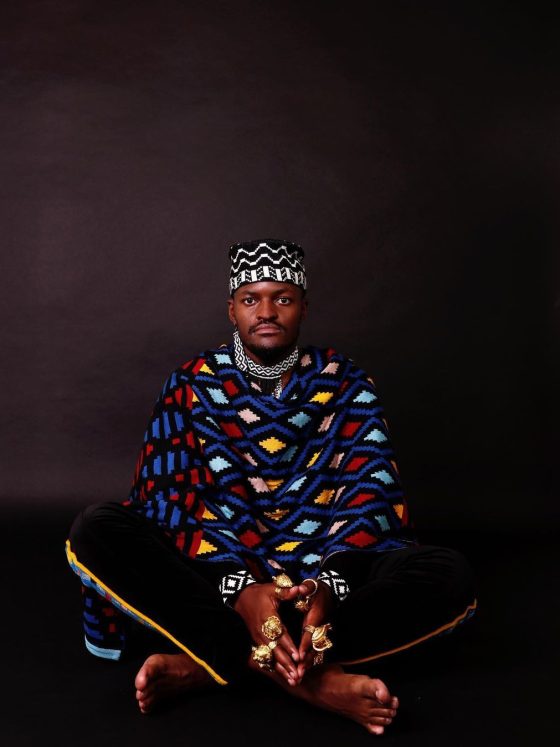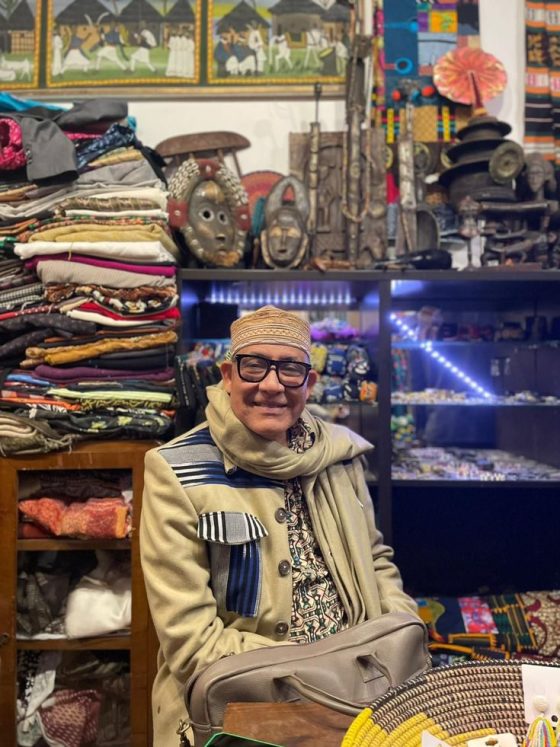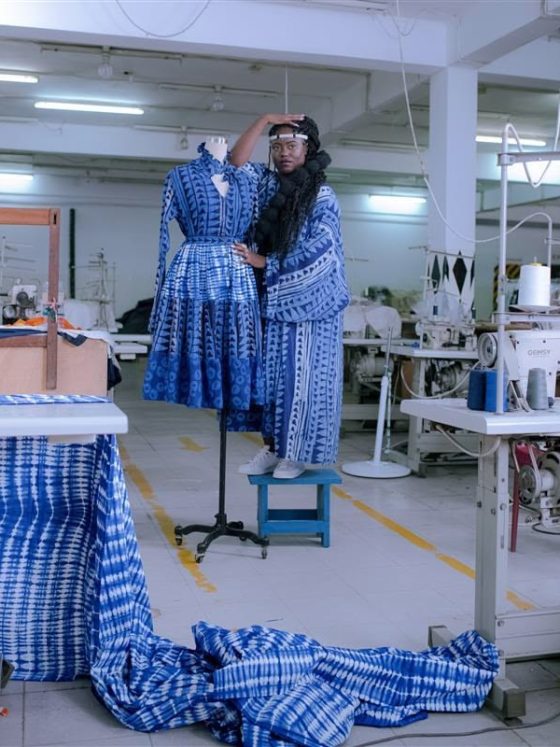
African interior design has never been a trend. It has always been an inheritance. Today, its most compelling designers move through materials and memory with deliberate grace, shaping spaces that feel both deeply personal and universally refined. Their work does not chase attention; it holds it by revealing a design language carved from history and sharpened for a global audience that is finally learning to listen.
Across the continent and its diaspora, a quiet renaissance is unfolding. Designers are merging ancestral craftsmanship with contemporary architecture, elevating natural materials into sculptural statements and transforming interiors into cultural texts written in texture, colour, and form. These spaces breathe. They carry rhythm. They carry lineage.
African interior designers are not seeking a place in global design conversations. They are becoming a reference point by rewriting what modern luxury feels like, how it is made and where the world looks for inspiration.
African interior designers are setting a new global standard for luxury, blending heritage, craftsmanship, and contemporary refinement to shape the future of design.
Designers Defining the Moment
The movement is shaped by distinct creative minds whose work spans continents, cultures, and disciplines. Each designer carries a different vocabulary, yet together they form a collective force shaping the world’s understanding of luxury.
Tola Akerele — Nigeria’s Guardian of Craft and Cultural Modernity

Tola Akerele approaches design as a form of cultural preservation. Her work with iDesign reflects a philosophy rooted in craft and memory. Nigerian hardwoods, handwoven fabrics, and local artisans take centre stage as she blends heritage with modern silhouettes. Her interiors are warm, structured and textured; a reminder that African luxury does not imitate; it translates lived experience into contemporary form.
Mpho Vackier — Sculptural South African Modernism
As the founder of TheUrbanative, Mpho Vackier brings a sculptor’s discipline to furniture and interior spaces. Her work merges modern geometry with African cultural references, achieving a balance that is both conceptual and functional. She designs pieces that feel architectural; chairs that read like line drawings, consoles that echo traditional craft, and spaces that hold the sophistication of modern African futurism.
Thabisa Mjo — A New Vocabulary of Light and Form
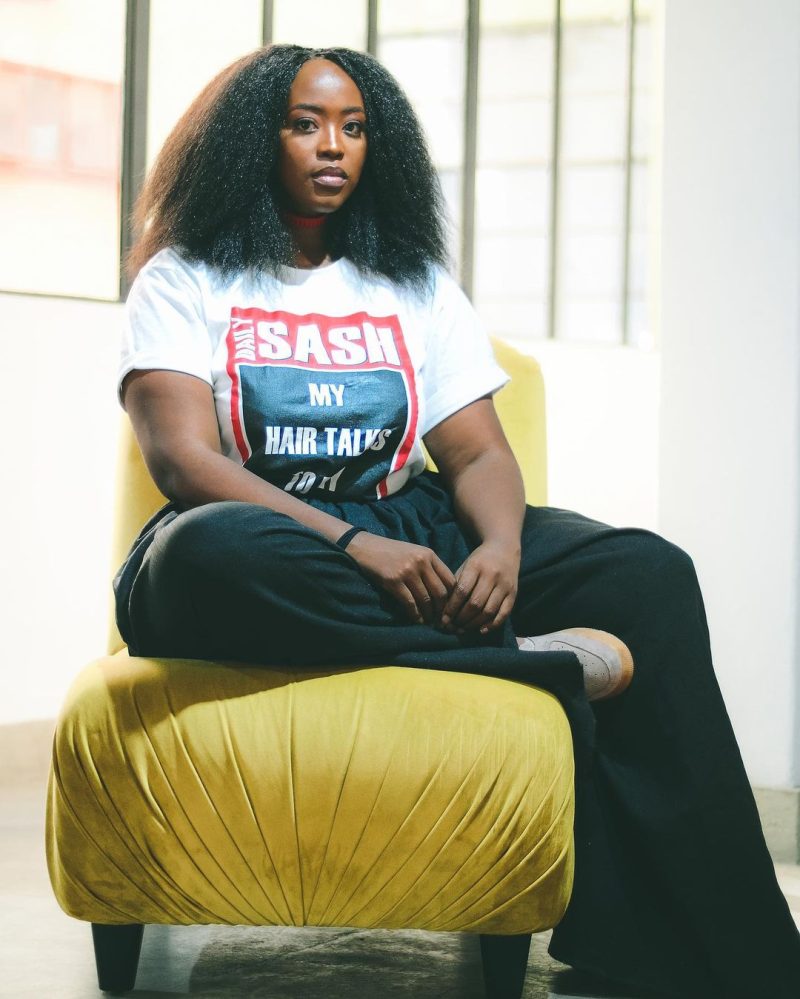
Thabisa Mjo’s presence in global design stands as one of the most compelling examples of African innovation shaping luxury. Her Tutu 2.0 light won the Most Beautiful Object in South Africa, and her studio’s pieces have since travelled from Johannesburg to galleries, hotels and luxury residences worldwide. Her approach blends storytelling, crafts, and sculptural forms, introducing a new emotional language to contemporary interiors.
Mia Senekal — Organic African Luxury Through Sculptural Furniture (South Africa)
Founder of Murrmurr, Mia Senekal designs furniture and interiors that feel crafted by nature itself. Her pieces, formed from raw timber, sculpted upholstery and textured surfaces, create a harmony between organic form and contemporary detail. Senekal’s aesthetic sits comfortably within global conversations around slow luxury and natural minimalism. Her interiors feel calm, refined, and intentionally unpolished, reminding the world that elegance can whisper rather than shout.
Mimi Shodeinde—The British-Nigerian Architect of Quiet Luxury
Mimi Shodeinde, founder of Miminat Designs, approaches interiors with architectural precision. Her furniture pieces, often sculptural and monochromatic, feel like functional art. In her spaces, shadows, textures and silhouettes serve as design elements. Her work embodies the quiet confidence of modern luxury: less spectacle, more intention. She bridges African sensibility with European refinement, creating spaces that feel timeless.
Donald Nxumalo — Sophistication Rooted in African Elegance (South Africa)
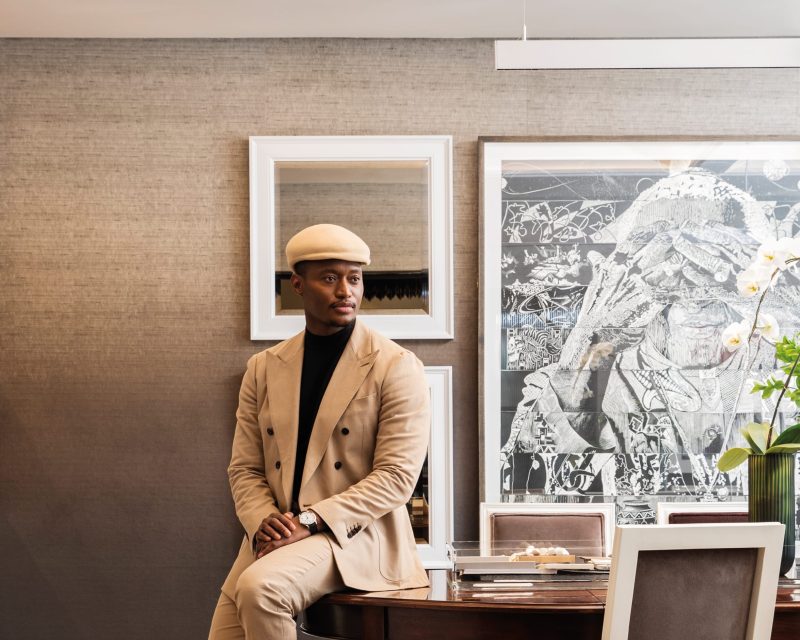
Donald Nxumalo brings a cinematic understanding of luxury to South African interiors. His work is known for its layered textures, strong silhouettes and polished palettes that move fluidly between contemporary refinement and African emotionality. Nxumalo’s projects are often defined by bold materials, tailored softness and an instinctive ability to balance grandeur with intimacy. His presence strengthens South Africa’s reputation as a global force in interior design.
READ ALSO:
- Miracle Godsent Nwachukwu: The Vision Elevating Nigerian Luxury Interiors
- How African Designers Lead the New Era of Structural Minimalism
- The Rise of African Luxury Designers Redefining Global Runway Culture
How African Luxury Interiors Are Redefining the Global Standard
African interior designers are setting new definitions of luxury that transcend trends:
- Luxury Rooted in Craftsmanship
African design places materials at the centre — hardwoods, woven grasses, bronze, ceramic, sisal, glass, leather and clay. Whether in Lagos, Nairobi or Cape Town, designers are championing artisanal communities whose skills carry generations of knowledge.
- A Visual Language Defined by Identity
Their spaces speak in tonal palettes, textured surfaces, sculptural silhouettes and cultural codes. It is a visual language that is at once minimal and expressive, grounded and global.
- A Return to Natural Materials
Sustainability is not an aesthetic choice but a continuation of traditional African building philosophies, such as those based on earth, fibre, stone, reed, and wood. Designers are reintroducing these materials through contemporary craftsmanship.
- Narrative-Driven Spaces
Every interior feels like a story: heirloom textiles, crafted seating, architectural lighting, and cultural symbolism rendered in modern form. The spaces are not decorated; they are authored.
An Evolving Design Landscape

African interior design stands at an intersection where craftsmanship meets innovation, where tradition meets global influence. The world is not simply watching; it is learning. Luxury brands, galleries, museums and boutique hotels continue to collaborate with African designers because their work embodies what modern luxury often lacks: emotional precision, cultural meaning, and an unbroken relationship with heritage.
What emerges is a design narrative that does not borrow from the West but expands the world’s understanding of what luxury can be.
African designers are not just shaping “African design”. They are shaping the design.
Frequently Asked Questions
- Who are some leading African interior designers today?
Tosin Oshinowo, Donald Nxumalo, Mia Senekal and Thabisa Mjo are among the continent’s most influential designers shaping global interiors.
- What makes African interior design unique?
It blends cultural heritage, artisanal craftsmanship and modern design principles—resulting in interiors that feel meaningful, elegant, and emotionally grounded.
- Are African interior designers gaining global recognition?
Yes. Their work appears at international design fairs, luxury hotels, premium residences and global publications, positioning Africa as a significant voice in luxury design.
- Which materials define African luxury interiors?
Natural woods, woven fibres, bronze, textured fabrics, clay, stones, leather, and handmade textiles are central to the continent’s design language.
- Is African interior design a trend?
No. It is a longstanding cultural practice grounded in heritage. Its global visibility today reflects recognition, not emergence.