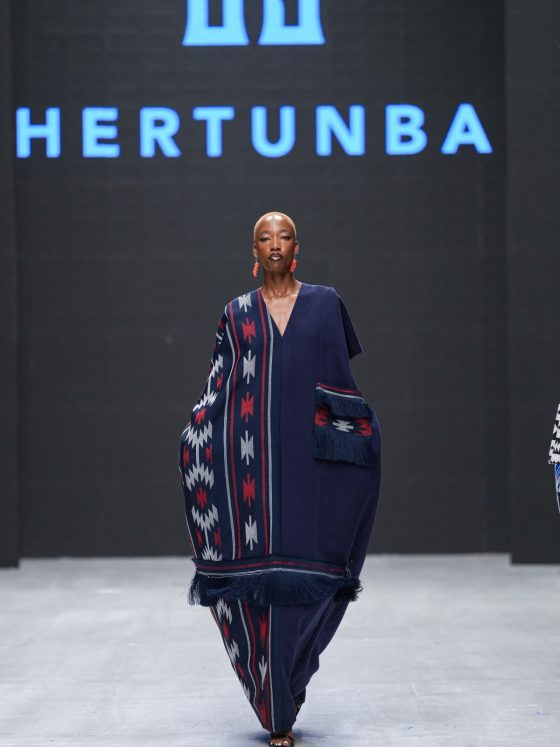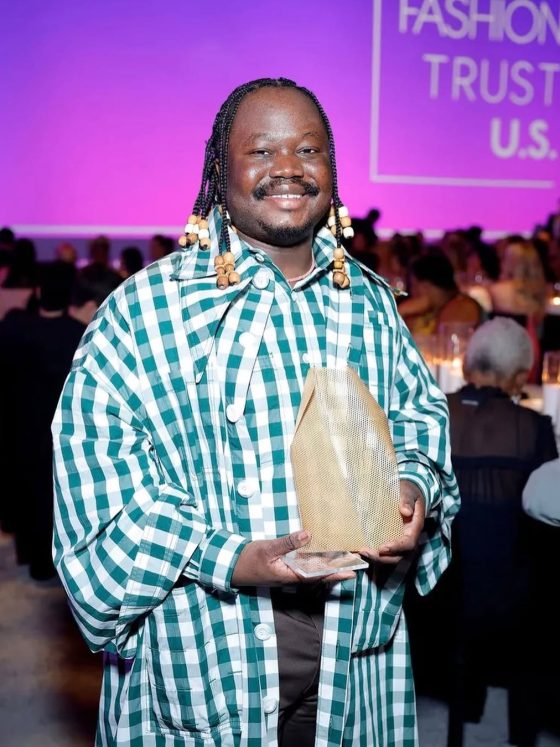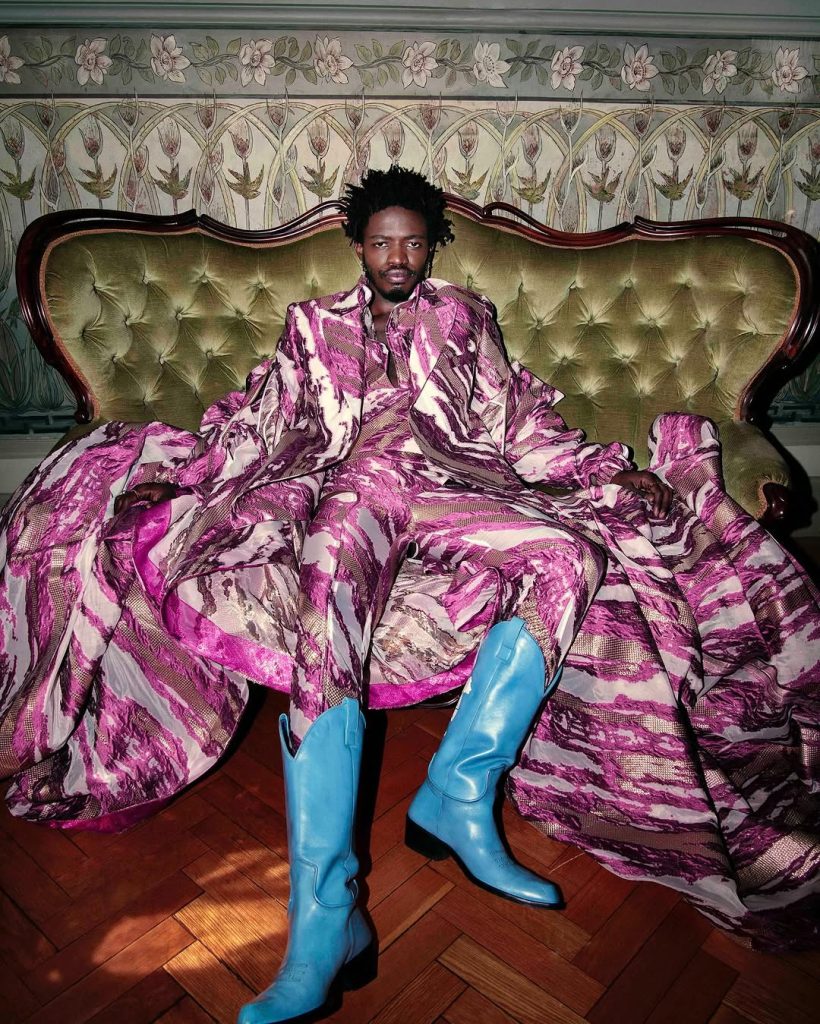
Africa’s fashion market was valued at approximately 31 billion US dollars in 2020, according to McKinsey and Company, and is projected to exceed 50 billion dollars by 2030. The African Prints Fashion market alone is expected to grow at a compound annual growth rate of 24.20% between 2025 and 2033, reaching an estimated 34.7 billion dollars. These are the numbers that get quoted in investment decks and fashion industry panels. What these presentations tend to omit is that Africa’s fashion industry currently accounts for just 1.82% of the global fashion market, according to the African Fashion Development Initiative. The gap between potential and realisation is not a creative problem. African fashion has no shortage of creative output. It is a structural and strategic problem, and most African brands are making the same mistakes when they try to address it.
This article names those mistakes, names the brands that avoided them, and draws the line between what most African fashion brands think scaling looks like and what it actually requires.
Most African fashion brands make the same four mistakes when they try to scale. Three brands identified the errors, built around them, and reached international markets. Here is how.
The Four Scaling Mistakes African Fashion Brands Keep Making
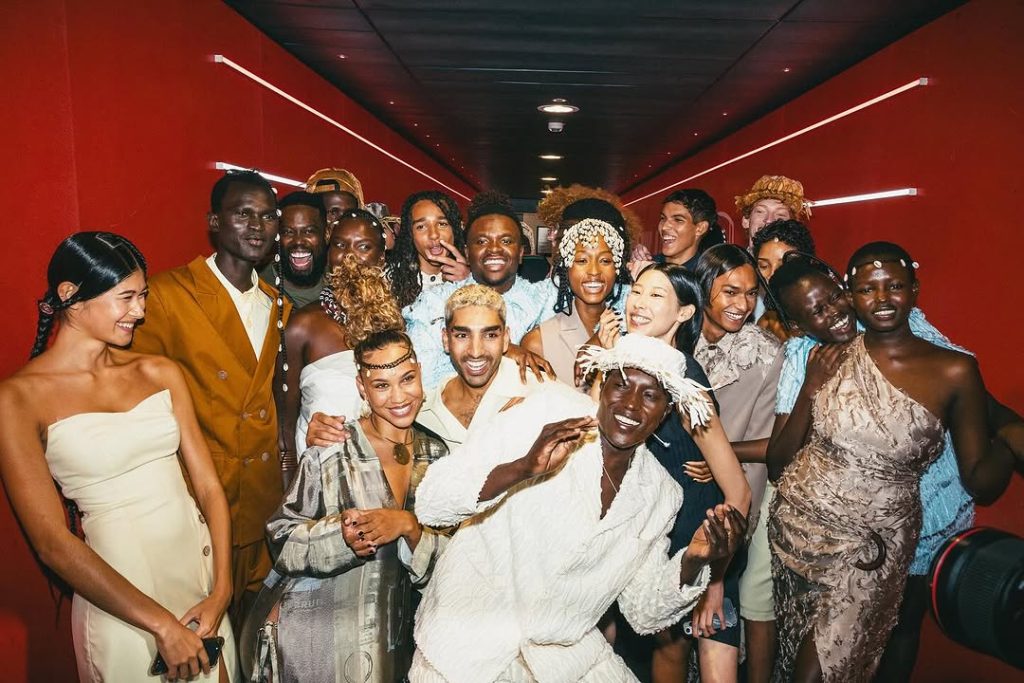
The first mistake is confusing visibility with infrastructure. A brand that achieves international press coverage, celebrity dressing, or fashion week placement has gained visibility. Visibility is not a business model. Without the production capacity, logistics infrastructure, and financial systems to convert visibility into repeatable sales, it evaporates. As Fashionista documented in January 2026, African designers routinely face shipping costs that exceed production costs when fulfilling international orders. A brand that cannot ship reliably and affordably cannot scale internationally, regardless of how many editorial features it has received.
The second mistake is sourcing dependency. Research by the Botho Group, published in 2026, documents the structural reality precisely: African countries produce roughly 6% of the world’s cotton, yet local apparel producers source more than 90% of their yarn and fabric from outside the continent. Sub-Saharan Africa accounts for less than 2% of global spinning, weaving, and knitting output. A brand built on imported materials is exposed to currency fluctuations, supply chain disruptions, and cost structures that make consistent pricing at scale extremely difficult. The brands that have scaled successfully have either built around local material sourcing from the beginning or developed long-term supplier relationships that stabilise their material costs.
The third mistake is treating the international market as the primary validation target. The pattern is consistent: a brand receives international press, pivots its energy toward European or American market access, and discovers that domestic and intra-African demand was the more sustainable revenue base all along. Intra-African trade in textiles and apparel remains below 12%, hampered by non-tariff barriers and logistics bottlenecks. But those barriers are structural rather than absolute. The brands that have built durable businesses have generally done so by owning their domestic market first, then internationalising from a position of commercial stability rather than visibility pressure.
The fourth mistake is premature category expansion. A brand with a clear signature, one product category executed to a high standard, regularly attempts to expand into adjacent categories before the original category is operationally sound. The result is diluted quality, strained production capacity, and a brand identity that no longer communicates what made it interesting. This mistake is not unique to African brands. But African brands face it with less capital to absorb the consequences of getting it wrong.
The Three African Fashion Brands That Scaled Without Losing What They Were
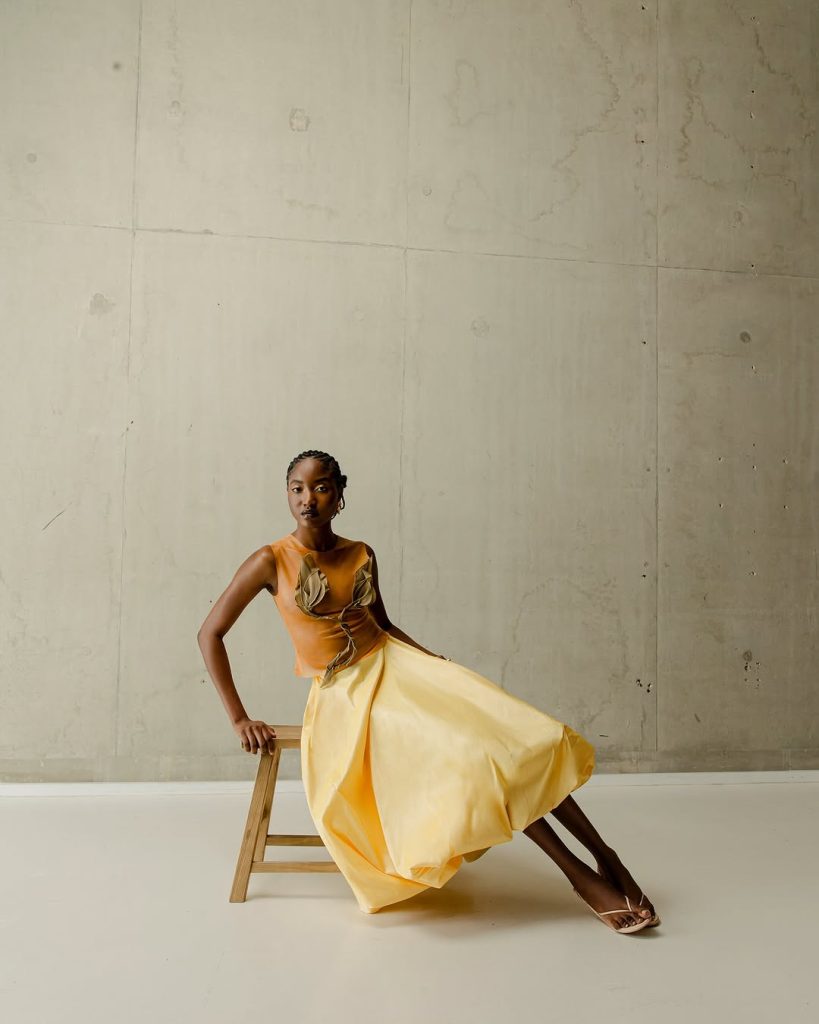
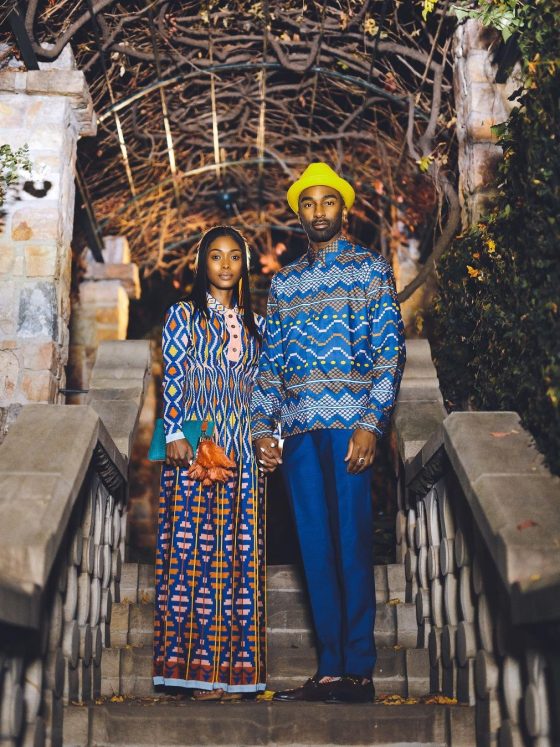
MaXhosa Africa, founded by Laduma Ngxokolo in 2010 as a textile design project at Nelson Mandela University in Port Elizabeth, is the clearest case study in principled scaling on the continent. Ngxokolo’s starting point was specific: he wanted to create knitwear suitable for Xhosa initiates, the amakrwala, that used traditional Xhosa beadwork motifs interpreted through premium local mohair and wool. The creative brief was cultural, precise, and non-negotiable. The business built around it preserved that brief at every stage. MaXhosa sources its mohair locally from the Eastern Cape. Its garments are made in South Africa. It opened a flagship store in Johannesburg in 2019. It has collaborated with Nike and Puma, shown at Paris Fashion Week, and dressed Michelle Obama, Beyoncé, and Alicia Keys. Annual sales have been reported at around 11 million US dollars. Speaking at BoF CROSSROADS 2025, Ngxokolo framed the brand’s scaling logic directly: the question was always how to take local traditional aesthetics and modernise them, not how to adapt them for external markets. The distinction is the whole strategy.
Hanifa, the Washington, D.C.-based label founded in 2011 by Congolese-American designer Anifa Mvuemba, solved the infrastructure problem differently. Rather than fighting the logistics barriers that prevent African brands from reaching international consumers through traditional wholesale channels, Mvuemba built a direct-to-consumer model that bypassed wholesale entirely. The brand’s 2020 3D digital fashion show, which presented garments on invisible body forms using digital modelling, generated global attention without a physical runway, a fashion week entry fee, or a press room. It also generated direct sales. The DTC model means Hanifa controls its pricing, customer relationships, and data. It is sold at Saks Fifth Avenue and other major retailers, but its business does not depend on those relationships. Platforms such as Industrie Africa and The Folklore have helped bridge similar gaps for other African designers, but Hanifa built that bridge into its operating model from the beginning.
Pink Mango, founded by Maryse Mbonyumutwa, addressed the scaling problem at the manufacturing level rather than the distribution level. As documented at BoF CROSSROADS 2025, Mbonyumutwa’s path into manufacturing began when she could not find local production capacity for her own brand; rather than accepting that as a constraint, she built manufacturing infrastructure. Pink Mango now provides production capacity not only for its own collections but also as a manufacturing partner for other African designers facing the same sourcing deficit. Afreximbank, through its CANEX programme, has been investing in exactly this kind of infrastructure-level intervention: helping African brands enter European markets not through visibility campaigns but through manufacturing partnerships, access to trade platforms, and IP protection. BOYEDOE was among three African brands selected to show at Tranoi during Paris Fashion Week in October 2025 through this programme.
Scale is not the goal. Sustainable scale with cultural integrity intact is the goal. Most African brands lose the second half of that sentence before they reach the first.
What These Three Cases Have in Common
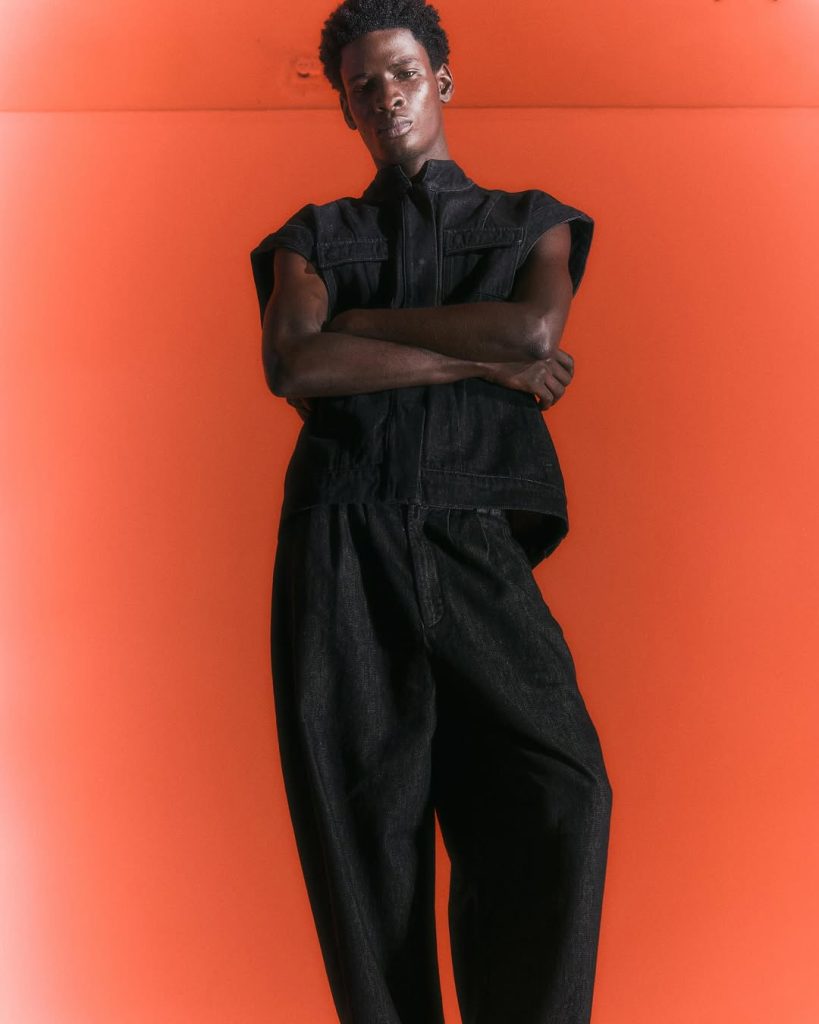
MaXhosa Africa, Hanifa, and Pink Mango did not scale in the same way. Their markets, product categories, and routes to international visibility differ. What they share is the sequence of decisions they made. All three built operational clarity before pursuing scale. All three identified the specific constraint their business faced: logistics, production capacity, or distribution dependency, and solved for that constraint rather than working around it. All three maintained a non-negotiable creative position: the brand identity was not adjusted to meet external market expectations. The external market was expected to come to the identity.
This last point is the one that most African brands get wrong in the most consequential way. The pressure to adapt a creative identity for Western market legibility is constant, and it is presented as practical advice rather than what it usually is: a request to make the work less specific, less culturally rooted, and therefore less interesting. The brands that have most consistently resisted that pressure are the ones with the most durable international positions. MaXhosa Africa’s Xhosa beadwork motifs and South African mohair are not niche features of a product intended only for African consumers. They are the reason the brand is stocked internationally. The specificity is the commercial proposition.
The Fashion Law Africa Summit, founded by consultant Sana Ahmed, exists precisely because the legal and IP infrastructure that protects this specificity is chronically underdeveloped. As Fashionista documented from the 2025 Summit, African designers entering international markets without trademark, copyright, and IP protection are exposed to appropriation that undermines the creative differentiation they have spent years building. Cultural ownership, Ahmed’s phrase, is not only a value position. It is a business asset that requires legal protection to retain commercial value.
Also Read:
- The Lagos Fashion Week Effect: What a Decade of Runway Has Actually Done for Nigerian Designer Revenue
- Who Actually Owns Ankara: The Legal and Cultural Argument the Fashion Industry Has Been Avoiding
- The Secondhand Market as a Design School: How Kantamanto Graduates Are Dressing Ghana’s Streets
- Lagos vs Accra: Two Cities, Two Dress Philosophies, One Contested Crown
What Scaling Actually Requires in the African Context
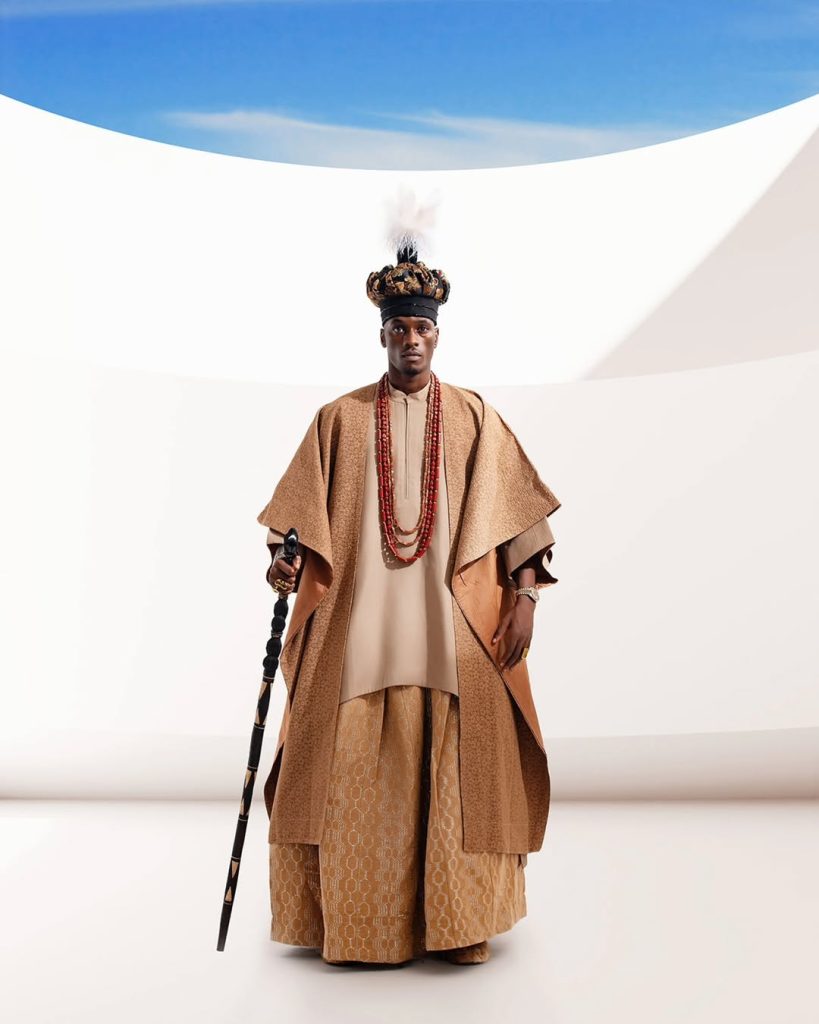
The infrastructure gaps documented by Botho Group, the AFDI, and the Afreximbank are real. Intra-African trade in textiles is below 12%. Local producers are sourcing 90% of materials externally. Shipping costs that exceed production costs for international orders. These are not problems that an individual brand strategy can fully resolve. They require policy intervention, regional trade infrastructure, and sustained institutional investment of the kind the Afreximbank’s CANEX programme represents.
But within those structural constraints, the strategic choices individual brands make determine whether they build durable businesses or peak at visibility and retreat. The choice to source locally where possible, even when it costs more initially, builds a supply chain that can be controlled and costed over time. The choice to own the domestic market before pursuing international validation builds commercial stability that international distribution pressure does not erode. The choice to build manufacturing infrastructure, as Pink Mango did, creates assets that compound rather than depreciate. The choice to build a direct customer relationship, as Hanifa did, creates data and margin that wholesale relationships do not provide.
None of these choices is easy. All of them require longer time horizons than the fashion industry’s standard funding and press cycles typically accommodate. The brands that have demonstrated they are possible are the most important evidence the African fashion industry has that sustainable scale is achievable on its own terms.
The Omiren Argument
The African fashion industry’s scaling problem is often framed as a capital, logistics, or infrastructure problem. All three framings are accurate as far as they go. What they consistently omit is the strategic dimension: the decisions brands make before they have capital, logistics partners, or infrastructure. MaXhosa Africa did not wait for South Africa’s manufacturing infrastructure to improve before committing to local sourcing. Hanifa did not wait for a logistics solution before building a direct relationship with customers. Pink Mango did not wait for manufacturing capacity to exist before building it. The brands that have scaled without losing their identity are the ones that solved for their specific constraint rather than deferring to it.
The broader argument is this: African fashion brands that scale by becoming more legible to Western markets tend to lose the specificity that made them interesting. The brands that scale by becoming more operationally precise while maintaining creative specificity tend to build durable international positions. The difference between those two paths is not primarily a function of capital or infrastructure, though both matter. It is a function of strategic sequencing: knowing which problem to solve first, and having the discipline not to solve the visibility problem before the operations problem is answered. The three brands this article documents got that sequence right. The industry’s task now is to make their approach replicable rather than exceptional.
Frequently Asked Questions
Why do African fashion brands struggle to scale internationally?
The primary structural barriers are shipping costs that routinely exceed production costs for international orders; local material sourcing deficits that create supply chain dependency and cost instability; a lack of manufacturing capacity in most African markets outside Ethiopia, Kenya, and Lesotho; and limited access to capital for operational investment. Strategic errors compound these structural barriers: brands frequently pursue international visibility before resolving domestic operations, expand into new categories before core operations are sound, and adapt their creative identity to meet external market expectations rather than building markets around their creative specificity.
How did MaXhosa Africa build a scalable business while maintaining its cultural identity?
MaXhosa Africa built operational clarity before pursuing scale. Founder Laduma Ngxokolo committed to sourcing South African mohair and wool from the beginning, which stabilised material costs and strengthened supply chain control. The brand’s Xhosa beadwork motifs were non-negotiable creative territory, which meant the brand’s identity did not erode under pressure to produce more commercially legible designs. The Johannesburg flagship, opened in 2019, anchored domestic market ownership before international expansion. International collaborations with Nike and Puma and shows at Paris Fashion Week were pursued from a commercially stable base, not instead of one.
What is the direct-to-consumer model, and why does it matter for African fashion brands?
The direct-to-consumer model bypasses traditional wholesale distribution, selling directly to customers through brand-owned channels including e-commerce, pop-ups, and brand stores. For African fashion brands, it matters because wholesale relationships require large order minimums, long payment terms, and price concessions that erode margins for brands already operating on thin production economics. DTC gives brands control over pricing, customer data, and the brand relationship. Hanifa’s model, which used digital innovation to generate sales without relying on wholesale, is the clearest demonstration that DTC can sustain an African fashion brand on an international scale.
What is the Afreximbank CANEX programme and how does it support African fashion?
The Afreximbank’s CANEX programme helps African creative businesses, including fashion brands, access international markets. Its fashion division, led by Khanyi Mashimbye since 2021, has prioritised helping African designers enter European markets through manufacturing partnerships, access to trade platforms, and institutional linkages, including a partnership with Portugal Fashion Week. BOYEDOE was among three African brands selected to show at the Tranoi trade show during Paris Fashion Week in October 2025 through the programme. The CANEX approach treats infrastructure investment, not visibility campaigns, as the primary scaling mechanism.
What is the Fashion Law Africa Summit, and why does IP protection matter for African fashion brands?
The Fashion Law Africa Summit, founded by consultant Sana Ahmed, provides African fashion brands with legal resources, education, and tools to protect their creative work as they enter international markets. IP protection matters because African fashion brands entering international distribution without trademark, copyright, and design protection are exposed to appropriation that undermines their creative differentiation. Cultural specificity, the precise design element that gives African brands their competitive distinctiveness, has no commercial protection without legal registration. The Summit’s position is that cultural ownership is not only a values argument. It is a business asset that requires active legal protection.
Explore More
Omiren Styles covers the African fashion industry in depth, and it deserves. Read the full Industry section for strategy, investment, and business intelligence across the continent’s fashion economy.