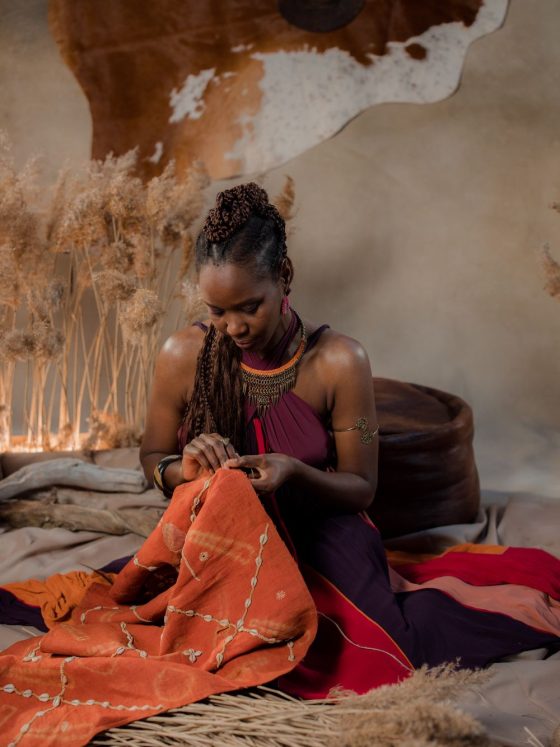
Sustainable fashion in Ghana isn’t a new trend adopted from the West. It is the continuation of a long-standing design intelligence rooted in material resourcefulness and cultural logic.
In Accra workshops and across regional towns, designers and artisans have long transformed limited resources into desirable garments. They have turned constraint into creativity through skill, innovation, and craftsmanship.
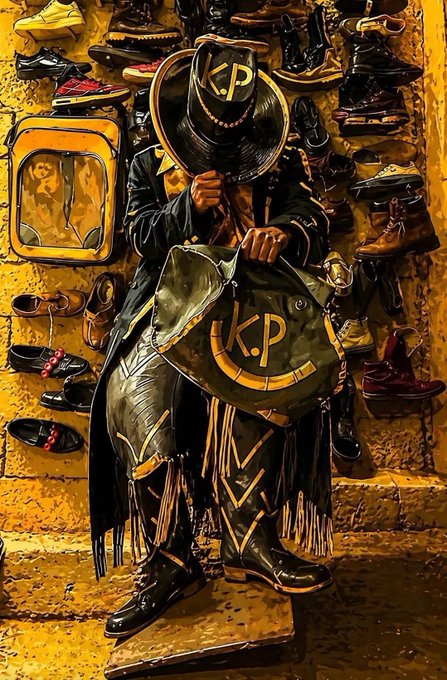
Today, this tradition finds powerful expression through upcycling in Ghana. Discarded pure water sachets, obsolete tyres, textile remnants, and second-hand clothing known locally as obroni wawu are systematically reborn into high-value fashion.
Rather than following global sustainability narratives, Ghanaian upcycling designers are shaping their own models.
Discover how sustainable fashion in Ghana is being shaped by local upcycling, traditional craftsmanship, and innovative designer-led models.
Resourcefulness as Ghanaian Design Tradition
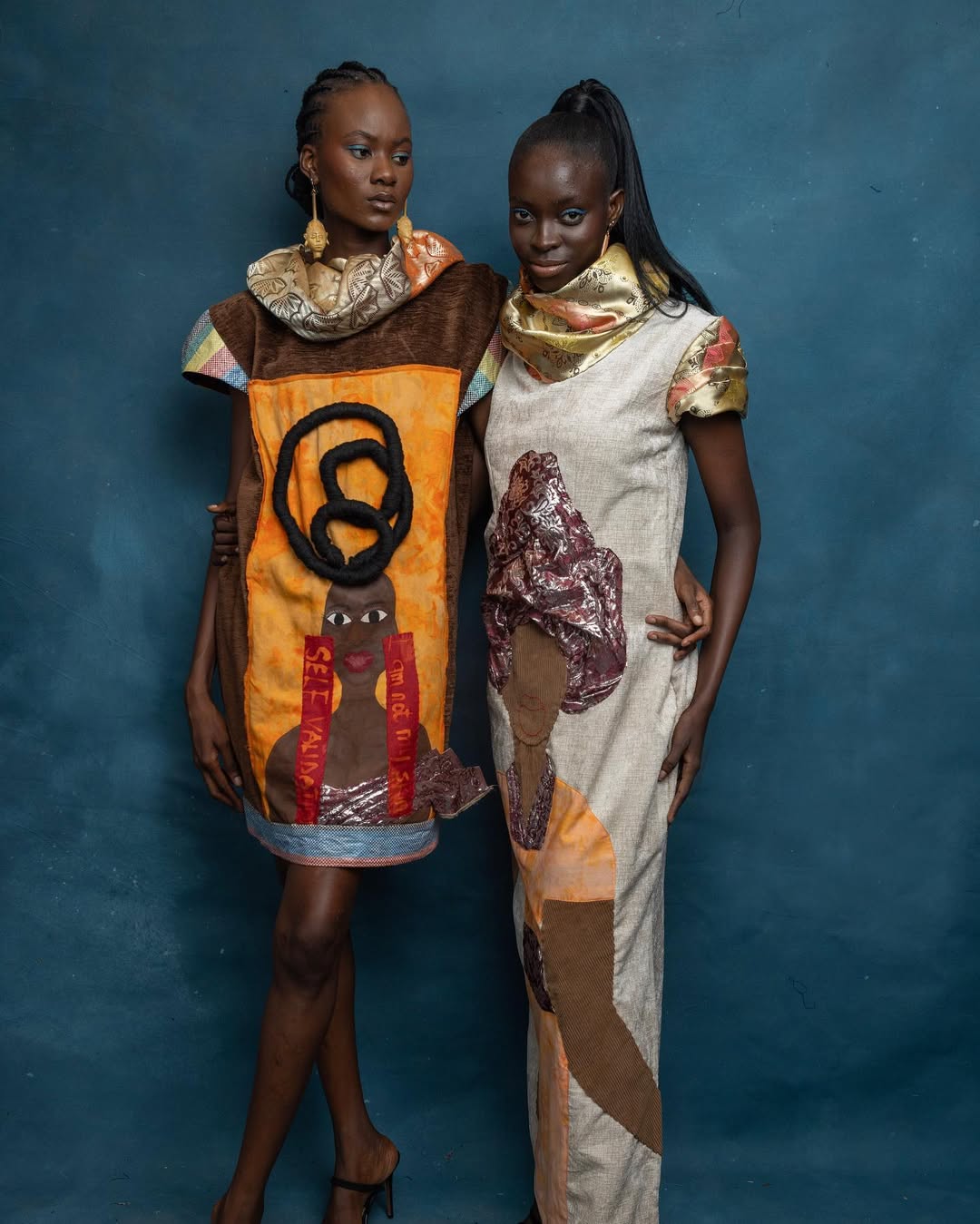
Ghanaian designers and artisans have practised resourcefulness as a foundational element of fashion for generations.
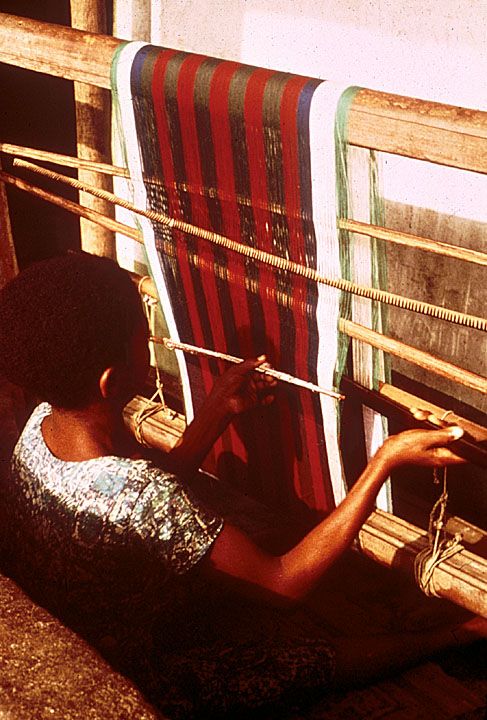
Long before sustainability became a global industry term, tailors in Accra, kente weavers in Bonwire and Agotime, and smock makers in northern Ghana perfected systems of material reuse and transformation.
They meticulously disassemble garments, maximise every centimetre of fabric, and repurpose remnants with technical precision.
Kantamanto market in Accra stands as a powerful example. Traders have built a highly organised economy around the sorting, repair, cleaning, and redistribution of second-hand clothing.
This system supports thousands of livelihoods while keeping large volumes of textile waste in circulation.
This deep-rooted tradition directly challenges the assumption that sustainable fashion in Ghana is a Western import.
Contemporary designers aren’t learning circularity from outside. They are extending sophisticated indigenous knowledge systems that have always prioritised material intelligence, economic ingenuity, and respect for resources.
Upcycling and Material Innovation in Ghana
Ghanaian upcycling designers aren’t following global sustainability trends. They are refining a practical response to the massive volume of waste generated by imported second-hand clothing and plastic pollution.
Pioneering enterprises such as Trashy Bags have turned used water sachets into durable fashion bags and accessories since 2007. They’ve trained dozens of artisans in the process.
More recent designers, including Titus Doku of Calcul, Rebecca Naa Korkor Mensah of Nakoi, and Emmanuel Tetteh of Antydote, create contemporary collections from Kantamanto-sourced materials.
They combine traditional craftsmanship from Ghana with cutting, weaving, and reconstruction techniques to produce pieces that celebrate rather than conceal the material’s origin.
This model of upcycling in Ghana generates livelihoods while addressing real local waste challenges. It demonstrates that sustainable fashion in Ghana grows from material necessity and design ingenuity, not from external ideology.
Sustainable Fashion in Ghana Craftsmanship as Competitive Advantage
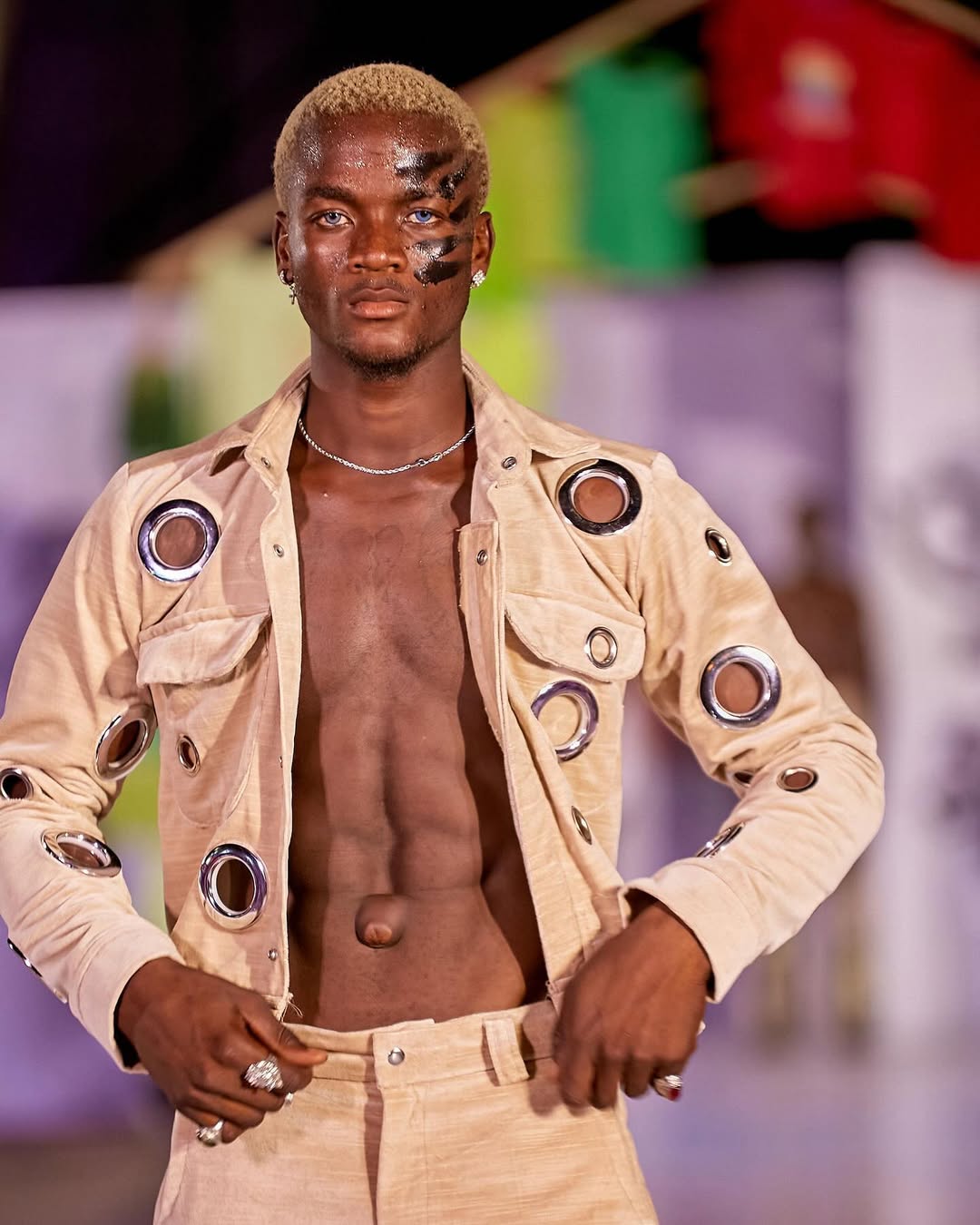
Sustainable fashion in Ghana draws its greatest strength from the sophisticated technical foundation of traditional craftsmanship.
Rather than treating artisans as mere suppliers, forward-thinking designers are building deep, equitable partnerships. They’re partnering with kente weavers in the Ashanti Region, adinkra printers, indigo dyers in the Volta Region, and smock makers in northern Ghana.
These artisan collaboration Ghana fashion initiatives treat weavers and tailors as co-creators in the design process. This model delivers clear advantages.
Handwoven textiles and traditional construction techniques produce garments with superior durability and cultural resonance that machine-made alternatives cannot match.
Designers gain authentic material stories while artisans receive stable, higher-value work that preserves endangered skills and supports entire communities.
Furthermore, several designers now run structured training programmes that combine ancestral techniques with modern pattern-making and business skills. These efforts create a skilled workforce capable of meeting both local and export market standards.
The approach moves sustainable fashion beyond waste management into a complete system of value creation that respects knowledge transmission and economic dignity.
By centring traditional craftsmanship, Ghanaian designers are constructing a credible alternative to fast fashion that is culturally rooted and commercially promising for the future of African design.
Structural Realities and the Trajectory Ahead
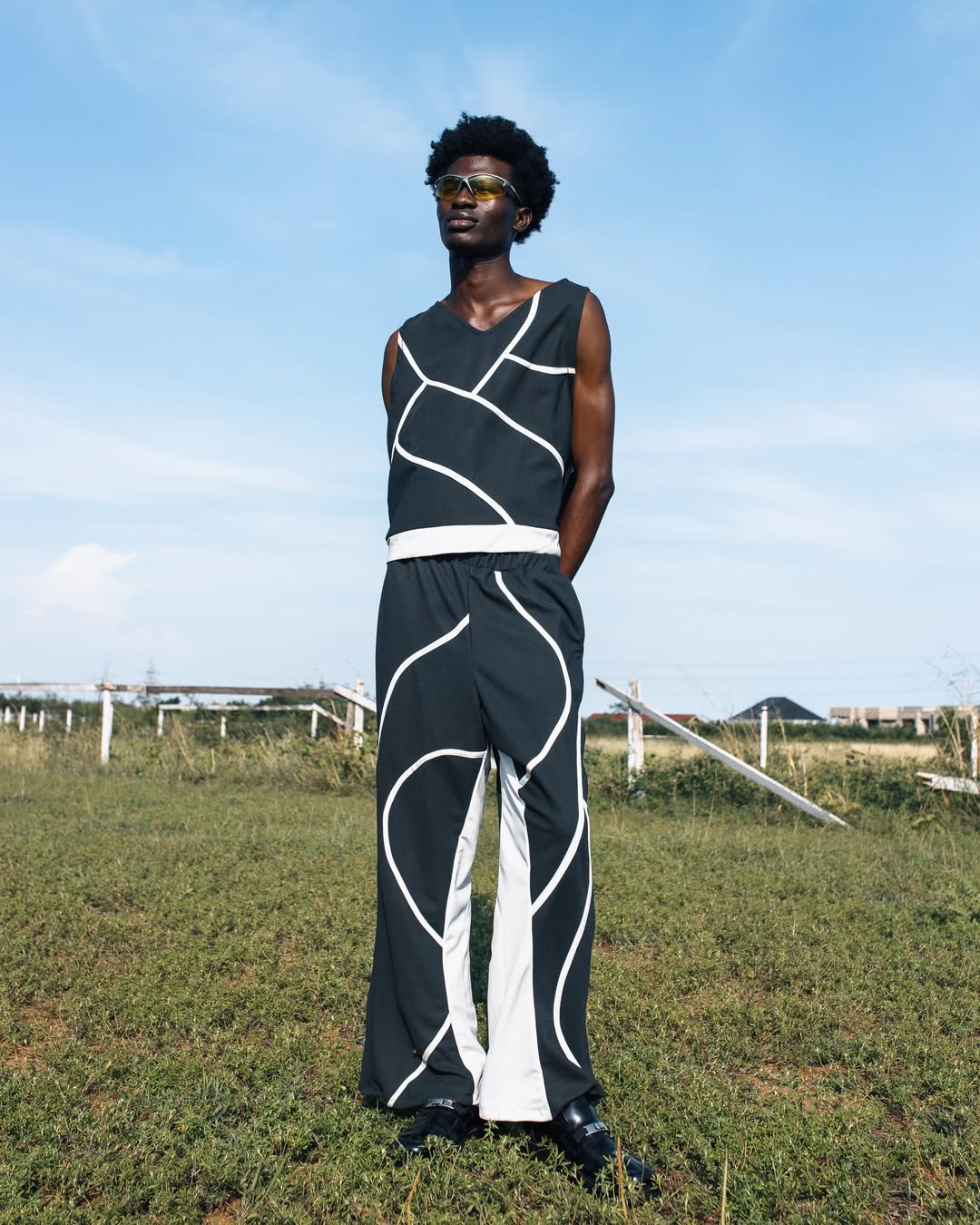
Ghana’s sustainable fashion sector operates under significant structural constraints. Designers and enterprises face high production costs and unreliable power supply.
They also face limited access to patient capital and weak waste management infrastructure, especially given the massive volumes of textile waste in Accra. These conditions test which models can move from small-scale studios to commercially sustainable operations.
Despite these barriers, several youth-driven initiatives are forging practical pathways. The Revival, founded by Yayra Agbofah, runs community training programmes that transform Kantamanto textile waste into new collections while creating employment for young people.
Studio 189, co-founded by Abrima Erwiah, continues to demonstrate how artisan collaboration, Ghanaian fashion, and ethical production can reach international markets. This is done through structured partnerships with local weavers and dyers.
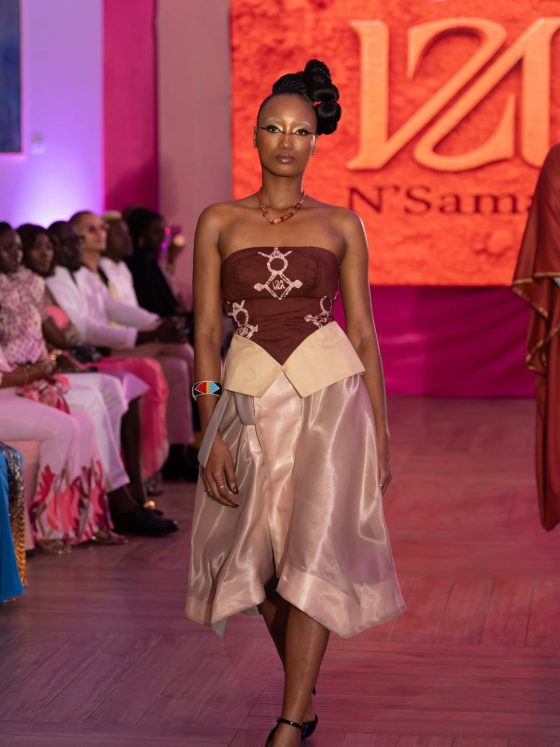
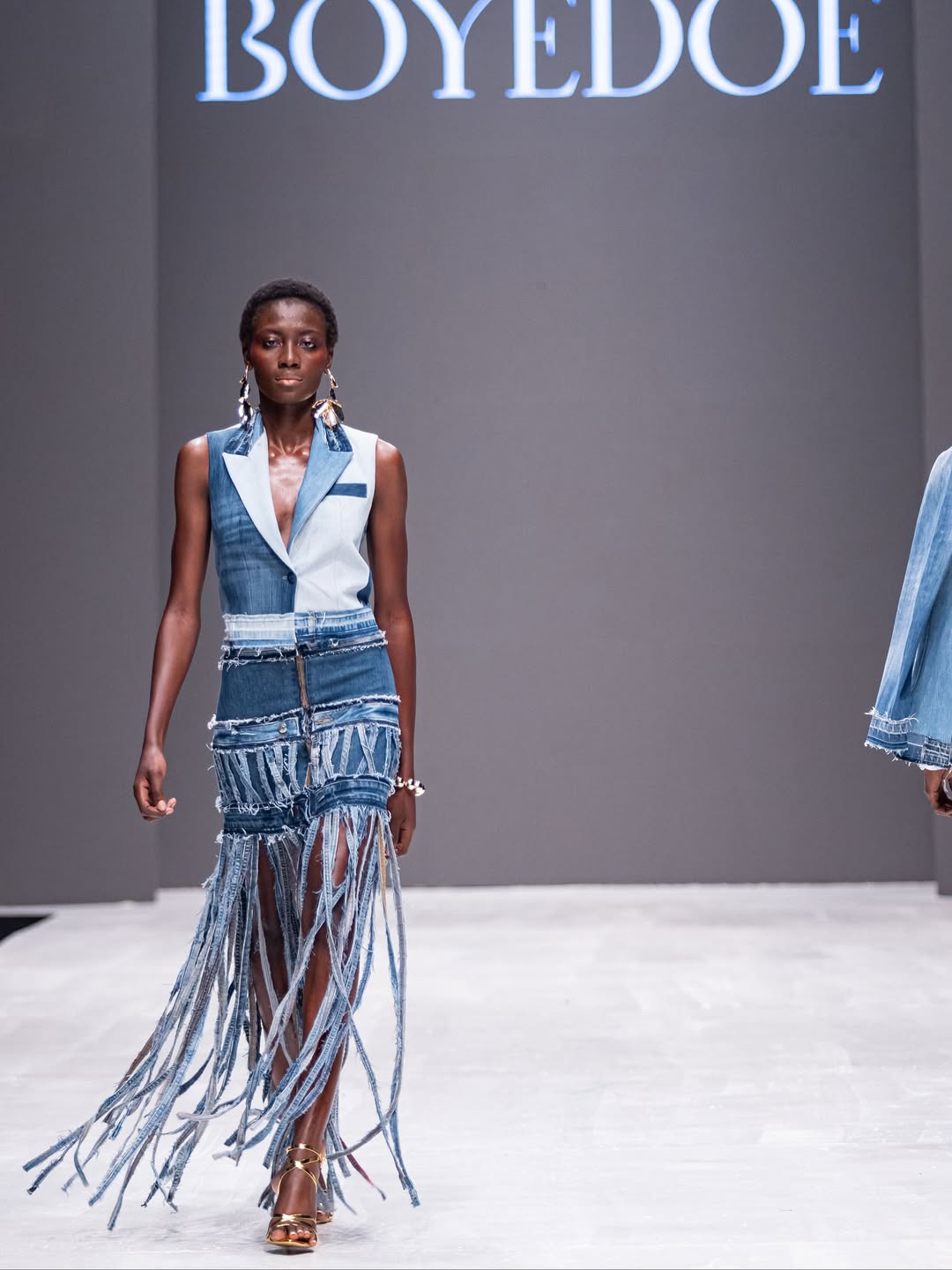
Emerging brands such as Boyedoe by David Kusi Boye-Doe are also integrating upcycling and responsible sourcing into afro-luxury collections.
These efforts, supported by organisations like the Or Foundation, show that ethical fashion in Ghana can scale when creative talent meets organised systems.
Also Read:
- Top Ghanaian Fashion Designers Shaping Africa’s Global Fashion Narrative
- Where Culture Becomes Couture: African Fashion, Heritage, and Modern Luxury
- The New Generation Turning Textile Overflow Into High Fashion
Designer-Led Models and New Business Approaches
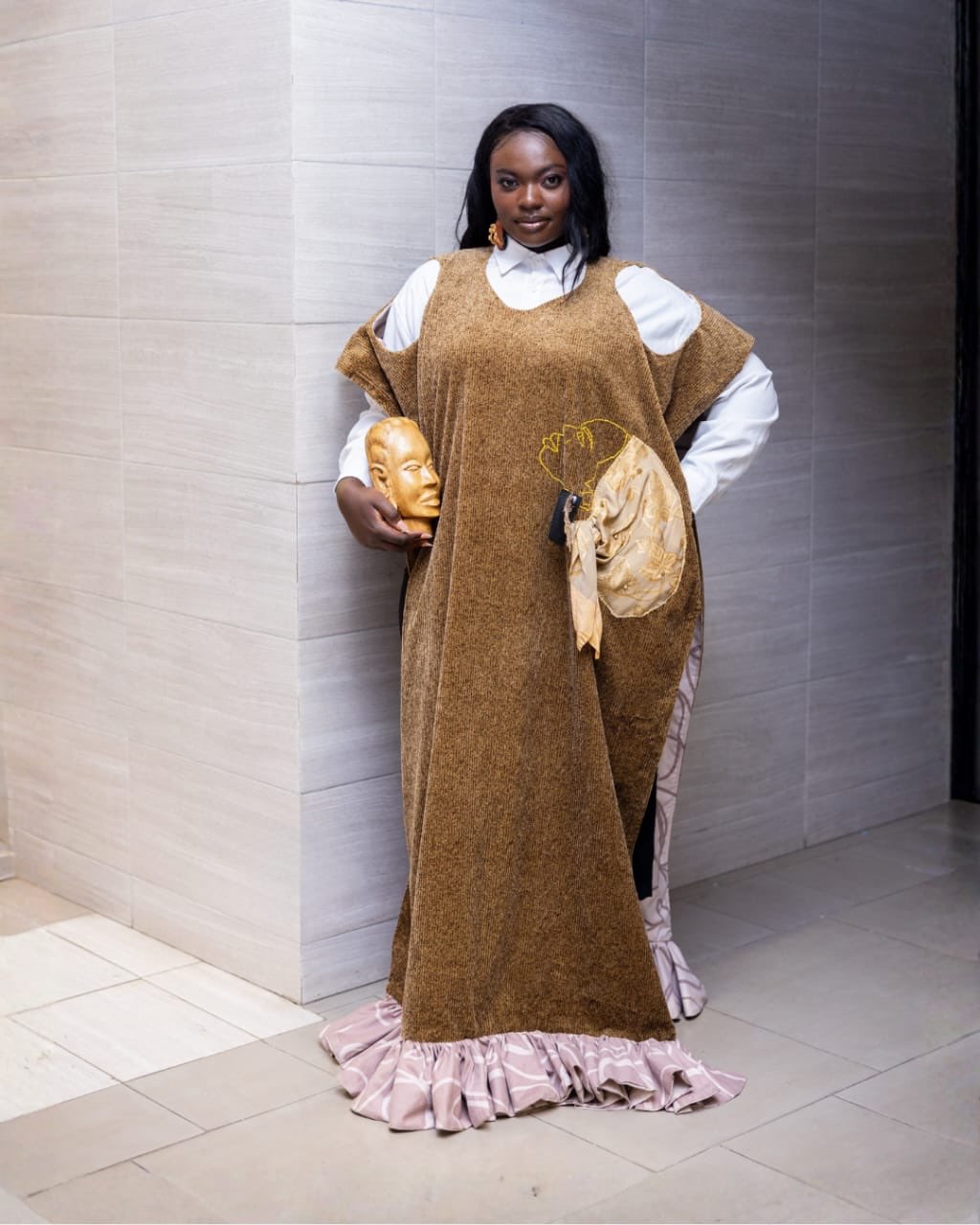
Ghanaian designers are moving beyond production to build complete business systems that integrate creativity, ethics, and profitability.
In Accra, several studios now operate vertically integrated models for sustainable fashion, controlling everything from material sourcing and artisan training to final retail and export. This approach allows them to maintain quality standards and capture more value within the local economy.
Some designers have developed direct-to-consumer platforms that bypass traditional retail mark-ups while telling transparent stories about garment origins and artisan involvement. Others run seasonal zero-waste collections paired with made-to-order systems that minimise overproduction.
A growing number are also investing in small-scale manufacturing units that combine modern technology with handcraft techniques, creating stable employment for dozens of tailors and pattern makers.
These designer-led models emphasise long-term relationships with customers who value durability and cultural significance over fast trend cycles.
By treating fashion as both a cultural practice and a viable enterprise, these entrepreneurs are constructing practical pathways for ethical fashion in Ghana to grow.
Their experiments represent the most promising direction for the future of African design in Ghana, one defined by self-determination rather than reliance on external funding or validation.
The Omiren Argument
Ghanaian designers aren’t adopting sustainable fashion in Ghana as a response to global pressure. They are refining and expanding a deeply rooted tradition of material intelligence that has existed for generations.
While the international industry presents sustainability as a discovery, Ghana has long operated through systems of reuse, repair, and resourceful design driven by both necessity and technical sophistication.
This reality disrupts the dominant narrative that positions Africa as a latecomer to environmental responsibility. Creatives are developing practical alternatives to the logic of fast fashion.
They’re doing this by transforming waste streams through upcycling in Ghana and building designer-led business models. They also demonstrate that durability, cultural integrity, and economic viability can coexist without external instruction.
The cultural insight is clear: sustainable fashion in Ghana succeeds when it grows from local material realities and ancestral knowledge rather than imported ideologies.
Ghana is therefore not following the future of African design. It’s actively shaping one of its most credible directions.
Frequently Asked Questions
-
What Does Sustainable Fashion Mean?
Sustainable fashion refers to clothing designed and produced with minimal environmental impact, respect for artisans, and long-term economic viability.
-
How Is Upcycling Practised in Ghana?
Ghanaian upcycling transforms local waste such as pure water sachets, textile remnants from Kantamanto Market, and discarded tyres into high-value garments and accessories. It combines necessity-driven innovation with traditional techniques to create desirable fashion while addressing real waste challenges.
-
Who Are the Leading Ghanaian Upcycling Designers?
Notable names include Yayra Agbofah of The Revival, Titus Doku of Calcul, Rebecca Naa Korkor Mensah of Nakoi, and Emmanuel Tetteh of Antydote. These designers are recognised for turning waste materials into contemporary collections while supporting artisan livelihoods.
-
What Are the Main Challenges of Sustainable Fashion in Ghana?
Key challenges include limited access to capital, unreliable electricity, weak waste management infrastructure, and high production costs. Many designers also struggle to scale while maintaining quality and fair compensation for artisans.
-
How Can People Support Sustainable Fashion in Ghana?
Buy directly from Ghanaian ethical brands, choose durable garments made with local textiles, and support designers who work with local artisans. Sharing their work and attending local fashion events also helps build a viable market for responsible production.