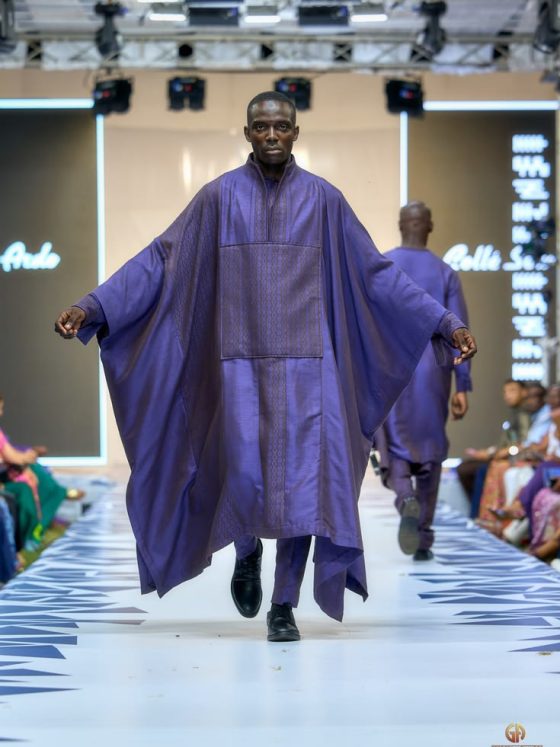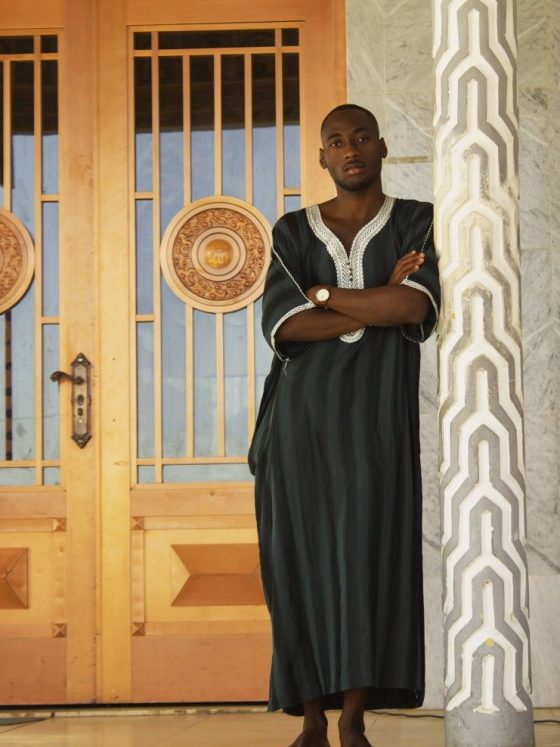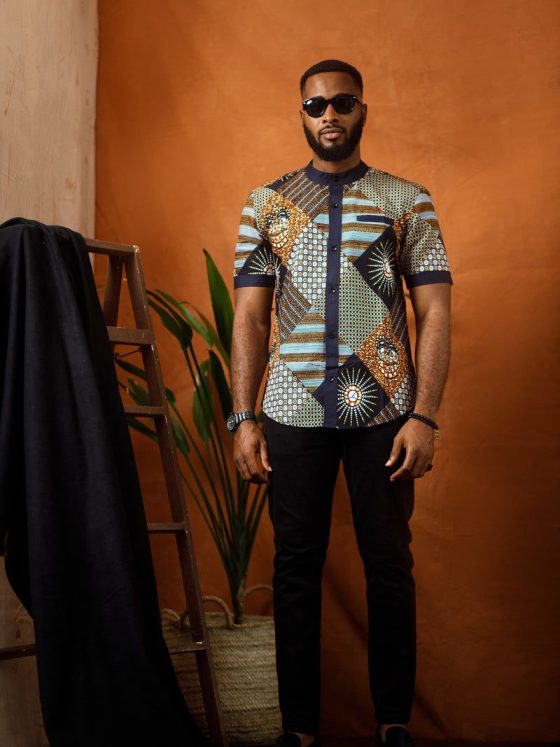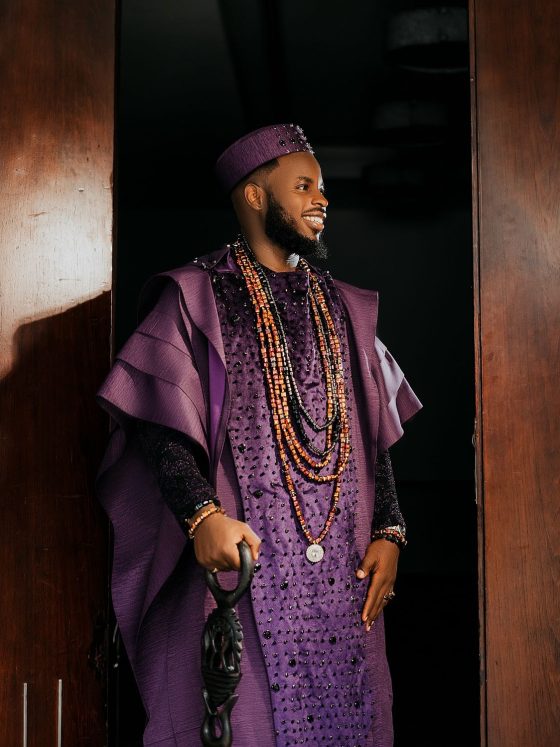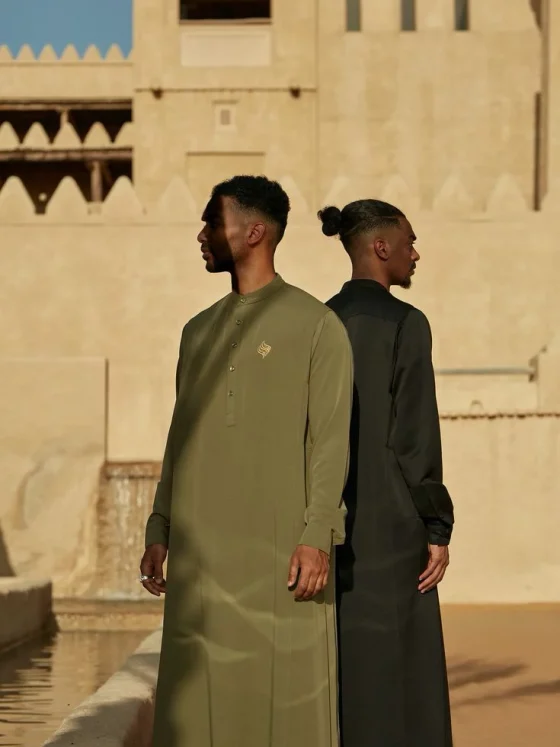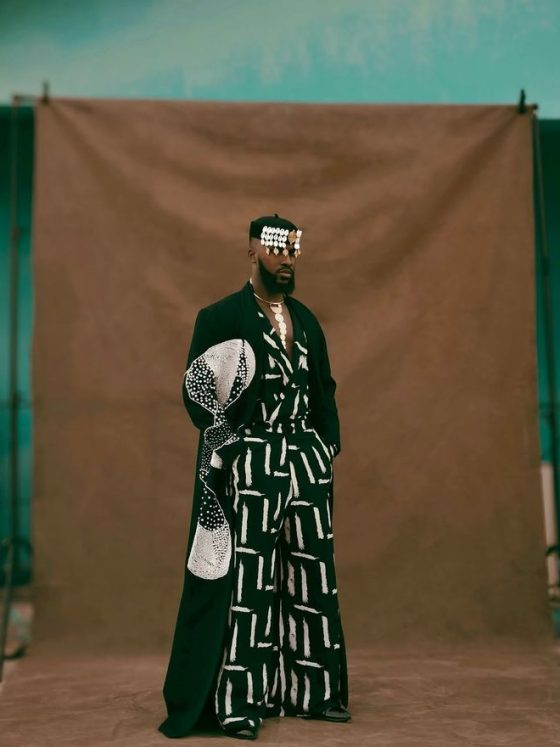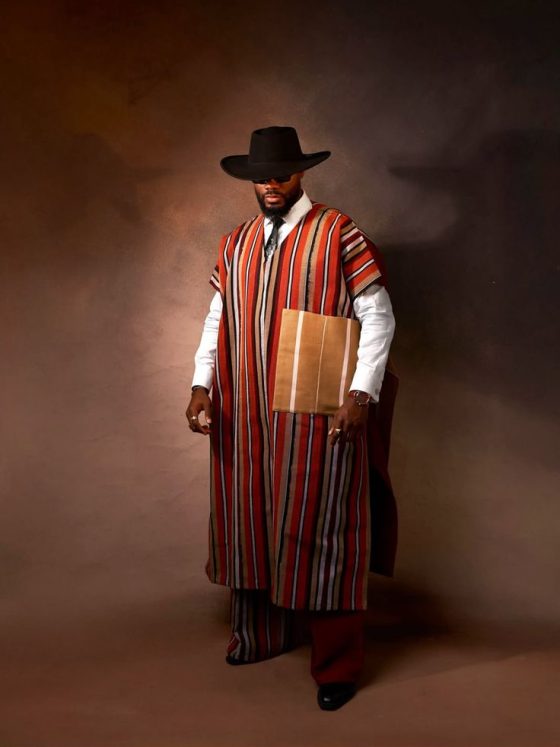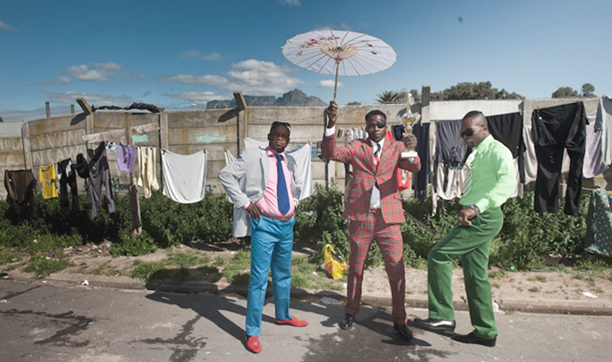
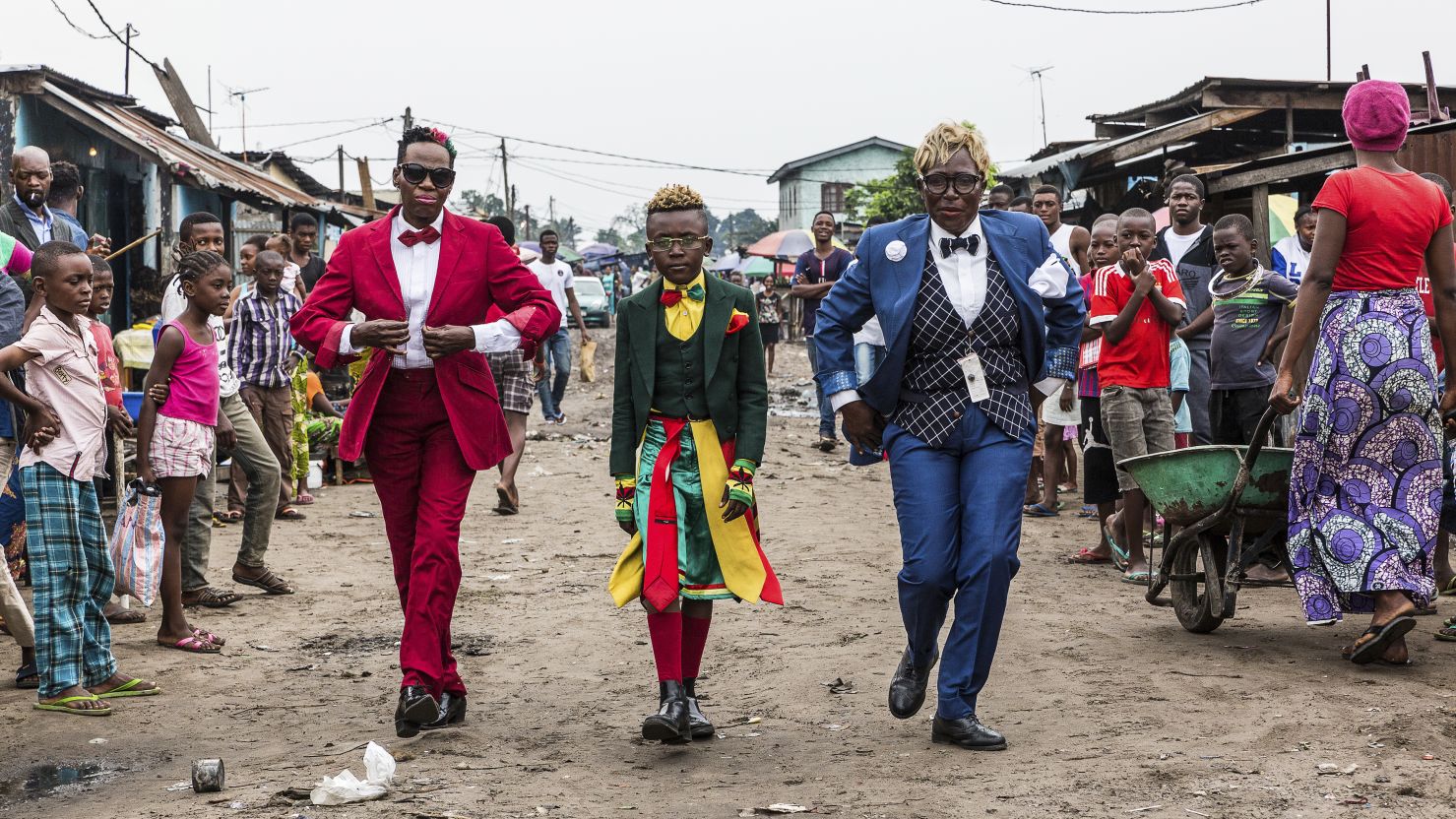
On a Saturday morning in Brazzaville, a man in a sky-blue three-piece Yves Saint Laurent suit, matching pocket square, and two-tone Oxford shoes steps out of a modest house on a dusty street in the Poto-Poto neighbourhood. He adjusts his fedora, checks his cuffs, and begins to walk. By the time he reaches the end of the block, a small crowd has gathered. Children point. Drivers slow down. An older woman applauds. He does not hurry. The street is his runway. This is La Sape, and what looks like performance is, in fact, philosophy.
La Sape – the Société des Ambianceurs et des Personnes Élégantes – is one of the most extraordinary subcultures on earth. Born in Brazzaville and Kinshasa, it uses designer clothing as a form of political resistance, cultural pride, and communal identity. Here is what it actually is and why it matters.
What La Sape Actually Is
La Sape is an abbreviation of Société des Ambianceurs et des Personnes Élégantes: the Society of Ambience-Makers and Elegant People. It is a subculture rooted in the two Congolese capitals, Brazzaville in the Republic of Congo and Kinshasa in the Democratic Republic of Congo, built around the principle that impeccable dress is not vanity but an act of self-determination, communal identity, and, in its original context, political defiance. The practitioners are called Sapeurs (men) and Sapeuses (women). Their code is called Sapologie.
To be a Sapeur is to adhere to a set of principles that go far beyond choosing an outfit. Elegance above all: every item must be of the highest quality available, tailored where possible, perfectly pressed, and coordinated to the last detail. Colour mastery: bold combinations of contrasting hues, executed with the confidence of someone who has studied the grammar of colour rather than stumbled into it. Composure: the gait is slow, deliberate, and theatrical. The Sapeur does not rush. The street is a stage, and the Sapeur is the performance. And crucially, the rules require non-violence, generosity, and a rejection of aggression. In the Sape, there is no war. This is not incidental. It is the core.
The Origins: Colonial Defiance in Designer Suits
The origins of La Sape lie in the early 20th century, around 1919 to 1920, along the banks of the Congo River at Bacongo, the waterway that separates the two Congolese capitals. French and Belgian colonisers had brought European clothing to Central Africa from the late 19th century onwards. Congolese men employed by colonial administrators encountered the dressed-up paternalism of their employers and, rather than accepting their position within it, inverted the dynamic entirely. They took the clothes and wore them better. They did not imitate the coloniser. They outperformed him.
The first parades and street competitions began in the neighbourhoods of Brazzaville and Kinshasa from the 1920s. By the 1930s, young men were using wages to import clothing from France, and the movement had taken on the character of a cultural declaration. By the 1950s, La Sape had become inseparable from the booming Congolese rumba scene: the music and the clothes grew up together, each amplifying the other’s claim to a new kind of African urban identity. The nightclubs and beer halls of Kinshasa and Brazzaville were the proving grounds for both.
Following independence in 1960, when both Congos broke from colonial rule, economic instability prompted many Congolese to migrate to European cities, particularly Paris. Far from abandoning the Sape, they carried it with them and deepened it. From 1984 to 1985, the Maison des Étudiants Congolais (MEC) in Paris’s Third Arrondissement became the formal cradle of the movement in Europe. Pioneers, including Djo Balard, Ben Moukacha, Jocelyn Armel, and Nono Ngando, established Paris as the reference point for authentic Sape. The highest status a Sapeur could achieve was to have been to Paris and returned: a Parisien, someone who had gathered cultural capital at the source and brought it home.
Papa Wemba: The Pope of La Sape
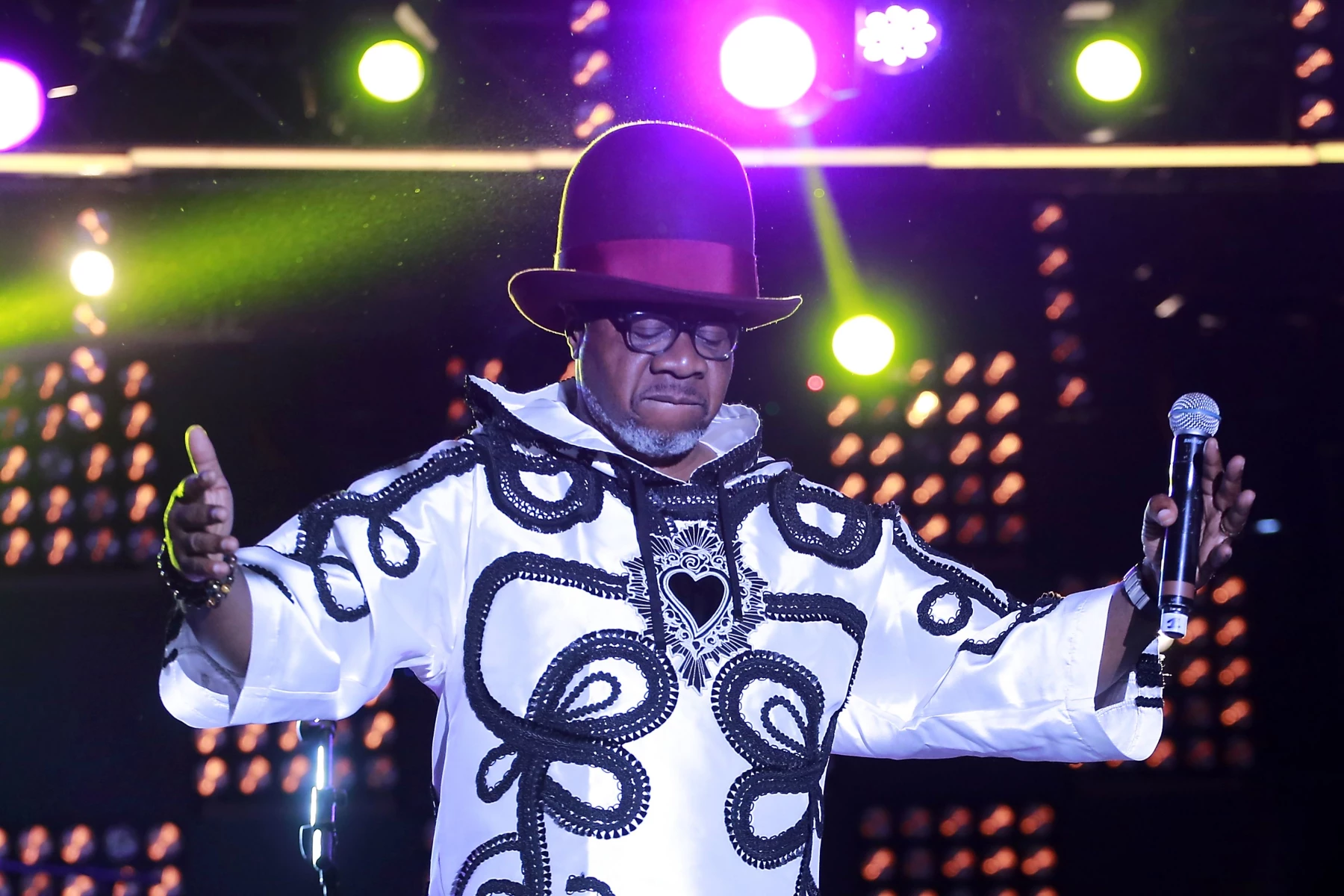
No figure shaped La Sape’s global reach more decisively than Papa Wemba. Born Jules Shungu Wembadio Pene Kikumba on 14 June 1949 in Lubefu, Kasai-Oriental province, he rose to fame with the groundbreaking rumba-rock band Zaïko Langa Langa in Kinshasa from 1969. He founded his own band, Viva la Musica, and by the late 1970s had become the unofficial leader of La Sape, which he promoted as a youth subculture across Zaïre (then governed by Mobutu Sese Seko). He described its principles plainly: well-groomed, well-shaved, well-perfumed. Dress was not a decoration. It was discipline.
Papa Wemba moved to Paris in the 1980s and took both the music and the Sape to international audiences. He collaborated with Peter Gabriel, recorded for Gabriel’s Real World label, and performed globally with Viva la Musica. He became known as Le Pape de la Sape, the Pope of the Sape, a title that recognised his role not only as a practitioner but also as the movement’s most visible missionary. His often-quoted statement captures the subculture’s self-understanding precisely: white people invented the clothes, but we turned them into an art.
Papa Wemba died on 24 April 2016, aged 66, collapsing on stage during a performance at a music festival in Abidjan, Ivory Coast. The DRC’s then-Culture Minister Baudouin Banza Mukalay called it a great loss for the country and all of Africa. His legacy in both music and the Sape remains the single most significant cultural reference point for the movement.
Sapologie: The Code That Governs the Dress
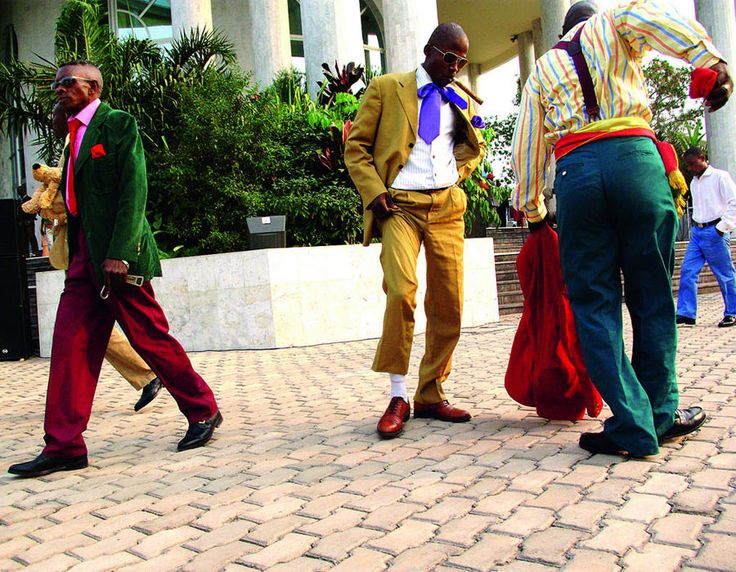
Sapologie is the unwritten constitution of La Sape. It governs what a Sapeur wears, how they wear it, how they move, and how they conduct themselves in public and in private. The broad principles are consistently documented across the subculture’s communities in Brazzaville, Kinshasa, Paris, and Brussels:
- Elegance above all: clothing must be of demonstrably high quality. Designer labels – Armani, Gucci, Yves Saint Laurent, Dolce and Gabbana, Christian Louboutin shoes – are preferred not as status symbols in the conventional sense but as evidence of seriousness. A Sapeur saves for months to acquire a single jacket. The acquisition is itself part of the discipline.
- Colour mastery: bold, contrasting colours worn in combinations that demonstrate sophistication rather than accident. Brazzaville Sapeurs tend toward more conservative combinations; Kinshasa Sapeurs are known for a more experimental and streetwise approach.
- Composure: the gait is slow and deliberate. There is no rushing. The Sapeur commands the street by taking their time on it.
- Non-violence and decorum: the Sape explicitly rejects aggression. Sapeurs do not fight. In the Sape, there is peace. This principle has deep roots in the subculture’s political origins as a form of resistance that operated through aesthetics rather than conflict.
- Community validation: Sapeurs meet regularly, typically at weekends, for street parades and competitions in which outfits are judged by their peers. The winner is the Sapeur whose ensemble commands the most collective admiration. These events are not private. They are public performances staged for the entire neighbourhood.
Christian Louboutin launched a men’s shoe collection in 2016, directly inspired by the kitendi, the Lingala word for Sape clothing. Paul Smith launched a Sape-inspired collection in 2010. These acknowledgements from European fashion houses confirm what the Sapeurs have always known: the influence runs in the opposite direction to the one the fashion industry prefers to narrate.
Brazzaville and Kinshasa: Two Capitals, One River, Two Styles
The Congo River is the narrowest international waterway separating two capital cities anywhere in the world. Brazzaville and Kinshasa face each other across a stretch of water you can see clearly from either bank, and yet the two cities have developed distinct expressions of the same subculture.
Brazzaville is considered the cradle of La Sape. Its expression of Sapeurism is more conservative, more formally structured, and historically more closely aligned with the establishment. The Brazzaville Sapeur tends toward quieter colour combinations, more classical tailoring, and a stronger emphasis on the parade as a ceremonial event. Gabriel-Boris Diakabana, who serves as president of the SAPE in the Republic of Congo, represents this more institutional dimension of the movement.
Kinshasa’s Sapeurism carries the influence of Papa Wemba most directly and is characterised by greater experimentation: bolder colours, more street-level spontaneity, and a subversive edge inherited in part from the Mobutu era’s contradictions between enforced African authenticity and the underground European aspiration the Sape represented. Kinshasa Sapeurs are more likely to perform at football stadiums, in crowded bars, and in working-class neighbourhoods during music and social events, bringing the runway to the street rather than the street to a designated competition space.
Congo Rumba: The Music That Grew Up with the Clothes
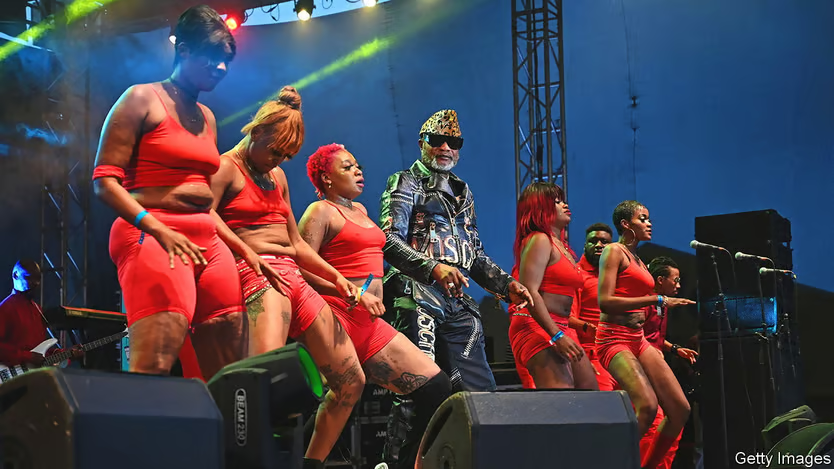
La Sape and Congolese rumba are inseparable. Congo rumba was inscribed on UNESCO’s Representative List of the Intangible Cultural Heritage of Humanity in 2021, shared jointly by the Republic of Congo and the Democratic Republic of Congo. The inscription recognises rumba as a living tradition, not a historical artefact: it is performed, danced, taught, and transmitted across generations in both countries and in diaspora communities across Europe and the Americas. The music developed in the 1950s from Cuban big-band influences filtered through a Congolese sensibility, and by the time Zaïko Langa Langa and then Viva la Musica brought it to international stages in the 1970s and 1980s, it had become one of the most distinctive sounds in African popular music.
The relationship between the music and the subculture is functional, not merely coincidental. Sapeurs have always congregated at rumba venues. The nightclub and the street parade are extensions of the same social world. Papa Wemba embodied that overlap completely: he was simultaneously the pre-eminent voice in Congolese rumba and the most visible ambassador of the Sape. To encounter either in Brazzaville or Kinshasa today is to encounter both.
READ ALSO:
- Senegal: Dakar’s Food Scene and the Rise of Teranga Hospitality
- Nigeria’s Creative Economy as a Travel Draw: Art, Fashion, Music
- Ghana’s Year of Return Legacy: What Heritage Travel Looks Like in 2026
Visiting Brazzaville: What to Know
The Poto-Poto neighbourhood
Poto-Poto is Brazzaville’s historic creative quarter and the neighbourhood most associated with La Sape’s street culture. The Poto-Poto School of Painting, founded in 1950 during the colonial period by Pierre Lods and now directed by Congolese artists, is one of the oldest art schools in Central Africa and a landmark in its own right. Weekend Sapeur parades take place in Poto-Poto and its surrounding streets. The Ministry of Tourism of the Republic of Congo promotes both the Sape and Poto-Poto painting as part of the country’s cultural tourism offer. Ask locally for the weekend schedule on arrival; parades are not fixed to a single venue but rotate through the neighbourhood.
Getting to Brazzaville
Maya-Maya International Airport serves Brazzaville with direct connections from Paris (Air France), Nairobi, Casablanca, and Addis Ababa. Ethiopian Airlines operates the most reliable East-West African connection into the city. From Kinshasa, the two cities are connected by a ferry across the Congo River, a crossing of approximately thirty minutes, making a combined visit to both capitals a straightforward addition to any itinerary.
Visas
Most nationalities, including UK and US passport holders, require a visa to enter both the Republic of Congo and the Democratic Republic of Congo. Visas must typically be obtained in advance from the respective embassies in your home country. Allow at least three weeks for processing. Confirm current visa requirements with your national embassy before booking, as requirements for both countries have changed periodically in recent years.
Safety
The UK Foreign, Commonwealth and Development Office advises travellers to exercise a high degree of caution in the Republic of Congo, particularly in areas outside Brazzaville and in the Pool region. The US State Department issues a Level 2 advisory (Exercise Increased Caution) for the Republic of Congo. For the Democratic Republic of Congo, both governments advise against travel to large parts of eastern Congo due to ongoing conflict, though Kinshasa itself offers a different assessment. Check current travel advisories from your government before booking either destination. Brazzaville and central Kinshasa are substantially more accessible to visitors than eastern DRC, but both cities require standard urban awareness.
What La Sape Is Really Arguing
The standard reading of La Sape frames it as a curiosity: poor African men spending disproportionate amounts of money on designer suits in defiance of economic logic. This reading is wrong in its premise and condescending in its conclusion. La Sape is not a performance of aspiration toward European standards. It is a declaration that those standards were always negotiable, that elegance is not the property of the culture that manufactures the label, and that the Congolese Sapeur wearing Armani on a dusty street in Poto-Poto is not imitating anyone. He is making a claim about the relationship between beauty, dignity, and resistance that has been consistent since the 1920s.
The subculture emerged under colonialism as a direct inversion of the colonial gaze. It survived post-independence economic collapse, military dictatorship, civil conflict, and decades of poverty. It produced one of Africa’s most internationally celebrated musicians. It inspired UNESCO-inscribed music, European fashion collections, global documentary coverage, and Kendrick Lamar music videos. None of this is accidental. La Sape is what happens when a culture decides that how you carry yourself is a political position and then maintains it for a century. The Sapeur on the street in Brazzaville this Saturday is not performing for visitors. He is continuing something.
FAQs: La Sape and the Congo
- What does La Sape stand for?
La Sape stands for Société des Ambianceurs et des Personnes Élégantes: the Society of Ambiance-Makers and Elegant People. It is a subculture rooted in Brazzaville and Kinshasa, built around the principle that impeccable dress is an act of dignity, resistance, and communal identity.
- When did La Sape begin?
The subculture traces its origins to the period from approximately 1919 to 1920 in the neighbourhoods around Bacongo on the Congo River. The first street parades and competitions began in the 1920s in Brazzaville and Kinshasa. It gained significant momentum in the 1950s alongside the rise of Congolese rumba, and formalised as a Paris-based movement in the mid-1980s.
- Who was Papa Wemba, and why does he matter to La Sape?
Papa Wemba (1949 to 2016) was the King of Congolese Rumba and the most significant figure in La Sape’s international history. From 197,9, he was the unofficial leader of the movement, promoting its principles through his music, performances, and personal dress. He moved to Paris in the 1980s and brought the Sape to global audiences. He died collapsing on stage in Abidjan in April 2016. He is known within the movement as Le Pape de la Sape.
- Can I see Sapeur parades if I visit Brazzaville or Kinshasa?
Yes. Sapeur parades take place most weekends in Poto-Poto, Brazzaville’s historic neighbourhood, most associated with the movement. They are public events on the streets of the neighbourhood, not ticketed or formally scheduled. Ask locally on arrival or contact the Ministry of Tourism of the Republic of Congo for current event information. Kinshasa Sapeurs also perform at social events, football stadiums, and neighbourhood gatherings throughout the week.
- Is La Sape only for men?
Historically, La Sape was a predominantly male movement. Women who practise the subculture are called Sapeuses and are an increasingly visible presence, particularly in Brazzaville. Sapeuses typically adopt a distinct style: men’s tailoring, pipes, and a confrontational theatrical presence. Scholarly documentation of Sapeuses lags behind that of Sapeurs, partly because women’s participation was long marginalised within the movement’s own historiography.
- How does La Sape connect to Congo rumba?
Congo rumba and La Sape developed in parallel and remain inseparable. The nightclubs and beer halls of 1950s Kinshasa and Brazzaville were the shared proving ground for both. Papa Wemba embodied the overlap completely: he was simultaneously the King of Congolese Rumba and the Pope of the Sape. Congo rumba was inscribed on UNESCO’s Intangible Cultural Heritage list in 2021, jointly recognised by the Republic of Congo and the DRC.
- Do I need a visa to visit the Republic of Congo or DRC?
Yes. Most nationalities, including UK and US passport holders, require visas for both countries, which must be obtained in advance from the respective embassies. Allow at least three weeks for processing. Check current travel advisories with the UK FCDO and US State Department before booking, as the security situation varies significantly by region within both countries.
Planning a cultural visit to Central Africa? Explore our full West Africa and Central Africa travel guides at rexclarkeadventures.com, or write to the editorial team for destination-specific advice.