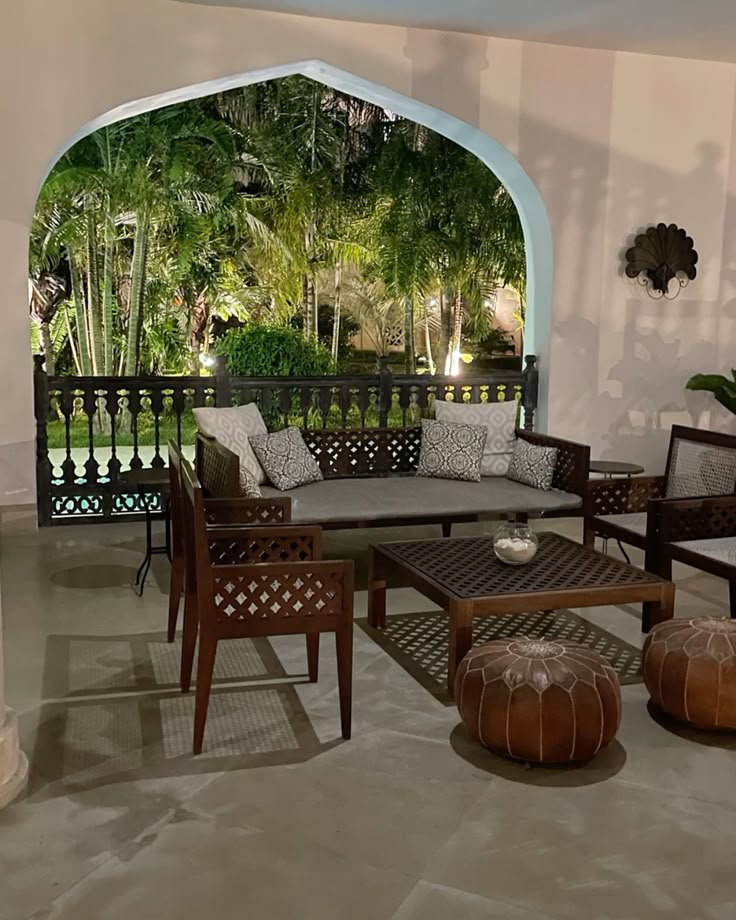
Along the Swahili Coast, homes are designed around how people actually live. Spaces are built to stay cool, to welcome conversation, and to make room for rest. In Zanzibar, Lamu, and parts of coastal Kenya, design has always been practical first, shaped by climate, culture, and long-standing traditions of craft and trade.
What makes the Swahili Coast style relevant today is not nostalgia. It is naturally aligned with modern ideas of balance, sustainability, and mindful living. The use of natural materials, thoughtful layouts, and restrained detailing creates interiors that feel calm without trying too hard. This approach offers a clear alternative to fast, trend-driven design.
Bringing Zanzibari influence into the home is less about copying a look and more about adopting a mindset. It is about choosing quality over excess, creating spaces that support daily rituals, and allowing culture and function to coexist without conflict.
Discover how Zanzibari and Swahili design influences are shaping modern homes, blending coastal African heritage with contemporary living aesthetics.
A Coast Shaped by Exchange
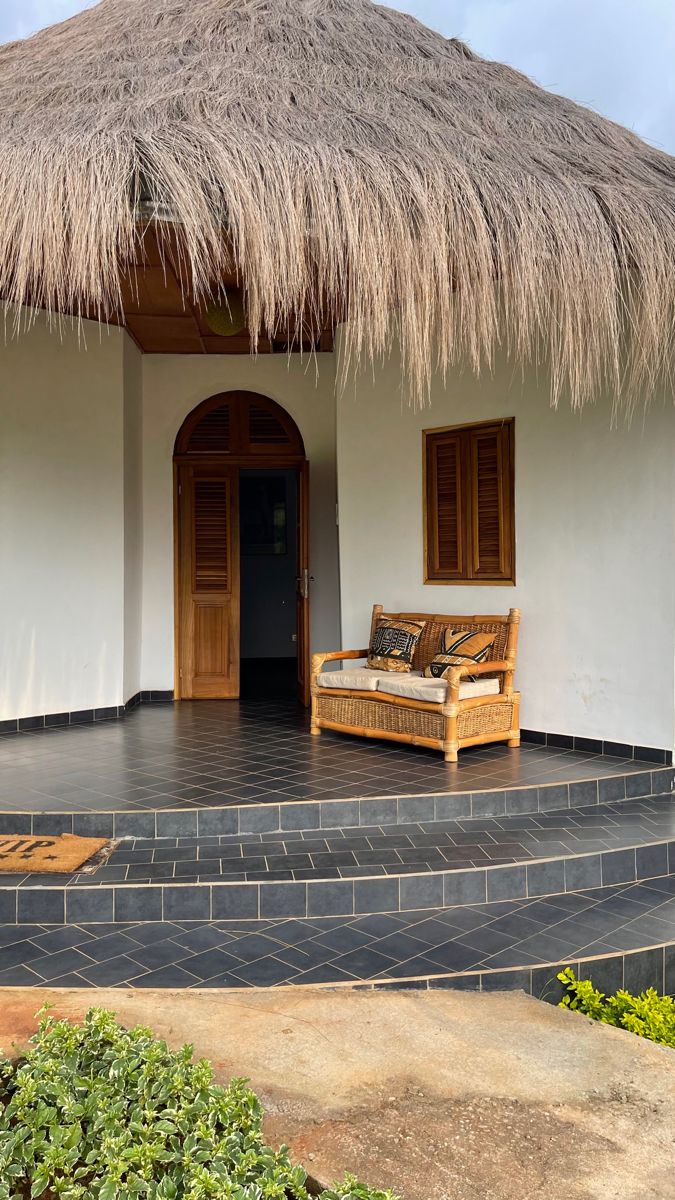
Swahili culture emerged from centuries of movement across the Indian Ocean. African, Arab, Persian, and South Asian influences blended not through imitation, but through dialogue. This cross-cultural history is visible in architecture and interiors that balance openness with privacy, ornament with clarity.
Zanzibari homes were designed to breathe. Thick coral walls moderated heat, high ceilings encouraged airflow, and inner courtyards offered quiet retreat from the street. These spatial decisions were not decorative. They were responses to climate, community, and daily ritual. In a contemporary context, they offer lessons in sustainability and thoughtful design that feel increasingly relevant.
Material as Meaning
Swahili interiors communicate their essence through materials before expressing it through colour. Wood is central, especially intricately carved hardwood used for doors, furniture, and screens. These carvings are not random. They carry symbolic motifs that reflect protection, prosperity, and continuity—incorporating carved elements today, whether as a statement headboard or a repurposed panel, brings narrative depth into modern spaces.
Natural fibres such as sisal, palm, and cotton ground the home in tactility. They age well, invite touch, and quietly resist the disposability of mass production. This is an ethical luxury in practice. Fewer objects, chosen carefully, made to last.
Colour, Light, and Restraint
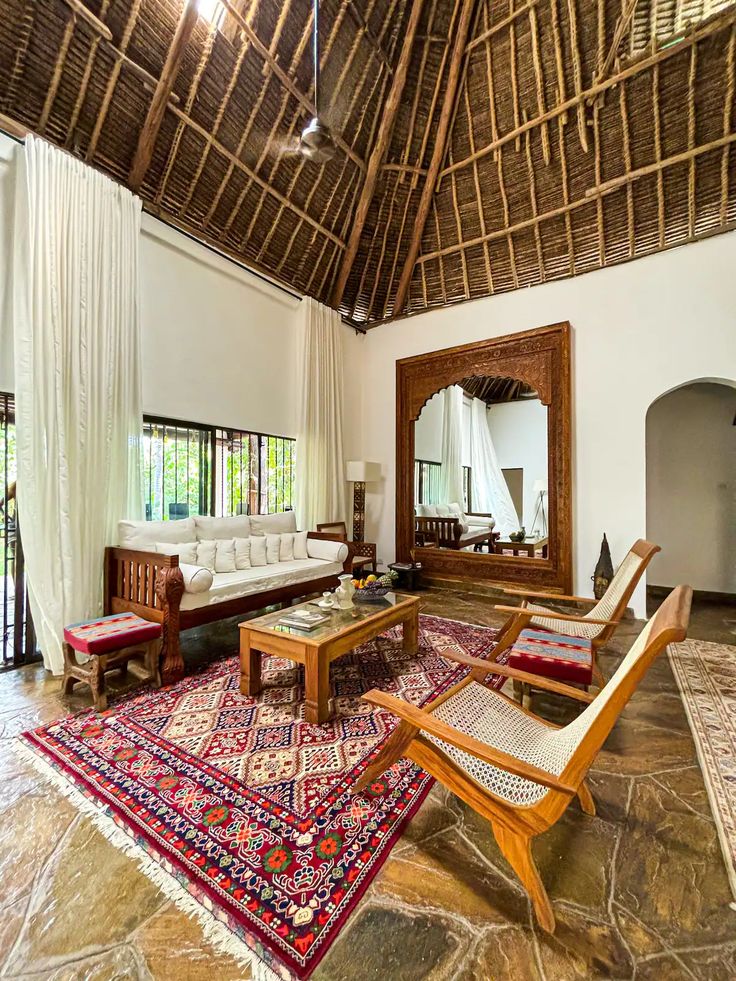
The Swahili palette is disciplined. Lime-washed whites, warm sand tones, and soft stone hues create a calm base that reflects light and expands space. Accents draw from the sea and spice routes. Indigo, deep green, muted turquoise, and the burnished glow of brass appear sparingly, never overwhelming.
This restraint is what allows the style to feel modern. Instead of chasing novelty, it relies on proportion and balance. In a contemporary African home, this approach aligns naturally with minimal, intentional living while still carrying cultural specificity.
Read Also:
- How African Dance Took Over The World From Street To TikTok
- 5 Reasons Arabian Fashion Blends Naturally with African Clothing
Slow Living as Design Principle
The most powerful contribution of Swahili Coast design is its relationship to time. Homes were built to encourage lingering. Barazas at the entrance invited conversation. Courtyards supported reflection. Low seating encouraged rest rather than rigidity.
Bringing this into the present means designing spaces around rituals rather than trends. A reading corner positioned for morning light. A dining area that prioritises shared meals over formality. A bedroom free from visual noise, where craftsmanship replaces clutter.
Slow living here is not inactivity. It is conscious pacing. It is choosing quality over speed, depth over display.
Global Influence, African Centre
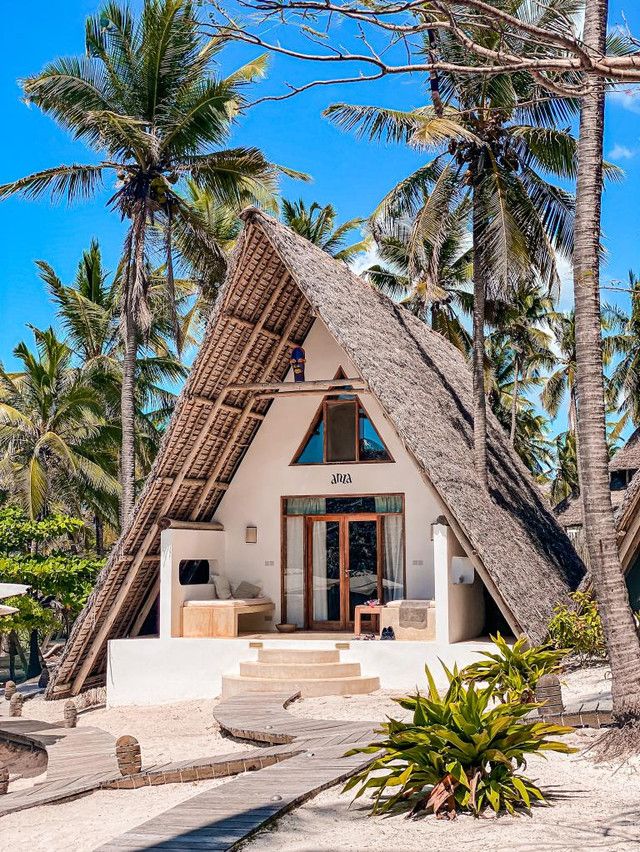
Swahili design has always been global, yet firmly African. This duality makes it especially relevant to diasporic narratives today. A Zanzibari-inspired interior can sit comfortably alongside contemporary art, modern lighting, or fashion-forward furniture without losing coherence.
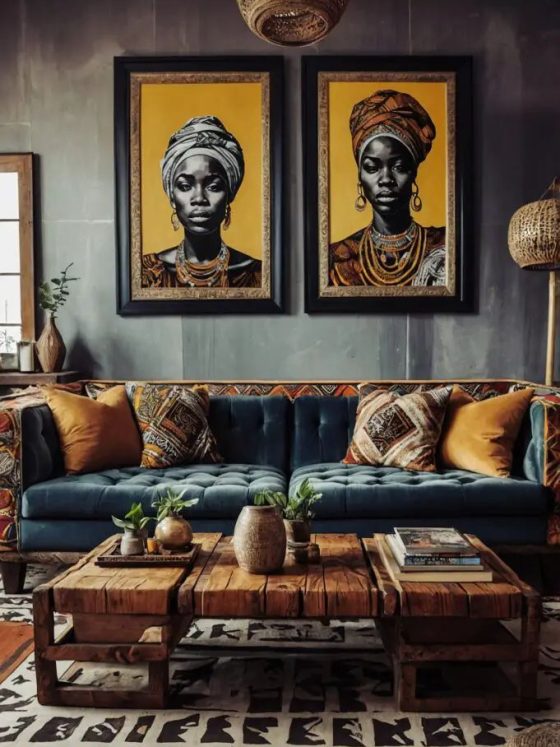
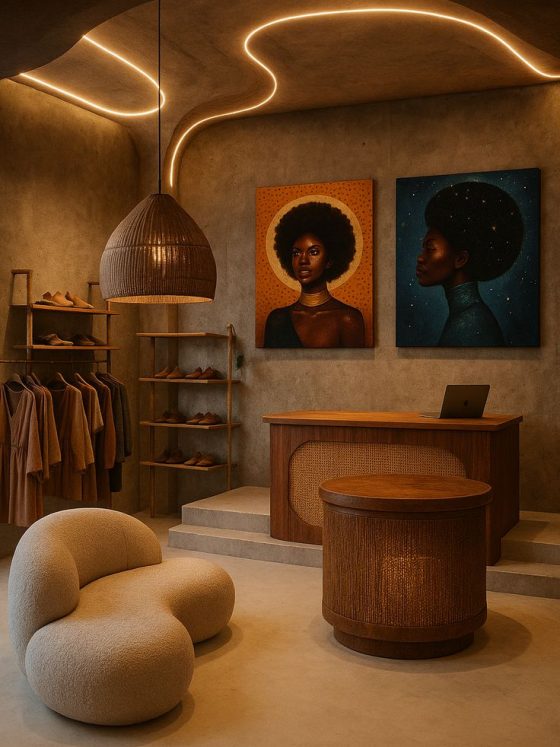
The key is dialogue. Pair a clean-lined sofa with a handwoven mkeka rug. Place contemporary photography against textured plaster walls. Allow global influences to coexist, anchored by African craftsmanship.
Conclusion
Swahili Coast serenity offers more than an aesthetic. It provides a framework for living well. By honouring craftsmanship, embracing restraint, and designing for presence, it challenges the idea that luxury must be loud or hurried.
In a world defined by acceleration, the Swahili home reminds us that beauty can be quiet, and progress can be rooted. Interpreted thoughtfully, Zanzibari style becomes a modern African expression of sustainability, cultural pride, and intentional living. A home that does not impress at first glance but reveals itself slowly and stays with you.
FAQs
- What defines Swahili Coast interior design?
It is defined by natural materials, carved wood, light-filled spaces, and architecture shaped by climate, culture, and community rather than ornament alone.
- How can Swahili style feel modern in today’s homes?
Swahili style achieves a modern feel in today’s homes through restraint, clean layouts, and the thoughtful pairing of traditional craftsmanship with contemporary furniture and art.
- Is Swahili design sustainable by nature?
Yes. It relies on local materials, passive cooling, durability, and long-term use, all of which align with sustainable design principles.
- Can this style work outside coastal environments?
Absolutely. Its focus on light, airflow, texture, and calm adapts well to urban and inland homes when interpreted thoughtfully.
- How does Swahili design connect to slow living?
It prioritises spaces for rest, conversation, and daily rituals, encouraging presence and the intentional use of time within the home.