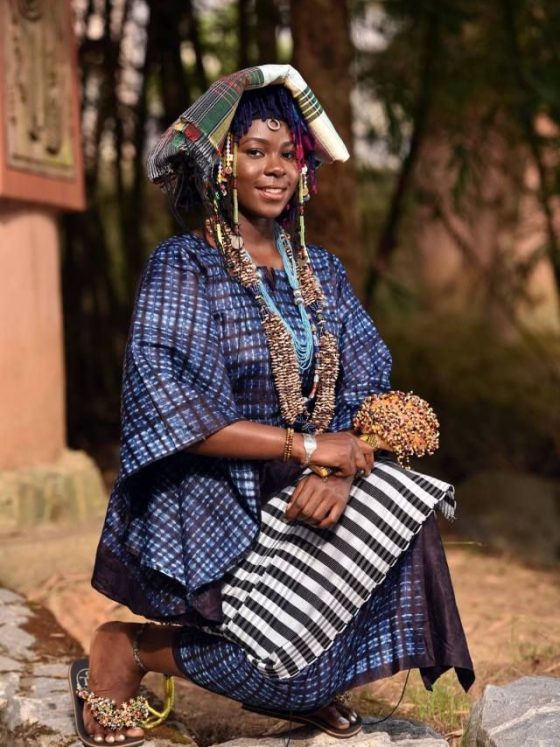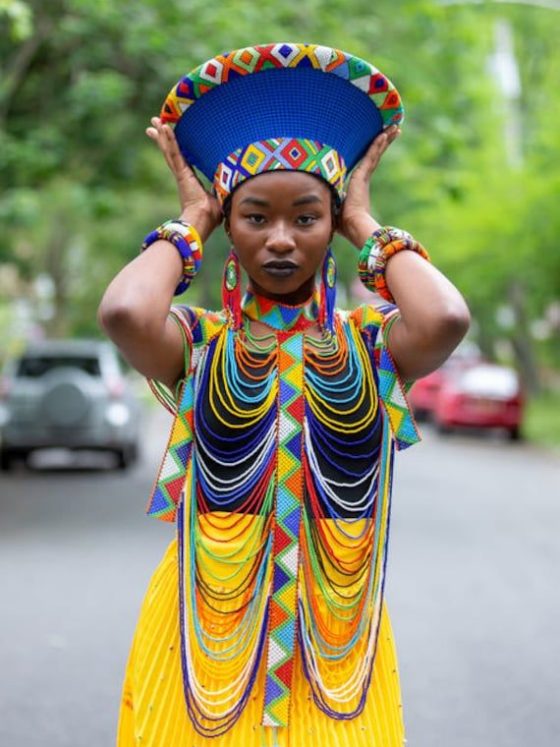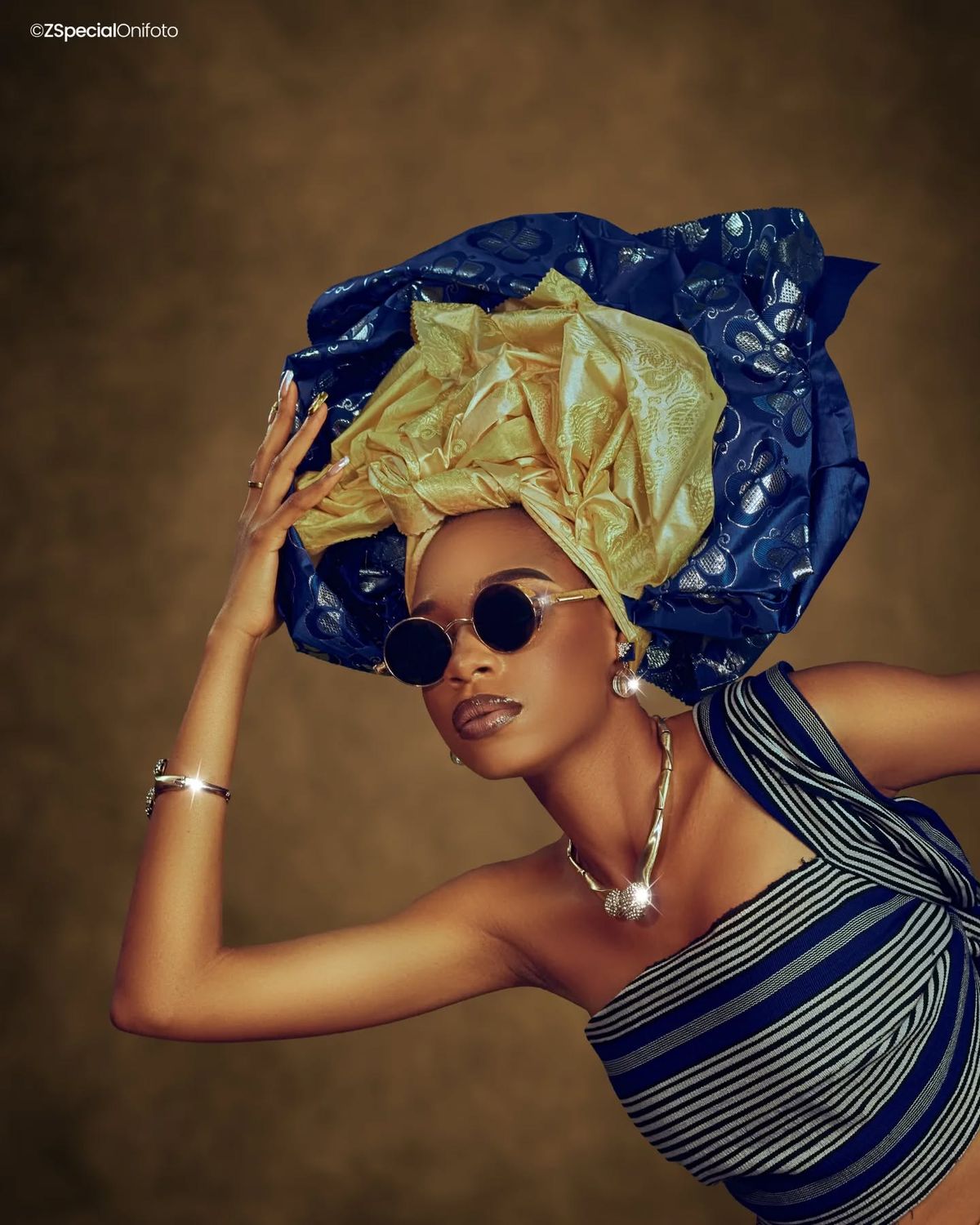
In Yoruba culture, the gele is never just a headwrap. It is a statement, a signal, and in many ways, a language. Long before fashion embraced storytelling, Yoruba women had already mastered the art of communicating through dress, with the gele among its most expressive elements.
Today, as global interest in African fashion continues to rise, searches for Yoruba gele styles and how to tie gele have surged. Yet beyond the tutorials and aesthetics lies a deeper truth. Every fold, height, and structure carries meaning. To understand the gele is to understand how a woman presents herself to the world without saying a word. It is not simply worn. It speaks.
The Yoruba gele is never just a headwrap. Explore how gele styles communicate status, occasion, and identity, and why this art form continues to define African elegance.
The Gele as Cultural Identity
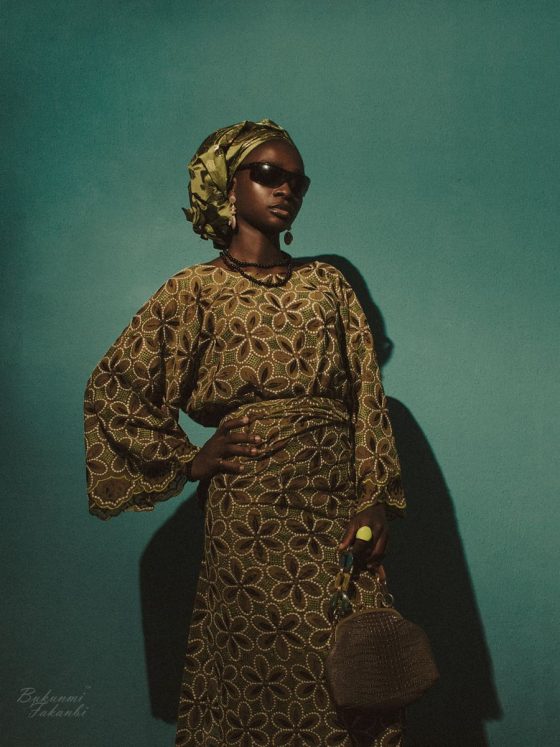
The gele is a traditional Yoruba head tie worn by women, typically styled with aso-oke, lace, or Ankara outfits for ceremonies and important social gatherings. While it has become a staple of Nigerian fashion, its roots go far deeper than style.
In Yoruba society, dressing is intentional. Clothing communicates respect, status, and awareness of the occasion. The gele completes this visual language. It frames the face, elevates posture, and signals presence. A woman wearing a well-tied gele is not just dressed. She is positioned within a cultural context that values elegance and expression.
This is why Yoruba gele styles continue to attract global attention. They offer something modern fashion often lacks. Meaning.
Understanding the Structure of the Gele
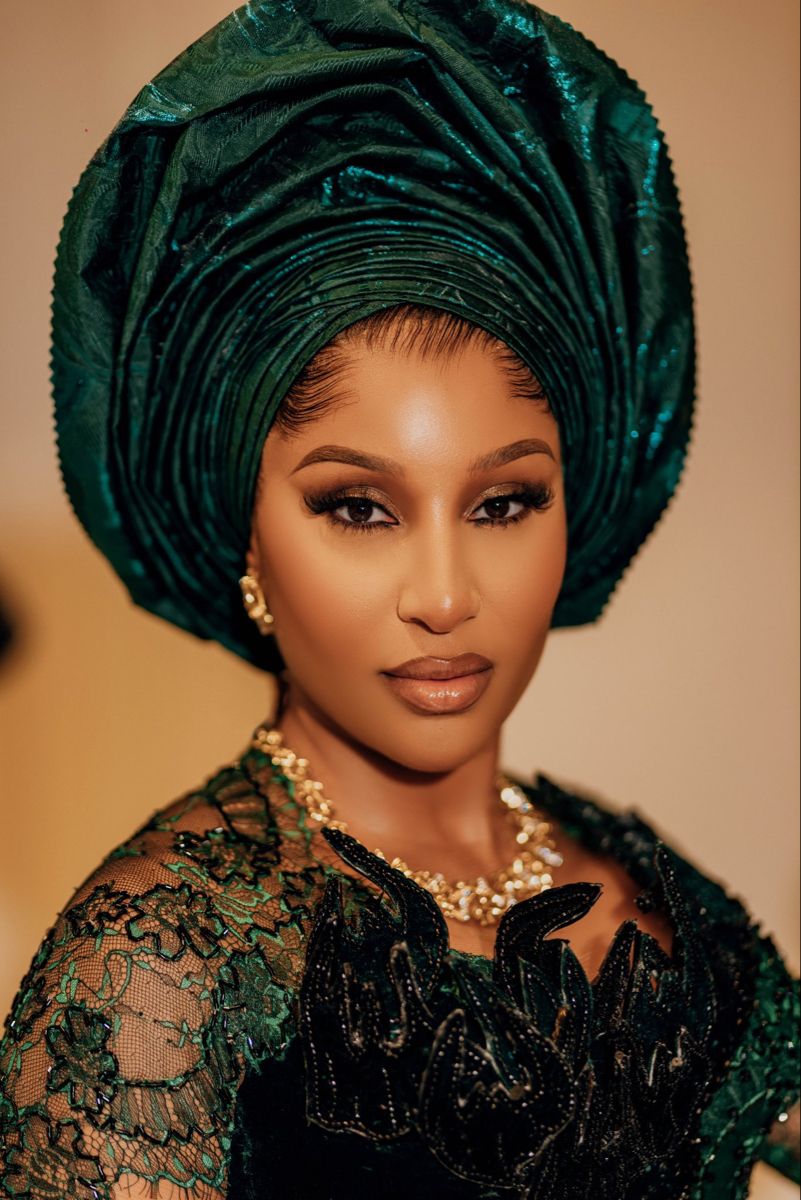
To the untrained eye, a gele may appear as a simple wrap of fabric. In reality, it is a carefully constructed form of wearable architecture.
The fabric itself is often stiff, allowing it to hold dramatic shapes. Through folding, pleating, and layering, the gele is sculpted into structured forms that sit firmly on the head. The technique requires skill, precision, and experience.
Each fold contributes to the final shape. Each angle affects how the face is framed. The result is a piece that is both functional and artistic, transforming the head into a focal point of the entire outfit.
Different Gele Styles and What They Communicate
Yoruba gele styles are not random. They are shaped by intention, occasion, and personal expression. Understanding these styles reveals how the gele functions as a form of communication.
The High Gele: Presence and Authority
A high, elevated gele is often associated with confidence and status. It commands attention and creates a sense of grandeur.
This style is commonly worn at weddings, high-profile events, and celebrations where visibility matters. It communicates that the wearer is not trying to blend in. She is meant to be seen.
The Structured Fan Gele: Elegance and Control
The fan-shaped gele, with its neatly arranged pleats spreading outward, reflects refinement and discipline.
It is precise, balanced, and symmetrical. This style often appears at formal events where elegance is prioritised over excess. It communicates composure and attention to detail.
The Minimal Gele: Subtle Sophistication
Not all gele styles are dramatic. Some are intentionally understated, sitting lower on the head with softer folds.
This style is often worn for more intimate gatherings or by women who prefer quiet elegance. It communicates restraint, maturity, and a sense of ease.
The Avant-Garde Gele: Creativity and Modern Expression
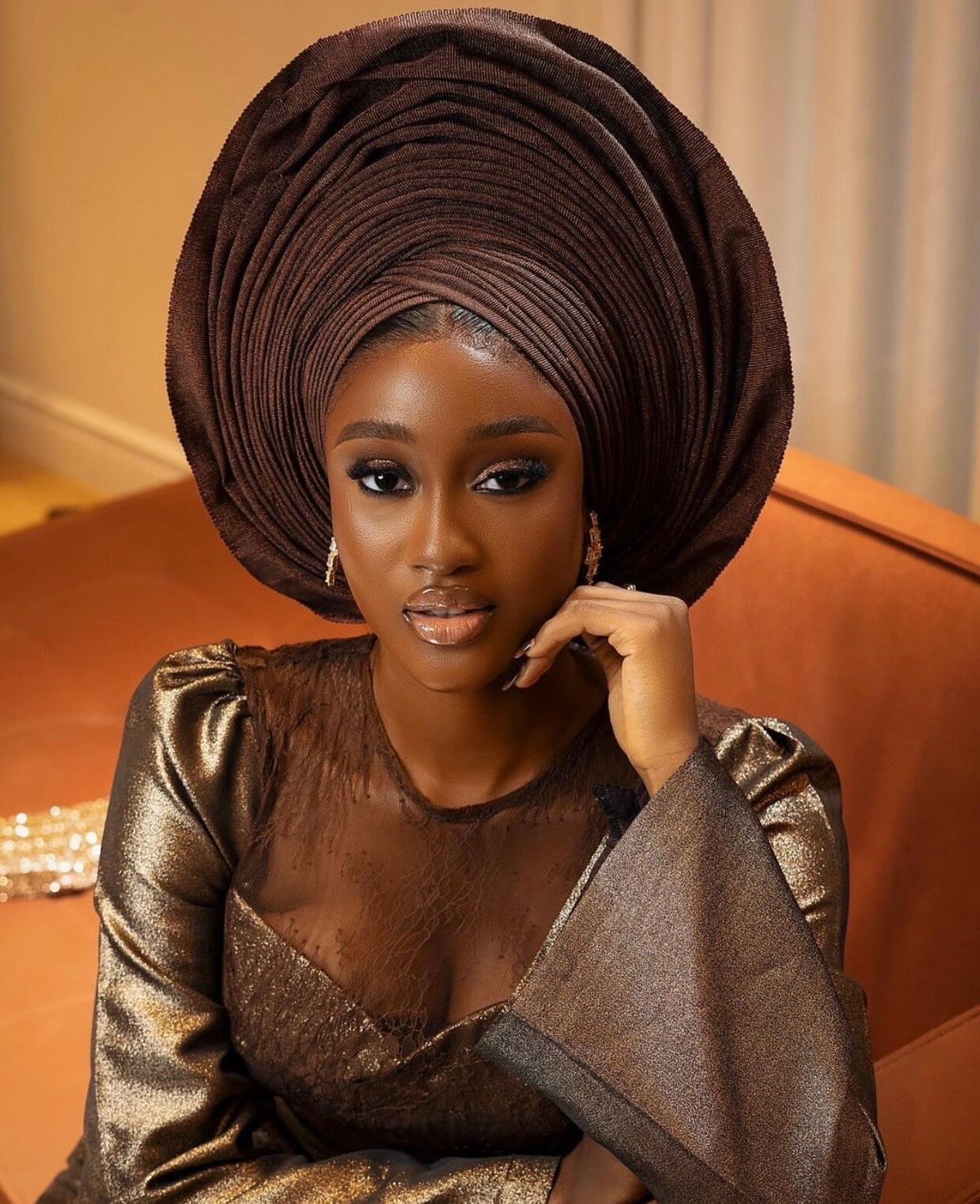
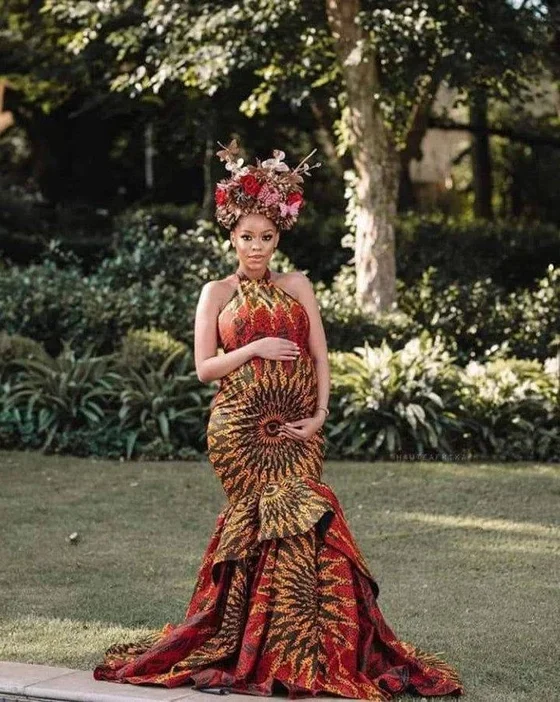
In recent years, contemporary stylists have pushed the boundaries of gele design. Sculptural forms, exaggerated shapes, and experimental folds have introduced a new dimension to Yoruba head-tying.
These styles are often seen in fashion editorials and high-profile events. They communicate creativity and a willingness to reinterpret tradition.
The Omiren Argument:
The gele is not an accessory. It is a dress code, a social signal, and a fully functioning cultural vocabulary, and this piece systematically decodes it. Long before global fashion began selling the idea of intentional dressing, Yoruba women had already built a visual language precise enough to communicate status, occasion, personality, and cultural allegiance through a single piece of folded fabric placed on the head. The gele is that language-made material.
This article argues that the structure of the gele is not decorative. Height signals authority. The fan shape signals discipline. Restraint signals maturity. Fabric choice signals class and context. Colour signals mood and occasion. None of this is accidental, and none of it is arbitrary. It is a system that has been refined across generations.
This is the Omiren Styles argument in full: African dress traditions are not ornamental survivals of the past. They are functioning intelligence systems, built to communicate what words are too blunt or too public to say. The gele does not simply frame a face. It positions a woman within a social and cultural context that her community can read at a glance.
As global fashion increasingly reaches toward authenticity and meaning, the gele stands as evidence that this conversation was already happening in Yoruba culture long before it became a trend. Omiren Styles exists to make that argument visible. This article is one of the clearest cases for it. Fashion. Culture. Identity. The gele carries all three at once, without a single word spoken.
The Role of Occasion in Gele Styling
In Yoruba culture, dressing appropriately for an occasion is essential. The gel plays a key role in this.
At weddings, gele styles are often elaborate and coordinated with aso-ebi fabrics, reinforcing unity and celebration. At funerals, the styles may be more subdued, reflecting respect and solemnity. At social gatherings, the gele becomes a space for personal expression.
Understanding the occasion is crucial. It determines not only the outfit but also how the gele is tied. This reinforces the idea that the gele is not just fashion. It is cultural awareness in visual form.
Colour, Fabric, and Meaning
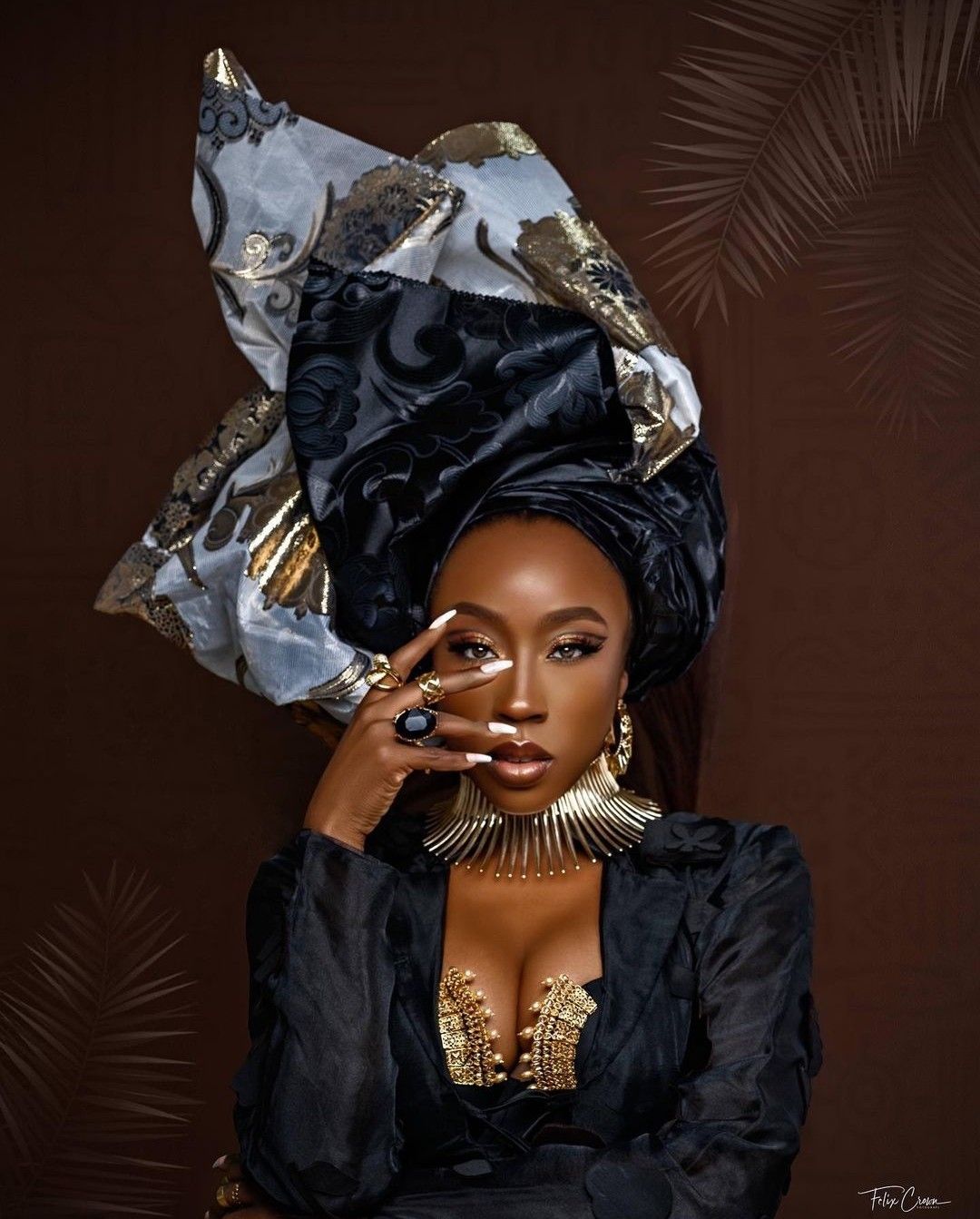
Beyond structure, the choice of fabric and colour adds another layer of communication.
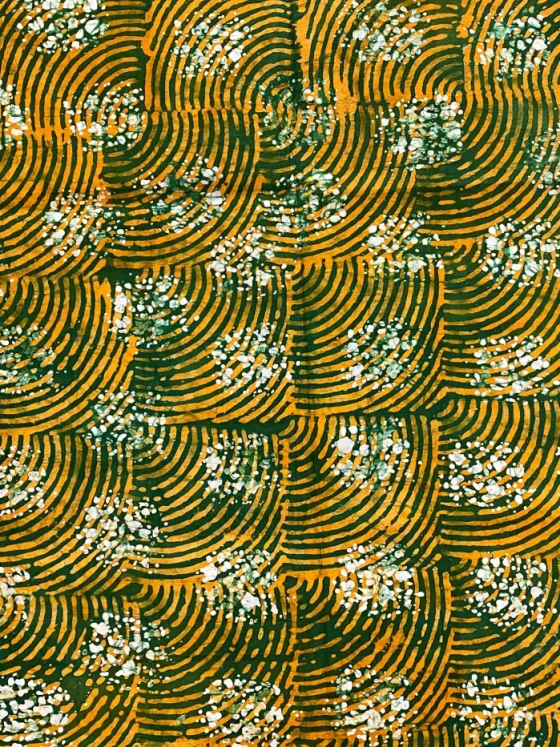
Rich fabrics such as aso-oke signal tradition and prestige. Lace and embellished materials reflect modern luxury. Ankara introduces vibrancy and individuality.
Colour also carries meaning. Bright tones often signify celebration, while darker shades may be associated with more formal or reflective occasions. The combination of fabric and colour works alongside the structure of the gele to create a complete visual message.
The Global Rise of Yoruba Gele
Today, Yoruba gele styles have moved beyond local ceremonies into global fashion spaces. From red carpets to international editorials, the gele is being recognised as a symbol of African elegance.
The gele is not just an accessory to be adopted. It is a cultural expression with history and meaning. As it gains global recognition, preserving this context becomes essential.
READ ALSO:
- Dressed for the Gods: How Yoruba Ceremonial Aesthetics Continue to Influence Contemporary Fashion
- Michelle Adepoju Is Designing Yoruba Cosmology Into the Future
The Skill Behind the Craft
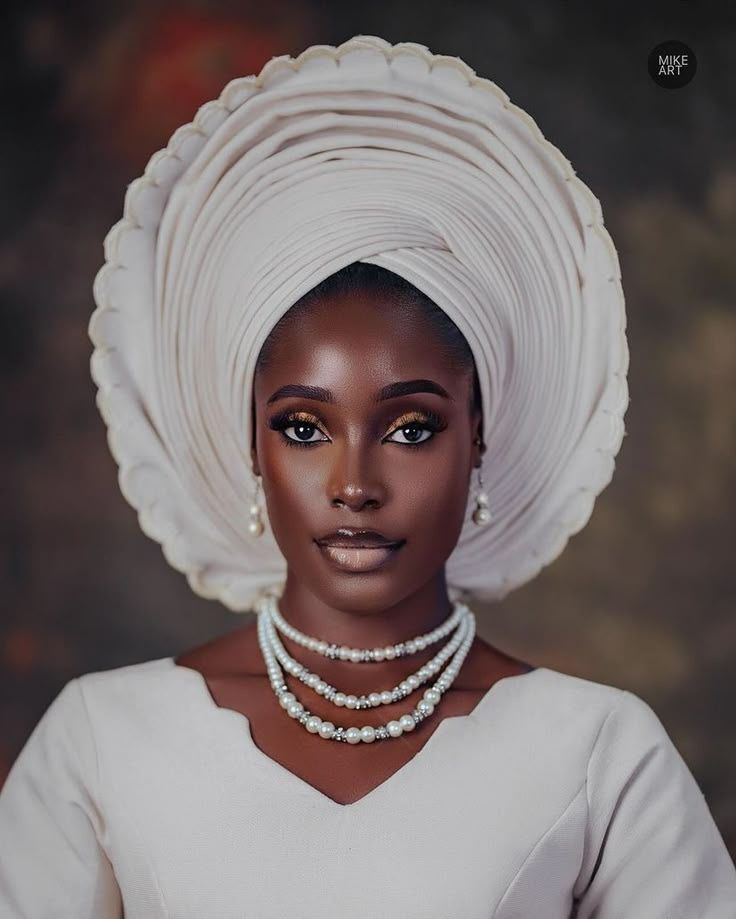
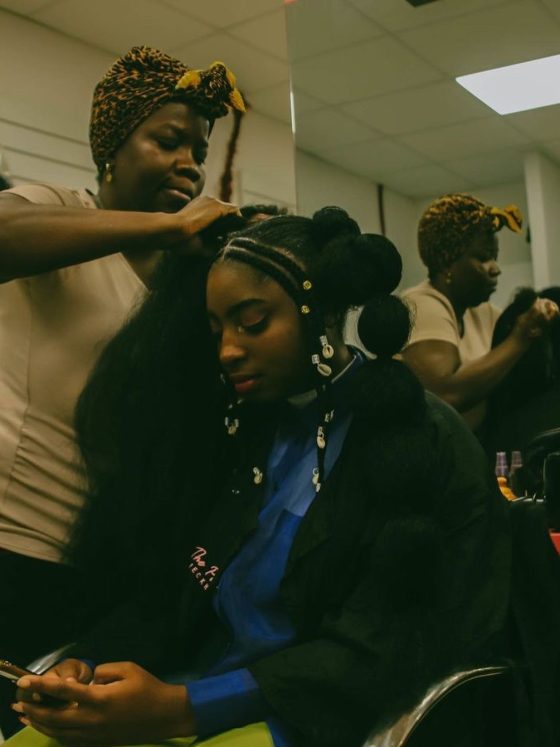
Tying a gele is a skill that requires practice and expertise. Professional gele artists have emerged, transforming head-tying into a specialised craft.
These artists understand structure, balance, and proportion. They know how to shape the fabric to suit different face types and occasions. Their work highlights the gele as not just a cultural item but an art form.
This growing recognition of gele artistry reflects a broader appreciation for African craftsmanship.
Beyond Fashion: The Gele as a Crown
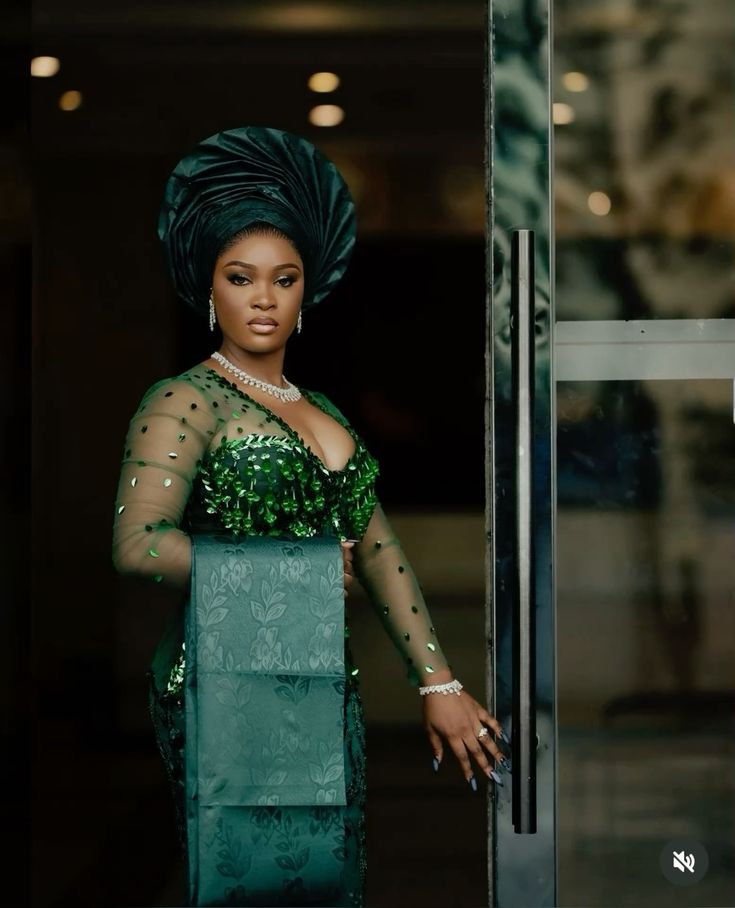
The gele is often described as a crown, and this is not accidental. It elevates the wearer, both physically and symbolically.
It demands posture. It commands presence. It transforms the way a woman carries herself.
In this sense, the gele goes beyond fashion. It becomes a symbol of confidence, identity, and cultural pride. It reinforces the idea that elegance is not just about what is worn, but how it is worn.
Conclusion
When the gele speaks, it tells a story of culture, identity, and intention. Through its folds, height, and structure, it communicates messages that go beyond words.
In a fashion landscape increasingly drawn to authenticity, the Yoruba gele stands as a powerful example of how tradition can remain relevant. It is not static. It evolves while maintaining its core meaning.
To wear a gele is to participate in a cultural language that has been refined over generations. It is to understand that fashion, at its highest form, is not just seen. It is understood.
Frequently Asked Questions (FAQs)
- What is a Yoruba gele?
A Yoruba gele is a traditional head tie worn by women, often styled with formal attire for ceremonies and cultural events.
- What do different gele styles mean?
Different gele styles can reflect status, occasion, personality, and cultural awareness through their structure and presentation.
- Why is the gele important in Yoruba culture?
The gele completes traditional attire and serves as a form of expression, communicating identity and respect for the occasion.
- Is the gele still relevant today?
Yes, the gele remains a key part of Nigerian fashion and has gained global recognition as a symbol of African elegance.
- Can anyone wear a gele?
While anyone can wear a gele, understanding its cultural significance ensures it is worn respectfully and appropriately.