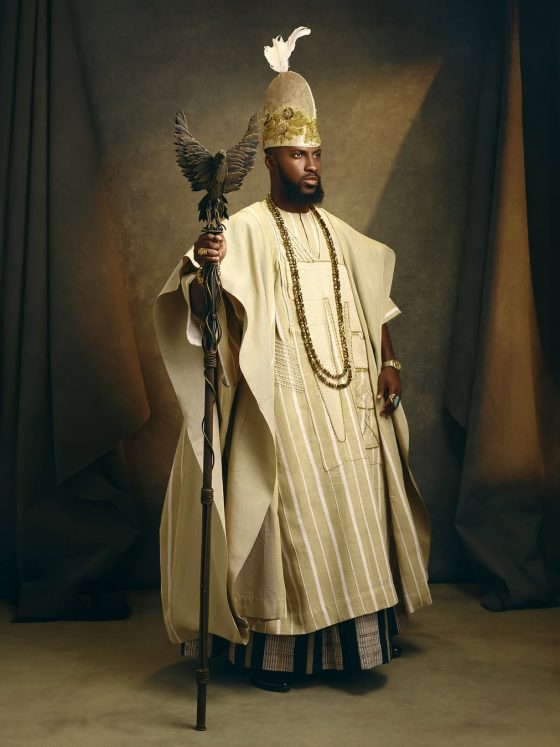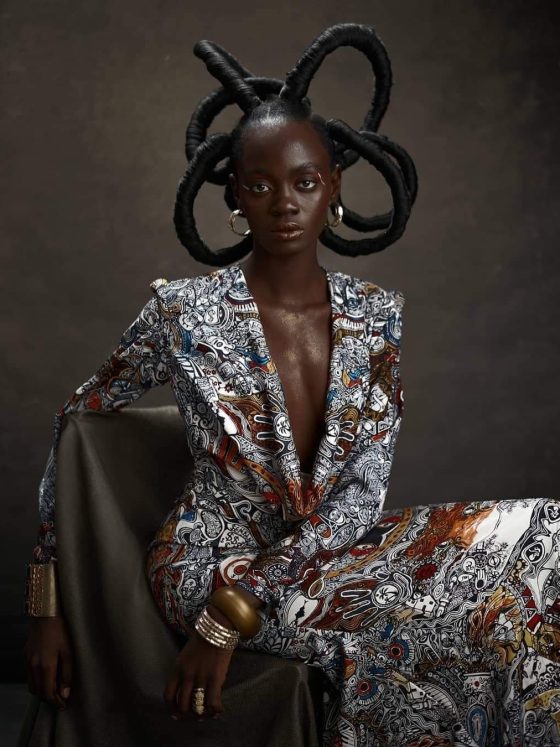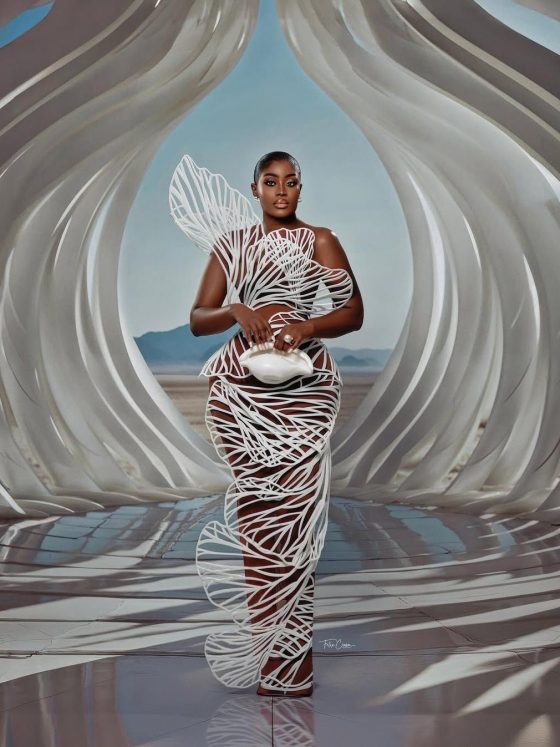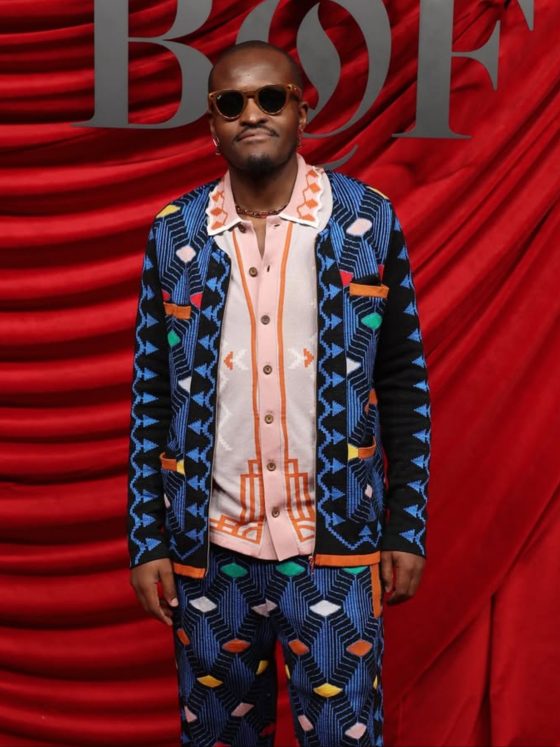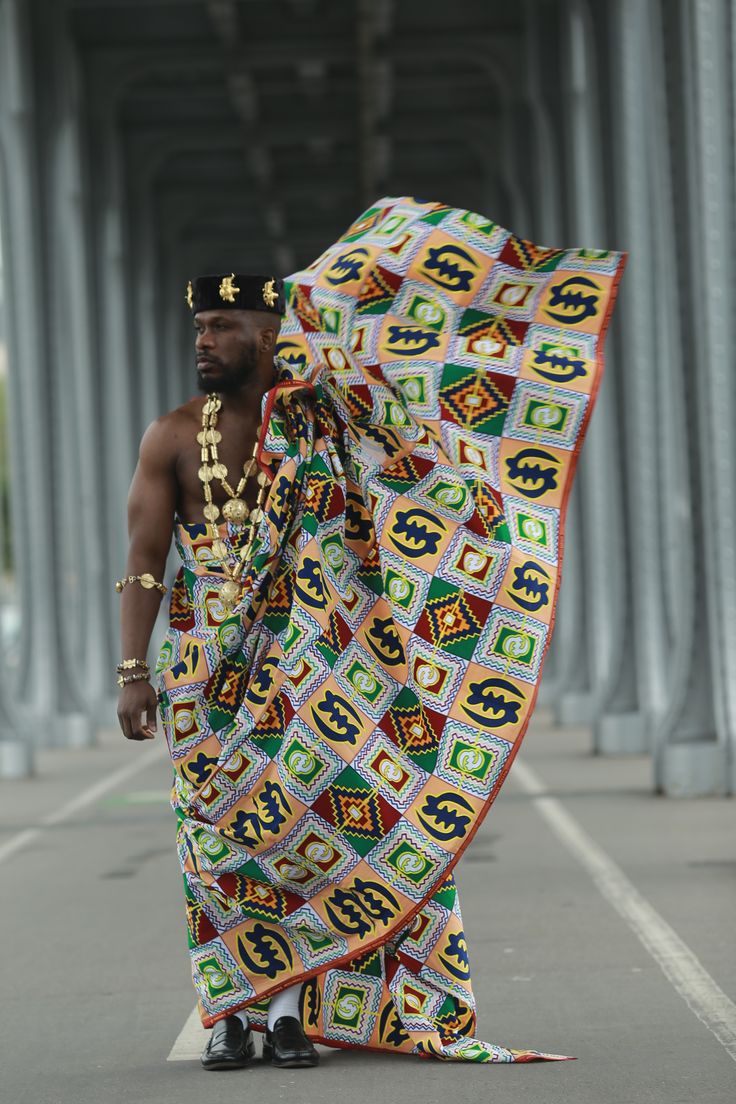
In certain cities, you can feel it before you see it.
A sharply pressed pair of trousers passed down through the decades. A silk scarf was tied the way someone’s grandmother once wore it. A jacket altered, repaired, and worn again, not out of nostalgia, but conviction. These clothes do not belong to the past. They belong to the present, carrying memory with ease.
Across African cities, vintage and heritage fashion is no longer a revival. It is a dominant language, one shaped by restraint, repetition, and a growing refusal to dress without meaning.
What was once considered old is now essential.
From Lagos to Dakar, vintage and heritage fashion is shaping modern African style through memory, craftsmanship, and a return to intentional dressing.
Why Vintage Dressing Feels Urgent Right Now
This shift is not driven by sentimentality.
It is a response to saturation. This shift is a response to rapid cycles that erase identity. The clothing arrives without context and leaves without consequence. Vintage and heritage dressing offer an alternative rhythm. Slower. More personal. More grounded.
Across cities, people are returning to garments that already carry time within them. Pieces that have lived, travelled, and been adapted. This return is not about recreating the past, but reclaiming authorship over style.
To dress vintage today is to choose intention over immediacy.
Lagos: Where Heritage Meets Precision
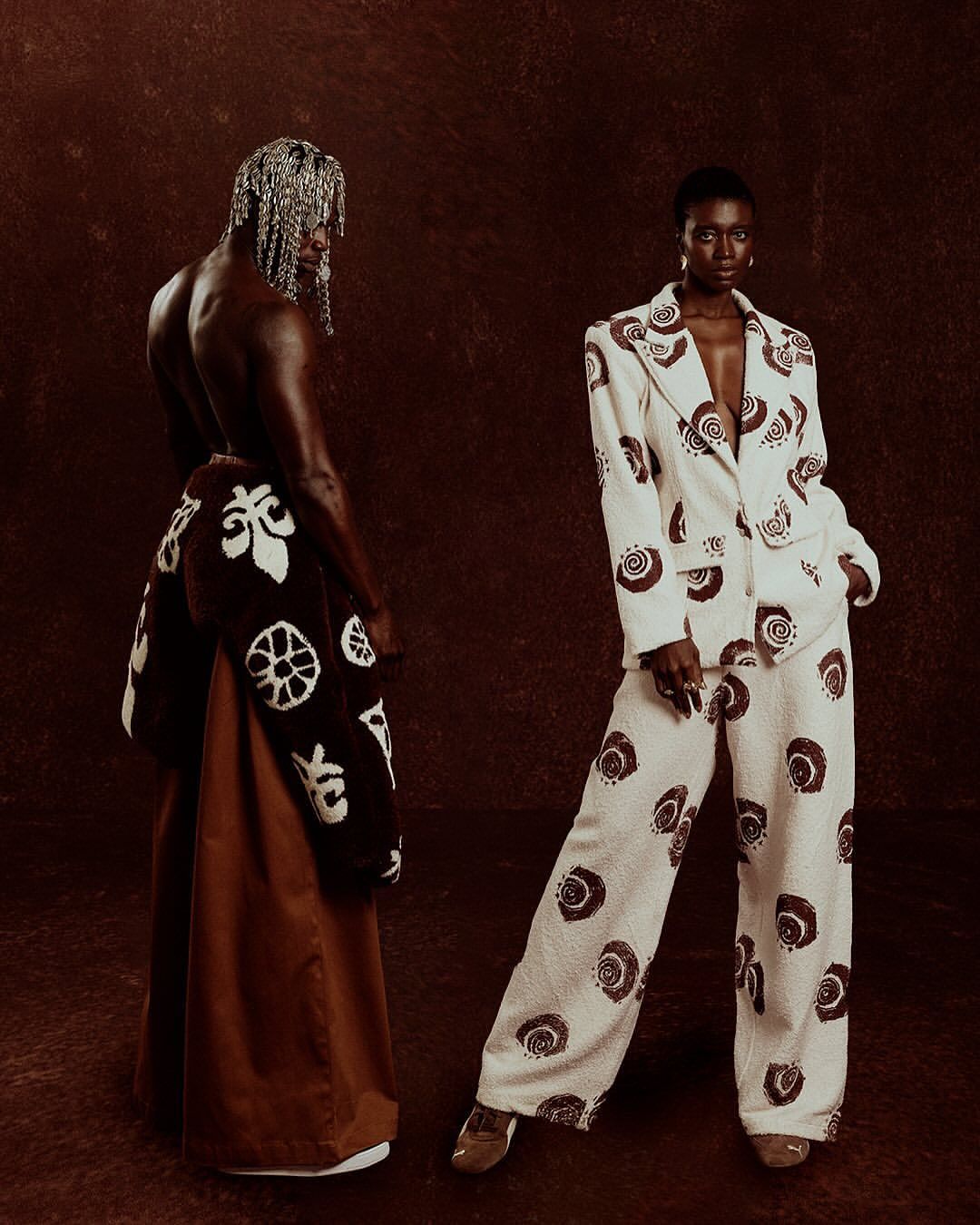
In Lagos, vintage dressing is defined by control.
Tailored trousers from earlier decades are paired with modern shirting. Traditional garments are altered to suit contemporary movement. Accessories are chosen sparingly, often carrying family history or personal significance.
Here, heritage is not worn loudly. It is edited. Lagos Style favours balance, where the past and present coexist without friction. The result is a dressing that feels composed rather than performative.
Vintage pieces are not costumes. They are infrastructure.
Accra: Texture, Colour, and Continuity
Accra’s relationship with vintage fashion is tactile.
Textiles matter deeply. Kente cloth reappears in unexpected silhouettes. Vintage prints are softened with wear; their colours settle into a quiet confidence. Garments are layered with ease, often styled intuitively rather than formally.
Heritage here is fluid. Clothing moves between generations without ceremony. What matters is how it feels on the body and how it holds memory.
In Accra, vintage dressing is less about preservation and more about continuity.
Dakar: Elegance as Inheritance
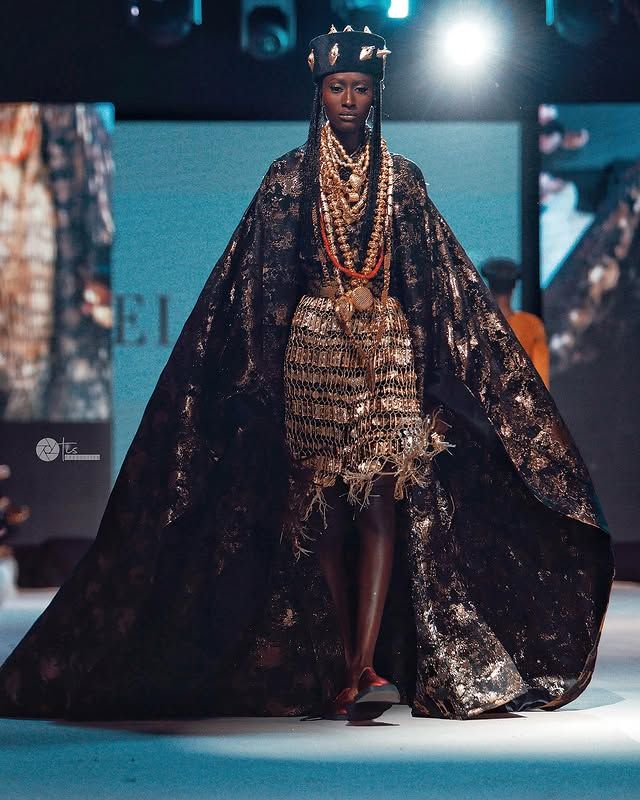
In Dakar, elegance is inherited, not acquired.
Vintage garments are worn with a natural authority that resists explanation. Flowing silhouettes, embroidered details, and carefully chosen fabrics define a style that feels both ceremonial and everyday.
Heritage dressing here reflects cultural confidence. There is no urgent need to modernise or reinterpret aggressively. The clothes already know who they are.
This quiet assurance has influenced how luxury is understood far beyond the city.
Nairobi: Reworking the Archive
Nairobi’s vintage movement is experimental.
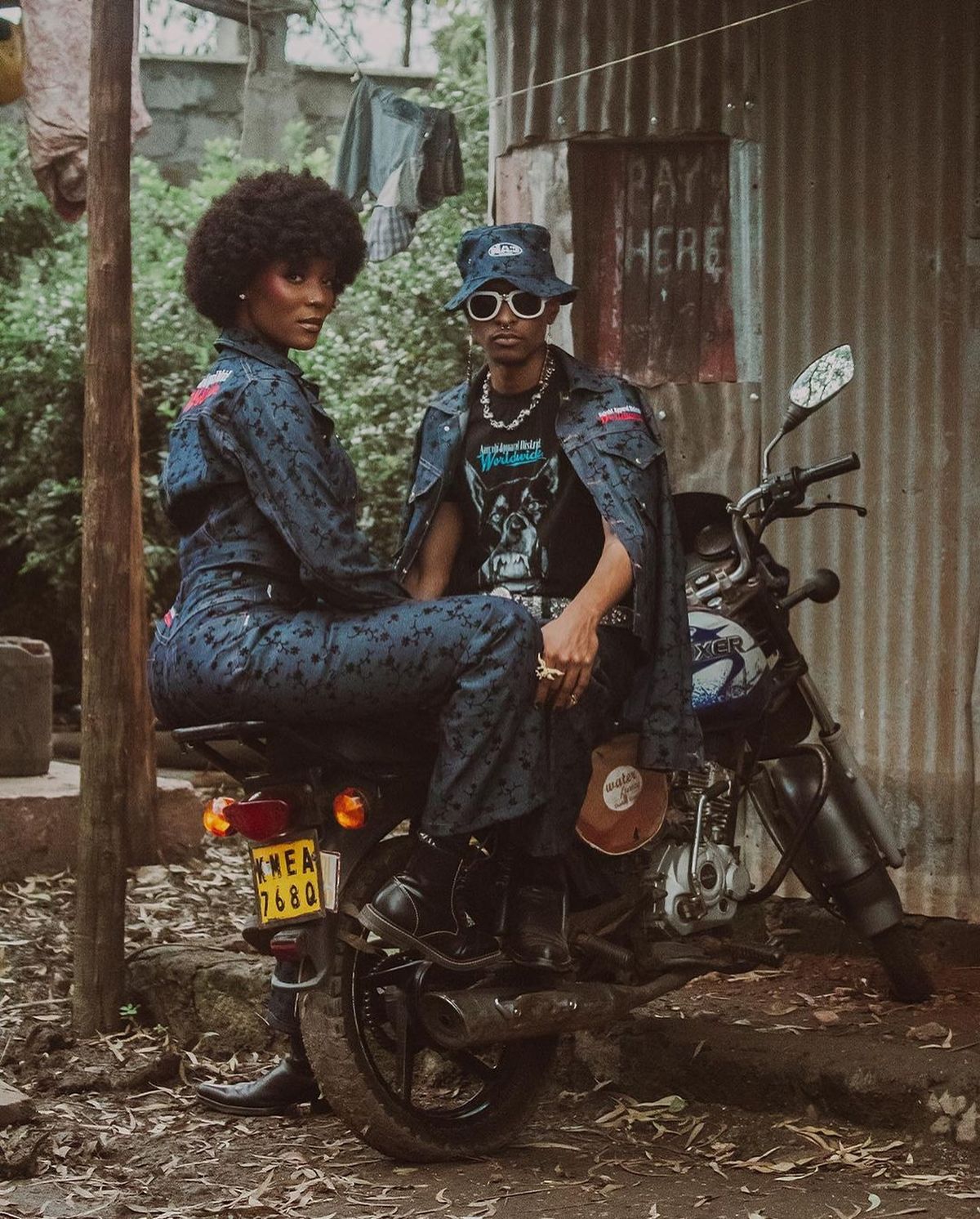
Secondhand markets, reworked garments, and archival silhouettes come together to create something distinctly current. Vintage is cut, reshaped, and layered with intention. The past becomes material, not reference.
This approach reflects a broader creative energy. This approach values sustainability, originality, and self-definition. Heritage is not preserved behind glass. It is handled, altered, and worn again.
In Nairobi, vintage dressing is an act of authorship.
Johannesburg: Power Dressing Reimagined
Johannesburg’s take on heritage fashion leans into structure.
Contemporary styling reintroduces strong shoulders, tailored lines, and classic menswear silhouettes. People wear vintage suits with confidence, often softening them with modern accessories or relaxed footwear.
Here, heritage dressing becomes a language of presence. It communicates authority without excess. The clothes do not ask for attention. They hold it.
Why This Movement Is About More Than Clothing
The dominance of vintage and heritage fashion across African cities is not a trend. It is a cultural recalibration.
It reflects:
- A renewed respect for craftsmanship
- A rejection of disposability
- A desire to dress with personal and collective memory
These garments carry stories. Of migration. Of resilience. Style passed quietly from one generation to the next. Wearing them becomes a form of continuity rather than nostalgia.
Fashion, in this context, becomes an archive you can walk in.
How Heritage Dressing Shapes Modern Style
What makes this movement powerful is its influence beyond vintage itself.
Designers are responding by creating garments meant to age well. Stylists are favouring pieces that can be worn repeatedly without losing relevance. Consumers are learning to value longevity over novelty.
Heritage dressing has redefined what feels modern. Not newness, but endurance.
READ ALSO:
- How African Designers Lead the New Era of Structural Minimalism
- How African Culture Is Shaping Global Fashion in 2025: Trends, Designers, and Style Movements
- The Evolution of African Fashion Style Beyond the Runway
The Global Influence of African Vintage Style
What is happening across African cities is now shaping global style conversations.
International creatives are looking to these cities for reference. Not for motifs, but for philosophy. The idea is that clothing should last. That style should carry memory. That restraint can be expressive.
This influence moves quietly but decisively.
The Past as a Living Resource
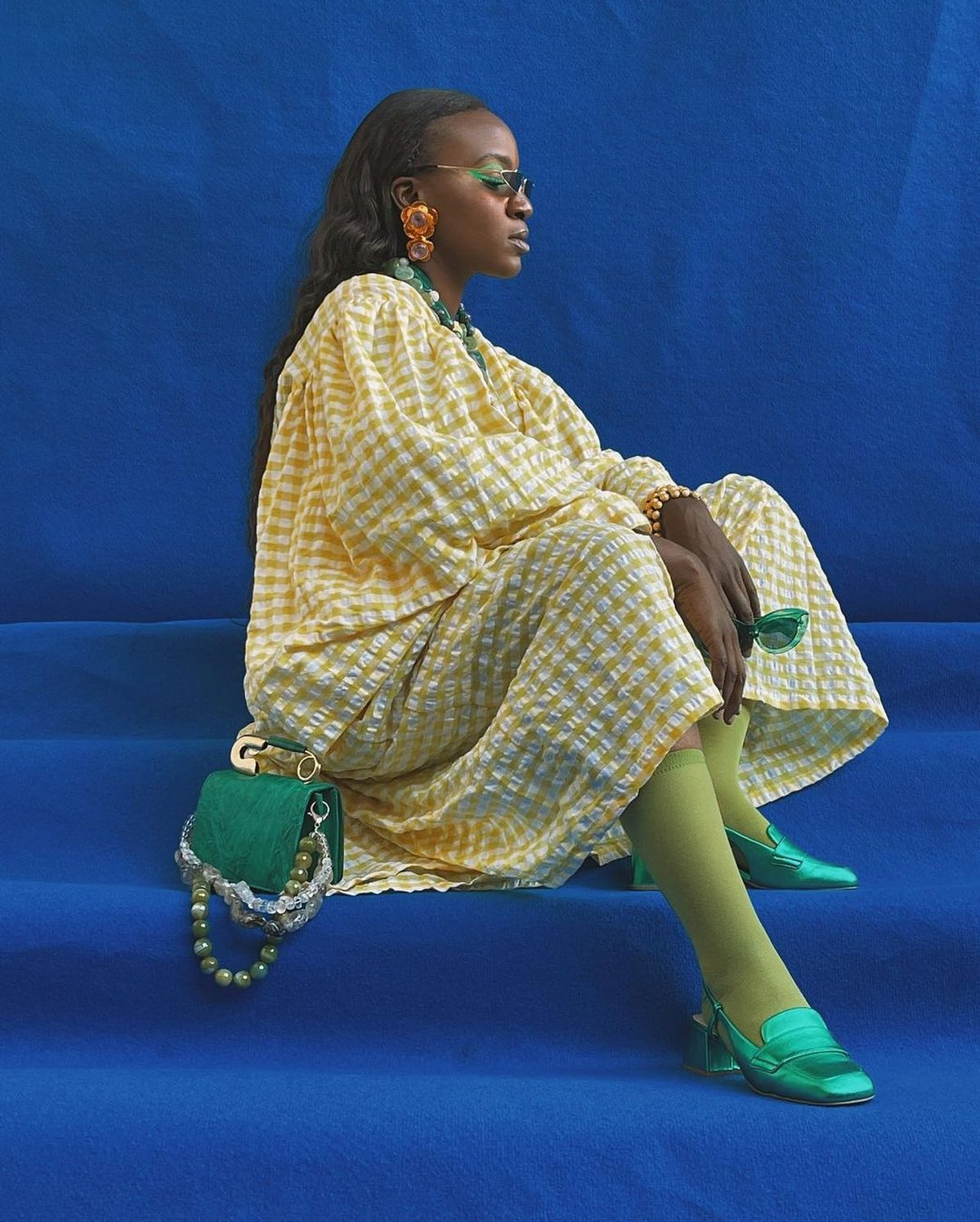
Vintage and heritage fashion across African cities is not about looking back.
It’s about recognising that the past still has work to do. Those garments made with care continue to offer relevance. That style, grounded in memory, feels more modern than anything produced without context.
In these cities, fashion is not chasing time. It is carrying it forward.
Frequently Asked Questions
- Is vintage fashion growing across Africa?
Yes. Cities across the continent are seeing increased engagement with secondhand, archival, and heritage garments.
- Why does heritage fashion feel modern right now?
This is because it prioritises longevity, craftsmanship, and meaning over speed.
- Is this movement tied to sustainability?
Yes, but it extends beyond sustainability into cultural preservation and personal identity.
- Does heritage dressing limit creativity?
No. Heritage dressing often expands creativity by encouraging reinterpretation instead of replacement.
- Is this trend influencing global fashion?
Increasingly so. Designers and stylists worldwide are drawing inspiration from African cities, rooted in longevity and restraint.